On June 6, 1944, the Allied forces undertook a difficult task aimed at opening a third front in Europe and thus halting the maelstrom of death and destruction on a continent that was bleeding to death after nearly five years of a brutal and unprecedented war. At dawn on that summer day, a conglomerate of soldiers from various Allied nations landed along the Norman coast of occupied France, and although the exact place and time of the landing had been kept secret, the Allied forces immediately met fierce resistance from the German defenders as soon as the ramps of the landing craft were opened. And a central element why the Normandy landing was by no means a simple task, especially for the Americans, was Heinrich Severloh, stationed in one of the 15 key defensive forts of the German fortifications along the beach.
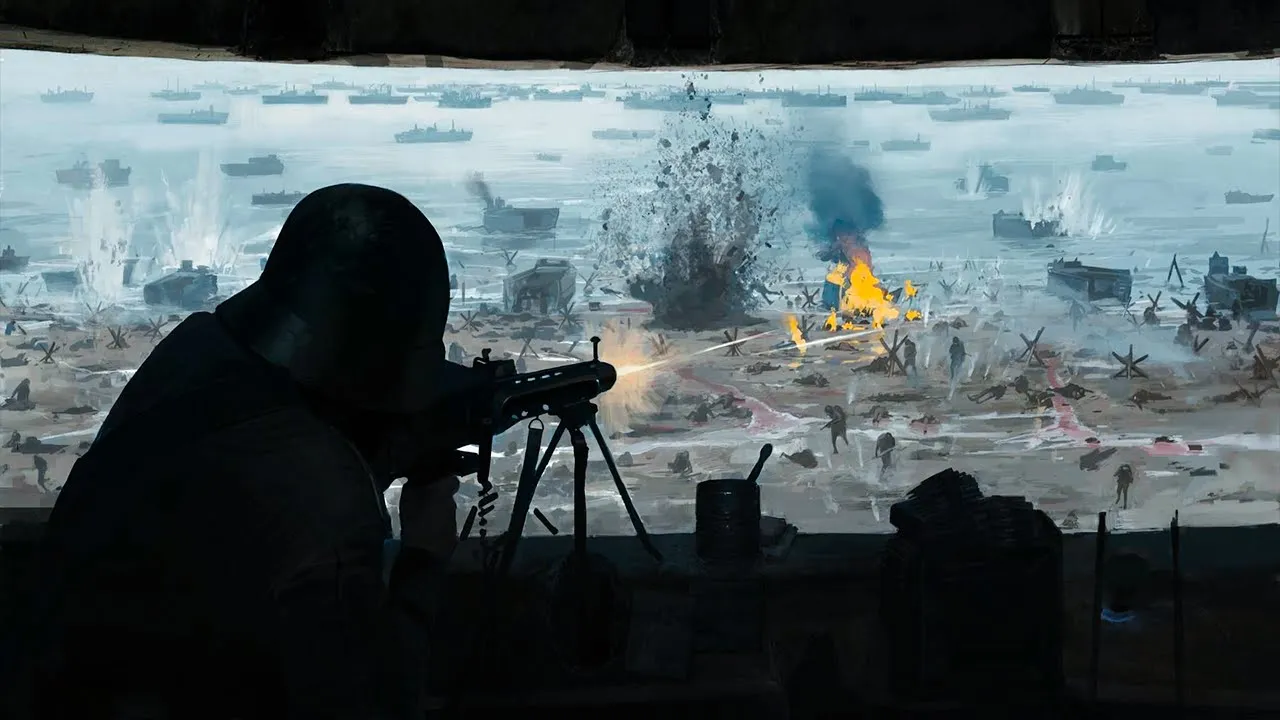
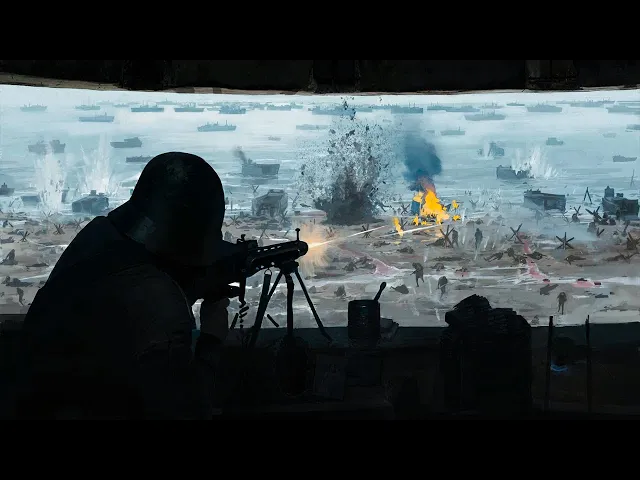
Armed with a simple but lethal MG 42, renowned for its rapid-fire capabilities, Severloh held his ground on Omaha Beach, firing tirelessly at enemy soldiers trying to break through. Severloh's accuracy with his gun that day was brutal, and what was intended to be a clean operation in which the Allies hoped to avoid as many casualties as possible, ended up being a bloodbath that stained Omaha Beach red. Squads and entire platoons were shot down within seconds of being exposed.
Countless soldiers, trapped by the knee-deep swell, struggled for cover under the weight of their equipment and the colossal machine gun fire. After more than six hours of incessant firing, and with his comrades already evacuating the forts and bunkers to undertake a massive retreat and regroup in the surrounding villages, Private Severloh emerged as the only survivor from his fortified position. Despite his lethal accuracy, determined will and steely impassivity to defend the beach, the enemy's numerical superiority, the lack of organization of the German defenders and the shortage of ammunition meant that at the end of that bloody day, young Heinrich Severloh was faced with a chilling reality.
After the grim events of D-Day, Heinrich Severloh, a young man in his early 20s, had become “the Beast of Omaha. ” Today, we are going to know one of those stories of the Second World War that, over the years, has become more relevant and has aroused greater curiosity among enthusiasts and scholars of this conflict. Let's find out who Heinrich Severloh was in life, the soldier credited with causing some 1,000 American casualties during the Normandy landings… But first, have you ever stopped to think about the essential role that ships played in the Normandy landings?
To be honest, the largest amphibious operation in history could not have taken place without first securing naval supremacy in the English Channel to allow the landing craft to reach the beach safely. But that's a lot of theory, so learn more about the true importance of naval forces with World of Warships. World of Warships is a free multiplayer game where history meets action; where you can experience the tension and strategy of those crucial days of naval history.
World of Warships offers us a window into that history, allowing us to command and learn about the ships that made possible the great naval exploits of the first half of the 20th century. From fast British destroyers to stealthy German submarines; from powerful Japanese battleships to imposing American aircraft carriers, World of Warships allows you to take command of entire fleets thanks to its more than 600 types of ships from more than 10 different navies. All of them faithfully recreated from real ships, which you will be able to use in more than 30 maps accompanied by the most realistic and varied climatology.
If you download World of Warships for PC from the link you will find in the description and in the commentary attached to this video and enter the promotional code that appears on the screen, you will receive as a gift: 7 days of premium account, 200 doubloons, 1,000,000 credits and the choice of one of the following ships after completing fifteen battles. If you want to find a war game with explosions, adrenaline and strategy, this is the one for you. And to commemorate the 80th anniversary of the Normandy landings, and for a limited time only, you will have the chance to unlock 3 special D-Day operations.
All this, don't forget, if you register with the link and use the promotional code I'm leaving you in the description. Many thanks to World of Warships for being the patron of this video. Resistance Nest 62 Omaha Beach In June 1944, a 20-year-old German soldier of the 352nd Infantry Division was waiting inside his combat outpost at Resistance Nest 62, one kilometer north of Colleville-sur-Mer.
Known in German as Widerstandsnester or Resistance Nests, these were a series of 15 semi-independent fortifications located along the Norman coast. Forming part of Hitler's mega-project known as the Atlantic Wall, they were conceived to form a defensive belt against a possible Allied invasion of the continent. The idea of using this type of fortifications was due to the planning of Field Marshal Erwin Rommel, to whom Hitler had entrusted the imperious task of improving the defenses of the French coast that bathes the English Channel.
The energetic marshal had done all he could to fortify the defenses in France. But manpower was in short supply, as were ammunition and heavy weapons. Also, German intelligence regarded the Normandy area as a second-order invasion zone, believing that the possibility of a landing would be more likely at the Calais Pass, Dunkirk, or the Somme Estuary.
In that sense, Rommel had assigned his best troops to defend those areas, such as the German 15th Army, stationed in the Calais area. Thus, the troops employed in Normandy were composed of 17-year-old conscripts, as well as Poles, Czechs and various other ethnic groups captured on the Eastern Front. Although these men could be classified as second-rate soldiers, Rommel reasoned that first-rate coastal fortifications could compensate for their human deficiencies.
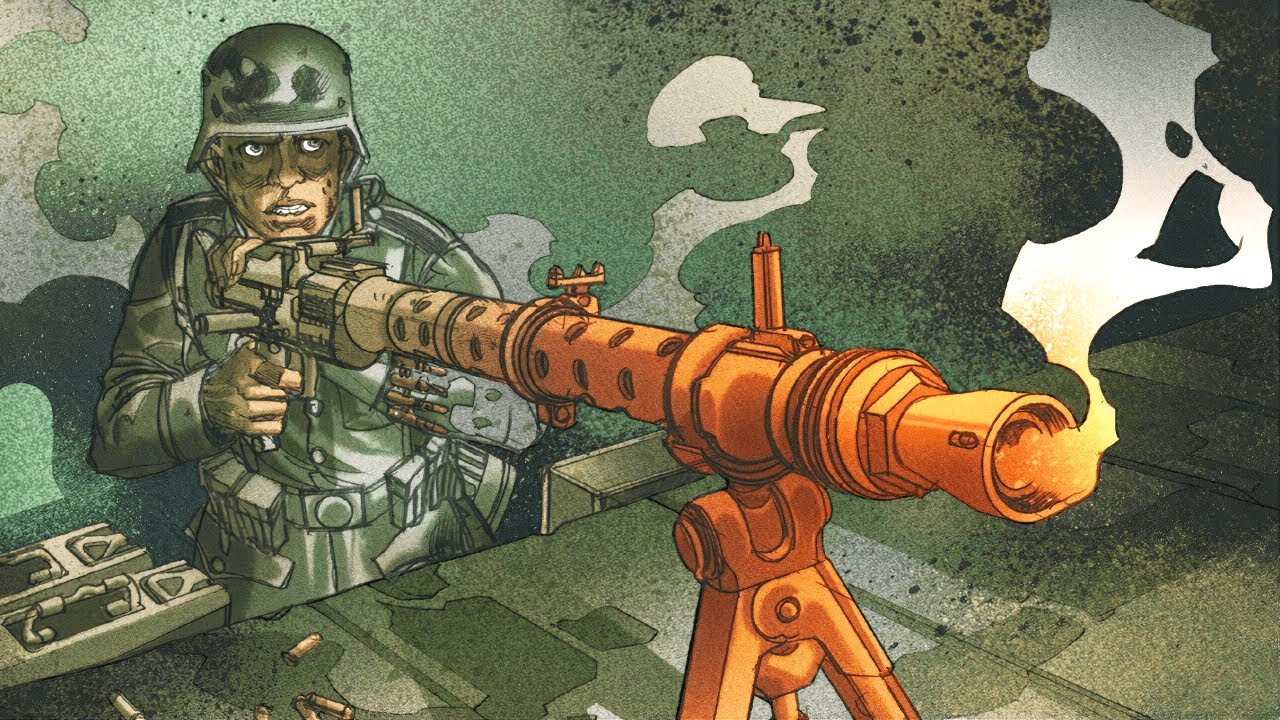
Therefore, and supported by the workers of the Todt Organization, the soldiers stationed in Normandy built 15 Resistance Nests, numbered consecutively from 60 to 74. Directly overlooking Omaha Beach, about 100 yards from the shoreline, was Resistance Nest 62, the largest strongpoint defending Omaha Beach, and the site where Heinrich Severloh installed his MG 42 machine gun, a weapon capable of firing 1,200 rounds per minute and nicknamed “Hitler's saw. ” Its fighting position on the northern slope of the cliffs covered an area of approximately 332 meters, and its privileged position at about 50 meters above sea level gave it a relatively good view of the beach area.
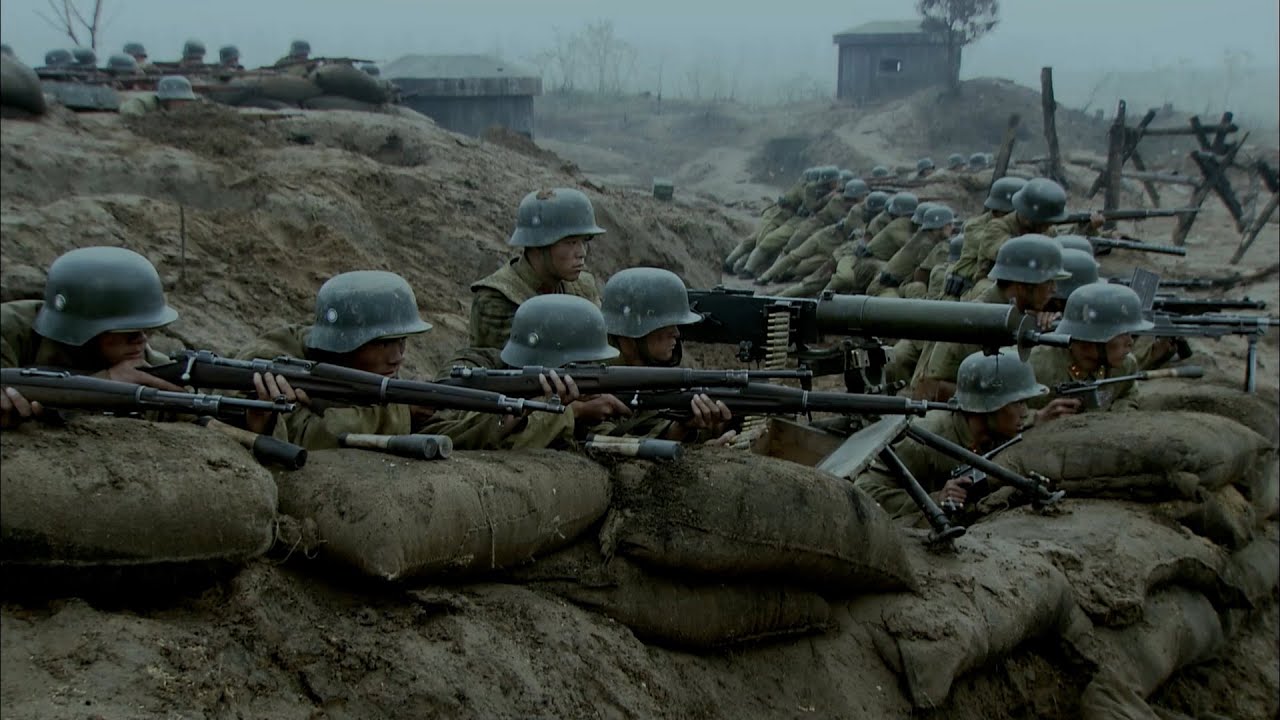
Severloh's position was also equipped with two 75-millimeter anti-tank guns, two 50-millimeter guns, two 50-millimeter mortars and several machine guns, including MG 34 and MG 42. As if this were not enough, the whole area was surrounded by barbed wire, protected by minefields and the beach was full of Czech hedgehogs. The men stationed at Resistance Nest 62 were under the command of Oberleutnant Bernhard Frerking, a 32-year-old schoolteacher who struck up a very good friendship with young Heinrich.
During the three months leading up to D-Day, Severloh explained to him how he had ended up there after being discharged from the Eastern Front in December 1942. The young soldier told him that during his work as a sled driver, an unfortunate comment he had made about the failings of his company cook resulted in a charge of insubordination. The ensuing punishment of physical labor in the snow resulted in severe tonsillitis, which required six months of convalescence in a military hospital.
After being medically discharged, he worked on his family farm for some time until he was drafted back into his division, now renamed the 352nd Infantry Division. “Come on, Hein; it's starting! ” – Bernhard Frerking On the night before the landing, while most of the men were trying to rest after another long day of surveillance, one of the alarms suddenly started to sound… “Hein, it's starting!
” Bernhard Frerking's voice woke Heinrich from his slumber in a small French farmhouse a few miles from the coast. Every member of the 352nd Infantry Division had been waiting for weeks for something to happen and knew how to respond. Field Marshal Rommel had always told them that when the inevitable invasion came, the enemy had to be repulsed within 24 hours or the war would be lost.
At the time, however, Rommel was on the other side of Normandy celebrating his wife's birthday, and the Führer was enjoying a night's sleep that no one dared disturb. The soldiers under Frerking's command had no idea how the day would evolve, but they were determined to do their duty. Both Frerking and Heinrich arrived at Resistance Nest 62 at 0055 hours on 6 June and the first lieutenant went directly to his observation post.
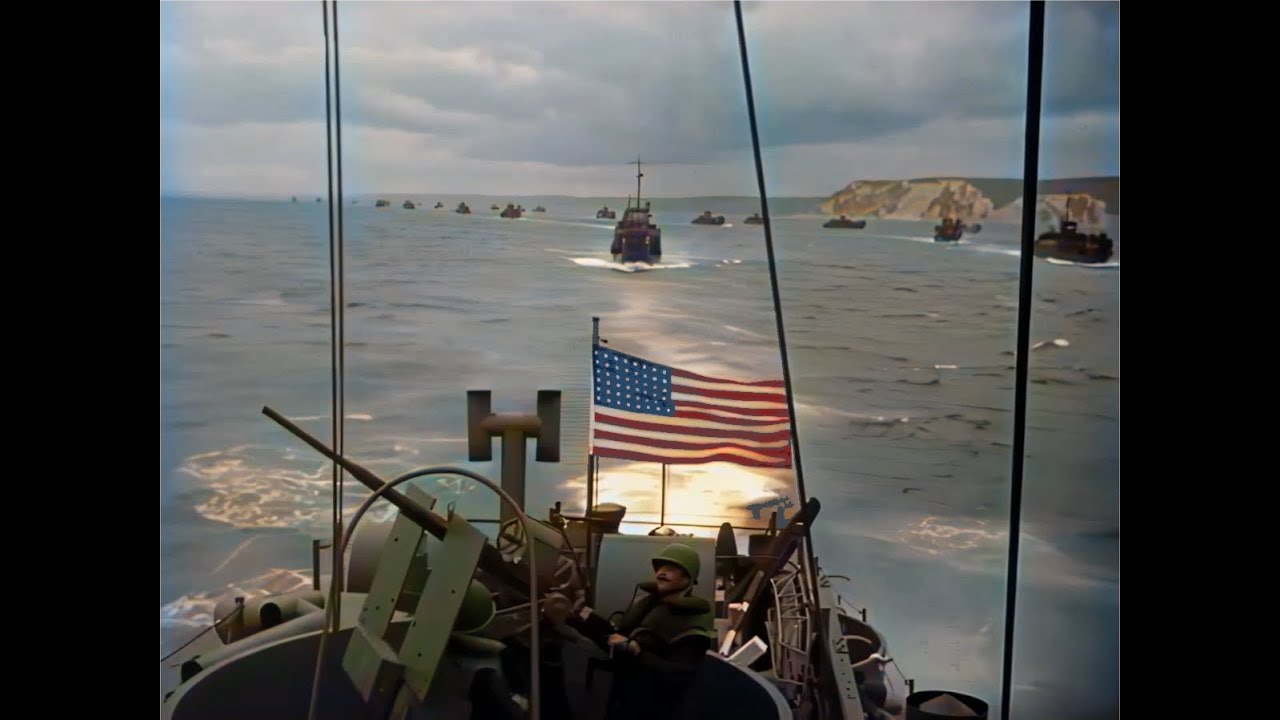
A sergeant appeared with a box of ammunition and Severloh was quick to load his MG 42. Soldiers of the 726th Grenadier Regiment, also defending Omaha Beach, were already in position, and all waited for daybreak. The bad weather that day prevented clear visibility, but as dawn broke and the clouds dissipated, the vast ocean began to reveal a hodgepodge of vessels of all sizes and shapes.
It was a menacing sight that left the German garrison speechless. The first to spot the enemy forces was First Lieutenant Frerking, who, from his observation post, caught a glimpse of a landscape never seen before. Ahead of him in the English Channel, more than 34,000 U.
S. troops in landing craft were waiting for their chance to make their way across the beach and earn a place in history. Thanks to writer Cornelius Ryan, this date will always be remembered as “the longest day,” but for many of these young troops on both sides, it would become the shortest day of their lives.
Shortly after 0600, bombers of the U. S. Eighth Air Force appeared over the heads of the German defenders, unleashing their devastating arsenal of bombs to destroy the German fortifications and defenses on the beaches.
Heinrich and his comrades could do little more than duck for cover and wait for bad weather to play in their favor. They were lucky. Poor visibility caused the planes to err on the side of caution when dropping their bombs, resulting in the bombs eventually falling inland, far from the firing positions.
However, the German defenders were far from safe. Following the bombardment, the Allied warships opened fire with the full power of their naval guns. The size of the fleet and the sheer volume of artillery pointed in his direction told Heinrich that he was going to have to fight for his life that day, which meant eliminating as many of the enemy as possible.
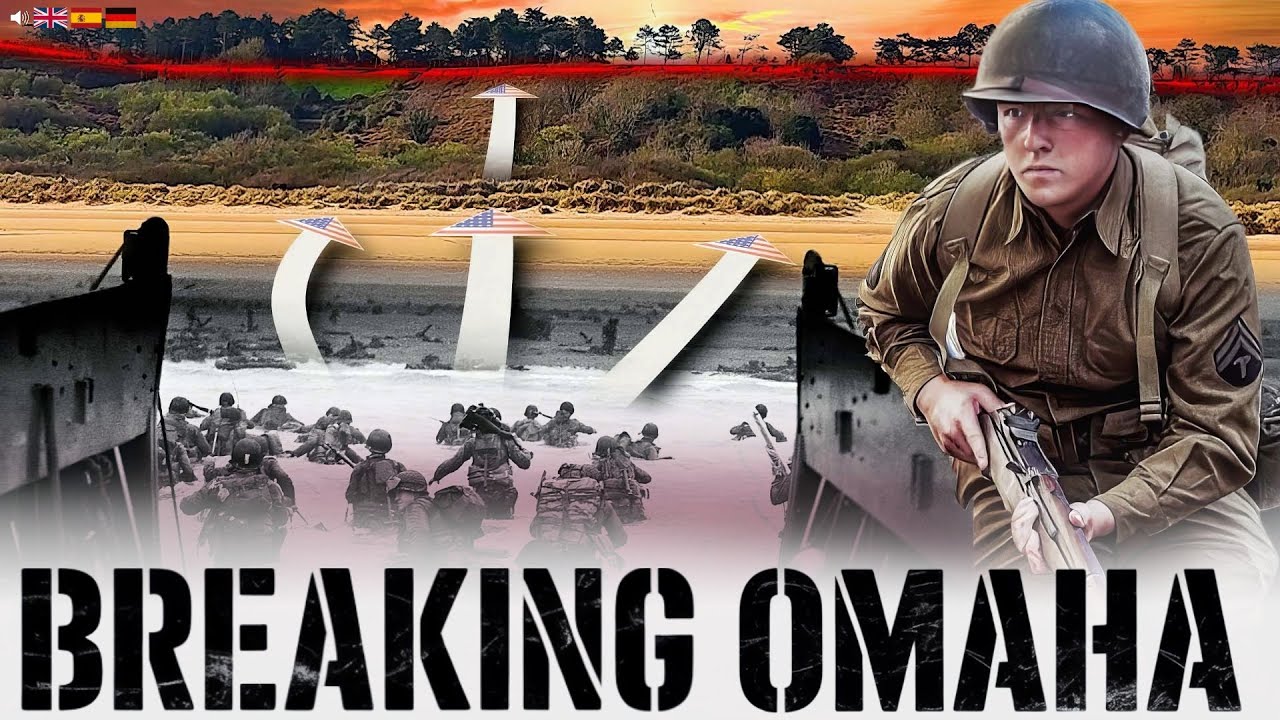
The first landing craft came into range around 0630. They lowered their ramps and unloaded groups of soldiers from the U. S.
Army's 1st Infantry Division, known as the Big Red One, whose soldiers quickly headed for the mainland, believing that their Air Force had eliminated most of the opposition. The instructions from the landing craft crewmen were to lower their ramps and drop the soldiers inside the designated Easy Red area, which was practically within range of Resistance Nest 62. Severloh kept his finger on the trigger of his machine gun, ready to pull it as soon as ordered.
Heinrich already had the first group of disembarking soldiers in range. Still, he waited until the water covered them up to their knees to make them easier targets. Before long, more landing craft began to arrive, each carrying more than 30 men.
In the blink of an eye, the Severloh sector was almost swarming with U. S. soldiers doing their best to get out of the water as quickly as possible.
It was now or never. Then, once the order to open fire was received, all hell broke loose on the beach… The rapid bursts from his MG 42 were more than enough to decimate an entire platoon coming ashore. He then took aim at a landing craft that had just lowered its ramp, and the young soldier made quick work of the men trying to distinguish where the enemy fire was coming from.
None survived. Thirty souls lost in just a few seconds. Severloh remembered it this way: “I could see how the water splashed where the bullets from my machine gun hit; the Americans threw themselves to the ground (…) and after a few moments, panic spread among them.
Soon the first corpses floated on the waves of the slowly rising tide. ” Wave after wave of U. S.
troops followed, transported by 10 to 15 landing craft in the Heinrich sector and about 50 throughout the Omaha Beach area, each carrying about 30 men. During breaks between troop waves, the barrel of Heinrich's MG 42 could cool down a bit, while he made sure to have a fresh supply of ammunition on hand. When his machine gun was not operational, he would simply use his Mauser K98 rifle, of which he estimated he had fired about 400 rounds that day.
First Lieutenant Frerking and the rest of the team were almost entirely occupied with identifying targets, establishing coordinates and communicating messages through the zigzagging trenches so that the heavy weapons could do their job. Severloh, meanwhile, was understandably absorbed in his own task, but realized in the course of the morning that his machine gun was the only one firing on that part of the beach. This was corroborated by a message at 1012 that morning that there was only one machine gun in operation at Resistance Nest 62, and that of course was his.
When it became clear to the U. S. soldiers that the descent of the ramp of their landing craft would be followed by the arrival of some 50 rounds of machine gun fire, many began to prematurely climb out the sides of the boats, often into water too deep for their gear-laden bodies.
But this decision, rather than allowing them to escape machine gun fire, meant that the occupants of the landing craft were more easily shot down by rifle fire from German soldiers closer to the beach. It was then that an incident occurred that would haunt Heinrich Severloh for many years. It happened while he was using his Mauser rifle.
In front of his Resistance Nest, on the beach itself, stood two concrete blocks that were originally part of a mill used to grind the pebbles from the beach into material for building the bunkers. Severloh relates that he saw a U. S.
soldier with a flamethrower on his back trying to seek shelter behind this structure, but as soon as he got within range, he shot him down with an accurate shot and the bullet went through his helmet as if it were a sheet of paper. The individual drama of this particular event somehow made a more lasting impression on him than the sight of soldiers collapsing en masse from the blasts of his MG 42, and he recounted reliving it many times in dreams after the war. At about 1400 hours, the young soldier sighted the first Sherman tanks approaching from the west.
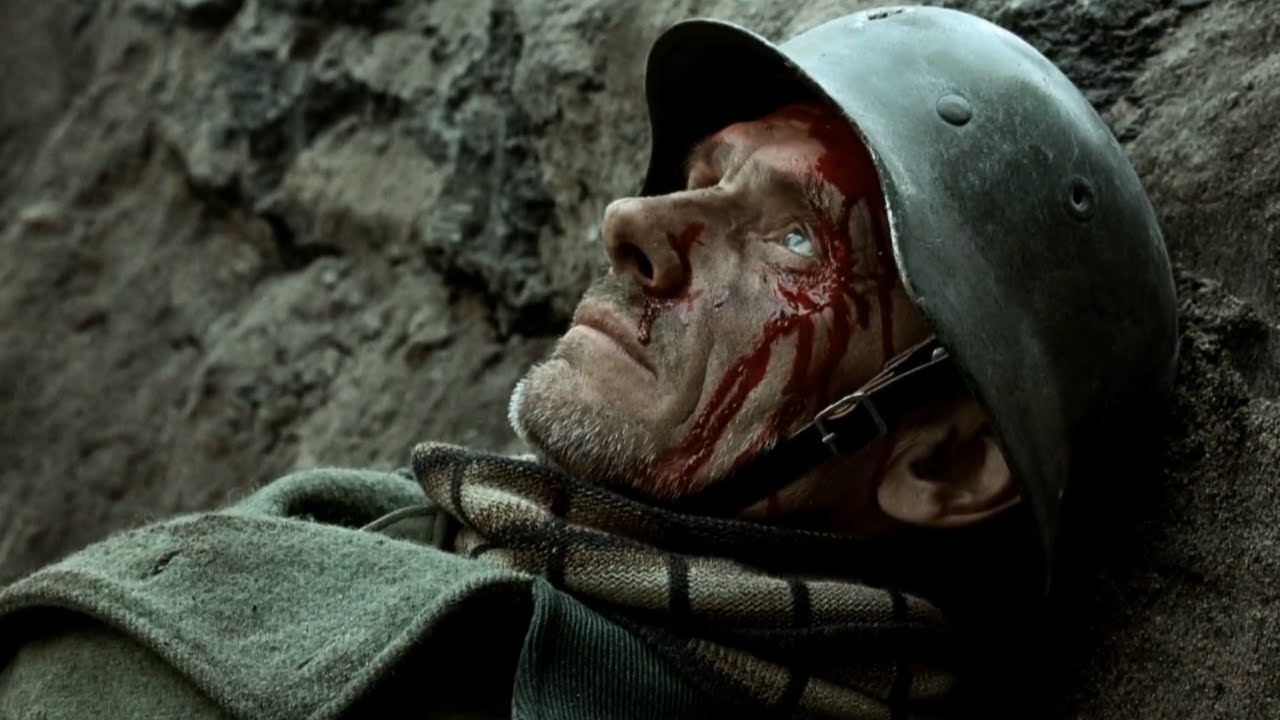
He had already exhausted his 12,000 rounds of ammunition before being forced to use tracer bullets which, although less lethal, would still serve to keep the Americans at bay as they attempted to scale the various parts of the cliff. This, however, highlighted their position, causing the enemy soldiers to immediately target their position. A shell soon hit the fortified bunker, wounding Severloh in the face, but Severloh, perhaps due to the adrenaline he felt after almost eight hours of combat, kept firing relentlessly.
At 1500 hours First Lieutenant Frerking appeared and ordered him to abandon his position after nine long hours of uninterrupted fighting. As the Americans had already taken their positions, the surviving Germans began to fight their way through trenches, craters and anything else they could find to keep their heads down as they made their way toward the town of Colleville. Severloh and his other comrades successfully reached the withdrawal zone at Resistance Nest 63, but 1st Lt.
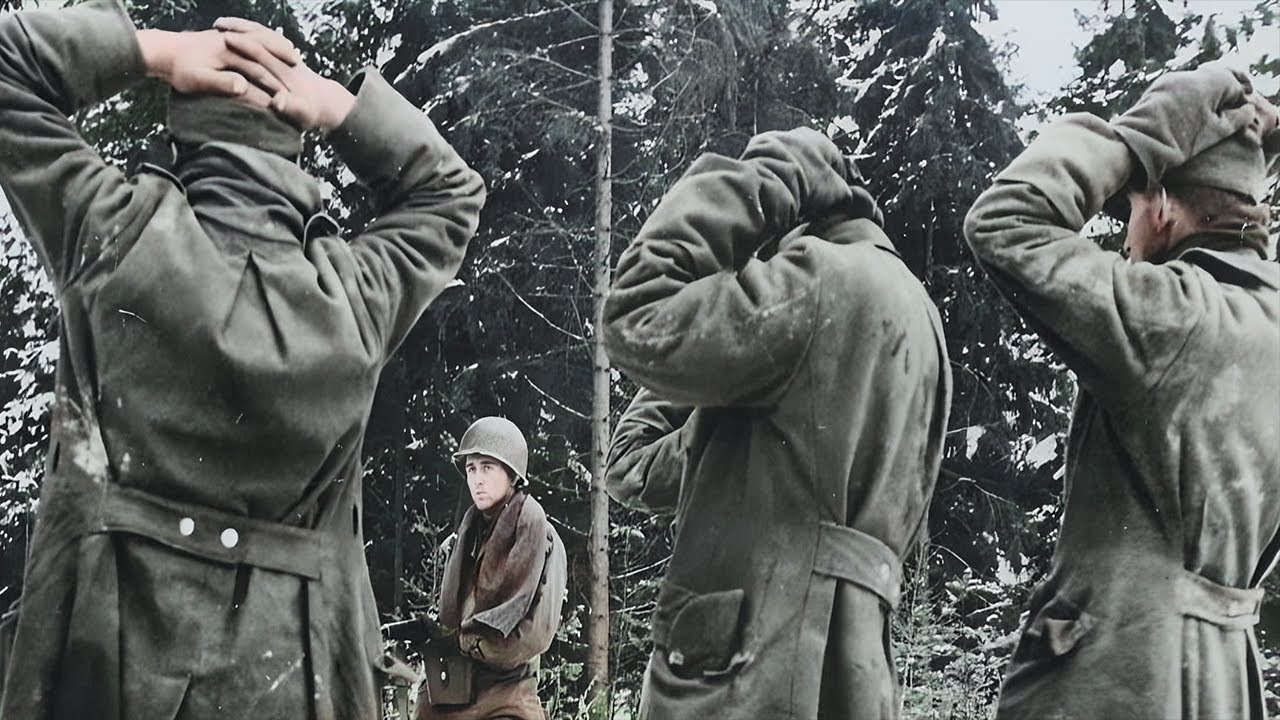
Frerking, who stayed behind to round up all the survivors, did not make it. The once schoolteacher was caught in the crossfire of American troops on the outskirts of the French town. Tired, overwhelmed and surrounded, Severloh and the survivors surrendered the next morning, thus ending their short-lived military career.
Ghosts of Omaha – Heinrich Severloh When Severloh and his comrades were captured, the young soldier did not know it at the time, but the American soldiers who took them prisoner belonged to the 16th Infantry Regiment, the main regiment against which Severloh's machine gun had been firing all morning. He was very lucky that he had not revealed too much information about himself. Although wounded, Heinrich spent the next few days helping others less fortunate than himself in a temporary POW camp at Vierville, at the opposite end of Omaha Beach.
He was then sent to England and from there to the United States to work in various camps along the East Coast, from Boston to Florida, mostly to help with the harvesting of crops. During his time as a prisoner of war in the United States, he recalled another experience that stirred his conscience about the events of D-Day. One day, a comrade of his was leafing through an old copy of Star magazine, which contained a graphic description of the Normandy landings.
He said he didn't think anything of it at first, since he didn't understand English, but he noticed an article about the events on Omaha Beach in the U. S. sector of Easy Red.
His friend read the article to him, and told him that it detailed that the men in charge of unloading the weapons could not do so on the beach in front of Easy Red because the mud of blood carried by the tide was so high that the soldiers could not wade through it because they kept slipping. After almost two years on the American continent, Heinrich received the news that he was to be released early from captivity, since his father, after managing to locate him, had requested his repatriation to help him on the farm. He was released on April 28, 1947.
Heinrich did his best to adjust to life on the farm, but there was no way he could bottle up his wartime experiences forever. Many of these experiences demanded some kind of “closure,” however difficult it was. With that in mind, the first thing he did upon his return to Germany was to meet with the mother and widow of his old friend Frerking, whom he helped locate Bernhard's grave, which was located in a military cemetery a few miles from Omaha.
In addition, he resumed his relationship with Lisa, a girl who was his girlfriend before he was stationed in France, marrying her in 1949. For a time, she became the only person he could talk to about the war, as he was very depressed, regretful and introspective. This caused him to travel numerous times to Normandy.
Perhaps to seek an answer to all that he was feeling. Over the next few decades, the ex-soldier managed to meet with veterans from both sides, and in 2000 he finally published his wartime experiences in his book. Although he never intended to release his memoirs, he details it as a kind of cathartic venting after 55 years of the traumas the war caused in his later life.
Heinrich Severloh left this world in 2006, but his legacy and the place where he earned the nickname “the Beast of Omaha” can still be seen to this day. The remains of the famous Resistance Nest 62 are located east of the Normandy American Cemetery and Memorial. Thanks once again to World of Warships for sponsoring this video.
Don't forget that for the 80th anniversary of D-Day you have prepared three special operations inspired by the Normandy landings in which your task will be to ensure a safe landing of the allied forces by clearing the waters surrounding the coast of enemy units and defensive structures. What are you waiting for, just click on the link in the description, enter the promotional code and set sail for battle with World of Warships! That's all for today.
Don't forget to ‘like’ the video, and we'll see you in the next battle.
![(PS5) D-DAY - Omaha Beach 1944 | Realistic ULTRA Graphics Gameplay [4K 60FPS HDR] Call of Duty](https://img.youtube.com/vi/57Hs_eUDt8g/maxresdefault.jpg)