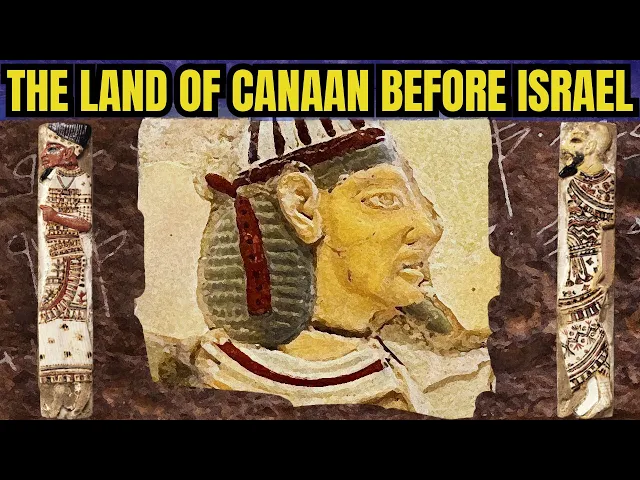
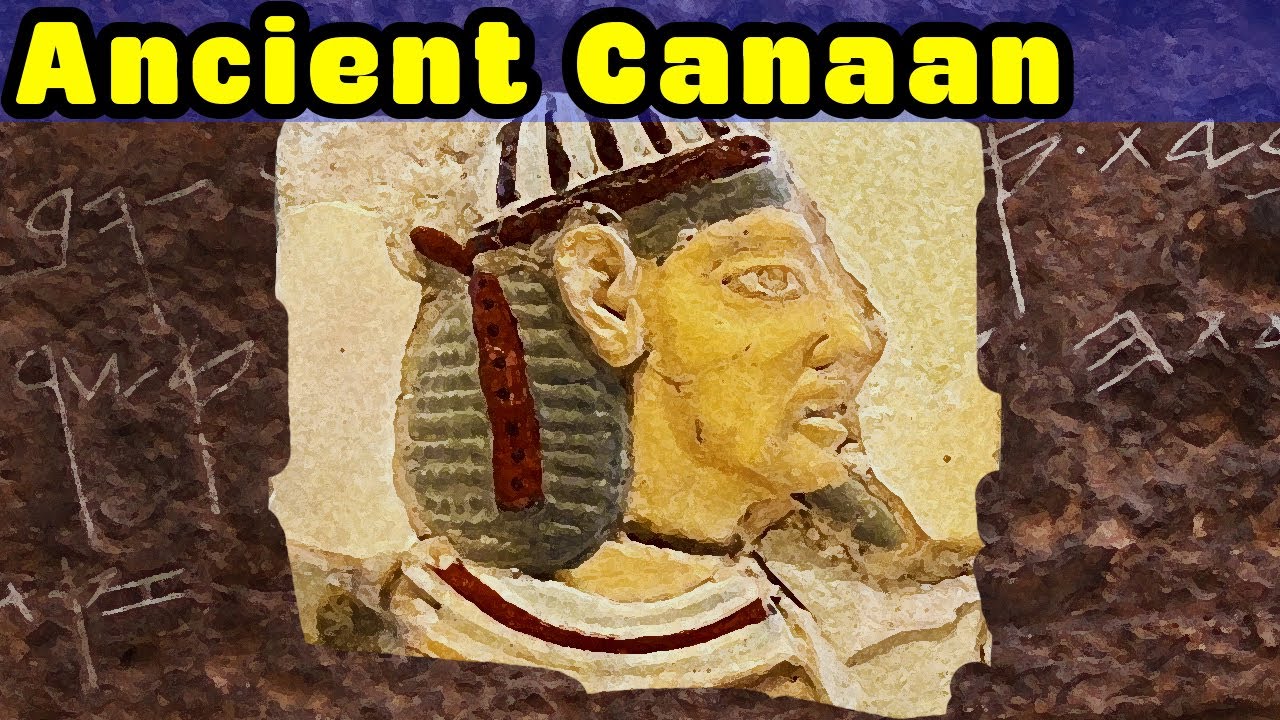
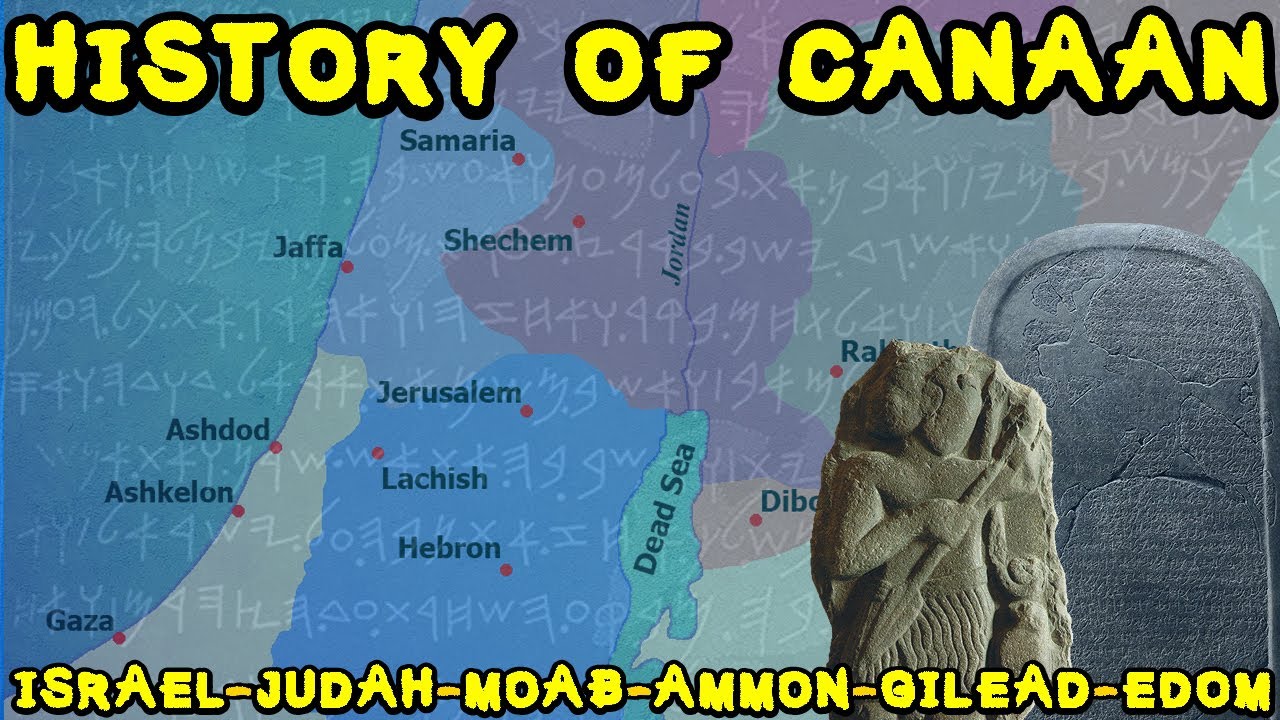
Welcome to the Unraveling the Scriptures Channel! Have you ever wondered what the land of Canaan was like before the arrival of the Israelites? The truth is, long before Abraham settled in this region, various populations had already inhabited Canaan.
Many of these peoples were of Canaanite ethnic origin or lived within Canaanite territory, even if they weren't strictly Canaanites themselves. In this video, I'd like to share some insights into the history of Canaan. Please like, comment, subscribe to the channel, and share this video with others interested in learning more about the land of Canaan.
The land of Canaan, before the arrival of the Israelites, formed a significant civilization and occupied a strategic region in antiquity, characterized by a language rooted in the Hamito-Semitic family, as well as other languages from distinct linguistic families. Canaan, part of the Southern Levant in the ancient Near East (or Middle East), gained particular prominence toward the end of the second millennium BCE during the Amarna Period in the Late Bronze Age. This region held great geopolitical importance as it was a point of convergence and overlap for the spheres of influence of the Egyptian, Hittite, Mitanni, and Assyrian Empires, which competed for control over it.
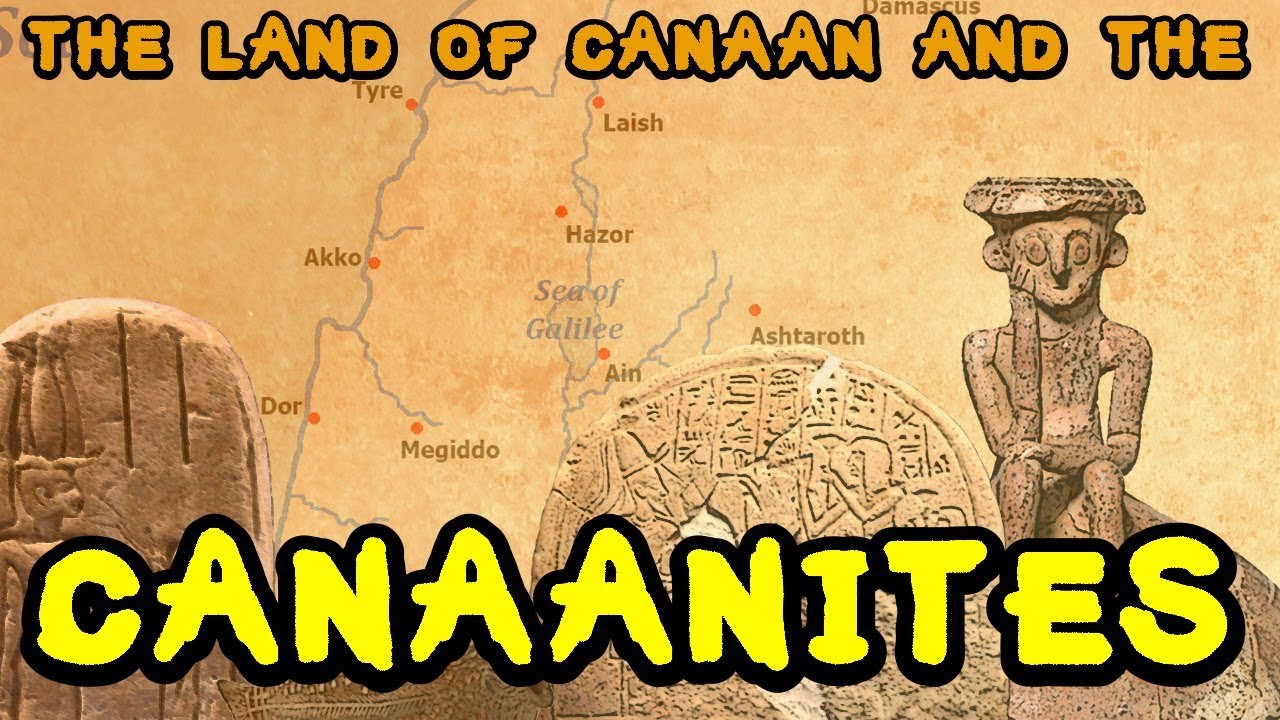
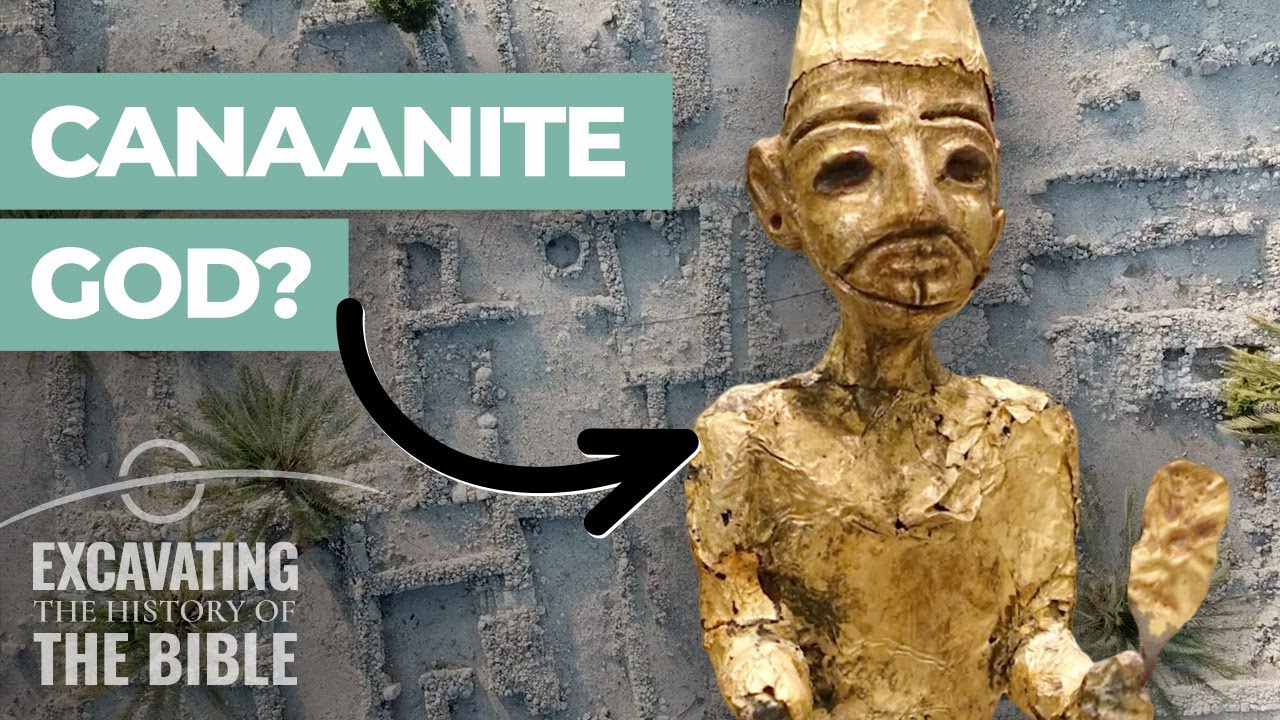
Most of what we know about Canaan and the Canaanites comes from archaeological excavations at sites like Tel Ha'az Zor, Tel Megiddo, Gezer, and Giza, as well as from biblical texts. These studies reveal valuable information about the lives, culture, and interactions of the Canaanites with other peoples of that time. The name Canaan is widely mentioned in the Bible, referring to the Promised Land.
The term "Canaanites" is broadly used to designate various ethnic groups, including both indigenous populations and pastoral nomads who settled in different areas of the Southern Levant, reflecting the cultural and social diversity of this ancient region. "Canaanite" is by far the most frequently referenced ethnic term in biblical texts, surpassing others like "Semite," "Jebusite," and "Hamite. " Scholar Mark Smith, drawing on archaeological findings, argues that while Israelite culture was distinct and autonomous, it was significantly influenced by Canaanite civilization, incorporating various elements from this culture.
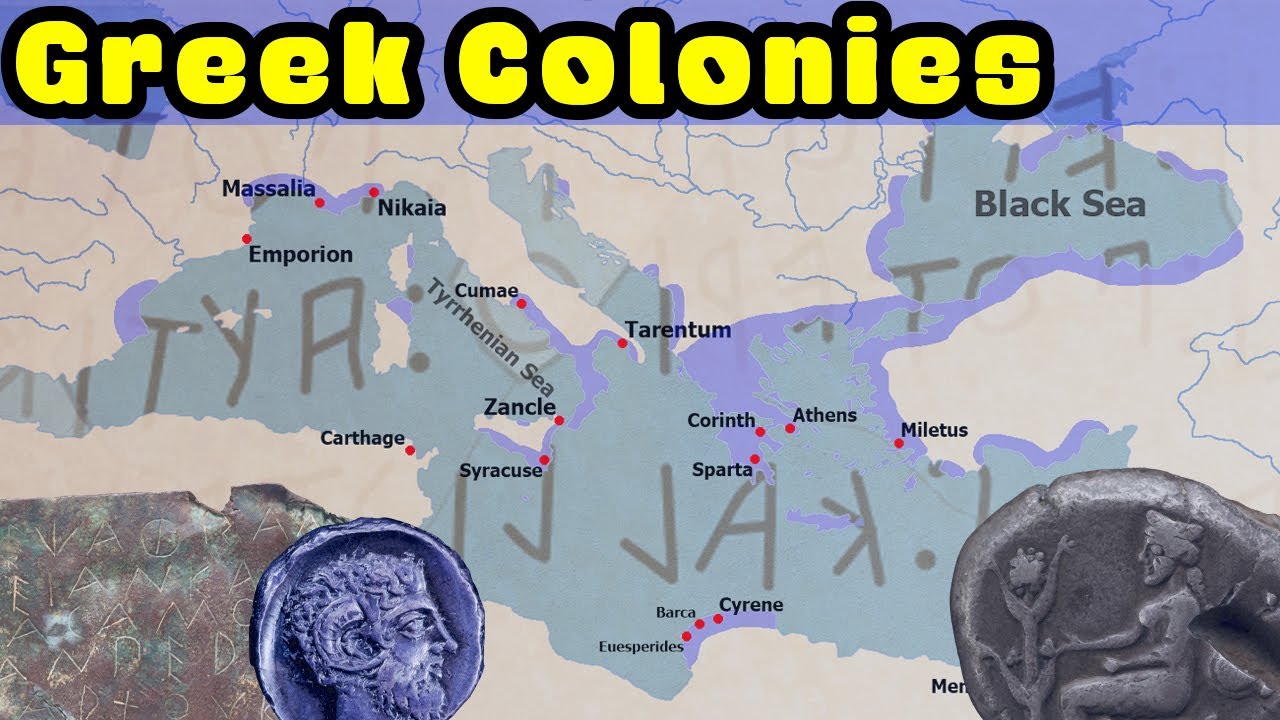
The term "Canaanite" continued to be used centuries later as an endonym, or a form of self-identification, for the people the ancient Greeks around 500 BCE came to know as Phoenicians. After the founding of Carthage in the 9th century BCE, many Phoenicians and speakers of Canaanite languages migrated to this region, where the term "Canaanite" evolved into "Chanani," commonly used by the Punic people in late antiquity as a form of ethnic and cultural identification in North Africa. Regarding the etymology and meaning of the term "Canaan," it originates from the ancient Hebrew and Phoenician term "Kanan," passing through the Koine Greek "Kanaan" and into the Latin "Canaan.
" The word appears as "Kahna" in Akkadian correspondence known as the Amarna Letters, dating from the 14th century BCE, and is also mentioned in various ancient Egyptian texts. In Greek, the term first appears in the writings of Herodotus between 550 and 476 BCE in the form "Kaa. " In Phoenician, it is found on coins from Berytus dating to the 2nd century BCE.
The etymology of "Canaan" remains uncertain, but one of the oldest theories suggests that the term derives from the Semitic root "kan," which would mean "to be low, humble, or subjugated. " This interpretation may reflect both a characteristic of political subjugation in Canaan's relationships with neighboring empires and a reference to the relatively low geographical terrain of some areas in the region. Some scholars suggest that the term "Canaan" may have originally meant "lowlands," in contrast to "Aram," which is thought to mean "highlands.
" This interpretation reinforces the idea of a geographical distinction between the two regions. In 1936, the academic Ephraim Avigdor Spiser presented an alternative hypothesis proposing that the term "Canaan" could derive from the Hurrian term "Kahu. " While many believe that Canaan was initially inhabited exclusively by Canaanite tribes, descendants of the biblical figure Canaan, son of Ham, the reality is that the region had an ethnically diverse and culturally rich population.
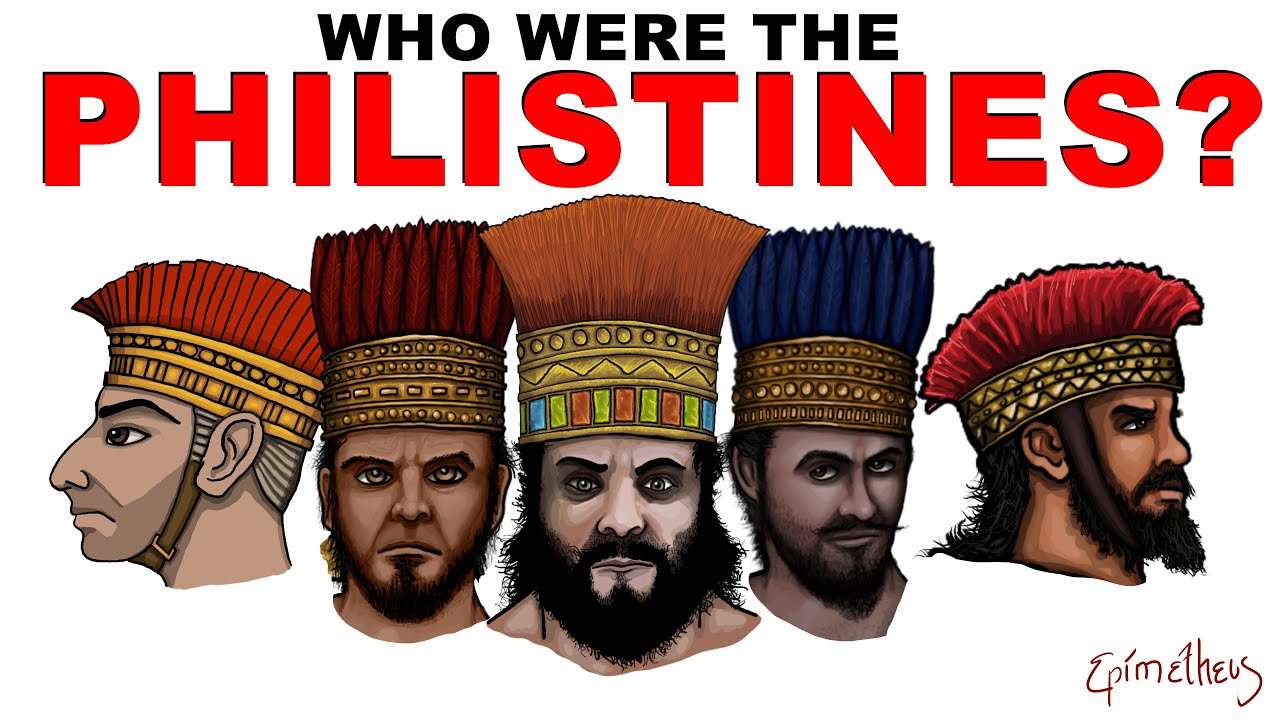
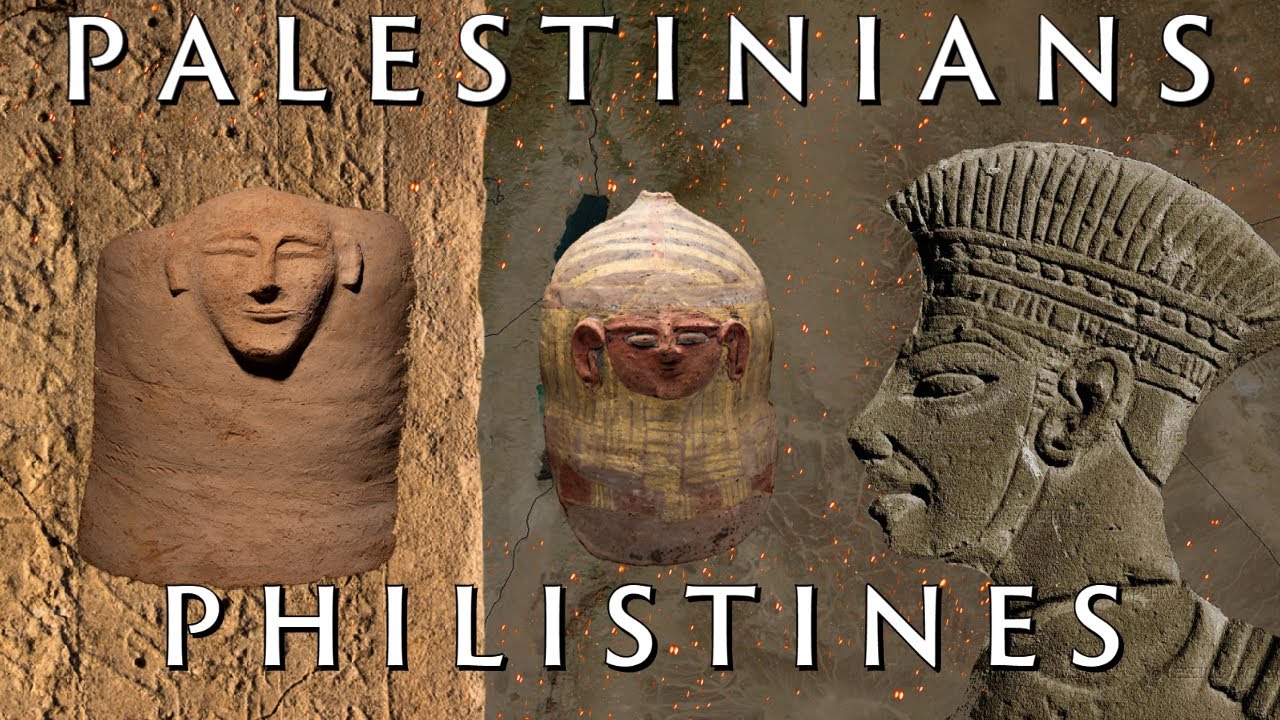
Canaan, located in the heart of the Southern Levant, was always a land of great strategic value, attracting people from various parts of the Mediterranean and the Near East. Its location encouraged cultural and commercial exchanges, making it a true melting pot of ethnicities and traditions. Besides the Canaanites, other cultural groups lived in the region, such as the Philistines, who were part of the so-called Sea Peoples and were known for their maritime and military skills.
Along with other maritime groups, the Philistines brought a range of influences that enriched the region's culture. This mix gave rise to an impressive ethnic and cultural diversity that would shape not only local society but also the broader history of the Levant. While they absorbed various Canaanite influences, the Philistines and other Sea Peoples were not of Canaanite or Semitic origin.
The Bible mentions that the Philistines came from the island of Kaphtor, which scholars often identify as Crete or a nearby region in Greece. This suggests an indirect connection to the Canaanite world, reflecting a complex line of descent. While the Philistines are portrayed as descendants of Ham, there is also an interpretation linking them to Japheth, indicating a cultural and possibly even genealogical fusion between the Near East and the Mediterranean.
In addition to the Philistines, other significant groups in Canaan included the Hurrians and various mixed populations that combined local cultural traditions with Indo-European influences. These multicultural interactions left lasting marks among the true Canaanites—those who could be considered patrilineal descendants of Canaan. The Sidonians, Hittites, Jebusites, Amorites, Girgashites, Hivites, and other smaller tribes make up what is understood today as the region's original tribes, each contributing religious practices, customs, and social structures that enriched Canaanite society.
Archaeologists and historians analyze artifacts and ancient texts to uncover how these peoples interacted. Discoveries like ceramics and inscriptions. .
. Help reveal the complexity of relationships between these groups. Even with a multiplicity of origins and influences, it appears that the coexistence among these peoples involved both conflict and moments of cooperation and cultural exchange.
Canaan was therefore much more than simply a land inhabited by the descendants of Canaan; it was a point of convergence where the Mediterranean and the Near East met, blending identities and cultures. The Sinaites, on the other hand, are not generally included among these peoples, as they are considered ancestors of many Asians, especially in the region of China, and did not settle in Canaan. The Levant was inhabited by people who already called the region Kinu around the third millennium B.
C. In the Akkadian language, the term Kahu also referred to purple-dyed wool, a color obtained from mollusks found along the coast, which became a valuable export from the area. Later, as they established trade relations with the Canaanites, the ancient Greeks adopted this association, leading the term to evolve.
They began to call the Canaanites Phoenicians, derived from the Greek word "phoinix," which means purple. Purple, especially the specific shade of Tyrian purple, was widely used in the garments of the Canaanites, which visually distinguished them from other groups in Canaan. Alongside the Canaanites, other populations coexisted, including the Philistines and groups of mixed Indo-European origins, as well as people of Semitic origin.
In biblical texts, the distinction between the Canaanites and other Semitic peoples is often highlighted, emphasizing the cultural and ethnic diversity that characterized the Levant at the time. Among the various Semitic populations that also inhabited the land of Canaan alongside the Canaanites were the Arameans, an ethnically Semitic group. Other Semitic peoples who settled in the region included the Ammonites and Moabites.
These groups had closer kinship ties with the Israelites, although in many cases, their maternal lineages were likely of Canaanite origin and possibly included Indo-European influences. Later, the Israelites arrived in Canaan, occupying and establishing themselves in the region. A frequent question is about the fate of the ancient ethnic Canaanites: Do they still exist today, or have they completely disappeared?
In reality, the ancient Canaanites ceased to exist as a distinct people, as they were gradually assimilated both culturally and genetically by the Semitic populations and the various kingdoms and empires that succeeded them in the area. Regarding the languages spoken by the ancient inhabitants of Canaan—both by the native Canaanites and the groups who migrated to the region but were not originally Canaanite—linguistic diversity was considerable. Most of these languages belonged to the Afroasiatic family.
Among them were ancient Canaanite and ancient Aramaic, the language of the Arameans, also of Semitic origin. In addition, there were Ugaritic and Amorite, spoken mainly by the Amorites. Another language present was Hurrian, associated with the Hurrians.
The Levant was also home to the Naan and Midianite Arab tribes, who had occupied the region for millennia. They spoke variants of Aramaic, such as Nabataean Aramaic, as well as languages from the Arabian Peninsula, such as Sabian. This linguistic context reflected the complex cultural makeup of the region, further shaped by incursions from other peoples, each bringing their own linguistic influences to Canaan.
Lastly, a frequently raised question, especially influenced by videos and articles available on YouTube and Google, concerns the skin color of the ancient Canaanites. The question of whether the Canaanites were black, based on biblical interpretations, is common. The curiosity largely arises because, in the Bible, the patriarch of the Canaanites is identified as a descendant of Ham and the brother of Cush and Mizraim—figures who, according to tradition, gave rise to African peoples such as the Kushites, which include Ethiopians, Somalis, Nubians from Sudan, and others.
The answer to this question is that, initially, the Canaanites had a more brown-toned skin. However, due to prolonged mixing with peoples of diverse origins, including Indo-Europeans and Semites, this population became ethnically mixed over time. This blend reflects the cultural and genetic diversity that characterized the region over millennia.
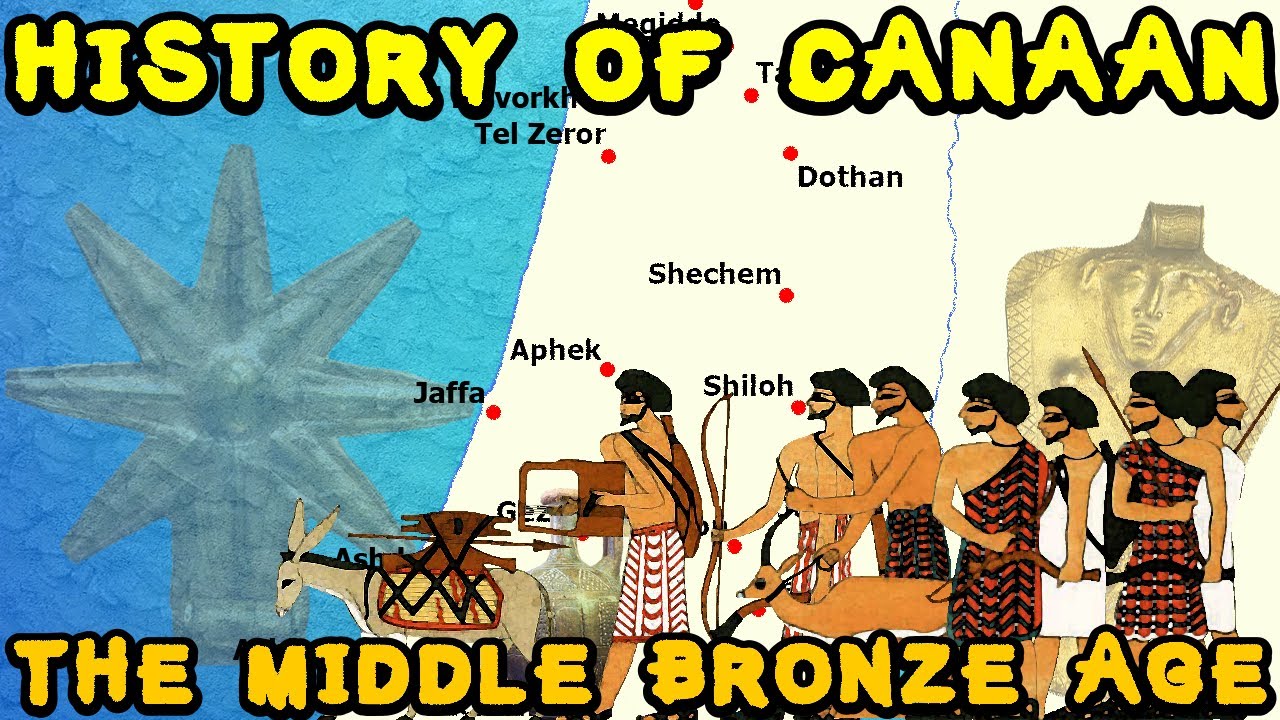
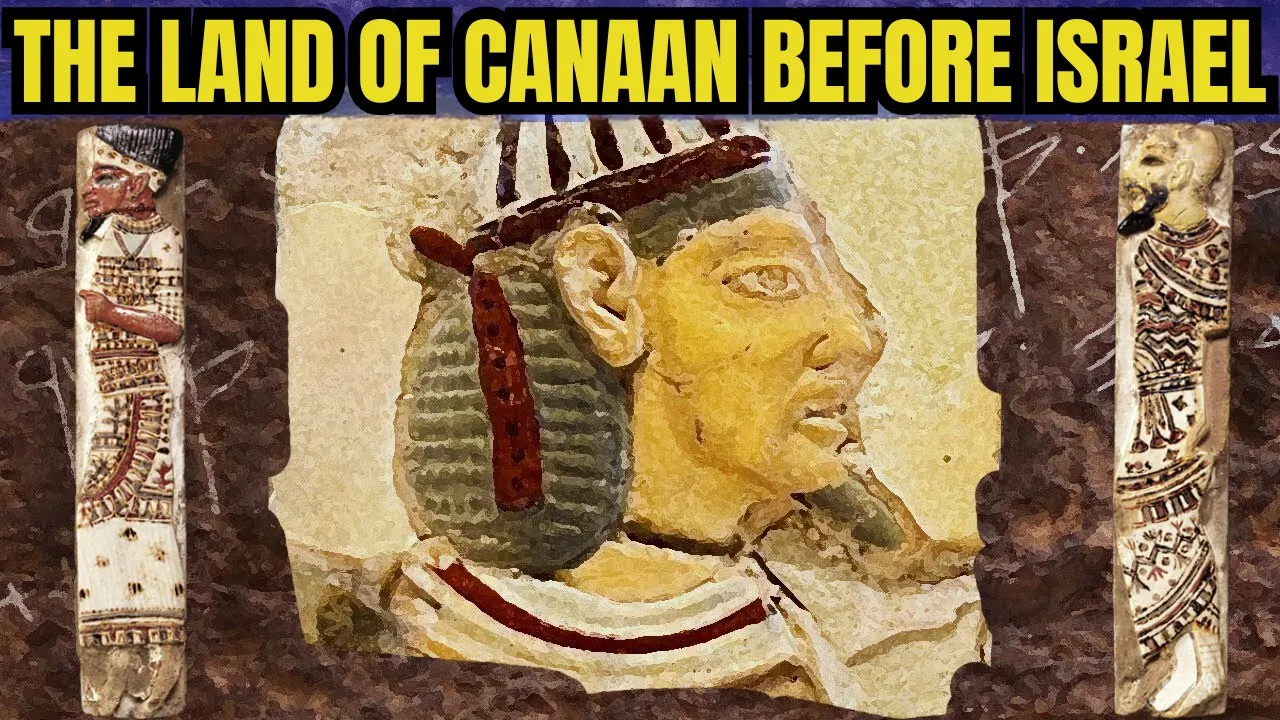
In the image I'm sharing with you, we can see Canaanites with different skin tones, ranging from lighter to darker shades. The skin of the Canaanites varied within the spectrum typical of Semitic peoples, with a brownish tone which gradually became more similar to that of Semitic and Indo-European peoples due to extensive intermarriage. This process included contacts with ancient Romans, Italics, Greeks, and even the so-called Sea Peoples, who arrived in the region and integrated into it.
Thank you to everyone who watched the video until now. If you're interested in a special video on Canaanite religion, I'll be preparing exclusive content to explore the religious traditions of the ancient Canaanites. May God bless you all, and see you soon!