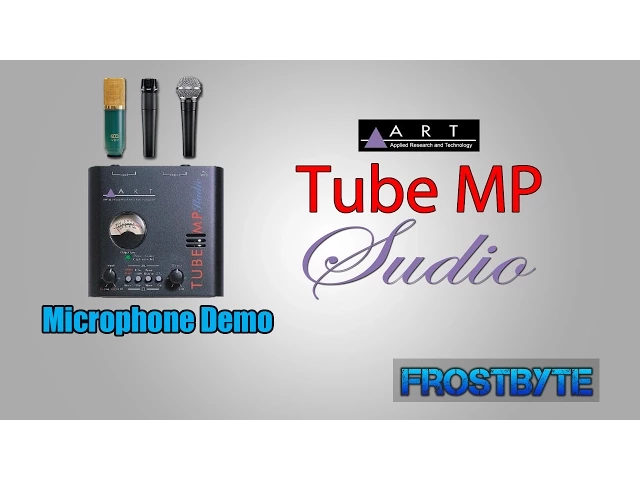
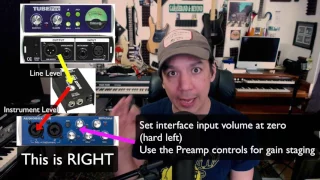
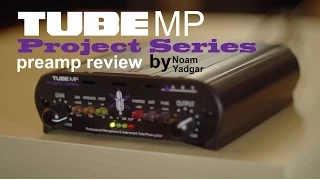
hey guys we're going to be taking a look at the art tube MP Studio but we're going to be using it for its intended purpose which is [Music] microphones we've already ran this thing with uh bass guitar and if you want to check out that video click on that uh it's actually really really awesome for uh things other than microphones like electric bass guitar and acoustic guitar in the Bas guitar video I also go a little bit into what a preamp is and what a preamp does for this video we're just going to get straight
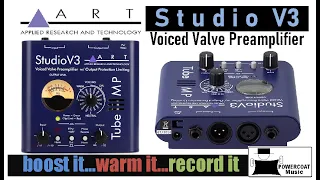
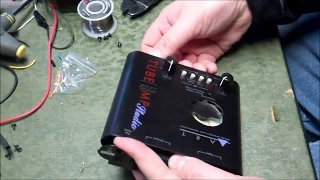
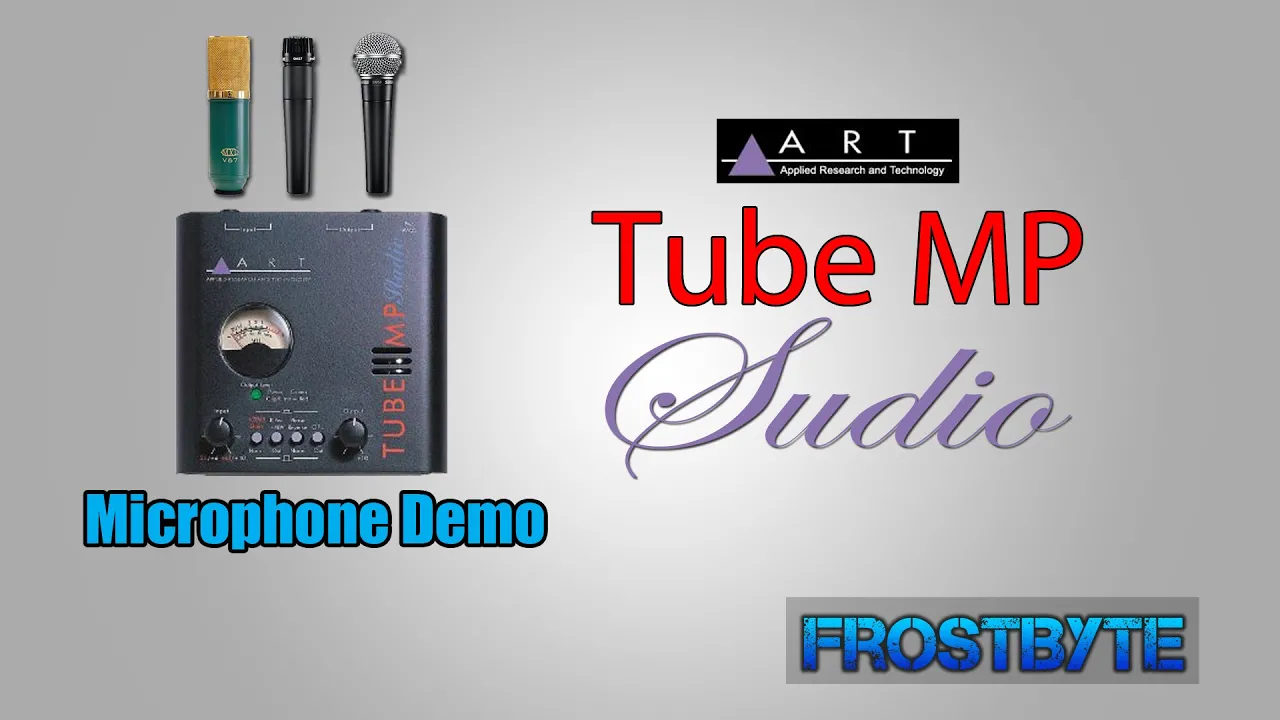
into it it is a miniature direct box type of preamp that you can use for microphones it's got a tube inside of it and it uh it sounds really warm it's got a nice warm characteristic tone and it kind of brings life to uh to a lot of microphones that I've ran through it it's made out of metal which is fantastic for its price and though it's not meant to be on a pedal board both because the input and outputs are along the top and the there's no foot switch it's shaped like a dra box
and it's small enough to fit along a pedal board so I put one on mine sometimes Inside the Box it comes with an AC power adapter and they insist that you use the one that it came with and if you need to replace it make sure that it's a 9vt AC adapter not a DC adapter it also comes with some pre-cut rubber inside the user manual to stick along the bottom of the preamp for desktop placement at the heart of the unit is a 12 ax7 tube which provides the warmth and the tube is interchangeable
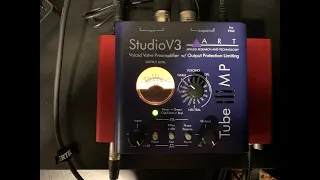
you can replace it if it goes out after months of use or you can can use different brand tubes for subtle tonal differences if you're into that kind of thing along the top are knobs and controls for the preamp input volume for your mic or instrument is on the left there's a positive 20 DB gain switch for line level microphones and instruments which are really really quiet some acoustic guitars will probably benefit from this there's a 48v phantom power for condenser microphones which will sometimes require it next to that is a phase reverse switch for
when you're using multiple microphones and you get something where One microphone is a little bit farther away than another microphone and the sound is a bit delayed you can remedy the situation by switching that on the preamp also has a built-in limiter which is a nice addition the limiter keeps the dynamic peaks of the input volume steady and finally on the right is the overall output volume of the pedal there's an LED which indicates if you're clipping when it turns red and stays green otherwise the Vu meter is a nice touch and gives you an
analog visual of the volume of the preamp it fits with the Vintage tube style of the unit the preamp does have XLR and/ quarter in input and output options though you can't use two instruments or two microphones uh inside the unit at the same time you are able to mix and match XLR and quarter inch input so if you've got uh a quarter inch and you've got only another XLR available like I do then you can run in with a quarter inch and out with an XLR or vice versa if you've got a microphone with
uh an XLR input and uh and you need to go out with a quarter inch into your interface then you are able to do do that uh along with using both xlrs and the quarter inch inputs and outputs together now I've got the MXL v67 going straight into my line 6 ux2 USB interface this is fine and the microphone sounds great I wouldn't really have to do much from here I can rely on the 48 volts that I'm getting from the ux2 I can rely on something like logic to add a compressor and an EQ
after recording some vocals and kind of even things out at the end the interface would be acting as my preamp and the Daw would be acting as my post-processing software now if I didn't have these tools this microphone actually wouldn't work because a condenser microphone usually needs 48 volts of power so if I wasn't able to go through the ux2 and I just ran straight into my computer with an XLR somehow I would still be I still need something to power it usually uh that interface or a mixer would do the job the art tube
preamp is going to be not only providing the external power that this uh would need but it makes it so that you can run into a mixer or an interface or or anything really that that could take this microphone and you'll have the power plus the tube warmth that would be provided by the preamp along with a few other options that you don't have on board the microphone such as raising and lowering the volume and adding uh the built-in limiter that's on the preamp so now I've got the v67 going through the preamp and I've
also got that running into Logic Pro 10 right off the bat I do have a little bit little bit more of a warmer characteristic and my the frequency response is a tad bit better but the uh the real cool thing here is that I can now adjust the volume live I can just do it on the on board the preamp so the actual volume of the microphone is going to is going to go up I don't have to do it on Logic the 20 dbel gain if I can actually if I actually bring everything make
it flat and get a little bit more volume right there if I actually am running just at 12:00 here and I just give it a 20 dbel gain it just gives me just a volume boost right off the bat so I don't have to do any postprocessing I could I mean very little postprocessing because I can get everything right before the fact on the preamp you'll also notice that I am going in through my XLR and out through uh quarter inch which I have mentioned in a different video that you are able to do and
that's actually something really cool I didn't think that this was going to be possible and I thought that I was going to have to go from XLR to XLR XLR cables are expensive and they're very very very delicate for some reason they go out as quickly as possible I have had quarter inch cables that have lasted years and I've had more expensive XLR cables go out after a week I'm I'm really glad that I am able to just narrow it down to a single XLR cable this preamp package that I have right here is ready
to go into a mixing board it's ready to go into anything that will take a/ quarter inch input or an XLR input and you have this uh the characteristic of the tube and inside of here as well as the 48 volts of phantom power which I do not need to provide uh using my ux2 any longer and you also have a little bit of a decel gain now we're going to try the same thing with this sure sm58 microphone this is a very very very popular microphone it's an industry standard you'll see this on stages
all over the place if you've ever done anything in music you've seen this microphone before uh this microphone does not require a 48v power supply it it doesn't require any external power it is a dynamic microphone and because it's a dynamic microphone it actually makes it suitable for stage use because it doesn't pick up every little sensitive thing and it lets you yell into it and throw it around without any problems and I'm running right into my ux2 without any preamp in the way and you can probably hear it's not very loud it's uh it's
actually um you know it's it's it's like I can see the input is barely picking up anything right now and there's not very much I can do about that right now because the really those are the only options I have is going straight into my interface and I can record this and maybe after the fact I can add a compressor and I can I can maybe boost it and all that kind of stuff but uh but let's try running a preamp through this my volume is higher so I can actually hear myself and I can
give it the plus 20 DB this microphone really needs but um see as you can see I have it sounding pretty close to the condenser microphone so this microphone which is $100 it's a dynamic microphone so it is extremely versatile and it's used in almost every application um ran through a preamp is given a lot more options and is given a lot more Dynamic Sound because you can now turn it up and down like an active microphone along with the uh the warmth of the tube of course $40 for a preamp kind of fixes a
lot of the problems a lot of people have with the microphones being too weak because when I'm speaking into a dynamic microphone it's picking up a line level of uh of volume so it's not going to be very loud and the interface like I've said in the previous video is not an amplifier um it's not going to make it louder it's not going to uh take the signal and amplify it like a guitar amp or a bass amp would it's just going to take the straight signal and run it through into my studio monitors the
preamp kind of it makes it independent from the interface and the interface is now just my sole USB connection into my computer but I can actually run this preamp into a mixing board into a live situation more importantly if you're running into a recording software and you only have one microphone but you want some studio quality vocals this dynamic microphone ran through a preamp will give you uh something that's very close which you'll have to do very little tweaking after the fact to get a get good results lastly let's check out the sm57 right now
I've kind of got it going through the preamp without the plus 20 dcbs you can see that or you can hear that it's very very thin sounding and that's something about this uh microphone it's made to take a lot of volume uh so you can uh use this as a guitar microphone on stage and in the studio um but you can also use it as a vocal microphone and if you want to sort of boost the signal here you can just add that 20 DB and there you go now you've got a nice usable microphone
sound coming from the sure sm57 which is also a very versatile microphone that you're going to see all over the place have known this to be a little bit more quiet than the sm58 it also picks up directly uh forward right straight forward instead of uh instead of um more from the side to the side because it is it is trying to block out all these sounds from the side and really get what is coming directly straight into it a great dynamic microphone that does not need the uh 48 volts uh like the sm58 but
really really really does benefit from the 20 DB that you're getting of gain from the uh from the device itself and then from here I can of course also go higher up and get a bit of a get as loud as possible and then you know I'm I'm also I'm again I'm not even clipping that's uh that's how loud I can get this I can actually not even clip so is incredibly apparent that running a preamp in between your microphone and whatever you've got U whether it be a mixer or computer is pretty ideal because
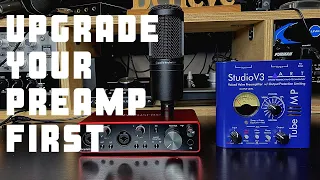
it does kind of give you a little bit more control over what you can do and it can kind of enhance the sound of a microphone a little bit think about a preamp just like a an amplifier for your microphone if uh a guitarist or a bass player runs into their amplifiers when you're running into a PA essentially that mixer is using its own built-in preamplifier if you've got a preamp like this and you're running into a recording software you've got your own amplifier just like the bass guitar and guitars have their amps on stage
bass and guitar do have their own preamps in the studio but the real plus factor with this particular unit is that it's got a tube inside of it and things that usually have valves in them are not very cheap because they're just not very cheap to make and the only reason that you would even want something like this in there is for the tone characteristic there's no real reason it's not efficient to use tubes anymore in fact televisions don't use tubes anymore computer monitors don't use tubes anymore everybody kind of moved out of that market
except for audio files audio is the one true thing that sounds really really good when it comes to Vintage tubes and so uh the fact that this is under $40 is a huge huge plus and the fact that it can turn almost any microphone into a tube microphone uh for a fraction of the cost is uh is a a huge huge benefit of something like this the fact that I can actually run a bass guitar through this and uh and go into my computer or I can even as an emergency bring this as a direct
box uh is is a huge huge added benefit because I love versatility and there's preamps for bass there's preamps for guitars and there's vocal preamps but you can try to use a different preamp for something else and see what kind of sound you get and when you run acoustic guitars and electric bases through this you do get a warm tube characteristic IC that it is designed with so I recommend something like this if you're uh if you're recording podcasts you're doing any kind of vocal work if you're doing any kind of video work where you
do need a microphone I'm using a USB microphone right now so I don't really need a preamp I I've got there is a built-in preamp that goes with those kind of microphones but if You' got a traditional XLR microphone and you just have one you can run it through this and it will you know you can go and do a compression later on or you can go and do an add the EQ and kind of make it sound a little bit better but you don't have to get really really expensive equipment or microphones you just
have to have something like this and you know in the way you could uh run straight into a interface or you can run into a mixer and be on your way the only uh things that I can suggest are like I said on the bass guitar video is I wish that the input and output was were not on the top I wish that they were on the sides uh because I do like to put this on a pedal board sometimes and my daisy chain it kind of conflicts with it the daisy chain is kind of
opposite also wish that art would make a huge line of of products they do have a lot of different preamps that you can use for microphones and there are a lot of different tube preamps that they have but I wish that they would uh make accessories and that they would make one specifically for bass or for guitars with the price in mind and the quality of the device it is a huge plus to have something like this and I would definitely go out and grab something that was specifically made for base or something that had
extra channels on it uh so that I could actually use it on the road or I can get some added benefits so that was the art tube MP studio if you guys have any questions on this please ask down below remember to follow like subscribe do all that kind of stuff and I will catch you guys in the next video