We're master fixers. Toilets, toys, leaky faucets. Great.
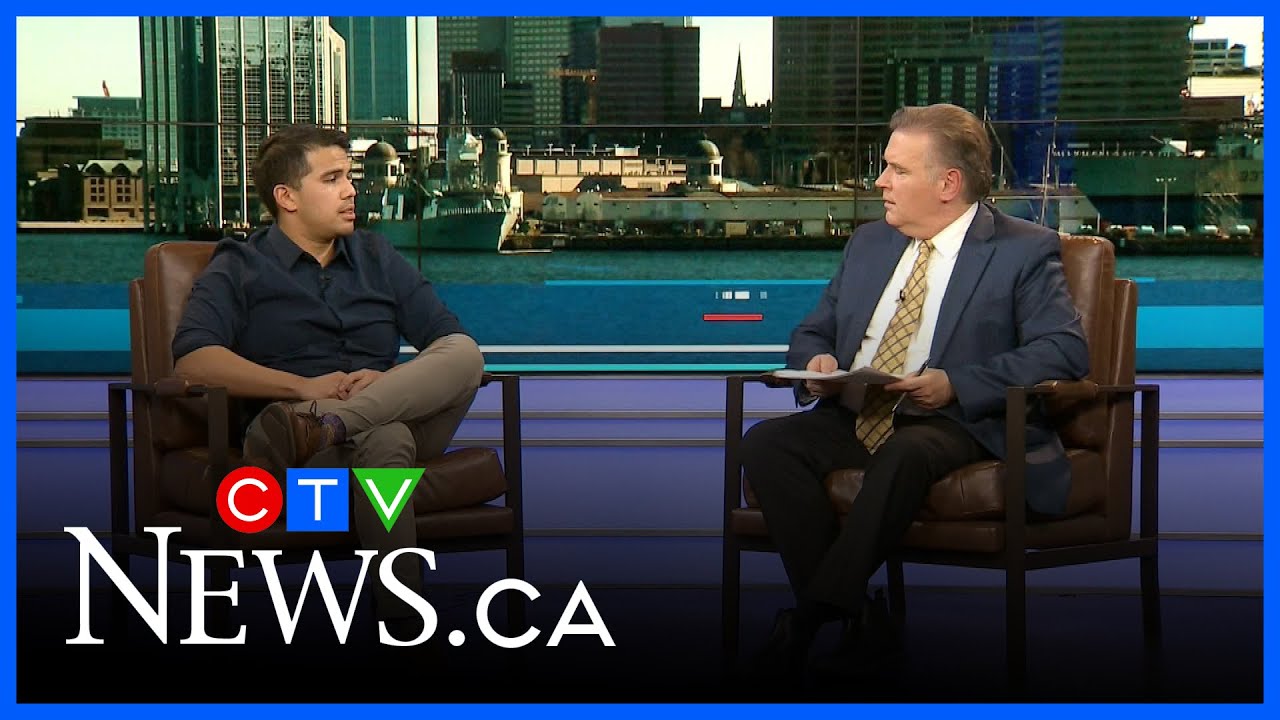
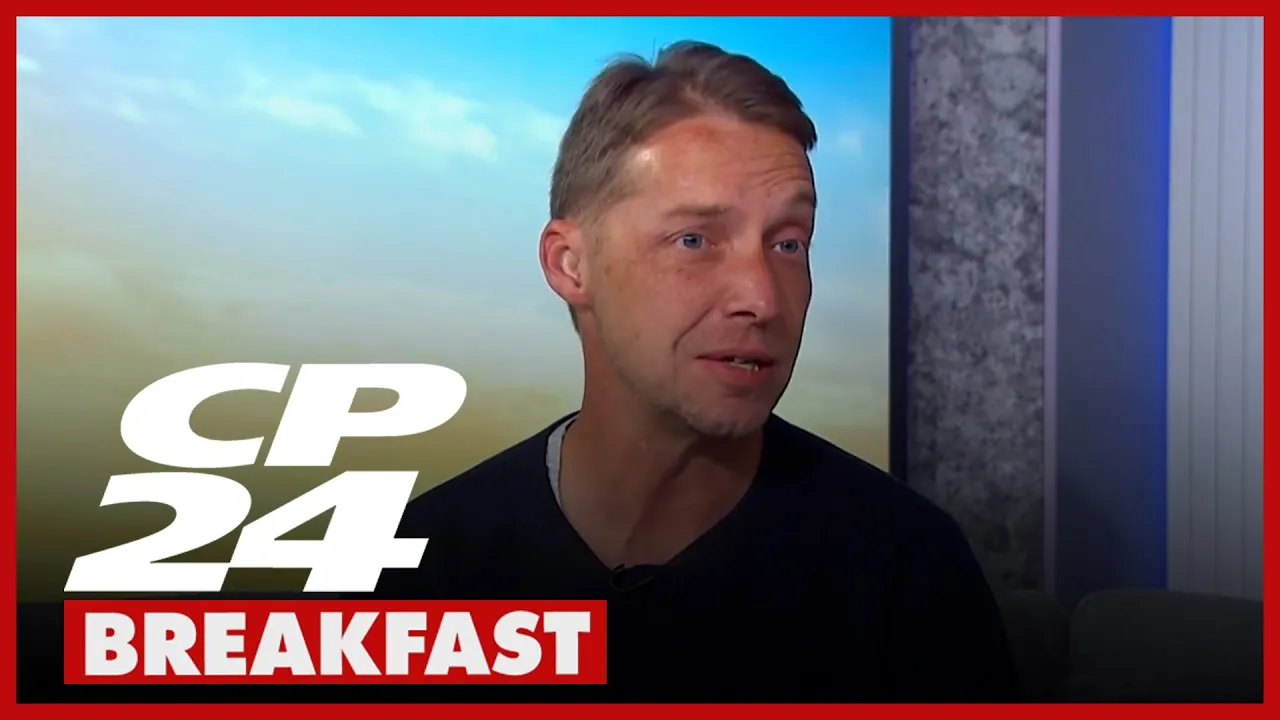
But we're not meant to fix everything alone because you're not alone. A new study finds that there has been a significant decline in men's mental health and half of those feel like they can't get sufficient support. So joining us live to talk more about this is Mike Shoreman, mental health advocate.
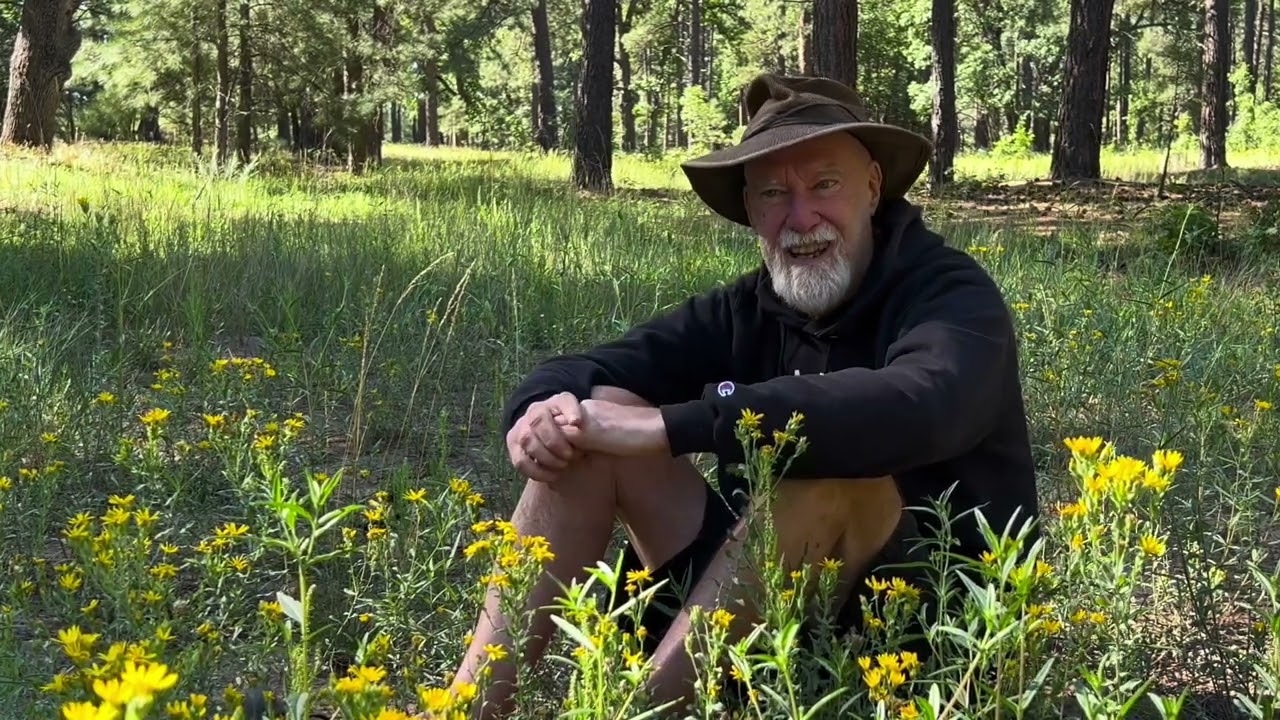
Of course, a familiar face on the show as we covered his cross uh cross lake journey on the paddle board a couple of years ago. Mike, good to have you back this morning. Great to be here with you.
Really serious issue here. Uh, you know, because men don't often don't talk about their mental health and their challenges or what they're kind of facing or dealing with here. So, this campaign is really going to raise awareness and hopefully get men talking as much as anything.
Absolutely. So, June is Men's Health Month. Um, and the Canadian Men's Health Foundation has launched the Never Alone campaign uh offering resources and support and tools uh with the new study in uh that's been released um highlighting what Canadian men are experiencing with mental health right now, including um you know, increased stress levels um depression um and ultimately feelings of disconnection.
Yeah, let's talk about that disconnection because uh a lot of the findings from this national survey of 2,000 men uh found that especially younger men, they're facing a lot of these isolation issues and struggles and the statistics show, you know, up 4% in one year in terms of moderate to high levels of stress. Uh so what are the options for men out there when it comes to support and why does it seem like it's not being addressed enough? Yeah.
So, you know, a study also shows that, you know, one in one in two are are at high risk of feeling extremely isolated. Um, this is severely um, you know, the numbers go up when we're looking at men who live alone, uh, men who are part of racialized communities, um, and dealing with that. So, you know, the Canadian Men's Health Foundation, um, and myself, uh, we always talk about connection, uh, what what we can do to to make ourselves feel better and improve our our mental health, our well-being, um, and our overall health.
Um, and part of that is by connecting with people, having uh, effective support networks. Um and we can do this by joining clubs, joining support groups, joining thing uh joining, you know, do taking up hobbies that that you know light us up and connect us with other people so that we can have conversations and interact with them. The Canadian Men's Health Foundation also offers uh webinars um where men can connect with other men.
They offer no cost counseling services offered by Telus Health which is wonderful that men can take advantage of um because talking with somebody um is is you know unburdening what we are feeling especially now um you know with economic uncertainty and tariffs and the pressures that we all face but men men feel very burdened by. It's it's it's very important. Mike, I'm I'm sure you've been talking this up with your friends and your sort of social network about the fact that you're taking part in this and are sort of a spokesperson for this.
I wonder what kind of conversations that sparked. Are people saying, "Hey, yeah, I never thought about that. " Or, "Yeah, we don't.
" Like, what what's the reaction been from the people, you know, when you say, "Hey, we're doing this because of this. " Absolutely. No.
So, I think now more than ever, it's needed. Um, so I'm I'm hearing, you know, this is this is amazing that this organization is rolling out this campaign. um offering resources and supports and and being you know being interested in how how can we access them um you know and and oh maybe I didn't you know it makes people think and take and reflect on how they're doing um and taking stock in oh I am feeling depressed I am feeling stressed um and maybe I'm not where I was last year and maybe I should take a look at that.
Yeah. Uh Mike, I have three young boys and I'm always uh talking to them about, hey, you know, how'd you do at school, sharing their feelings and, you know, trying to tap into their emotions and things like that? How can parents at home, you know, moms, parents of boys begin that conversation so that they're not feeling like they need to be hesitant about opening up, that they're willing to be vulnerable?
So, I think uh one of those things is by sharing your experiences and sharing your struggles. um and opening up um dialogue in a non-confronting open way saying you know how are you doing? This is what I did today and this is how I'm feeling.
Um I think kids especially young people um who are living at home, they're always listening, right? So they're listening to what mom and dad are talking about. They're talking about um you know work stresses, life stresses.
Um so you know talking about that in a safe safe way um and making sure that young years especially uh feel that that it's safe uh at home to talk about and kind of set the path forward there indeed. Mike Sherman, always appreciate your time. Thank you so much for being here.
Good luck with this campaign. Thanks so much. Good to see you.
Thank you, Mike. Yeah, # never alone. Get involved.
Thank you so much, Mike.