foreign yes what you saw was a chicken being thrown inside an aircraft engine this shocking video shows one of the many tests aircraft engines must undergo before they're used on an aircraft although throwing chicken inside an engine might sound shocking wait until you see what 800 gallons of water can do to an engine but why are these tests important according to the Federal Aviation Administration the FAA over ten thousand bird strikes occur each year averaging more than 26 hits in a day year bird strikes cause an estimated 1.2 billion dollars worth of damage to Flying
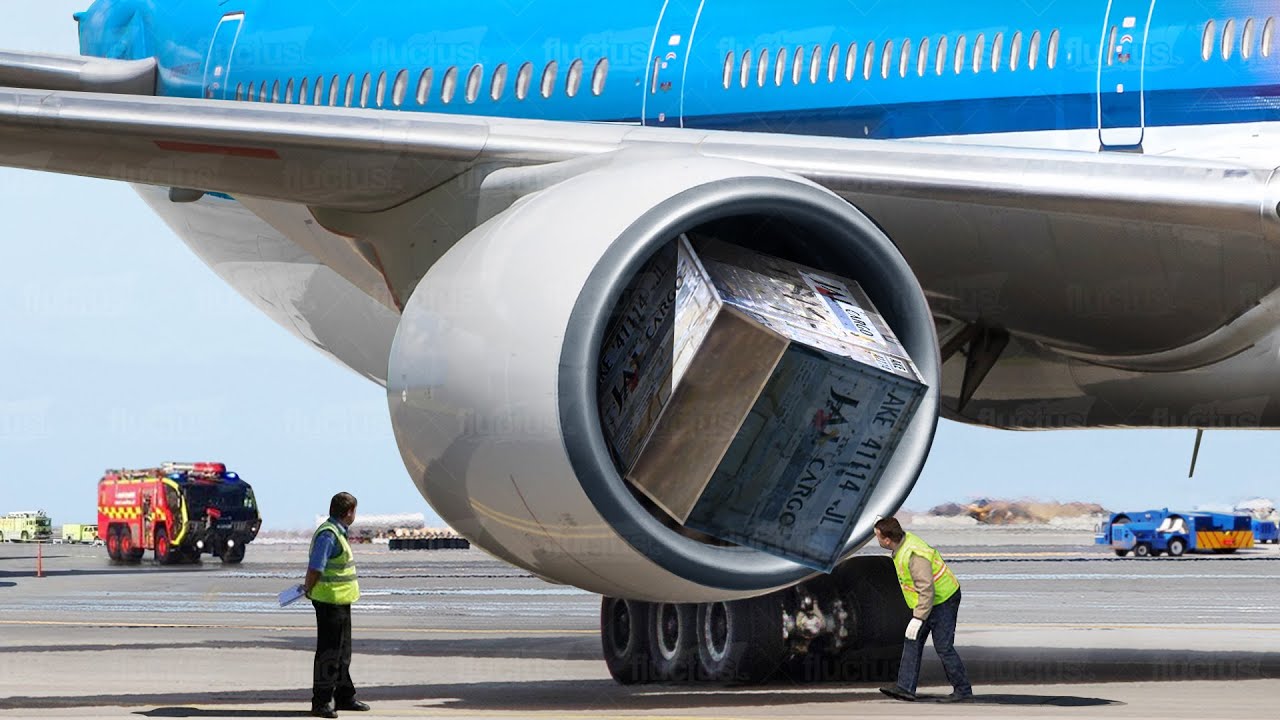
aircraft with the majority of incidents inflicting destruction of the engines if you remember the Miracle on the Hudson then you might be more familiar with bird strikes than you think when a flock of birds hit this plane it ended up destroying both of the engines this is just how much damage a bird strike can cause to prevent birds from destroying the engines manufacturers have figured out a way to test the engines against such strikes one invention used in this test is the chicken gun which is a large diameter compressed air cannon that fires chicken carcasses
at the plane including its engine this invention simulates a high-speed bird strike and is used to see whether the engine is capable of withstanding such a strike most modern aircraft engines are capable of Simply ingesting the bird and continuing to rotate as if nothing happened but if a strike is broken a blade or something bigger it can result in an engine shutdown because engines are so well engineered and built bird strikes rarely cause fatalities well except to the bird however it's been shown that a bird strike can still take down a plane because of that
this test is possibly one of the most important ones an aircraft engine needs to go through each day aircraft engines are exposed to extreme weather conditions and oftentimes they're forced to operate through rain and storms the exposure to water in the skies means that each engine has to be able to function properly during such conditions they need to be able to take in large amounts of water so to test engines for how capable they are water ingestions tests are a must manufacturers do these tests by forcing a stream of water into running engines they fire
up to 800 gallons of water per minute into the engine when this test is conducted the goal is to have the water pass through the engine and be shot out the back without reducing thrust if the test is a success it means that the engine can handle the forecast rainstorms and run through pools of water alongside this test the engines are also put through a wind test Crosswinds can make the aircraft lose its direction making it almost impossible to land or take off in addition Crosswinds can also cause turbulence making the engine fan blades vibrate
causing damage to the blades to avoid this wind tests are conducted where the air is forced through the engine at high speed and several blast simulated Crosswinds are forced to cross it measuring its ability to withstand the strongest of gusts although water and wind might be a concern for the engines it doesn't come close to Fire and Ice freezing temperatures can be a huge problem for an engine especially if the engine isn't tested against these conditions one of the ways this concern is tested is by placing the engine in an environment where the temperatures are
cold allowing the engine to spend days or weeks there and testing how it operates in that temperature another way to test the engine against ice is by shooting ice into a running engine these big balls of hard compacted ice are set to mimic the effects of flying through a hail storm this way manufacturers can determine whether the engine will be damaged from the ice or whether it's able to ingest the ice and continue operating when it comes to fire in extremely hot temperatures the manufacturers have the same type of tests as the ice tests the
engine is placed under a huge amount of heat Engineers will then run the engine at maximum temperature for extended periods just like ice can be an issue so can fire these engines can be designed to withstand some of the most extreme weather conditions and anything that comes their way an aircraft engine must perform safely in high altitudes if an engine isn't designed well it may fail to operate at such altitudes causing a series of failures throughout its lifespan due to this each engine is tested on the ground in an environment simulating the required altitudes this
test also known as the altitude or vacuum chamber test is conducted in a vacuum pressure vessel in which the engine is tested against high altitude flight conditions the chamber has all the equipment to mimic the atmospheric pressure at such altitudes the altitude inside the chamber is set by pumping down the chamber to the lower atmospheric static pressure for the specified altitude and then the Mach number is set by supplying Air at the proper total pressure and Total Temperature to the engine Inlet this test is conducted so that manufacturers can determine how the engine performs under
these conditions if everything goes smoothly the engine is ready to go through to the next test but if there's the slightest concern during the test manufacturers will have to go back and make any necessary modifications to the engine to make sure that it'll operate as planned at such high altitudes the engine's ability to produce reverse thrust is used to slow down the aircraft during Landing this is a key component of every engine that allows it to slow down to the desired speed when it's time to land the aircraft without this airplanes wouldn't be able to
make safe Landings resulting in many disastrous situations so it's become a must for each engine to be tested for thrust reversal this test is intended to appraise the safe operating conditions and establish the engine's stall margin with the thrust reversers engaged this test is conducted in a full-scale wind tunnel where the aircraft Landing is simulated while the thrust reversers are engaged this confirms whether or not the thrust reversers can safely operate it's also noted whether the engine re-ingests fuel Vapors into the air intakes which is dangerous for the engine there have been ways to prevent
this throughout the years and ensure reliable operations in reverse thrust today most modern aircraft engines don't have to worry about fuel Vapor re-ingestion as most of them have been produced with safety measures to prevent that from happening however they still go through these tests as a way to ensure the manufacturers that the engines can perform in reverse thrust thus helping the aircraft land safely We're not gonna lie aircraft engines are loud but compared to the engines used 20 years ago we can safely say that they've become increasingly quieter many manufacturers have set a goal to
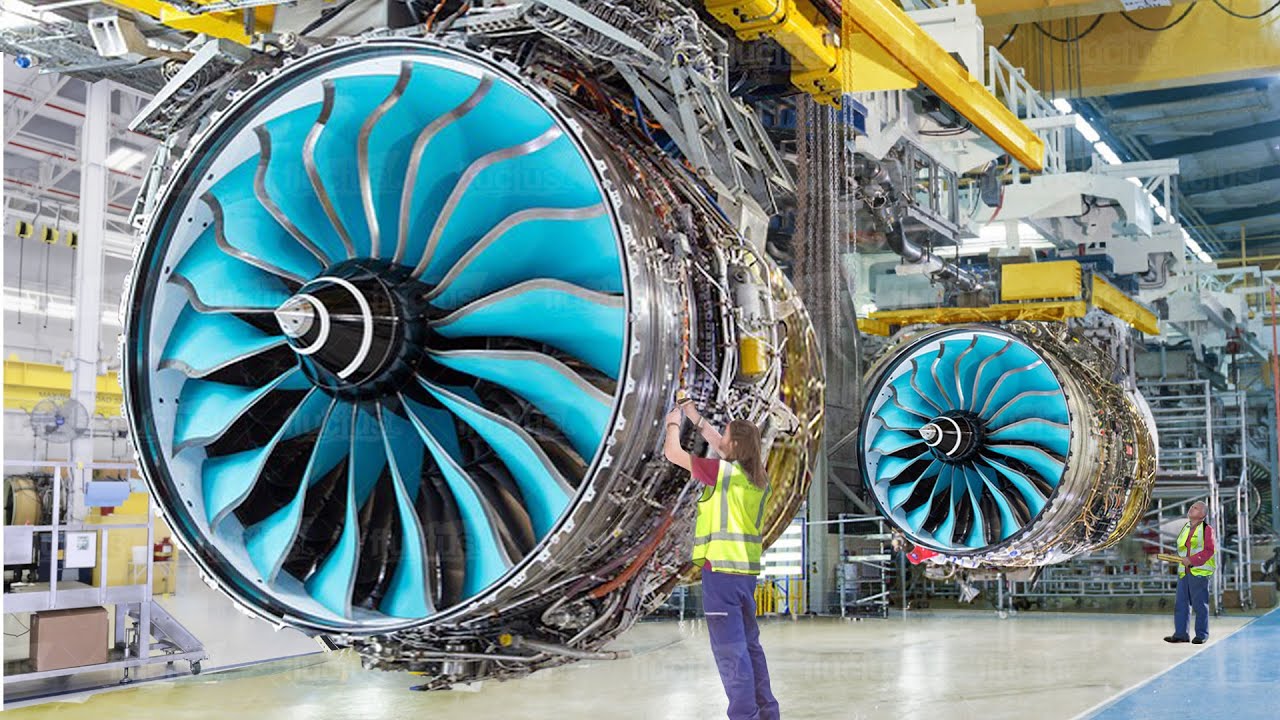
make their engines as quiet as they can be and by 2050 it said that engines will have reduced their noise by 65 percent if you put an engine inside a building as it's running at full power you'll get a noise level of 140 decibels which is painful to any human being but when that same engine runs at full power outside the noise levels are within 60 decibels well within the environmental requirements there are tough regulations on aircraft noise so each manufacturer has to precisely measure their engine sound level this is done by placing the engine
outside where incredibly sensitive microphones are placed around the engine test bed and can detect changes in the noise to within a fraction of a decibel the engine operates from low to maximum power to gather every noise the engine makes an aircraft engine has to go through the test flight or the various tests in the sky most of the tests are conducted on the ground but as soon as the engine passes them it's time to take it to the sky and see if the engine will operate as expected this way the engine's reliability is truly tested
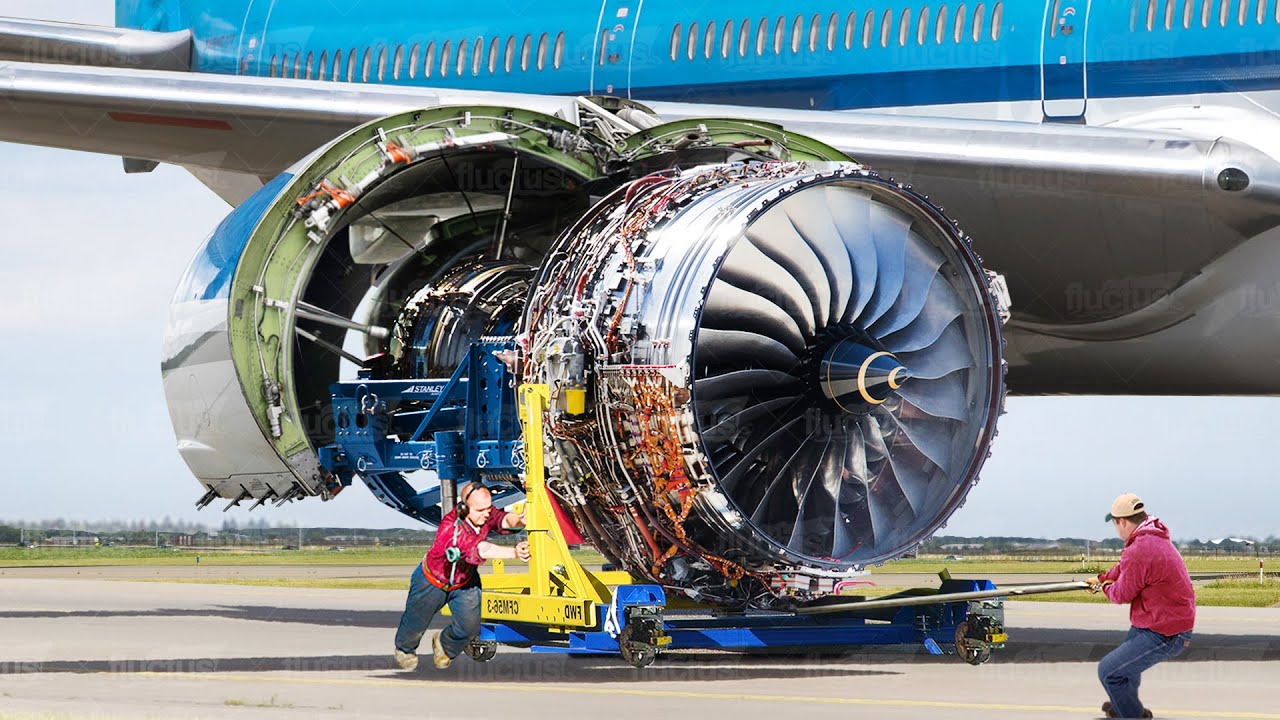
before an engine takes to the sky it has to be certified as safe and fit for flying part of that certification process is taking the engines into the air and for that modified aircraft known as test beds are used one example is ge's flying test bed the Boeing 747-700 which carries test engines the variety of test beds is endless but they all have the same goal they need to take the engine to the sky and allow it to show what it's capable of during this test the true capability of the engine is shown they go
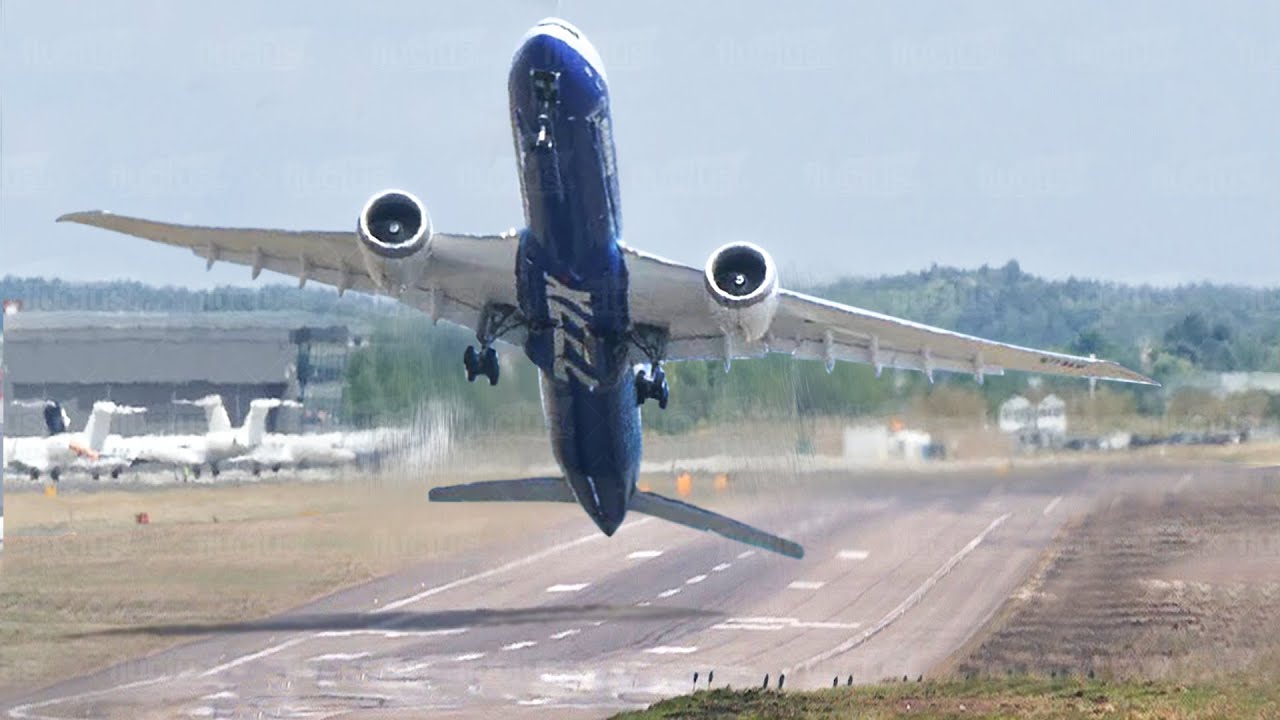
through all sorts of speeds and Maneuvers to test the engine in all kinds of situations the main things that are tested are how the engine operates in high altitudes and at its maximum speed after this test is concluded and the engine is passed then the engine is certified and determined safe and reliable to be used on an actual aircraft bye for now [Music]