everybody talks about Pompei but its sister city may offer an even better glimpse into the past here's how this ancient seaside resort turned into a well-preserved tomb when someone mentions Pompei you probably immediately picture images of Destruction white contorted bodies Frozen in agonized poses from when Mount vvus erupted in 79 ad the only thing wrong with that image is that those bodies aren't bodies at all they're plaster casts the unique process of preservation was developed in 1863 by the town's excavation director sepi fiorelli the bones of about a 100 of the roughly 2,000 killed were
made into plaster casts but in the nearby town of herculanum all of the remains are actual bones herculanum often gets overlooked because of pompei's dramatic eye-catching plaster casts but in some ways the city is an even better indicator for understanding the lives of the people of the time than Pompei is in the first century herculanum served much the same function that the southern Italian Coast serves nowadays the seaside getaway for the wealthy replete with Gorgeous estate superb weather Sumptuous food and drink and connected to a harbor that made for easy trade and transportation the herculanum
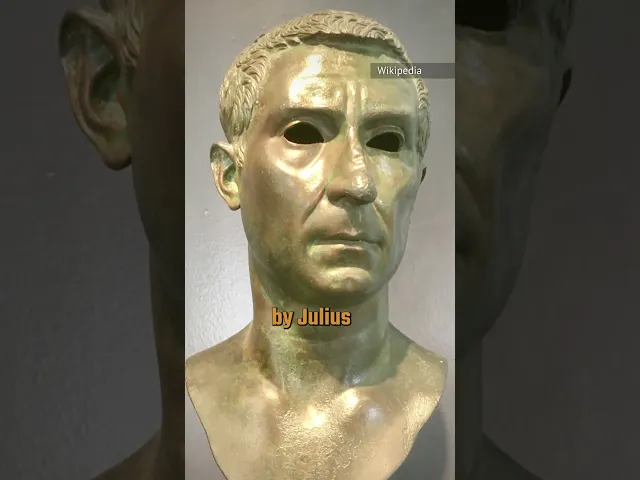
society says that the city was even favored by Julius Caesar's father-in-law who owned property there all of that got wiped away in a matter of hours located a scant 10 mies from Pompei and a bit closer to vvus herculanum and its inhabitants got caught in the same lethal pyroclastic flow as their neighbors to the southeast although we don't know how many of herculanum residents and visitors died when mount is erupted we know that about 5,000 people lived in the town prior to its destruction while pompei's remains were discovered in the late 16 century herculanum was
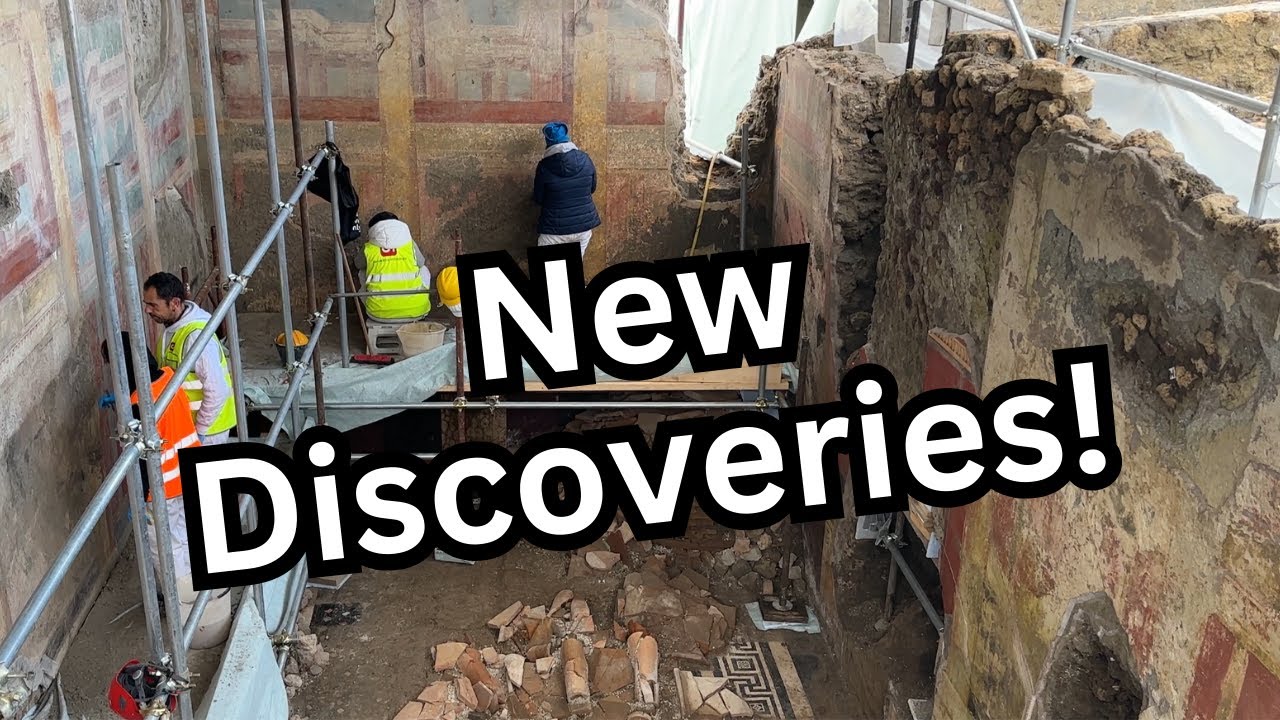
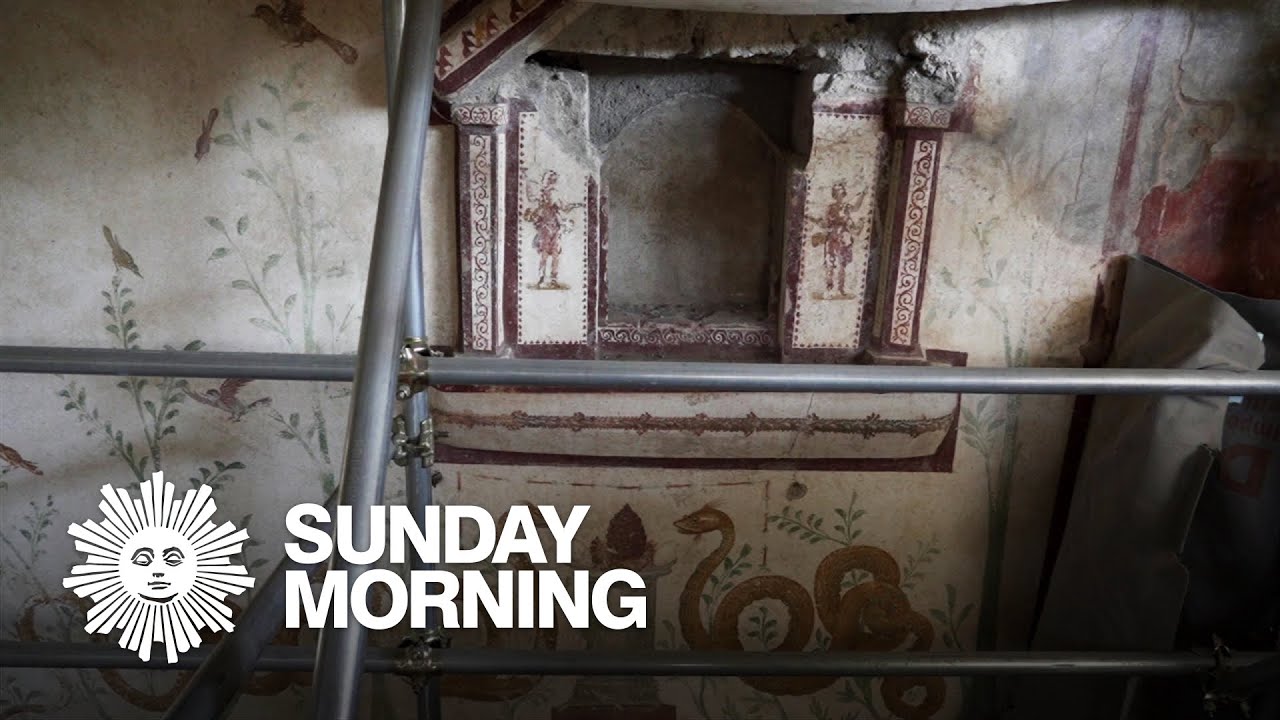
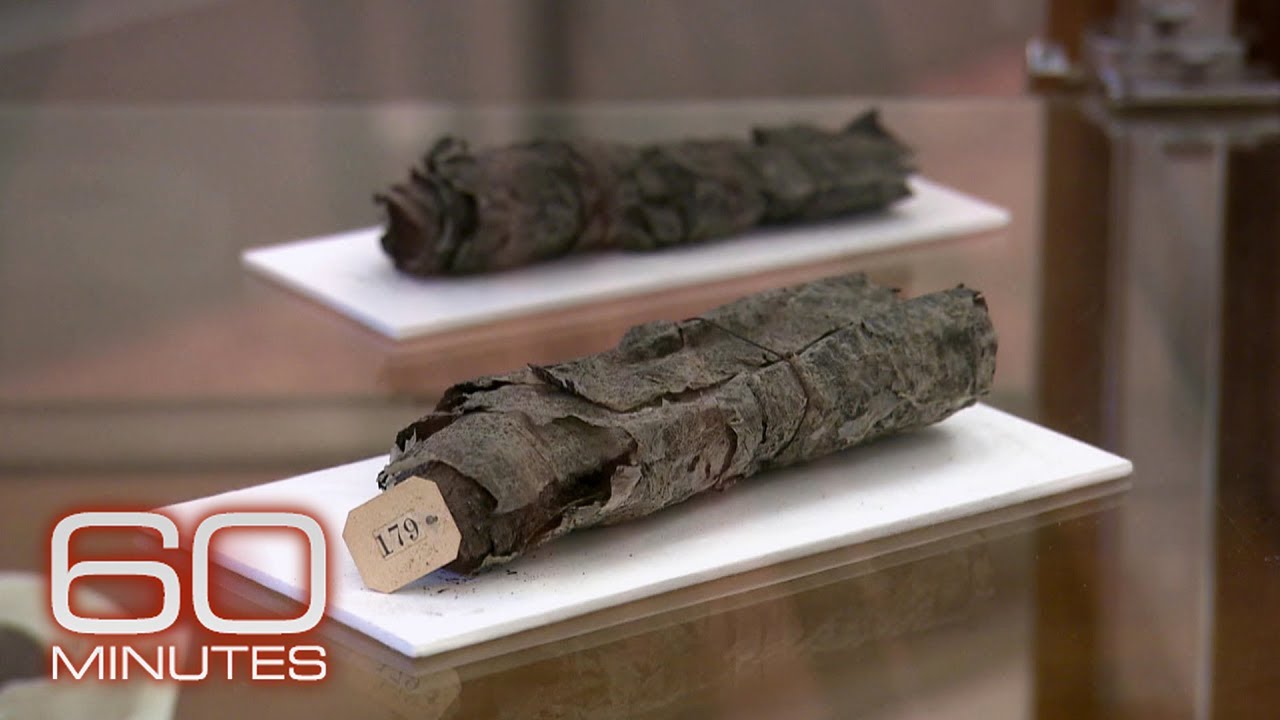
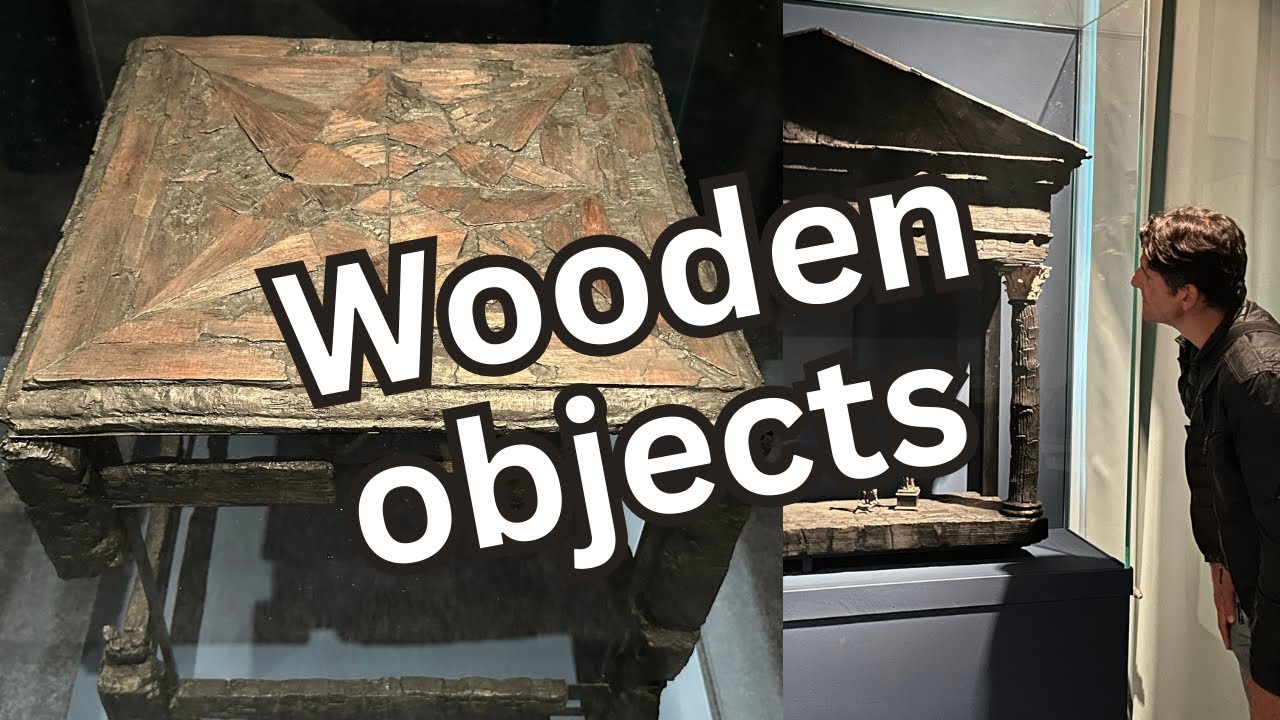
buried under roughly five times more volcanic debris and that's why only a handful of human remains have been Unearthed before 1981 when archaeologists discovered masses of skeletons near the area Shoreline to dat about 300 skeletons have been uncovered a volcanic wave that engulfed herculanum had a lower overall prior classtic flow temperature than the one that hit Pompei which better preserved the bones buildings baths sewers streets and artwork were also protected as were highly perishable items like wood furniture vegetables and even paper Scrolls that were still intact in it they found a library with at least
1,800 ancient scrolls with texts in Greek and Latin all of these were embedded in about 82 ft of mud that flowed into the City and sealed its remains renewed excavation started in the 1980s but most of the city still has yet to be Unearthed still each new layer reveals more information most of the town's skeletons have been found huddled in a series of vaulted Stone coverings called forn just outside the city by the beach where it's believed they sought shelter while waiting for rescue boats so far the skeletons have been left in the exact positions
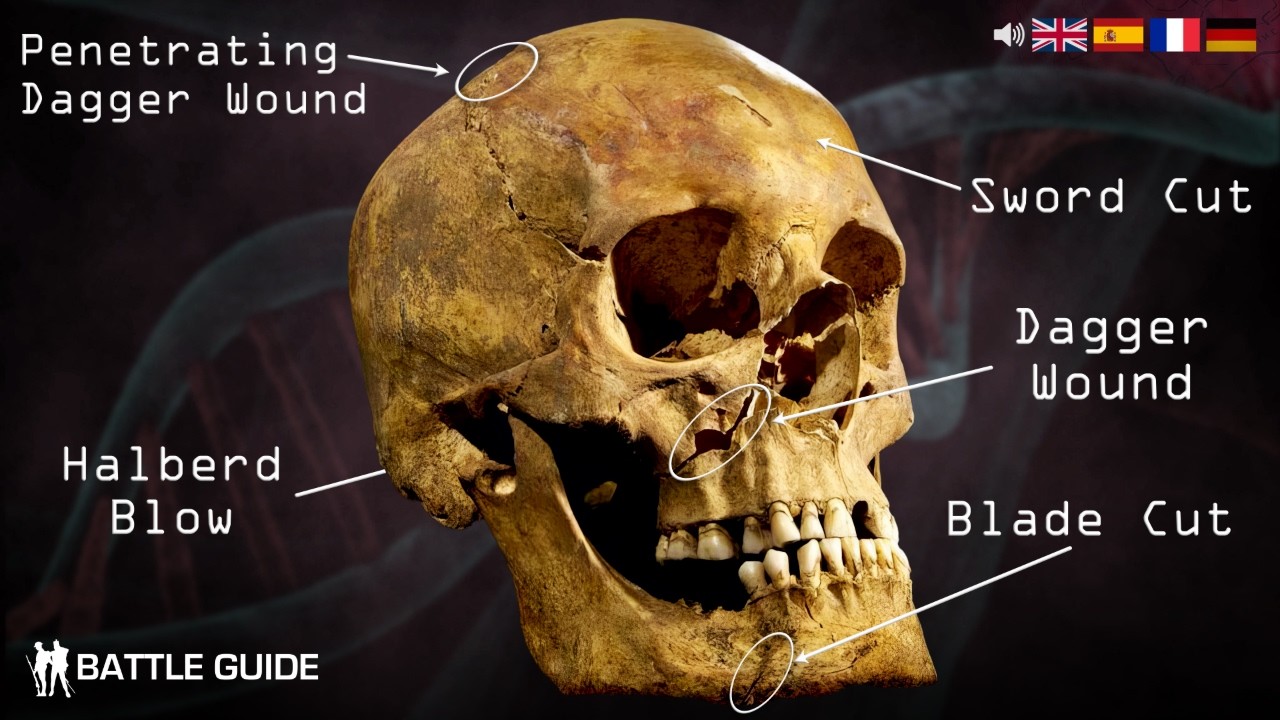
in which they were found unlike Pompei we don't have any eyewitness account from the day but if you're so inclined you can pay a visit and see those skeletons yourself