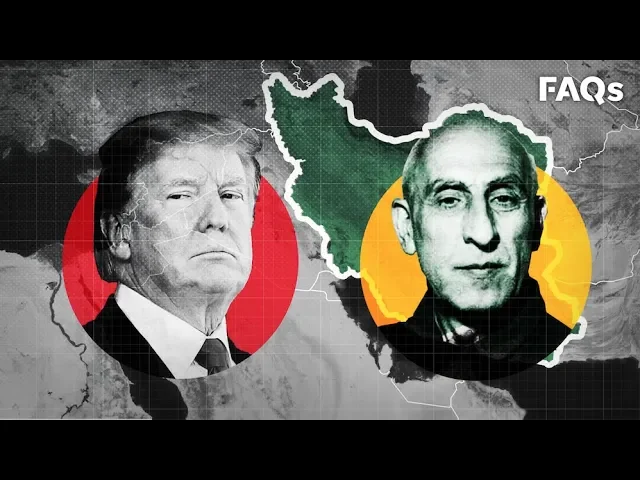
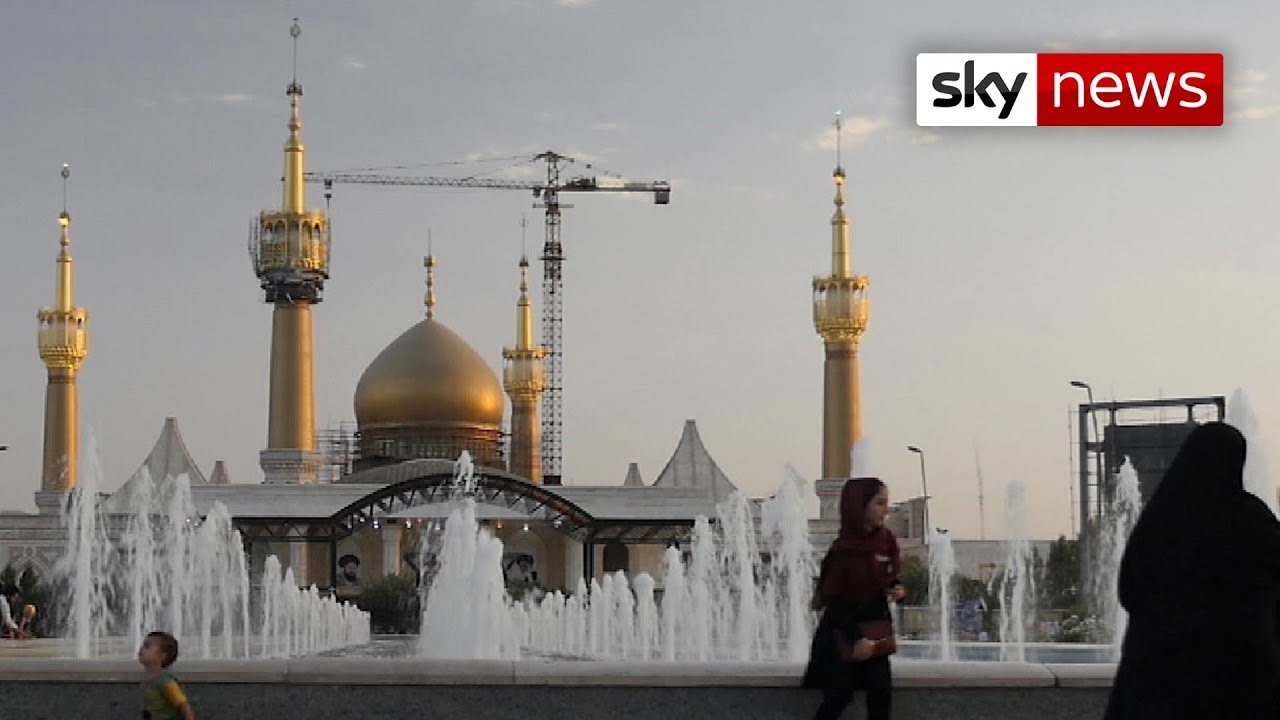
the Iranian dictatorships aggression continues to this day the latest move by the Trump administration to reimpose sanctions is a reminder that currently for Iran the u. s. is more fo than friend I recently reported from Iran a rare trip for any Western journalist you're hearing the voice of reporter Kim HomeGuard it's been the first time in more than a decade USA Today has visited Iran in the shops and restaurants of Tehran hospitality abounds and most Iranian to tell you we have no problem with the American people but between governments animosity has raged for decades so how did we get here we have the factor let's go back to 1951 Iran's first elected prime minister Mohammad Mossadegh saw that the wealth needed to develop Iran was leaving the country in the form of oil he decided to take it back for 50 years oil reserves had been under the control of the anglo-iranian oil company the predecessor to BP a UK company Mossadegh became hugely popular in Iran for nationalizing Iranian oil production exerting control of this precious resource and keeping oil money in Iran but this made Mossadegh wildly unpopular with the American and British governments the United States also took notice of Mo's iudex nationalism and feared he was veering too close to communism though the newly formed CIA engineered a coup called Operation ajax rousting Mossadegh and reinstalling Mohammad Reza Pahlavi as Shah and to no one's surprise the Shah saw to it that oil was once again regulated through the West for the next 20 years the Shahs position of power was guaranteed by the US and the u.
s. received Iranian oil and a favorable price the Shah spurred modern economic development through the white revolution which promoted progressive political changes including allowing women the right to vote but it came at a price autocratic rule and corruption he created a huge economic gap forcibly tried to rid the country of Islam and employed a secret police trained by the US military called the Civ ox to torture execute and stifle dissent his secret police were so brutal that Amnesty International named them one of the world's worst violators of human rights the Shah crushed all political opposition by using troops to Massacre demonstrators and by killing or exiling their leaders finally in 1978 Iranians took to the streets forcing the Shah out of power fearing for his life the Shah fled and eventually landed in the United States after spending 14 years in exile for opposing the Shahs regime Shah critic and Islamic fundamentalist Ayatollah Ruhollah Khomeini returned and proclaimed Iran to be the Islamic Republic of Iran Khomeini brought various religious clerics to power and new religious laws were enforced women and men had to wear certain clothing alcoholic drinks western movies and men and women swimming together were all banned music and television were also heavily regulated Iran demanded the Shah be returned to stand trial for his crimes and on November 4th 1979 when the u. s.
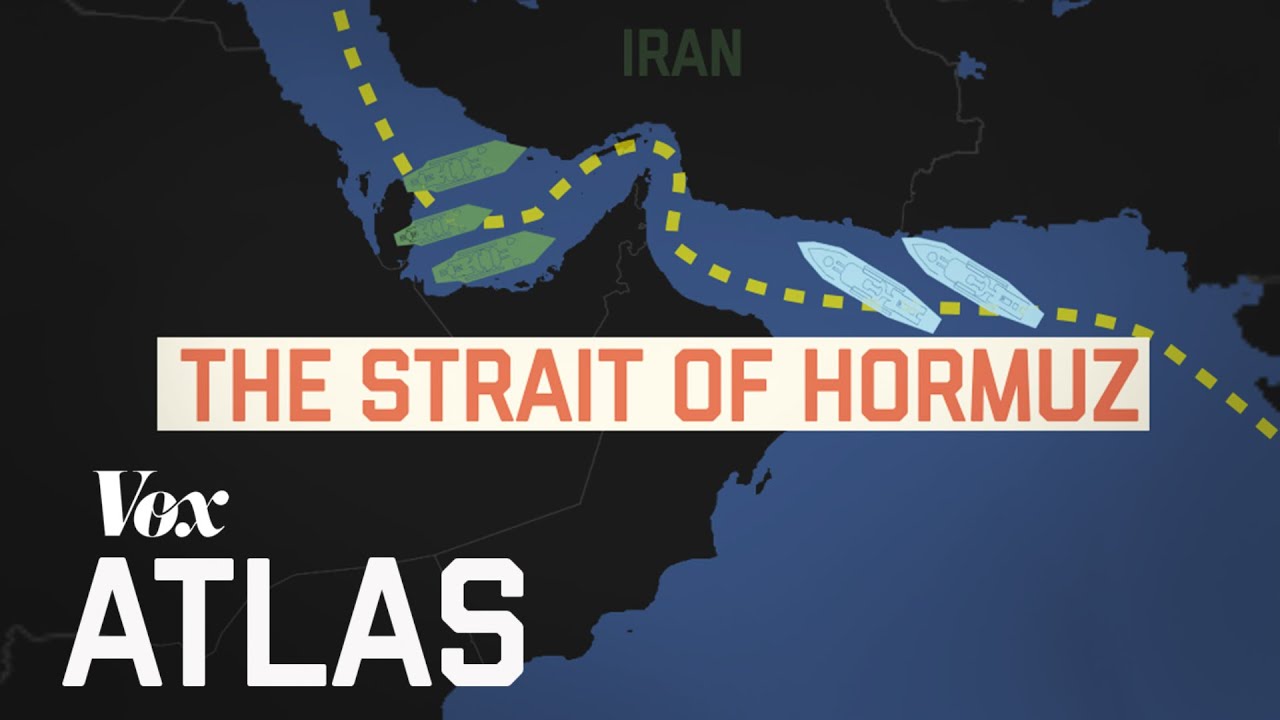
declined the request a group of Iranian college students took over the US Embassy in Tehran as a result 52 American citizens were held hostage for a total of 444 days the longest hostage crisis in recorded history one failed military rescue ordered by Jimmy Carter resulted in the deaths of eight American servicemen and one Iranian civilian the hostages were formally released back to the u. s. just minutes after newly elected President Ronald Reagan was sworn into office hoping to take advantage of the revolutionary chaos Iraq invaded Iran in 1980 the United States sided with Iraq and throughout the eight-year war America supplied president of Iraq Saddam Hussein with intelligence reports billions of dollars military technology and chemical weapons pretty much leading to years of back-and-forth open conflict in numerous proxy wars between the United States and Iran including but not limited to the iran-contra scandal the anti-communist purged Iranian Air flight 655 a Syrian civil war the Yemeni crisis darf ur tariffs sanctions naval disputes covert actions detained diplomats detentions of hikers drone incidents threats to close the Persian Gulf rose an ass as well as the threat of nuclear is a ssin by Iran after years of back-channel talks president obama and six other parties China France Russia United Kingdom Germany in the European Union signed the joint comprehensive plan of action also known as the Iran nuclear deal in which Iran would discontinue of weaponized nuclear program in exchange for a rollback of economic sanctions opening a new chapter in the relationship between the u.
s.