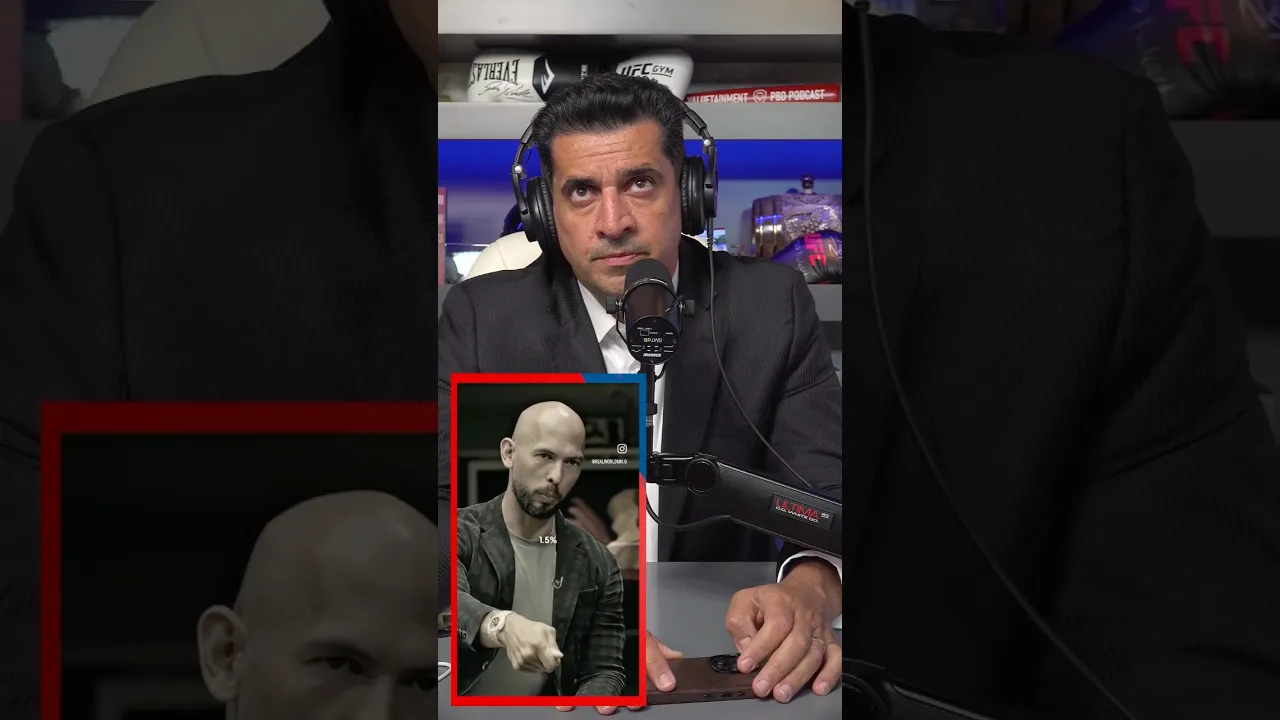
if you have a $50 bill and I give it to the barber for my haircut and then he goes and buys groceries with it from the grocer and the grocer goes and gets his car washed $50 goes from place to place and after 20 or 30 transactions the $50 bill belongs to somebody and it's worth $50 whereas if I pay by card 1.5% goes to the bank and then if he takes the money I've given him and pays for the groceries 1.5% goes to the bank and after the groceries have been paid for when he
goes to get his car washed 1.5% goes to the bank so after 20 or 30 transactions $50 is gone the bank has it all I think that's why they're so desperate to get rid of cash interesting [Music] the basics of Economics right when you kind of see the cycing he's not even talking about taxes he's just talking about it going and you know transferring from person to person to person think about adding taxes on the taxes I paid and then I give you the money you pay taxes on that and then that tax cycle keeps
going it's a very interesting slippery slope of eventually sitting there and saying what the hell happens to the money