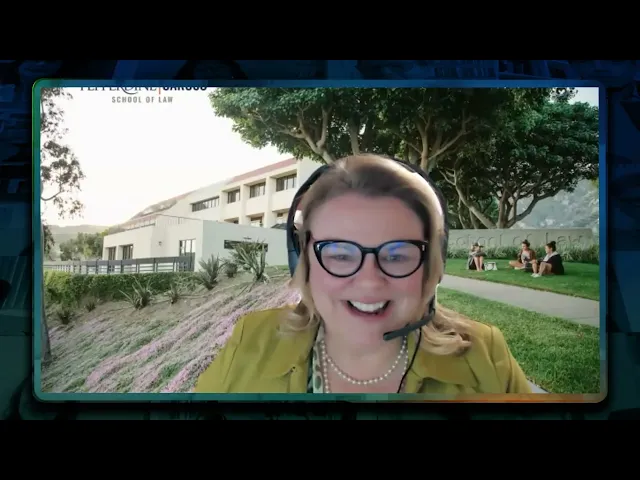
[Music] l for St for [Music] C Lor well first of all I want to share I wanted to express my condolences for the you and your family find the strength are all by your presence thatp us mediators to move forward in the face of adverse that being said my initial invitation Professor stepan was made at the of the public Min exent professor and a huge they were very pleased when unun participation there was not possible but I decide to take a risk and invite youday respons to observe experience best practice cases nobody better than here
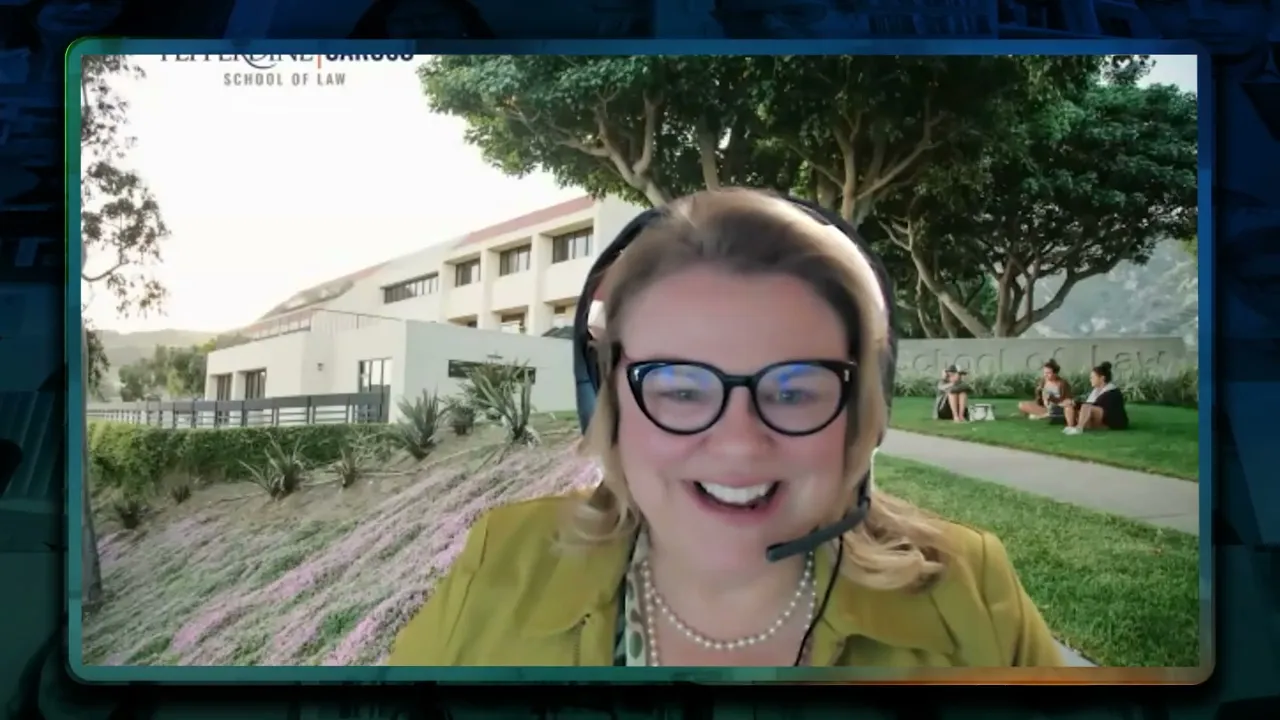
and to talk about the learning looking forward to your you are very you so much thank you so much appreciate Professor Hoffman Judge Hoffman for having me here and all the other Este professors judges are join appreciate talk bit practical skills of Med module bio and my background appreciation La as well as the entire mediation or labor mediation those have been my first jobs in mediation ination where we would show up on the day of hearing and try and mediate train worlders my personal rra reason to be is to help people take the theory of
mediation put organiz lessons from the world of clinical educ so we see patterns experience over a thousand take the skills and trans particular over the years I've run what we call prac take mediators [Music] stve labor practices they were an um the the the experience of learning start what are those skills that make good a lot of on thisat from beginn some of the part of what we look for is do the mediators understand more linear model because the mediation model you learn adapt and take certain stages using them out of order if that's what
the particular or return to different stages because of the circular nature of we're also assessing whether or not people can use those Ching the right to and it for the right time if you're able to build rep with each of the parties able to understand and effectively what we call bat andna or wna if you're able to talk about the next stage which of course in mediation is always the lawsuit if you're able to talk about that stage without overusing your power understand to make sure that the med know how to use break te and
we look to make sure that people are able to because um you can mediate all day mediations that go on C there needs to be those closing techniques these are the mediator compet that pause and go on chosen archetypal new mediator mistakes those mistakes are as follows new mediators tend toti the skill of interest interest identification I'm sure you've been taught and don't want to repeat back and circle on that skill for a moment basically take my yellow pen and underscore the important aspects attemp to get us who I'm teaching and judges to skill that
new mediators tend to Mis the Persona of mediator their skills because they may misunder understand the bre of that particular skill something reality testing too soon which me in a way not fully the skill I'll call it its um best ability reality one of the most effective and impactful but used too early or used too most new mediators reality T and maintaining at the same time a difficult skill am challenged by this skill and we'll talk a little bit about it the ping your questions or ask longer questions by short crisp questions my final two
num mediators tend to misunder understand of empathy or misunder understand actual definition of empathy and finally um we will talk a little bit about that at the end sounds like a funny statement but there is um quite a bit of wisdom and being able to harness the value not being involved so that'sa I'm then leave first new mediators under interest identification so we'll talk about the skill of Interest identification talk for a second about reframing and you've been taught the skill of interest I'm sure but I'm going to um like I said highlight it use
my yellow pen to highlight it most vocabulary words they use into a vocabulary of interest interest identification is the vocabulary of conflict so rather than thinking about interest to define or about en Nar and part of the theory there is parties will start I'm me come back to that in a moment first I want to cover what our interest and I'm statements of needs and Valu interest always positive one word statements of needs and values because we're more likely help the part going around we often call it may tagging in the United States I don't
know that's the name of a particular at an old washing machine where there was around and around that perseveration or that Loop the parties get lost in their conflict narrative that perseveration if we are able to identify in a powerful and impactful one word what happens is that most people sentences to identify doesn't have the same sort of value of translating conflict narrative um what should I say translate the conflict narrative from um being stuck into the language you need in order to negotiate I'm going to simple example a workplace where someone talking about a
boss who is a micro manager so employee says they're down my they're down my neck they're looking over my shoulder all the can't even add two plus two the two different interventions be an identification of and the second one is going to be statement of value so it sounds like you need to be able to be trusted in the workplace and you need to be able to have some to um be respected as an of this workplace right that was very might really be an important and meaningful intervention at some point autonomy is important to
you can you now give me an example of what a look like okay transition statement into so when we think about interest identification think about it as more than a narrative nwing down to that one statement of needes allow the to identification is and negotiating and the mediator's job is to be that bridge but that one word statement is is critical the other interest identification is that um being values example you're working with a party and the party says plaintiff and the plaintiff say cus form of mediation I want them to pay for everything they've
done to me the first word that comes to my mind is Revenge value that we're hear but revenge is not a positive word strategy what that might the narrative I just What the deeper underlying interest is but it might something like closure accountability justice and that's where we as mediators can take that so let's say it's justice justice is important to you and then I might a little bit more reflective I might say something if I'm being mediator I might say something like J is something that see so many of the come before me it's
always interesting josed with a money because few people feel sense of let's talk more amount might it's a symbol of justice of insurance cap it's a symbol of Justice because it's a symbol of justice and you help the parties think through that so in that way you transition to some other deeper underlying our interest words review but they're words like stability reputation acknowledgment appreciation fairness and as you know fairness is very different than Justice be very different those are words that often come up so this question and I'm sure you've heard the orange story what
about is important to you I you kind of quential story and conflict resolution about thee and seeing that there is more than whates peel of the orange but there I think that question to get it interest which is what about the Orange is important to you or what about the blank F in the blank so important that I actually have thought about onto inside of my rist as you can see I thought better ter but I have thought this next question what about the um of a question for a mediator it is question comes back
over and over again so that's um that's our first concept what the interest words I'm going to give oneck example oneck example and here's a scenario and for the the interpreters I will read slowly here dis between the labor and between labor and management has emerged based on interpretation of the collective bargaining agreement labor reports regular lab manag committee they happened labor also reports they did not making meetings labor of trying to set very simple one that would level of aggrievance in the US I have no idea in your beautiful country um but I did
want to layer of interests of on the of this particular little scenario we see that labor has interest the ones that they articulate in this particular they are interested in procedures safety but what are underneath those interest because those are all of needs and [Music] Val when underneath this layer of Interest it might be something like respect it might be something like valuing a relationship likewise management can often have the same interest may be equal to if not greater than the labor interest and from their perspec also has an interest here not to be treated
so respect they they don't want anything gaming to set them up for litigation so there are different layers of Interest something else that the mediator is regularly looking for theill that You' learned in order to address this is you rem try and identify so we call this reframing reframing is saying prot is important to you respect I often don't even need to [Music] finish um and that is often the thing that will break an impath or bring us I recently was training a new group of mediators and they were all J they were all our
jurist doctors all of our new young lawyers and they have completed many of them 32 units of dispute resolution the one of them isue recently after thees I learned reflected back in terms of bring us to our next first the Persona I want to introduce you it may not be an introduction it may be a review a concept called mity or articulating your role as a mediation across however there is an active St that something different neutral Sy [Music] a [Music] lack that's wise inex Med the because the bench officer or the finder of fact
the medor aded this Ro NE in the US at least I think this because do not language we don't te how to ask questions our country many way know how to clean up their language sounds mediat our [Music] country be disconnected it takes a while I believe in order to practice the language of not into a different person of the mediator the person of the mediat studies of the mediation Advocates and that means work for you at the same time this axes which is asserting your own interest interest of others the positions of of others
which is accomodation collaborative person as a med say to the plti I'm here to help you get everything at the same I defend I'm here to help you get everything you need either more popular [Music] sayal say I'm here to get you everything is a more [Music] connected to the needs of the parties rather [Music] than understand where judges are what I understand is the judges May supervising a panel also um that's particular person may and so please um forbearance adjust this point what you've already learned and what Mak understand more connect and there different
you know in I'd say in summary and I I'll just Thomas kilman one more second here so you can see this summ this kind of stance both sides Isen to often about the legal issues demon what call I think soon as they see The Logical error or the error because um either there's a statute they don't know about don't make sense Sy something like that as soon as they mediator no [Music] no it's important it's important for there to be a delay between the moment you see the error and the moment you take that logical
error and you put it in your back pocket when you usually don't have enough yet to be able to utilize the skill of say yeah this not interested in being a mediator I enjoying training but it requires too much self culation I really love that is also a valid advocacy um being into see what they say or say what they see immediately but the mediator has Toten don't know how to ask question that they ask or building questions about risk or cost asking someone like why are you doing that you know do that in a
way that builds the relationship inste of a little bit of review that's something and it's way of thinking about four different styles and we have up here the evaluative or directive mediator mediator dir over here we have something called narrow which means you're asking questions of law question about interest so here are quants examples of question I examp each so you will see how mediator cities in the US so I'm going to go back and show one more time it's almost like I superimpose a map of the United States on top of this so up
here um you would superimpose and but is we're talking about a valuative narrow Chen and this disabil the United States of the American with Disabilities Act when an employee ask accomodations those accommodations must reason emplo has to know about them then the employer is required to give reasonable foundations I assume you have something similar a scheme so the evaluative directive mediat would say something like I'm concerned I'm not see reasonable accommodations does it depending on who's in the room on my [Music] own new mediators will make mediator the fac open might difference between I'm not
seeing the question reason accommodations fa there we're asking an open-ended question and we're asking tell me from your own language what you need in work fac question report more easily and often you get to most people at least direct BR example as you can see more of a wisdom persona sure [Music] this tell me more about how accessibility is important to you so as you can see the the evaluative reality testing ures recommends they urge and recommends but here there's a difference between evaluating and counseling going ask question so you can see the difference have
you ever seen a jury ignore the video n Val question youing documentation how you defending without documentation would you Def One might build rapport detract now this would that would be a question I would ask in caucus just in case you're wondering if I would ask that in Open Session never to management that much difference if I were an open session both there have to not do reality testing an open session app to um an example of the evaluate abroad is I seen people in your situation they're so relieved when so a facilitative reality testing
question are the judge those knowing how to leverage what we call the account how if you mediating From the Bench you automatically likely have they also power which we absolutely and talk about our last the first is quite simply one that I have fear may not play in Brazil in the same way it plays in the United well now you've told me quite a bit about the other party um um has liability and you've given quite a bit of evidence U you've shown argument for liability however when we get to damages I'm trying to figure
out where the damages are because will not actually acknowledge my ability significant also so tell help me understand what the dam once again I want to say that's not bad long it's clear CL and it's instructive instructive but it's confusing to the party and I have seen the best mediators be able to ask those long questions occasionally short question tell me about damages and if I haven't said it before tell me about at least in the US um is a question then the mediator keeps their mouth and allows silence and the powerful questions to I've
given you an example about liability mediators asking most effective making questions help people go from no to yes and I say all the time my job my job I'm anert in decision certain and I guide them on a process from no to yes and I can Pummel them I can um scare them I can you know there's a lot of things we can do my experience is that I don't want to be scared or when you are more to get me to go from no to yes if you ask me questions that require me to
be thoughtful reflective deeply about my own risk and the costs I prefer those types of questions many imp typ of decision making question that type of ref are impactful short crisp final the final skills we have hereat fail toiz let me check in I'm going to um just check in very quickly here he's going to play a video but we're not going to do that I'll refer you um and give you the reference to the video I'm checking on time I just want to ask short on time yes we are not short in time Professor
okay so I don't hear it when um judge Hoffman speaks but I think he's telling me go a little long it's okay okay okay so not to worry about it so much okay well then I will say a few words about is cheating YouTube or your equivalent that is a brne brown video on empathy it's about four minutes long and I highly recommend that you watch video here's theine of the video you have not seen it basically the video talks about empathy as the understanding that we are neurological containers that I have neur our acknowledgment
that empathy is not agreeing with someone but that empathy is simply stating I'm Human Experience of emotion so it's not I know your feel oh I've been betrayed before statement of empathy as bne brown talks about it's aage St empathy is the key I would say especially in the United States where justice system and the court system unlike civil law countries but everybody's completely worn down and they feel as if the system itself them simple statement of putting human Humanity back in because they have likely not heard it from anyone in the system or their
attorney for a while so that statement on teaching empathy to lawyers us technique prevents well I'll say this it's not part of legal culture part of the to be using that language because we have been trained and PA to be able to be nimble in a different [Music] system first time that I used an discrimination Cas um someone was sent in a Christmas card that had disparaging remarks because they were not um equal employment case a statement about their dignity I remember my heart was beating that probably 20 years ago my heart would not now
easily say such a thing but it is um it is a moment that is sometimes difficult so I'm going to give you a format what I call for empathy and this was introduced to me a professor named Mark gon um which is kind of a funny title of a book caty title he worked with suicidality for years and so this particular technique of self empathy is a technique that wasal and I have adapted it and taught it to clinici in my and I found incredibly effective for two a formula and for those of us that
are from disciplines that don't necessarily priv emotional vocabulary fill in the blank statement that's one number two normalizes before it invites reflection wrong when I used this worked or doesn't mean I've settled all of those cases but I haven't had someone say what are you saying that open up more your see the normal feel then you choose three or four words the last word is always okay and the concept behind that is that people are always or people not always I don't know but people are tired when they're they're tired when they're inv emotional word
the last one is always you choose two or three other words and those two or three other words might words that you're seeing words that you're guessing not seeing people would feel lost their job lost their house lost their child there's a certain narrative that goes well and so you might inter of those words too that more so most in your in your situ May that or you can If This Were I'm just going to choose an example of recent um a lawsuit around a even though the law seems to be clear in the US
we still have a number of lawsuits around engagement rings most people now you could say who have been left at the altar or you could say are breaking up or who are um but do you see both of those have different impacts people who are going through a breakout de that's where you choose very carefully you fill in rest words and then you with exhausted betray scared anxious or usually my experience is open effici you open it up but that scoped language em is theultimate the final concept that I want to talk about is that
understand their value being someone not in the conflict and I'll just say a couple of words about that simp um many new mediators try to over their job which and they misunderstand the value of just being forget to include silence include a reflective Pres get to ask questions they tell instead of ask and there's something about I'm just all I am here is person service and this is how I think of my job is it's number one service work if I'm helping people that is service work um it is not my conf everyone knows that
and by virtue of my presence I have added value okay um I Fe I've gone on too long I want to thank you thank you for such an esteemed group I will pause and let my conveners tell me um what's next thank you so much [Music] bra it's a fascinating concept something that happens in the US typical pattern in the US is that the judge not there's a firewall between the confidential considered best practice at lower courts at many different informal settlements essentially status confer prior to going to the bench doing eveness happening oration settings
that I'm in will often see a Jud not even CH I traveled to Australia where I work an administrative Tribunal and they um the um mediator my comment on this practice talk iot anyone ever trying to resolve a conflict I am in support of any human being on the planet try to resolve a conflict I do understand our Judicial System some re we have best practice of the roles systems that have the resources to do that and the setup there is some advantage to it because then the bench officer is likely and this is where
I'm transitioning into talking about the practice skill the bench officer is likely able to be more evaluative and direct if they are not the bench officer that's actually going to be hearing the case allows that bench officer to flex their judicial muscles and directive approach know there's a firewall between us I don't know how this judge will decide how I there having said that I do think that and I be very interested this question me Ben [Music] officer more effective as a facilitative mediator because well part of it is I'm thinking appeal even though is
a protected that the process of mediation is protected by confidentiality a little bit of their judicial decision making known during that process by being more Valu and direct themselves primer a lesson on how to do a more effective appeal so my guess is effective more fa cont I'm very curious about your unfortunately you know St the yes I [Music] canie for for [Music] for e for for I'm happy to comment I don't know if for heard the okay I can comment um and so first of all so two different things that I heard one is
about the recusal Jud the other about silence so I'll just say a few words about silence stud this really no one says anything negative after silence at least Parliament you wouldn't pause you're those want to jump in as allow the silence because the reflection comes after The Silence I have been in many mediations where um I could tell stories now I won't but that [Music] silence resolution the resolution term of the recusal there's in the way that the ethical rules are written in the US they cover not only interest the actual conf of interest to
apply the scenario I think that you were out it's not only actual conflict of interest it's interest and both are important many of the ethical rules not only for mediat Prof and I was on the board of directors for Bank of America and receiving Bank of America that I per conflict of interest you're talking the perception is such that anyone could see that as a conflict of interest so they have to understand the system you are resour place in order to you know serve over system the insti most of us I'm gonna say this in
my career there have been very new cases I felt like I'm just not I mean in neutrality or impartiality whatever it is it's a muscle it's a muscle we develop and I do feel like in most cases I'm a to separate for a particular perspective and my ability to serve neutrally like I don't have to feel and if I had then would and we get to have preferences as well that's not what neutrality or impartiality I would Rec myself Bas on my own ability however there are some where I see that part the barri is
too not a bench officer withdraw from the case I was respons to the question I'm not sure but you'll let me [Music] know well first I will say so I've run two different employment mediation programs one for city government one for County that was I have a strong opinion about this may be somewhat cultural there is something in the US where the for lack of better word intimacy of oneon-one negotiation is when you have a ton of people in the room so that need for is strong in employment Med people have that intimacy to say
what they to say and this is true in the labor world as well Labor Management labor bargaining agreement unionized environments employment theau isal to be able to eff however you know that in many of these cases they may beting the employment relationship or relationship and in those cases where tomorrow mediator leaves and the employer and employee are right back in their scenario it's critical to also have open session some of that is ritualized it's almost stage theer you might even plan how you're going to do it at to normalize the fact that there has been
either litigation or some other St and how are we going to beh what will be the Rules of Engagement when we engage back in to the Rel both exist very important in my context and the specific question that you asked was about how long trans different for me I do I think that you know certainly always end Med that there needs to be symmetry as long as parties understand why you're going back and forth between the not to it can be that is something dep on the case underlying assumption is um thank you judge for
your question and at this point my experience is as a schol and not as a practitioner so I will be learning that I will say that we are and so many of our professors have actually said okay use AI um to write the best paper possible they have eliminated the tension many mediators I know in their Med their Zoom to assist the administration of their practi certainly seen it systems where there are like that of eBay or Amazon or something like that own experience is lied studing and fting potential I you know I I said
I'm an older in life mom and I have a six-year-old and I often said I don't know if my daughter's gonna learn how to drive a car and she will definitely learn how to drive a car in the United States our legislative system is not going to allow self-driven cars um to be pervasive within the next 10 years that's not going to happen um for me [Music] for