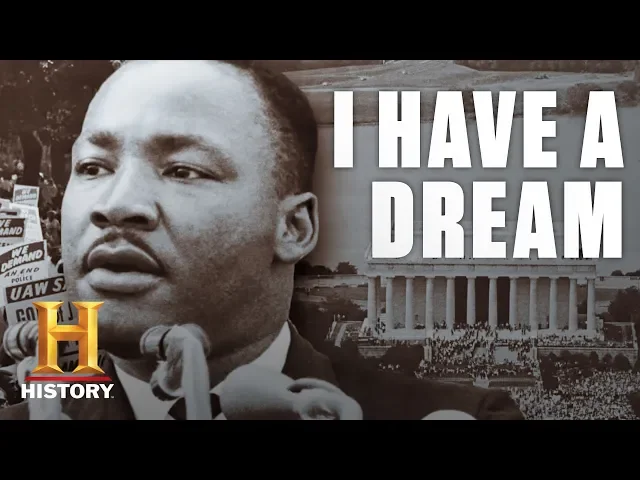
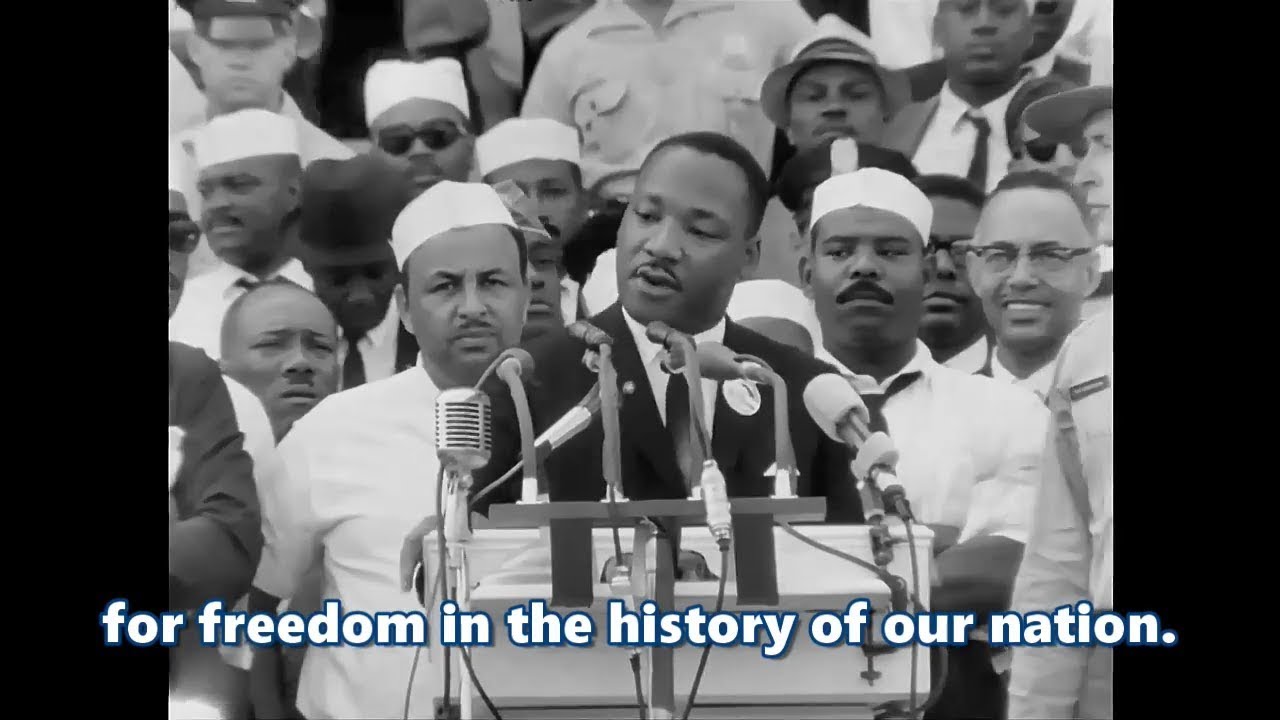
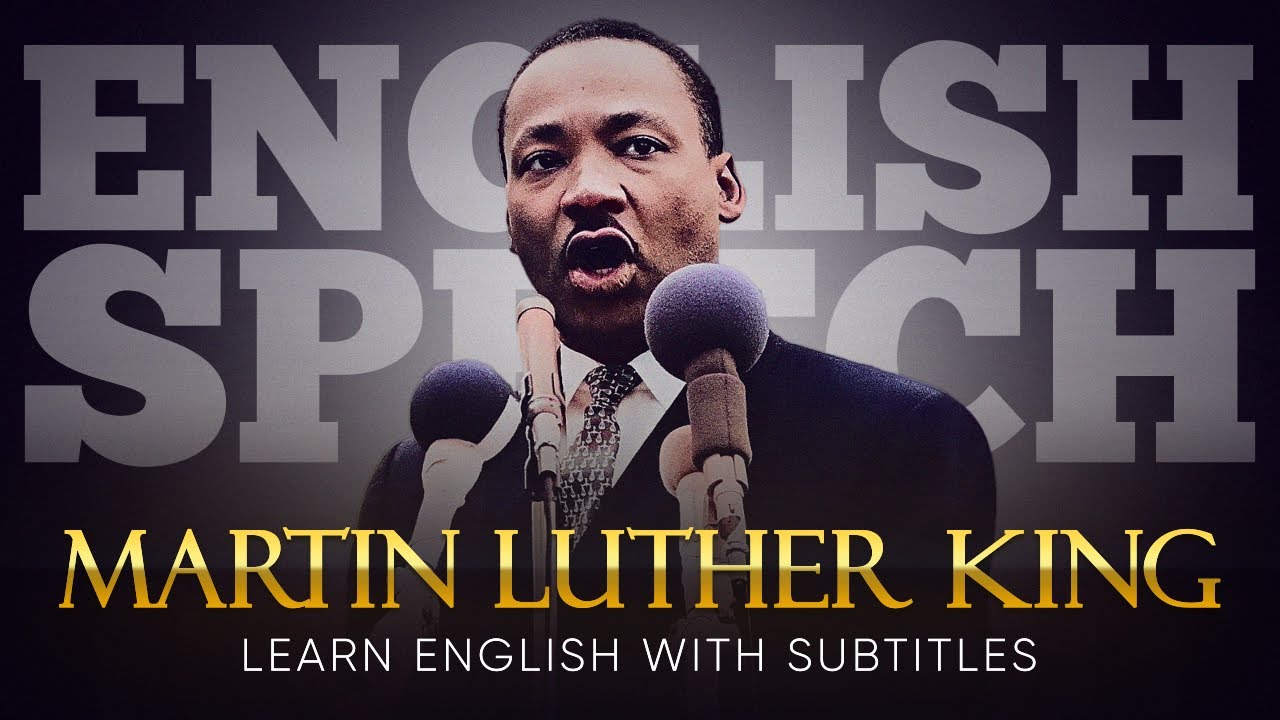
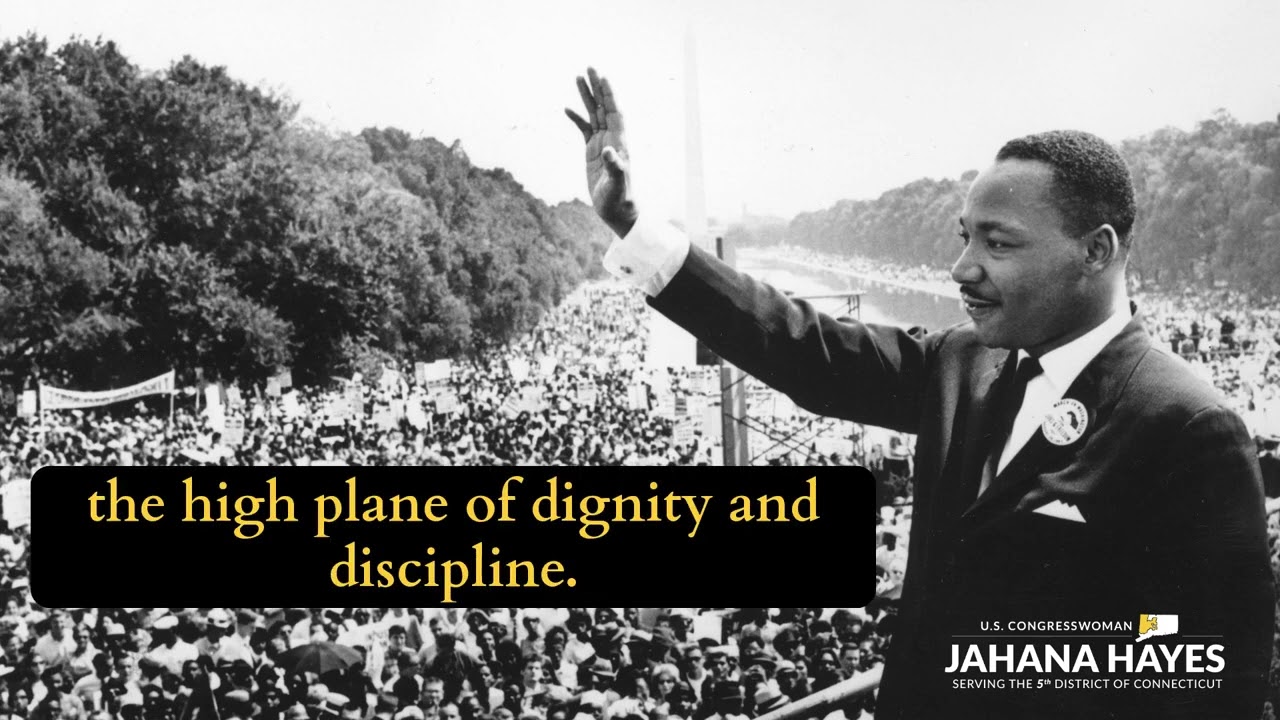
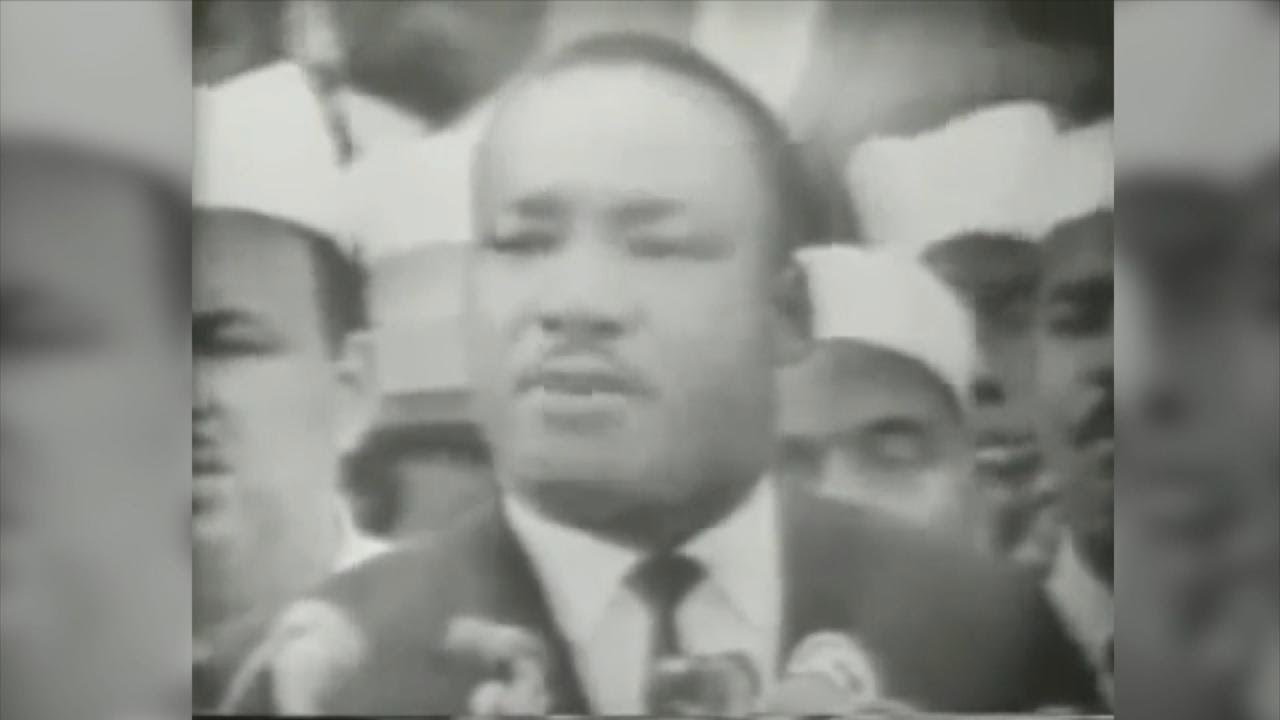
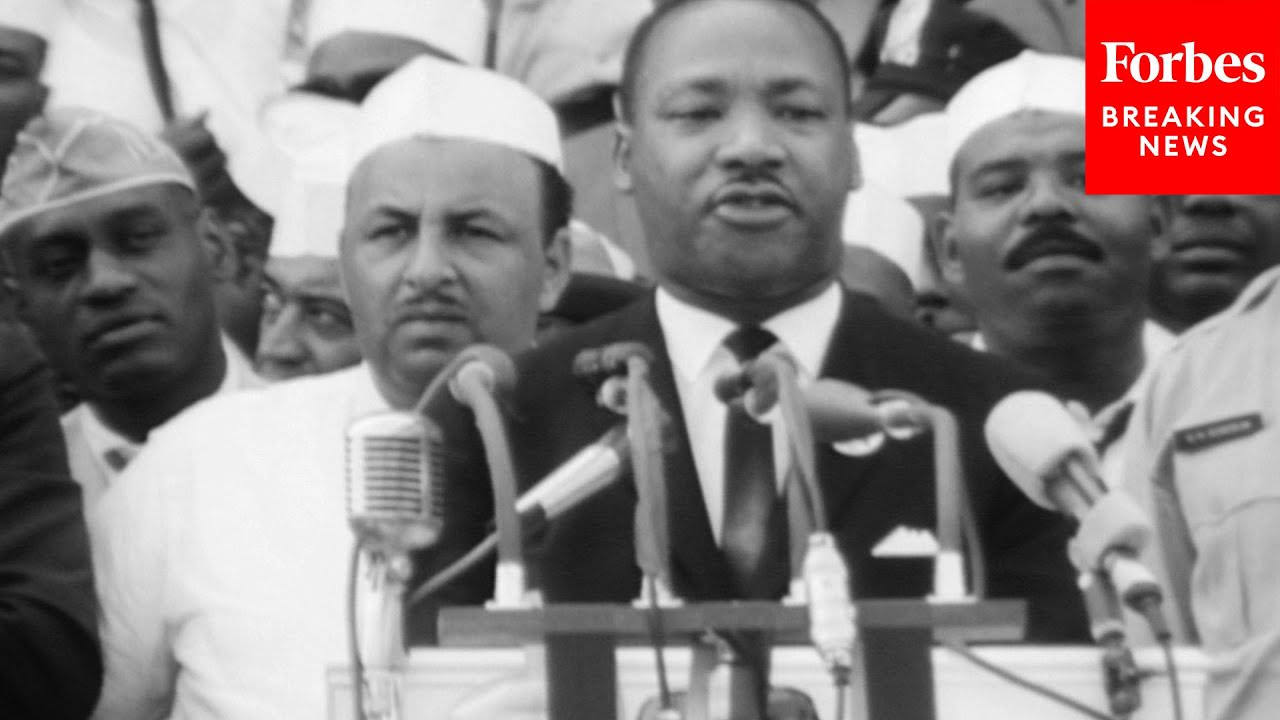
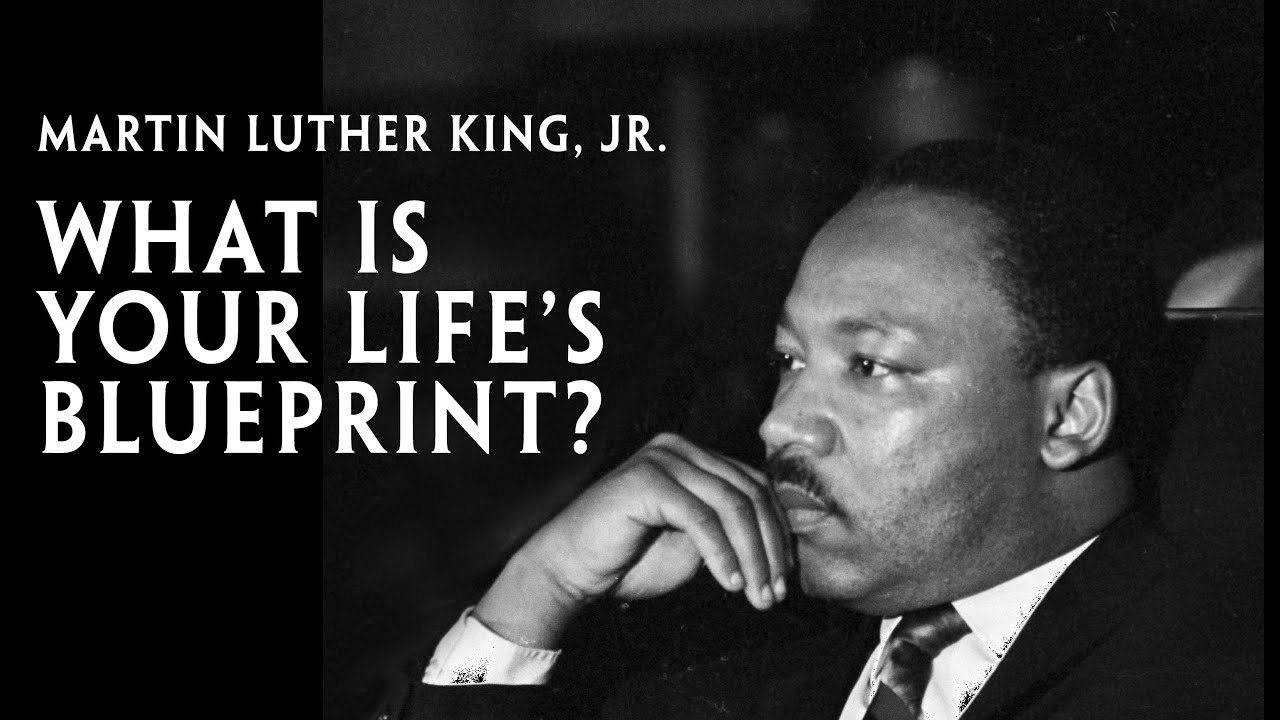
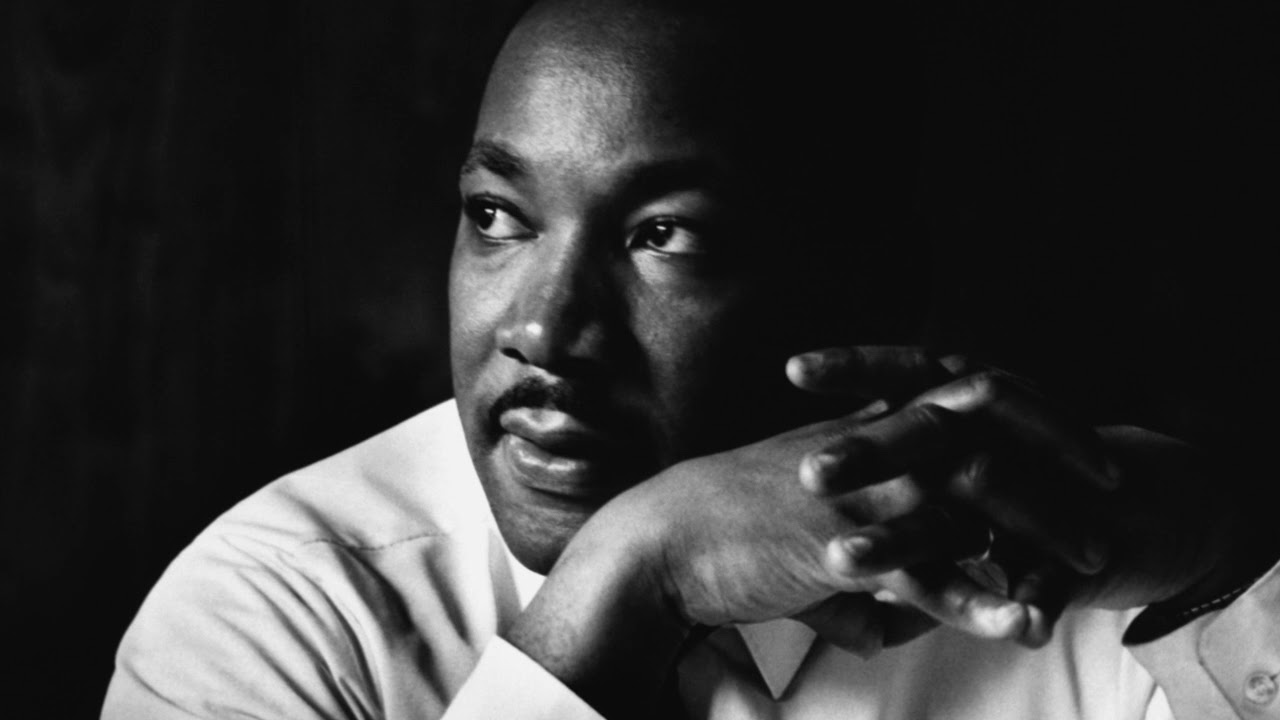
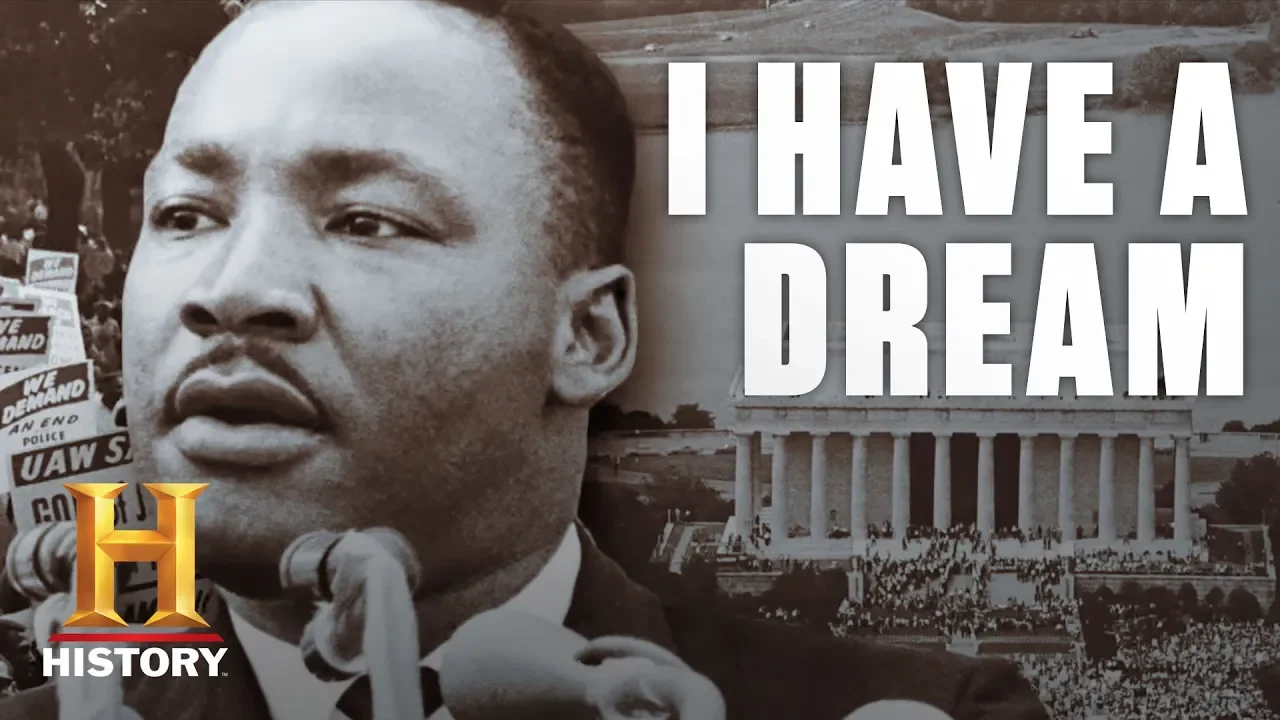
NARRATOR (VOICEOVER): On a hot day in August, 1963, Dr Martin Luther King Jr. Delivered a speech that would define the Civil Rights Movement and his legacy. This, of course, was his "I Have a Dram" speech, delivered on the steps of the Lincoln Memorial during the March on Washington for Jobs and Freedom.
[MUSIC PLAYING] MARTIN LUTHER KING JR. (VOICEOVER): I have a dream that my four little children will one day live in a nation where they will not be judged by the color of their skin, but by the content of their character. I have a dream today.
[APPLAUSE] NARRATOR (VOICEOVER): The March on Washington served as a massive push for economic and political justice for African-Americans. Held during the years celebrating the 100th anniversary of the Emancipation Proclamation, crowds marched on the National Mall to watch a variety of musical performances and speeches. [SINGING] NARRATOR (VOICEOVER): Dr King, a Baptist preacher and prominent civil rights leader was scheduled to speak towards the end of the day, his debut on the national stage.
Up until that point, King mostly addressed small crowds at black churches, rallies, or fundraisers. This time, he would be seen by nearly 250,000 people on the ground as well as millions at home watching on television. This was an opportunity to reach a wide audience and persuade the public and the government to take action against racial injustice.
[MUSIC PLAYING] The night before, King worked with a close group of advisors to get the speech just right. They worked through the night, settling on a final draft in the pre-dawn hours of August 28th. Interestingly, the phrase, "I have a dream," a phrase he used in earlier speeches, was nowhere to be found in this copy.
The words wouldn't manifest until almost halfway into Dr King's speech, when gospel singer Mahalia Jackson, who had performed earlier in the day, called out to him from the sidelines to "tell them about the dream. " King set his prepared remarks aside and improvised the rest, crafting a soaring speech that was seared into the minds of millions of Americans. MARTIN LUTHER KING JR.
(VOICEOVER): No, we are not satisfied. And we will not be satisfied until justice rolls down like waters and righteousness like a mighty stream. [APPLAUSE] NARRATOR (VOICEOVER): The speech was divided into two parts.
The first listed the injustices that African-Americans faced-- segregation, police brutality, disenfranchisement, and discrimination-- and urged a call to nonviolent action. The second launched into King's dream of peace and racial harmony, a vision of a future in which people will not be judged by the color of their skin, but by the content of their character. MARTIN LUTHER KING JR.
(VOICEOVER): I have a dream. NARRATOR (VOICEOVER): Highlighting King's skills as a preacher, "I Have a Dram" was part sermon and part poetry, using rhetorical devices like repetition, rhyme, and vivid metaphor to drive his points home. It was peppered with historic, biblical, and literary references that moved the crowd.
This message of struggle and hope became the defining moment not only of King's career, but also the Civil Rights Movement. [MUSIC PLAYING] Both the speech and the March on Washington were credited with helping secure the passage of the Civil Rights Act of 1964, a landmark piece of legislation that ended segregation and banned discrimination on the basis of race or sex in the workplace. [MUSIC PLAYING] MARTIN LUTHER KING JR.
: Free at last-- CROWD MEMBER: Yes! - --free at last. Thank God almighty, we are free at last.
[APPLAUSE] NARRATOR (VOICEOVER): The speech also resonated with activists around the globe. "I have a dream," the phrase that wasn't even meant to be in its final draft, appeared in political actions all around the world. It's considered one of the world's most transformative and influential speeches, alongside others like Abraham Lincoln's "Gettysburg Address" and Winston Churchill's "Blood, Toil, Tears and Sweat.
" "I Have a Dram" is only one of Dr Martin Luther King Jr. 's many achievements. But it's nonetheless one of the most pivotal.
I am happy to join with you today in what will go down in history as the greatest demonstration for freedom in the history of our nation.