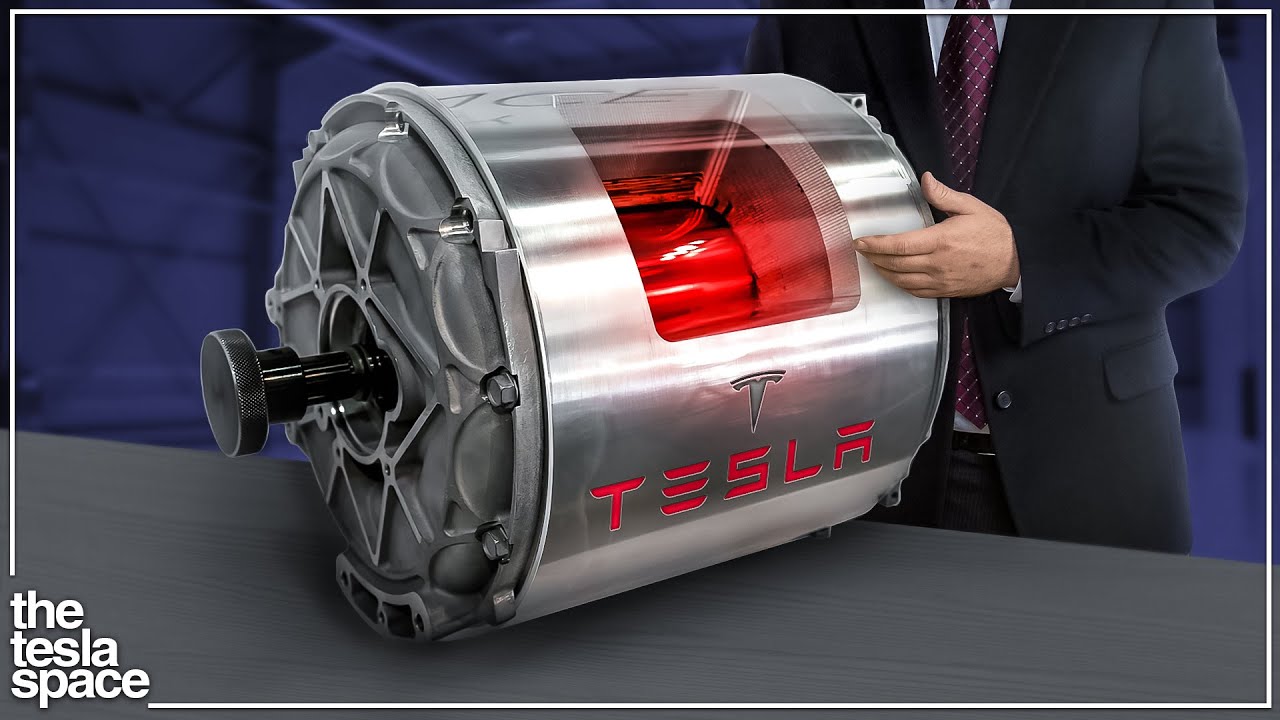
in a groundbreaking announcement Elon Musk has unveiled a revolutionary new water engine that promises to transform the future of transportation and energy after years of skepticism and countless Innovations musk's latest Venture sets the stage for unprecedented environmental sustainability but what makes this water engine so unique and how will it impact our world the water engine operates on a simple yet ingenious principle it uses water to generate energy the this process fundamentally separates it from traditional combustion engines which rely on burning fossil fuels and from Electric engines which depend on battery power but how does the
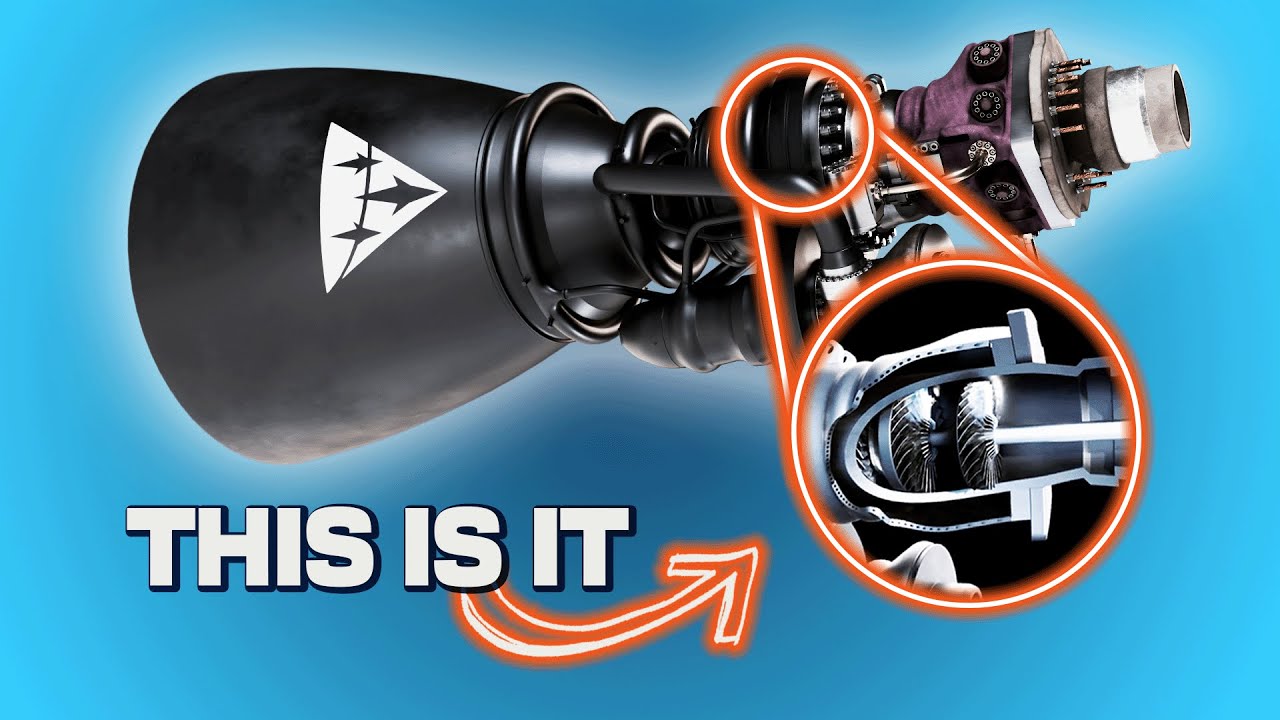
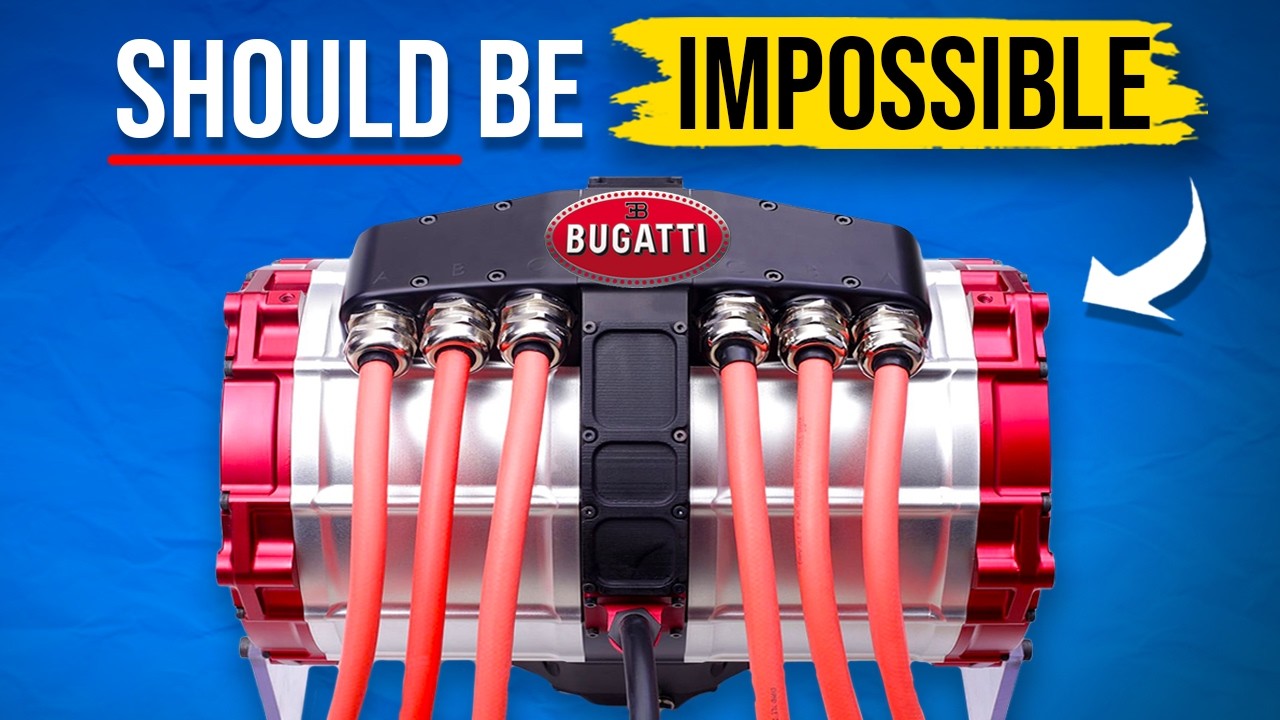
water engine work so what are the mechanics behind this impressive technology the water engines mechanics are a blend of fuel cells reverse electrolysis and hydrogen oxygen reactions let's break it down step by step first water is introduced into the system the engine then splits the water into hydrogen and oxygen using an initial energy input these gases are stored in separate tanks within the vehicle when the engine is running hydrogen from the tank is fed into the fuel cell in the fuel cell hydrogen molecules are split into protons and electrons the electrons are used to create
an electric current which Powers the vehicle's electric motor meanwhile the protons move through a membrane and combine with oxygen from the air producing water vapor as the only emission this process is incredibly efficient continuously generating electricity as long as there is hydrogen and oxygen available but how efficient is the water engine compared to traditional and Electric engines the answer is quite promising traditional combustion engines have an efficiency rate of about 20 to 30% meaning a significant amount of energy is lost as heat Electric engines while more efficient at around 85 to 90% still face challenges
like long charging times and battery degradation the water engine however boasts an efficiency of approximately 60% placing it between combustion and Electric engines more importantly it offers a cleaner more sustainable alternative another critical performance metric is range traditional electric vehicles EVS often suffer from range anxiety with current models typically offering between 200 300 M per charge the water engine leveraging the high energy density of hydrogen can achieve ranges comparable to or even exceeding those of fossil fuel powered vehicles imagine driving a car that emits only water vapor and never worrying about running out of power
in the middle of a trip unlike electric vehicles that require lengthy charging sessions the water engine can be refueled quickly similar to gasoline vehicles this convenience combined with its environmental benefits positions the water engine as a GameChanger in the automotive industry one of the most significant advantages of the water engine is its potential to drastically reduce our carbon footprint traditional combustion engines emit large amounts of carbon dioxide and other pollutants contributing to climate change and air pollution in contrast the water engine produces only water vapor as a byproduct making it an exceptionally clean alternative to
put this into perspective the average gasoline powered car emits about 4.6 metric tons of carbon dioxide annually transitioning to water engines could eliminate these emissions entirely moreover the elimination of nitrogen oxides and particulate matter would lead to significant improvements in air quality particularly in urban areas comparatively electric vehicles EVS are also cleaner than fossil fuel powered cars but are not without their environmental costs the mining of lithium Cobalt and other rare earth metals required for Batteries has substantial ecological impacts additionally if the electricity used to charge EVS is sourced from non-renewable power plants the overall
reduction in carbon emissions is less pronounced hydrogen fuel cells represent another clean alternative producing only water as a byproduct however the production of hydrogen typically involves natural gas resulting in indirect carbon emissions additionally hydrogen storage and transportation pose challenges due to its low energy density and the need for high pressure tanks the water engine utilizing reverse electrolysis has the potential to offer a more efficient and environmentally friendly Solution by using renewable energy sources to produce hydrogen the entire life cycle of the water engine becomes sustainable further reducing its environmental footprint economically the water engine could
bring substantial cost Savings in the long run traditional internal combustion engines require regular maintenance including oil changes exhaust system repairs and engine tuneups which can be expensive over time electric vehicles have fewer moving Parts reducing maintenance costs but still require battery Replacements which can be costly and environmentally taxing the water Engine with its simpler mechanics and fewer moving Parts promises even lower maintenance costs components like fuel cells and electrolysis systems are designed for durability potentially extending the lifespan of vehicles as the technology matures and economies of scale are realized the initial cost of water engine
Vehicles could decrease significantly making them more accessible to the average consumer however the transition to water engines will require significant initial investment developing the infrastructure for water refueling stations is a massive undertaking this involves either building new stations or retrofitting existing ones to accomodate water refueling technology the cost and Logistics of establishing a widespread network of refueling stations will require substantial collaboration between governments and private companies on a broader economic scale the adoption of water engines could reduce Global dependence on oil leading to more stable fuel prices and potentially reducing geopolitical tensions linked to oil
supply this shift could stimulate job creation in new Industries focused on water engine technology manufacturing and infrastructure development the introduction of the water engine represents a significant technological shift in the automotive industry transitioning from combustion engines and electric vehicles to water engines involves overcoming various challenges the current Automotive infrastructure is fully rooted in fossil fuels from manufacturing processes to refueling networks to address these challenges companies can leverage existing Technologies and expertise for example many principles from hydrogen fuel cell technology such as fuel cell design and hydrogen storage can be applied to water engines this can
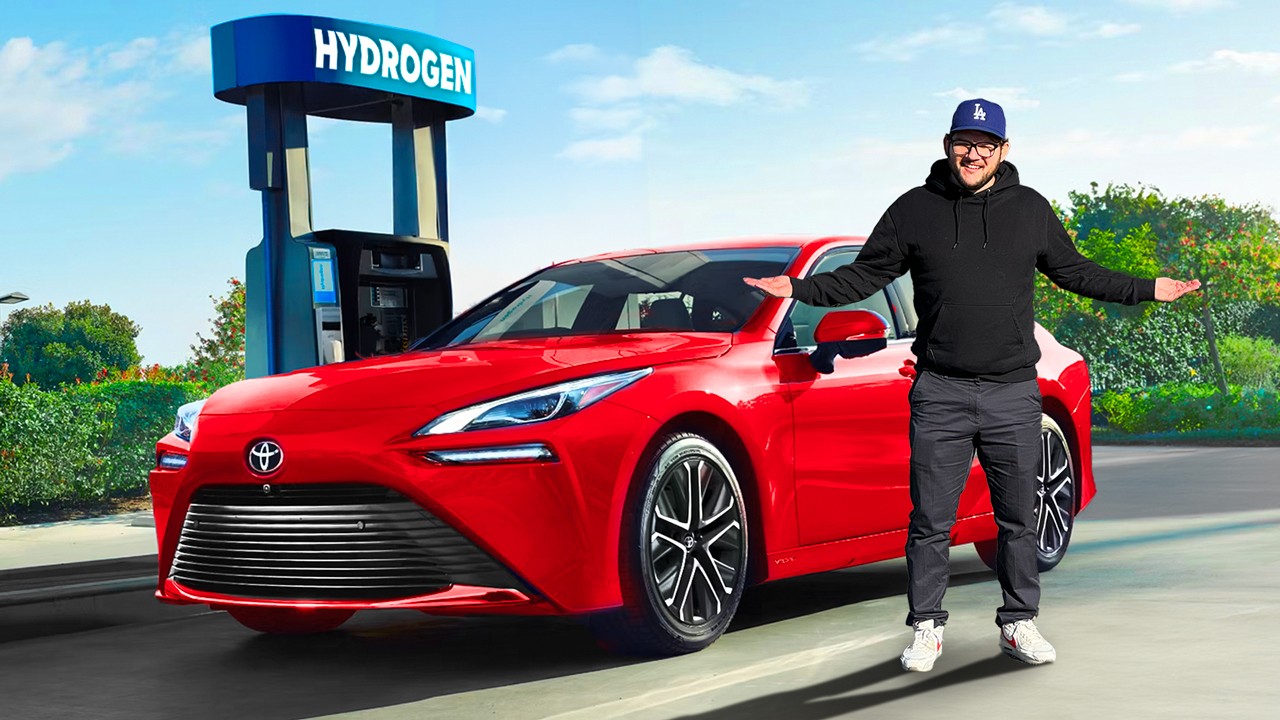
facilitate faster development and deployment of the new technology but what does the future hold for musk's water engine will it redefine our approach to energy and transportation or will it face insurmountable obstacles the automotive industry has watched musk's announcement with Keen interest major players like Toyota and Hyundai longtime Advocates of hydrogen fuel cell technology have had mixed reactions Toyota for example has invested heavily in hydrogen fuel cells with vehicles like the marai Toyota's Executives view musk's announcement as a validation of their long-standing belief in hydrogen's potential they see it as a positive step towards wider
acceptance and investment in hydrogen infrastructure Hyundai on the other hand is cautiously optimistic recognizing the competitive push but also the significant Market development needed to support both hydrogen and water engine Technologies the feasibility of the water engine has been discussed by analysts and Industry Specialists while some regard it as a groundbreaking move that could hasten the switch to sustainable energy others are dubious about the real world difficulties the Technology's efficiency the infrastructure needed for water refueling and the viability of widespread adoption are among the issues raised Ed public reaction to musk's announcement has been a
mix of excitement curiosity and skepticism social media platforms have been a buzz with discussions as followers of musk and Tesla enthusiasts Express their anticipation for the new technology many are intrigued by the promise of a cleaner more efficient engine and the potential environmental benefits however there are also doubts and concerns some critics point out musk's past criticisms of hydrogen and question the feasibility of a rapid transition to water engines they worry about the practicality of building a new refueling infrastructure and the initial costs associated with adopting the technology one of the most significant challenges in
deploying the water engine is the development of a comprehensive refueling infrastructure currently the infrastructure for traditional fossil fuels is extensive with gas stations available in almost every corner of the Globe Electric Vehicle EV charging networks are also expanding rapidly thanks in large part to Investments by Tesla and other companies in contrast the infrastructure for hydrogen fuel cells is still in its infancy there are relatively few hydrogen refueling stations worldwide concentrated mainly in specific regions like California Japan and parts of Europe for water engines which rely on a similar hydrogen-based refueling process this existing Network provides
a starting point but significant expansion is required Tesla's approach to solving this involves leveraging its experience in building out evv supercharging stations the company plans to retrofit existing EV stations with hydrogen refueling capabilities and build new stations dedicated to water engines this ambitious plan will require substantial investment and collaboration with governments and private sector Partners to ensure widespread availability and and convenience for consumers safety is another Paramount concern when introducing a new technology hydrogen while a clean energy source is highly flammable and must be handled with care the water engine relying on hydrogen inherits these
safety challenges to address these potential risks Tesla has implemented several safety measures first Advanced hydrogen storage systems have been developed to ensure that hydrogen is stored safely and securely within the vehicle these systems are designed to withstand high pressure and prevent leaks Tesla's rigorous testing procedures for the water engine and hydrogen storage systems aim to meet and exceed safety standards set by International regulatory bodies by prioritizing safety at every stage of development and deployment Tesla is committed to making the water engine as reliable and secure as possible Elon musk's new $177,000 motor home represents a
significant leap forward in the world of recreational vehicles with its advanced technology luxurious features and commitment to sustainability it offers a compelling vision of the future of travel whether you're looking for the Ultimate Adventure vehicle or a high-tech home on Wheels this motor home delivers on all fronts from its innovative autonomous driving system to its eco-friendly solar power setup the motor home embodies musk's philosophy of blending Cutting Edge technology with everyday functionality thanks for joining us on this journey to discover the future of living be sure to like And subscribe to stay tuned for more
updates on Tesla's Innovative motor home and the transformative impact it is having on the world of housing until next time keep dreaming keep innovating and keep building a better future for us all