The history of SpaceX begins in 2001 when Elon Musk stepped down as the CEO of PayPal, a payment company he co-founded. From this point onwards, he began to develop ideas in a completely different sector – space transportation. Despite the novelty, the idea of flying was in his blood; his maternal grandparents were single-engine pilots as a hobby and were passionate about searching for a lost civilization in the Kalahari Desert.
Since his childhood, Musk was an enthusiast of science fiction books, especially "The Hitchhiker's Guide to the Galaxy. " Reading books was his escape valve to forget about school bullying problems and the almost daily scoldings from his father. Exploring places where humans had never been before and being able to call space and even other planets home was a childhood dream.
In September 2001, he started putting this into practice with the Mars Oasis project. This concept involved sending a robotic vehicle to land on Mars, acting as a mini greenhouse to cultivate vegetables using Martian soil for testing. The future idea was to see if a colony could survive in such conditions.
To demonstrate the seriousness of his idea, he established an organization called the Life to Mars Foundation. His next steps involved obtaining a rocket to launch this greenhouse-shaped capsule to Mars. He approached the US, but launch costs were extremely high.
He traveled to Russia where it was somewhat cheaper, but due to his lack of relevance and knowledge in the industry, he didn't manage to strike a deal with the Russians. Frustrated with what he encountered in the market, Elon Musk wasn't going to let his dream die there. It was then in 2002 that he decided to start his own rocket company, SpaceX.
In the same year, eBay purchased PayPal for $1. 5 billion, and since Musk remained one of the major shareholders of the company, he walked away with around $165 million. With an initial investment of $100 million, the first headquarters were built in California, and it was time to get to work and initiate the business model.
SpaceX decided to structure itself around three pillars. Rockets: Produced 100% by the company, they are modular and reusable. With these three pillars, Elon Musk aimed to drastically reduce the exorbitant costs of space travel and enable humans to potentially colonize the planet Mars in the future.
This was an ambitious endeavor that required a lot of time and money. It took four years of extensive research and hard work until SpaceX conducted the first test of its inaugural rocket in 2006. This rocket was named Falcon, paying homage to the Millennium Falcon from Star Wars.
The Falcon 1, as the initial version was called, stood at 21 meters tall and had a diameter of nearly 2 meters. Its first stage was powered by a Merlin 1C engine. During its maiden flight, the Falcon 1 carried a test payload named FalconSat-2, a satellite developed by the United States Air Force Academy.
However, the first launch failed just 15 seconds after liftoff. Investigations revealed that the primary cause of the failure was the rupture of a component called the "cooling pucker," which triggered an internal fire and led to engine shutdown. The subsequent two flights also ended in failure, resulting in the loss of their payloads – all satellites, from Kazakhstan and Malaysia.
At the height of the crisis in 2008, and after depleting his funds in Tesla and SpaceX, Elon Musk found himself in a tight spot. He decided to liquidate his homes, properties, stocks – essentially most of his assets. This allowed him to raise around $20 million, which he then divided between the two companies in an attempt to save them.
For SpaceX, this money funded another flight test of the Falcon 1. If this attempt failed, it would likely have marked the end of the road for the company and Elon Musk's childhood dream. In the final attempt, this time without a payload as no company trusted his rocket anymore, the Falcon 1 launched for the fourth time, and SpaceX successfully placed the rocket into orbit.
With this achievement, the first pillar of the company was established – building a rocket from scratch with their own technology. Just three months after this success, SpaceX secured a contract with NASA to provide resupply services for the International Space Station. Many consider this contract a true gift, as it was finalized just two days before Christmas in 2008.
The contract's value stood at around $1. 6 billion. NASA recognized the need for private sector assistance as it was already planning to retire the Space Shuttles in 2011.
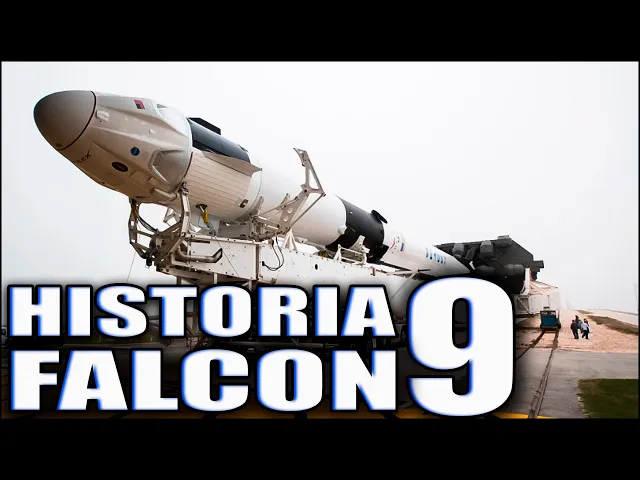
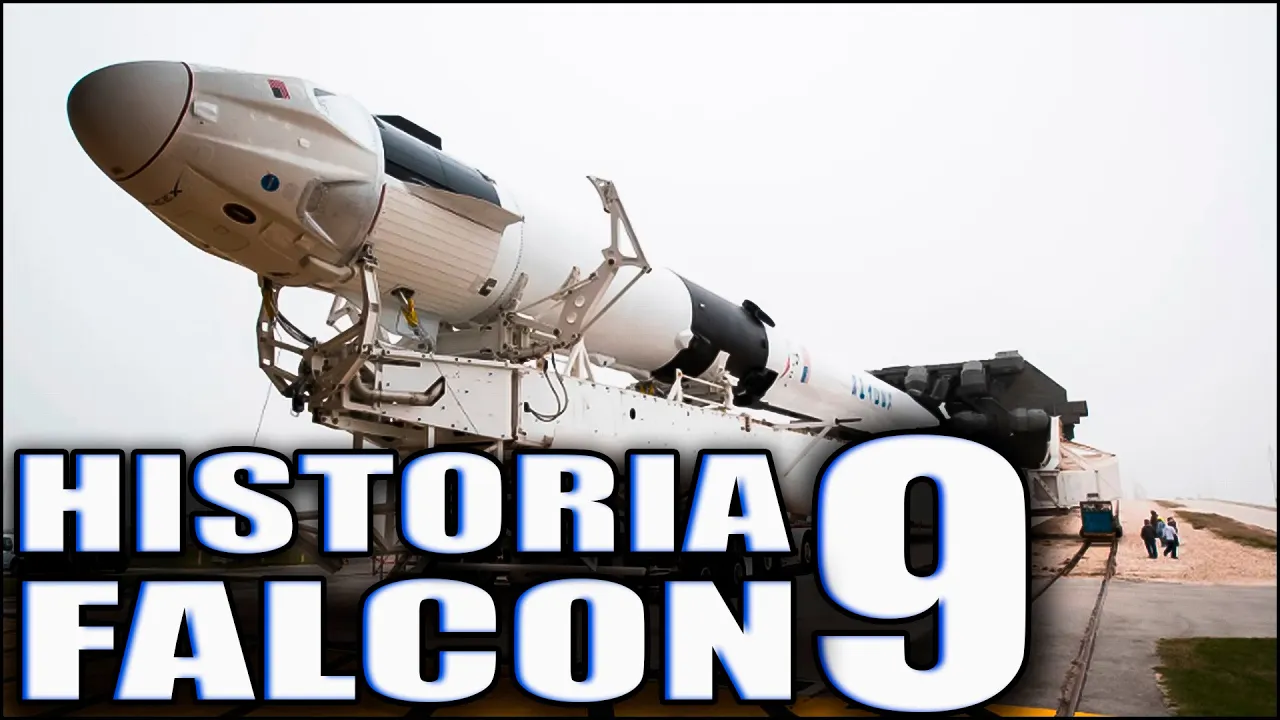
With the funds in hand, SpaceX needed to improve its rocket. Thus, the Falcon 9 was born. Recall the second pillar I mentioned at the beginning of the video – well, SpaceX was now putting that into practice, leveraging all the know-how gained from Falcon 1.
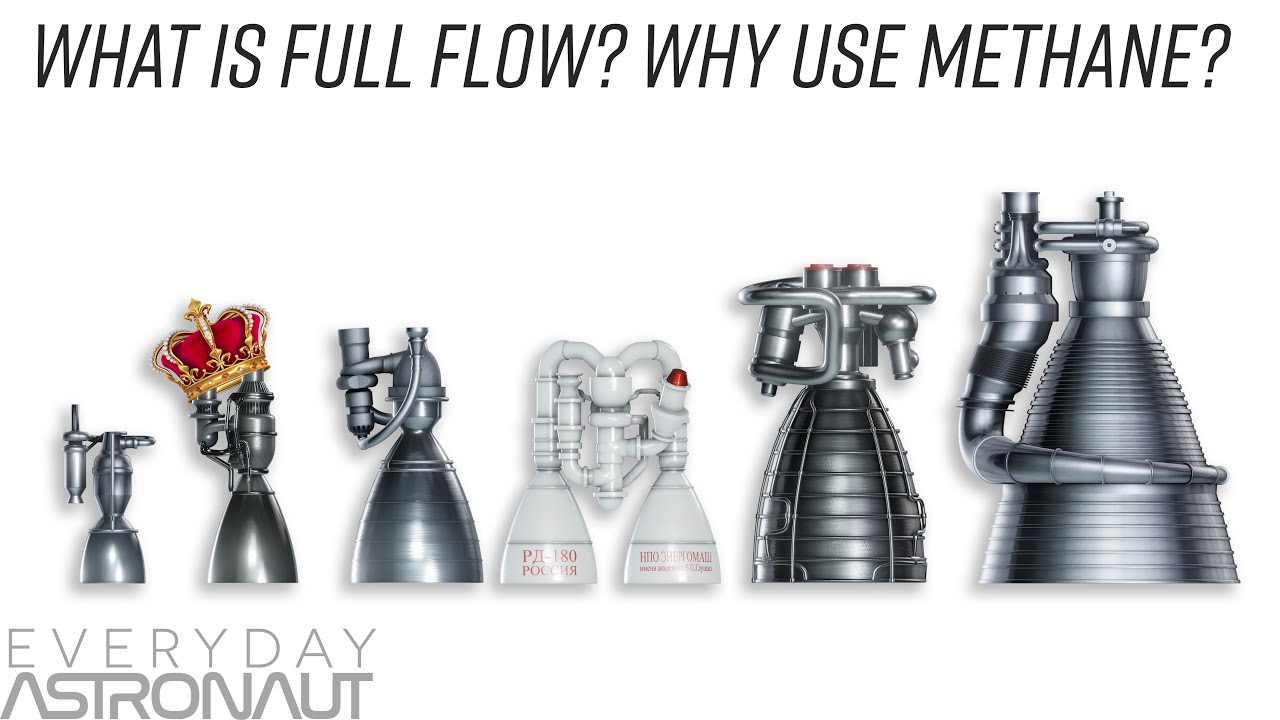
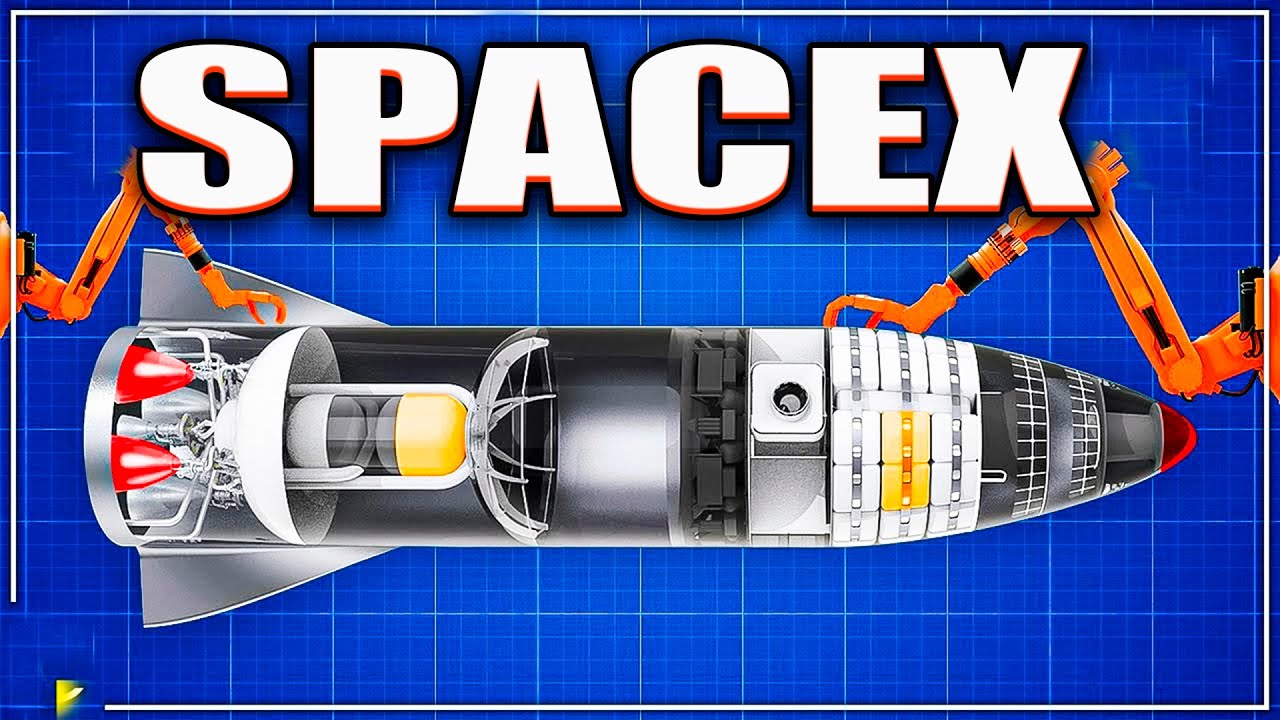
The Falcon 9 in its v1. 0 version featured not one but nine improved Merlin engines. It stood at approximately 55 meters tall and nearly 4 meters wide.
Its payload capacity to low Earth orbit was a little over 10 tons, nearly 10 times more than Falcon 1. Simultaneously, alongside the Falcon 9, SpaceX was also developing an unmanned capsule to dock with the space station – this was part of their contract with NASA to supply the station. The first version of this capsule, known as Drgon 1, weighed around 4 tons and measured 6 meters in height by almost 4 meters in width.
It could deliver up to 6 tons of cargo to the International Space Station. For the first test fire, SpaceX decided to do it on their own. This happened on June 4, 2010.
The inaugural test flight of the Falcon 9 and Drgon 1 took off from Cape Canaveral without any issues. The rocket successfully placed the Drgon into orbit. The capsule performed a series of maneuvers and some time later managed to reenter the atmosphere.
The mission was a success for both the Falcon 9 rocket and the Drgon capsule. Months later, in December, still in 2010, it was time for the launch that would gain NASA's approval. All eyes were on the agency.
Taking off from the Air Force station at Cape Canaveral, the Falcon 9 and Drgon spacecraft embarked on their second launch. And guess what? The mission was a success.
The Drgon capsule performed maneuvers around the ISS, but it didn't dock. Its objective was solely to demonstrate to NASA that they could transport cargo to the station. The flights of Falcon 9 with the Drgon capsule were put on hold for nearly two years due to the Space Shuttle retirement process.
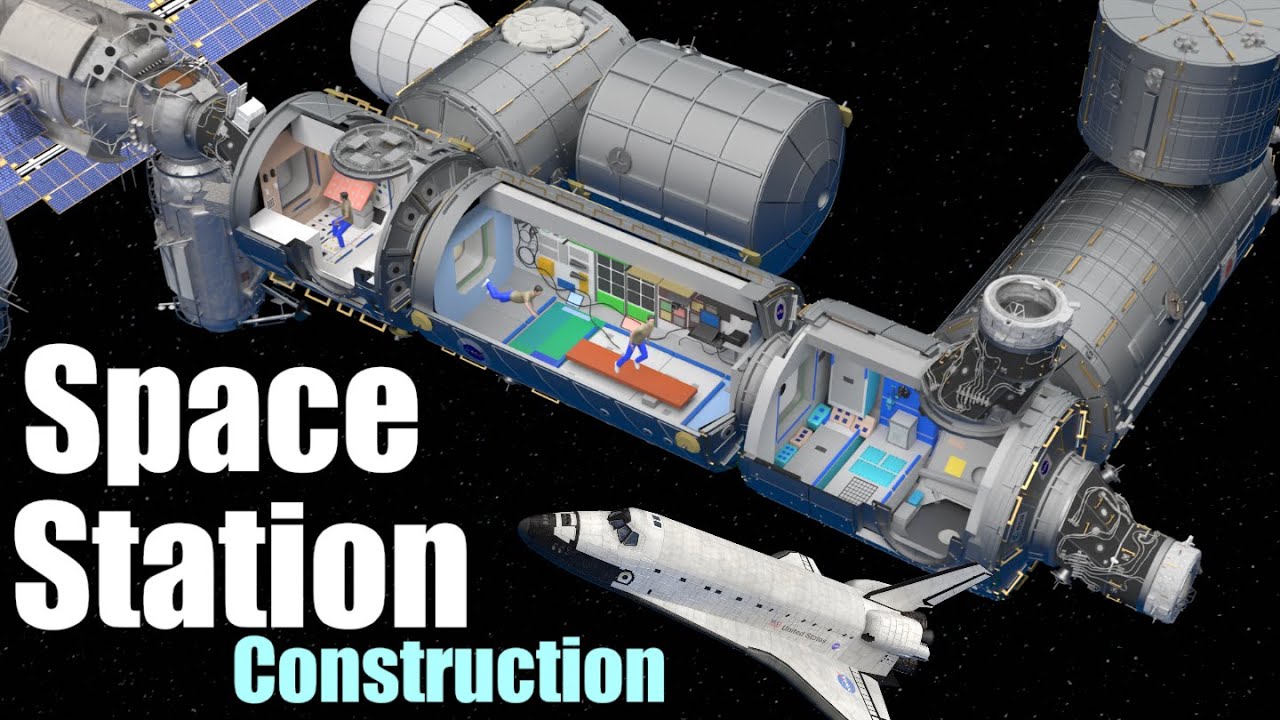
In 2012, with the iconic Space Shuttle no longer in service, NASA needed to send supplies to the ISS. This is when SpaceX achieved another significant milestone in its history – becoming the first private company to launch a commercial spacecraft and successfully dock with the ISS. In total, there were 5 launches of the Falcon 9 v1.
0 version, with each launch costing around $57 million on average. This was a substantial blow to the aerospace industry. Elon Musk and SpaceX proved they meant business.
The Falcon 9 underwent an upgrade to the v1. 1 version, making its debut in 2013. This new version was taller, standing at 68 meters, with the width remaining nearly 4 meters.
The fuel tanks were 60% longer, significantly increasing the rocket's mass. Payload capacity also improved, going from 10 tons to a little over 13 tons. The arrangement of the engines was reorganized compared to the previous model, simplifying and optimizing the manufacturing process.
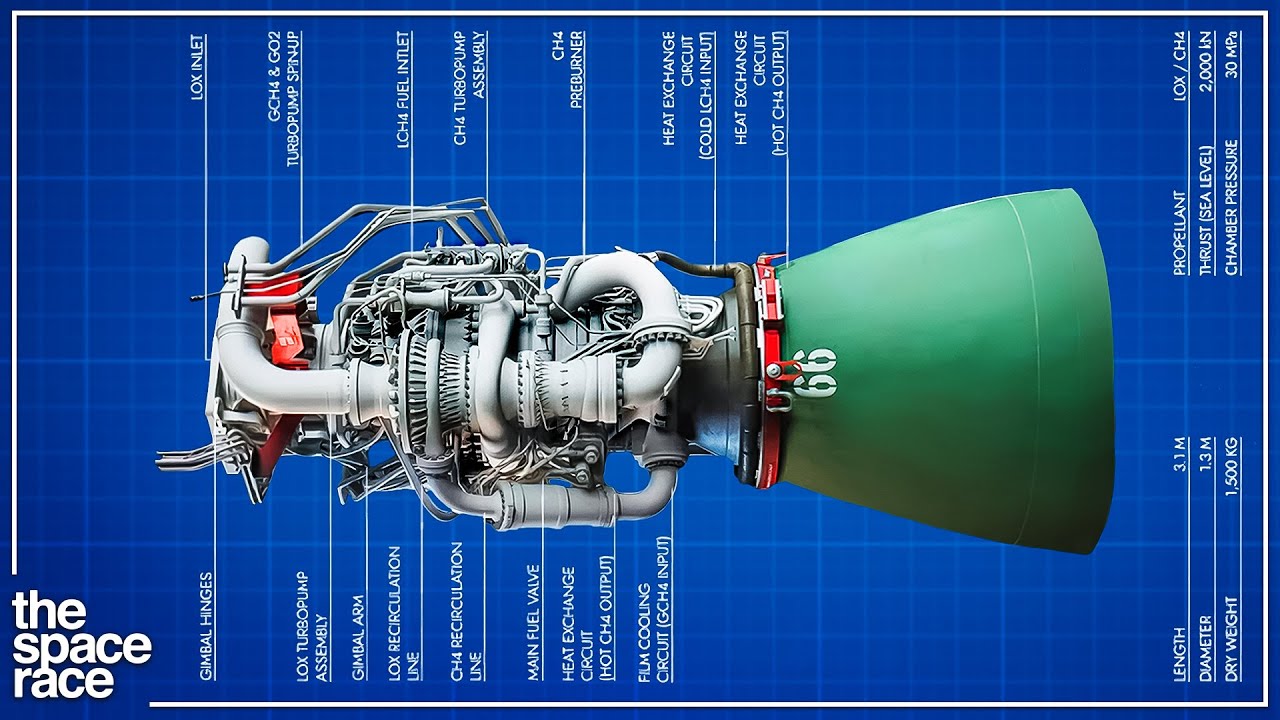
The Merlin engines were now in the 1D version, greatly optimized. In 2014, NASA announced the final selection of companies that would participate in the "NASA's Commercial Crew Program. " This program aimed to develop crew transportation systems to take astronauts to the International Space Station (ISS) and safely return them to Earth.
The goal was to restore the United States' capability to launch astronauts into orbit from American soil, reducing reliance on Russian rockets, especially since the Space Shuttles had been retired. Boeing was one of the chosen companies and was developing the Starliner. The other selected company was SpaceX.
Since SpaceX already had the Drgon version 1 for cargo deliveries to the station, they decided to enhance that project to make it crew-capable. This demonstrated that the company's second pillar was solidly established, showcasing its modular project capabilities. SpaceX could leverage parts and engines from previous projects to create something new in record time.
NASA awarded SpaceX another highly lucrative contract worth $2. 6 billion. This time, it involved not only transporting cargo but also American astronauts to the ISS.
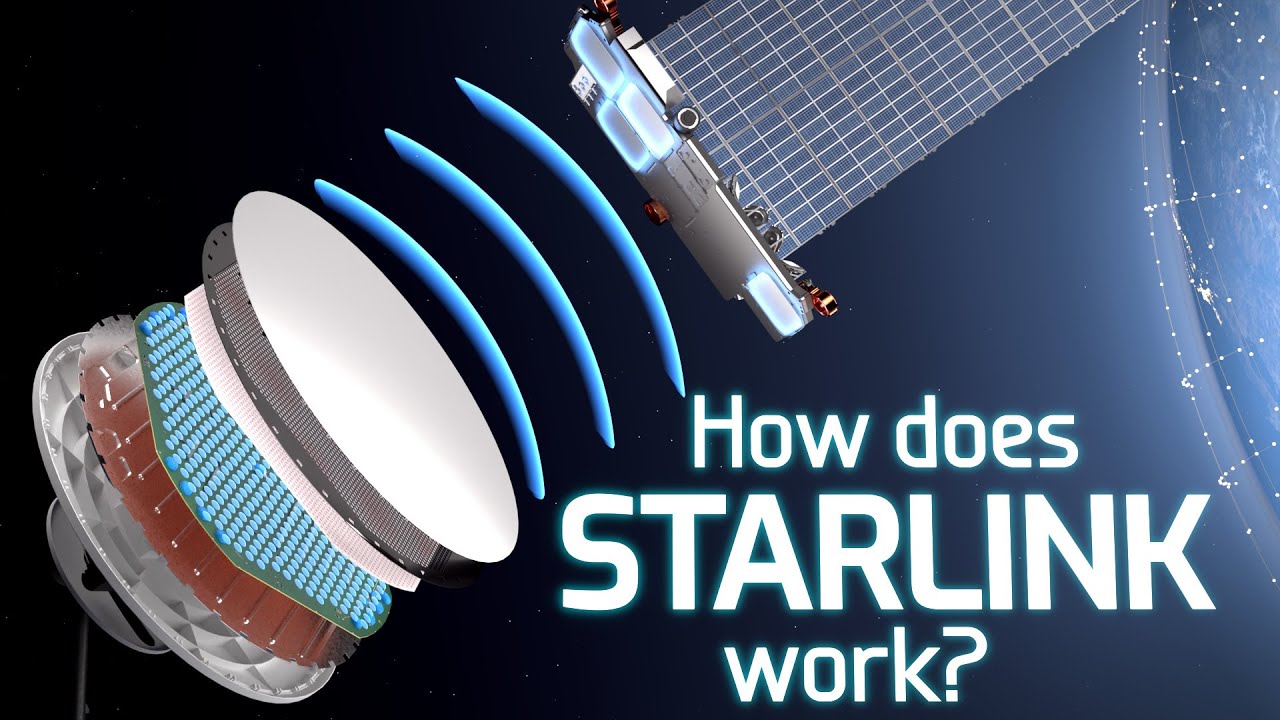
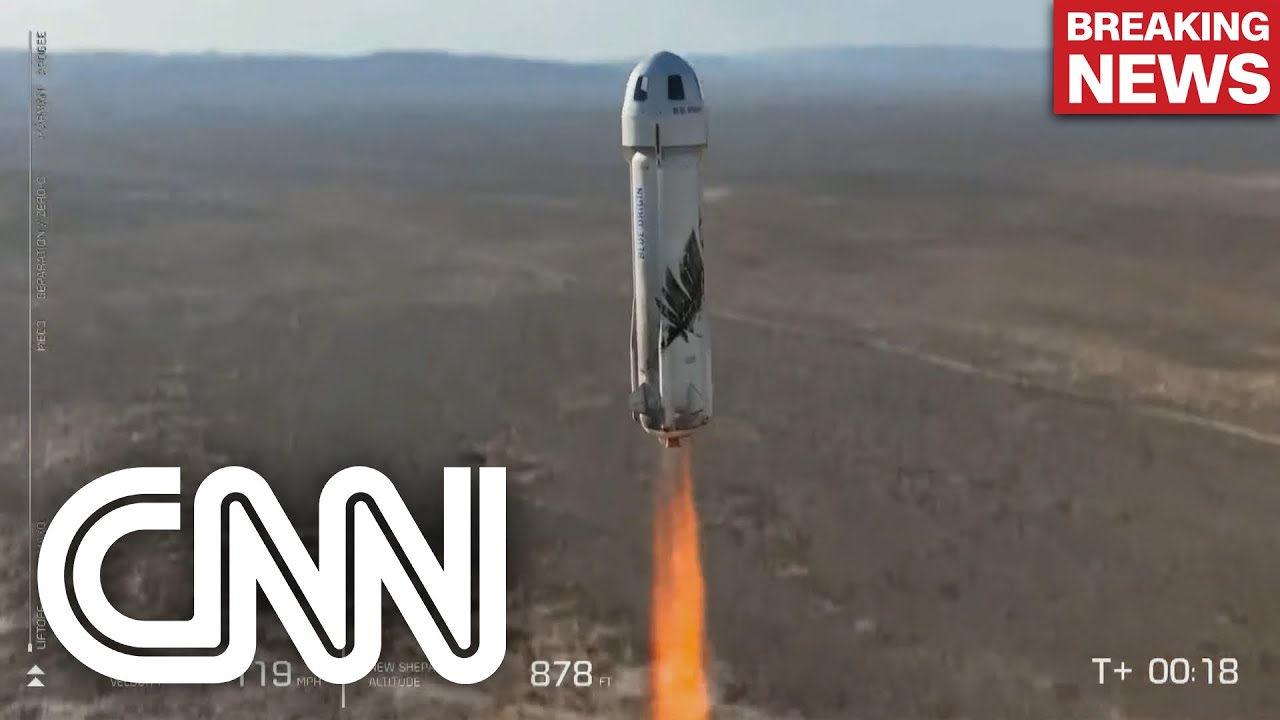
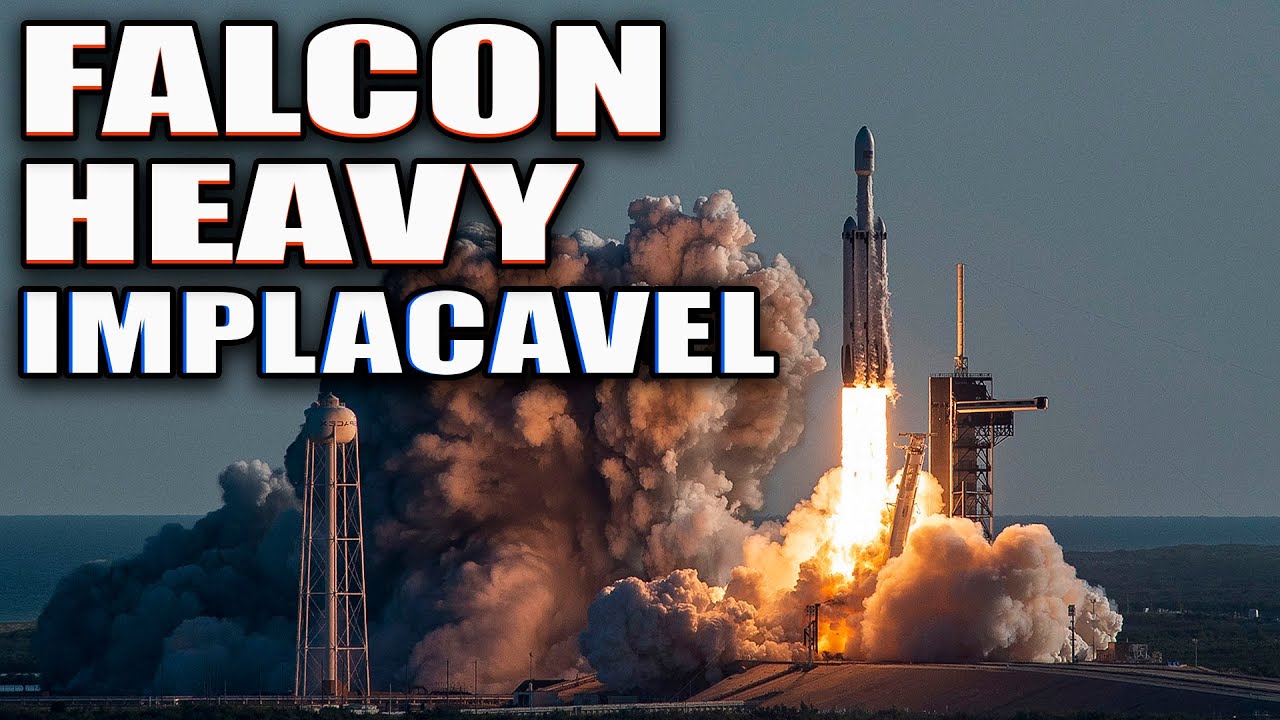
Elon Musk continued to work towards establishing the third pillar of SpaceX – making their rockets partially reusable to further reduce the cost of launching payloads into space and to facilitate the launch of their Starlink satellite constellation. SpaceX achieved its first successful landing of the Falcon 9's first stage on December 21, 2015, after the launch of the Jason-3 mission. The rocket delivered 11 satellites into orbit, and then the first stage returned and landed successfully at Landing Zone 1 at the Air Force Station at Cape Canaveral, Florida.
This historic achievement marked the first controlled vertical landing of a reusable orbital rocket and represented a significant advancement in space launch technology. The version responsible for this achievement was the Falcon 9 version 1. 2, also known as Falcon 9 Full Thrust.
This 1. 2 version has different models referred to as "blocks. " The Block 5, the most recent version, offers impressive improvements in performance and reusability.
This upgraded version can operate in orbit for longer durations and reuse its engines for over 10 launches. The Falcon 9 Block 5 stands at 71 meters in height, has a mass of 549,000 kg, and can carry payloads of up to 22 tons to low Earth orbit. The launch cost in 2016 was $62 million, but SpaceX managed to reduce it to an average of $50 million, going as low as under $30 million depending on the level of booster reuse.
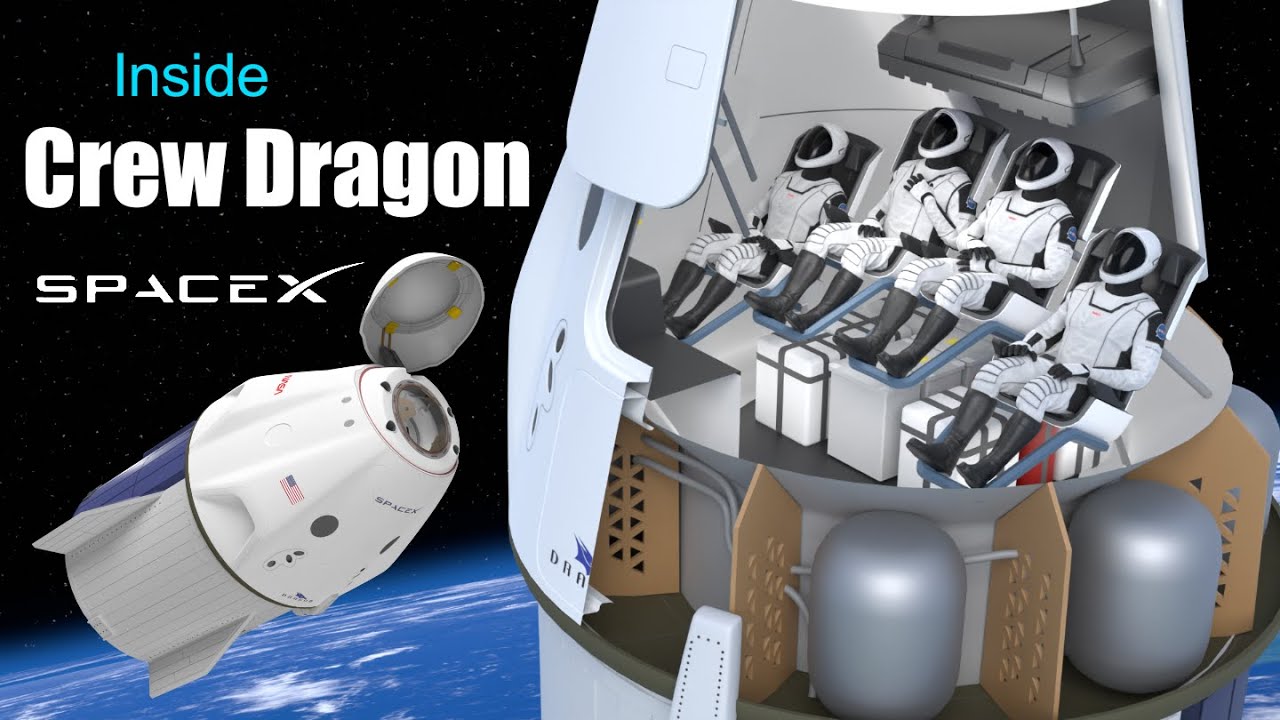
On May 30, 2020, SpaceX made history by launching astronauts Doug Hurley and Bob Behnken aboard the Drgon V2 atop the Falcon 9 rocket. The Drgon V2 was the new version of the capsule, capable of carrying 4 astronauts initially, and a total payload capacity of 6 tons to the ISS. It was slightly larger than the Drgon 1, measuring 4 meters in width and 8.
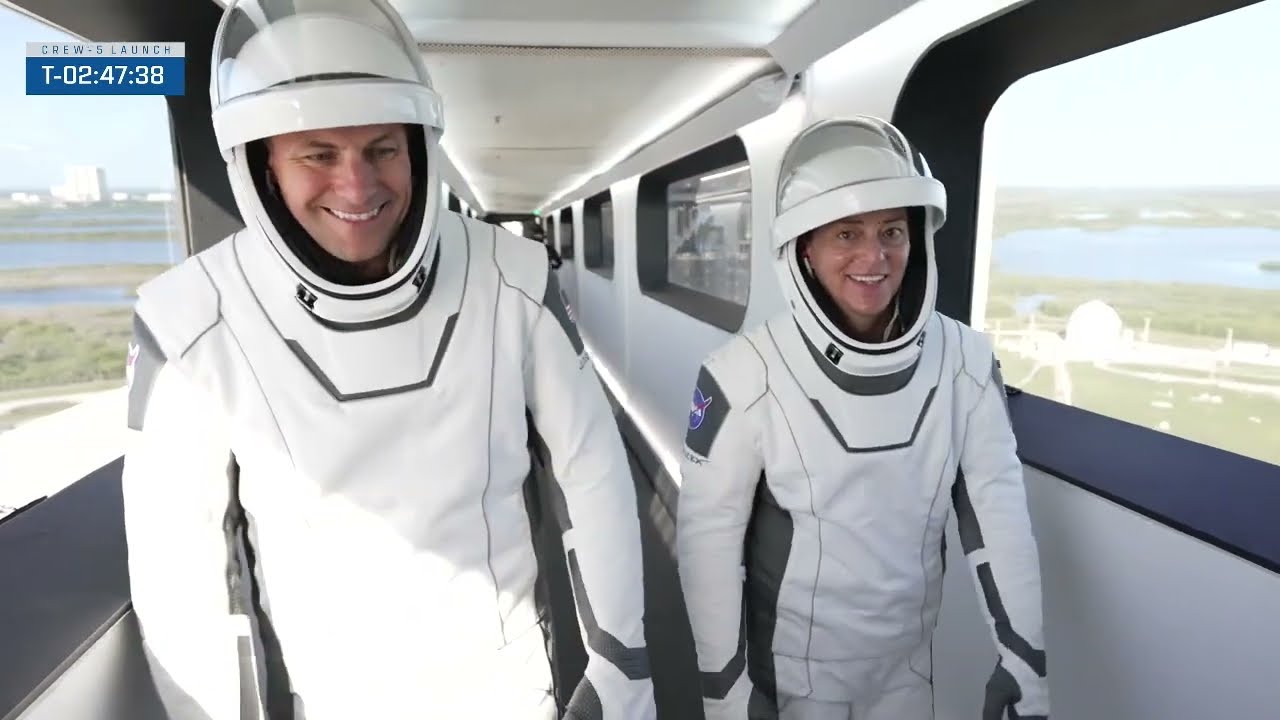
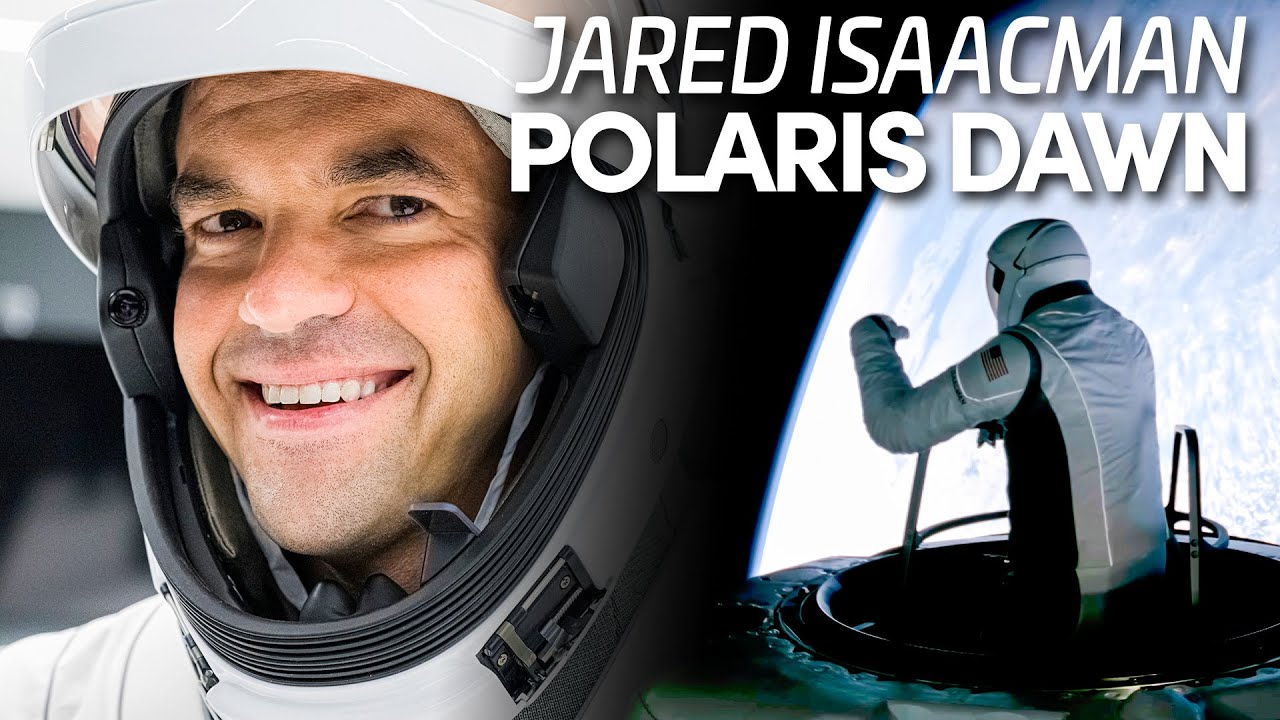
1 meters in height. The astronauts were transported to the International Space Station, marking SpaceX's entry into manned spaceflight and the first American crewed mission in nine years since the end of the Space Shuttle program. Since then, SpaceX has conducted multiple crewed spaceflights, both for NASA and the private sector, such as the 'Inspiration4' mission.
Without a doubt, the Falcon 9 has been a game-changer in the aerospace world. Companies around the globe are striving for SpaceX's success, but they are far from achieving anything similar. The Falcon 9 offers the best cost-effectiveness in the market today for medium to large-scale launches.
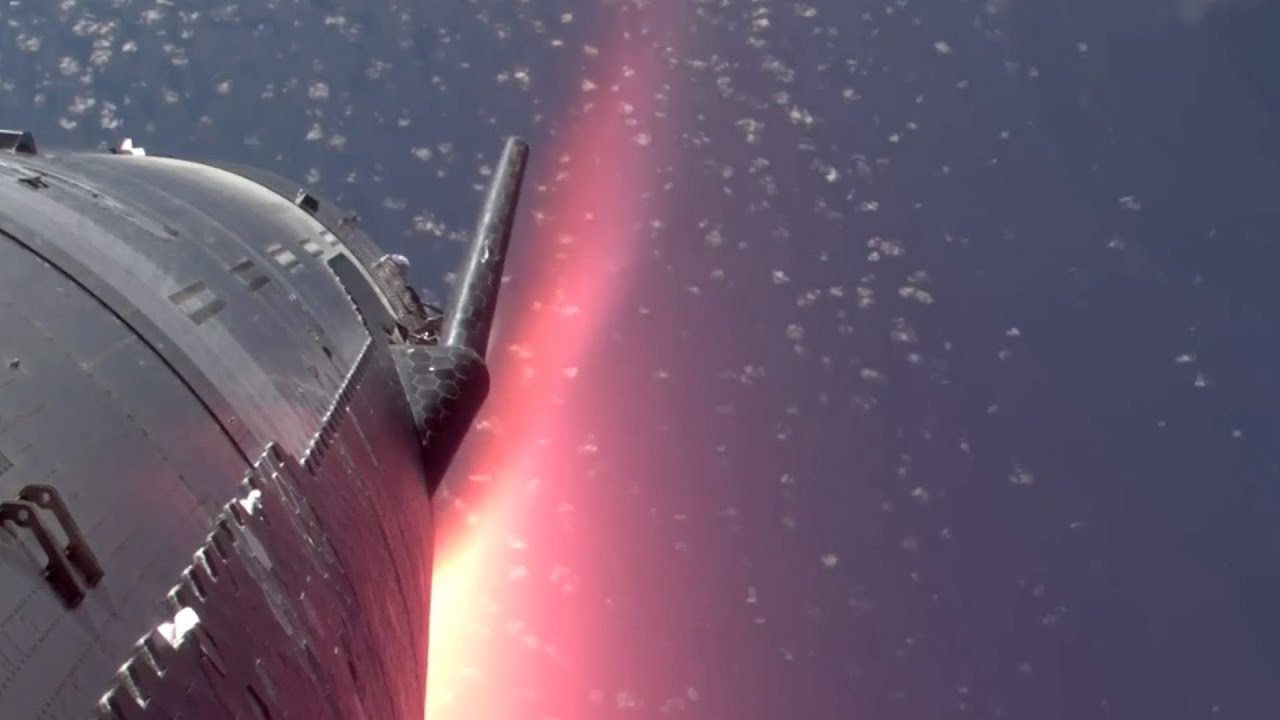
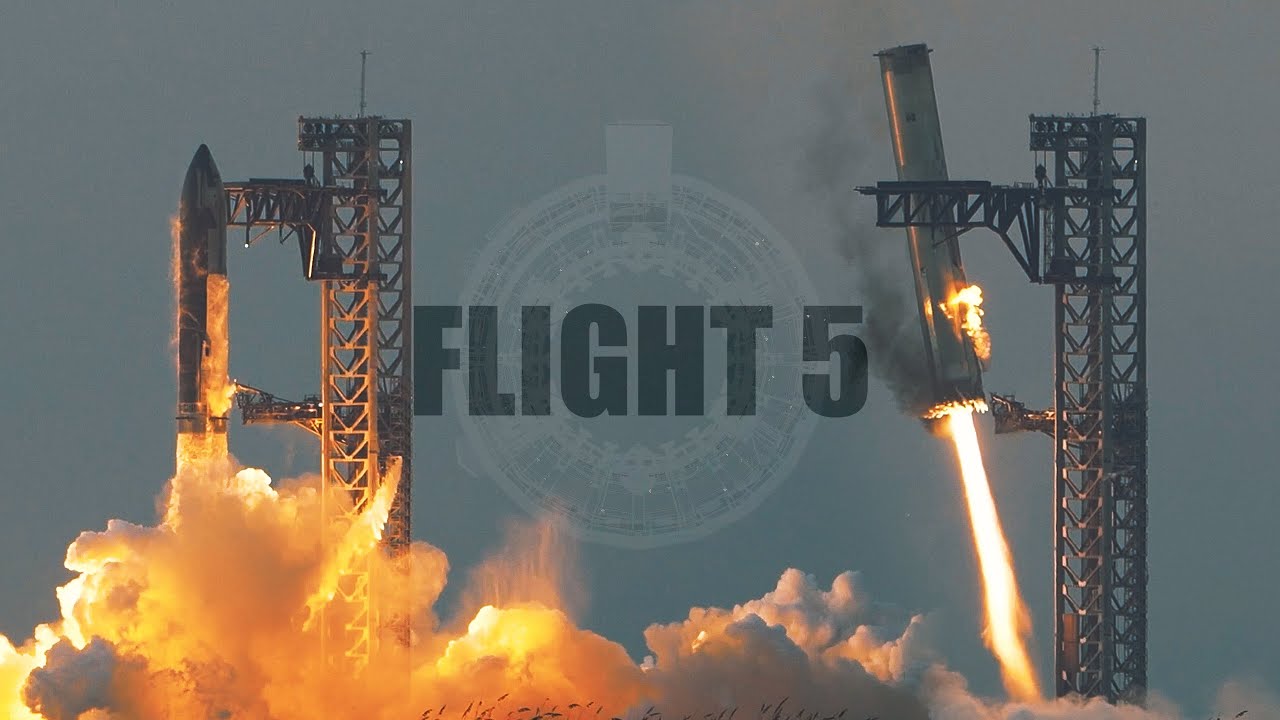
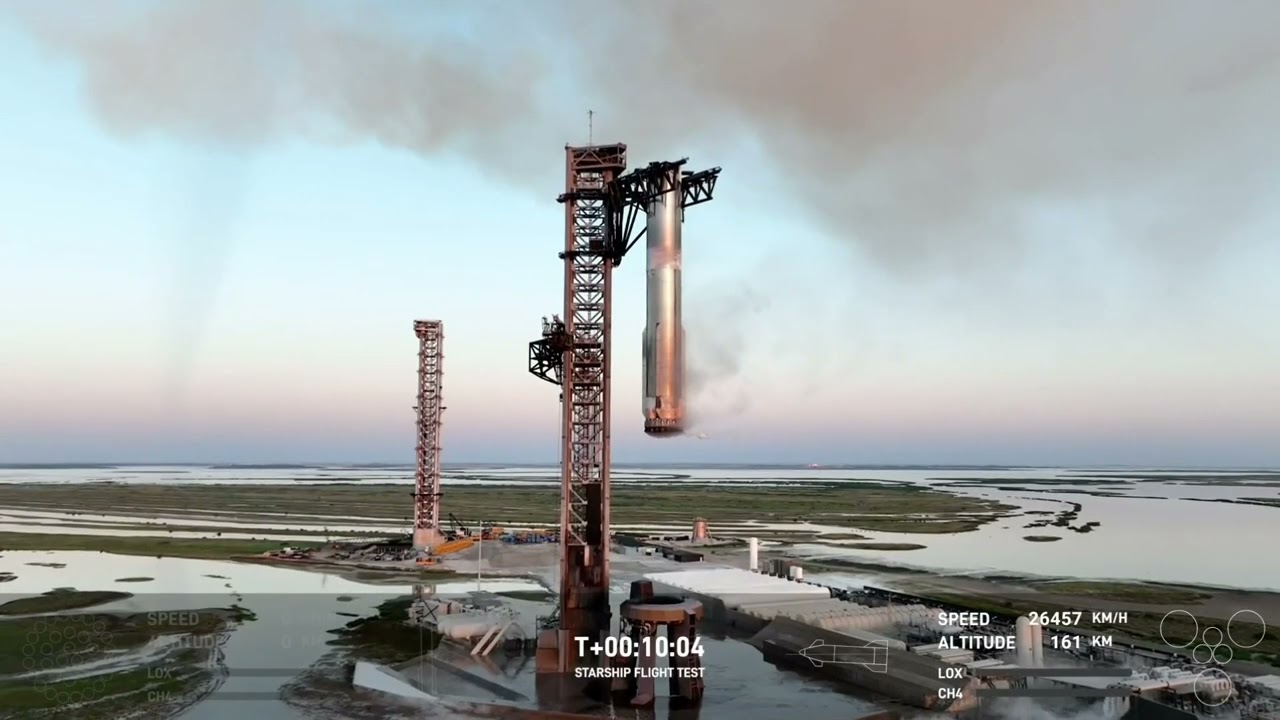
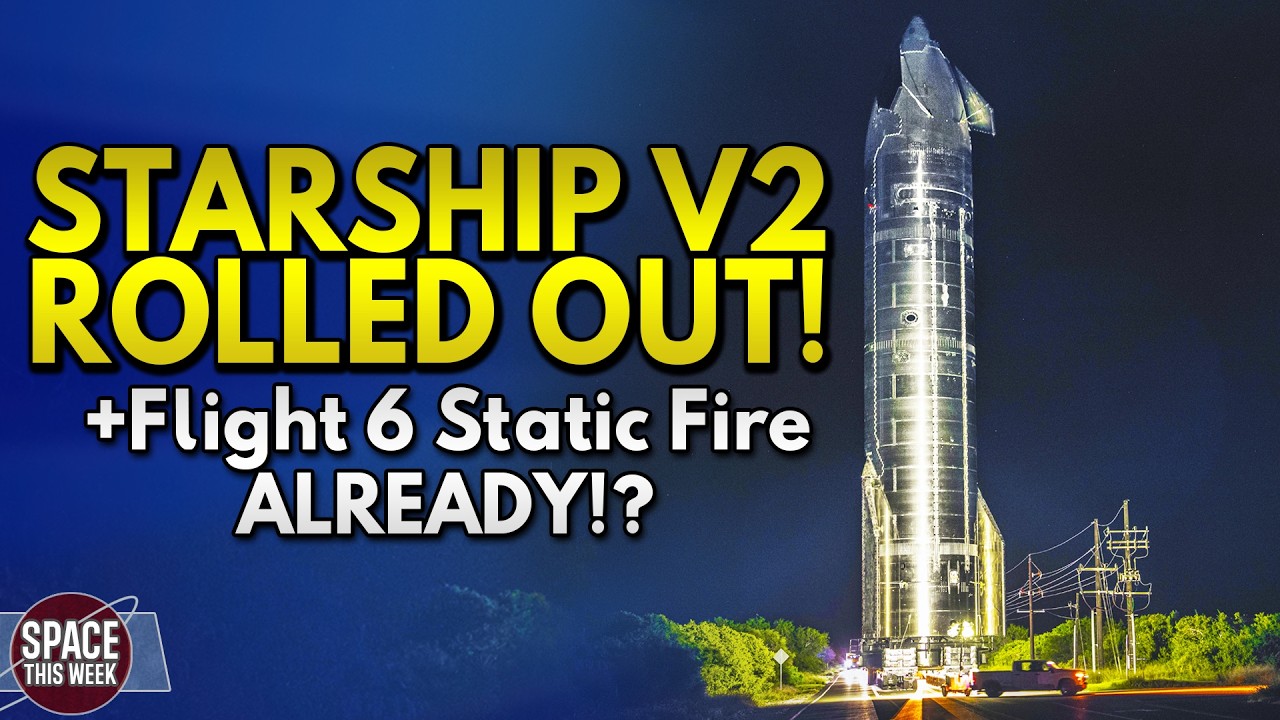
With a track record of over 250 successful launches, it's second only to Russia's Soyuz rocket, which has been in operation for much longer. The Falcon 9 is Elon Musk's golden goose, as it has enabled SpaceX to finance its biggest project, the Starship – the rocket intended to take humanity back to the Moon and, potentially, to the Red Planet in the future. This could finally realize Elon Musk's childhood dream.
I would like to thank each and every subscriber of this channel who helped us reach the milestone of 5,000 followers. Thank you all.