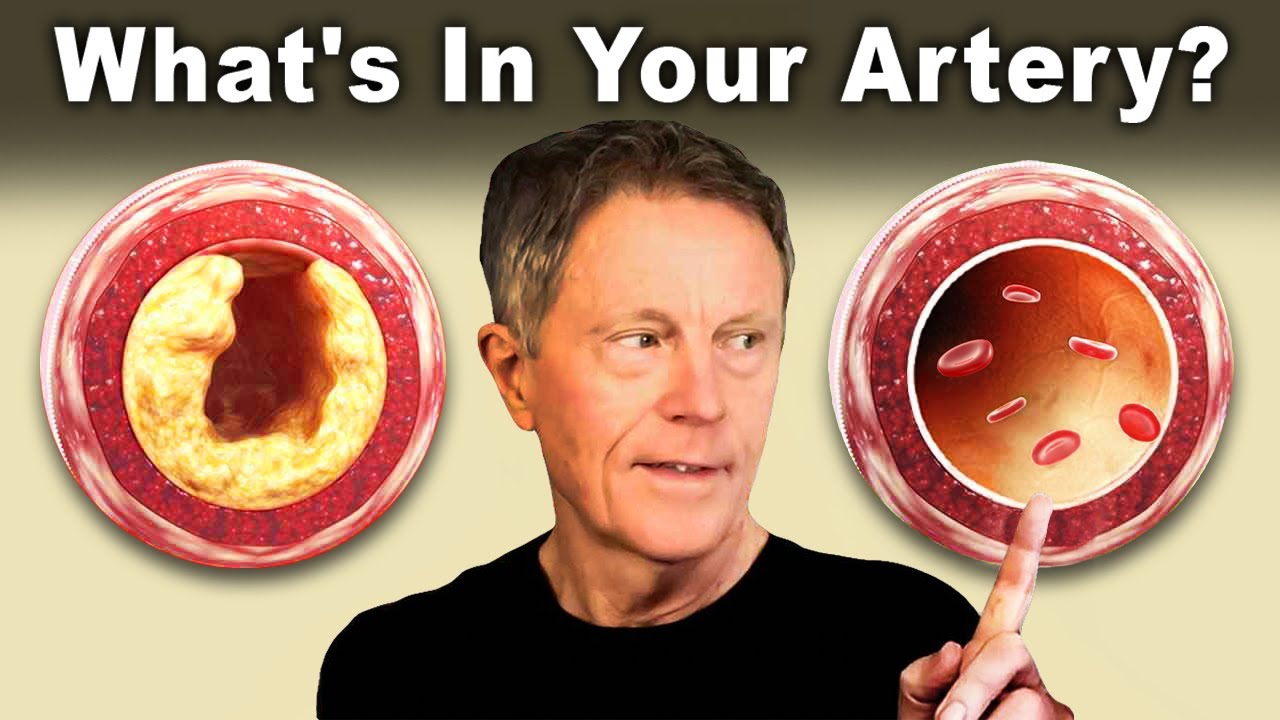
best veggies to prevent a heart attack top seven vegetables imagine waking up one morning feeling a tightness in your chest struggling for breath or experiencing unexpected dizziness these alarming signs often precede a heart attack a condition that frequently strikes without warning shockingly many individuals remain unaware of their deteriorating heart health until such a critical event occurs the silent culprit behind numerous heart attacks is atherosclerosis a gradual buildup of plaque within the arteries that impedes blood flow to the heart this Insidious process typically manifests no symptoms until it reaches a life-threatening stage studies reveal that nearly
half of those with heart disease are oblivious to their condition until they face a significant event like a heart attack therefore proactive measures especially concerning our dietary choices are Paramount in safeguarding our cardiovascular well-being in this video we delve into the top seven vegetables renowned for their artery cleansing properties and their role in heart attack prevention incorporating these nutrient-rich vegetables into your daily meals can serve as a formidable defense against heart disease and promote overall cardiovascular health first let's learn about garlic garlic with its pungent Aroma and robust flavor has has been a Cornerstone of
culinary Traditions across the globe for centuries Beyond its indispensable role in the kitchen this humble bulb boasts a rich history intertwined with medicinal uses particularly in promoting heart health the Journey of garlic as a heart protective agent begins with its bioactive compound Allison when garlic is crushed or chopped Alison is formed releasing sulfur containing compounds that are believed to impart numerous cardiovasc vular benefits these compounds have been shown to exhibit anti-inflammatory and antioxidant properties which are crucial in combating oxidative stress a key contributor to heart disease one of the most compelling attributes of garlic is
its potential to modulate blood pressure hypertension often termed the silent killer is a major risk factor for heart attacks and strokes Studies have indicated that regular consumption of garlic can lead to modest reductions in blood pressure levels this effect is thought to be due to Garlic's ability to stimulate the production of nitric oxide a molecule that helps relax and dilate blood vessels thereby facilitating smoother blood flow cholesterol management is another Arena where garlic demonstrates its prowess elevated levels of low density lipoprotein LDL cholesterol are associated with an increased risk of atherosclerosis a condition characterized by
the hardening and narrowing of the arteries research suggests that garlic supplementation may lead to a reduction in total and LDL cholesterol levels thereby potentially decreasing the risk of plaque formation within arterial walls Beyond its Direct effects on blood pressure and cholesterol Garlic's antithrombotic properties deserve mention the formation of blood clots within arteries can precipitate heart attacks garlic has been found to inhibit platelet aggregation the clumping together of blood cells thereby reducing the likelihood of clot formation this anti-coagulant effect further underscores Garlic's role in safeguarding cardiovascular health fresh garlic can be added to a myriad of
dishes from salads to main courses infusing meals with its distinctive flavor while bestowing health benefits for those who may find The Taste or odor overpowering aged garlic extracts or supplements offer an alternative though it's advisable to consult with a health care professional before initiating any supplement regimen it's important to approach garlic consumption with a balanced perspective while its benefits are notable garlic is not a Panacea relying solely on garlic without embracing a holistic approach to health including a balanced diet regular physical activity and routine medical checkups would be remiss moreover individuals on anti-coagulant medications or
those preparing for surgery should exercise caution as Garlic's blood thinning properties could exacerbate bleeding risks in essence garlic stands as a testament to Nature's ability to provide remedies that are both flavorful and functional its integration into daily dietary practices not only enriches the pallet but also offers a formidable Ally in the Quest for heart health as with all things moderate ation and mindfulness are key to ensuring that the benefits of garlic are harnessed safely and effectively two Tomatoes tomatoes with their vibrant Hues and succulent flavors have long been celebrated in culinary Traditions worldwide beyond their
gastronomic appeal these versatile fruits are powerhouses of nutrition offering a plethora of health benefits including cardiovascular health at the heart of the tomatoes C IPR protective properties lies lopine a potent antioxidant responsible for the fruit's rich red color lopine has been extensively studied for its role in reducing the risk of cardiovascular diseases it works by neutralizing free radicals thereby preventing oxidative stress and inflammation which are key contributors to heart disease regular consumption of lopen rich foods such as Tomatoes has been associated with lower levels of of low density lipoprotein LDL cholesterol often termed bad cholesterol
by reducing LDL cholesterol tomatoes help prevent the formation of arterial plaques ensuring smoother blood flow and reducing the risk of atherosclerosis in addition to lopine tomatoes are a rich source of potassium an essential mineral that plays a crucial role in heart health pottassium helps regulate blood pressure by balancing the effects of sodium adequate potassium intake encourages the excretion of sodium through urine and eases tension in blood vessel walls both of which contribute to lower blood pressure levels maintaining optimal blood pressure is vital as hypertension is a significant risk factor for heart attacks and strokes moreover
Tomatoes contain esculo side a a unique saponin found predominantly in the skin and pericarp wall of the fruit research in indicates that escul aide a may have lipid lowering effects potentially reducing serum levels of LDL cholesterol and triglycerides without adversely affecting highdensity lipoprotein HDL cholesterol this suggests that regular consumption of tomatoes could Aid in maintaining a favorable lipid profile further safeguarding against cardiovascular diseases the versatility of tomatoes makes them an easy and delicious addition to various diets incorporating Tomatoes into daily meals can be as simple as adding fresh slices to salads and sandwiches blending them
into smoothies or enjoying them as a base for hearty soups and stews cooking Tomatoes especially with a small amount of healthy fat like olive oil can enhance the bioavailability of lopine allowing the body to absorb and utilize this antioxidant more effectively in essence The Humble tomato is more than just a culinary staple it's a heart healthy superfood brimming with essential nutrients that support cardiovascular well-being by embracing tomatoes in our daily diets we not only Elevate our culinary experiences but also take a proactive step towards nurturing our heart health three spinach spinach with its vibrant green
leaves and delicate texture has long been a staple in kitchens worldwide Central to spinaches Heart protective properties is is its Rich nitrate content once ingested these nitrates are converted into nitric oxide a molecule that facilitates the relaxation and dilation of blood vessels this process enhances blood flow and reduces blood pressure thereby alleviating strain on the heart a study highlighted in the Journal of nutrition research demonstrated that regular consumption of spinach led to significant reductions in both systolic and diastolic blood pressure among participants moreover spinach is abundant in potassium a mineral integral to heart health potassium
helps counteract the effects of sodium in the body thereby aiding in blood pressure regulation a mere 2/3 cup of spinach provides close to 600 mg of potassium contributing substantially to the recommended daily intake the antioxidant profile of spinach further bolsters its cardiovascular benefits compounds such as ludian and quatin combat oxidative stress a condition that can lead to arterial damage and subsequently heart disease by neutralizing free radicals these antioxidants help maintain the Integrity of blood vessels and support overall heart function incorporating spinach into one's diet is both simple and rewarding whether enjoyed fresh in salads sauteed
as a side dish or blended into smoothies spinach adds a nutritional boost to any meal however it's essential to approach spinach consumption with a balanced perspective while its benefits are notable individuals with a history of kidney stones should exercise caution due to its oxalate content additionally those on blood thinning medications should consult with healthc Care Professionals as spinaches vitamin K levels can interfere with such treatments four red cabbage despite being low in calories red cabbage is packed with essential nutrients a single cup 89 G of raw chopped red cabbage provides 28 calories 1 g of
protein 7 G of carbohydrates 2 G of fiber and is an excellent source of vitamin C and K providing 56% and 28% of the daily value DV respectively it also offers significant amounts of vitamin B6 vitamin A pottassium thamin and riboflavin additionally red cabbage provides small amounts of iron calcium magnesium phosphorus copper and zinc contributing to its status as a nutrient dense food the rich purple color of red cabbage is due to its high concentration of anthocyanins a group of flavonoid antioxidants these compounds have been linked to numerous health benefits including reduced inflammation and a
lower risk of chronic diseases in fact research suggests that the antioxidant levels in red cabbage are approximately 4.5 times higher than those found in green cabbage varieties Studies have linked a higher intake of anthocyanins to A reduced risk of heart disease for instance Research indicates that women who regularly consume anthocyan andrich Foods may experience an 11 to 32% lower risk of heart attack ta s compared to those who consume fewer of these Foods moreover anthocyanins have been associated with lower blood pressure and a decreased risk of heart disease red cabbage contains more than 36 types
of anthocyanin making it an excellent source of these heart healthy compounds Beyond anthocyanins red cabbage is a good source of fiber which can help lower cholesterol levels and potassium which helps maintain healthy blood pressure in incorporating red cabbage into your meals is both simple and beneficial its crunchy texture and slightly peppery flavor make it a delightful addition to salads slaws and various cooked dishes by making red cabbage a regular feature in your diet you can enjoy its culinary versatility while taking proactive steps toward maintaining a healthy heart five Chili Peppers their fiery Essence derived from
the active compound cap seasin has been the subject of extensive research unveiling a myriad of heart protective benefits capsacin the fiery component in Chili Peppers has been shown to enhance blood circulation by promoting vasodilation allowing blood to flow more freely and reducing the strain on the heart this improved circulation ensures that oxygen and essential nutrients are efficiently delivered throughout the body supporting overall cardiovascular function moreover regular consumption of Chili Peppers has been associated with a significant reduction in mortality rates due to heart disease a comprehensive study published in the Journal of the American College of
Cardiology analyzed the diets and health records of more than 22,000 individuals over an 8-year period the findings revealed that those who consumed Chili Peppers more than four times a week experienced a nearly 34% decrease in the risk of death from heart rated ailments compared to those who rarely or never included them in their diet Chili Peppers also play a role in lipid metabolism capsacin has been found to Aid in the breakdown of fats contributing to lower cholesterol levels by reducing low density lipoprotein LDL cholesterol Chili Peppers help prevent the buildup of arterial plaques furthermore the
anti-inflammatory properties of capsacin cannot be overlooked chronic inflammation is a known contributor to various cardiovascular diseases capsacin helps mitigate this risk by reducing inflammation thereby protecting the heart and blood vessels from damage incorporating Chili Peppers into your meals is a flavorful way to bolster heart health whether added to soups stews salads or sauces their versatility allows for Creative culinary Expressions that not only tantalize the taste buds but also nourish the heart heart however it's essential to consume them in moderation as excessive intake may lead to gastrointestinal discomfort six broccoli broccoli with its vibrant green flits
is more than just a staple in healthy diets it's a formidable Ally in promoting cardiovascular health incorporating this cruciferous vegetable into your meals can yield significant benefits for your heart and circulatory system one of the standard out features of broccoli is its Rich content of antioxidants and anti-inflammatory compounds these substances work synergistically to reduce inflammation and oxidative stress both of which are key contributors to heart disease moreover broccoli is an excellent source of dietary fiber a single cup of cooked broccoli provides about 5 G of fiber contributing to the recommended daily intake diets high in
fiber are associated with a reduced risk of heart disease as fiber AIDS in lowering cholesterol levels and promoting healthy blood pressure in addition to its fiber content broccoli contains essential minerals like potassium and magnesium which play crucial roles in blood pressure regulation potassium helps balance sodium levels in the body preventing hypertension while magnesium is vital for maintaining a steady heartbeat and proper vascular function scientific stud Studies have underscored the heart protective properties of broccoli Research indicates that regular consumption of cruciferous vegetables including broccoli is linked to a reduction in arterial calcification a condition characterized by
calcium buildup in the arteries which can lead to heart attacks and strokes in a study involving older women those who consumed higher amounts of these vegetables had healthier cored arteries suggesting a lower risk of cardiovascular events furthermore a recent study demonstrated that individuals who consumed soups made from cruciferous vegetables like broccoli experienced a more significant reduction in systolic blood pressure compared to those who consume soups made from root vegetables this finding highlights broccoli potential role in managing blood pressure effectively incorporating broccoli into your diet is a delicious and versatile way to support heart health whether
steamed roasted or added to salads and soups this nutrient-rich vegetable can enhance your meals while providing substantial cardiovascular benefits seven pumpkin pumpkin with its vibrant orange Hue is more than just a seasonal Delight it's a nutritional Powerhouse that offers significant benefits for heart health one of the key components contributing to pumpkin's heart healthy properties is its Rich pottassium content a diet high in potassium is associated ated with a reduced risk of hypertension and stroke in fact a cup of cooked pumpkin provides about 16% of the daily recommended intake of potassium making it an excellent choice
for those aiming to maintain healthy blood pressure levels Beyond potassium pumpkin is abundant in antioxidants including betacarotene which the body converts into Vitamin A these antioxidants help prevent the oxidation of lowdensity lipoprotein LDL cholesterol by preventing LDL oxidation pumpkin contributes to maintaining clear and flexible arteries the fiber content in pumpkin further enhances its cardiovascular benefits incorporating pumpkin seeds into your diet can also be beneficial for heart health these seeds are rich in magnesium a mineral essential for maintaining a steady heartbeat and normal blood pressure adequate magnesium intake is linked to a lower risk of developing
cardiovascular diseases additionally pumpkin seeds provide healthy fats and antioxidants that further support heart function and reduce inflammation if you found this video helpful please remember to hit the like button it really helps us bring you more valuable content drop a comment below and let us know your thoughts questions or what topic you'd like us to cover next we love hearing from you of course hit the Subscribe button and turn on notifications so you never miss out on our latest health tips and insights stay informed stay healthy and we'll see you in the next video


![29 WORST Heart & Artery Foods To Avoid [🔄 REVERSE Clogged Arteries!]](https://img.youtube.com/vi/bZKQEp2AHfc/maxresdefault.jpg)