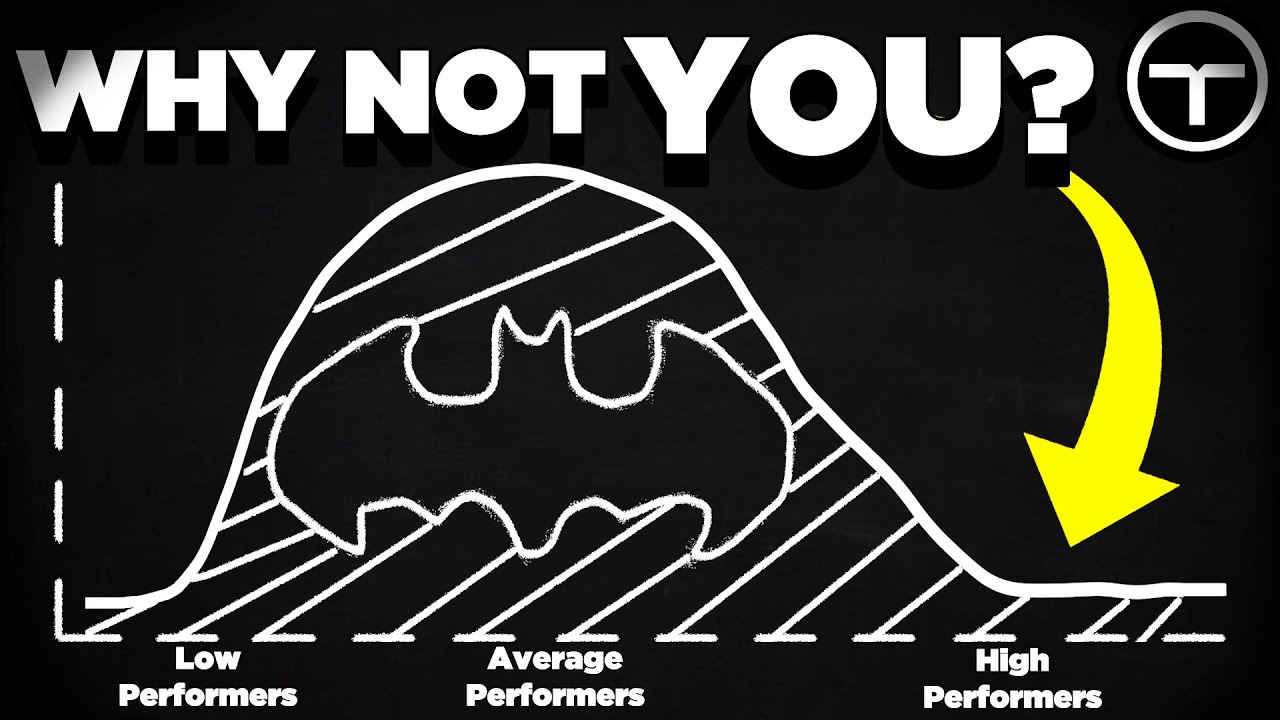
I analyze the science behind how the human brain can increase its own intelligence becoming smarter for future problems when a science teacher finally mentioned the word neuroplasticity in high school that sparked within me an exciteful hope that instead of being stuck as I was fixed to one level you could actually be so much more going into college I found myself among a few professors who could go into detail on just how amazing and changing organs like the human brain are and how much we have left to discover let's define intelligence so we can then understand
what we can do to increase it and by how much you can actually increase it by intelligence is a concept that refers to our brain's ability to learn new information and skills this is based off of your ability to understand reason hold abstract ideas comprehend complex ones and how quickly we can adapt to new situations the functions of the brain that we most commonly associate with intelligence are memory logic creativity and emotional understanding of ourselves and others Albert Einstein defined intelligence as simply the measure of intelligence is the ability to change to put it simply
at one point you cannot do something but learning happens and then you can and the latency or period of how long it takes is what we can Define as an individual's intelligence the capacity that you have to learn how quickly you can learn a new skill and this is something you can train your brain for but something that may stop many people from diving into the world of the many ways they can increase how fast and how well they can acquire new skills is thinking that the intelligence you born with is something you're stuck with
many Studies have been conducted on the matter research generally concludes that as a child your intelligence is 40 to 50% of your genetics at school environments paren and economic status of the parents plays a big role however as an adult researchers tend to think that your intelligence is based upon anywhere from 40 to 80% of your genetics as adults have a much greater degree of control over creating and placing themselves in environments that align with their genetic predisposition however there are a couple major things to watch out for some of these statistics have huge variances
in how much a person's intellect is based off of their own genetics versus their own efforts and it also shows how much people allow their own situations and circumstances to dictate how much they do and don't grow their own brain as both children and adults with higher intelligence typically find themselves in environments where their parents have much better learning skills that they pass down to their children while children from families who don't have any idea how Learning Works tend to pass down the wrong lessons so allow me to give you a different take any skill
you may see someone have can be learned everything is in fact a skill and therefore everything can be learned if you are someone who is already actively seeking out how to increase your own intelligence consider yourself one of the lucky few who is aware enough to have broken free of allowing any circumstance to completely control your life so by how much can the brain actually change throughout the 1900s neuroscientists began to first question the long-held belief known as neurod determinism the idea that the brain developed as a child and then was remain fixed static incapable
of change but it was only until the early 1990s around when I was born that the idea neuroscientists had discovered coin neuroplasticity became known to The Wider public it really has taken to the present day throughout the 2000s for people to both hear and somewhat accept the overwhelming amount of evidence showing that the brain is actually a highly Plastic Machine capable of learning throughout someone's life when it comes to neuroplasticity the brain is able to create thousands to even upwards of millions of connections every single day depending on how active the individual is in infants
the human brain is extraordinarily active in creating brand new synapses between neurons forming an estimated 1 million synapses a second resulting in the brain having formed roughly 100 trillion synapses by the age of 2 or three after this and throughout your life as the brain grows it begins to mass prune connections consolidate some and strengthen others all which results in your brain becoming far more efficient the adult brain is shown to create less synapses over time than children and after the age of 25 researchers saw that many adults no longer passively learn or as I
see it cannot be forced to change their personality or beliefs unless they actively want to and here's where some adults get into trouble thinking that as an adult they can no longer learn new skills a language or grow their brain but what's really happening here is that as an adult you already learned how to walk how to hold up a cup and drink how to determine objects and people you're looking at many of the things an infant has to learn to even recognize Mom and Dad's facial expressions you have already learned so as an adult
your brain doesn't have to be on a constant Lookout like it was as a child and now instead you get to choose if and what you want to learn adults can still create thousands to upwards of millions of new neural connections or synapses every single day and we are still yet to discover just how much a person can grow their brain to learn fast what we've been discussing so far is a process called subn Genesis or the creation of new synapses between the existing 86 billion neurons in your brain this creation and pruning process is
basically what learning is however for many adults a dominant question has come up what about neurogenesis or the creation of new neurons themselves rather than just synapses this topic May matter differently than most would expect the vast majority of neurons you have are created before you are born any further new neurons that are made throughout our lifespans are primarily created within our old factory bulbs or sense of smell and our hippocampus otherwise the area of our brains involved in memory formation spatial navigation and are thought to be critical for someone's learning and memory the fact
that the rest of the brain outside of the hippocampus doesn't seem to care to constantly incorporate new neurons into itself could actually be a good thing the brain is a highly complex and finely tuned system with established neural circuits and networks that are best changed and improved via synaptogenesis rather than neurogenesis introducing new neurons could potentially disrupt your established connections leading to instability or confusion in neural processing new neurons could suddenly make you worse instead of better at processing information learning a new skill or performing a skill you already know it could even lead to
a profound in balance known as excitotoxicity being overactivation of neural circuits that damages and even kills your neurons and this brings us to a rather exciting Point as to how you can enhance your speed of learning new skills and even make yourself more intelligent than you were before to enhance both synaptogenesis in the brain and neurogenesis in the brain's Hippocampus researchers found that individuals with a higher rate of neural formation tended to do particularly a lot more regular aerobic exercise or high-intensity interval training because this type of exercise typically sees a high increase in blood
flow to the brain reduces inflammation and specifically promotes the release of something known as bdnf or brain derived neutop Factor the substance that stimulates the growth of both new synapses and new neurons otherwise playing a vital role in synaptic plasticity and the brain's ability to be cognitively flexible more excitingly bdnf supports the brain speed at which it can learn new information and skills something I was excited to learn is that while novel experiences like going to a new place or playing a new game do increase bdnf and you should do these a novel motor skill
like learning a cartwheel or basically a new movement that you haven't done before causes a significant increase in bdnf particularly because these activities throw off your sense of balance kicking in your sense of self-preservation and causes the brain to release more bdnf than usual so you can learn these skills faster keeping you safe so if you attempt to safely do a small move like a cartwheel or handstand that you can already do with these and then go to learn something like a new language you can actually learn faster than you otherwise would but let's talk
about more permanent ways to increase your brain's ability to learn to first put it simply the more you learn the more you work to focus and the longer you can force your brain to stay focused on any sort of task pushing through the stress that is actually stimulating your brain to grow the more your synaptic connections for learning are reinforced making it easier for the brain to build upon itself in the future even more interesting is repeated stimulation of your learning Pathways will also cause them to become used to firing faster and faster in the
future specific activities you can do to cause these learning Pathways to bulk themselves up quite a bit is participating in extremely high stress activities like learning a new language and then things like music and motor skills the lesson that learning a new language gives us is that any activity that involves the use of many different regions of your brain at once in both hemispheres forcing all of them to work together strengthens the neural connections within themselves and to each other making it so your brain regions can work together to learn other skills even faster in
the future despite whatever those skills may be music also provides multi-sensory integration of auditory Visual and motor skills at once while new motor skills also Force different regions of your brain to work together albeit that it involves a few less regions besides these activities there are other profound ways to increase your intelligence and your ability to learn faster than ever before as a teacher I distan myself from having favorite students as everyone could increase their brain's ability to learn but I couldn't help but notice that there was a marked difference in students who push themselves
who were ravenous to put in all the effort they could to see what they could accomplish and then the few who are apathetic to say the least not wanting to physically exert themselves let alone have to think and focus their brain on any sort of task leading them to learn many many times slower despite some of them being anywhere from 4 to 10 years older than the most engaged and highest learning students of all the things you could do to your body to increase your intelligence for the future something that often gets thrown by the
wayside especially in today's fast food culture is our diet what you put into your body has a dramatic result on the way you think feel and what resources your brain has to work with to build itself up like students who would literally roll over and flop like a dead fish some of them were young adults mind you it's hard to turn yourself into one of the quickest Learners on the planet if you eat poorly foods that specifically increase of nap and neurogenesis are things like flat oids anti-cancer chemicals that stop degenerative disease and increase brain
function found in high amounts in food like pure dark chocolate and blueberries then we have omega-3 fatty acids found in fish and walnuts Lion's man has been known to boost brain function but really we all around want to avoid cheap fast food and instead go on a consistent diet of vegetables nuts and berries consuming foods like blueprint super veggie broccoli and cauliflower Bowl on a daily basis Beyond this is something that is extremely important in determining where your cognitive Baseline is at every day being your sleep for this episode I must say that it's not
unnatural that the most natural things make us improve more than we may believe as sleeping is when your brain finally gets to work creating all the new synapses that make you more intelligent to begin with and without sleep all of your work would go to waste so if you want to be a hyper learner both you and I must put our brains through the repeated stress of learning something complex to stimulate them to grow followed by a good night's rest but if none of this was very interesting then I saved an interesting fact for last
neural reuse refers to the brain's remarkable ability to repurpose existing neural circuits to Aid in learning new skills meaning the more neural circuits you create the f faster and easier the brain can use them to learn additional skills in the future with us going over the remarkable things that exercising for one year straight does to your body remember it's just a trick to help you see you in the next one