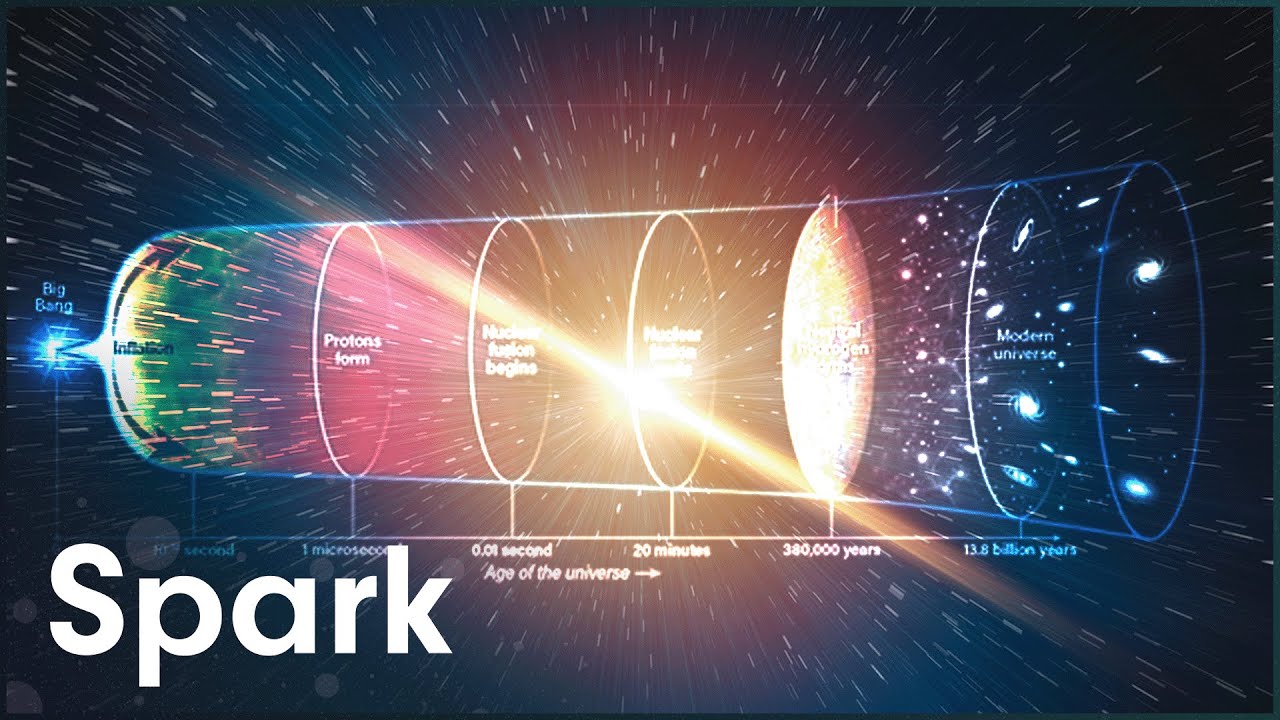
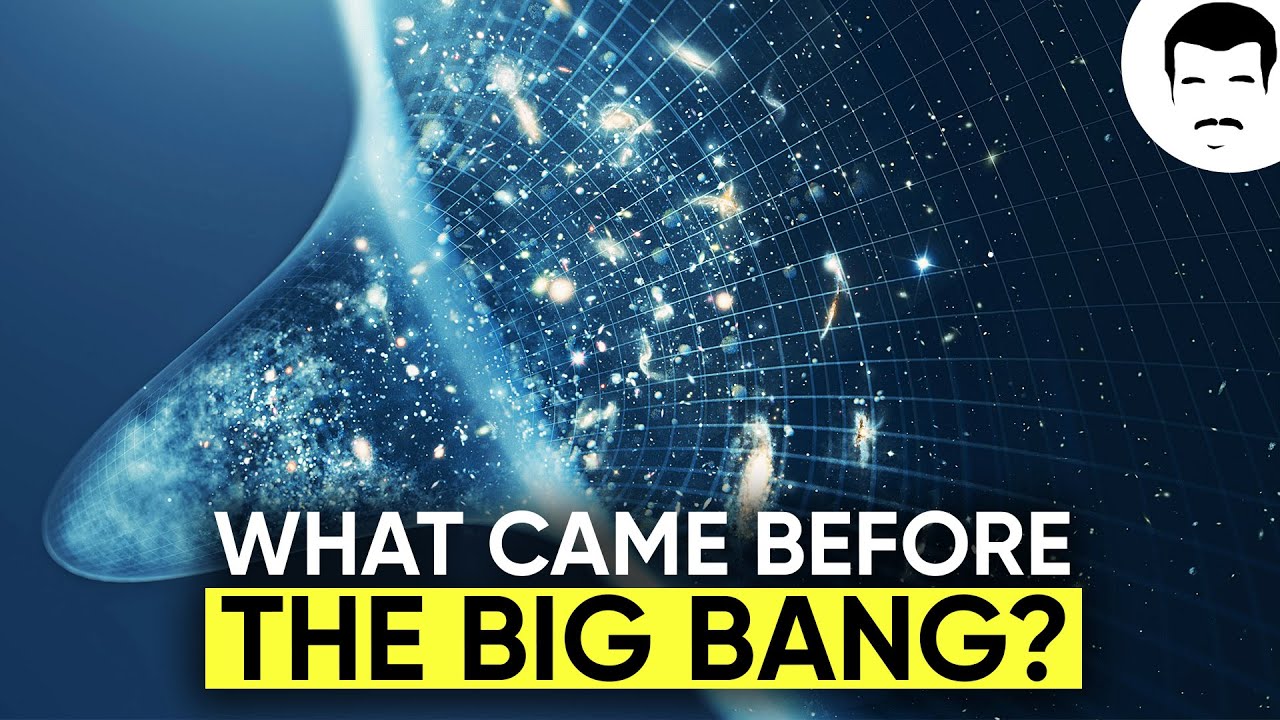
here's what we know this is the entire universe in one slide quantum fluctuations birth an entire explosion rapid expansion we call it inflation there is the baby picture of the universe that's sort of the imprint of what happened in the very earliest moments writ in the background sky there it is the cosmic microwave background a record of the earliest moments of the big bang then it takes a little time to make your first stars we call it the dark ages stars are made galaxies are made galaxies mature we come up to the present day 13.7
billion years later and so it's a pretty coherent picture that we have of the origin of the universe and here's that map so this is a record of the earliest moments of the universe and it tells us what the universe was up to the universe has inspired scientific discoveries in a broad array of disciplines including astronomy physics chemistry mathematics and biology [Music] the big bang itself forms the basis of the current standard model of cosmology which describes the evolution of the universe from the earliest known states to the appearance of structural fragments the big bang
model is well established in physics but some of the questions about the early phase of the expansion of the universe are still unresolved the big bang theory is a cosmological model that describes the universe from the earliest known periods through its subsequent large-scale evolution the model describes how the universe expanded from an initial state of extremely high density and high temperature this model also offers an explanation for a variety of observed phenomena including the abundance of light elements a cosmic microwave background radiation and large-scale structures of the universe some parts of the model are strongly
supported by recent observations while other parts are loosely inferred based on evidence such as the cosmic microwave background x-ray background radiation and observed distributions of galaxies clusters and superclusters and large-scale matter distribution the big bang's leading theory is the lambda cdm model which includes cosmic inflation dark matter and dark energy the big bang theory is well accepted as one of the most robust theories in physics nevertheless it is the subject of much ongoing research and speculation [Music] the big bang by the way could fit into a larger story for example the multiverse big bang is
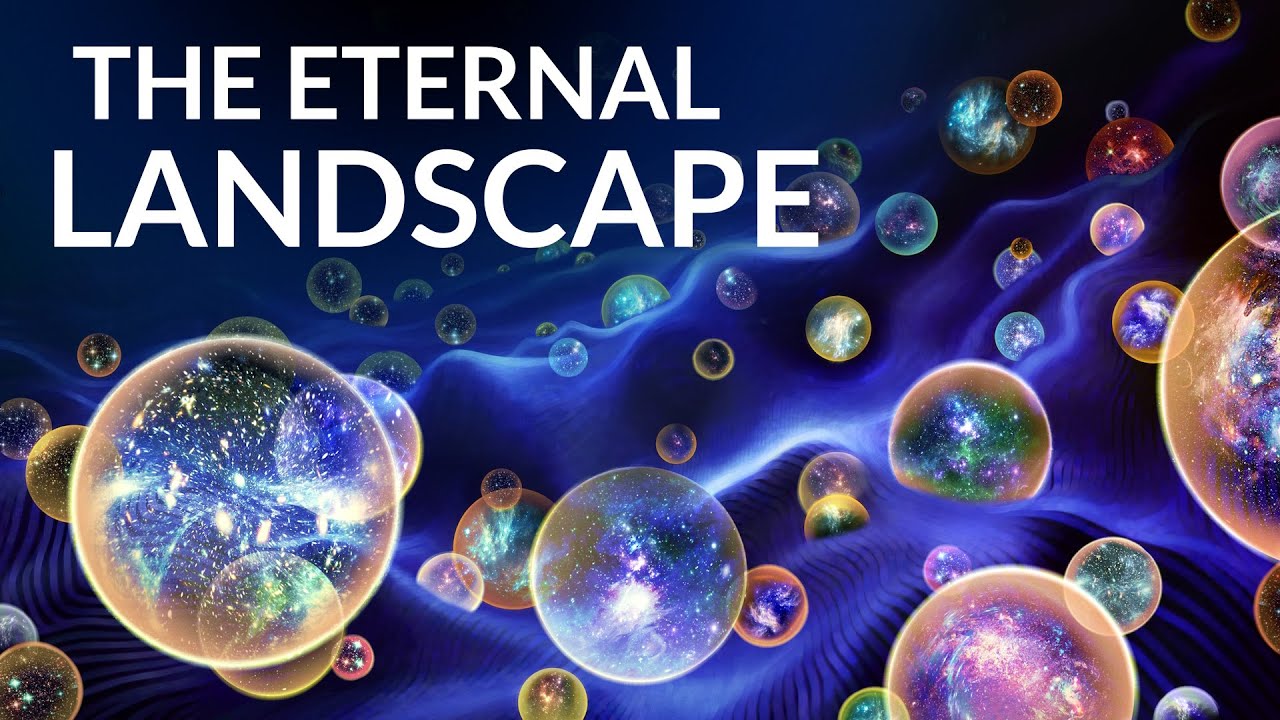
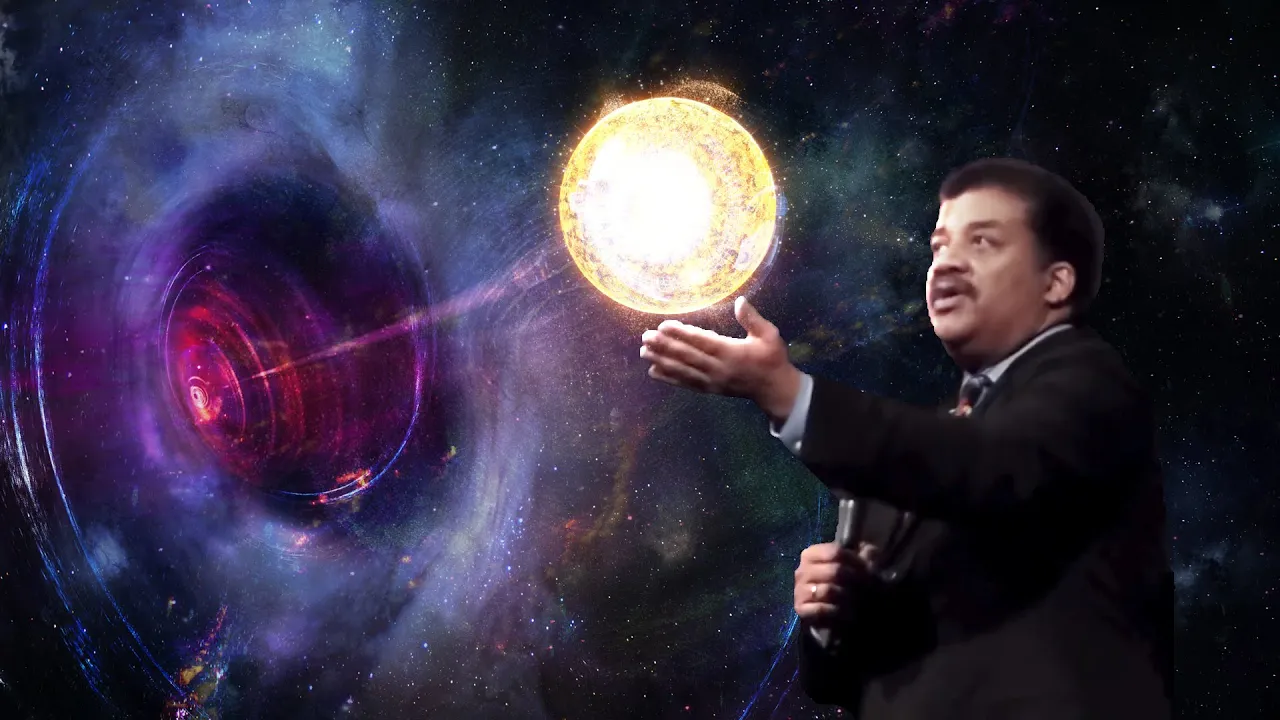
probably not the whole story it's probably a piece of a bigger story so maybe they're multiple big bangs this would give us the multiverse we don't have data for this but we have good theoretical philosophical reasons to think that a multiverse exists each of these bubbles is a universe coming in and out of existence and we're just one of them and who knows how many universes there would be these are fluctuations quantum fluctuations in the universe that spawn entire other universes so it's an intriguing direction it may be that the dark matter is not matter
at all it's the gravity from ordinary matter from a nearby universe in the multiverse whose gravitational influence we feel so a multiverse can give you some predictive power but it's really out there right now and so we need to give it some room to mature the belgian catholic priest and astronomer george lamar in 1927 was the first to note that an expanding universe could be traced back in time to an originating single point which he called the primeval atom for several decades the scientific community was divided between supporters of the big bang and the rivals
steady state model but a wide range of empirical evidence has strongly favored the big bang which is now universally accepted edwin hubble confirmed through analysis of galactic redshifts in 1929 the galaxies are indeed drifting apart this is important observational evidence for an expanding universe in 1964 the cosmic microwave background radiation was discovered which was crucial evidence in favor of the hot big bang model since that theory predicted a uniform background radiation throughout the universe the latest data shows that the expansion of the universe is accelerating this means that the galaxies are moving further apart from
each other which indicates that space is stretching it has been suggested to explain this by the gravitational potential of dark energy this theory suggests the dark energy has a positive pressure which pushes the universe apart dark energy is the most accepted explanation for the observations of an accelerating universe and it remains an active field in the research of cosmology after the discovery of the cmb inflation was proposed by alan guff in 1979 which simultaneously explains several other observed phenomena and predicts the present uneven distribution of matter in the universe these discoveries led to the consensus
as of the early 21st century that the universe was in a hot state at one point in the past but has since cooled due to the expansion of the universe inflationary cosmology a highly successful extension of the standard big bang model to large scales describes in detail what happened in the earliest minutes of the universe's evolution it describes the origin and development of the large-scale structure of the universe including the hierarchical organization of superclusters voids and filaments the formation of seeds of multiple large scale structure such as supervoids galaxy superclusters and the nuclei of galaxy
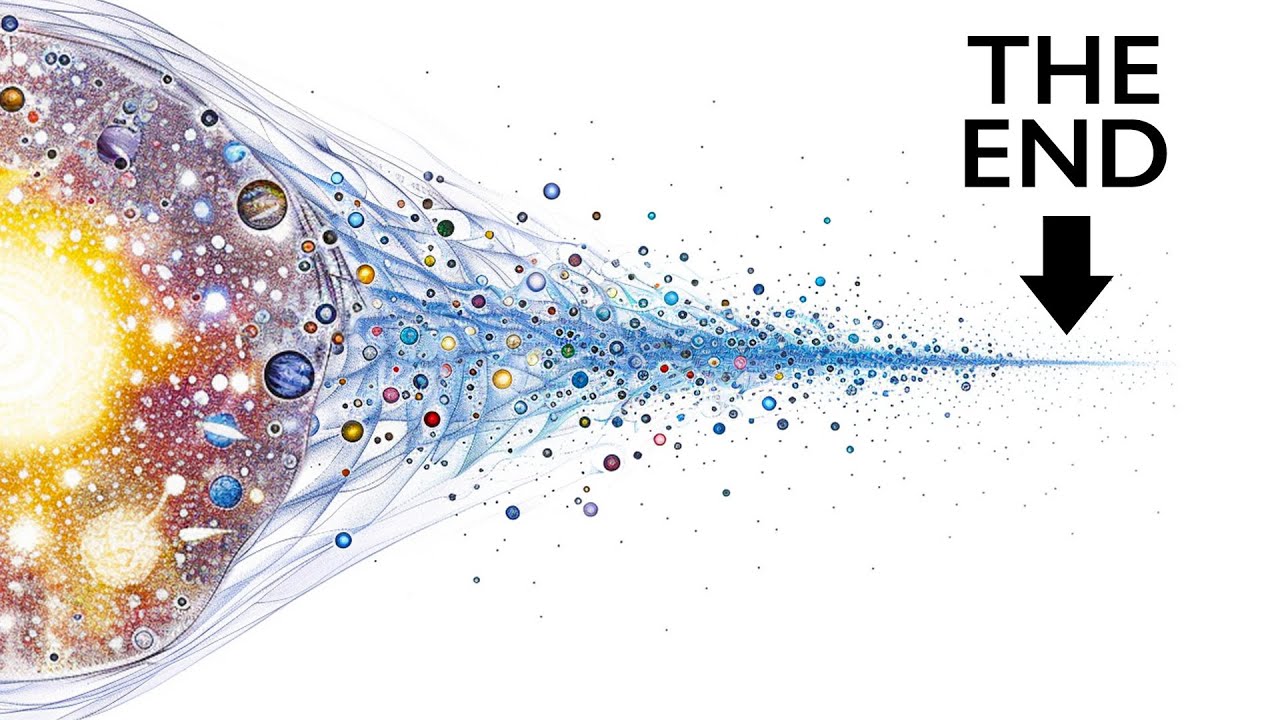
clusters and the formation of the first stars and galaxies as well as the formation of the first black holes information from modern experiments such as the planck satellite and the wmap short for wilkinson microwave and hysterophy probe and from astronomical observations in the 21st century has allowed cosmologists to increase the precision of their predictions about the universe's age early in the universe's history one of the major questions in cosmology concerns the fate of the universe whether the universe continues to expand at the present rate or comes to an end in 1980 the discovery of the
cosmic microwave background radiation provided convincing evidence that the universe has been expanding for a finite amount of time all stars eventually will run out of fuel so the stars one by one in the night sky will turn off and in the extremely distant future quadrillion years into the future there'll be no light coming to us in the day or night sky this is our nearest large galaxy called the andromeda galaxy it happens to be among the stars of the constellation andromeda that fuzzy spiral contains 400 billion stars these other stars you see in the picture
sitting on our nose in our own milky way it's as though we're looking past the screen door through the void of intergalactic space to another galaxy if you pull out the power of the hubble space telescope and say i'm not going to look at this big galaxy i want to look at a uninteresting corner of the dark night sky and show me what's there this is what shows up this image has three stars in it that happen to be sitting on our nose they have spikes every other smudge every other shape in this image is
an entire galaxy from nearby to the distant universe every single splotch on this image this is the hubble ultra deep field that's what it's called and you sit here and gaze upon it and recognize that every smudge is like our own milky way containing hundreds of billions of stars some of which are forging these heavy elements that comprise life exploding scattering themselves into their own galaxies and it is this knowledge that we have of the universe and our knowledge that we have of chemistry and our knowledge that we have of biology that allows us to
derive the conclusion that no we are not apart and separate from this universe we are one with it i can say one better than that not only are we one with it because these elements are forged in the universe and they become part of life as we know it it's not simply the fact that we are in the universe but ladies and gentlemen the universe is in us it is fascinating to think how much of the nature of the universe science has revealed to us but we're still only scratching the surface of the cosmic iceberg
most of the universe and the multiverse if it exists still remains in the realm of the unknown but scientists are determined in the quest to expand the frontier of knowledge and push the boundaries of ignorance and shed a light to an ever-growing and expanding universe [Music] thanks for watching did you like this video then show your support by subscribing ringing the bell and enabling notifications to never miss videos like this [Music]