Hey there! Have you ever wondered what happens to your wealth after you pass away? Most of you probably plan to leave your money, property, and assets to your family, especially your children.
But will that inheritance go smoothly to them? What if your kids start fighting over the inheritance. This happens more often than you might think.
Or what if you’re a single parent with one child who’s just 8 years old? How will your 8-year-old handle a big inheritance? Well, these classic inheritance problems can be solved with something called a trust.
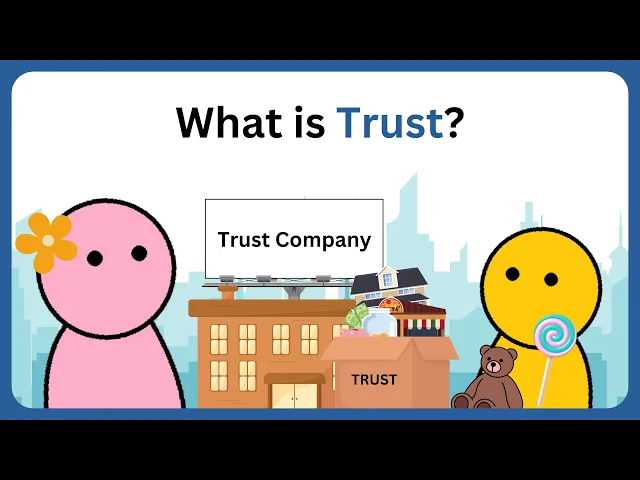
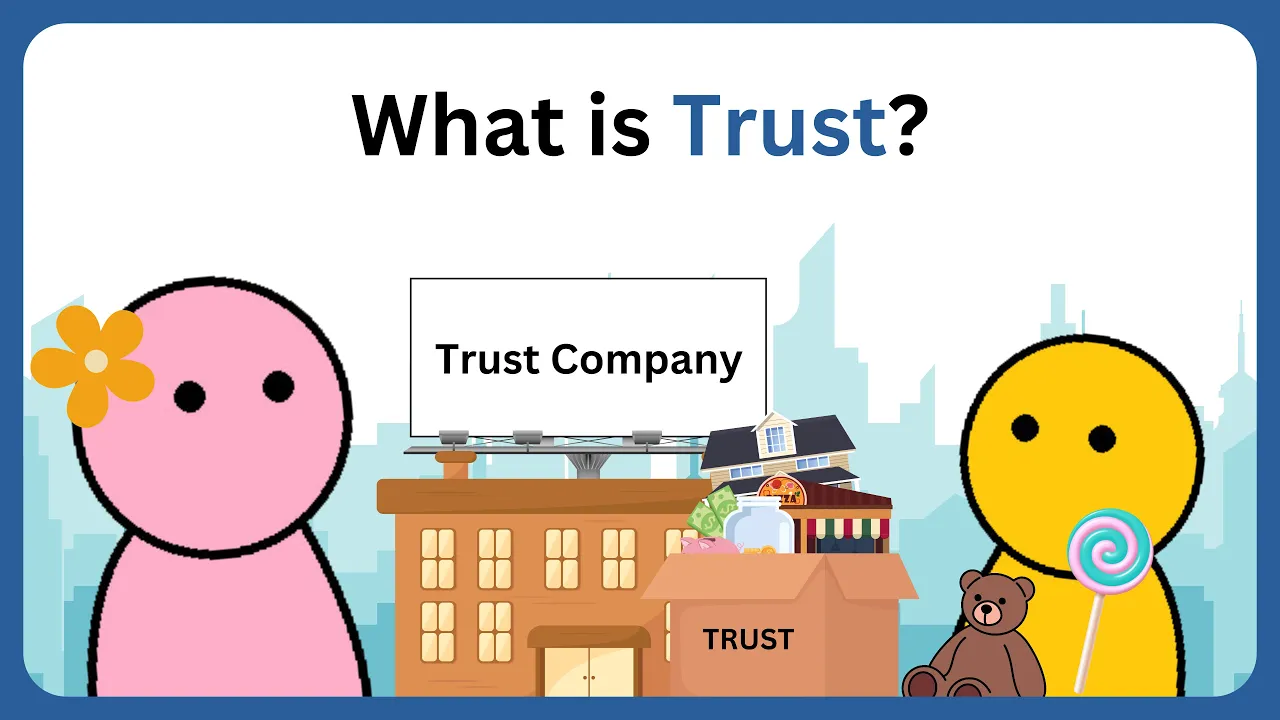
Trust is like a special box. You can put your money, property, stocks, assets, and other valuable things into this box. But you're not the only one who can manage it.
You choose someone you trust, like a trust company as a trustee, to look after what's inside. The trustee will follow your instructions, making sure the things in the box go to the right people, at the right time. And most importantly, the trust is protected by law.
As long as the trustee follows your instructions, your heir can’t complain or sue it. I believe that some of you have already heard about trust. Some people use them to make sure their inheritance is passed down smoothly to their loved ones.
Others use them to ensure their children are taken care of after they’re gone. And even, some rich dudes use trusts to reduce the taxes they have to pay. So, what exactly can a trust do?
How does it work? And should you consider setting one up? In this video, we’ll break down everything you need to know about trusts and how they work.
Section 1. How do Trusts work? To understand how trusts work, let’s first define some key roles involved: The first one is grantor.
Grantor is the person who creates the trust and decides which assets to include. The Grantor sets the rules for how the trust should operate and choose the trustee and beneficiary. The second one is the trustee.
The Trustee is the individual or organization responsible for managing the trust according to the Grantor's wishes. The Trustee ensures that the assets are used properly and benefit the right people. The third one is the beneficiary.
The Beneficiary is the person or people who will benefit from the trust. They are the ones who receive the benefits of the assets held in the trust. To understand more, let’s see into this example.
Meet Alice. She is married to her husband Alex and having a son and living happily. But unfortunately, her husband Alex died and make Alice become single mother.
Alice worked hard her whole life and now has some savings, a house, and a small business. Alice worries as she is a single mother, if she dies who will take care of these assets. Well, she can just inherit everything to her son directly, but her son is still very young and couldn’t manage all of these.
She wants to make sure they’ll be used wisely and protected. So, Alice sets up something called a trust. Here's how it works, Alice starts by deciding what she wants to put into the trust.
She chooses to include her savings, her house, and her small business. These are her most valuable assets. By doing this, Alice is called the grantor.
Next, Alice decides to appoint a professional trust company as the Trustee. A trust company is an organization that specializes in managing trusts. They are experts in doing this and will follow the instructions Alice gives them.
Once Alice puts her savings, house, and business into the trust, the trust now owns them. It doesn’t mean the trust company owns her assets. Instead, the trust, which is like a box that holds her assets, owns them.
So, trust itself is an agreement between grantor, trustee, and beneficiary. If you still don’t get it, trust is same like marriage. You can’t see it, because it’s just name of a relationship or agreement.
The trust company will just manage the assets according to the rules Alice sets. But Alice can still live in her house, run her business, and use the money. The only difference is that the trust is the official owner.
This way, when Alice dies, the trust will protect the assets for her son. Finally, Alice designates her only son as the Beneficiaries of the trust. This means the trust is set up to support her son, ensuring he receives the benefits of Alice’s assets according to the rules she has established.
Alice sets rules like the trustee must use the money for her son’s school fees and living expenses, and when her son turns 20, the trustee should give all the assets and money to him. The trustee, which is the trust company, follows these instructions. When Alice dies, her son can keep living in the house, and the trust company will pay for his school and living expenses.
If her son asks for more money or assets, the trust company can refuse, as they must follow Alice’s instructions. Once her son turns 20, the trust company will give him all the assets and wealth, as per the instructions. If the trust company breaks the rules and refuses to return Alice’s assets when her son turns 20, he can sue them.
If found guilty, the trust company would damage its own reputation. So that are simple explanation on how the trust work. Now let’ get into the next section.
Section 2. Type of trusts. There are different types of trusts, each with its own purpose and benefits.
Trusts can be categorized based on two key factors. By control, which is how easily the trust can be changed, like a revocable trust or irrevocable trust. And by time, which is when the trust takes effect, like a living trust or testamentary trust.
By types of control, there is a revocable trust. A revocable trust is when you set up a trust, and you can change it whenever you want. For example, if Alice creates a revocable trust, she can add or remove assets as she wants.
This type also lets Alice’s assets go directly to her son without any complicated court dealing. Then there is irrevocable trust. An irrevocable trust is like revocable trust, but it’s permanent.
Once you put your stuff in it, you can’t take it back or change your mind easily. While it can be changed in rare cases, it’s very difficult. But the good thing is that the money or property is safer from being taken away by creditors or from certain taxes.
For example, if Alice places her assets in an irrevocable trust, she cannot take them back. But it can protect her assets from taxes and creditors. By types of time, there is a living trust.
A living trust is set up while the grantor is alive. This type of trust allows the grantor to add assets and benefit from them during their lifetime. For example, Alice might put her house in the living trust.
She can still live in the house while she is alive, even though the trust owns it. When Alice passes away, the trustee will allow her young son to continue living in the house. Once her son turns 20, the trustee will transfer ownership of the house to him, following Alice's instructions.
A living trust can be revocable or irrevocable. Also, a living trust does not need to go through probate, which takes long time and expensive. Next, there is a testamentary trust.
This trust is created in a will and only starts after the grantor dies. For example, if Alice wants her son to receive her assets when he turns 20, she can set up a testamentary trust in her will to manage the money until that time. While Alice is still alive, the trust hasn’t started yet.
When she dies, all her assets will go into the trust, and the trustee will manage them from that point. Her son can still live in the house but the house is still owned by the trust until he turns 20. Unlike a living trust, a testamentary trust is irrevocable because it starts after the grantor dies, and no one can change it once the grantor is gone.
Also, as testamentary trust is made from will, then will must go through probate, which makes it more expensive and slower than a living trust. Here’s a summary table of the trust types. Feel free to pause the video or screenshot it!
Actually, there are more types of trusts than these, like special needs trust, charitable trust, pet trust, even gun trusts and much-much more. As our time is limited, I can’t explain all the different trusts in this video. Now, let’s continue to the next section.
Section 3. Benefits of trusts. You might wonder, why even bothering to use trust.
If my children already adult and capable, I can inherit my wealth to my children by myself, no need to do these hassles and pay the trust company. Well, trust does have some kind of benefits. The first one is avoiding probate.
When you pass away, most of your assets go through a legal process called probate, where the court makes sure everything is done correctly. Probate can be slow, costly, and public. A trust can transfer your assets directly to your beneficiaries without going through probate, saving time, money, and keeping things private.
The second one is for better control. A trust allows you to set specific rules on how and when your beneficiaries can access the assets. For example, Alice can decide that her son can only use the trust funds for education or living expenses.
In this way, the trust can release money to her son monthly, ensuring her son doesn't spend all his inheritance at once and use it wisely. And the third one is for protecting assets. Trusts can protect your assets from creditors, lawsuits, or even from the beneficiaries themselves if they have financial issues.
For example, if Alice puts her house in an irrevocable trust and then passes away, her son gets the house through the trust. But let’s say later on, her son becomes a gambling addict and racks up a ton of debt. Even with all that, the creditors can’t touch the house.
Why? Because it’s still in the trust, not in his name. So, no matter how much he owes, the house stays protected.
However, if the trust ends, it’s a different story. The fourth one is for tax benefits. Normally, when you pass away, the government taxes your estate if it’s above a certain value.
But when you put your assets into an irrevocable trust, those assets legally belong to the trust, not to you. This means they won’t be counted as part of your estate when you die, and free from estate tax and inheritance tax. While your heir which is the beneficiary will still get your assets.
The fifth one is for special needs. Trusts can provide for individuals with disabilities without affecting their government benefits. U.
S. Government programs, like Medicaid and Supplemental Security Income (SSI), only provide help to people with disability and limited money. If someone with a disability gets a large amount of money or an inheritance directly, they might lose their government benefits because they no longer qualify as "needing help.
" Some kind of trust avoids this problem by keeping the money separate from the person. The trust can pay for things like medical care, therapy, or other expenses, but since the money is owned by the trust not the person, the government will see the beneficiary has limited money as the inheritance is the trust’s money. This way, the person can still get their Medicaid or SSI benefits while also having extra financial support from the trust for their additional needs.
The sixth one is for divorce protection. If you put assets into a trust, those assets no longer belong to you directly but you still can use it, which can protect them in case of a divorce. For example, if Tom puts his house into a trust before he gets married, and then he gets married with his wife Jane.
Unfortunately, 3 years later, Tom and Jane get a divorce. During the divorce settlement, Jane won’t be able to claim the house because it’s owned by the trust, not Tom. However, this only works if the trust was set up before the marriage.
If Tom had put the house into the trust after marrying Jane, the court might consider it shared property that has to be split. But, using trust also have its own disadvantages. A common myth is that trusts are only for the rich, but that’s not really true.
Anyone can set up a trust. However, there are some costs and challenges to consider. First, fees: If you set up a trust, you’ll usually need to pay fees to the trust company or a trustee who manages it.
The fees are commonly around 1% or 2% of your assets that put in the trust. Because of course, the trust company won’t do all this work for free. Second, and most importantly, loss of control: With revocable trusts, you can still manage and change things, but with irrevocable trusts, once you transfer assets into the trust, you lose control over them.
For example, if you put your house into an irrevocable trust, you can’t decide later to sell it or change your instructions. The trustee will follow your old instructions whether you like it or not. This lack of flexibility can be a major downside, especially if your situation changes.
Lastly, trusts can be complex. While setting up a simple trust, you can just do it by yourself and even through online application. But if you have more complex assets to place in the trust, you might need to hire an attorney or other professionals to help you set it up.
Now that we've covered all, let's wrap up! So, in conclusion, trusts can be a powerful tool for managing your assets, protecting your loved ones, keeping your wishes private, and protecting your assets. While they come with some costs and complexities, but the benefits from trusts often make them worth considering.
If you’re thinking about setting up a trust, it’s a good idea to do some research first and talk to a professional who can help you find the right fit for your situation. If you want me to make other videos explaining these topics, please like and subscribe. Thanks for watching.