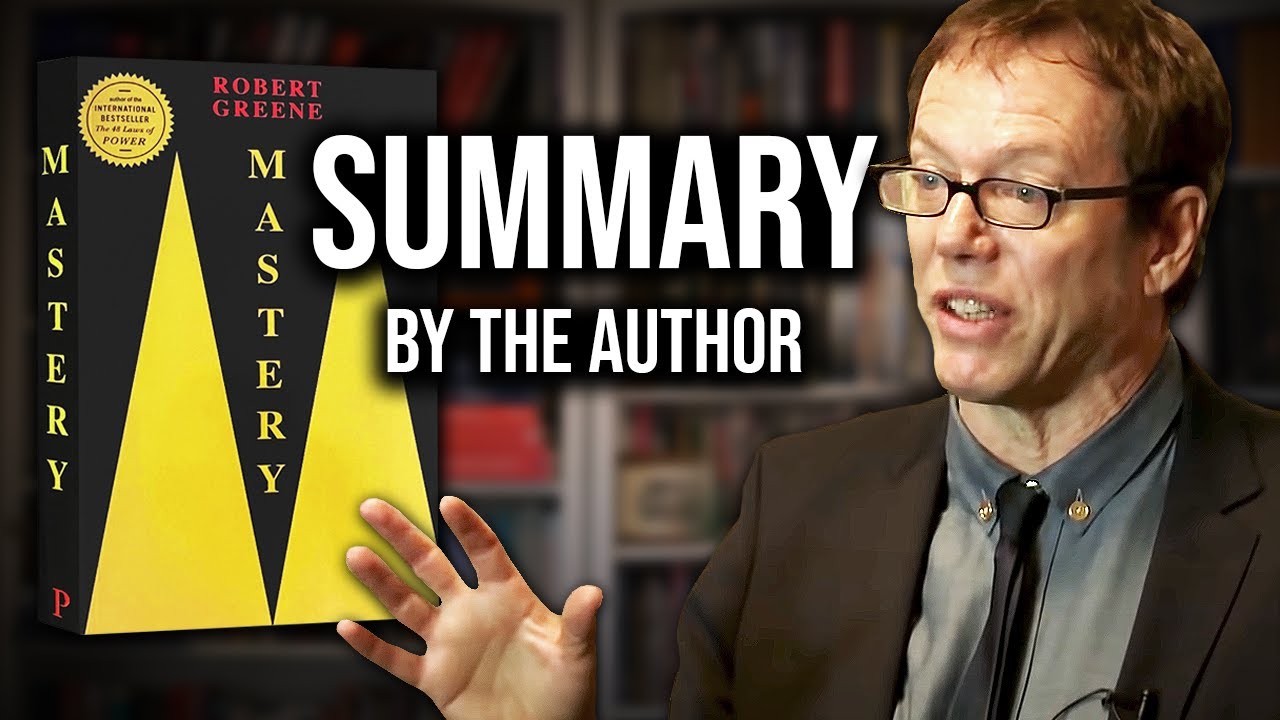
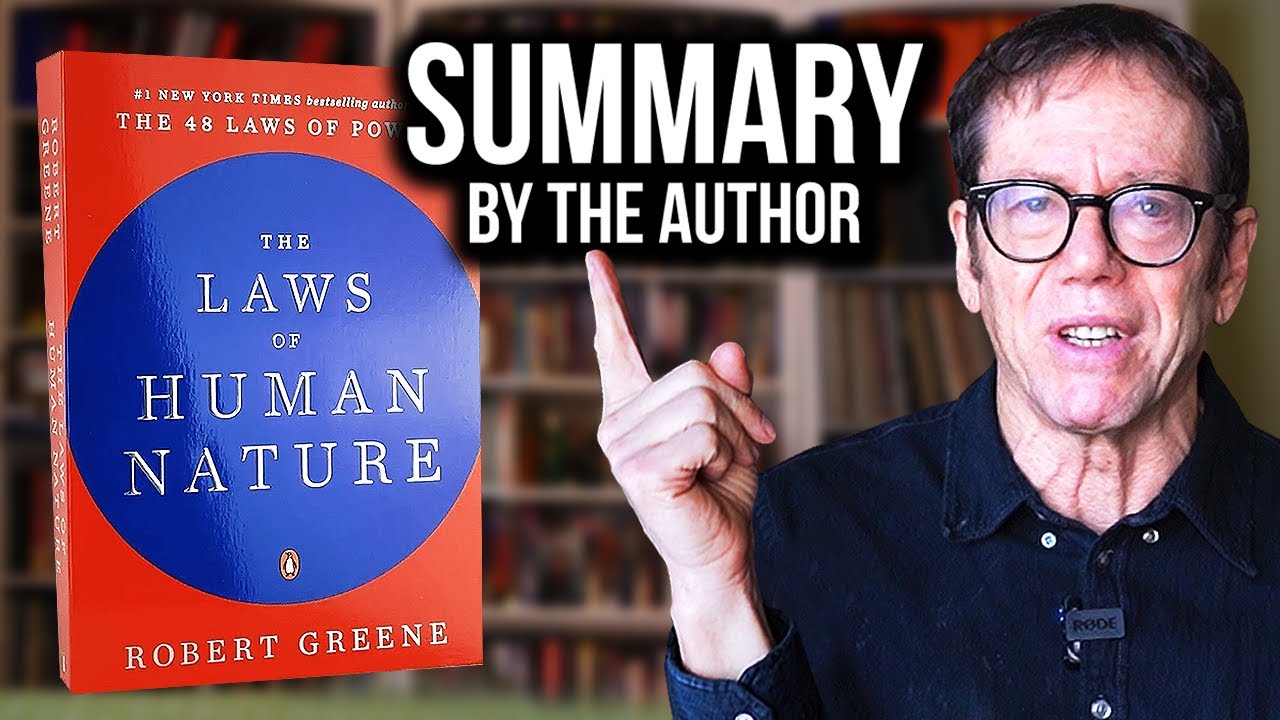
this book is almost 700 pages long but you'll learn all of the key takeaways in just a few minutes going chapter by chapter the laws of human nature is an essential guide to understanding the hidden forces that drive human behavior offering practical insights to improve relationships decision-making and personal growth let's jump in chapter 1 master your emotional self the law of irrationality let's begin with the idea that we like to believe we're rational beings fully in control of our decisions and actions but as Robert Green explains in this chapter emotions often govern our Behavior far
more than we realize this unconscious influence leads to biases and mental shortcuts that distort our perception of reality for example have you ever made a decision In the Heat of the Moment only to regret it later that's irrationality at work dominating your actions before rational thought can take hold to counter this we need to master self-awareness learning to recognize emotional triggers before they spiral into flawed decisions green describes rationality as the ability to think instead of react highlighting the importance of creating space between an emotional impulse and our response practicing mindfulness is a great first
step for instance the next time you feel frustration bubbling up pause and ask yourself what's really causing this is it worth the reaction on I'm about to give reflecting on past decisions can also uncover patterns of emotional influence perhaps you've noticed that stress tends to make you overly critical or that excitement leads to overc Commitment by identifying these Tendencies you can develop strategies to intervene for example taking a few moments to breathe deeply or writing down your thoughts can create the clarity needed for rationality to emerge please don't forget to like the video and subscribe
to the channel thank you chapter 2 transform self-love into empathy the law of narcissism now let's explore a topic we're all familiar with narcissism green points out that narcissism exists on a spectrum and to some degree we're all narcissists after all we naturally focus on our own needs and desires but when this self- Focus becomes excessive it can damage relationships and hinder collaboration think of the colleague who constantly talks about their achievements or the friend who never asks how you're doing these behaviors stem from unchecked narcissism however the solution isn't to suppress self-love it's to
redirect it outward green emphasizes that stepping outside of ourselves and truly understanding others perspectives is the key to overcoming narcissistic Tendencies active listening for example is a powerful tool the next time you're in a conversation challenge yourself to focus entirely on the other person listen to their words observe their emotions and resist the urge to to interject your own experiences self-reflection is equally important ask yourself how your actions affect those around you are you taking their needs into account or are you acting from a place of self-interest by balancing self-love with empathy you'll cultivate deeper
connections and emerge as a more effective leader friend or partner chapter three see through people's masks the law of roleplaying let's turn to the social dynamics we navigate daily green reminds us that everyone wears a mask a carefully crafted version of themselves designed to gain approval or hide vulnerabilities while this isn't inherently bad it does mean that people's true intentions are often obscured think about a time when someone seemed overly agreeable or charming was it genuine or were they playing a role decoding these masks requires Keen observation non-verbal cues like body language and tone of
voice often reveal More Than Words do for example someone smile might not reach their eyes signaling insincerity or their posture might tense slightly when a specific topic arises hinting at discomfort by paying attention to these subtle signals you can uncover hidden emotions and motivations but it's not just about reading others green also encourages us to manage our own Impressions this doesn't mean being fake it means aligning how you present yourself with your goals if you want to convey confidence for instance focus on maintaining open body language and steady eye contact mastering these skills will help
you build stronger relationships and make informed decisions in both personal and professional settings chapter four determine the strength of people's character the law of compulsive Behavior character is something we often take for granted but is fundamental in understanding People Robert Green explains that character is shaped by our earliest experiences and solidified through daily habits these recurring patterns of behavior become the core of who we are influencing how we respond to stress adversity and opportunity for example think of a colleague who consistently handles criticism with calm reflection rather than defensiveness their ability to respond thoughtfully isn't
random it reflects a deeply ingrained character trait to evaluate someone's character green advises looking for patterns especially during challenging moments a person's true self often surfaces in stressful situations revealing their resilience adaptability or conversely their fragility it's important to remember that a polished reputation or charming demeanor can be deceiving as green warns don't be swayed by surface level Impressions understanding character isn't just about assessing others it's also about self-reflection recognizing patterns in your own behavior particularly negative ones allows you to make meaningful changes for instance if you notice a tendency to react impulsively to criticism
you can work on developing patience and perspective by cultivating self-awareness you not only grow personally but also improve your ability to choose reliable Partners friends and leaders chapter five become an elusive object of Desire the law of covetousness humans are naturally drawn to what they can't have green explains that mystery and elusiveness are powerful tools for sparking desire think about a time when something just Out Of Reach felt more exciting maybe it was a limited edition product an enigmatic person or an opportunity that seemed rare this principle Taps into the psychological pull of the unattainable
creating this effect involves strategic absence and cultivating an aura of mystery green suggests for example that withdrawing slightly from social interactions can create a sense of longing over familiarity can diminish Intrigue but subtle ambiguity keeps people captivated consider a coworker who shares just enough to Peak curiosity but leaves room for interpretation they often become the center of attention without actively seeking it to harness this principle avoid overexposure in professional or personal settings share selectively leaving some details undisclosed to spark interest whether in a romantic relationship or a business deal this strategy transforms ordinary interactions into
opportunities for influence when people are left wanting more they're more likely to invest their energy and attention in you chapter six elevate your perspective the law of short-sightedness short-term thinking is a trap many of us fall into especially in today's fast-paced world green explains that impulsive decisions often lead to unintended consequences and missed opportunities for example reacting immediately to a dramatic piece of news might seem urgent but it can Cloud long-term judgment cultivating a broad perspective requires patience and the ability to see beyond immediate circumstances the key to avoiding shortsightedness is stepping back and focusing
on the bigger picture green encourages us to pay attention to long-term trends and overarching goals rather than being swayed by fleeting impulses imagine a business leader who prioritizes strategic growth over quarterly earnings they can adapt to broader Market shifts and sustain success similarly in our personal lives aligning daily actions with long-term aspirations helps us make deliberate impactful decisions to develop this skill regularly evaluate whether your current efforts align with your long-term objectives avoid reacting impulsively to Trends or challenges instead prioritize analysis and thoughtful planning surround yourself with far-sighted mentors or peers who can expand your
perspective and guide you toward meaningful growth by elev ating your perspective you'll gain Clarity and resilience allowing you to navigate life's complexities with greater confidence chapter 7 soften people's resistance by confirming their self- opinion the law of defensiveness people are deeply attached to their self-opinion which is how they see their autonomy intelligence and morality when we challenge this perception even unintentionally it creates resistance think about a time when someone questioned your competence or values chances are it wasn't their argument that stayed with you but the discomfort of feeling misunderstood or undermined this is why persuasion
often fails it attacks rather than aligns with people's self-opinion Robert Green advises us to approach persuasion with empathy warmth and subtlety instead of arguing confirm the other person's values and Independence for instance if a colleague resists your suggestion validate their expertise by saying you've handled similar situations well before how do you think we should approach this one this builds trust and invites collaboration green calls this instilling a feeling of inner security non-verbal cues like a calm tone and attentive body language reinforce this effect making others feel valued and respected ultimately persuasion isn't about overpowering someone
it's about guiding them gently toward agreement by meeting them where they are by practicing active listening and showing genuine interest in others perspectives you lower their defenses and open the door to cooperation chapter 8 change your circumstances by changing your attitude the law of self-sabotage attitude plays a transformative role in shaping Our Lives green emphasizes that a negative mindset often creates self-fulfilling cycles of failure for example if you approach a challenge with fear or defeatism you're likely to focus on obstacles rather than opportunities reinforcing the very outcome you fear on the flip side a positive
attitude can reframe difficulties as growth opportunities unlocking resilience and creativity green encourages us to see ourselves as active players in our lives not pawns controlled by external forces imagine facing a tough setback at work instead of thinking why does this always happen to me shift to uh what can I learn from this how can I improve this reframing transforms failure into a stepping stone rather than a stumbling block Breaking Free from negative patterns requires self-awareness and deliberate effort start by identifying limiting beliefs such as uh I'm not good enough and consciously replace them with affirmations
like I'm capable of growth green also highlights the importance of gratitude by focusing on what's going well you counteract negativity and create space for positivity to thrive over time this shift in perspective not only changes how you see challenges but also how others perceive and respond to you please don't forget to like the video and subscribe to the channel thank you chapter nine confront your dark side the law of repression this is one of Green's most thought-provoking ideas the shadow this refers to the hidden aspects of our personality our insecurities selfish impulses and unacknowledged Ambitions
these traits are often repr because they don't align with societal Norms or our idealized self-image however ignoring the shadow doesn't make it disappear instead it festers showing up as tension unexpected outbursts or even self-sabotaging behaviors the key green explains is to confront and integrate the shadow for instance if you've always dismissed your competitiveness as bad reflect on how it might be channeled into constructive goals accepting the shadow doesn't mean indulging destructive impulses it means acknowledging them as part of who you are and finding ways to harness their energy positively this process requires self-compassion recognize that
everyone has flaws and contradictions and these don't make you less worthy they make you Human by exploring your emotional triggers and recurring behaviors you can uncover what your Shadow is trying to tell you for example if jealousy arises in certain situations ask yourself what unmet need or insecurity it reflects then use that insight to grow ultimately integrating the shadow makes you more authentic and whole it frees you from the tension of denial and unlocks Creative Energy that can be directed toward meaningful Pursuits Green's message is clear our Dark Side isn't something to fear it's something
to understand and transform chapter 10 beware the fragile ego the law of Envy Envy is tricky because it often doesn't show itself outright instead it hides behind humor backhanded comp compl veiled criticisms or even exaggerated praise green warns that Envy is like a slow poison left unchecked it breeds resentment and can lead to betrayal or sabotage especially among those closest to us friends colleagues or even family what causes Envy it often stems from comparing ourselves to others especially when their success highlights what we perceive as our own shortcomings for instance you might find yourself questioning
why some one else gets the recognition you crave uh but as green emphasizes Envy destroys relationships and undermines personal growth instead of being consumed by it we need to focus on fostering self-worth measuring our success against our own goals rather than others achievements recognizing Envy in others is equally important be alert to signs like inconsistent Behavior or passive aggressive remarks and maintain healthy boundaries with those prone to Envy on the flip side practicing humility and gratitude can prevent us from inadvertently provoking Envy by focusing on collaboration and shared success we can diffuse this destructive emotion
and build stronger healthier connections chapter 11 no your Limits The Law of grandiosity green describes generosity as a natural but potentially dangerous psychological force grandiosity can be inspiring it fuels ambition and high self-belief think about innovators are leaders who dream big and aim high however when unchecked grandiosity skews reality it leads to overconfidence entitlement and poor decisions because it blinds us to our own limits and the challenges ahead a good example might be someone taking on too many responsibilities at once convinced they can do it all without consequences they might believe they're Invincible but eventually
reality catches up green highlights that self-awareness is the antidote by understanding how far you can reasonably push yourself and recognizing how your energy and abilities change over time you can channel grandiosity into constructive ambition rather than self- delusion to counter grandiosity it's important to focus on incremental achievements set realistic goals that challenge you but don't overwhelm you regularly evaluate your strengths and weaknesses to keep yourself grounded and when dealing with grandiose behavior in others remain remain skeptical of lofty claims and focus on practical details this balanced approach keeps ambition productive and prevents the pitfalls of
inflated self-perception chapter 12 reconnect to the masculine or feminine within you the law of gender rigidity let's examine how rigid gender roles can limit us green argues that every person possesses both masculine and feminine qualities but societal expectations often push us to suppress traits associated with the opposite gender creating rigidity in our personalities for example men might avoid showing vulnerability while women might downplay assertiveness over time this rigidity limits creativity adaptability and meaningful connections green suggests that reconnecting with these repressed traits can bring balance and depth to our character for instance if you admire someone's
emotional Intuition or leadership style consider whether these qualities represent aspects of yourself that you've suppressed embracing these traits can unlock your full potential and make you more versatile in relationships and problem solving to start approach challenges with a mix of logic and intuition blending traditionally masculine and feminine approaches be mindful of cultural stereotypes that might unconsciously influence your behavior and focus on expressing your authentic self by Breaking Free from rigid roles you gain fluid idity and strength enhancing not just your personal growth but also your ability to connect and collaborate with others chapter 13 Advance
with a sense of purpose the law of aimlessness green explains that without a clear sense of purpose our actions lose direction leading to frustration and wasted effort purpose provides resilience it acts as a compass that keeps us moving forward even when life gets tough however long-term goals can feel over overwhelming which is why green advises breaking them into smaller achievable steps these smaller goals give you moments of satisfaction and the momentum to stay on track consider a ladder each rung represents a short-term objective that brings you closer to the top whether you're aiming to master
a skill grow in your career or improve a relationship this approach ensures progress while keeping you grounded in the present Green's Insight that all decisions and actions have greater power behind them when Guided by purpose reminds us that purpose isn't just about achievement it's about tying daily actions to something meaningful to integrate this start by defining your long-term goals then break them into manageable tasks and reflect regularly on whether your daily actions align with your broader purpose seek Role Models or experiences that inspire you and connect to your values when purpose drives you even mundane
tasks feel more meaningful and setbacks become opportunities to learn and adapt chapter 14 resist the downward pull of the group The Law of Conformity humans are social creatures and group dynamics play a significant role in shaping our Behavior Uh green highlights how the need to belong can sometimes suppress individuality while it's natural to adopt group Norms blindly conforming can lead to a loss of self-awareness and critical thinking think about a time when you went along with a decision you didn't fully agree with did you feel uneasy afterward that's the downward pull of Conformity at work
this doesn't mean rejecting group participation altogether instead green suggests maintaining a balance collaborate outwardly while retaining your Independence and rationality by becoming aware of how group dynamics influence your thoughts and actions you can make intentional choices rather than following the crowd for example if everyone at work supports a new policy you have concerns about take a moment to critically evaluate it before voicing your opinion strengthening your individuality is key engage in activities that affirm your unique perspective and cultivate self-awareness through reflection practice critical thinking and stay grounded in your values even when they differ from
the group by doing so you not only protect your identity but also become a more effective and respected contributor to the group chapter 15 make them want to follow you the law of fickleness leadership is inherently tied to human loyalty which green points out is often fickle people's allegiances shift based on circumstances emotions or opportunities to maintain influence leaders must cultivate respect through consistency competence and fairness it's not about forcing loyalty it's about inspiring it by embodying principles people want to follow green advises leaders to project Authority from within this means developing an unshakable sense
of purpose and confidence that doesn't waver even in times of Crisis for instance a leader who remains calm and composed during uncertainty reassures their team and strengthens trust emotional Detachment is also critical leaders who avoid impulsive reactions and focus on long-term goals build credibility to apply this start by maintaining consistency in your actions and decisions when followers see you living your principles their respect and Trust grow naturally detach from immediate challenges and focus on the bigger picture ensuring your leadership remains stable and grounded by understanding the fickle nature of loyalty you can adapt your leadership
style to inspire lasting influence chapter 16 see the hostility behind the friendly facade the law of aggression hostility is one of the most misunderstood aspects of human interaction because because it often hides behind a mask of politeness or passive aggressive behavior green explains that aggression doesn't always look like open conflict it can manifest subtly through manipulation intimidation or sabotage a colleague who undermines your ideas with a backhanded compliment or a friend who gives half-hearted support are examples of hidden hostility detecting these patterns requires heightened observation and a willingness to read between the lines green stresses
the importance of becoming a superior Observer of these behaviors look for inconsistencies what someone says versus how they act and consider the underlying motivations once you spot these Tendencies practice non-reactivity staying calm and composed disarms passive aggressors and ensures you maintain control over the situation but aggression isn't all negative green reminds us that controlled aggression is powerful it can be channeled into assertiveness driving ambition and productivity use this energy constructively whether by standing up for yourself in a professional setting or pursuing your goals with determination the key is to channel aggression without harming others turning
it into a force for achievement rather than conflict chapter 17 seize the historical moment the law of generational myopia let's look at how our generation shapes our worldview and potential green explains that that every generation is influenced by the historical events and cultural shifts experienced during its formative years these shared experiences shape values ideas and tendencies that often go unnoticed because they feel so natural to us for example consider how the digital Revolution defines the mindset of younger Generations while older Generations might value more traditional methods of communication and work to seize the historical moment
green advises us to understand the unique Spirit of Our Generation this doesn't mean blindly conforming to it but recognizing the trends and opportunities it presents reflect on the major events that have shaped your peers values and how those values influence societal expectations are there unspoken assumptions or biases that you could challenge or leverage by broadening your historical awareness you can transcend the limitations of your generation for instance understanding the cultural patterns of both the past and present allows you to anticipate future Trends and innovate effectively whether in your career or personal life generational Insight helps
you stay relevant and proactive turning the Zeitgeist into a powerful tool for Creative action please don't forget to like the video and subscribe to the channel thank you chapter 18 meditate on our common mortality the law of death denial green explains that most people repress thoughts of death which leads to anxiety avoidance and superficial living by denying our mortality we distract ourselves with trivial Pursuits and lose sight of what truly matters however confronting death can have the opposite effect it sharpens our Focus motivates purposeful action and deepens our appreciation for Life imagine how your priorities
might change if you treat it each day as if it were your last green suggests that awareness of life's impermanence intensifies our experience of every moment rather than fearing death embrace it as a reminder to live fully and meaningfully this perspective Fosters creativity and empathy connecting us to the shared vulnerability of all human beings to practice this take time to reflect on life's impermanence visualize your own mortality not as a source of fear but as a way to clarify your goals and align your actions with your values cultivate gratitude for the present moment and let
it guide your decisions by embracing death we connect more deeply to life itself living with purpose urgency and a sense of connection to those around us the laws of human nature serves as a comprehensive road map to navigating the complexities of our own psychology and the behavior of those around us by uncovering the motivations vulnerabilities and patterns that shape human actions the book empowers readers to approach life with greater self-awareness and emotional intelligence these principles are not just tools for success but also for cultivating authenticity empathy and deeper connections with others ultimately green challenges us
to take control of our nature and harness its potential to live a more meaningful and impactful life