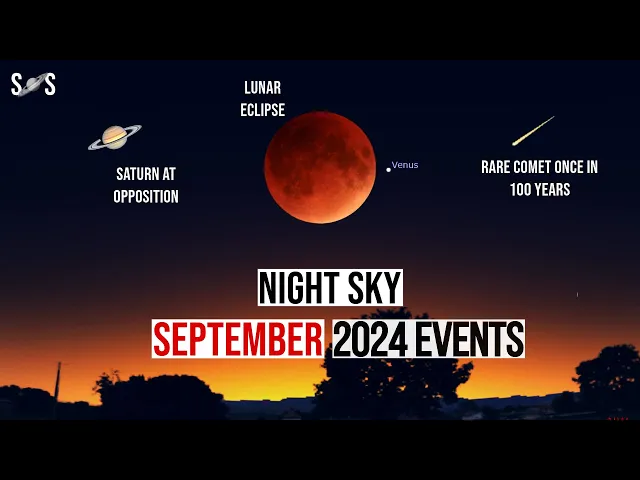
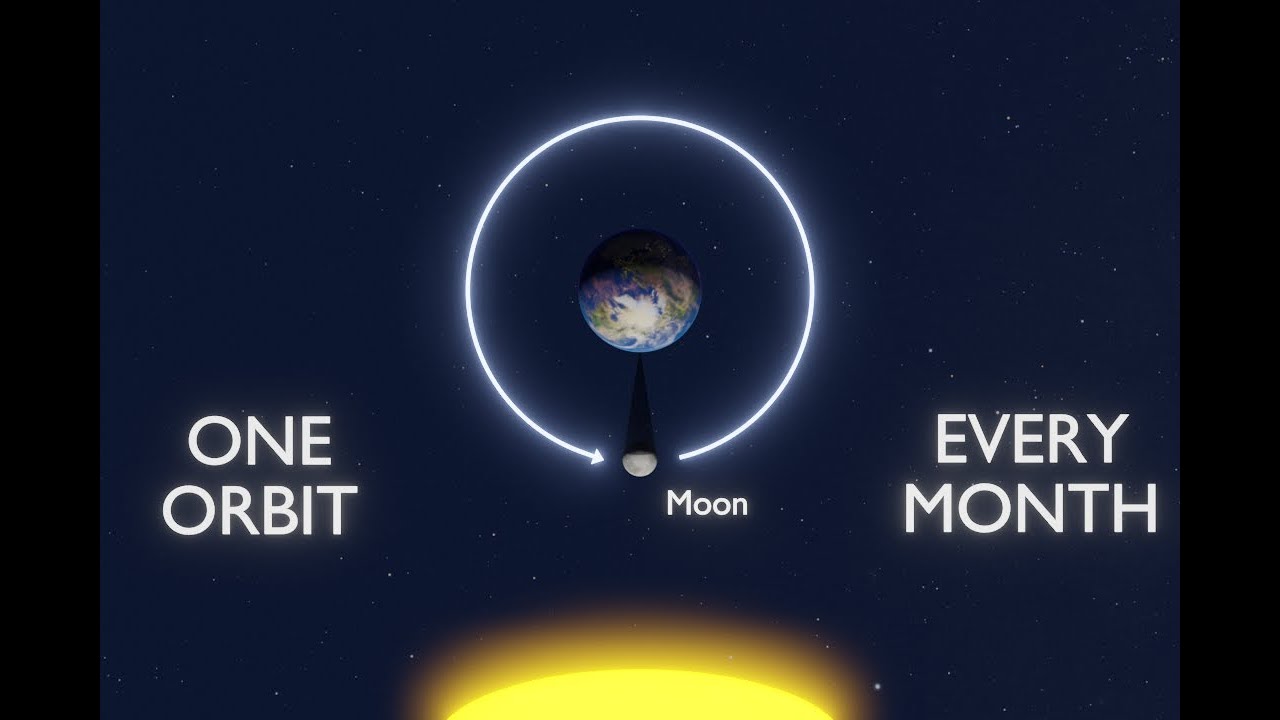
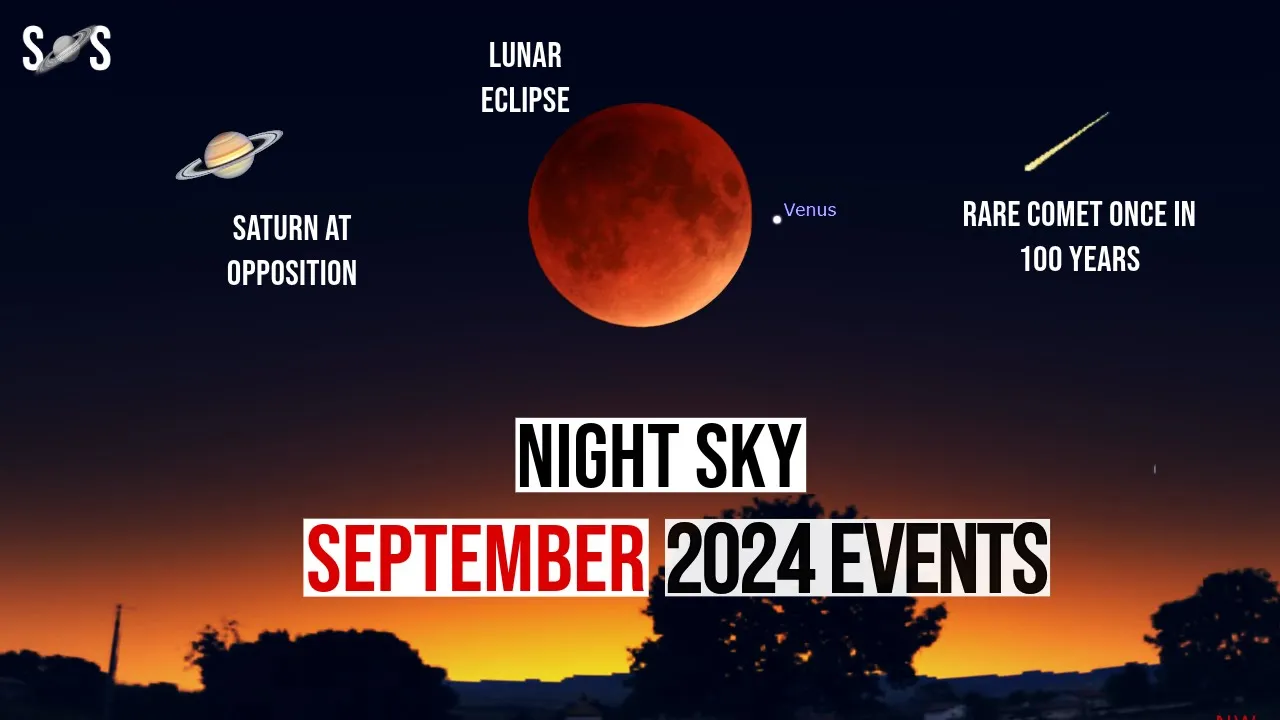
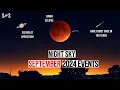
this month you'll be treated to a series of Planet gazing opportunities a few other celestial objects and of course the September equinox whether you're new to stargazing or just seeking some of the other interesting astronomical sites there's plenty to see in the night sky in September additionally September signals a season change this means your chances to see the aurora begin to shift hemispheres it's the perfect time to plan your trip to see the Northern Lights for those in the northern hemisphere [Music] September 5th lunar occultation of Venus visible in the South Atlantic Ocean not over
land otherwise a close approach just 1° 1 minute apart in Virgo from some parts of the world the moon will pass in front of Venus creating a lunar occultation the moon will be two days old the pair will become visible at around 1852 IST 11° above your Western Horizon as dusk Fades to Darkness they will then sink towards the horizon setting 1 hour and 12 minutes after the Sun at 1949 September 6th Mercury at its evening Peak September is a good month for planetary viewing options and the month begins with an opportunity to spot the
smallest and closest to the Sun since Mercury is so close to the sun we can only observe it when it reaches its highest AKA visually furthest from the Sun this occurs cyclically as part of Mercury's 88 day orbit sometimes Mercury reaches its peak in the morning then in the evening in any case on the morning of September 6th you'll be able to see Mercury about 16° above the Eastern Horizon Just Before Sunrise this is a great opportunity to head out and try to spot the smallest Planet September 8th Saturn at opposition on September 8th Saturn
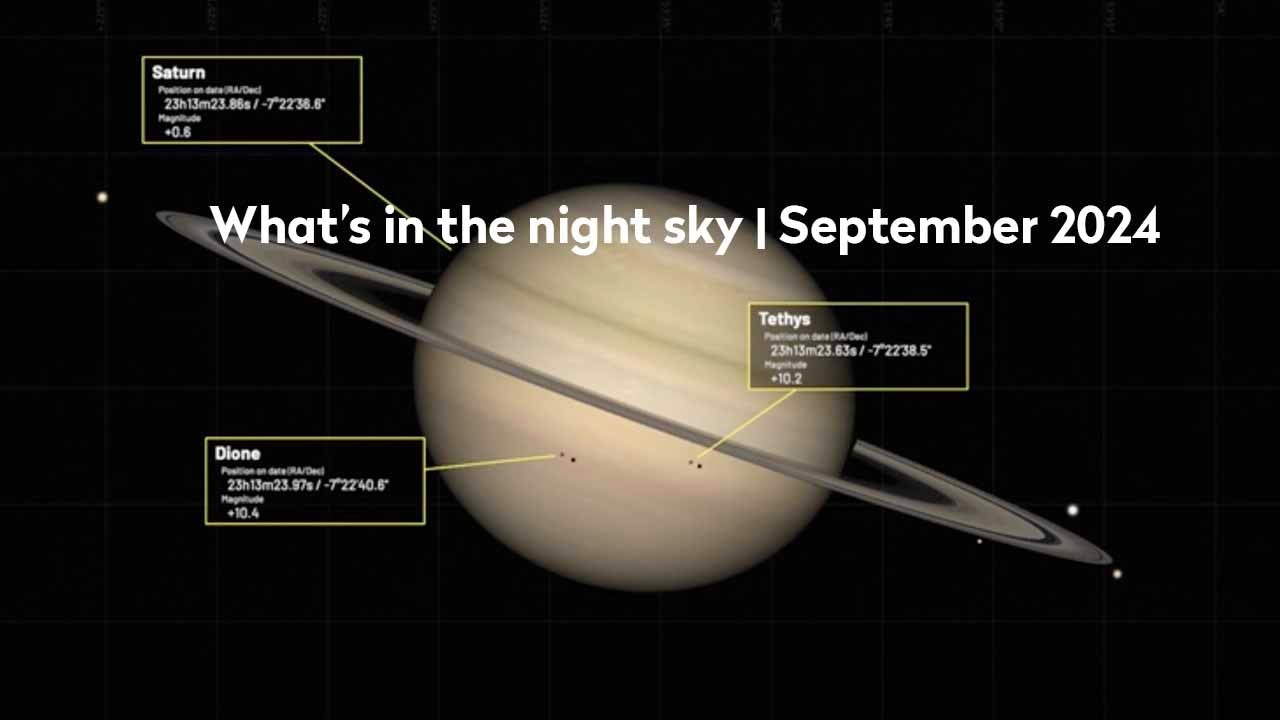
will reach its opposition position for this year if you've never seen Saturn's rings or if you are Keen to see them again because who isn't this is a really nice night to try and do so look for bright Saturn in the constellation Aquarius and use a telescope even a smaller lower powered one will do to try and parse out the Rings from our planetary neighbor September 9th peak of the Epsilon p meteor shower September is not known for its meteor showers even those do that occur have a hard time comparing to the show the perseids
put on in August still any chance to spot them is worth trying if the skies are clear on September 9th you can try to spot Epsilon pad's meteors despite their name these meteors are likely not caused by the same Comet 109 p/ Swift Tuttle as the August perseids instead they simply appear to radiate from the same point in the night sky which is how meteor showers get their names at their maximum you can look for roughly five Eads per hour coming from the general area of the constellation Perseus high in the southwest sky as I
said not as spectacular as perseids but still interesting September 17th partial lunar eclipse while it feels like ages it's really only been a few months since the last set of eclipses how was it only in April that I stood in awe of totality over my house in Northeast Ohio anyway here comes another set starting with a partial lunar eclipse on September 17th the corresponding solar eclipse will take place in October on this night look for the moon to turn partially red if you're viewing North America South America Europe and most of Africa be sure to
check my guide for viewing this upcoming lunar eclipse for a map and more details on on timing September 18th Full Moon the Moon will reach full phase at this time of the month it is visible for much of the night rising at around dusk and setting at around Dawn the Harvest Moon the sequence of full moons that fall through the year are sometimes assigned names such as the Harvest Moon according to the months and seasons in which they fall September 20th Neptune at opposition after Saturn reaches opposition earlier in the month Neptune and the sun
will be opposite of one another on the night of September 20th the sun will brightly illuminate Neptune making it a great time to view this ice giant planet you will need equipment to see Neptune which is small and extremely distant be sure to review my recommended telescopes and binoculars to find something in advance you'll also probably need a starfinder app to spot Neptune which is in the constellation Pisces September 22nd September equinox on September 22nd this year the seasons officially changed the September equinox called the autumnal equinox in the Northern Hemisphere and the vernal equinox
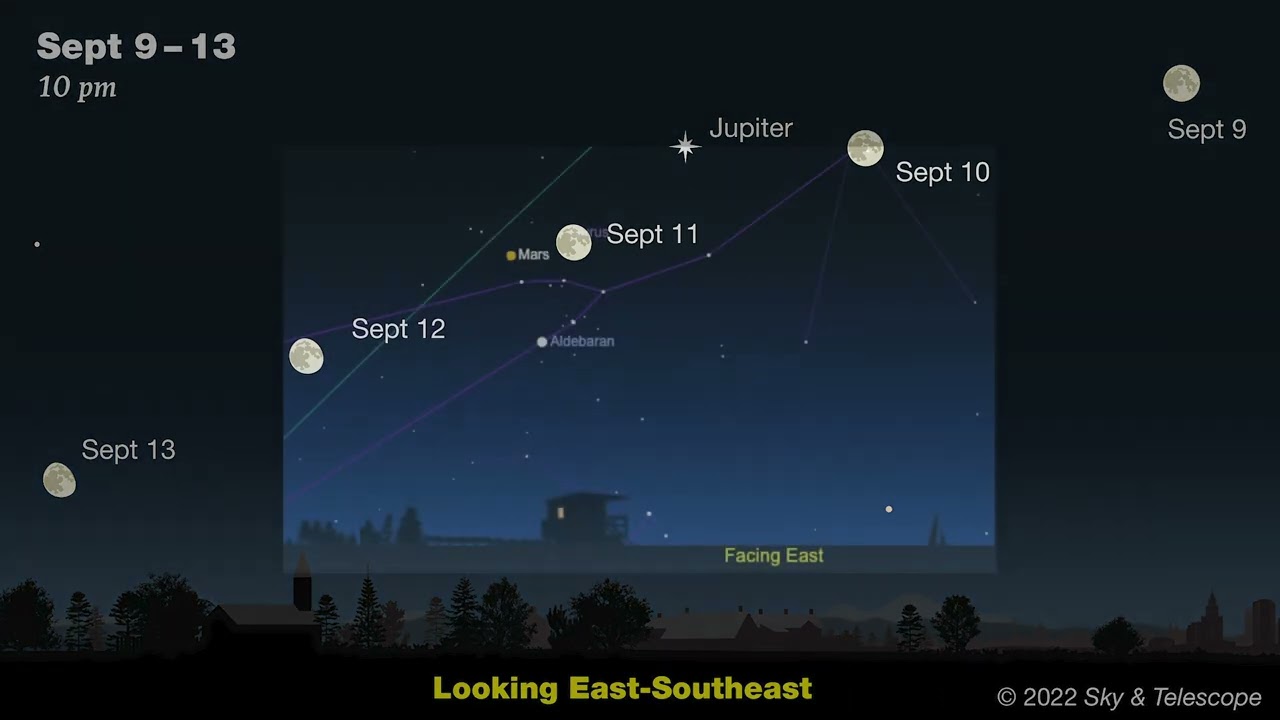
in the southern hemisphere signals the point where Earth experiences roughly equal lengths of day and night while there is no night sky event to view for the equinox it's a cool time to consider our planet's place in the solar system and how we orbit around the sun learn more about the September equinox and how it is marked in different parts of the world September 23rd close approach of the Moon in Jupiter 5° 48 minutes apart in Taurus the moon and Jupiter will share the same right Ascension with the moon passing 5° 50 minutes to the
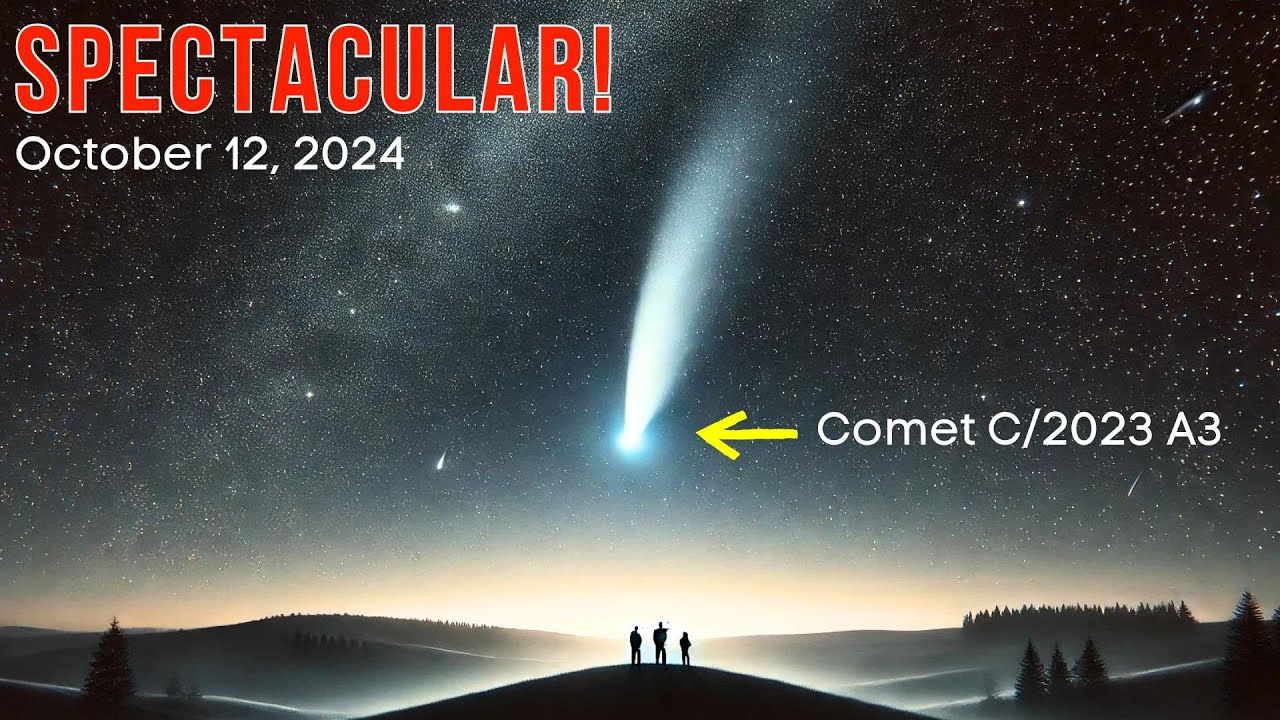
north of Jupiter the moon will be 20 days old at around the same time the two objects will also o make a close approach technically called an appulse September 25th close approach of the Moon and Mars 4° 52 apart in Jupiter longtail Comet c223 of3 suchin Shan Atlas is expected to be visible to the naked eye in the northern hemisphere between September 27th to October 2nd and October 12th to 31 2024 it will be best viewed in late September and early OCT October with its brightness peaking around early October the comet will be visible in
the East Just Before Sunrise from September 27th to October 2nd and in the west just after sunset from October 12th to 31st it could reach magnitude -3 around October 12th 2024 making it one of the brightest comets visible in the northern hemisphere in the last 100 years enjoy these extra events to spice up your nights of Stargate and you'll gain a greater appreciation of just how much there is to see out there do you have questions or comments about these events in the September 2024 night sky let us know in the comments for space updates
subscribe to secrets of space [Music]