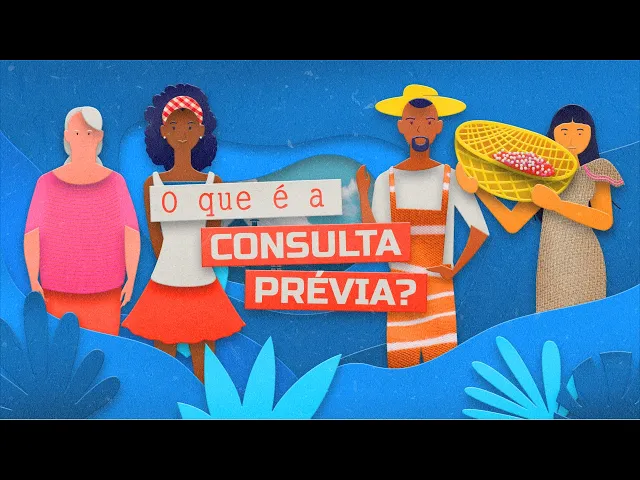
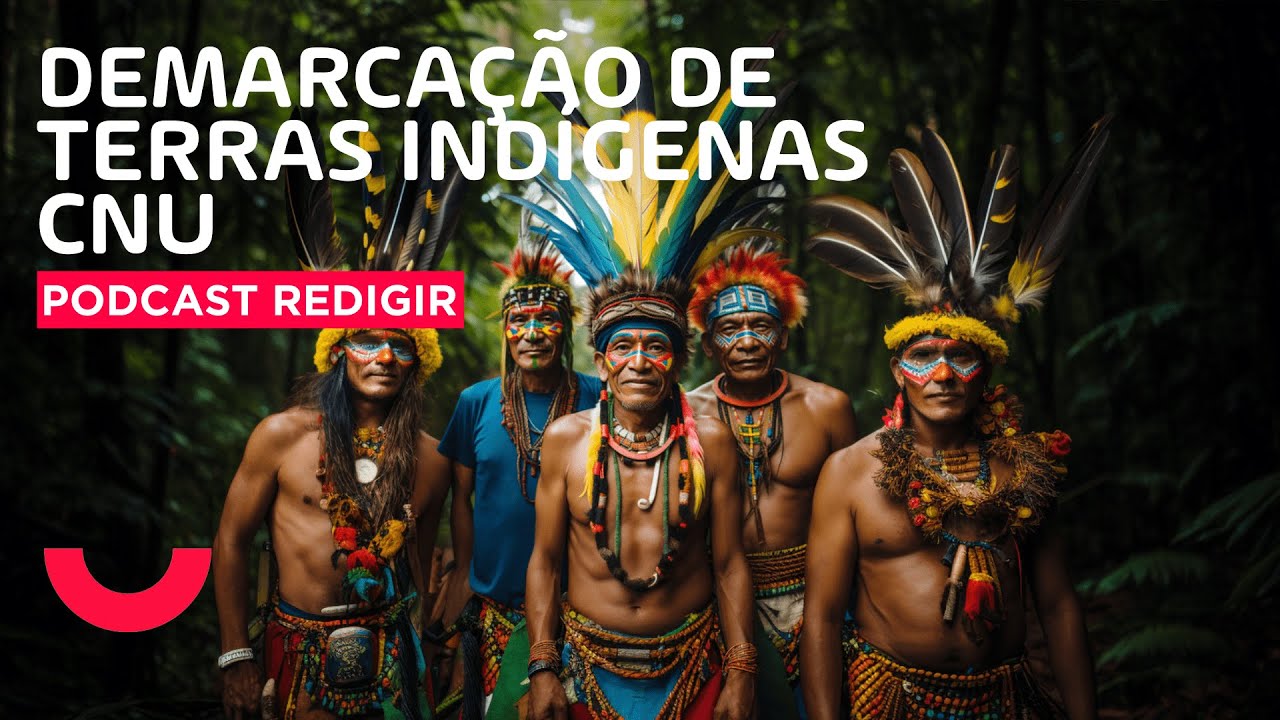
A lot has been talked about the right to prior consultation for indigenous, quilombola, and traditional peoples and communities. But do you know what this prior consultation is? Prior consultation is one of the rights established on convention 169 from the International Labour Organization (ILO).
This Convention was signed in 1989 to recognize that indigenous and tribal peoples must have their own ways of life respected. In Brazil, tribal peoples comprise traditional peoples, such as “quilombolas”, “ribeirinhos”, “quebradeiras de coco-babaçu”, “raizeiras”, “pantaneiras”, “faxinalenses, “caiçaras”, and several others. Overall, there are more than 28 traditional peoples and communities recognized in Brazil.
The country adhered to ILO convention 169 in 2004, through a presidential decree. So why is Convention 169 important? Convention 169 protects several rights of these groups, such as the right to territory, health, education, and the right to participation.
Moreover, it establishes that indigenous, quilombolas and other traditional peoples must be priorly consulted every time there is some legislative or administrative measure that may affect these peoples and their way of life. That is: these groups must be consulted, for example, before the establishment of any venture that affects their territories or before any discussion related to the rights of these peoples. Let’s see some situations in which prior consultation is adequate: In the case of a draft legislative bill that wants to allow mining activities in indigenous lands.
When port operating companies want to be set up alongside a river where indigenous, quilombolas, or other traditional peoples fish. When a researcher requests access to information, goods, or access to the communities’ territories. If the government wants to create a conservation unit overlaying traditional territories.
And do you know why consultation must free, and informed? Prior, since the peoples must express opinion on the venture before its establishment or before a law is approved; Free, in the sense that there should be no pressure from either the government, the police, the press, or companies so that affected groups become opposed to or in favor of any project; One must respect the time and the decision-making process of each people or community. And informed, because the government must provide all the necessary information, in an accessible way, about the work or draft bill, so that the affected persons may understand the size of the impacts.
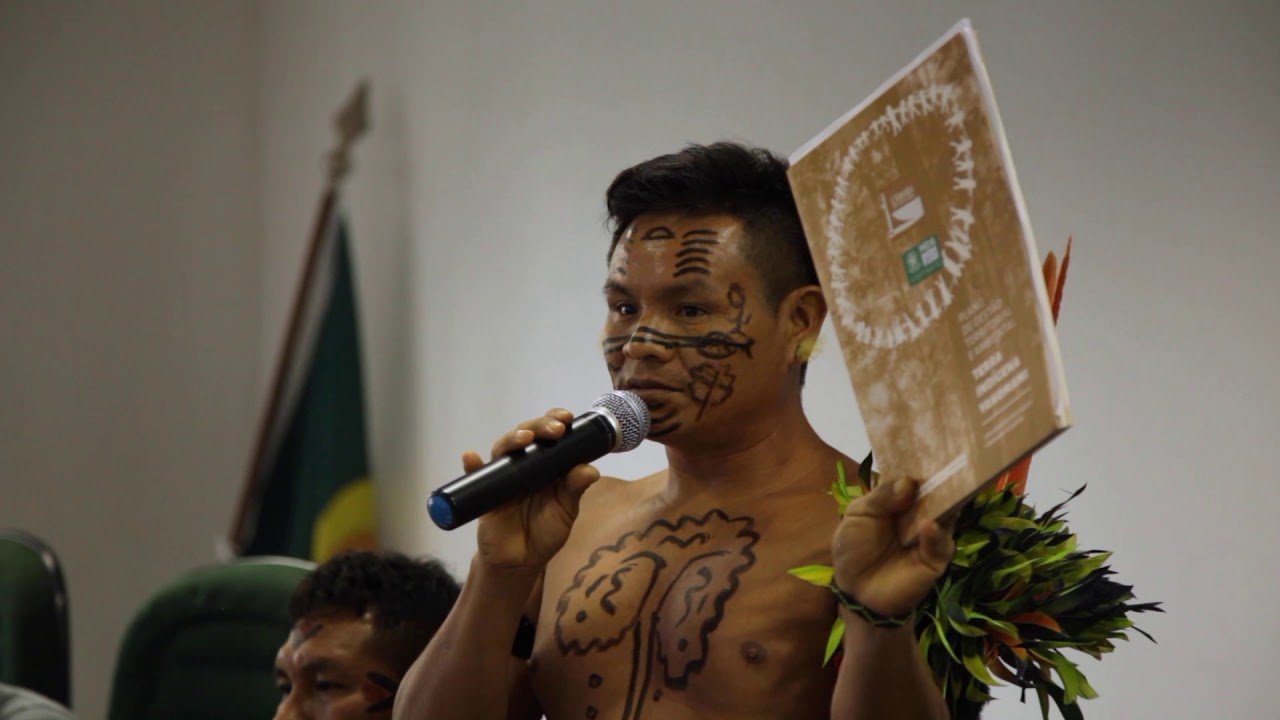
But how should prior consultation be carried out? Convention 169 asserts that each people may indicate which is the best way for prior consultation to occur: if the process will take place through meetings, who can participate, and how will information be presented. Some indigenous peoples, for example, require consultation procedures to be carried out in their language.
And that’s why some formal procedures promoted by the government, such as the public hearings and rulings of public management councils cannot be considered prior consultation. Several peoples establish some rules for consultation through prior consultation protocols, which are rules created by the community. Prior consultation is the way of making companies and the government recognize the existence, the culture, and the history of indigenous, quilombolas, and other traditional peoples.
And ILO Convention 169 is a crucial tool for affirming different ways of living, working, and creating. Prior, free and informed consultation – a right that belongs to traditional peoples and communities Terra de Direitos in defense of peoples and ILO Convention 169.