Hello everyone, and welcome back to Scary Interesting. In this video, we're going to go over four terrifying cave stories. And the final story is a tragic and terrifying incident that is one of the worst possible things you can imagine happening deep inside a cave.
As always, viewer discretion is advised. [intro music] Quickly, before we get into the video—you may remember the arctic horror podcast I recommended on several occasions by Fool & Scholar Productions called "The White Vault". The response for that recommendation was overwhelmingly positive from the people who listened to it.
So today, I'd like to introduce you to a new story they're working on called "Don't Mind". "Don't Mind" is an anthology mystery podcast where each season takes them to a remote community and an underlying mystery surrounding it. The upcoming season, called "Sealskin Rock, follows a family that moves to a Canadian chateau located on an island, off the New Brunswick coast.
They've been hired to repair the old manor, but as they discover more about the island's gruesome history, the renovations become the least of their worries. "Don't Mind" is also created by the same award-winning team behind "The White Vault", winning numerous awards for sound design and acting. And the stories even feature actresses and actors you might recognize.
Like, for example, Adjoa Andoh from "Bridgerton" and "The Witcher" is the costar of the first season, "Cruxmont". And if you're a "Mass Effect" fan, Mark Meer, who plays Commander Shepard, is one of the costars of "Sealskin Rock". And "Don't Mind: Sealskin Rock" will be releasing wherever you find podcasts and on the Fool & Scholar Productions' YouTube on March 25th.
But in the meantime, you can also hear the entirety of their first story, "Don't Mind: Cruxmont", which follows a man searching for his brother in a small English village that harbors a dark secret its citizens will do anything to protect. So check out "Don't Mind: Cruxmont" right now using the link in the description so you're all caught up for "Sealskin Rock" which releases March 25th. And a huge thank you to Fool & Scholar for sponsoring this video.
Drving in either direction along Interstate 81 near Shippensburg, Pennsylvania, millions of cars pass over a labyrinth of underground passages, likely without ever knowing it. Because unbeknownst to the cars above, near Exit 10, sits the opening to Carnegie Cave, and for more than 80 years, adventurers have explored its 1,905 feet, or 581 meters, of dark, winding tunnels. Located on private property, Carnegie Cave originally had three entrances, but construction of the Interstate 81 in the 1960s reduced that to just a single way in and a single way out.
During that construction, the single remaining entryway was fitted with a corrugated metal pipe about 150 feet, or 46 meters long, and 3 feet, or 1 meter, in diameter. This pipe runs just underneath the highway embankment, and that means that visitors actually have to crawl through it to reach the cave with traffic blazing by just 30 feet, or 9 meters, overhead. Once inside the cave and beyond the manmade entryway, it opens up into a concrete room that then leads into a network of passages ranging from 3 to 10 feet, or 1 to 3 meters, high.
Some of these paths lead to a 35-foot-high chamber with a deep pool, but others narrow into tight, twisting corridors. But for the most part, its unique location and relatively novice-level challenges have combined to make it the most frequently visited cave in the area. Around 2 o'clock on July 9th, 1967, three teenagers, Jerry, Charles, and Nancy, parked their car and made their way to the entrance to Carnegie Cave.
Since 16-year-old Jerry had been inside the cave before and had a budding interest in speleological research, he became the group's de facto leader, but he and the two others actually had very little experience in the type of environment they were about to explore. But either way, equipped with nothing more than a flashlight between the three of them, they arrived at the entryway and began crawling through the long drainage pipe. Now, it was customary at Carnegie Cave for spelunkers to leave a lit candle in the pipe to mark their way, and there were already two other candles burning there from a group that had previously explored the cave.
So Jerry, Charles, and Nancy carefully crept past them and continued toward the interior to get their exploration underway. The three teenagers then crouched and crawled their way through the underground network of tunnels with Jerry's flashlight as the only source of light guiding them. The further they navigated into the cave, the more the outside world seemed to dampen the noise of the interstate 81 traffic, giving way only to the sounds of their movements and the distant drip of water echoing through the tunnels.
The sense of wonder that had guided their exploration so far however was about to change. Once they made it to the cave's furthest reaches, Jerry asked Charles what time it was. Charles then took a quick look at his watch and announced that it was 2:45, which meant it was time to start heading back out the way they came in.
So back through the tunnels they went in the direction of the cave's only access point, but as they grew closer, they noticed something strange. At first, there was just a hint of sweet-smelling smoke intermixed with cave air, but that smell grew stronger and more pungent the closer they came to the final leg of their journey. Then when they reached the pipe, the sight before them was unimaginable.
Standing in the way of the three teenagers in the outside world was a wall of flames. Fire and smoke roared through the confined space, and panic set in as the three teens realized the gravity of their situation. And horrifyingly, covering their faces with their sweatshirts in a desperate attempt to shield themselves from the smoke, they made an attempt to crawl through the inferno.
Nancy led the way, followed by Charles and Jerry, but the intense heat forced them to retreat after crawling just 30 feet, or 9 meters, into the pipe. After resting for a moment, they tried again, and this time, Charles went first, followed by Nancy and Jerry, with their hands and knees scraping against the heated metal as the smoke thickened around them. Once again, though, the conditions close to the fire were too bad, and they quickly retreated, coughing and gasping for air as their sweatshirts did little to keep the smoke from their lungs.
As Nancy and Jerry caught their breath in the concrete room at the end of the pipe, they realized that Charles wasn't with them. In the chaos, Charles had made the decision to push forward, ignoring the pleas of his friends to turn back. His cries then echoed briefly above the crackling fire before there was only silence, leaving Nancy and Jerry speechless inside the cave.
And despite Jerry's frantic attempt to go after him, the smoke and flames forced him back, and the remaining two had no choice but to retreat deeper into the cave recesses, seeking refuge as far from the far as possible. The temperature of the cave's interior was a cool 59 degrees Fahrenheit, or 15 Celsius, but this did little to comfort them as they waited in the dark with their flashlight growing dimmer with each passing minute. Outside the cave, black smoke pouring from the pipe caught the attention of a nearby resident, Simon Alleman, whose wife quickly called authorities while he ran to the scene.
Minutes later, rescue teams battled the blaze until it was safe enough to begin searching the smoke-filled passages and knee-deep water for the missing teens. Meanwhile, huddled together on a rocky ledge about 1,800 feet from the cave entrance, Nancy and Jerry waited in hopes that help was on the way. At several points, they thought they could hear distant voices coming toward them, only to realize that their ears were playing tricks on them.
After nearly two hours of shivering and hoping in complete darkness, the two teens finally heard rescuers calling out for them. They called back and replied. And soon, the small chamber where they were waiting was illuminated by the flashlight beams of firefighters.
And immediately, upon seeing rescuers, their first question to them was, "How's Charlie? " Emergency personnel quickly diverted their attention to escaping the cave. And finally, after almost a half hour of traversing the cave's tunnels, Nancy and Jerry were safely outside Carnegie Cave a little after 6 PM.
Thankfully, neither of them suffered any ill effects from the fire or their time waiting to be rescued. Several hours earlier, around 3:30 that afternoon, Simon spotted Charles stumbling out of the cave entrance with his clothing on fire. While he rushed to help Charles, Simon's wife called emergency services.
And when Simon reached Charles, he put the remaining flames on him out as Charles kept repeating that there were two more people trapped inside the cave. When rescuers arrived to the scene, Charles was loaded into an ambulance and rushed to the hospital. And although he had managed to crawl through the flames and emerge on the other side of the pipe, the ordeal had exacted a devastating toll.
His body was covered in second- and third-degree burns across 59 percent of his skin. So, despite the efforts of medical staff, the 16-year-old succumbed to his injuries three days later. In the aftermath, firefighters were left to figure out how the fire at the Carnegie Cave entrance got started, and the source was immediately clear.
The metal pipe that was installed in the entryway was coated all the way around in tar. And while firefighters couldn't say exactly how the fire got started, it was theorized that one of the two teens unknowingly knocked over one of the lit candles onto the tar lining when they went into the cave. You might expect a recent retiree to settle down after spending 30 years as a renowned reconstructive surgeon, but that idea just didn't appeal to Dr Alfonso Amores.
Alfonso spent 30 of those years in the United States and earned a reputation as a top surgeon in his industry. But when it came time to retire, he moved back to his home country of the Philippines in 2001 and opened a new clinic. The new clinic allowed him to do work at his leisure, and much of his professional life from then on involved volunteer work.
Admirably, he offered free surgery to those who couldn't afford it, and organized medical missions to impoverished areas, both in and outside the Philippines. And then when he wasn't making the world a better place, he had a whole list of hobbies and interests that he was exploring in his retirement years. He learned how to pilot his own plane, skied all over the world, taught children about coral reefs, and even created marine sanctuaries.
One of his absolute favorite activities, however, was cave diving. Alfonso earned his cave diving certification while living in the US, and he was so experienced that he was considered one of the Philippines' top divers. He was the president and cofounder of the Filipino Cave Divers group, and despite being old enough to retire, there was an energy about Alfonso that reminded others of a much younger man.
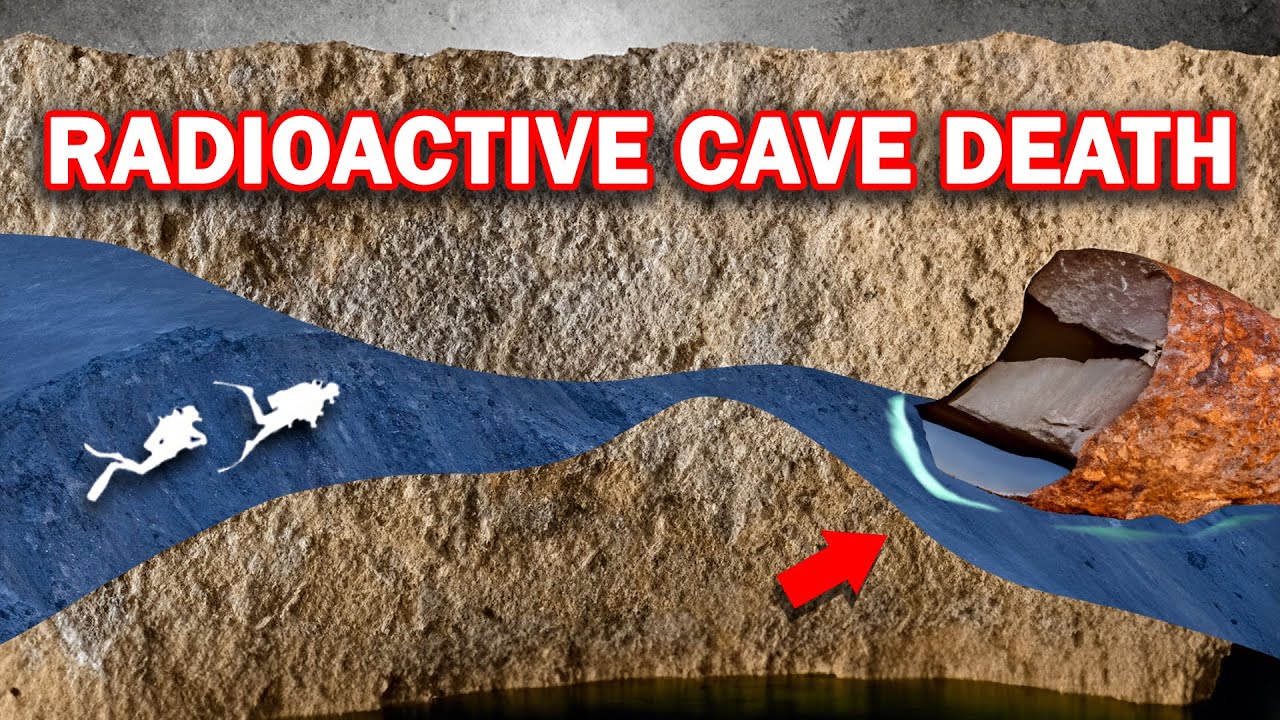
After nearly 10 years back in his home country and when he was 64 years old, Alfonso uncovered his new particular passion when he and another diver discovered the Hinatuan Enchanted River Underground Cave. While this had always been a popular local swimming hole, it was what was discovered beneath the surface by Alfonso and the other diver that draws divers from all over the world today. The Hinatuan Cave is entered by diving straight down from the topside pool.
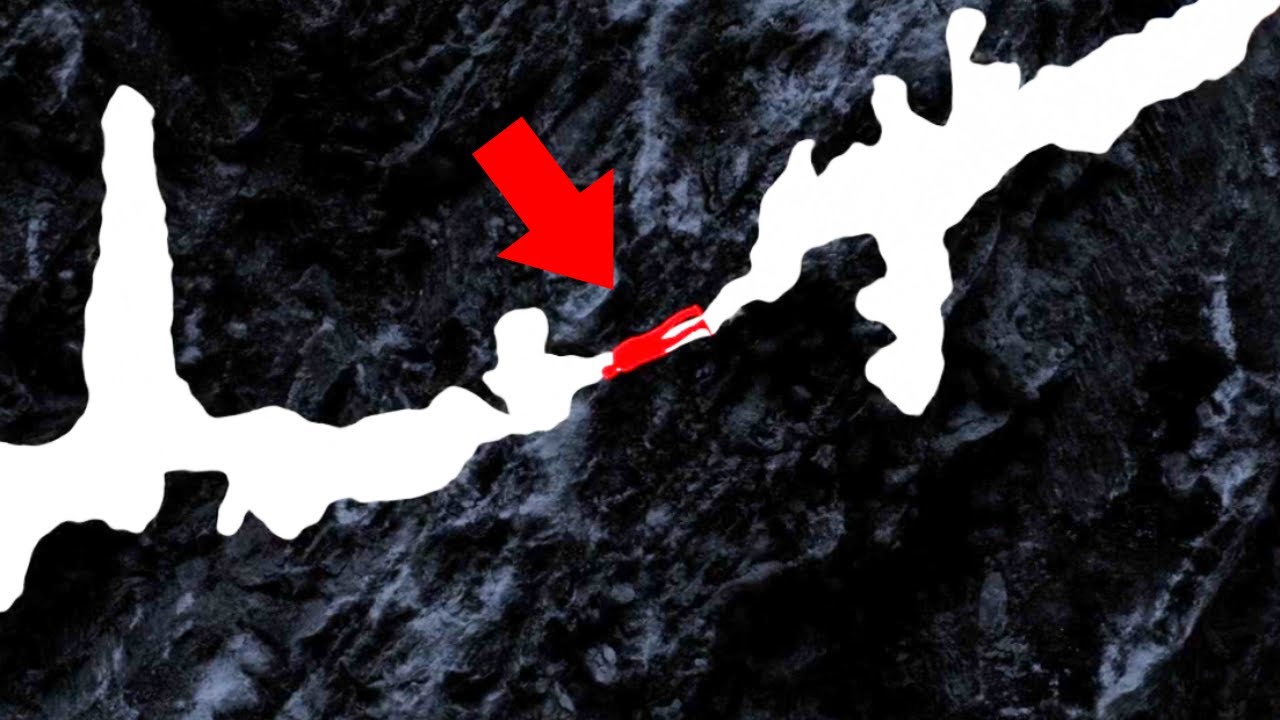
Then, once out the mouth of the cave, the entrance is so tight that only one diver can go through at a time. But on the other side of the claustrophobic entryway, divers enter a massive, expansive chamber known as the Mayor's Chamber. This room is said to be at least the size of two basketball courts.
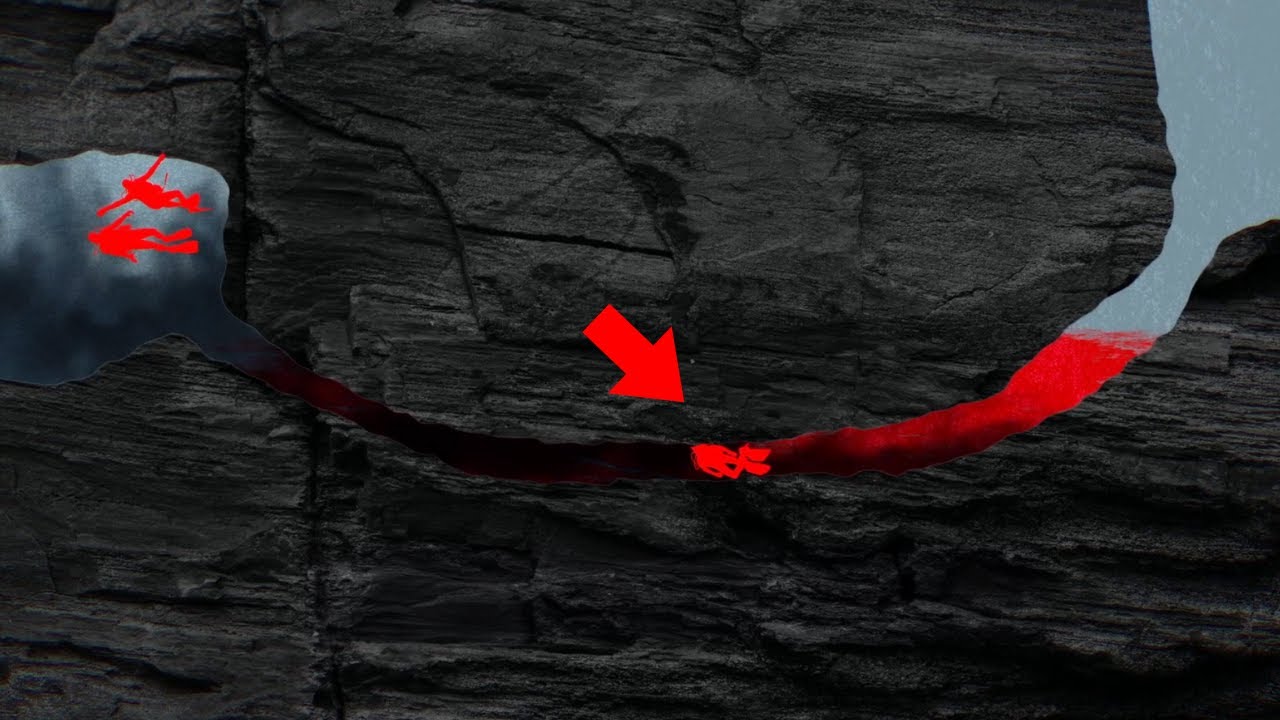
The chamber floor sits at a depth of 171 feet, or 52 meters, and on the far side of the massive room is another tight tunnel that leads diagonally down to a further 285 feet, or 87 meters, before starting to rise again. Where it goes after that is unknown because the area is unmapped and unexplored, but it might go much further. Beyond its size and clarity, though, one of the hallmarks of this cave system is the current that often rips through the entirety of the cave.
The extremely narrow passage that leads to the 285-foot mark is a current that's not unlike the suction of a powerful vacuum cleaner. This makes getting into the cave easy, but getting out is a completely different story if conditions are just right during the dive. On June 17th, 2014, a Filipino broadcast channel was readying to shoot footage in the Hinatuan Cave for an upcoming segment on its show.
Since camera operators aren't often certified cave divers, the channel asked the Filipino Cave Divers group to assist with the shoot, and Alfonso was eager to volunteer his time for it. The plan was for the cameraman to enter the cave the next day, but Alfonso and two other divers from the group were at the Hinatuan Cave on June 17th to stage extra tanks inside and get together a general plan for the following day's dive. Alfonso, who was 68 years old at the time, was excited that day and proud that the cave he discovered was about to be featured on such a popular show.
But maybe more than that, his excitement also stemmed from the opportunity to dive his favorite cave again. Since he discovered it in 2010, this would only be his 8th dive at Hinatuan. So the three divers, with stage tanks in tow, entered the cave, and all of them took note of just how strong the current was flowing that day.
They then entered the Mayor's Chamber and began the task of placing extra tanks in strategic places, both inside the chamber and beyond, into the narrow downward tunnel on the far side. Then when they were done, they turned around and headed back the way they came to exit the cave. Immediately, though, they became aware again of just how strong the current was that day.
It took a lot of strength to swim against it, and while this was usually the case at Hinatuan, it just seemed to require much more effort than normal. As a result, the effort required much more air, too. The two younger divers with Alfonso were able to make progress toward the exit, but the suction from the sump behind him was quickly getting to be too much for the 68-year-old to fight against.
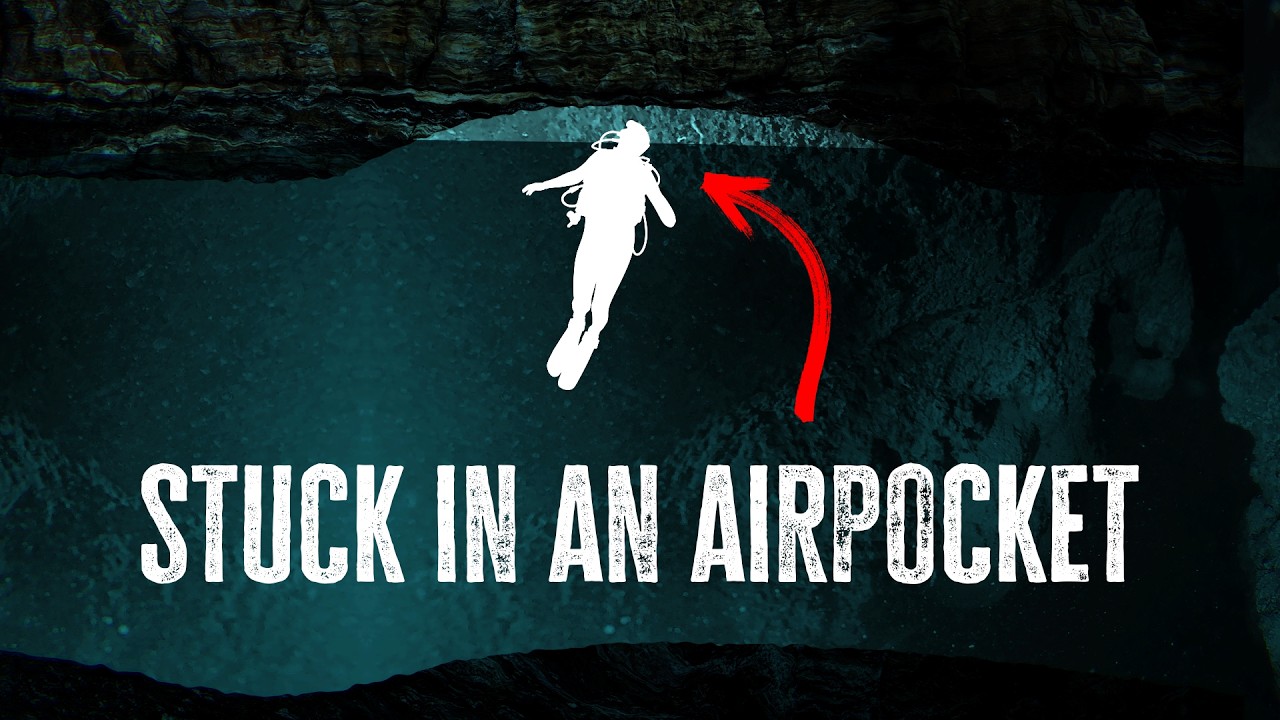
As the three continued to struggle toward the way out, the two younger divers eventually made it to the exit and waited at the surface of the entry pool for Alfonso, but he never arrived. The details of what exactly happened to Alfonso are a closely guarded secret by the two divers that were with him that day, but they did alert authorities who eventually arrived at the cave to begin searching for him. Considering that there were no known air pockets inside the cave as time ticked by, the effort to find him became more of a recovery than a rescue mission.
And tragically, 8 hours after emergency services were called, Alfonso's body was found wedged in the tight entry tunnel at a depth of 131 feet, or 40 meters. It seems he had run out of air in his fight to exit the cave. Alfonso left behind three children and a wife, and is fondly remembered by all who knew him as a selfless medical professional and a courageous explorer.
In Western Ireland lies the small town of Gort, which is surrounded by the picturesque Irish countryside dotted with farmland. Then to the direct north of Gort is John Nolan's farm, and on his property is the entrance to a cave that was once used as the community's water well. Known as Pollonora Cave, it's one of several systems in what's known as the Gort Lowlands, which is an area prone to flooding.
This is actually why it's been such a good water source for the town. Even when droughts would plague everywhere else in the country, the lowlands would be brimming with fresh water. Today, the unassuming entrance to Pollonora Cave has several manmade steps and is located underneath a large birch tree.
Inside, however, as with many caves, is a twisting, turning labyrinth of tunnels, shafts, and sinkholes, totaling an unknown number of miles. One cave diver, however, was committed to finding out the mysteries of Pollonora Cave. When Artur Kozlowski moved to Ireland from Poland in 2006, he had only just discovered diving as a hobby.
When he arrived in Ireland, however, he took a keen interest in learning cave diving, and for good reason. His new home was surrounded by hundreds of caves. Like, for example, in County Galway alone where Pollonora Cave is located, there are 66 known caves, but just to the southwest, County Clare has a further 259 of them, accounting for 38 percent of Ireland's total known caves.
Suffice it to say, cave divers in the area have plenty of options to choose from, but Artur just had an affinity for Pollonora and the other caves of the Gort Lowlands. He was apparently such a fixture that the landowner, John, pretty much considered him part of the family. And despite his relocation, Artur quickly became the most notable cave diver Poland had ever produced.
And once he got the necessary training and certification, he began to set records, discover long-held secrets of Ireland's caves, and be the first to accomplish what others wouldn't dare attempt. In fact, the personal motto he lived by was, "Go where others turn back. " In 2007, just months after he completed his training, he did just that by being the first diver to complete a traverse from a cave known as Hell's Kitchen to another named Robertson's Cave.
Then a year later, he took on Ireland's deepest known cave and set a record there for the deepest cave dive at 338 feet, or 103 meters—but it wasn't the records that kept him passionate about cave diving. Instead, Artur lived for finding new passages, particularly connections between systems. In 2009 and 2010, Artur discovered connections that doubled the total length of one cave to 9 kilometers and extended another one up to 11.
5 kilometers. And he was particularly prolific in and around Gort, where he spent at least 200 hours in the area's underwater caves. To put this into perspective, according to Artur's cave diving instructor, the types of challenges he'd take on were akin to climbing Mount Everest or being the first to reach the South Pole.
And as with many people who engage in these types of activities, he had to up the ante. The one he was taking on at Pollonora Cave on September 5th, 2011, was so extensive that he'd been planning and looking forward to it for three years. During his journeys inside the cave thus far, Artur had located a new shaft that he was eager to explore, but it was a long dive that required all sorts of extra preparation.
At 3 o'clock that afternoon, he slipped into the waters of Pollonora Cave and disappeared with one support diver as a small team remained at the cave entrance. On the way toward the shaft, Artur placed bottles of gas mixes that would help him with decompression on the way out. The dive plan from there was for the support diver, who had much less experience than Artur, to assist in placing the gas tanks before he'd return to the surface.
Then for the rest of the dive, Artur would perform it on his own. Finally, when the tanks were set, Artur and a support diver parted in opposite directions. Per his diving plan, Artur was expected back at the surface around 7 PM, but he had more than enough gas to last him until around 9:30 in case of an unexpected delay or emergency.
So when 7 o'clock arrived and Artur still hadn't shown up, no one at the surface was concerned. He left them instructions to only raise the alarm if he wasn't back by 9 o'clock. As time ticked by, however, the support team's anxiety rose.
8 o'clock came without any sign of Artur, then 8:30, then 8:45. And as it approached 9 PM, two of the support team members quickly geared up and entered the water while another called for help. Within moments of the call, the Irish Cave Rescue Organization, or ICRO, started mobilizing and making their way to John's farm.
Meanwhile, the two sport divers were making their own way deeper into Pollonora Cave by following the guide rope Artur had attached to the cave entry, but there was still no sign of him. The hope among ICRO initially and the support team was that Artur had located one of the cave's air pockets, but no one could be sure unless they located him. A second attempt to follow the line to reach him was then made by ICRO divers, but once again, they had to turn back.
This meant that the rescue effort appeared that it was going to require a team of specialists. But the problem was they'd have to be flown in from other parts of the world. And the more time ticked by, the lower the chances of finding him alive.
But unfortunately, without any other options, while waiting for the specialists to arrive, a third attempt to reach the end of the line was underway. This time, however, Artur was successfully located. He was found more than half a mile, or 850 meters, from the cave entry at a depth of 171 feet, or 52 meters, below the surface.
This was the furthest anyone had ever been inside Pollonora Cave. Almost 24 hours after he failed to return from his exploratory dive, his body made it to the surface. Unfortunately, it's not entirely clear what happened on his dive that day, and since he was alone, what truly happened that led to Artur's demise, is anyone's guess.
Father Joseph Sakowski was born in 1908 in a small village in Poland, and from an early age, he carried a quiet determination that would shape his life and lead him down a path of faith and sacrifice. He was ordained as a priest in June 1935, and his ministry immediately took him to the capital of Warsaw, where the shadow of a coming war began to loom. After the Invasion of Poland began in September of 1939 with a bombing campaign, Father Joseph rebuilt his church and provided solace and structure to the shaken faithful of his congregation.
Through the chaos that surrounded him, though, Father Joseph was a symbol of calm and compassion, smuggling food past guards, arranging daring escapes, and gathering funds to bribe captors. His network of resistance offered a lifeline to those who had all but lost hope. And for his admirable work, Joseph became both a savior and a target, but he remained undeterred even as the war warmed down.
After World War II ended, Father Joseph sought to recharge his weary batteries in the Tatra Mountains, which offered beauty, quiet, and seclusion far from the chaos of the previous five years. By July of 1945, he arrived in Zakopane, which is a picturesque town at the foothills of the mountains where his sister lived. And for weeks afterward, he spoke of exploring the trails that threaded through the valleys and cliffs, eager to sort of lose himself in their vastness and maybe find the peace that had eluded him.
So on the morning of July 25th, Father Joseph laced up his hiking boots and set out with a guidebook tucked into his backpack. He promised his sister that he would be back in time for dinner, probably around 4 o'clock that afternoon, and began his journey of solitude. The hours eventually slipped by, and the sun dipped behind the mountains, casting long shadows across the valleys.
But then, without so much as a sighting in the distance, 4 o'clock came and went, with no sign of the priest. Hours then went by without word, that stretched into days, but for unknown reasons, the Tatra Volunteer Search and Rescue Service, or TLPR, wasn't notified of his disappearance until several days after Father Joseph departed. Finally, on July 30th, after receiving word of the situation, rescuers got to work scouring the valleys of Zakopane, combing the trails of peaks and climbing ridges where travelers were known to stray.
In total, eight expeditions were launched over the following weeks, but they produced nothing. Father Joseph had disappeared without a trace. It wouldn't be until January of 1947—more than a year after Father Joseph vanished—that the mystery would come unraveled.
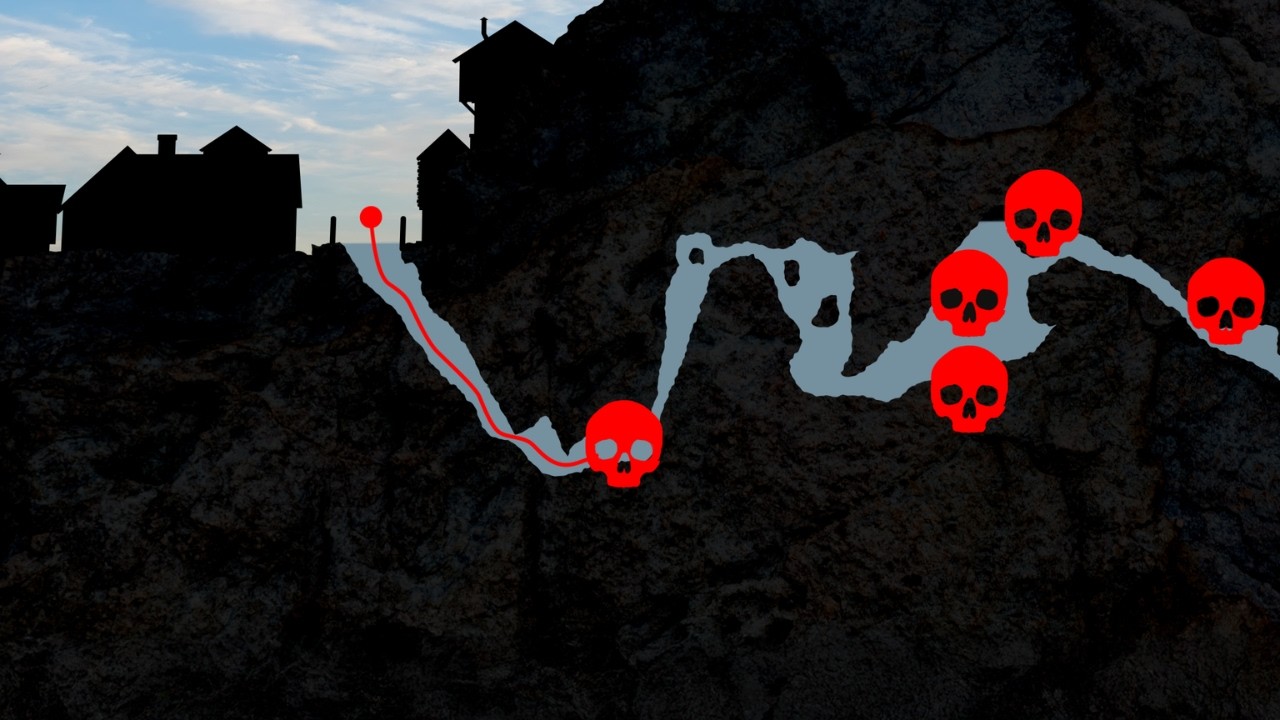
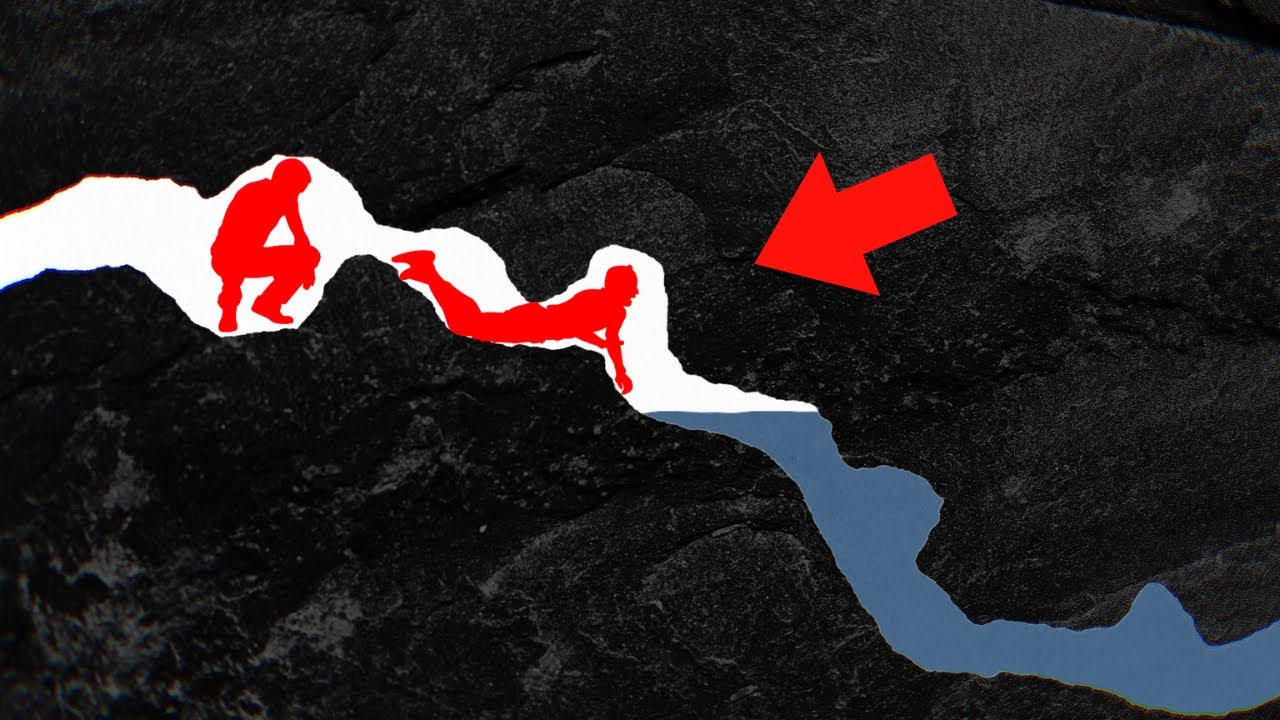
A naturalist who was navigating the remote wilderness of a valley stumbled upon human remains, deep inside the twisting passages of Mylna Cave. This horizontal network of tunnels extends just more than a mile and is a maze carved into the rock where passages shift abruptly and force explorers to stoop, crawl, and squeeze through narrow openings. For this reason, the cave is known to disorient and isolate, and it had already gained a reputation for testing even experienced cavers by the late 1940s.
Its temperature also lingers between 50 and 70 degrees Fahrenheit, or 10 to 21 Celsius. And that's on top of 100 percent humidity inside that makes the air feel heavy and clings to both skin and clothing. And as you might imagine, light also doesn't reach the depths, leaving only flickering beams of lanterns and headlamps.
The cave's reputation as treacherous is well-learned, and even today, visitors are advised to wear helmets, have multiple light sources, and bring extra clothing in preparation for its damp and claustrophobic interior. After the discovery of the remains, authorities were immediately notified, and arrived at Mylna Cave to investigate. In short order, TOPR was able to confirm that the body belonged to the missing priest.
For Father Joseph, who was unfamiliar with its intricate layout and without the proper gear, the descent into Mylna Cave's depths likely became a terrifying ordeal. He had just one light source with him, and after analyzing it, rescuers determined that it was partially broken before he entered the cave for some unknown reason. Then at some point, while inside the cave's depths, the light must have stopped working, leaving Father Joseph in a pitch-blackness that was impossible to feel his way out of.
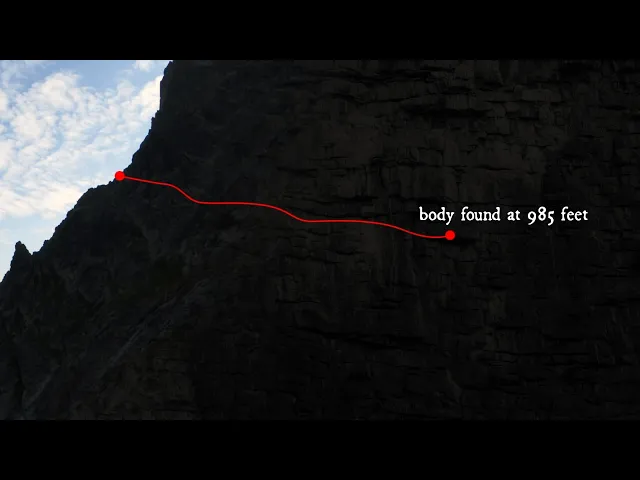
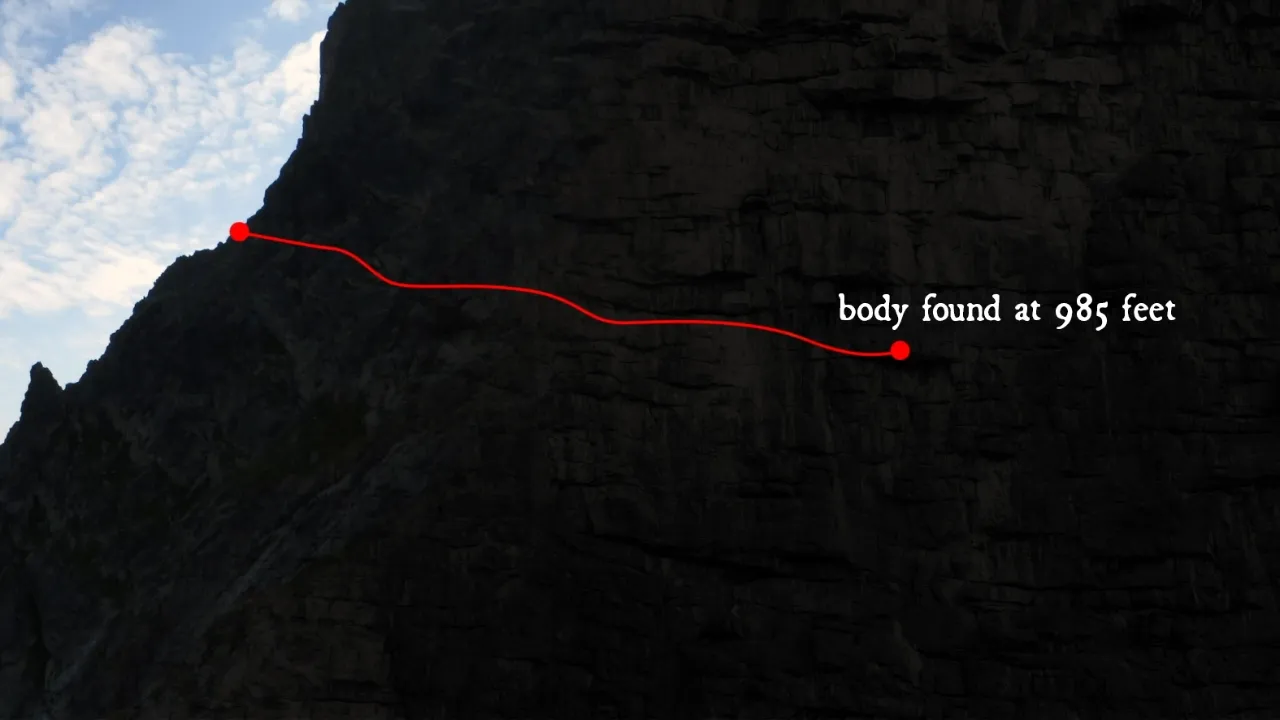
It's widely accepted that he passed away on July 31st, 1945, as that's what's denoted on his headstone. But investigators believe it's possible he was dead as early as July 26—the day after he departed from his sister's home. The naturalist who found the priest's body came across it about 985 feet, or 300 meters, from the cave entrance.
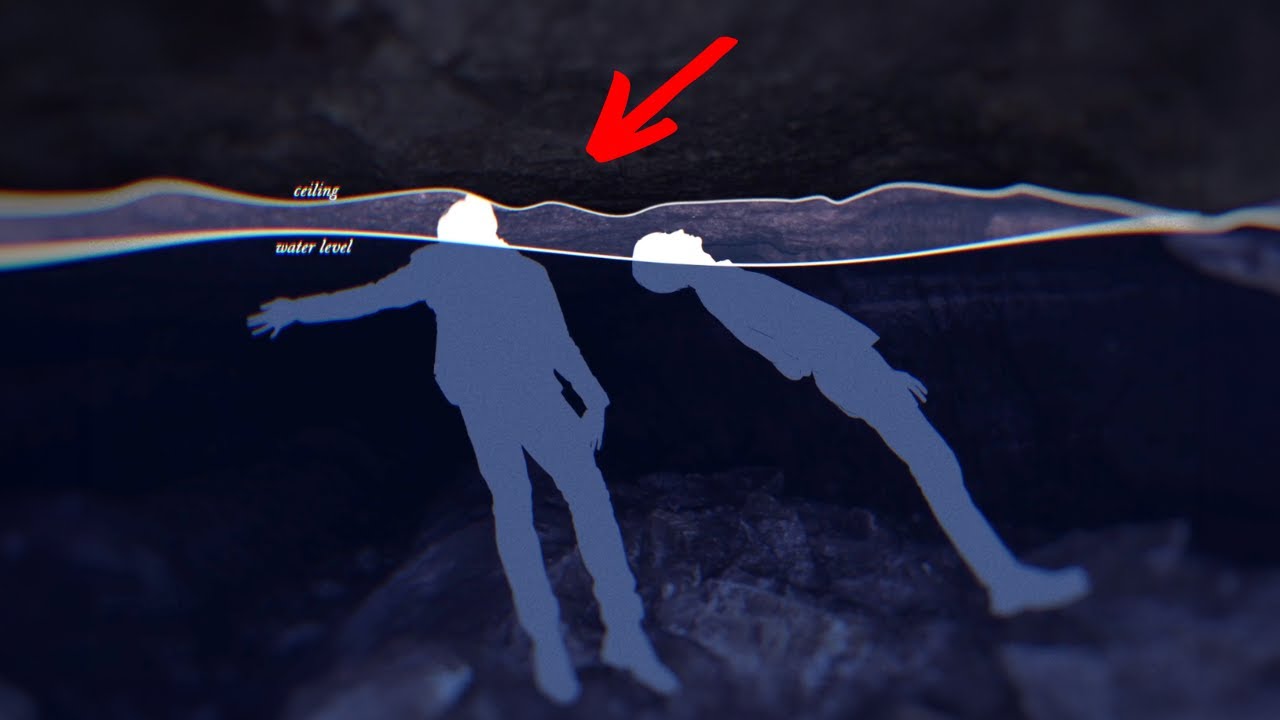
And based on this, Father Joseph would have almost certainly been forced to crawl in damp or even outright wet conditions, soaking him from head to toe. With temperatures inside the cave known to drop as low as 50 degrees Fahrenheit, or 10 Celsius, experts believed that the priest had no more than 12 to 20 hours to survive once his light went out due to hypothermia. So in the end, his remains were contorted and pressed against the jagged walls.
And by the time he was found, his clothing was little more than tatter stained with mold. His wallet, although weathered, still carried identification papers, and a guidebook was found tucked away in his bag. And to add to everything else, extracting his body was a harrowing affair as the narrow confines of the cave made removal nearly impossible.
There was simply no way to carry his body out as it was found, so rescuers were forced to dismember his remains and transport them out piece by piece. If you made it this far, thanks so much for watching. If you have a story suggestion, feel free to submit it to the form found in the description.
Also, in case you weren't already aware, if you want to listen to the audio only-version of these videos, you can listen wherever you listen to podcasts. And if you want to support the channel, consider joining the Patreon or becoming a channel member here on YouTube. Anyways, thanks again, and hopefully, I will see you in the next one.