a lot of Brands don't do a really good job of like the only thing I've realized is people love their pets more than their kids and their spouses it's crazy I think the first one is are you using upsells are you using incentive progress bars are you using Mega menus are you using card drawers are you using checkout extension hello guys Alex fov here uh welcome to e-commerce Skilling Secrets podcast and today I have an amazing guest Ben for pla uhco uh these guys offer team and app bundle to help Shopify storees optimize their profitability
man thank you for for joining me today thanks for having me awesome so if you can break down into words like what platter do um for Shopify stores yeah so platter is a theme and at bundle to help improve profitability on Shopify storefronts the business was built around two core thesis the first one is that a lot of apps in the Shopify ecosystem are features not products and so what happens when brand scales they get stuck with too many apps too many support teams bloated Tex stack slower website worse conversion and the second piece of
it is the misalignment between development agencies and Brands because development agencies get paid for their time so they're incentivized to make things complicated and expensive and so what we've done over the last two years is natively build a lot of the most popular functionality around marketing and conversion into one solution which is a theme and app bundle so we can unify your appstack and then layer in best practices around how to increase your average order value and your conversion rate so we can quantify making you money and saving you money at the same time awesome
and so um you mentioned the like most businesses let's say you know like business wants to build like a new website they find a development agency and the incentives as you mentioned are not necessarily aligned when they're trying to build a website so can you elaborate on that yeah because if an agency is getting paid for their time they're incentivized to make the scope bigger than maybe it needs to be they might give you a custom store where you're required to have to go back to them every single time you want to change something and
you're essentially beholden to the AG if you're not technical yourself whereas the way that we think about this is we want to optimize for cost effective and efficiency because we want to build a big product that has the economy is a scale to allow many Brands to use it without having to pay the same amount of money it would require to build it from scratch on your own so in a way like we want to empower Brands to not have to get stuck using development agencies that are charging them you know well into the six
figures to build a site over the course of 9 months if we can give you something that we can do in less than 60 days without compromising quality oh wow it can cost like 100 GS to build a website we've had some Brands come to us with competing quotes that were like into the six figures and like I don't understand I don't think any website should cost this much money and we'll do it for them and you know a fifth of the cost or less and they're like wait really and I was like yeah don't
listen everything you hear oh wow how how this idea came to mind so I spent a year before starting this company uh at a company called gopuff and I was working on a business unit with e-commerce Brands and when I talked to so many Brands I realized that there was no consistency in terms of how they were building and managing their storefronts it was essentially just one brand owner going to the guy next to them being like hey how' you build your site like can you introduce me to that guy and it wasn't like there
wasn't a gold standard for how it was done which is why we found so much inconsistency in terms of what brands were doing it was like I found a freelancer who I paid 20 bucks an hour who built me an amazing website but then I have someone who paid $100,000 to an agency that built them a horrible website so there was just no there was no consistency we like can we build the gold standard in terms of what you should do to build a high converting e-commerce website wow and so let's say you know obviously
like you have a solution is it customizable for let's say if brand has their own like colors kind of design fonts and stuff like that fully customizable so the idea is that we want to just give you the guard rails and the framework and terms of like the features that you have access to to build your store but I can show you five different stores on platter and you would never know that they're all built on our product because it's bespoken Unique to your brand oh wow the Shopify offer like so what does Shopify like
where does it break in terms of kind of like what they offer versus you know cuz there's obviously some standard teams like you can go and find debut team like there's free teams there's also some paid teams that you can get right so um where do they think it could be like from Shopify perspective uh could be offered as as additional product or as additional kind of uh service yeah so the way that Shopify is set up is they have their theme Marketplace and their app Marketplace and what happens is you'll buy a theme you'll
add a bunch of customization or build it as far as you can and then you'll go to the App Store and you'll download all the apps to supplement the functionality that you couldn't accomplish on the theme so you either go get a bunch of apps or you go to a developer to custom build all the things that it doesn't have what we were saying is can we build as much functionality as possible into one theme and one app and get you 80% of the way there without having to do any of the customization work or
without having to add other apps so that we can get you further cheaper and faster right so there's nothing wrong with the way that shifi is operating we like all the brands we work with they still use other apps but if we can give you a storefront with a couple less apps we can save you a couple dollars and give you a few recommendations on new features to be using to make you a couple dollars and thus make you more profitable you're probably happy with us so after like seeing you probably seen like hundreds of
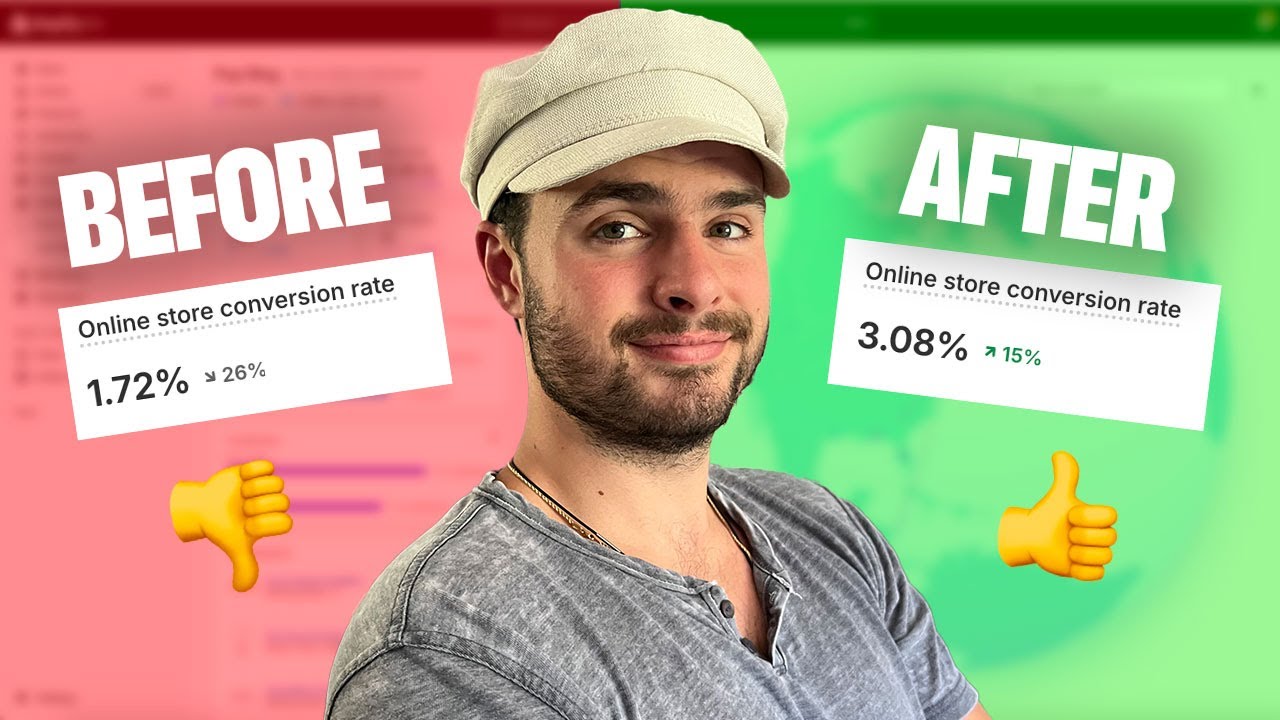
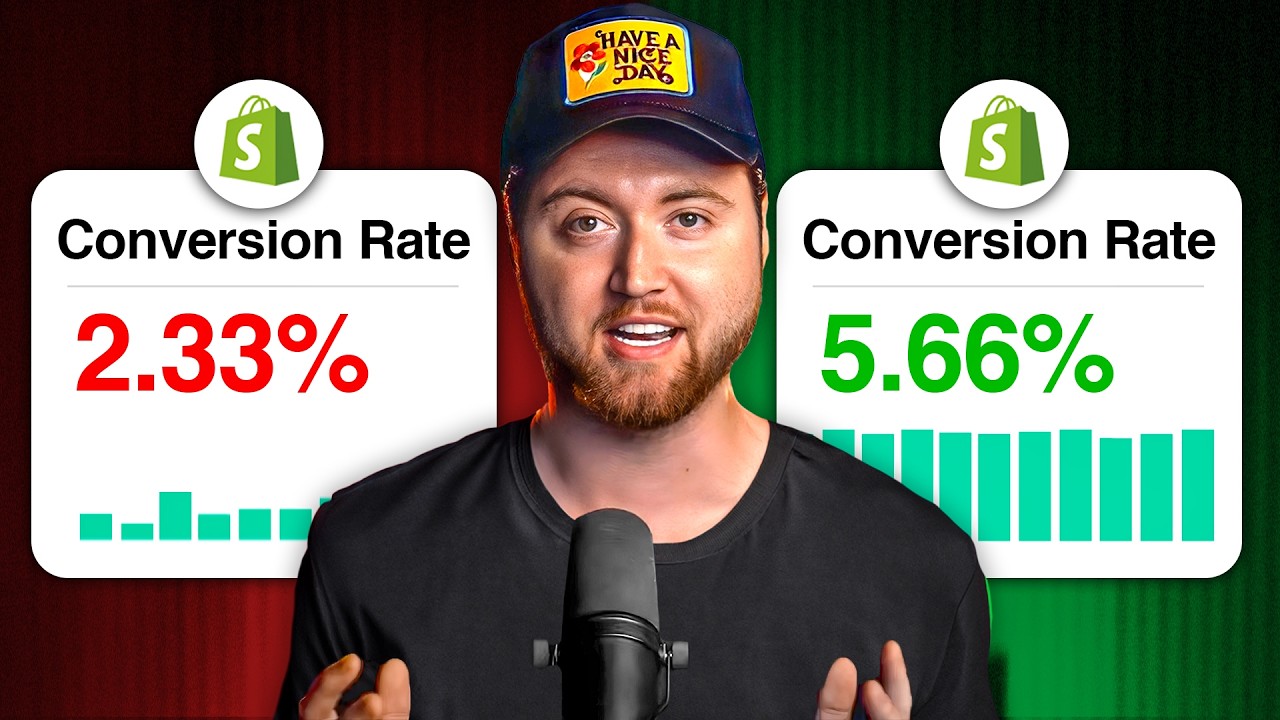
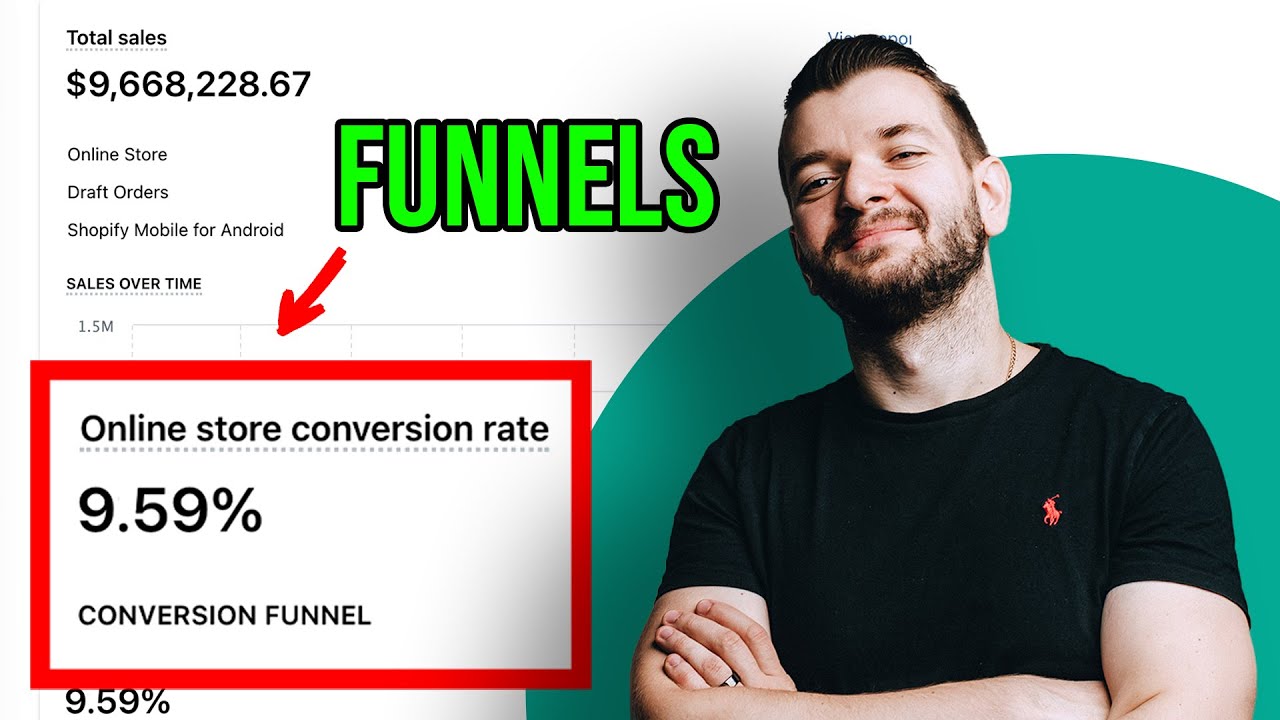
different websites clients come to you what are the biggest mistakes you see people are making when it comes to their conversion rate optimization it's a great question it's a loaded question I think it's uh often times it's contextual to the type of brand that you have but I think ultimately like the first thing first and foremost is don't make it harder than it needs to be for someone to buy a products right like adding friction to the conversion funnel if people strugg or don't understand how to get through the website or how to purchase something
they're just not going to if you make it harder than it needs to be to make a purchase then people just aren't going to purchase so the first thing that we always talk about is optimizing your conversion funnel that starts with everything from the menu so we always recommend using a mega menu where you can use visual assets to illustrate to people like the different categories or SKS you have humans are lazy they don't like to read a lot of words so we always say if you can make it very visually easy for them to
follow through the page from the menu to the product page to the cart and reduce the number of clicks required to make a purchase then you're going to be happy with your conversion right interesting and so and in terms of the like loading time you mentioned like the amount of apps like how does it let's say you know you have an app right uh one thing that I've heard is that if you have an app and then you remove it there's still parts of the code and stuff that's remaining on the website that will still
slowing your website down even after you remove the app is that accurate that is 100% accurate oh wow so what do you have to do so there's essentially what happens when you do that is you have a lot of unused JavaScript where like you add an app all the code is there you remove the app but all the code stays there and so what's really important from an architectural perspective is number one you're either scrubbing your code to get rid of unused uh JavaScript in that case removing an app or what really happens is you'll
work with too many Freelancers or developers in the same codebase you'll downlo download and delete too many apps and then it gets to a point where it's so hard to manage and that's when it makes sense to like Port over to a clean infrastructure like platter to get rid of all that unused code so You' have to like you're built your wet from scratch pretty much yeah it's see you I mean you have a couple options you can either pay someone to go in there and like remove the code but again you're going down that
rabbit hole of paying agencies paying Freelancers or you build a new storefront to eliminate all that unused code but like when people are obsessing over page speed for example the easiest way to slow down your website is to have a bunch of apps downloaded and a bunch of scripts loading in the background that aren't actually doing anything cuz it's maybe from an app that you deleted two months ago but a lot of store owners don't even realize that the app code stays I know there are certain apps right now where you have uh like even
like video kind of like EMB batted on the page like or Tik toks kind of like dynamically moving and it looks cool right like have you seen that like slowing down the website as well uh it's actually all about the load so we have a video feature in our product a shoppable video feature and a lot of it has to do with how you're loading information on the page so it's not only what features or what apps you're using but it's also like what is the sequence of events in terms of how those are actually
loading because for example if you have a new page where there's a bunch of videos or images and they're reloading every time you click versus like lazy loading as an example where like they load in the background before the page it will drastically affect how slow the page is or how slow the website is so one of the the other challenges is when you're using a lot of Point Solutions on a website versus one cohesive solution every vendor thinks things should be done differently and so if you're just piece mealing together a bunch of different
apps it usually leads to a very Troublesome website what are the benchmarks would you say like in terms of the loading speed like what are the kind of if you look at the website you evaluate it how do you know if it's like slow like fast enough like what are the to be honest with you I actually personally believe that most of the people who are spending their time obsessing over page speed are spending their time on the wrong things uh I see a lot of people who will come to us and be like hey
can you help us fix your page speed and I'll look at their website and I'll be like the page speed is not the issue like you have a lot of mishaps in your conversion funnel in terms of how you're guiding customers through the website I think that way too many people obsess over page speed that should be focused more on like the fundamentals of the website interesting so like a great example for you is is if a brand is using a new page load for the checkout instead of a card drawer MH so one of
the things we tell all of our Brands is if you can red every click that you can reduce from the conversion funnel so reducing the amount of clicks it takes from landing on the website to buying a product with a large enough data set you're going to see an increase in conversion rate but it's like I have a brand who's like my website's slow what do I do and I look at them and I say you require a customer to go through eight clicks to make a purchase like it doesn't doesn't matter how fast your
website is you need to fix the fundamentals of the website I think I think page speed is very nuanced like it's a very very Niche thing that not as many brands should be focused on but for whatever reason it became this like big buzzword term in e-commerce where like if your page isn't fast enough it's not going to convert well and I think it's over it's over talked about relative to who should be spending time on that so you would recommend for for business owners uh Shopify entrepreneurs to focus on like usability how easy it
is to to use a website how easy it is to find the product that they're looking for how easy it is to complete the purchase more than anything else yeah give your website to a six-year-old and a 90-year-old and see if they can figure out how to navigate through the website and if not it probably gives you some information about what to change and in terms of the conversion rate I know it also kind of could be like very different for different kind of products are there any specific like benchmarks that let's say you know
if the product costs like um under $50 right the main product or main skew what are the conversion rates you would expect let's say or compare that to $100 uh you know kind product or a of yeah it's a great question I think there's a couple components to it the first one is understanding the category the second one is understanding the skew count and then as you mentioned the third one is price point one of the other things to note is a lot of Brands don't realize how many factors affect their conversion rate outside of
just the SKS so like is your product seasonal how big is your ad spend how good is the quality of the content on your website so like I can give you Benchmark numbers that we're looking at but I actually think the real challenge is when Brands don't realize all the factors that directly affect their conversion rate it's not just page speed right so like we've had brands that have gone we have Brands doing anywhere from like 2 to 8% in their conversion rate that are in the same categories but like if I show you their
website and I sit down with you You' be like oh like the assets are way better here this website is way more social proof this website is not as seasonal it's all year round like they don't have a crazy discount strategy that is like affecting consumer Behavior like there's just so many different uh things to think about for conversion so my advice would be to any brand owner listening like don't think if you don't have a certain number that you're failing it's like actually try to dissect all the elements of your store that can be
affected or that can affect conversion rate figure out where to improve so when you look at cuz I I've got I've got that you know in my own experience you know after seeing like many different businesses like you can look into the business and like was in I don't know 15 30 minutes you can pretty much kind of like identify the main gaps in the business like do they have the same with um you know kind of like with your expertise like you look at the website and you can quickly identify the the gaps that
they have and how they can improve I would say now it's a matter of minutes like I I also can't look at a website anymore without like putting on my my brain of like what could be better it's like the only way that I can think about it now when I look at websites but we I mean I've looked at thousands at this point so yeah I would say it's very easy now to look at a website and like understand where they're potentially having pitfalls some are way more glaring than others some you know a
little bit more Nuance but I would say like largely there's a lot of like very common mistakes that stick out to me uh on a lot of websites and uh you mentioned the friction and uh kind of like adding that unnecessary friction that you know some some we sites um have what are the um kind of obviously the best practices for like eliminating friction yeah I would say one really big one is in a lot of ways it's important to cater to your high- in 10 Shoppers so something that I what I mean by that
is there's a lot of Brands where if you have a couple of your hero products that are like your best sellers make those purchasable from the homepage oh interesting like don't force a customer to land on the homepage see a collection click into the collection see the product click to the product page just to purchase it's like if you have a couple SKS that everyone buys like let them purchase those faster so that's one loow hanging fruit example another one is social proof right like if a customer lands on a page about a product and
they're not sure they want to buy it like why does it not have reviews do you not have answers to the commonly ass questions are there not video assets proving that like other people actually use the product I think that social proof is one of the most underrated levers for conversion rate that not enough brands are leaning into because you have to put yourself in the shoes of the buyer if I'm interested in a product and I land on that product page I probably have a few questions I want to answer I probably want to
see if other people use this very few people want to be that guinea pig that like lands on a page and there's nothing about a product and you're like I don't really know if this is safe or not so you click away because you want to have that reassurance that other people are using it also yeah and um like do you integrate social proof you like on a homepage like do you integrate it everywhere everywhere wow we have uh I mean the shoppable video functionality that can be on every page uh the reasons to love
section reviews social proof is like one of the biggest tenants of our product I would say it's a couple things one is social proof and then the other one is gamification and consumer Behavior so a lot of the functionality and recommendations we make are around like how do you psychologically make someone feel like they're accomplishing something or like earning something right so for example using an incentive progress bar it's like buy three get 10% off you can put progress bars on the homepage and the product page in the cart so at every step in the
journey they always feel like well if I just buy one more product and I unlock something and all that does is increase your average order value as a brand oh wow that that's that's a great tactic and so that's possible to to implement using your your platform yeah we we have like over 40 categories of functionality a a lot of it is around upsells cross cells gamification social proof so like bundle builders upsells in the cart uh incentive bars in the cart checkout extensions shopable videos sticky ctas Mega menus I mean the list is pretty
extensive at this point uh checkout extensions so is that only for Shopify plus sh yeah checkout extensions is only for Shopify plus right now uh that might change in the future depending on what Shopify decides to do but for for right now it is just for plus Brands and and what are what are the things that that they're possible to do with those checkout extensions uh I mean you have so much Freedom now you can add upsells you can add incentive bars testimonials alert banners uh on the checkl page yeah oh wow uh route protection
we have 11 extensions right now and that number will continue to grow but there's they've been a they've basically made it now where the checkout page is like its own shopping experience so it's like wait before you leave like let's take you through one more experience but I mean some of the numbers we've seen in terms of of uh aov impact on putting upsells at checkout and then conversion as well because of social proof because you can put testimonials you can put alert banners like I think another fun example one of our Brands uses is
um an alert Banner that basically says like this order you only have like 15 minutes to make this purchase or like we might run out of stock that's another like psychological consumer Behavior thing where you make you create a level of urgency to drive purchase interesting and so um what are some of the things that that can increase someone someone's like AO like tomorrow like someone watching this so it I would say that uh I'll speak specifically to brands that have uh medium-sized skew counts and mediumsized price points so brands that have anywhere from like
10 to 100 SKS and price points anywhere from like 20 to $100 um because very high ticket items are a lot harder to increase aov because you can't get someone to like impulsively purchase a $1,000 item in the cart but in terms of something you can do tomorrow putting upsells on the main frame of the product page so like right below the add to card or buy now button on a product page putting like complimentary upsell products not as a separate section on the product page like right in the main frame uh another thing you
can do is a bundle Builder so a tiered incentive gamified bundle Builder where you basically explain to the consumer that if you add a certain number of products to the car you'll unlock new thresholds so it's like buy three get 10% off buy four get a free item whatever it might be another one is is in the cart drawer adding upsells in the cart and an incentive bar so same thing trying trying to incentivize people to buy more a really important note there though is make sure if you're adding upsells in the cart that you
don't send the consumer backwards in the conversion funnel so it needs to be like an add Now button that will have like a popup modal instead of clicking an add to cart so if you have an upsell on the cart and click add to cart or click on that product a lot of Brands will send you back to that product page to add it to to your cart instead of letting you do it directly in the cart that's a conversion tactic but it's important one to call out and then the last thing for aov is
checkout extensions so you can put more upsells on the checkout page so now it's like you have upsells on the product page you have upsells in the card drawer and you have upsells in the checkout page like the odds of you being able to increase your aov are pretty high interesting we also tou you know before before we started recording like on some of the like categories of of products and some of the niches that you see kind of like growing and uh like what are the biggest like opportunities to see like in e-commerce right
now in terms of the like new niches or new markets I think supplements and more specifically the pet health and pet supplements space is crazy like I looking at the data of some of the brands that we work with like the only thing I've realized is people love their pets more than their kids and their spouses it's crazy the subscription retention Revenue numbers on uh Pet Health supplements brands are absolutely mindblowing and I was thinking about it and I realized that if you can get a consumer to buy a product for their pet and they
give it to the pet the first time and the pet likes it what is the scenario where you stop giving that pet the product like your dog isn't coming to you and saying hey I don't like this anymore please stop feeding me this multivitamin it's like the pet either dies or maybe you financially like can't afford it anymore but those are like two very outlier situations and so for that reason the retention numbers that I've seen in pet supplements are crazy interesting and so one of the things you mentioned uh is let's say if you
have like main skilles that uh you know you know people are buying like most of all like on on the website that putting those skills right on the homepage have you seen that like working for for Brands like where where people can just actually shop from the from the homepage yeah I would say it's it's very popular it's very popular for brands that have like very clear hero products so if you're a brand that has called 50 SKS but like you know your three to five bestselling SKS making those shable on the homepage we see
very strong metrics from that behavior because odds are if you're running a lot of paid traffic and have organic content and you have very clear bestselling products a lot of people are visiting your site for those uhhuh and they're already pre-sold on the product exactly like that's probably the thing that brought them to the website so it goes back to what I said before which is like make it as easy as possible for them to purchase wow which is why making it transactable from the homepage is a very good way to do so wow interesting
what are the major sinks like on the category page kind of in terms of the improvements that people can Implement if they have let's say you know hundreds of so the first one is filtering functionality a lot of Brands don't do a really good job of of having filter functionality um I think that is the first one it's like let someone figure out where they want to go and let them get there as fast as they can and then I think another thing as well is thinking about how to maximize the white space on the
page so I'm not a huge proponent of just like an endless scroll because when you think about it it takes someone a really long time to get to the bottom of the page so something we'll actually have in certain instances is a horizontal scroll so for accessibility reasons a horizontal scroll you don't have to keep scrolling down the page so it's all in one spot like by being able to consolidate and condense information horizontally instead of vertically requires less time to get to where you want to go so how how would that look like like
you you just click this side you do you ever see like those the scroll bars uh where you can have like an arrow there or it can have like a a brag bar under it um and then the other thing as well is having a second image un hover so like when you you have like a collection page with a product then you hover over the you hover over the image and it will change uhhuh so you have an opportunity to put two images on one product instead of one right so it's it's unused real
state that a lot of Brands aren't using it can be additional social proof so if you're in beauty or supplements you can have a picture of like a Creator using the product and then if you hover over it maybe you show like the nutrition label so people can like see what's actually in the product oh wow so it's like allowing you to gain more information before you have to click to the page what are the websites that like when you're looking at those you're like wow this is kind of you know very well down from
the conversion optimization standpoint that you would like look as a inspiration or as a model uh I mean right now I selfishly feel like I spend most time looking at the brands we're working with um but a couple of the ones that we just released that I love one that I really like is neurogum uhhuh uh have you heard of neurogum you you had one yeah there's there's a pack right there I tried it yesterday I love it uh their their website is one of my favorites that's your work yeah yeah I'm I'm biased but
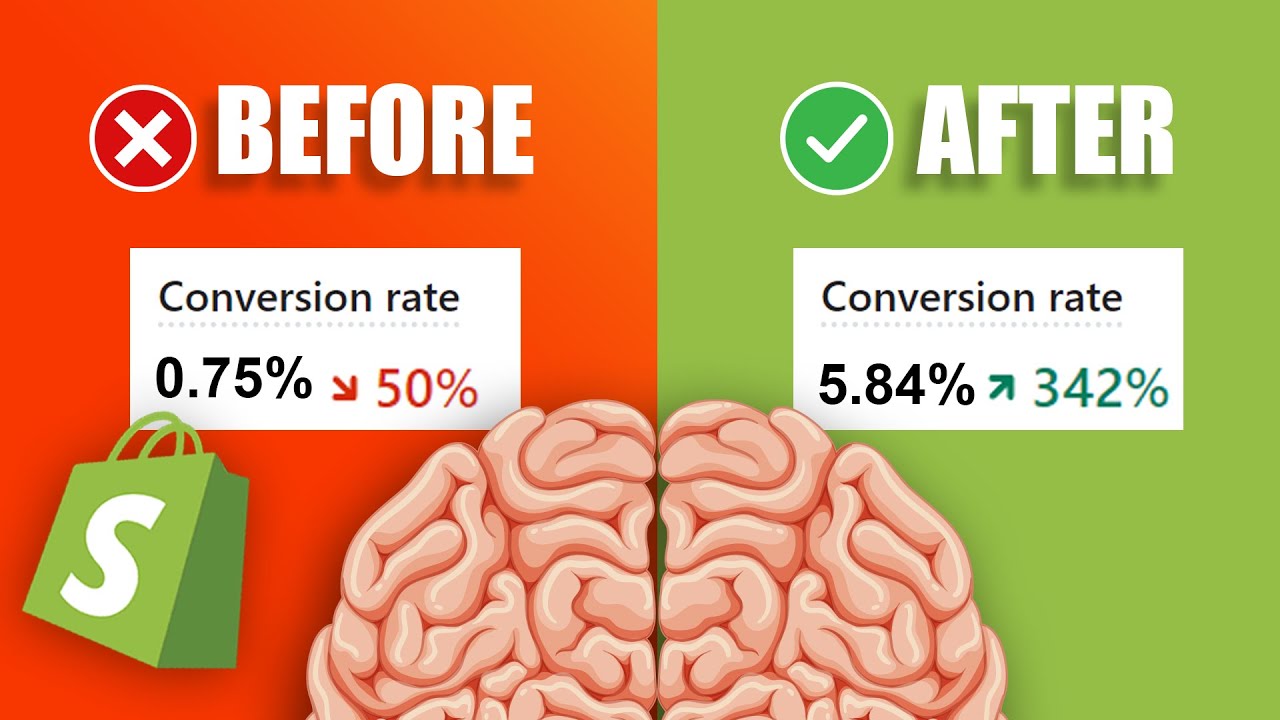
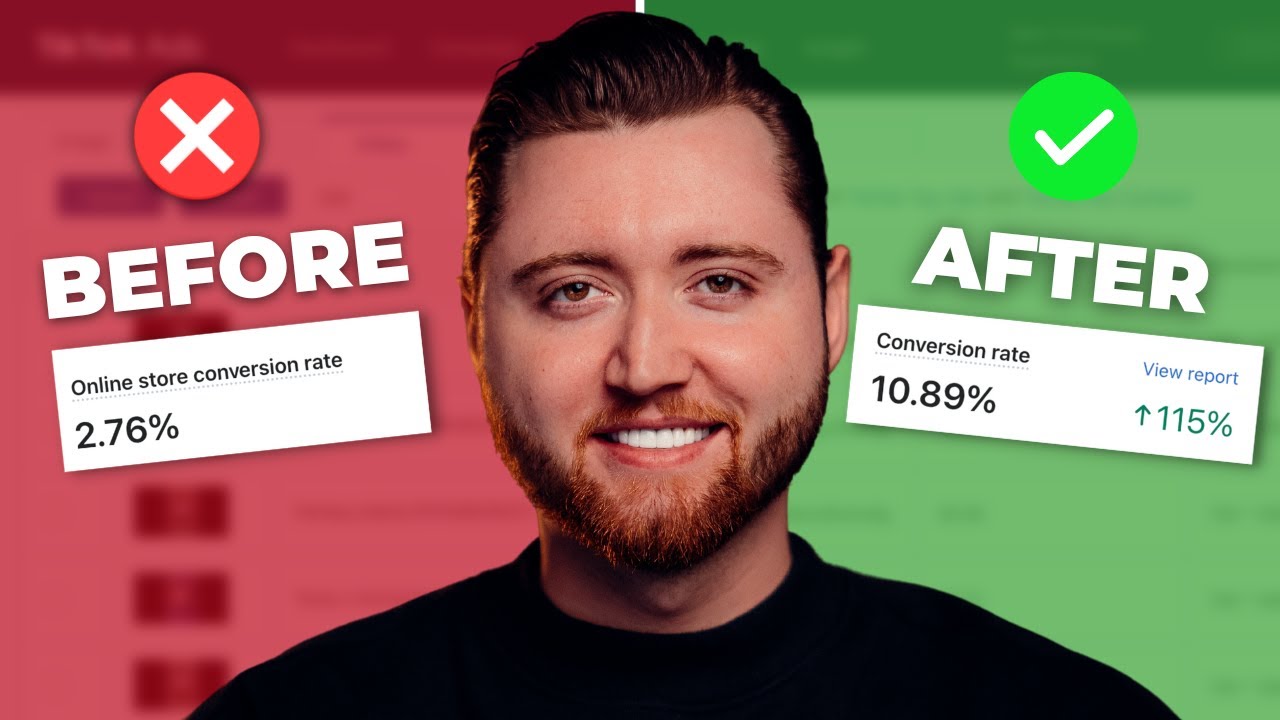
I I love that website and one of the things about yeah it converts wonderfully and then another one is uh caged caged which is a supplements brand uh they almost hit double digit conversion when they move to platter which is like unheard of wow there's many things that we covered right and let's say if someone starts like reviewing their website there could be like I don't know 50 different things that they could do so what what would be the order of priority that you would use in order to kind of like start optimizing your conversion
I think the first one is look at your assets and your social proof mhm so like the quality of the content the architecture of the website only goes so far if your assets aren't good it doesn't matter how well your conversion funnel is set up so like social proof and assets are number one the second one is get a really good understanding of how easy is it to navigate your website if I'm someone who's landing on your website for the first time can I get to where I want to go and make a purchase as
fast as possible so the easiest way to do that is figure out if there are ways to reduce the number of clicks required to make a purchase best way to do that is putting buy now buttons um allowing you to get to the card a lot faster and then I would say the third piece of it is just analyzing the functionality you're using to increase your average order value and your conversion rate like are you are you using upsells are you using incentive progress bars are you using Mega menus are you using card drawers are
you using checkout extensions there's a lot of features that you can be using to improve those things so I think like to bring that back to the original question it's quality your assets and social proof it's understanding where you can reduce friction in the conversion funnel and it's making sure that you're utilizing all the functionality available to you to increase your aov and your conversion rate and if people wanted to improve their like I don't know conversion rate optimization skills or understanding like where would you go like where would you search for these resources cuz
I you have you have a lot of experience and it's kind of like accumulated and it's like you know but it's hard to kind of replicate this for people what it's a really good question I actually find that uh a lot of my information has come from Twitter M so I think there's a handful of different people that I follow on Twitter um and it's where I post a lot of information and I think from there I've been able to like meet people who kind of send you to different resources um but for me it's
really about uh talking to a lot of people in the space uh and utilizing different social platforms I would say Twitter is probably the biggest one where I get my information from um and then from there I kind of see what other things people are reading mhm Awesome Ben it's been I mean I I've learned like personally like I don't know like three action points personally you know for Our Brands like that that I'm going to implement from this conversation so thank you so much for sharing how do people like do people if people want
to try platter like what do they do yeah so you can find me on all socials at Ben sharf BN RF my email is Ben platter. uh if you're interested in learning more happy to give you a free audit of your website if you want to just send me an email uh or book on the website link awesome thank you so much for watching Ben thank you so much for joining thanks for having me