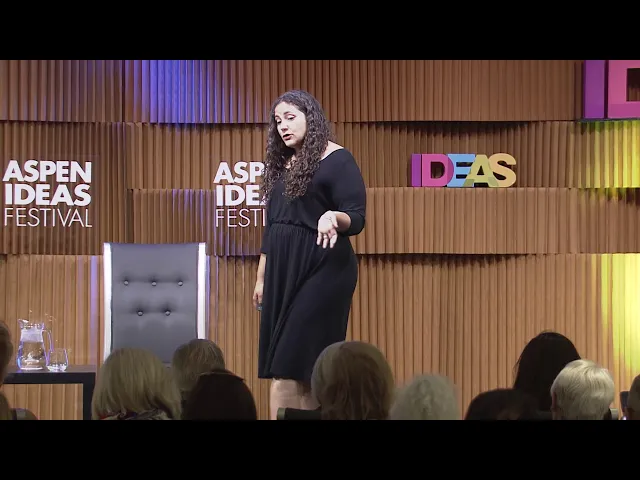
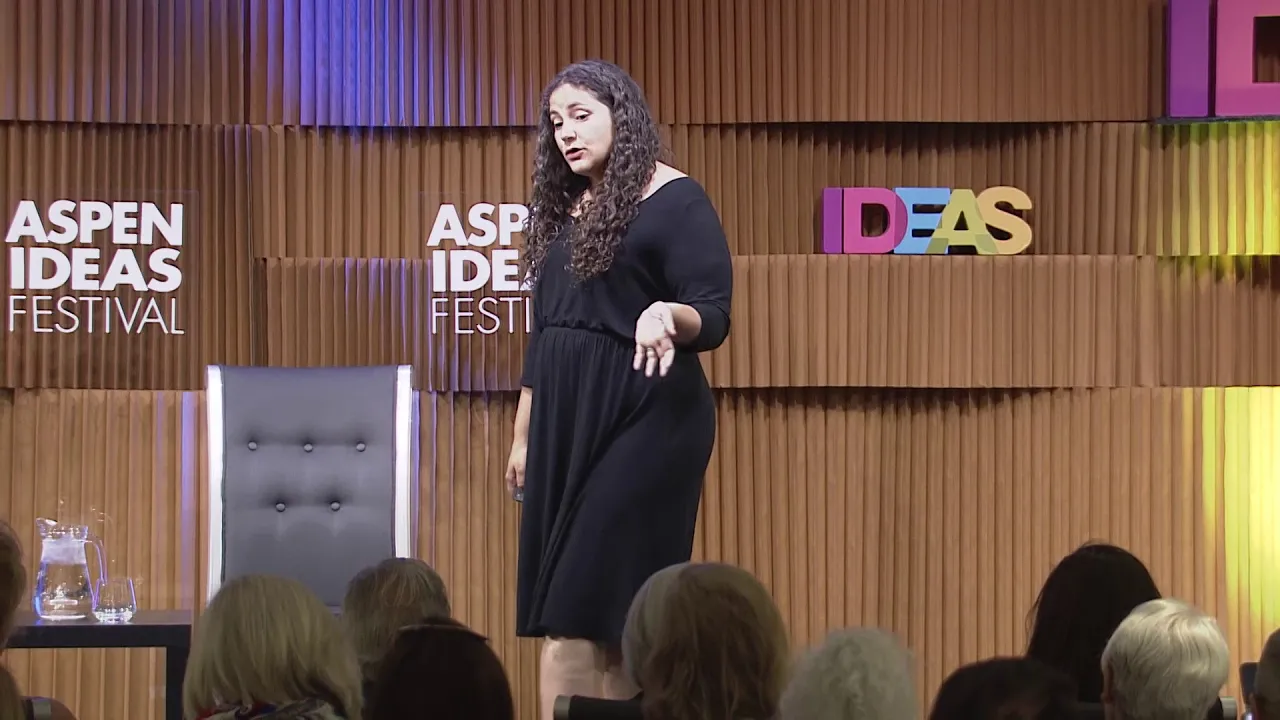
It was fun to get invited here to talk about our animal work but given that we've been thinking a lot about mental health on college campuses I was also very excited to be able to talk to you about this course that we've been working on at Yale called psychology and the good life which as you heard became an incredibly popular class in fact it was the most popular class in the 300 year history of yo and so what I'm gonna Do today is to give you a little bit of a glimpse of this stuff I'm
gonna give you a quick introduction to kind of Who I am and what I do and why I started this sort of strange new class at Yale but then in addition I'm gonna give you a kind of quick crash course on psychology in the good life the super popular class where I'm going to tell you kind of why I developed it why I thought it was important but then I'm gonna also tell you what students learn And this is the really fun part about coming to a place like the Aspen ideas festival you don't have
to pay the Yale tuition you don't have to get the SAT scores to get into Yale you just get the crash course for free and it's only 40 minutes long it's not you know 26 lectures and so and so you'll get the quick crash course on this which will be fun and then I'm gonna talk a little bit about how this class is becoming a movement on Yale's campus to kind of Think more about well-being and mental health on college campuses and so what I hope you can take with you is both kind of what
I've learned from teaching this class what I've learned about what life is like in higher ed right now what life is like on college campuses but also what I hope you'll take with you is what I've learned about trying to build a culture of wellness at Yale all of you are coming from all kinds of different places different institutions different Companies and so on and I think the kinds of problems that we're seeing in our undergraduates can be mirrored in those places too so I want you to think critically about what you can take from
this to bring back to your own organizations institutions families and so on okay so just by way of a quick introduction as you heard I'm professor at Yale University I've been teaching there for 15 years and that means I seen students in the classroom I teach Classes on evolution and I teach classes on animal cognition but I started a very different role two years ago where I took on a new position at Yale not just kind of being there teaching students but becoming one of Yale's heads of colleges and so for folks that don't know
Yale has these very strange residential colleges it's kind of like Hogwarts in Harry Potter we have Gryffindor and Slytherin and so on um I am the head of silliman college Which is the best residential college obviously look at it it's got beautiful trees and so on but but in this new role I do something different I don't just teach at the front of the classroom I live with students on campus I interact with them in their coffee shops in the dining hall I sit with them and I get to see their life really up close
and personal and I'll be honest that I didn't really like what I was seeing and this is a spot where I need to do a Little bit of clarification because I think we have some misnomers when it comes to what college is like in fact we tend to think that college is like what we see in the SHINee admissions packages right there you know college students who are super happy they're hanging out with the president and the then Dean of Yale College they're smiling they're enjoying time being social right this is what the media and
movies tell us this is what a Lot of us remember fondly from our own college days but the sad thing is this is not what I was seeing on campus as head of college and so just to give you a little glimpse of what this looks like at Yale in particular I'll give you some anecdotal results of a survey that I gave students when they started the class I asked them what do you think the culture is like a yellow yell students happy you know what are you guys facing but here's the kind of things
I saw These are from students words as I reflect in my time at Yale so far I realized that I have not been able to get the most out of my experience largely because of all the stress and this was echoed in almost all the responses I got Yale students are incredibly privileged to be at an amazing place like Yale with so many opportunities but they react to that with anxiety because they're so stressed they can't make use of all these kinds Of good opportunities that they have and so that was something I heard a
lot here's another one that breaks my little professor heart so people at Yale are often too stressed to enjoy the small pleasures for example there's little time at Yale to do the things I love like read a book and you know again my professor heart getting crushed like no but this was the kind of thing we hear echoed students are overwhelmed and so busy all the time that their triaging Stuff their triaging their work their triaging the kind of education they would get on the side by reading books for pleasure they're just super super busy
and stressed all the time and the stress takes its toll and it takes its toll in a way the students don't sometimes want to admit and that's what we get from this sort of last quote here there's a sort of social currency to being the busiest to getting the least sleep we don't actually talk about the Things that are bothering us and it takes a real crisis for any of us to actually admit that something is really wrong and so this was the kind of thing I was seeing at Yale and some of you might
be thinking oh my god I'm not gonna send my kids or my grandkids to Yale and go to a horrible place but does that thing is that this isn't just yell this isn't just Yellin this isn't just elite institutions in fact what we're learning are the kinds of sentiments We're seeing here at Yale about stress and depression and anxiety these are the kinds of things we're seeing on college campuses all over and just to get a sense of that I'm gonna show you some statistics they're pretty awful statistics but they're staffed on college student mental
health and this comes from the national college health assessment from 2009 I recently seen the one from 2017 and as you might guess these statistics are worse I'll point Out the spots where some of them are worse but here's what we see in this survey what we find is that forty percent of college students report more than the average level of stress that's gone up much more much much more since then we also see that around a third of students report being so depressed quote it's difficult to function a lot of the time is a
third of our students right this is those of you who are in the workforce right now in five years these Are gonna be your workers right a third of them are too depressed to function over 40% say that they feel hopeless a lot of the time just under fifty percent say they experienced overwhelming anxiety this is one that has gone up a lot this is up to sixty percent in the 2017 survey over fifty percent report feeling very lonely a lot of the time this one also has gone up in 2017 and over eighty percent
say they feel overwhelmed by all they have to do all The time again this is not only institutions this is all of our college aged students from a nationally representative sample and if you're seeing these statistics you're probably thinking the same thing I thought which is that this is really bad right these these are our workers in five years these are our youth that's supposed to fix all the problems that my generation cause these are the people we want to educate at these elite Institutions that were paying so much money students gain access to a
fantastic education and they're missing it because they're so stressed out all the time the other thing I realize is that this is not what college was supposed to be like and I saw this and I just felt so sad that I wanted to help I wanted to do something I wanted these students to feel happier I didn't want them to miss college because they felt overwhelmed All the time and I also wanted to create a better culture because as an educator in some sense I'm responsible for this too and part of the whole system that's
creating these kinds of academic stresses and I wanted to find ways to do something a little bit different and so all of this was very depressing but the good news is that in some sense I had some hope and I had some hope because I'm an academic psychologist I studied decision making In primates but I study the field of psychology broadly and knowing that I had expertise on the idea that we could do something there is kind of a light bulb moment where I realized that the science of psychology neuroscience all the mine sciences could
help us here and that's because we have really great science on what to do to feel less stressed to feel less depressed and to get more meaning in your life and the science comes from two different domains One domain is this domain of positive psychology a field that literally studies happy people I mean a lot of the work goes something like this you find a set of very happy people and you ask what are they doing you know what jobs do they have where do they live how do they spend their time what is their
secret and after two or so decades of this work we actually have a lot of insight into what the secret is what you're gonna see is that the secret Sometimes we seek out things that aren't gonna work and we don't do the kinds of things regularly that these folks do so that was sort of domain number one using the science of positive psychology to figure out what to do better but there is a different kind of science I knew we could harness as well and that's the science of something different the science of behavior change
the other thing that researchers in psychology and behavioral economics and neuroscience Have learned about is how we make choices how we form habits how we can behave a little bit better and this was important because even if we figured out what happy people do all the time unless we had ways to change our behavior to do better ourselves our students weren't going to learn anything and so this is why we summarize a of the work in behavioral economics on behavior change and so on and just a note to say this isn't just the kind of
Thing universities are paying attention to this is the kind of thing that companies are building into their platforms these are the kinds of things that governments are paying attention to this is an old shot from back in the day when Barack Obama was in the White House where he had an executive order to try to use these findings in behavioral science and all their policy decisions this is the kind of stuff we know works and so I said okay I'll teach students This stuff I'm a psychology professor I'm usually up in the classroom I'll just
make a course on this I'll make a course that teaches students all this stuff I'll call it something kind of cool so Yale students want to take it so I didn't just call it science of positive psychology so I called it psychology and the good life so students see the course catalog of interesting and the important thing about this class is that was a course that had two Different parts and the parts were really important and the parts come from the science itself so one part was kind of what I've just told you it was
all this stuff on the science of the good life the positive psychology stuff and how to make those changes in your life but we also had a second part which again comes from the science now was I wanted to include something on the practice of the good life what do I mean by this you can know all of the science Of psychology and what you're supposed to do to be happy button left you put those practices into your life you're not going to get any happier the analogy I tell my students get to the analogy
in a second so to build this or practice of the science of psychology in we had a kind of strange feature of the course which was that we normally had course requirements like any Yale course need kind of a midterm in a final paper and the normal stuff But we also built in this funny thing that I called course requirements and those were there to rewire students habits it was all these practices that we know happy people do and we literally just stuck them in the syllabus they didn't have to do them for a grade
you know it was just but because it was in there in the syllabus you know these Yale students who are so good at following what's in the syllabus they did them all which is great and these Were practices I'll talk about in a second things like experiencing gratitude taking time to do that taking time for social connection things like taking time to be mindful in that moment through the practice of meditation taking time for things like exercise and taking time for things like sleep and literally these were built into the syllabus and if a particular
way and so I didn't know it was gonna happen I put all this stuff Together I stuck all this in a syllabus I sent it to the Yale powers that be there folks that approved these courses for you and I said you know this is a strange course let's see what happens my first indication that something was different was the fact that after I did this this committee which usually finds very tiny things to come back and get you changed I had no changes to the syllabus in fact their only comment was I hope a
lot of Yale students take this I was like that strange but again we still don't know we still don't know yelled no students pre-register so we have no idea how many students are gonna take classes so I submitted the syllabus I waited in December for the new semester to start and then I started looking all these websites we have at Yale to see how many students are interested in our class and these websites give you these little graphs of how many students are looking At your class on their website and normally the graphs have these
scales that go from 0 to 100 you can see if there's 30 people stopping look shopping your class and so on but my scale was different it went from zero to a thousand and I was like strange given that they're only 5000 students at Yale total what I didn't expect to happen was what you heard at the beginning was it it wound up being a class that looked like this where in the end about one out Of every four students at Yale took the class so I think they were showing us that there was a
need for some of this stuff there was a need to really think about what the science of psychology looked like so now that you get a sense of kind of where the class came from where the need came from now I'll do the part where I tell you a little bit about what students learn and again I can't do the full version with all 26 lectures we're just doing the short version but Here's the kind of listicle version I'm going to give you the top 10 insights that my students get from the class so you'll
be able to kind of tick them off one through ten and so here's how they go the first insight that we teach students a lot which comes from the literature on positive psychology is this idea that this enterprise is possible we don't have to be stuck in whatever well-being level we're at we can improve it and that comes from this Insight that we get from research that we can control a lot more of our happiness than we think and a lot of this work comes from an idea that we tended think of people as being
kind of a half glassful type person or a half-empty kind of person that's just sort of you know you're built that way right well in class we survey all the work on heritability of well-being we say is it true is it kind of determined by our Genes is this project something that we can have some hope in and what you find when you do this is yeah there's a heritable component just like there's a heritable component to most things but it's not as big of a heritable component as we think and this comes from some
lovely work by the positive psychologist Sonja Lyubomirsky who's tried this kind of you know possibly impossible scientific project but her goal is to try to see how much of happiness can Capture by different sorts of factors for example how much of our happiness is captured by our genes by our heritability and what she argues in her book is that there is some there in fact there is a chunk it's probably about 50% that's controlled by our genes and you could say oh man that's like half of my happiness that's kind of built in but you
could also say wait a minute that means that there's half of it that I can control myself and that's what we teach Our students you have control over the other part the problem is the way we think we control it isn't right because some of you might be thinking AHA that other 50% I know how to control it like I know what I can do there and I'm just gonna get rid of all the kind of crappy stuff in my life I'm gonna get rid of it I'm gonna move to Aspen you know I'm gonna
you know just like yeah everyone's gonna quit my job I'm gonna get rid of my cranky kids you know like Just get rid of all that bad stuff right and that's the intuition it's so intuition that a lot of us share but it's yet another misconception that we teach about in our course and it gets us to big insight number two which is that these things like where we live and what job we have and our salary and all these things we think these things matter a lot we think our life circumstances matter a ton
and they do matter a little bit but not nearly as much as we think And we know this from work looking at people who are very happy and people who have had different kinds of life circumstances throughout their lives you can look for example to people who've won the lottery in their life circumstances because they literally have won the lottery you can look to lottery winners in s these are folks who are trying to earn a particular kind of income trying to have a certain amount of money they've succeeded in a very Rare event have
had this amazing windfall are they happy and what you find is yes on the day that these folks won their you know whatever it is million Kazakh that was a good day they were happy that day but six months later there's statistically indistinguishable from controls what we predict is gonna make us happy doesn't make us as happy as we think that's true for very positive life circumstances but it's also true for very bad life Circumstances so imagine this imagine you're just so taken by my talk after this you start walking through the streets of Aspen
forgetting that there are cars moving around you get hit by a car and you lose the use of your legs for those of you who have the use of your legs now how would you predict this would make you feel well at the moment this happens this is really bad but what you find is that several months later individuals who are paraplegic are Statistically indistinguishable from those who haven't had that event happen to them again not what we forecast but in fact it's what the data really show in fact individuals who've had a catastrophic event
like that sometimes develop more meaning in their life they see their life is more precious and they kind of wish it had happened earlier so they could live their life to the fullest and so this is what we don't expect to be Happening we think that the way to control the other 50% of our happiness is to change around all the bad crappy stuff you know building the good things get rid of all the bad things but that's just not what the research shows if anything estimates from folks like Sonja Lyubomirsky suggested yeah life circumstances
matter a teensy-weensy bit but maybe like 10% tops you know that's the kind of fluctuation that's going on it's not the whole picture and what that Suggests is that if we want to attack this other forty percent we can do that and we can do that through our own intentional effort what the research shows is that it's our behaviors that affect that other forty percent we can take control of it but that gets us to big insight number three which is it like all good things in life taking control of it is kind of hard
you can become happier but it takes a lot of effort and it takes daily work for those Of us who tend not to be happy it takes doing the kinds of things that happy people do that might not feel intuitive to you but if you do them every day you can bump up your own well-being and we get this from a lovely quote from Sonja's book where she kind of explains this quite nicely she says it may be obvious that anything substantial in life learn a profession masterís portrays a child a good deal of effort
is required research Reveals that if you desire happiness you need to go about it in a similar way permanent changes that require effort and commitment every day of your life she likens this to kind of doing a ton of exercise all the time you can't just kind of want to get fit you have to do it not just once but every morning right and this is the kind of thing you're going to see in these practices you can put them into effect but you have to do them and it's gonna take some work and I
Use the analogy of exercise in my class because I really want to have students understand this a lot of them are taking the class and I think I'm just gonna get happier I say imagine you took a class on exercise and I told you about how to do different squats or how you work your abs or how your muscles work and all that stuff but you didn't go to the gym like you wouldn't get happier and I say you that the science of psychology the science of psychology and the science of Happiness works the same
way as that like you can hear all these studies and you can get an A in this class but unless you put this stuff into practice it's not gonna help you have to do the work and one of the pieces of work gets us to a fallacy that we talked about in class is the first sort of tip I'll give you my so gonna come away with understanding a different cognitive bias and so cognitive bias known as the GI Joe fallacy some of you know what GI Joe Is you all is kind of my age
as people know GI Joe show of hands yes it is GI Joe yes it's GI Joe the cheesy cartoon from GI Joe and those of you who remember GI Joe from the 80s remember that it was this cartoon that ended with this public service announcement at the end and they would do things like teach kids like don't talk to strangers or live both ways when you cross the street or things like that and at the end the kid at the end of this cartoon would say Thank You GI Joe now I know and Joe Joe
would say remember knowing is half the battle exactly right we all remember built into our brain in a very strange way but it's a problem that they're built into our brain because it turns out that scientifically this idea that knowing is half the battle it is a fallacy it is a fallacy because we think once we know stuff we're automatically gonna put it into practice but that's just not how our Minds work knowing is like part of the battle but it's probably not half and it's not as much as you think and that is the
fallacy we teach students if you want to do this stuff you have to put in the work and this is why my students with their little hash tagging students do all this Twitter hash tagging so hash tag stuff hash tag the class hardest class at Yale not because the midterm part was hard I mean it was like an easy social science Class frankly but the real work was really hard the real work required effort every day and it required going against your intuitions of what would work and that gets us to insight number four one
of the hard things you have to do when you begin this enterprise is recognizing their intuitions don't work it's recognizing that your mind is lying to you a lot of the time about what it means to be happy there's give me a kind of crazy notion what does it mean your Mind to lie to you well if you've looked at kind of kooky things in the field of psychology you've seen this all the time like many of you have seen visual illusions that look something like this this is a famous one where in fact those
lines are straight but the diagonal lines are straight but they look like they're kind of curved in that's just your visual system lying to you because your visual system is making assumptions about the vertical lines and the Horizontal lines and so on does it look like that but that's what you see your mind's lying to you here's another one that you might experience or if you're seeing the squares from the front you might see these little gray dots that pop out in the middle of those those are just after images they kind of just pop
out those aren't really there in the image but you might experience them again your mind lying to you some of you might have seen the yani Laurel thing That was going around the internet right these are fun right we love sharing these with our friends it's cute when our mind lies to us about what's true and vision but it's bad when our mind lies to us about what we want to be happy and the claim that you get from positive psychology is our mind is doing that to us just as often there all these cases
worry forecasts stuff's going to make us happy and it doesn't make us as happy We assume what's one of these forecasts that tends to be really off what are one of these many cases where I mind is lying to us about what makes us happy a very common one which you saw a little bit in the example of lottery winners is data on salary like we think that that's the thing we should work for many of us work really hard many of us pick our jobs based on the salary our going to get why well
we have some assumptions that we need more money to be happier we Need a bigger house to be happier we need all this stuff to be happy but the research just doesn't bear that out in fact the research shows us how weird our forecasts are that our minds are kind of lying to us all the time and here's one that comes famous one from the positive psychology there's your how much money do you need right maybe we've forecast we need some money but like what's the cap like what's gonna be good right like when are
you gonna be satisfied what's The amount that I could put in that check that would work it was the people are you only got numbers that's well here's here's what people think at different salary levels if you're currently earning $30,000 what do you think is the amount that would just be good would you yeah these folks think about 50 right and so now we say okay we'll look at the people with 50 they should be good right or we'll even look at the people with $100,000 they should Be like more like twice as good right
but those folks aren't like not I'm good those folks say what I really need to be happy is right so two things here it's going up but it's not going up linearly it's like getting bigger as you get more right and this is what we find for salary this is what we find for material possessions our mind thinks if we could just get that next thing we'd be good but we're not we end up wanting more and in fact what the research shows research By folks like Danny Kahneman and his colleagues is that if you
actually plot people's positive emotion people's life stress and so on with their salary it is the case that salary matters a little bit if you're below the poverty line so jump from 10,000 to 20,000 in the US is very significant but it levels off very quickly and what they find is that the amount of money you need to be happy in the US or not to be happy but to not increase your happiness or your lower Your stress anymore with more salary is around $75,000 in the u.s. like so when you go from 75 to
80 or 75 to 100 you're you predict you forecast you're gonna get a bump but you're not going to get as much of a bump as you think and so it's a forecasting error our mind is lying to us we think I just need to go get this stuff we change our lives to prioritize this stuff and it's not gonna work it's not gonna work for money it's not going To work for material goods like great houses and new cars and all these things I'm staying at the hotel Jerome's I shouldn't be making fun of
like great cars they're very nice to me but um but this is what the research suggests in fact people who seek out material aspirations so the kind of person who sees us is like oh that would make me happier are actually statistically more likely to have lower well-being than people who tend not to seek out material Aspirations and so all of this is an important insight that we need to embrace if we're gonna embark on what we need to do which is that those forecasts those things our minds tell us are our minds lying to
us and if you're the kind of person who hasn't has having the intuition of as follows where you're like down my treat true for those other people but I really will be happier if I had a house that like I want you to interrogate maybe that's also your mind Line - oh yeah mines lied to us it's not gonna help us be happy but what can right what can we do to bump up happiness what are those very happy people doing and that's what the last insights are about what you can actually do even though
you don't forecast it to be a little bit happier and the first one the most major finding in a field of positive psychology is that very happy people tend to make time for social connection they tend to prioritize the People that they care about in life and so we know this from classic work by researchers like Marty Seligman and at dinner they go out and ask very happy people how do you spend your time and what you find is that very happy people tend to spend more time with others in general so they spend less
time alone and very happy people tend to tend to spend more time with their friends family members and loved ones they just prioritize the stuff that works and so Here's just the number so you can see some of the data on this so they bring folks in who are very happy are not so happy and say how do you spend your time and here's what folks rate on a ten-point scale so how are you spending your time we're gonna compare that unhappy people versus the happy folks and here's what we get when we look at
time spent alone unhappy people are spending more time alone than happy folks and here's what we get when we Look at times with friends and lovers and family members a bigger effect out of a ten-point scale like people who are happier just been pouring more time with others now you might say maybe they're happier you know they want to spend more time with others what direction does the causality go so can we make people spend more time with other people and will that bump up their happiness well researchers have done this not even with Friends
and family members because maybe your friends and family members are just as busy as you are right maybe they're hard to get in touch with researchers have done this with strangers to try to ask can we bump up our well-being merely by trying to spend some time with talking to strangers making connections with people we don't know and this is some work by Nick Eppley and his colleagues at Chicago Business School there at Chicago Business School so they Go up to people on the L the train in Chicago who are on their way to work
say do you want to be in a study yes and they put people in one of three conditions they either put people in a connection condition or you have to have a conversation with somebody for the whole train ride you have to try to as hard as possible to make a connection with the person next to you or you're in the solitude condition you're meant to keep to yourself for the whole train Ride and try to enjoy your solitude or you're just into control because we're scientists where we just say do whatever you would normally
do which is typically to be by yourself but you can do whatever you'd normally do and then they just measure people's well-being at the end of the train ride and at the end of the day what do they find well they first have people forecast they say what do you predict is going to happen and people predict probably what you're Predicting which is the solitude is going to be awesome look like a half hour to enjoy my solitude meet great and in turn act the social connection condition is gonna be worse not only is it
gonna not bump up my positivity it's gonna make me go below baseline and what you find is that the results are just the opposite people in the connection condition report significantly more positivity and people in the solitude condition go down from Baseline so it's not just that it doesn't bump up your happiness it actually makes you more sad he also finds that it doesn't impact people's productivity so one of the reasons people forecast is going to make them more anxious as they say I got to get some work done on the train and what he
finds is that even if you spend the time talking to another person it doesn't actually decrease your productivity because what would you do In the solitude condition really if you're being honest you'd pretend like you're gonna get some work done then you wouldn't actually get any work done and then you'd be all kinda in a bad mood and still not have any work done and so that's what we're finding is that if you look away this is just people's predictions is this which is what I just said but what you really find is this which
is that the connection condition Is better than both the solitude and they control and so that's what we find is that making time for social connections is a thing that very happy people do if you want to get happier you should just spend your time doing that and it doesn't have to be with people you care about deeply it could be with another person here aspen it could be with the driver that's driving you it could be with the barista at the coffee shop just connect with Other humans like the primate that you are and
it will bump up your well-being more than you expect okay that was big insight number 5 big insight number 6 is a similar one when we don't forecast but it's about helping others and it's the idea that helping others helps us more than we expect this gets back to this issue about money and things we think that we want to get the money for ourselves we think if we could only get free time we would use it for ourselves But research shows that very happy people don't do that they give their time to others they
spend their money on others and even though we forecast that that's not going to help research suggests it's much more powerful than we think we know this again from some intervention work you know maybe night happy people are just more likely to give to charity because they're happy what if we made you give something to other people would that Bump up your happiness and that's what Elizabeth done and her colleagues did she do this at the University of British Columbia of where she is she went up to folks on the street and said do you
want to be in a study great can you rate your happiness now just rate your well-being on a scale of one to ten and I'm gonna give you some money and they give you either five dollars or twenty dollars and you have to spend that by the end of today but in two different ways Depending on your condition you either have to spend the money on yourself you treat yourself do something nice for yourself with the five bucks or twenty bucks or you have to treat somebody else do something nice for somebody else and at
the end of the day she calls people and ask them to rate their happiness does their happiness change and again we can kind of look at how the happiness changed and what people's predictions are here's what people predict people Predict that spending the money on themselves is gonna be spending the money on some on somebody else right because you're treating yourself like this the whole point of treating yourself that's what people predict and they also predict they're spending the twenty dollars is going to be better the $5 in fact they predict it's gonna be four
times better than this you know cuz why not is right but interestingly this is not what happens here's what it Happens which is that you see significant increases in people's happiness when they spend the money on other people this is true at the end of the day but they've also followed up a week later you see the additional bump in happiness even a week later after this effect the other thing they find for those of us that might not have a lot of cash to give to others is that the amount of money doesn't actually
matter you get the same magnitude of Effect for the $5 and the $20 Dunnan colleagues have replicated this effect in a bunch of different spots you might think $5 $20 that's not going to be a big difference but they've used those same nominal amounts of money in rural Uganda where $5 that we would spend on a chai can buy a family's AIDS medication for a week you know so next time you spend your $5 on a glass of coffee think about what else you could do with that money but that's money that might really Matter
and what they find is the same set of effects there there's no difference in the amount of money and you get more increase in happiness if you spend that really precious amount of money on somebody else than on yourself and so that's the hint is that we think we want to treat ourselves by getting stuff for ourselves that's what we forecast but it's wrong if we would just give that money away give our time away we would feel better And that sort of big insight number six helping others helps us us more than we think
so now we get to big insight number seven another thing we forecast might not matter that much but turns out matters a lot to being very happy and that is to make time for gratitude to make time for gratitude every single day I mean it sounds really silly to like be thinking about the things we're grateful for we don't do that very often but the simple Act of doing it is very powerful and this is a spot where I personally find my forecasts are really off when I finally get some time for my busy professor
job and I get time to plop down with a friend over a glass of wine and I want to talk about stuff what do I talk about I don't talk about the blessings in my life I talk about the hassles in my life I don't talk about the you know 80% of people at my work who are fantastic I talked about that 1% of people at work who I can't stay right we spend time incubating and thinking about the hassles but research shows that that's just not what very happy people do they do the opposite
and when they finally get that moment for a glass of wine and they sit and think oh my god I'm so happy you know for these people at work who I love so much they did such a good job they think about and focus on the benefits and again you Might think that's just what very happy people do that's where their mind goes but you can do that too simply by forcing yourself to think about this stuff and a simple way to do it is so shown in the picture that I had up on the
screen there a few seconds ago it's just writing down every day a quick list of the things you're grateful for you can do this on paper there's lots of apps where you can do this but research suggests that just doing this over the Course of a week can significantly bump up your well-being over time and if you want an extra hard way to do this over time you could express gratitude not just privately you know thinking about all the things you're grateful for yourself but you could do it in a way that increases your social
connection and that is to express your gratitude to the people that you are grateful for and this is research that folks like Marty Seligman and his colleagues have done They've had people do this literally write a letter of gratitude to someone here's the prompt that we showed students in class we say and the next week you will write a letter of gratitude to someone who has helped you or has been especially kind to you but has never properly been thanked then deliver that letter to the person in question ideally read it to them like physically
show up and be like wait don't say Anything yeah I just have to get through this thing and just read it to them again what do we forecast we forecasts is gonna be awkward like this might be some teacher from high school if you haven't seen it forever like the person is gonna find it super weird or whatever what actually happens the person to whom this is read describes this as one of the best experiences in their life there will almost surely be happy tears when you do this and you also will Experience an incredible
surge of well-being for having done this for having so positively affected somebody and Marty Seligman's research shows that that surge of well-being can last for up to a month so if you do this gratitude letter intervention and I survey your happiness at the end of it a week later even a month later I'll see bump ups and happiness if I told you at the start of this lecture that you could do something in 50 Minutes tonight that would bump up your well-being for a whole month you would either think I was crazy or you would
sign up immediately but the research suggests that this is what you can do it's just this simple act of sharing your gratitude with somebody else and so that's top insight number seven should be making time for gratitude every day and whenever possible try to express that gratitude focus on your blessings not on your hassles insight number eight Is another one that's really hard for my Yale students which is that healthy practices of the kind that we're supposed to be doing all the time matter a lot more than we think what do I mean by healthy
practices I mean the stuff you know all the platitudes are written about I mean simple things like exercise in class I tell students about studies showing that a half hour of cardio exercise every day is equivalent and randomized control trials to the effect Of taking Zoloft the top anti-depression medication on the market just a half hour a day right we think of exercises benefiting our physical health but we forget how much it's important for our mental health and in fact the research shows that simply doing like not like marathon everyday which is a simple amount
of cardio every day is gonna bump up your mood and in fact cardio in the morning will bump up your mood for over 24 hours they're just a little bit in The morning half hour in the morning is gonna keep you going till the next morning at the same time so that's exercise an even tougher habit for my Yale students is another healthy practice that we forget the importance of namely sleep just as the FYI current high school students any guesses about how much they regularly sleep yes it's it's up most public high schools report
that their students sleep between four and five hours and they and the Yale students that's true too but the research shows as you might imagine sleep good for immune function good for all these healthy things but it's also incredibly important for mood as well and in fact there's one study I show my students by Dinkas and colleagues that looked at this where they intervened and took away people sleep and so here's how it works you bring people in and you test their mood either at the end of the day for two days when they get
kind of Normal ish sleep which is like slightly over seven hours of sleep and then for a week you deprive people of sleep so you make them for a whole week sleep our high school students are regularly doing for probably eight to ten years of their life right now and then because we're not evil experimenters we do people sleep bags and they go back to the normal levels of sleep and here's a mood measure that I'm going to show you it's just a measure of positive mood but Note that the bottom numbers on that mood
scale you're basically hitting levels of clinical depression where you could would need something like Zoloft and so on and this is a week of the normal amount of restricted sleep that our high school students are chronically getting during a period of their lives or our brains are still developing and the students see this and they laugh cuz they're like oh four hours a sleep is a really good night for me and I'm like This is what's happening I actually think we could solve most of the mental health crisis on campus if we could just get
young people to sleep and so I remind you that that is important as well because some of us need a reminder they keep track of these healthy practices we think yes they're good for our cholesterol yes they stop heart disease but they also bump up our mood and so increasing them in an attempt to become like very happy people could bump Up your well meeting more than you forecast does that tough insight number eight is that our healthy practices matter top insight number nine is that something else that matters is taking time to be in
the present moment again something that's trickier and trickier for our college students and trickier for all of us that have things like devices and just stuff going on in the modern day most of us have trouble with this because most of us don't spend a Lot of time in the present moment what does that mean it means just taking time to realize you're here in this room with the air temperature of a certain kind with your bottom feeling a certain way and it's seat or your feet on the floor if you're standing up with my
voice resonating in a certain way like the way you're breathing right now whether you're breathing slowly and quickly or just kind of calmly like that stuff that we tend not to notice is all the stuff And we tend not to notice it is research from Harvard researcher Jen Gilbert shows because if you look at how many time people spend outside the present moment it's about 50% of the time he does this in a really cute way he gives people an app on a cell phone where he can ping them and text them and he does
this at random times of the day and he says what are you doing are you paying attention to what you're doing and what's your mood the one you find is it There's really only one activity where people report being in the present moment and that's during intercourse which i think is funny cuz like what like the people get their xxxx like I'm in the present moment anyway so questionable data there but that's the one activity where we tend to be in the present moment most of the time we're not paying attention to what we're doing
but this is bad because Gilbert and colleagues also looked at our mood Measures at all these times and what he finds is that no matter what we're mind-wandering to whether we're mind-wandering to negative things you know we have to pay my taxes or some tax you don't want to do whether your mind-wandering to neutral things like what am i gonna cook for dinner tonight or they want even when you're mind wandering to pleasurable things like I'm gonna go to Aspen next week and that's gonna be great all of those cases your Well-being is less good
than when you're just in the present moment no matter what you're doing like if you're dealing with some crappy spreadsheet at work that you don't want to deal with just paying attention to that is better than mind wandering off to pleasant things and it's a problem because we don't spend a lot of time doing this and it's a lot harder to do this in the modern day or it's very easy to take your mind off the task by grabbing your cell phone And looking all kinds of different things so it's a chronic problem what can
we do about it well the good news is that there are a couple different techniques we can use one that we can use in the moment doesn't take much practice is to use techniques related to savoring to actually pay attention to our experiences when we're having them this is particularly useful if you're having some sort of pleasurable experience like an ice cream cone and so On and this is one that I struggle with a lot you know often try to treat myself to something nice like ice cream cone er and which is already bad like
bracketed I should treat somebody else to ice cream cone right but treating myself I think um and then I doesn't I don't notice it right I eat it while checking my email or I I do this stuff where I go out of my way to do something nice for myself and I don't even notice it when it's happening so notice it do these Questions what does it feel like what's my heartbeat doing right now how would I describe this experience to somebody else what's the color like what's the taste like how does it feel just
making yourself be aware of the present moment causes you to notice the good stuff savor the good things in your life but you can also take time to do practices that allow you to increase your ability to do this generally and those are practices like things like Meditation either paying attention to your breath or paying attention to a mantra like called in loving-kindness meditation where you think compassionately about somebody else our gratitude meditation and so on simple act of practicing this 10 minutes a day can cause brain changes over time and their brain changes that
reduce the activity in your areas your of your brain that tend to mind wander simple practices 10 minutes a day can Slow the stuff down and so take time to do this be in the present moment try to make sure you're noticing all the good things in your life that is top insight number 9 and now we get to finally top insight number 10 which is to become wealthy but not in the way you think not in terms of money in terms of time and this is a concept that's very hard for busy people like
this in this room and very hard for my undergraduates which researchers refer to as time affluence Being rich in terms of time it's the opposite of what we experience a lot which is time famine time famine is like I meet with my friends like hey can we get together for coffee I'm like Nam to play you know when can we get together coffee like how about never heard cuz Lokhande is never gonna have 20 minutes to do that right that's time famine and that's what we exist in a lot of the time but research shows
that people who prioritize time affluence over time Famine particularly those that will spend money to gain more time affluence they're happier than the folks that won't and so here's one study by Ashley woolens and her colleagues she says who are you more like are you more like Tina or Maggie so Maggie values her money more than her time she's willing to sacrifice her time to get more money she's gonna work more hours to make more money but she's gonna have less time you more like Maggie are you more like Tina So Tina values her time
more than money she's willing to sacrifice some money to have some time in fact she's really to work less hours just have more time for leisure and so on so are you feeling you're more like Tina or Maggie on a short happiness scale what you find is that research suggests that people who are more like Tina are happier honor which is a five point happiness kosis is a big bump up just being the kind of private person who prioritizes time over Money can increase your well-being that's what very happy people do okay so that was
big insight number 10 become affluent not in wealth but in time and just to give a final story from the class who's gonna teach students about time affluence but I realized that that's the thing that they're worse at right that's the thing that they had the least of and so we felt ironic to kind of them into lecture and make them read Some papers on this and so on and so I said I know I'm gonna gift them some my time affluence so students came to class thinking it was gonna be a regular class and
as they walked into class my teaching fellows handed out a flyer they said today's lecture is on time affluence and to teach you about it I'm gonna give you some there's no class today but you can't work you can't spend this surprise hour doing work you have to do something that's gonna bump up Your well-being and because I knew my overwhelm students would be so taken aback by this I gave them big lists it was like go to the library and read something cool like you know like go to that museum like take a walk
like have a bubble tea and savor it it was just like a big list students freaked out like about eight of them hugged me one started crying many of them at the end of this flyer I said you know tell me what you did so I can have a sense of What you what you spend your time on and many of them wrote to me and said they went to the art gallery for the first time or they took a walk for the first time all semester someone said this was the first hour off they've
ever had I'm a few students went to the recording studio with friends of theirs and jam then sent me like a little musical thing many of them reported that this was an hour they would remember from their college career for their whole life and A sad thing is that this is what our students okay so those are top ten insights hopefully you can take some with you and now I want to end on kind of what this class has done beyond this you heard what happened at Yale where we had 1,200 students on campus taking
the class but you haven't had totally heard what happened outside of Yale and that was the weird thing which is that people outside of Yale noticed as Katie mentioned there was an article in The New York Times about the class this was in like the second week that I was teaching the class but then the class completely went viral I was on The Today Show I was on NBC News I'm on CBS news I was in Oprah Magazine national news picked us up but then international news picked us up I was talked about in over
28 different languages all people who are shocked that these Yale students have their whole lives ahead of them were taking one out of four of them Needed to take a class on happiness what did that mean for the rest of us and so this caused me to realize that the class was starting this cool but important viral conversation and it caused me to realize that we need to think more broadly about changing the culture of stress not just that places like Yale but beyond like we all need this stuff we all are not as happy
as we can be and it's in part because the modern environment is not one that's Causing us to prioritize all those things I just talked about that suggests a big bump up our well-being and so to help with this to help teach about this and to help get folks to change their culture we did two things one is that we've started a new online version of the class on coursera.org this is a free version slightly shorter free version of Yale's class that anyone in the world can take for free in the first month That it
launched we had over 125,000 monitors which makes it the second largest class I'm told at Coursera after data science this is something people need more than data science it's also very popular across the world here's just a list of the graph of the countries where we have at least one learner it's a hundred and sixty eight different countries and so all of this goes to say I think we need to think seriously the Idea that something is wrong and that we need to do something about it the cool thing is that we have a way
out we have hope the science teaches us what we need to do we just have to do it we just have to put these things into practice I hope I've kind of convinced you that it's worthwhile doing this and that the path is useful and so thank you as you go out into the world and I think we maybe have a couple of minutes for question I'm looking at Katie to see yes she's saying we do have time for questions so they're gonna run with the mic and they've made me promise not to call in
anyone without the mic other otherwise the podcast folks won't be able to hear your saying but the mic runners are coming I think there's a person in the front Mike Mike is in the back okay yes question hello you said you spent a lot of time with the students you know coffee shops and study centers did you Spend a lot of time partying with them yeah in the correlation of too much alcohol use and nightlife not enough sleep so what did you find there yeah so the question is about partying and alcohol use and so
on so a very strange thing that conflicts with what I was doing when I was in college in the 90s is they don't actually party that much so one strange thing is they're very incredibly few parties in the dorms there are parties at the frats Off-campus but it's a very strange thing that nobody throws parties like with their friends anymore and what happens is that these students are so busy that the typical thing you hear about in colleges is binge drinking what you think is like old school 90s been drinking at least I did but
here's what binge drinking looks like on yells campus right now it's you're so freaked out about your problem-set that you need to work on it Till 2:00 a.m. and then you need to get out because your friends are at the party and you have FOMO and you've been watching anxiously on snapchat that they're there and you down eight shots immediately so that you can run out right this is not binge drinking of like oh we're laughing and we're like which is bad enough as it is this is like drinking really fast to catch up it's
also a form of you don't ever allow yourself to take a break the first hour You've had off at Yale is when I gave you an hour off in my class and you can't give yourself permission for that so the way you give yourself permission to that is to accidently kind of get so out of control that you can't work the next day so this is another thing we kind of talked to students about is to give yourself a break that doesn't have to involve extreme amounts of alcohol so yeah there's alcohol on college campuses
but I think folks who don't see it in The trenches think of it in a different way like what it is often is a coping strategy for this level of anxiety and overwhelm I don't see it I mean there's some like frat parties and stuff like that but a lot of it's just kind of coping with the fact that 60% of them are so overwhelmed by anxiety that it's hard to function so yeah so alcohol is a problem but not because they're like partying and drinking is because they're using in this kind of yucky way
Mike oh right there I'm from Palo Alto California highest suicide rate for high school students how do we filter this down mm-hmm yeah to a younger age no it's a fantastic question and something I'm thinking about a lot because in addition they kind of all this press that I've been getting I've been getting lots of emails from concerned parents some college age parents but a lot high school parents and middle school age appearance where These trends are worse those statistics I gave you about high school sleep rates those were from a talk I gave at
a public school in a major city that I won't share cuz then you'll be like I'm never gonna move my kid to that major city but but that school reported that students get four hours of sleep a night on average some say that they get 2 hours of sleep a night a small percentage they also in this big packet of information they gave me about Student life said that the students there have 5 hours of homework a night and I did the math and I'm like of course your kids are like they're in school from
like 7:00 to 3:00 and then they have soccer practice and then it's 6:00 and they have 5 hours of homework a night like what are they supposed to do and so I really think that this stuff needs to filter down a lot I'm now working with different high school school boards to try to develop versions Of this class content for high schools I don't think it's exactly this class and so because I'm not a high school educator I'm trying to work with K through 12 to figure out how does this work but I think this
is really important if you're the parent of a high school student and you're worried about this stuff I'd encourage you to do with what a lot of parents say they do now which is to take the Coursera class with your child right I mean it's for Yale Students but it's not like again none of the stuff that I just told you is rocket science right like middle school kids can understand this and it's only like five or six hours worth of lecture total and small chunks like watch it before the dinner table and talk about
it talk about this stuff and often what these parents tell me when they've had these conversations is that they didn't realize the effect that they were having building these things I Right where the kids will say well you said I have to get good grades it's like no I wanted you know I wanted you to learn I didn't want you to be suicidal if you got a b-plus like there's a difference between that and then it's caused this nice conversation where people realize parents realize the the kind of motivation they were giving was heard in
a different way by students sometimes parents realize that it's not them it's just the culture you know and That's cause parents to think about shifting high schools or something where they take kids but I think your your your on this this level of clinical depression just the sleep can lead you to a level of mood disorder where suicidality is going to be part of it right we have a whole generation that's doing them so that to themselves regularly question maybe up here in front oh I feel bad making these folks master We've been focusing on
the younger generation but a lot of surveys indicate that as you get older you get happier so are we picking up these terrific insights by observation or trial and error over decades and is that why we're getting happier as we age yeah so so it's hard to know it is true older individuals are happier so something to look forward to you want a few things look forward you have to get over 60 you you happier but I think if you think About it it's just that people who are older because of the way society works
naturally have more of this stuff like once you're retired you get a ton of time affluence like it can make you anxious but once you get used to it you're like oh my gosh this you're naturally kind of falling into a category of person who's prioritizing it older individuals tend to have more time for social connections they tend to be connected more either as part of Faith-based communities or different living arrangement communities or so on and so it's probably more the case that just certain constructs of the way society works end up flopping older individuals
into the behaviors that just if you do them will bump up your happiness and so my guess is that that's what's been happening the trend though is less true now than it was back in the day and I think that that's in part because so many aspects of our modern Lives kind of butt heads against this right those phones that we take with us everywhere they're a way to stay out of the present moment there this illusion of social connection on things like Facebook at the opportunity cost of connection with folks in real life and
so I think as more older generations take on the modern technologies and stuff of the younger folks they're gonna less have the benefits of this stuff that happened Naturally maybe up here this folks in the front getting everybody all that mics people their exercise to pump up their healthy practices thank you first of all Martin Seligman must be very jealous of you and second of all has yelled done anything to change their requirements of study or or given people more free time or done something in response to what you've discovered yeah so so just a
joke Marty's a great colleague of mine um and did email me When the near Times article came out in part because all these people are who is and I said Marty you know marty was upset with me because one thing we didn't know to do is to collect data on this this also breaks my scientist heart right we should have done pre post measures on all these students compared them with the other students looked at mental health usage at Yale's hospital like all these things and I was like Marty I thought it was gonna be
35 kids Like I didn't know I feel like I read you um but in terms of whether Yale's changing their policies that's a tricky one right and and I'm part of this irony right like I taught this as a class like students had a midterm and mid term stressed them out some students didn't worse than they expected like my class contributed to the academic stress and so it's caused me to think carefully about what we should do to restructure higher ed to deal with this stuff and I Worry a lot about the answer to that
question because we're kind of in this strange arms race or nobody wants to change right you'll doesn't want to make things easier be less selective because then we'll look less selective you know maybe y'all should to deal with the high school crisis we talked about maybe y'all should ease it's like what it expects for SAT or make it less selective so students don't have to kill themselves but y'all doesn't want to do That because then we'll lose out to Harvard and Princeton and so on right so maybe they should do at the high school level
but high schools don't want to do that they're an intense competition for resources over their test scores and so on and so I'm not sure where it's gonna come from my hope is that it will come from the young people particularly not even the college-age kids because they they falsely forecast that they've won this Sort of academic lottery that they were working so hard for they can't see it yet but I think the high school students can so the high school students I talked to now often get really angry when I talked to them because
often these are elite high schools who've paid for this Yale professor to come in often like at the end of school you know like what I did I talked to one school on the last day of their school semester and like told them all this stuff and they get Really angry cuz they say yeah it's great that the school paid for you to come out this is a last day of school like we've been six years where it's been the opposite of this stuff like like now we've been killing ourselves now you're telling me that
like you know salary doesn't matter my grades don't matter and I don't need a big house and I'm gonna go to undergrad and it's gonna be horrible and I think it's funny but they see it like they're being that the Whole system they're being sold is not delivering what we promised and my hope is that they could change things around I think Yale can't because of the arms race I think high schools can't because arms race in fact high schools I talked to say they've been trying to reduce them out of homework but parents will
complain because parents are afraid its kids won't get into under life or they're trying to kind of cooperate with Other high schools like school boards will get together in different high schools will say all right we're all gonna decrease it but then someone will defect and then no one will decrease it I think it's gonna be really hard to see change outside of our young people and as a college education this young people and the way they fight for social justice causes and the way they use their technology to link up think of things like
parkland and things That think of things where you're seeing this I think there's a moment where they could be like this is BS like we are gonna do nuclear your eyes because what we want is well-being what we want is to be good people and none of the stuff you're forcing us to do is getting us there so we'll see that's my secret hope is high school revolution but we'll see don't tell y'all that I think I think we are out of time for questions I'll hang out up here in case folks have some but
Hope I caught you Wow