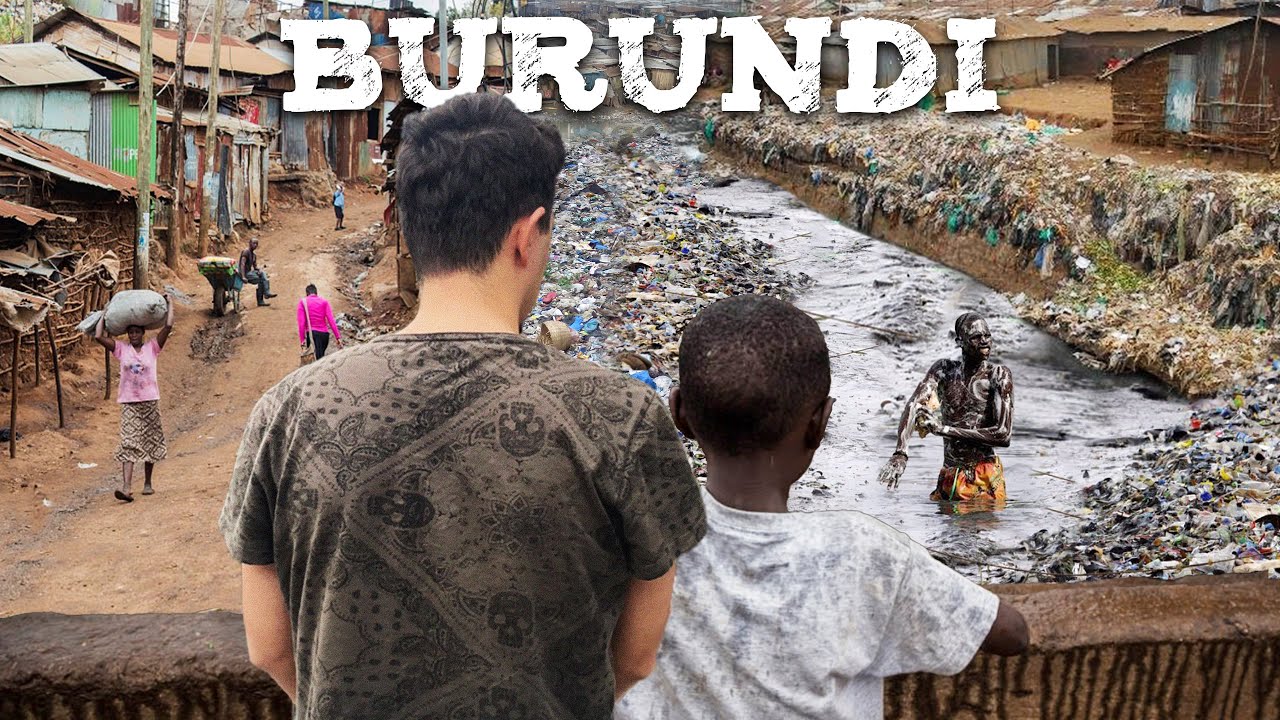
what if I told you there's a country where most families sleep on dirt floors electricity is a rare luxury and owning a bicycle is a status symbol welcome to Burundi a place where a person lives on less than the cost of a cup of coffee a day did you know this landlock nation has been ranked as the poorest country in the world for over six decades here A Hoe is the key to marriage bananas are turned into beer and most interestingly women can carry just about about anything on their heads stay with us as we
reveal the astonishing realities of life in this small but extraordinary Nation you won't believe what you'll discover a world where the concept of home is stripped down to just walls made from straw and natural materials offering little protection from the elements this is everyday life for most families in Burundi uh where Modern Comforts are not just rare but almost non-existent in rural areas homes are often humble Huts that blur the line between shelter and survival uh the idea of a bed is a luxury here many families sometimes as large as 10 members share the hard
cold floor as their only resting place after exhausting days in the fields but the struggle doesn't end there nighttime brings a deeper kind of Darkness one that most of us can't even fathom fewer than 8% of households in Burundi have access access to electricity when the sun sets life almost grinds to a halt shops and supermarkets shut their doors early and the streets transform into an eerie emptiness imagine walking outside under a canopy of stars the only light guiding your way for millions of burundians this is not a poetic moment it's a stark reminder of
isolation and scarcity did you know that in Burundi the average person lives on less than the cost of a cup of coffee a day before revealing the reason don't forget to take 5 Seconds to subscribe and turn on notifications with all our hearts we thank you for your support we promise to deliver more quality content to you burundi's economy is one of the most fragile on the planet with a GDP per capita of just $500 per year this equates to roughly $120 a day an amount that barely covers even the most basic needs for many
survival itself is a daily challenge malnutrition affects an alarming 70% of the population leaving entire families without access to nutritious food hunger is a constant companion contributing to an average life expectancy of only 50 years Burundi has held the unenviable title of the poorest country in the world for more than six decades according to reports from organizations like the World Bank and the international monetary fund despite this the resilience of its people shines through as they continue to fight for a better future even in the face of overwhelming odds it sounds like a joke but
in Bundi the bicycle is more than a means of Transport it's a symbol of wealth and status while many people around the world take cars buses or trains for granted most burundians rely on their own two feet to get around owning a bicycle in this country is comparable to owning a luxury car like a Mercedes-Benz in wealthier Nations for Many Men having a bicycle isn't just practical it's seen as a mark of prosperity making them more desirable for marriage despite this cultural significance bicycles remain Out Of Reach for most households a majority of burundians walk
long distances daily often covering more than 10 kmers to access markets schools or work public transportation is limited and rudimentary the most common option is the pig cage a vehicle without seats that costs about 10 cents per trip however it's so uncomfortable that many prefer walking over using it paved roads are rare with dirt roads dominating most areas during the rainy season these roads turn into muddy nearly impassible paths making even basic travel an ordeal hey guys would you walk 10 km every day to get to work or school What would life look like if
something as simple as a bicycle could change everything let us know your thoughts in the comments what if the cost of marriage wasn't about lavish gifts expensive cars or sprawling homes but something as simple as a hoe in Burundi the dowy system is vastly different from what you might expect elsewhere here when a man marries a woman the only traditional requirement is to give her a hoe the hoe isn't just a tool it's a cultural symbol of hard work and hope it signifies that the couple will strive together to grow food and sustain their family
for families with better financial means a man might offer a cow instead however cows are the most valuable asset in Burundi worth more than most can afford as a result The Humble hoe Remains the dowy of choice for the majority in Burundi what women carry on their heads isn't just practical it's mesmerizing with perfect posture and effortless balance they navigate winding Mountain Roads often carrying objects that weigh up to 70% of their body weight from water containers to concrete buckets these loads are a daily part of life for many women to protect their heads and
ease the burden burundian women use a clever trick they place a piece of fabric shaped into a ring or Bowl between their head and the object this simple but ingenious tool reduces friction and helps them maintain balance even on challenging terrain visitors are often astonished by the sight of women gracefully walking with 30 L water jugs balanced on their heads they stride up hill sometimes singing sometimes even dancing as if their loads weigh nothing at all this Incredible strength and elegance have earned Burundi the nickname land of a million Smiles one French traveler described it
best one moment they are singing the next they are balancing a bucket of concrete as if it's second nature she marveled at the women's Poise and precision calling it both a skill and an art do you find burundian women attractive when they carry everything on their heads comment yes or no Below have you ever wondered how some burundian women flaunt long beautifully braided hair despite their natural hair being tightly curled and just a few centimeters long for women in Burundi hair is more than just appearance it's an expression of identity and aspiration while 100% of
non-mixed African women have hair that is tightly curled and close to the scalp many dream of longf flowing styles to achieve this look they often use extensions or wigs typically crafted from affordable materials like pre-braided nylon strands for women working in offices or urban areas hair styling can consume up to a quarter of their monthly salary it's a significant expense in a country where resources are already limited but for many the effort is worth it when you think of beer you likely imagine barley and hops but in Burundi the key ingredient is something far more
surprising bananas known locally as urua banana beer is a testament to the resourcefulness of the burundian people transforming one of their most abundant crops into a cultural staple bananas are everywhere in Burundi making them an essential part of life and economy to brew banana beer ripe bananas are peeled mashed and mixed with water in rural areas some communities still add grass during the fermentation process to speed things up within a few days this simple mixture transforms into a cloud sweet and slightly alcoholic beverage it's far removed from the clear beers you might know but its
unique flavor and charm are celebrated across the country banana beer isn't just a drink it's a centerpiece of burundian culture it's shared at festivals weddings and social Gatherings where it brings people together to laugh sing and dance the drink plays a vital role in community bonding symbolizing joy and unity if you ever find yourself in burundi's high trying banana beer is a must as you sip this one-of-a-kind beverage you'll experience not just the taste but the essence of burundian culture a fusion of tradition resourcefulness and connection to the land bananas are more than just a
fruit in Burundi they are a Lifeline as one of the most widely cultivated crops bananas play a vital role in the country's economy and daily life from markets bustling in bujumbura to remote rural areas bananas are everywhere meeting constant demand burundians consume bananas in various ways fresh as a staple food cooked in traditional meals or fermented into the Beloved banana beer urara this versatility makes bananas an indispensable part of both the diet and culture they are not just food they are a symbol of resilience and resourcefulness for many families the banana trade is a primary
source of income Farmers sell their harvests in local market using the profits to support their households however the journey from Farm to Market isn't easy burundi's limited infrastructure makes Transportation a significant challenge most roads are unpaved and during the rainy season they become nearly impassible Farmers often transport bananas on bicycles carrying hundreds of pounds over steep hills a testament to their Ingenuity and hard work in Burundi the drum is more than an instrument it's the heartbeat of the nation echoing centuries of tradition power and identity for Generations these drums have been Central to burundian culture
played during ceremonies like Royal celebrations and harvest festivals their deep resonant sound reflects the strength and unity of the people traditionally only men from specific lineages had the privilege to play the drums which symbolized status and Authority this exclusivity highlighted their significance in burundian society in recognition of their cultural importance UNESCO designated the drums of Burundi as a cultural and material Heritage of humanity in 2014 ensuring their legacy endures today the drums continue to inspire at cultural events and international competitions they performed alongside the drum dance a mesmerizing display of Rhythm energy and precision groups
of men beat large wooden drums in unison while moving in synchronized vigorous patterns each performance is a celebration of community spirit and cultural Pride captivating audiences worldwide burundi's infrastructure is one of its greatest hurdles to progress severely restricting trade mobility and daily life it is one of the few countries in the world without a railway Network making the transportation of goods expensive and inefficient with no trains the country relies heavily on roads but their condition often exacerbates the problem paved roads are a rarity especially in rural areas the majority of routs are dirt paths that
transform into muddy nearly impassible obstacles during the rainy season this hampers the movement of goods limits access to markets and disrupts essential Services making life even harder for the people who already face significant challenges access to basic Services is also alarmingly low only a small percentage of the population has regular access to electricity or running water leaving most households reliant on alternative methods that are often costly and unreliable for Millions these Services remain an unattainable luxury burundi's progress in improving infrastructure has been slow largely due to economic and political instability the country relies heavily on
external funding for development projects but delays and lack of resources hinder advancement however there is hope on the horizon long-term plans including the proposed construction of a railway line connecting Burundi with Tanzania and Rwanda could open up new opportunities for regional trade and economic growth while the challenges are immense these efforts reflect a commitment to creating a better future for Burundi the road ahead may be difficult but with determination and support transformation is possible Burundi is one of the few countries in the world without a single Railway line this absence of rail infrastructure places an
immense strain on the country's economy and daily life roads serve as the primary mode of transport but many are poorly maintained making movements slow and challenging during the rainy season dirt roads turn into muddy quog Meyers further complicating travel and the transport of goods without Railways commuting and trading with neighboring countries like Tanzania and Rwanda become costly and inefficient the higher Transportation expenses drive up the prices of everyday Necessities adding to the economic burdens faced by burundians despite these challenges the people of Burundi have shown remarkable resilience and adaptability buses motorbikes and bicycles are the
lifelines of the country keeping its economy and Society moving bicycles often overloaded with goods are a common site on hilly rural roads a testament to the creativity and determination of burundians plans are in place to build a railway that would connect Burundi to Tanzania and Rwanda promising to revolutionize trade and travel in the region however political and financial hurdles have delayed these projects leaving the country waiting for transformative change for visitors burundi's lack of modern infrastructure provides a raw and authentic experience traveling through its remote Villages and breathtaking Landscapes often means using crowded buses or
hopping on motorbikes alongside locals while it may not offer the comfort of developed Nations it gives Travelers a firsthand look at the resilience and spirit of the burundian people amid the challenges faced by Burundi Lake Tangen stands as a beacon of natural beauty and cultural Pride stretching across four countries Burundi Tanzania Zambia and the Democratic Republic of Congo this massive freshwater lake is the second largest in the world by volume and the second deepest trailing only Russia's Lake Bal covering more than 12,000 square miles tanganika is more than a picturesque landscape it is a Lifeline
for the communities around it the Lakes waters are home to over 250 species of fish found no where else on Earth making it a biodiversity hotspot and a critical source of food and income for local fishermen every day small boats set out from the shores casting Nets in hopes of sustaining their families and supporting local markets for researchers and conservationists lake tangena is equally significant its unique ecosystem offers insights into freshwater biodiversity and environmental challenges such as over fishing and climate change efforts are underway to balance the Lake's ecological preservation with the livelihoods of those
who depend on it Lake tanginika also draws visitors seeking a glimpse of its tranquil Beauty and cultural vibrancy the lak's shoreline is dotted with villages where women wash clothes in its Waters and children Splash and play it's a place of Life work and Community a reflection of burundi's resilience Burundi nestled in central Africa is a landlocked Nation bordered by Tanzania to the east and South Rwanda to the North and the Democratic Republic of Congo to the West despite covering an area of just over 10,000 square miles making it smaller than Belgium Burundi is home to
more than 13 million people this makes it one of the most densely populated countries in Africa the country's landscape is stunningly diverse mountains dominate The Western regions transitioning to Rolling Green Hills and deep valleys As you move inward this rugged terrain is both a blessing and a challenge while it contributes to bnd's Natural Beauty it complicates Agriculture and infrastructure development especially in rural areas being landlocked also limits burundi's access to global trade adding to its economic struggles the absence of ports means the country relies heavily on neighboring Nations for imports and exports often increasing costs
and reducing competitiveness yet despite its size and challenges RI is rich in culture and natural beauty from its Hills and Valleys to its warm and resilient people the geographical constraints are a significant hurdle but they also shape the Ingenuity and determination of the burundian people nearly 90% of burundi's population depends on agriculture for their livelihoods but this Reliance presents significant challenges many farmers engage in subsistence farming often using traditional methods and having limited access to Modern tools or Technologies this has resulted in low productivity making it difficult for families to grow enough food to meet
their basic needs the situation is further Complicated by the impact of climate change which has disrupted traditional farming patterns prolonged droughts are frequently followed by heavy rains leading to flooding that damages crops and Fields these unpredictable weather conditions pose a serious threat to food security and strain the country's already delicate infrastructure making it hard for Farmers to bounce back burundi's landlock location also adds hurdles to its Economic Development without direct access to the Sea trading Goods becomes expensive and less efficient while the country does export products like coffee and tea these industries alone are not
enough to lift many communities out of poverty Burundi is unique in having two capitals Gaya the political capital and bonura the economic hub this dual Capital system reflects the country's efforts to Balance power and promote Regional development in 2018 burundi's government officially moved its political functions to gego a smaller centrally located City this decision aimed to decentralize governance reduce congestion in bujur and encourage growth in other regions Gago though quieter and less developed now serves as the administrative heart of Burundi hosting key government offices and institutions meanwhile bu jamura Remains the beating economic Heart Of
The Nation nestled on the shores of Lake tanganika it is home to burundi's largest businesses Industries and trade networks the city's vibrant Central Market is a bustling Hub where Traders sell everything from fresh produce to handcrafted Goods the energy in bujur reflects the economic challenges they face importantly enough the continued expansion is not without a cost as bujur reflects the economic challenges they face hey hey hey he together these two capitals symbolize burundi's blend of tradition and modernity while jitia represents the push for balanced development bujumbura continues to showcase the resilience and vitality of the
burundian economy corruption poses significant challenges to burundi's progress making it harder for the country to achieve its development goals transparency concerns have been highly ited in global indices indicating room for improvement in governance and accountability for a country where a substantial portion of the population faces economic challenges effective management of resources is crucial strengthening systems to support essential areas like healthc care education and infrastructure can have a transformative impact on quality of life unfortunately resource mismanagement has sometimes delayed progress in these sectors leading to challenges like shortages in schools and hospitals or delays in public
projects these systemic issues emphasize the importance of enhancing trust and efficiency in public institutions many communities rely on essential services and ensuring these resources reach their intended destinations can make a meaningful difference promoting transparency and accountability is a critical part of creating a more Equitable system that supports all citizens efforts to address these challenges are ongoing both International organizations and local initiatives are contributing to improving governance and fostering sustainable development while the journey requires dedication and collaboration progress is possible through continued reforms and Collective action if you enjoyed today's video please hit the like button
and don't forget to subscribe to the channel your support means a lot to us click on the video that appears on your screen right now I'm sure you'll love this content comment below about the next country you want to see featured on our Channel thank you so much for watching and see you in the next video thank thanks for being with us on this great journey leave your thoughts in the comments and like to help us remember to subscribe for more see you soon