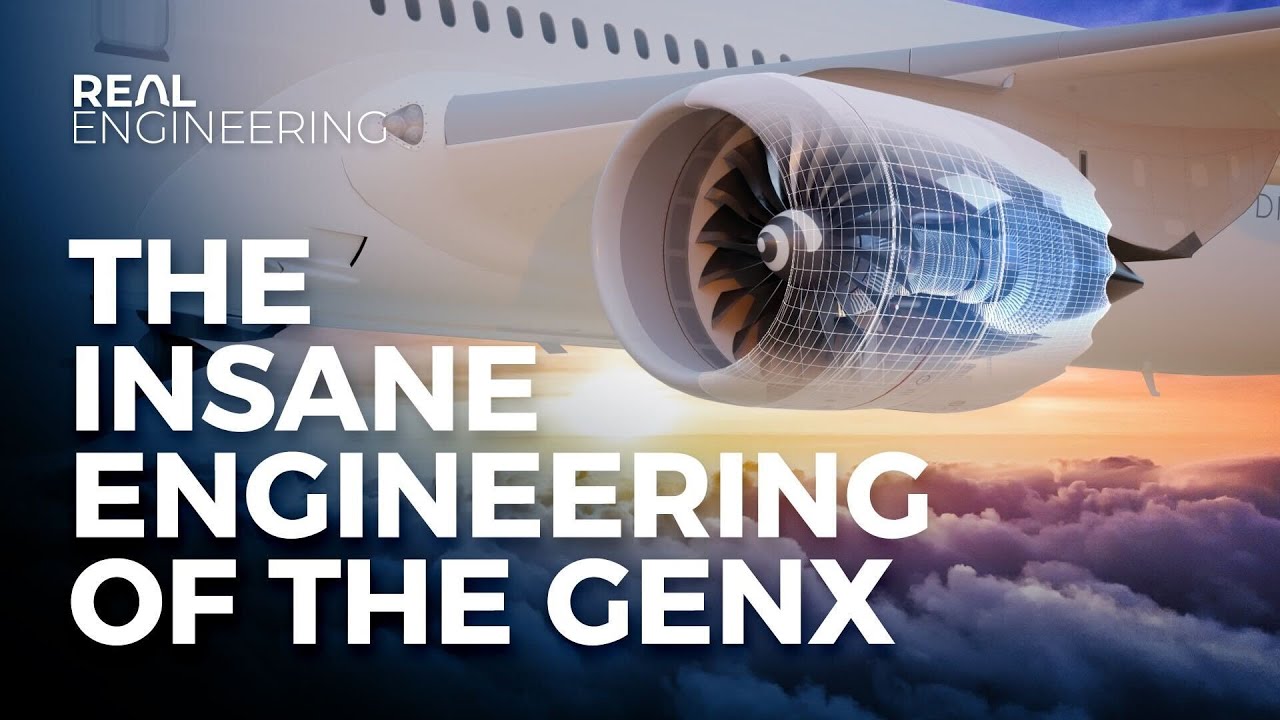
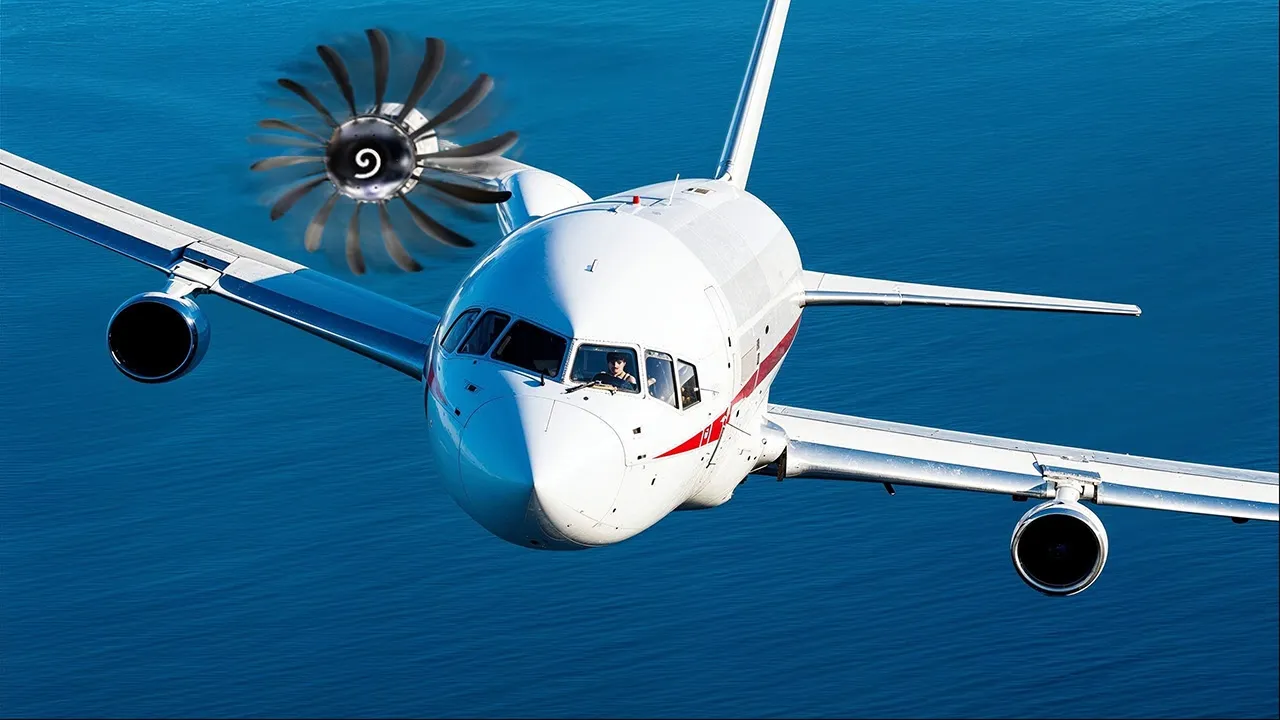
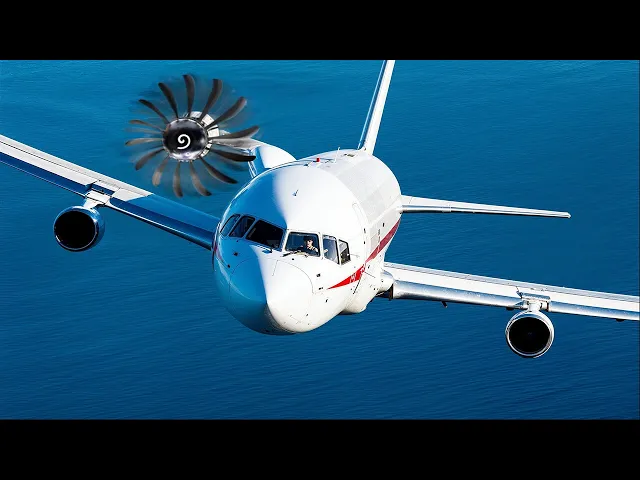
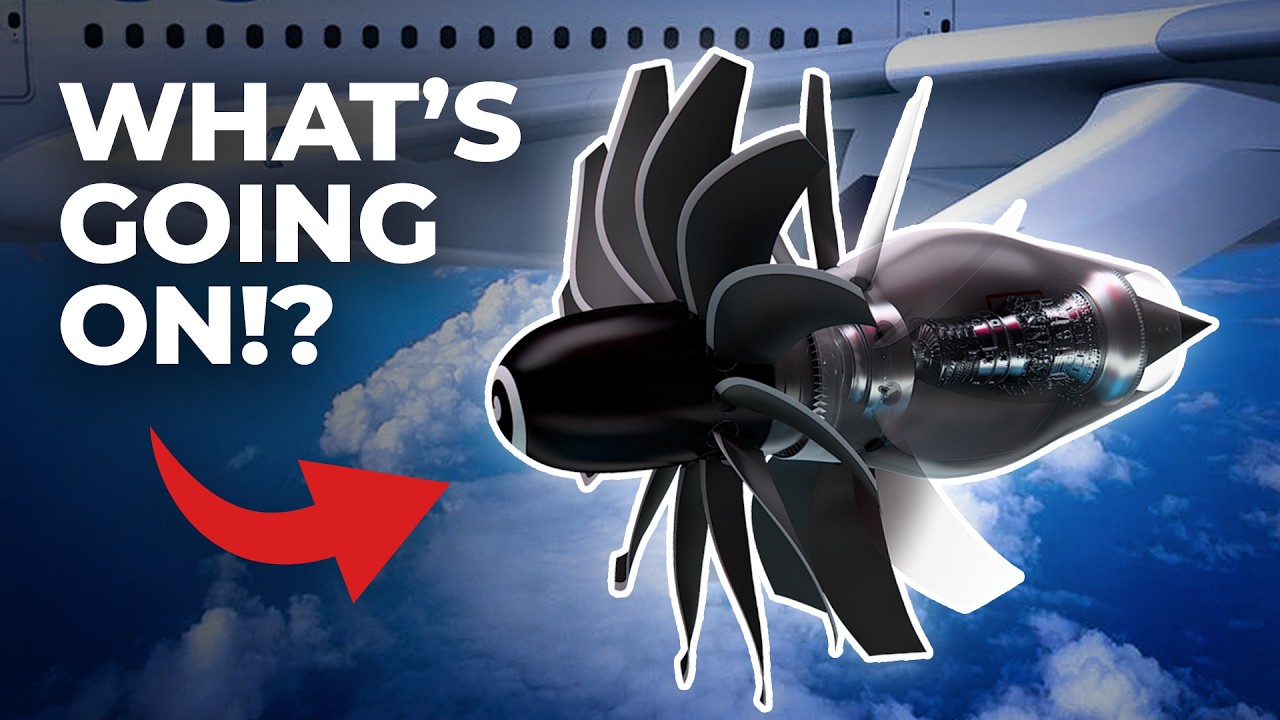
this is the CFM rise a revolutionary aircraft engine that promises to push the limits of Aerospace travel nearly 40 Years of research and collaboration put into the most efficient and groundbreaking engine of all time but if this engine's Innovative design has been around for four decades why did it take the aviation industry so long to start paying attention to it in order to truly understand how far CFM plans to push the boundaries of aerospace engineering we first need to look back at where the aircraft engines began back in the early 1900s the wri brothers successfully
completed a flight with their historic right flyer which marked the beginning of powered aircraft flights in our world the right flyer was powered by a piston engine built by the rights themselves early piston engines were typically of the inline or radial configuration inline engines had ERS arranged in a single row often with a water cooling system to manage engine temperatures piston engines operated on the principle of internal combustion they use a mixture of fuel and air which was compressed within the cylinders by the movement of the Pistons ignition of this fuel air mixture produced high-pressure
gases that drove the Pistons converting the energy into rotational motion that powered the aircraft's propeller the biggest problem however with these early inline piston engines was reliability they required frequent maintenance due to the wear and tear on components like valves pistons and bearings cooling systems needed careful monitoring to prevent overheating especially during prolonged climbs or high power settings because of this the 1930s saw the emergence of radial engines which featured cylinders arranged in a circular pattern around the crankshaft these engines were constructed using materials such as cast iron for cylinders steel for the crank shaft
and aluminum for components like pistons and cylinder heads radial engines such as the pratton Whitney r985 wasp Jr became popular for their increased reliability ease of Maintenance and ability to deliver more power compared to the earlier inline cylinder designs they were widely used in both civilian and military aircraft during World War II early piston engines played a crucial role in the development of Aviation inline engines where cylinders are aligned in a single row also saw advancements during this period superchargers were introduced to increase engine power at high altitudes improving aircraft performance engines like the Rolls-Royce
Merlin used an iconic aircraft like the Spitfire and P-51 Mustang showcase the capabilities of these new and improved inline engines with supercharging however despite the advancements that were made with these engines the limitations with them were still clear the improvements made to them definitely made them more efficient and allow them to move increasingly quicker but unfortunately it wasn't efficient enough or fast enough to keep up with the demands for more the ability to perform maintenance even became significantly easier but it didn't change the fact that the frequency of Maintenance needed was still quite High the
use of a piston itself just came with inherent drawbacks of wear and tear even when they changed the materials used to build them so if they wanted to get rid of this issue they would need to make some serious ious upgrades to the way they constructed the Pistons or perhaps they could try a completely different way to power their engines the urgency of World War II caused the Intensive research and development in aviation Technologies during the 1940s the development of gas turbines which are engines that convert the energy from burning fuel into high-speed gas formed
the basis for what would become early jet engines Engineers realize that these engines provide a higher thrust to rate ratio compared to piston engines making them more suitable for high-speed and high altitude flights not to mention a significant drop in the frequency of Maintenance needed the development of these jet engines revolutionized aviation in the mid 20th century the German Messer Schmid me262 became the first operational jet powered fighter aircraft during World War II postwar engines developed rapidly leading to the introduction of turbojet turbofan and turbo prop engines this marked perhaps the biggest step in evolution
since the Wright brothers first unveiled the airplane engine and would be the foundation that all engines including the CFM rise would build off of moving forward today of course jet engines have only continued to evolve from the point that they were introduced during World War II historically as they've evolved they've continued to get larger in diameter they do this because of the need to generate more thrat thrust which is the force that propels the aircraft forward this thrust is produced by the combination of the high-press air flow generated by the fan and the high velocity
exhaust gases exiting the engine in order to generate more thrust they've largely done this in two ways by finding ways to push air backwards faster or push a larger air mass at the same speed or the second and more efficient option increase the size allowing them to increase their bypass ratio this essentially means they use a bigger fan that can push more air around or bypass the engine core an issue that may be obvious is that if you increase the size of the engine they also get heavier largely over time the positives have outweighed the
inherent disadvantages of increasing the weight of the aircraft there isn't an absolute limit to how big a jet can become but there are practical constraints and diminishing returns that influence engine size as engines become larger their weight increases proportionally maintaining a high thrust to weight ratio is crucial for aircraft performance especially during takeoff and climb phases balancing the thrust generated with the weight of the engine and aircraft structure becomes more challenging as engines grow larger larger engines will also generally experience increased drag and aerodynamic challenges affecting overall aircraft efficiency also while larger engines can produce
higher thrust they may consume more fuel affecting the aircraft's range and operating costs improvements in engine efficiency materials and aerodynamics help mitigate fuel consumption but there are practical limits to how much fuel can be efficiently utilized by a given engine size not to mention that it will just get increasingly harder and harder to fit the plane engine underneath the wing as the space is limited at some point you would need to also increase the size of the aircraft altogether and that just compounds the issues that come with increased size and weight fortunately this isn't the
only way that had been discovered for an engine to push a really large air mass backwards manufacturers would just have to look back a couple of decades to discover a solution back in the 1980s engine and aircraft manufacturers were exploring something called the prop fan which is also known as an open rotor engine these work very similarly to Turbo fans but they aren't encased in an cell in order to meet the required efficiency thrust and manageable diameter early versions of these open rotor engines had two counter rotating fan discs that had variable pitches unlike the
fan blades we see on Modern turbo fans having the variable pitch would further increase efficiency many companies at the time studied and developed this design one of the bigger companies was General Electric with their G36 they based their designs on NASA research of alongside a French engine manufacturer snma a manufacturer known today as saffran a company that they continue to be partnered with as part of the CFM joint venture that is developing the rise engine one of the developed prop engines was selected to be used in Boeing's new 7 j7 to replace the at the
time 727 model even though the 757 had since been used some frequent flyers didn't like the upsizing that came with the new model so boing wanted to introduce a smaller alternative however this plan never came to fruition with Boeing deciding to release the 737 NG to replace the 727 instead the G36 was the plan designed to go with but the part that halted the eventual implementation of the design was the excessive noise of the engine coming in even louder than the lower bypass turbo fans that the MD80 and even the 727 it meant to replace
used at the time time another setback came with a drop in oil prices during the 1980s because of this manufacturers became less worried about the need for more fuel efficient designs especially if it meant a massive noise increase and the use of radically new and unproven Technology unfortunately this resulted in largely every aircraft manufacturer losing interest in the open rotor engines for the time so what exactly changed in today's market that has resulted in a revamped interest in the Des designs with the CFM rise what if I told you that GE nearly 20 years later
would strike gold as an old friend of theirs would reveal a design that would solve nearly all of their problems first off fuel efficiency is of course back on everyone's mind nowadays as prices have skyrocketed and the demand for such fuels has only gotten higher fortunately despite the loss of interest in the designs many engine manufacturers didn't stop developing and studying the open rotor engines Innovations such as advanced blade out containment systems ensured safety in case of Blade failure preventing debris from causing damage to the aircraft or other engine components variable pitch and sweep mechanisms
allow for optimal blade angle adjustments during different flight phases enhancing performance across a range of operating conditions also during that time GE had continued improving on the fan blades themselves coming out with a new composite design for the blades this among other new improvements based on the knowledge from the research conducted throughout the years came in handy in General Electric's new ge90 engines that would be used in Boeing's Tri 7 and the CFM leap engines used in the 737 Max and the Airbus A320 Neo now while the efficiency interest returned and many discoveries would lead
to improvements in general aircraft engine designs open rotors still found themselves with a bit of a prevalent noise problem this is where the French manufacturer and CFM member saffran came into play as they built and tested a new open rotor model it was quite similar to the G36 from back in the day but it used a gearbox to help Drive the two counter rotating fans saffran reported that the noise level on these new designs was the same as the current CFM leap engines solving essentially the biggest issue that the open rotor fans had been facing
when it came to implementing them properly into modern aircraft GE and saffran together figured out a way to minimize the design moving down to only one fan from the two counter rotating ones on the previous design made possible by newer advances in technology this design is now the base for the CFM rise which was revealed back in June 2021 this new layout further lowered the noise levels of the engine and also allowed for the use of smaller and more reliable gearboxes that were currently being used in modern turbofan models the expectations in terms of efficiency
are staggering the current models see a bypass ratio of about 12 to1 and CFM is expecting an increase as much as 20 to1 the fuel efficiency and CO2 emissions are expected to see an improvement by 20% over the current engines on the market Airbus is also preparing an Airbus A380 with CFM to test the new engine they're planning to utilize hydrogen burning turbofans which will further reduce CO2 emissions as the use of hydrogen as a fuel source does not cause any greenhouse gas emissions the use of hydrogen fuel has become a goal for all current
and future Aviation engines and this would be a massive step in ensuring the effectiveness and reliability of this fuel source ground tests are expected to begin in the middle of this decade with flight tests to follow soon after should everything go to plan bye for now



![[ Top 5] Japanese inimitable manufacturing process! amazing Japanese craftsmen!](https://img.youtube.com/vi/6fq9tLGOoOk/maxresdefault.jpg)