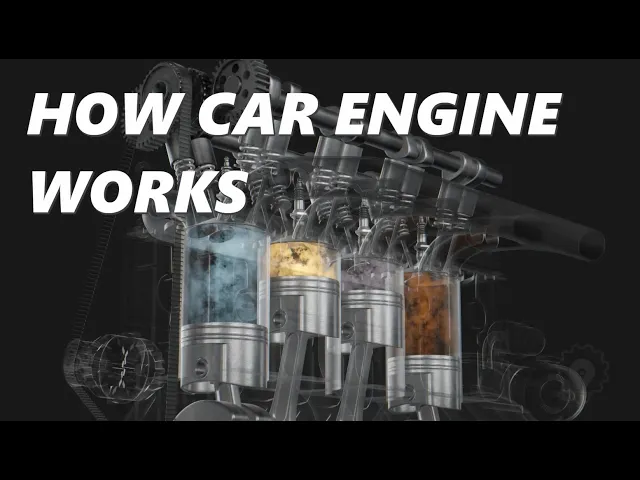
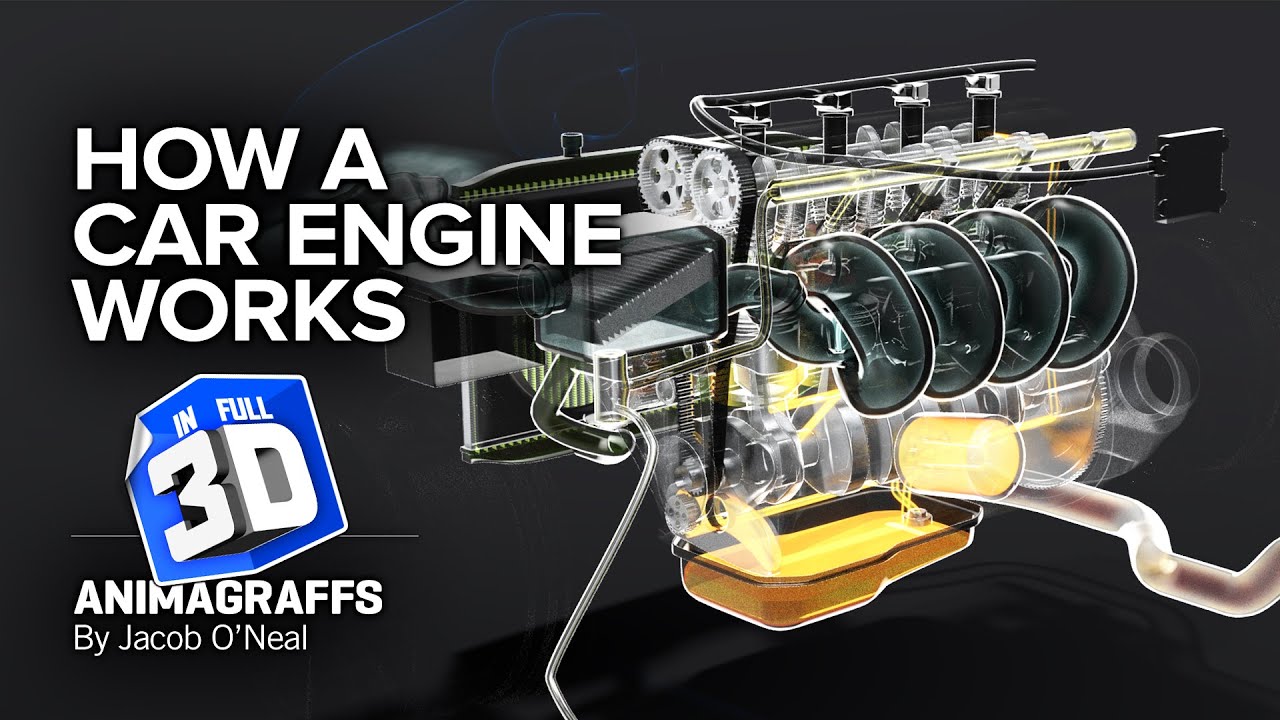
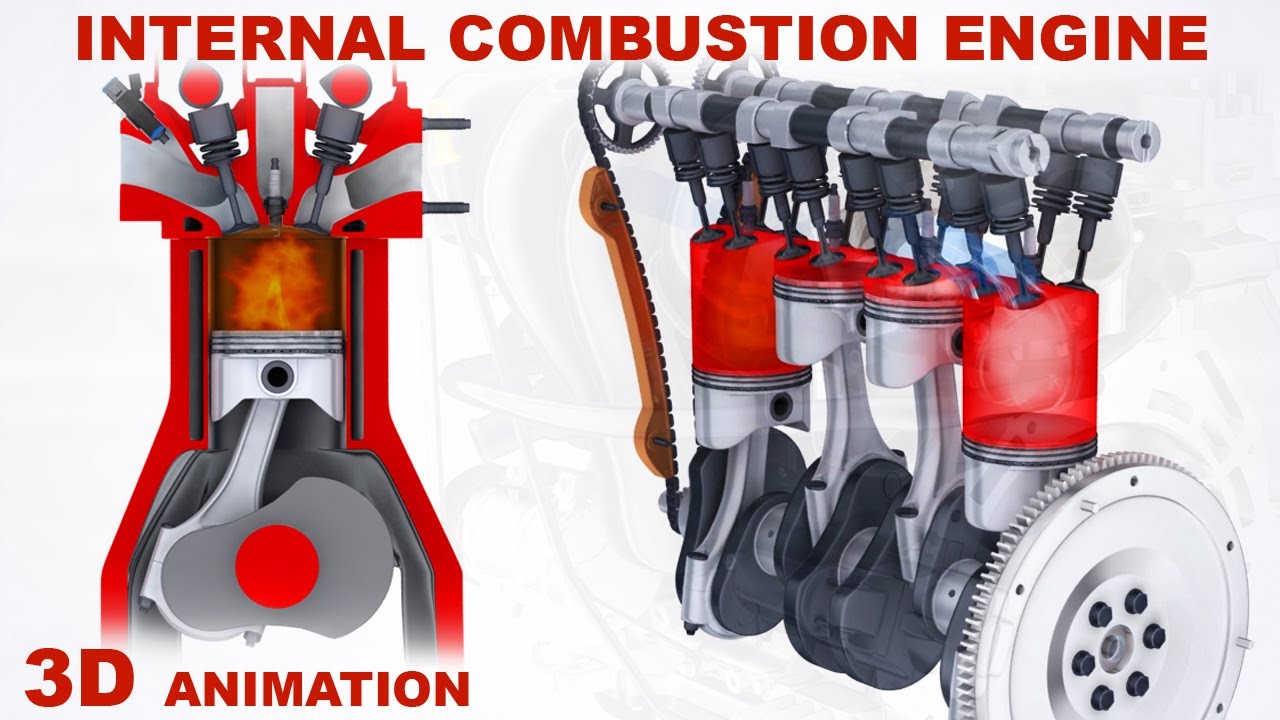
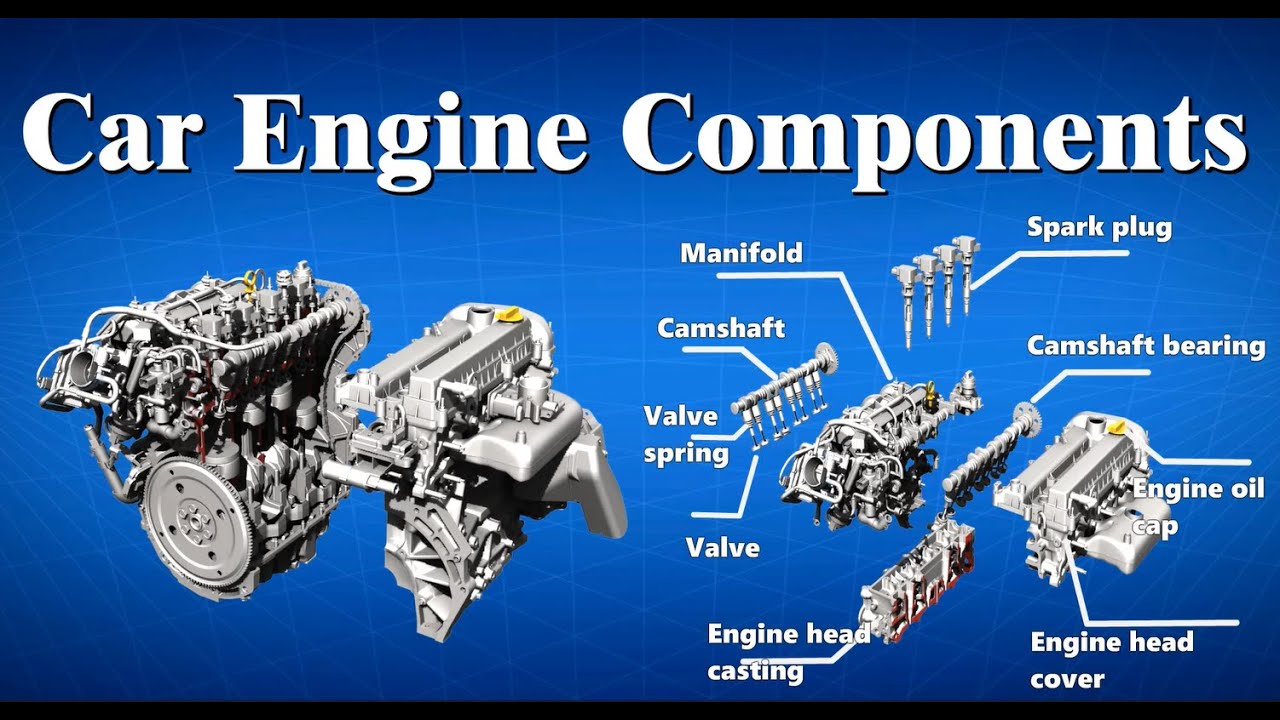
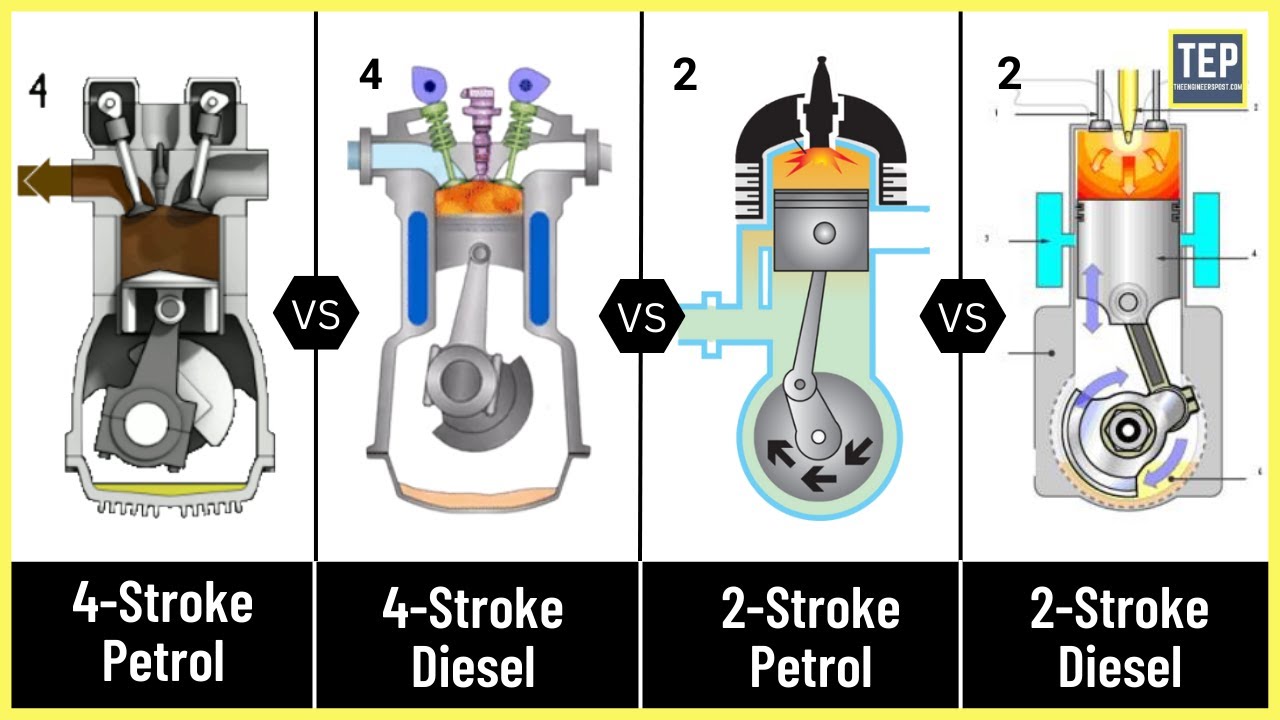
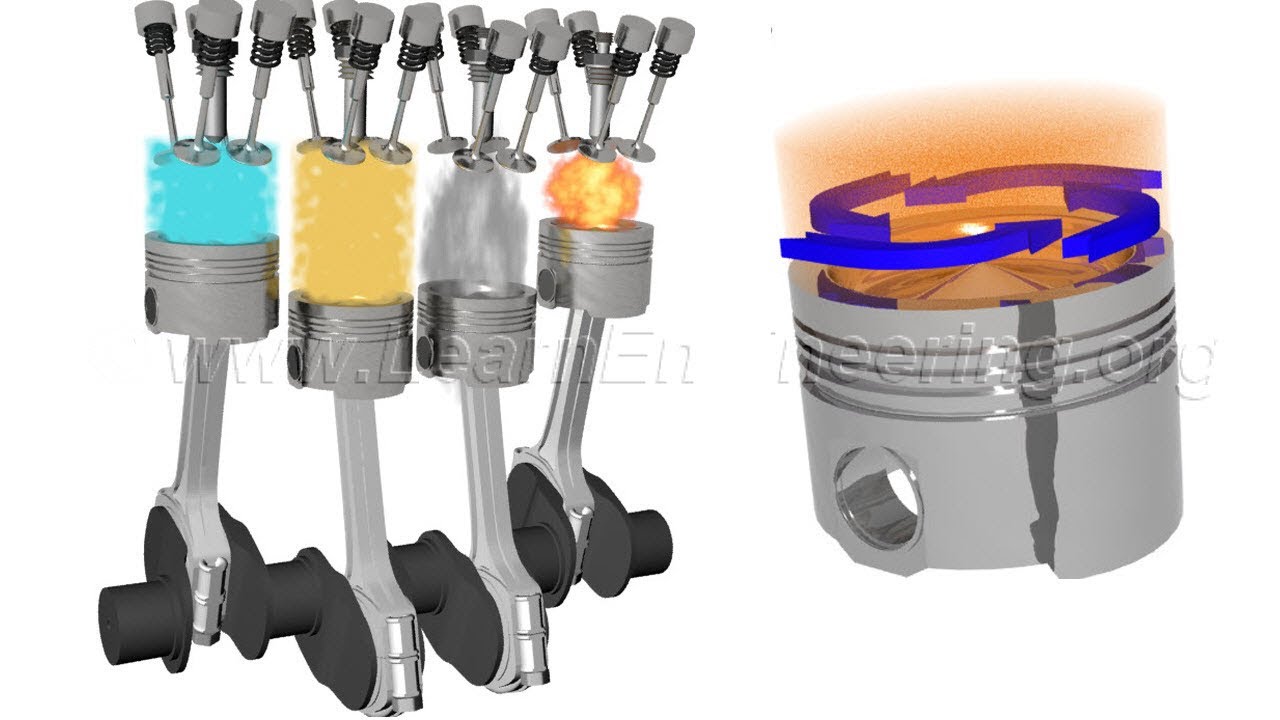
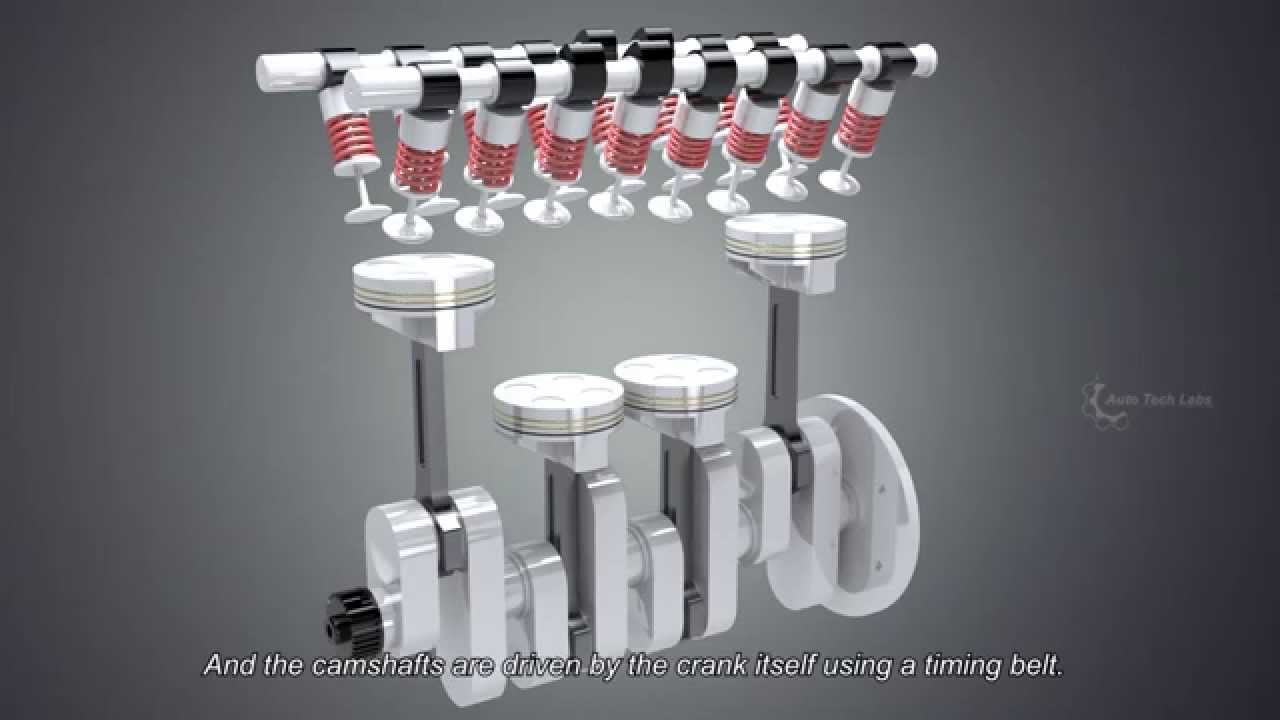
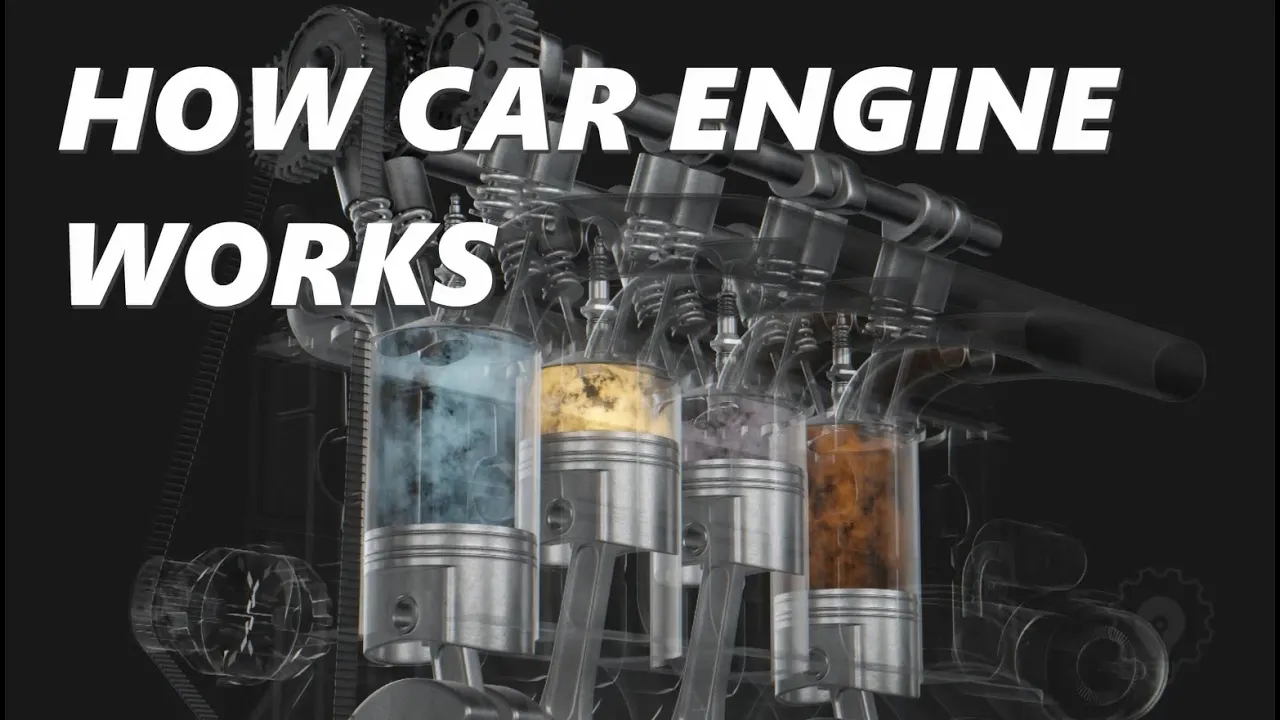
how car engine works car engine is a machine designed to convert heat from combustion gas into the force that turns the wheels on the road a car engine generates power by igniting a compressed air fuel mixture inside a sealed cylinder and causing it to burn rapidly as the air fuel mixture burns it expands and provides energy to drive the car therefore this machine is called an internal combustion engine let's look at the internal structure of a four-stroke inline four-cylinder engine here is a dual-overhead camshaft engine which is commonly seen in most sedan and hatchback cars
the four-stroke engine passes through four different strokes in one cycle to generate power the intake compression power and exhaust stroke here we will look at how a four-stroke engine works in a single cylinder intake stroke the piston moves downward from the top dead center to bottom dead center during an intake stroke the intake valve is open during the intake stroke to allow air fuel mixture into the cylinder the exhaust valve remains closed during the intake stroke the camshafts are designed to open or close the valves according to the corresponding strokes of each cylinder as piston
moves downward it generates partial vacuum inside the cylinder the pressure difference creates a suction which pulls the air fuel mixture into the cylinder at the end of the intake stoke the intake valve changes from open to closed compression stroke in the compression stroke the piston moves upwards from bottom dead center to top dead center both the intake and exhaust valves are closed this helps to isolate the combustion chamber from the outside air the upward motion of the piston compresses the air fuel mixture encompassed in the cylinder which increases the pressure and temperature of the mixture
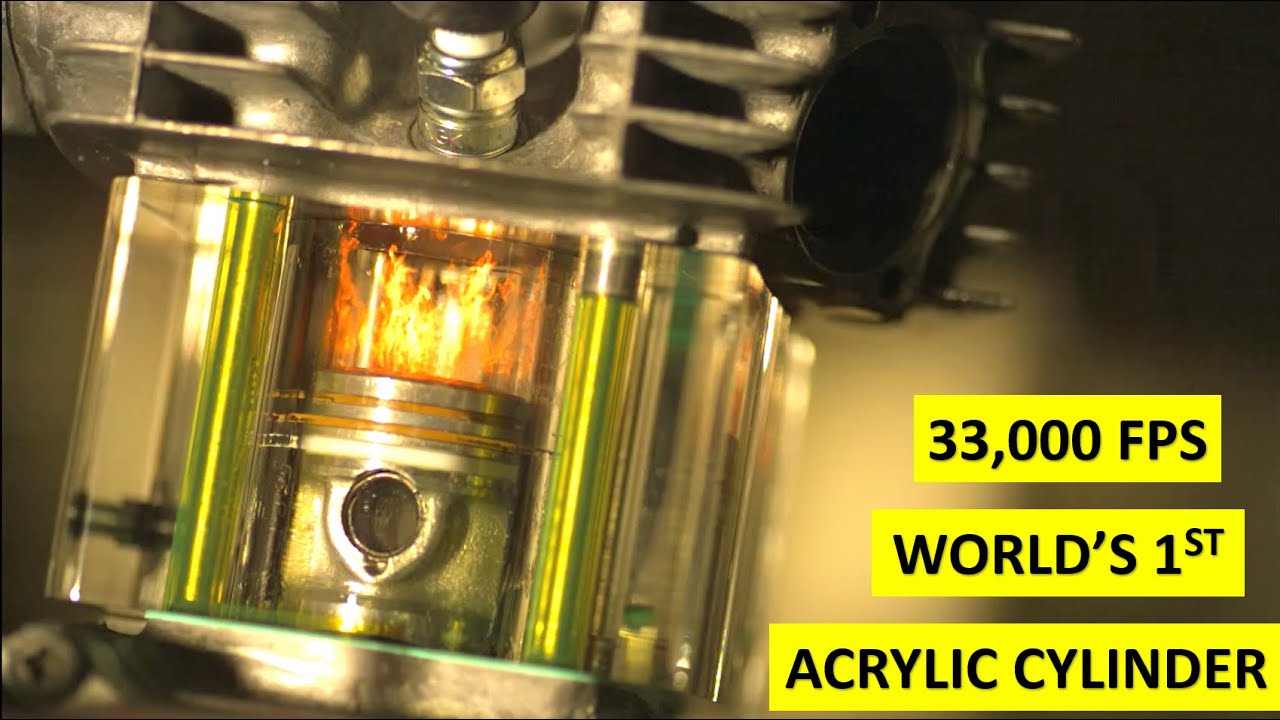
the difference between the volume of mixture sucked into the cylinder during an intake stroke and the fully compressed volume is called the compression ratio for example an engine with a compression ratio of 10 to 1 means an air fuel mixture is reduced to one tenth of its original volume power stroke in the power stroke an electrical spark generated using a spark plug is used to ignite the compressed air fuel mixture the intake and exhaust valve remain closed in the power stroke as the air fuel mixture burns it expands and pushes the piston downward the thrust
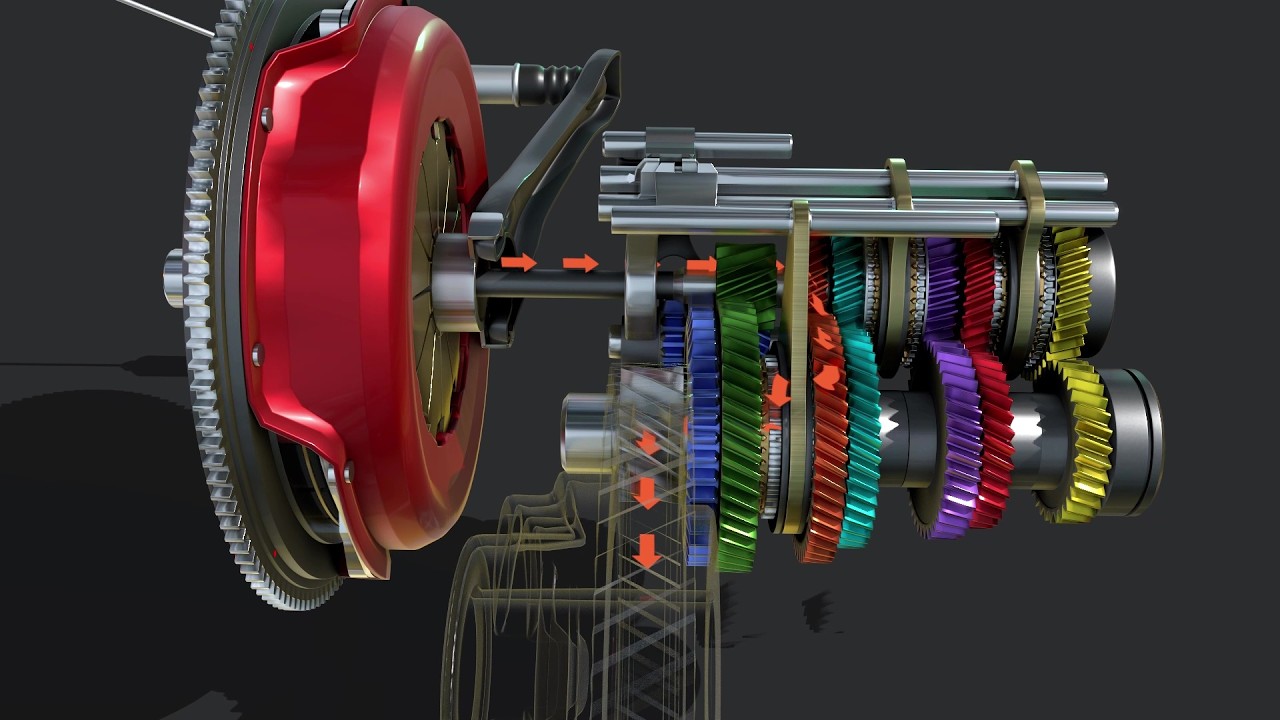
created due to the combustion of fuel provides energy to drive the car the energy is transmitted to the wheels via the car transmission and driveshaft exhaust stroke combustion of the air fuel mixture produces residue gases with high pressure and temperature the residue gases are made up of unburnt fuel particles plus harmful pollutants during the exhaust stroke the exhaust valve is open and the intake valve remains closed the piston moves upward and drives the exhaust gases out the four-stroke cycle would then repeat from the intake stroke and keeps the engine running with power you