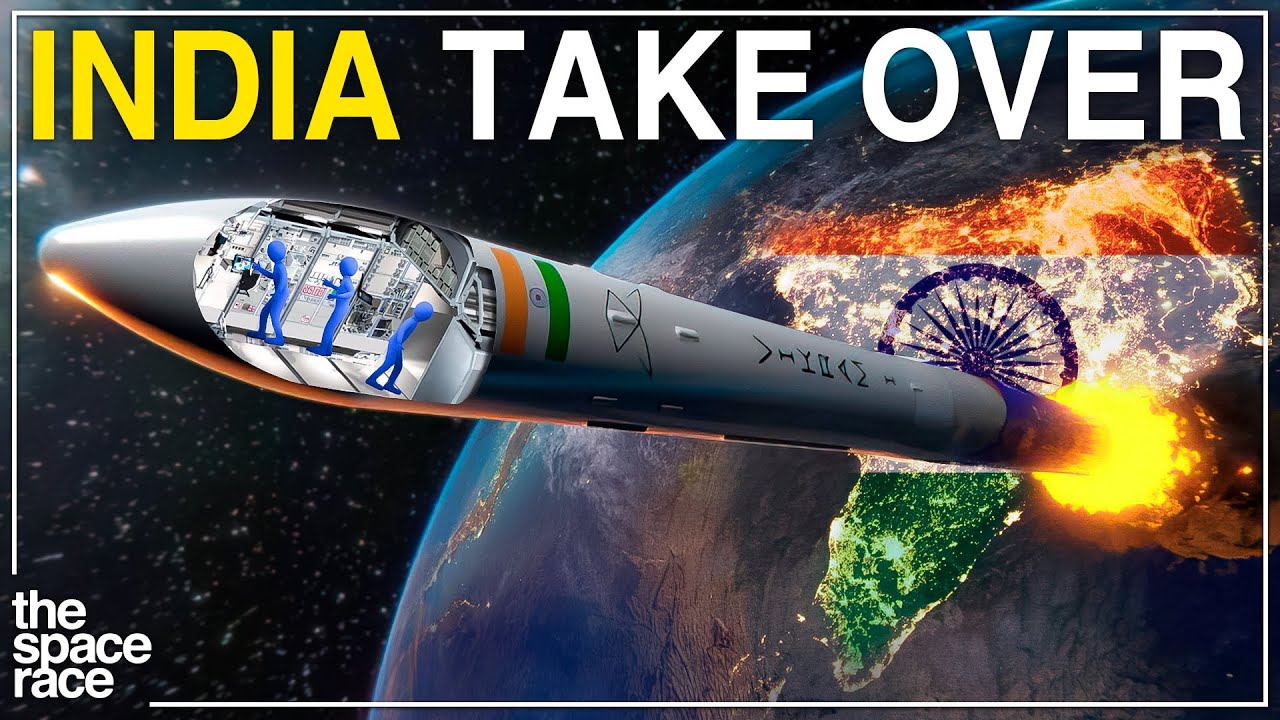
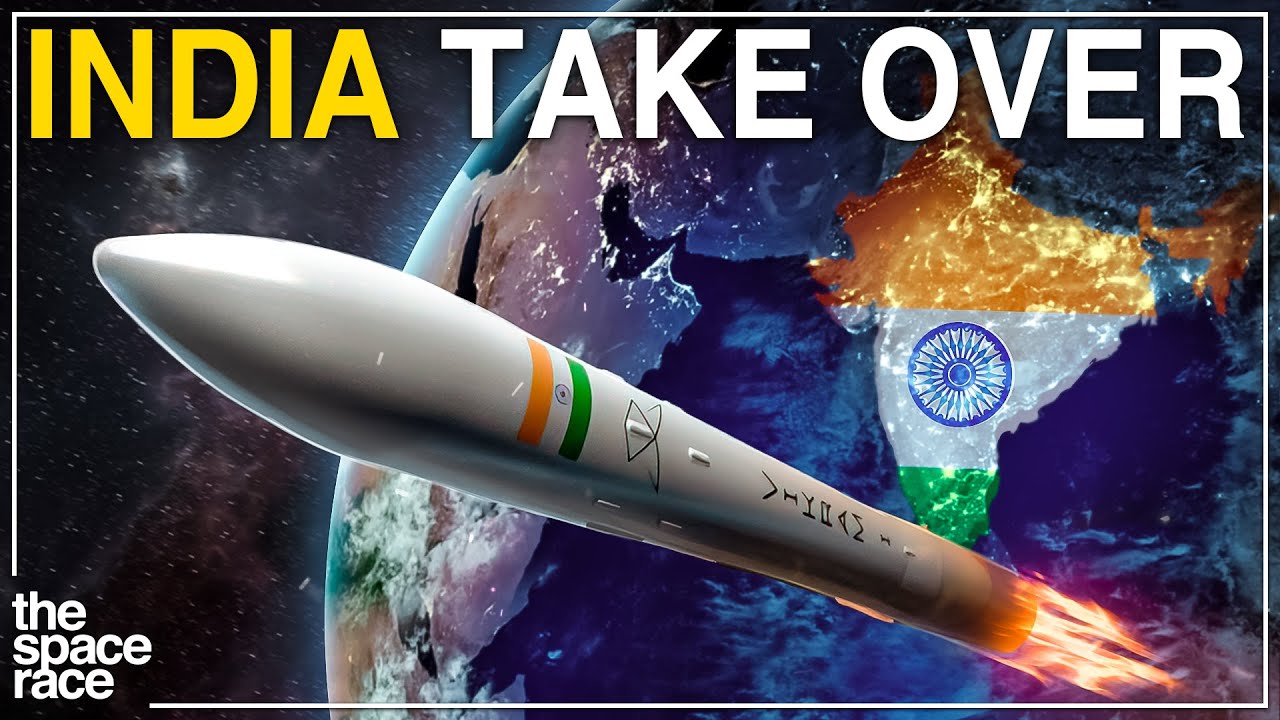
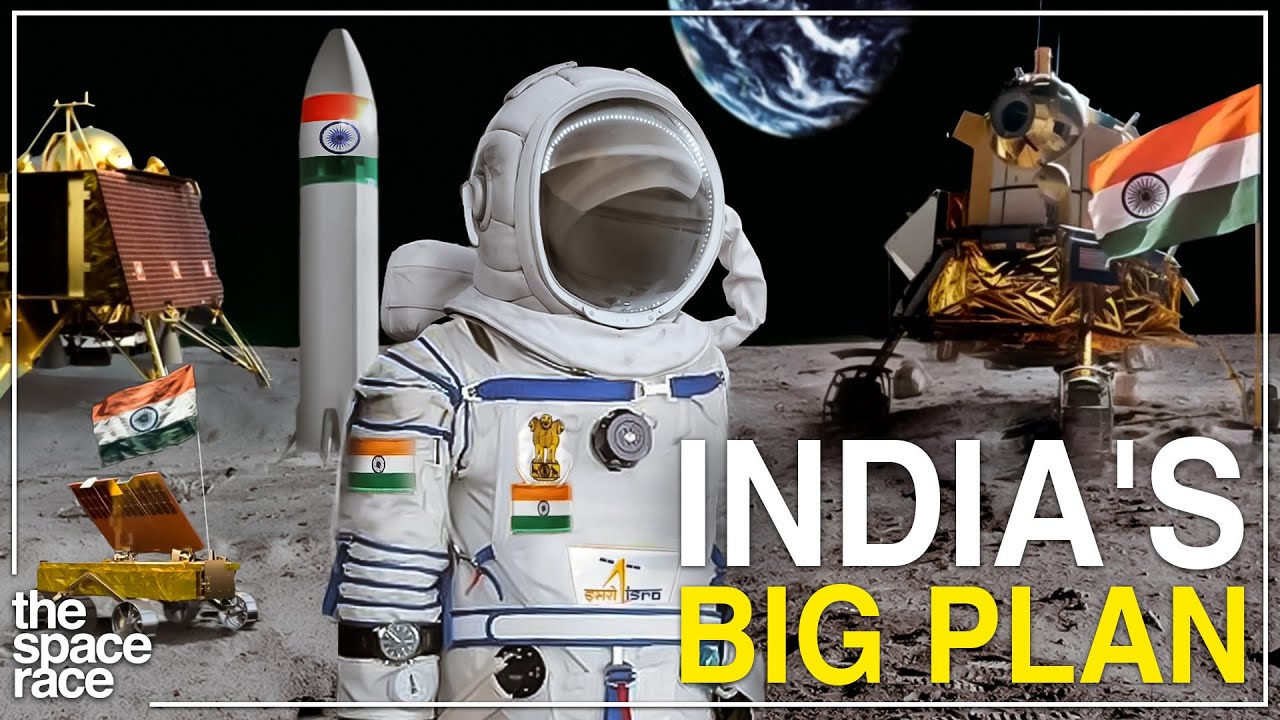
Over the past several years, SpaceX has received a lot of well deserved praise and acclamation for their strides in lowering rocket launch cost. Another organization, however, that isn’t nearly as celebrated is India’s space organization: ISRO. For decades, ISRO has slowly but consistently been driving down the cost of missions across the board including orbital missions, lunar missions, and even martian missions.
So, here’s the story of the space underdog: ISRO. ISRO was officially founded on August 15, 1969, but the organization's roots stretch back decades. The earliest known roots trace back to Indian physicist S.
K. Mitra in the 1920s. Mitra was most famously known for his experiments relating to ionosphere soundings.
An ionosphere sounding is a telecommunications technique used to identify the most optimal radio frequency in a given area. Scientists use this information to form a better understanding of the upper atmosphere and Earth’s near space environment. Aside from S.
K. Mitra, we also had C. V.
Raman and Meghnad Saha who also completed a variety of space related experiments throughout the 1920s and 1930s. But, the first major leap forward wouldn’t come till the 1940s when the physical research laboratory and the tata institute of fundamental research were founded. These two organizations were founded by scientists Vikram Sarabhai and Homi Bhabha respectively.
Each organization leveraged nearby universities and research laboratories to conduct experiments relating to cosmic radiation, upper atmospheric studies, and high altitude tests. In 1962, Vikram Sarabhai would convince prime minister Nehru to set up the Indian National Committee for Space Research. And soon after, India would begin experimenting with sounding rockets which eventually led to the formation of ISRO or the Indian Space Research Organization in 1969.
Since then, ISRO has developed 5 different launch vehicles with the first being the Satellite Launch Vehicle or SLV. The SLV was a rather small rocket with a payload capacity of only 40 kilograms. Despite its relative simplicity, it took ISRO 7 years to develop, and unfortunately the first launch in 1979 would end up failing nonetheless.
A faulty valve would end up causing the rocket to crash into the Bay of Bengal just 317 seconds after launch. ISRO would give the SLV another try just a year later in 1980, and this time, the launch would be successful. ISRO would successfully launch the Rohini RS-1 satellite into orbit which made India the sixth country to reach orbit.
SLV would go on to be used two more times with mixed results. The third launch itself was successful, but the satellite was launched in too low of an orbit which would cause the satellite to deorbit 9 days after launch. The fourth launch would take place in 1983, and this mission would be a success allowing ISRO to send an earth observation satellite into orbit.
Following the success of the SLV, ISRO would attempt to make a more advanced version of the SLV called the ASLV. The ASLV was a five stage solid fuel rocket that aimed to deliver payloads into geostationary orbit. Unfortunately, this rocket would end up being a massive disappointment.
Throughout its lifetime, the ASLV would complete 4 launches out of which 3 were failures. The first failure took place in 1987 when the first stage of the rocket failed to ignite after launch. Just one year later, ISRO would try again, but this time the launcher would end up disintegrating.
The third launch of the ASLV would take place in 1992, and similar to the SLV failure, the satellite would be released in too low of an orbit and it would end up deorbiting. The fourth and final launch of the ASLV would take place in 1994, and this launch was actually a success. But given the checkered past of the ASLV, ISRO would decide to discontinue the rocket and focus their effort on the PSLV or the Polar Satellite Launch Vehicle.
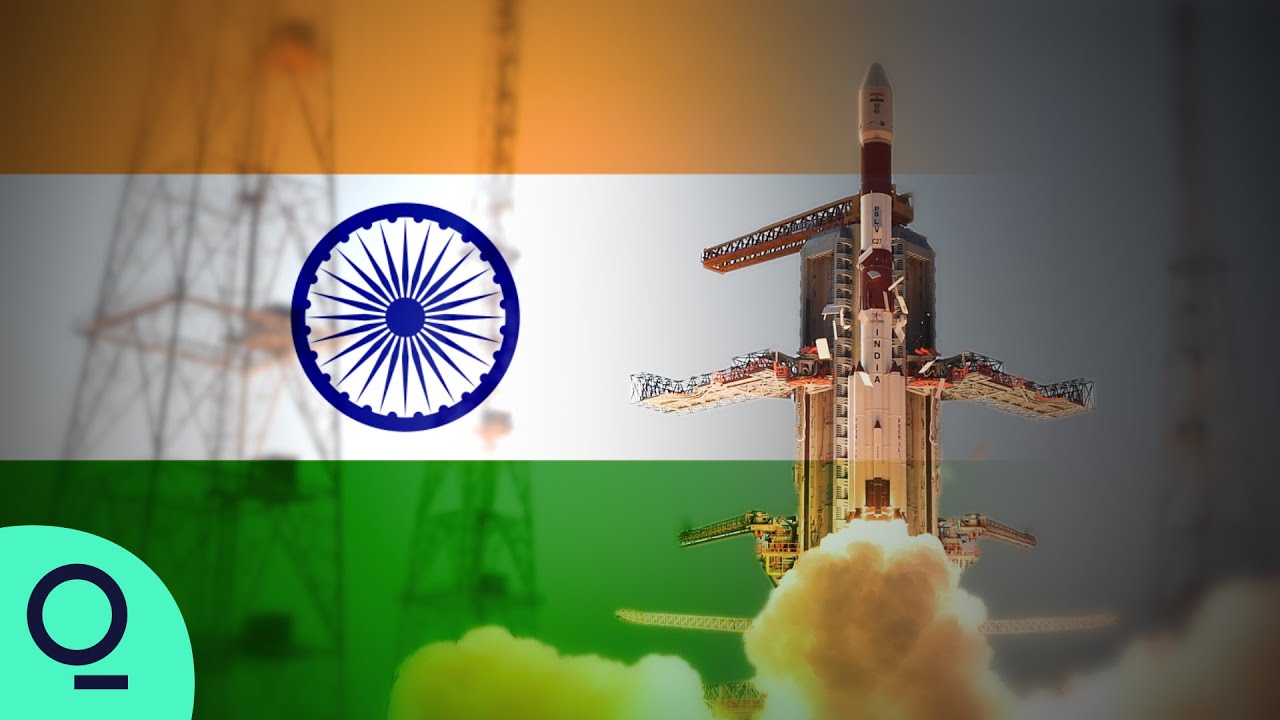
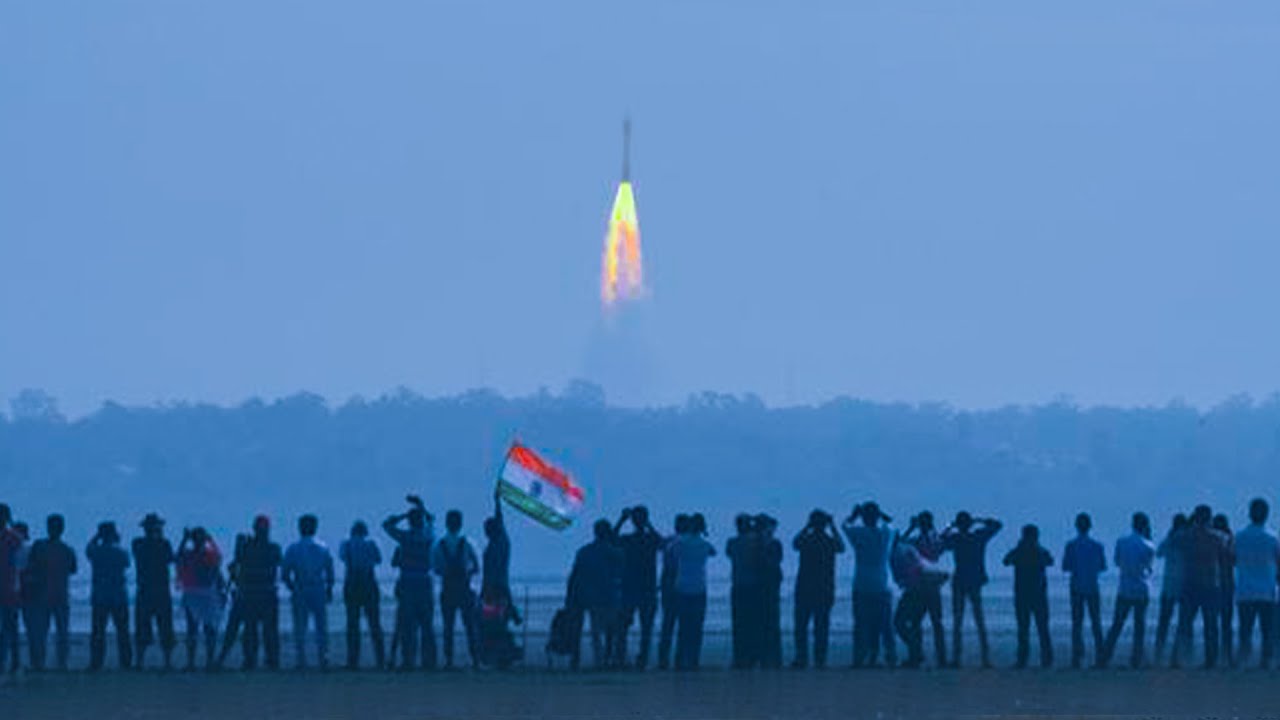
The PSLV was designed to deliver payloads into Sun Synchronous orbit and this rocket is what would really prove the capability of ISRO. Ironically, the first flight of the PSLV in 1994 would end up being a failure. However, PSLV would end up having a streak of 50 successful launches.
The PSLV is actually still used to this day and it has even put 342 foreign satellites from 36 different countries into various orbits. Up until this year, the PSLV actually held the record for deploying the most number of satellites into sun synchronous orbit in a single launch. Aside from being an extremely reliable launch vehicle, the PSLV is also extremely cost efficient.
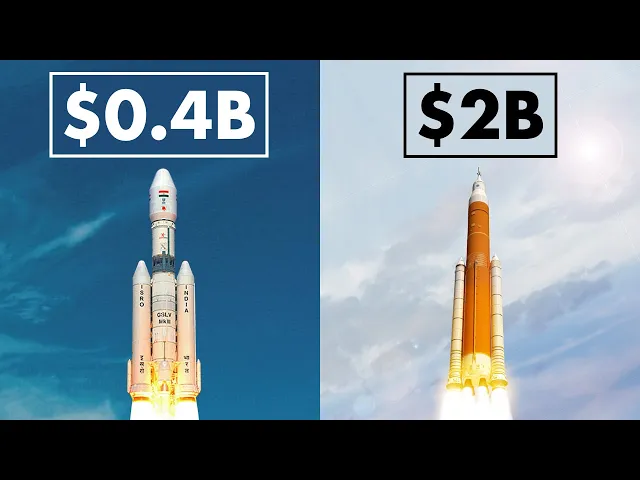
Each launch is estimated to cost between $18 and $28 million. We’ll estimate on the higher side and call it $25 million per launch. The PSLV is capable of delivering 3800 kg into low earth orbit meaning that it costs $6579 per kilogram.
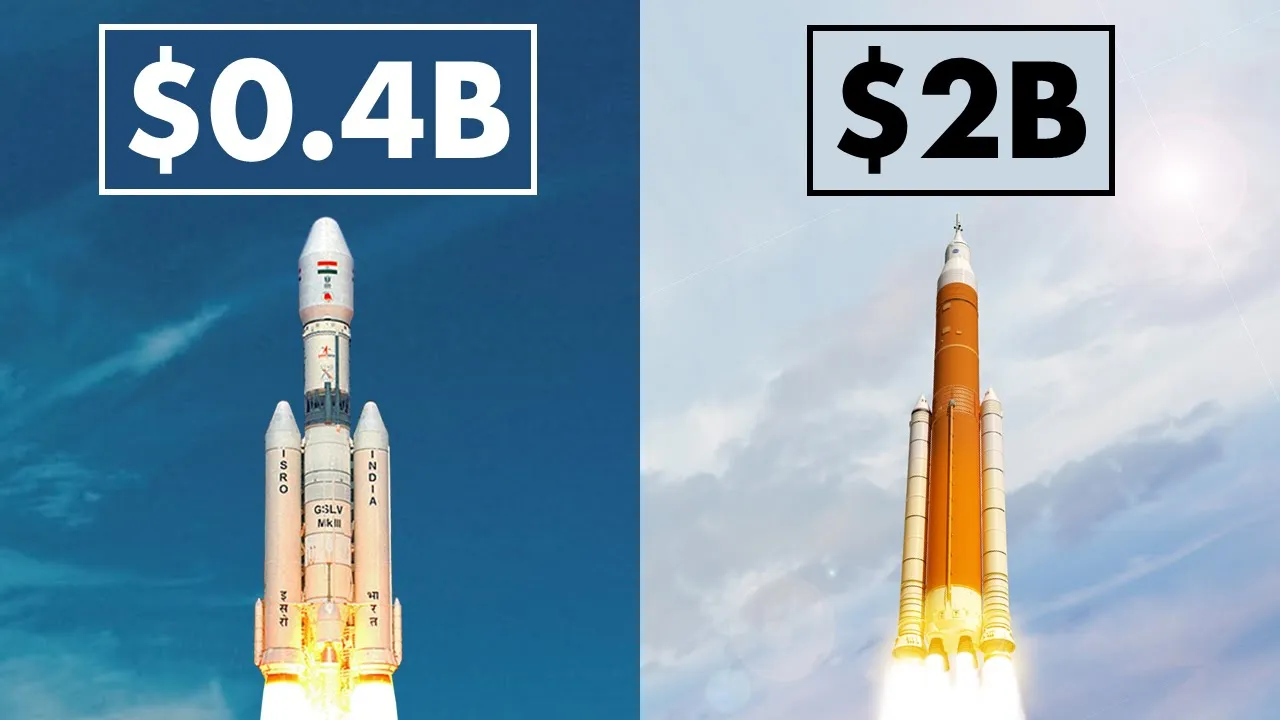
To put that into perspective, NASA’s upcoming SLS rocket is expected to be able to put 70 metric tons into orbit, but the price tag per launch is over $2 billion. This means that the cost per kilogram is $28,572 which is over four times the cost of PSLV. Now, PSLV isn’t nearly as cost efficient as the Falcon 9 which only costs $2,193 per kilogram which is only about a third of the cost of PSLV.
Nonetheless, the PSLV is way more efficient than options coming out from NASA today and the PSLV was designed way back in the 1980s and 90s. Anyway, ISRO’s next rocket was the Geosynchronous Satellite Launch Vehicle or the GSLV. This is basically like an updated version of the ASLV and has a payload capacity of 5000 kg.
The GSLV has thus far had 13 launches out of which 8 were successful, 2 were partial failures, and 3 were complete failures. The GSLV is still used today to send larger payloads into geostationary transfer orbit. And that brings us into ISRO’s final rocket which is the GSLV Mark 3.
This rocket was developed in the early 2000s, and is ISRO’s most powerful rocket capable of sending 10,000 kg into low earth orbit. Similar to the PSLV, the GSLV Mark 3 is quite cost efficient in terms of cost per kilogram. The GSLV Mark 3 costs $51 million per launch meaning that it costs $5,100 per kilogram.
So far, the GSLV Mark 3 has only had 4 launches and all of them have been a success. It definitely looks like ISRO has significantly improved their reliability compared to the early days. Anyway, moving onto notable ISRO projects completed with these rockets, we first have a handful of satellite programs.
The IRS series for instance consists of a group of satellites in sun synchronous orbit. These satellites allow India to map and monitor natural resources such as fresh water. Another group of satellites managed by ISRO is the INSAT series.
This group is located in geostationary transfer orbit and it provides telecommunications and broadcasting capabilities. Fun fact, INSAT is the largest domestic communications system in the Asia-Pacific region. ISRO also has satellites within their Gagan satellite navigation system and within IRNSS.
These groups provide navigation, communications, surveillance, and many more services to ISRO and India. ISRO’s satellites are cool and all, but where it gets really interesting is their lunar and martian missions. After China successfully sent humans into space, India started to focus on trying to send humans to the moon.
And the first step in this journey was sending a probe to the moon. In 2008, ISRO use a modified version of the PSLV to launch Chandrayaan 1 to the moon, and the probe became the first probe to prove the existence of water on the Moon. According to Chandrayaan 1, the Lunar Poles hold over 600 billion kilograms of ice.
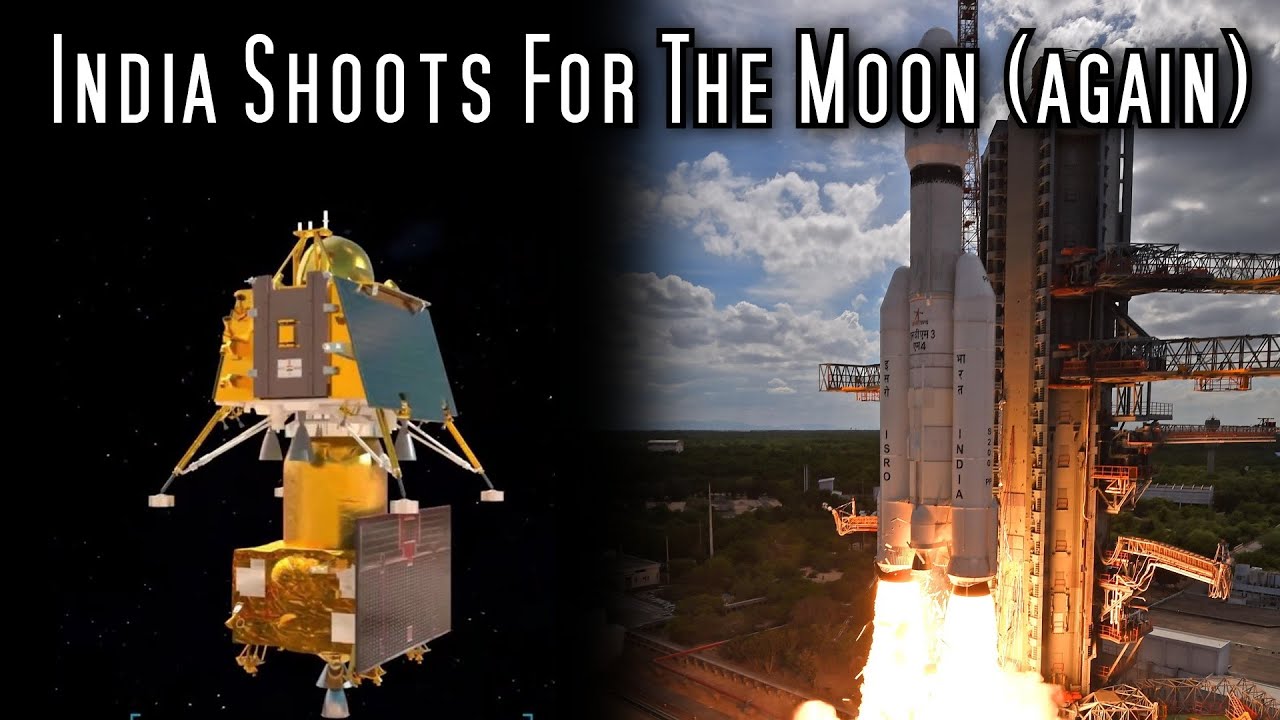
ISRO wouldn’t attempt another Lunar mission for quite some time, but the next attempt would be a massive step up compared to Chandrayaan 1. Chandrayaan 2 was launched in 2019 using the GSLV mark 3, and it consisted of a lunar orbiter, lander, and rover which were all developed by India themselves. The goal of the mission was to prove ISRO’s ability to complete a soft landing on the Lunar surface.
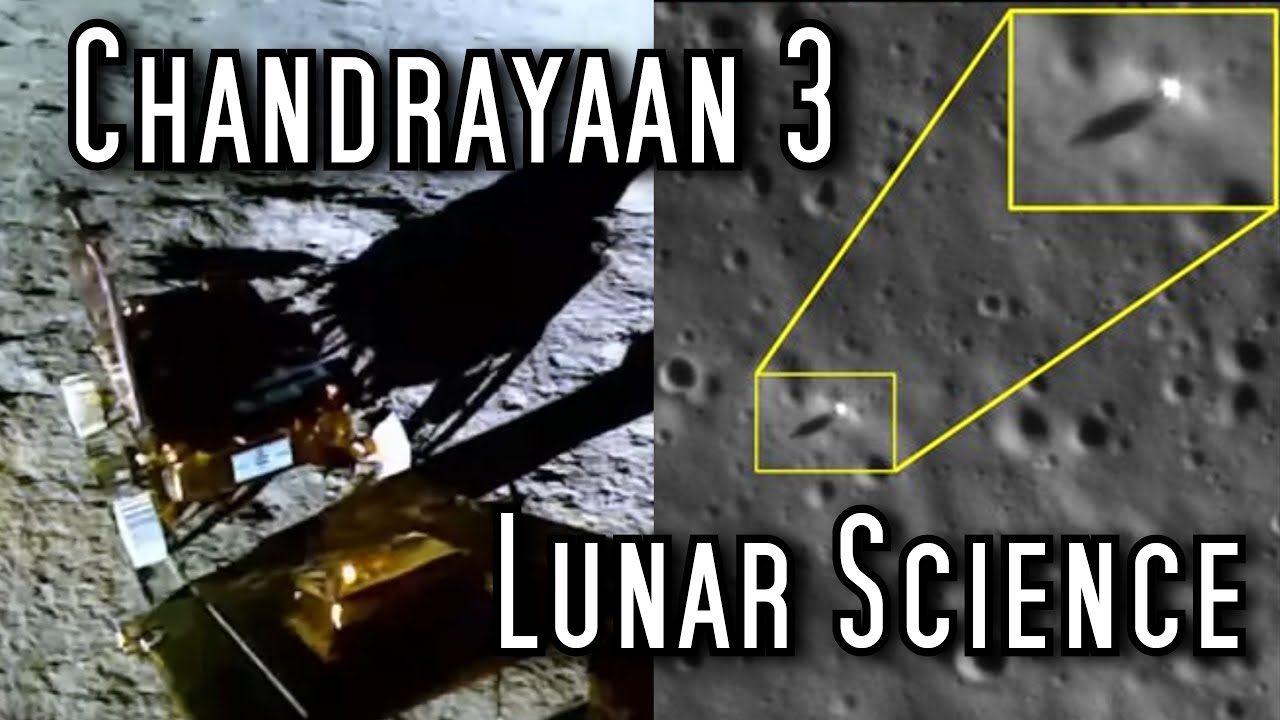
Unfortunately though, a software glitch would result in the lander deviating from the planned path and crashing into the surface of the moon. ISRO is planning on trying the soft landing once again with Chandrayaan 3 which is expected to take place in 2022. Moving onto their martian mission, we have Mangalyaan 1.
In November of 2013, ISRO launched Mangalyaan 1 to Mars, and the spacecraft would successfully enter Martian orbit in september of 2014. This made India the first country to enter Martian orbit on their first attempt. What’s even more impressive though is that they were able to complete the entire mission at a record low cost of $74 million.
To put that in perspective, martian orbital missions completed by NASA generally cost hundreds of millions of dollars. For instance, the Mars Odyssey mission cost $297 million, the MAVEN mission cost $671 million, and Mars Reconnaissance Orbiter cost $720 million. Mangalyaan 1 was literally almost 1/10 of the cost of the Mars Reconnaissance Orbiter.
Clearly, ISRO has made massive strides when it comes to reducing the cost of space missions, but they’re just getting started. Looking forward, ISRO plans to launch Aditya L1 to the Sun in 2022, Shukrayaan 1 to Venus in 2023, and Mangalyaan 2 to Mars in 2024. They also have a mission to Jupiter planned, but we don’t have the details of that mission yet.
Looking forward though, the future of ISRO is looking especially bright as their budget continues to be increased year after year. ISRO’s budget has tripled over just the last 10 years. This is in stark contrast to NASA whose budget peaked 50 years ago.
At the end of the day, ISRO is one of the most advanced space organizations in the world. They’re not quite on the level of SpaceX when it comes to cost efficiency but they’re magnitudes ahead of other government funded space programs. Considering this, it’s just a matter of time until ISRO places humans in orbit and eventually on the moon and mars.
Did you guys realize how cost efficient ISRO was? Comment that down below. Also, drop a like if you guys hope that NASA will soon focus on reducing cost themselves.
And of course, consider joining our discord community to suggest future video ideas and consider subscribing to see more questions logically answered.