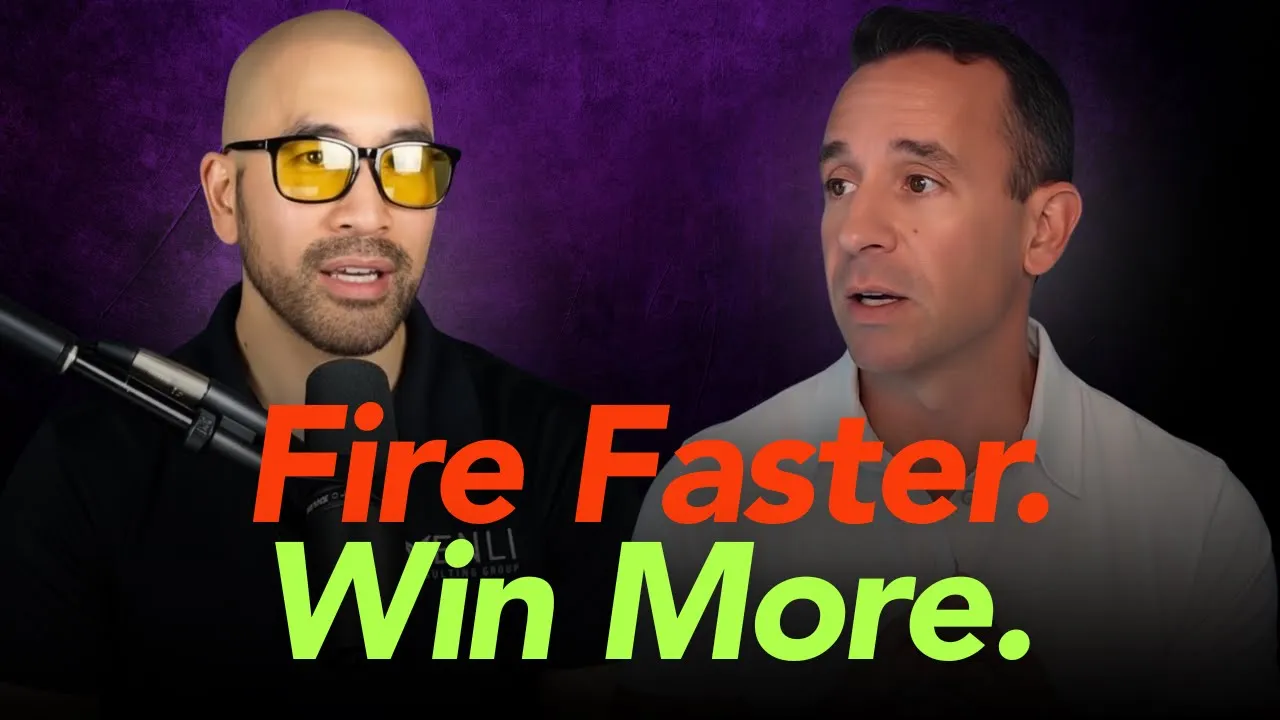
Tough decisions do have to be made. I think it would behoove everyone to have certain metrics set and the metrics are going to be different for any organization, any role, SDR, AECSM, whatever the case may be. Clearly define the metrics for success well in advance, not only to the individual coming on board, uh, but also just as importantly to yourself and to the other folks that are part of the hiring committee and the leadership team. There does have to be that level of selfacountability because we as leaders and as human beings we do have a
tendency which is understandable to be like you know so much potential they're they're right there you know just give them another month and they'll work out but I always have to remind myself that when you're in a leadership position and especially the higher that you go in leadership your responsibilities to the organization as a whole. Why are you going to what someone that you know in your gut is probably breaking things down continue to break things down for longer and longer within the organization? I know that a lot of people don't subscribe to this mode
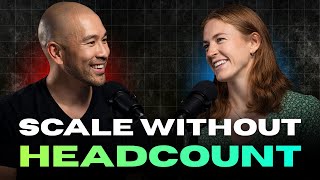
of thinking, but I am a big believer in hire slowly, but on the balance of that, hire quickly. Hey, welcome back to the revenue vault where we break down how today's top revenue leaders build scalable systems that actually work in the real world. Hey, I'm Mark Shan, CEO of Venley, creator of the revenue engine OS. Now, around here, we don't talk theory, we talk about what drives pipeline, performance, and predictable growth. Today's guest is Matt Green, chief revenue officer over at Sales Assembly, a leader who sat on thousands of sales calls and see what really
separates average teams from elite ones. In this episode, we unpack the single biggest blind spot costing CRO's 20 30% of their pipeline, how to hire and test for curiosity in your reps, why most managers get accountability wrong, and how to fix it fast, and the two sales skills that will make or break reps in the age of AI. If you care about leveling up your sales culture, building teams that win on skill, not shortcuts, this one's for you. Matt, what's up, my man? You know, you, you know, you've been have, you've had a unique opportunity.
You sat in on hundreds, if not thousands of sales calls, which gives you a really unique view. What's maybe one systematic problem that you see that's costing CRO's 20 30% of the pipeline that that they're completely blind to? You know, I think it's um it's a really interesting question and you know, we we could unpack this to the extent that that that you want. Um a lot of it has to do with listening skills, right? I mean, it sounds really basic and remedial at a fundamental level, but you know, listening skills obviously ties into discovery.
Discovery, you know, I'm a big believer in that deals are won and lost, right? after or I'm sorry during the initial call usually in large part due to the effectiveness or ineffectiveness depending on the rep on the discovery that's being done and you know what we're seeing with a lot of reps or at least you know the feedback that we're getting from the sales leaders that are managing these big sales teams as you know the prevalence of AI and all things shortcuts has continued to permeate across these organizations reps are you know I wouldn't want
to say getting lazy. That that probably wouldn't wouldn't be the the right definition. They're trying to find ways to cut corners, right? And doing so in the service of something which I think is valuable, which is efficiency, right? But too much efficiency could end up being a really bad thing because then you miss, right? you know, a lot of a lot of the really valuable intelligence, a lot of the really valuable insight that you will get, not um not by just focusing on going through a checklist of questions and trying to move on as quickly
as possible and presuming that whatever pre-all research you may have done through AI or post call research you're going to be able to do through AI is going to fill in the actual gaps that you're going to get just from talking to human to human and having those active listening skills. M you know it's so true right because I see across the board um you know these reps they almost they walk with like a list of prepared questions you know you know and we have clients that say say same thing like hey what are the
top five questions that you say you call like that's kind of a dangerous way to think about it like you get into this like transactional kind of checklist got it got it got it at a very surface level so how can how can leaders help to develop their org to improve their actual active listening skills to be more present >> yeah you know I I think a lot of it has to do with training around curiosity, right? And there are some specific ways to to do that, which we see um being really effective across a
lot of the organizations that we work with. But a lot of it, and this might sound like a copout answer, a lot of it does start um all the way back at the profile that you hire for. >> Oh yeah. >> Right. Um you know a lot of these uh competencies like curiosity you know when we think about the balance between nature versus nurture you know something like curiosity very similar to empathy you know is going to be much more veered on the nature side as opposed to something that you can nurture. So if sales
leaders are afforded some type of Delorean or some other type of time machine, making sure that they're being really diligent for testing for curiosity, right, as a skill, as a competency during the interview process, right? That's what's going to solve a lot of these problems and really pay dividends down the road once these folks start getting on calls with with prospects and clients. >> Yeah, you're you're so spot on, right? I mean, it's kind of like if you if you hire someone who's already not coachable and they come in, I mean, you can have the
best training in the world, doesn't really matter, right? Um, now in terms of like testing for that level of curiosity, how do you recommend a leader would go about testing that curiosity in the interviewing process? >> Yeah, you know, asking what sound like really simple questions, but you know, again, when you give the candidate the opportunity to unpack that, it could tell you a lot. Something as simple as what's one thing that you've learned recently, right? you know, what books are you reading, right? You know, what materials do you what do you find interesting? What
do you do outside of work, right? And then really listening intently to what those answers are, how long it's been since they say they've learned something new, right? You know, you wouldn't or maybe you would be surprised as far as especially a lot of leaders that we uh that we talked to that have been interviewing more tenured reps, right? Maybe they're building out, you know, uh that they're looking to sell up markets. So, they're really focused on recruiting some of these enterprise tenure level sellers that have been in seed for 7 to 10 plus years.
Asking them what's one thing that they've learned recently, especially as it relates to the game of sales. You know, that there are a lot of candidates that for one reason or another, they just at least they claim like, you know, I haven't really learned anything new, right? You know, I think that that is a big flag, especially in this day and age given the rate at which all things sales within the B2B tech ecosystem has been changing%. You know, I always think um one of my favorite questions I love to ask is interview process which
ties right into this is like, hey, how have you invested into increasing your sales skills over the last couple years? And it's kind of shocking because a lot of times they're like, "Well, you know, like I kind of scroll LinkedIn, you know, I kind of look at some they kind like, oh, that's like, you know, versus curious growth mind person like, well, you know, like, you know, you know, I bought a sales course or actually I'm buying these books. Actually, here's the five podcasts I listen to religiously every single day when I work out." It's
like, oh, cool. I think the second piece I always find that helps me identify the curiosity is um I look to what kind of questions I can prepare with like what's the level of depth because like you have like sometimes they have no questions which is terrible. >> Yeah. Automatic non-starter. >> Yeah. It's like already non-starter. And then sometimes they have like really surface level ones, you know, but then there's like the elite ones. They're like, you know, hey Matt, you know, I was taking a look at your most recent, you know, 10K report and
the CEO said this specific line. Hey, can you help me understand how it's driving what you're doing with your org in the next 24 to four months? >> Oh, okay. [laughter] Like, wow, you are like either you just overprepared, but it kind of tells you a little bit, right? And then when you respond, what are their follow-up questions? So, you kind of see how they're kind of running like a reverse discovery on you, right? I think it's like really powerful. Now, when we talk about blind spots, what's maybe the most dangerous assumption um that you're
seeing CRO and sales EPs make about their sales culture that's costing them top performers that make making them leave or even possibly deals? >> Oh god. Yeah, that that is a really interesting question. A blind spot, you know, this is sort of a moving target. So, it's understandable why that this still is, you know, a blind spot or maybe area of opportunity for improvement. you know, companies, a lot of companies, especially if you're in a fast growing environment. Let's say, you know, you're you're in this 20 to$100 million in revenue range. It seems like a
lot of companies have not figured out the balance between um in person versus virtual, right? And you do have some companies that have been able to make it work from the very beginning in a fully virtual environment, right? And when I say make it work, I mean building and maintaining a positive culture. And when I say a positive culture, I do not just mean like a warm fuzzy like, hey, everyone's getting along, but positive in the sense of there's high performance, people are having fun, but there's also accountability, right? You know, those three things sort
of put together, you know, for a positive go to market culture. Um, it seems like companies are still going through, a lot of companies are still going through some version of AB testing, right? um you know they're they're maybe bringing all the SDRs and BDRs finding somewhere in office like okay you need to be here three days a week right and then a couple months later or a couple quarters later after some you know tenure of relatively mediocre performance like okay well do we need to make this five days a week right and what about
this team over here what about that team over here and again it's understandable we don't hold it against it's not a reason to knock on these leaders because there is this sort of moving target component as far as what type of culture as it relates to how and where and when you're interacting with your other employees, right? Layering on again, you know, all the all the basic fundamentals, things like compensation plan design and product market fit and how you're supporting your team and selling into the market. All those things put together um play a big
role in this. And we still see a lot of leaders today even 5 years after co that are still struggling to figure this out. >> Have you seen any trends or common patterns of like the most successful orcs and like how they're structuring that in person versus remote or hybrid? >> Um you know not there's not one consistent this might be recency bias right so I I will start with with that disclosure. Um, but it seems like a lot of the organizations that that I've been speaking to, let's say throughout this year, 2025, they had
and these are organizations that are performing extremely well, hundreds of millions of dollars, if not billions of dollars in revenue. Um, when you look at the makeup of their teams and where these teams are operating, there is a a heavy bend towards getting together in person, especially for the entry level and junior level employees. So BDRs, SDRs, even the junior level AES, right? You know, some of these organizations have mandated five days a week or four days a week in office for some of these teams. Correlation doesn't equal causation, but again, it just seems like
a lot of these organizations that have reached that level of scale, $100 million in revenue and updating a lot of these companies. >> Yeah, 100%. you know, you know, years ago when I was running and this is before like you know, remote was like a big thing, you know, I had a pretty large org, you know, over 100 reps, you know, did a couple hundred million a year. It was interesting because um you know, we we would have it was two days in the office and the rest of time was remote. >> I mean, they
[clears throat] have to still kind of live within the area, right, because of that, right? But that was like so key I found um because this this also allowed me to like, you know, hire different varying levels of experience across the board. So I had a little more flexibility as a leader, right? But I think one of the side benefits I didn't realize so much later was if I had a weaker sales manager running that team. This like kind of offset a little bit because I found like if you had like a a weak frontline
sales leader and if the whole team's remote, they're not in the weeds. They have no idea what's going on. The reps are running rampant and you know versus like if they were coming in person a couple days a week at least this would kind of like build a culture with that team. It was almost like this force level of like structure. It also allowed like the other reps kind of see what each other are doing and help like stay on track for those days that are actually remote. Because a lot of times I've I've seen
some of these orgs, they're 100% remote and you hire like a junior rep. It's not that say they can't be successful remote, but like outside of the required mandatory meetings that you're going to have, what are they doing? And do they know what to do? And I think in today's time where like with social media, your phone going off and Slack and all these distractions, most of them end up not doing what they need to do, not because they don't want to, but because they're getting sucked in by the the other tech, you know. So
I I think it's a really interesting question. I think obviously depends on each or how they want to structure it. But from an or design perspective, I've just seen for even like really industries have been around for a long time, they do like a hybrid approach, you know, and it allows more benefits across the board. uh does say one one or the other can't work better. It's kind of like what's the situation look like? What are you trying to scale to? What's going to make sense? You know, so um now I think in some situations,
you know, I know it's happened to me uh where you inherit a bad sales management like path, okay? Like like or sales sales management group. You take over an or you're like, "Oh my god, these are the not the greatest sales leaders." What's maybe the fastest path to fix productivity without firing everybody? >> Yeah. you know, the fact oh god um you know understanding of course that sometimes changing the leaders might actually be you know the the only and the ultimate and the best way to go about affecting that this type of change. Um, you
know, I'd say maybe to the extent that you're comfortable reaching through, you know, reaching through that level of bureaucracy and [snorts] really getting closer to inspecting what's going on at the rep level, right? You know, identifying areas of opportunity there, which then tie back to, okay, maybe some of the coaching deficiencies. >> That's right. >> That are coming into play, right? And you know I think that you what what some leaders especially at the executive level you know what when they come into nor new organization they are taking this sort of survey so to speak
um it's easy to lump bad management right or bad leadership into one sort of like amorphous ball right but there are different types of bad or subpar leadership right you know there are leaders that that might be great at accountability right but terrible at coaching right there may the other leaders that are like, "Hey, great at coaching, terrible at driving accountability." Usually what happens is or one area of opportunity for improvement that does not include again just moving everyone out and bringing in new leaders is making sure that that the that the way that the
reps work, what motivates them, what drives them, how they're going to be the most effective and efficient is matched up with the competencies of the leader, >> right? And for example, you know, being relatively self-introspective as I am, I know that when you look at me as a as a leader, as a coach, when you look at my deficiencies, I have significant deficiencies when it comes to again organization and accountability. I like to think that I am relatively decent at that sort of onetoone coaching, right? Um, but when I take a step back and look
at sort of like the the broader org level level view of driving accountability, driving performance in different ways, that's where I have areas of opportunity for improvement. So, what I would do if I was coming into an organization managing someone like myself, I'd say like, okay, well, who are the reps, right, that maybe are bent a little bit more towards self accountability, right? And really the gap that they need, what's going to make them successful is just a much better coach, right? Someone that's going to be able to get really deep into the weeds. Someone
that loves doing the the call coaching and and you know the the debriefs afterward, loves getting in on deals and working handinand with the reps. Let's make sure that maybe we reshuffle the teams and make sure that we're pairing the reps with the coach that's going to provide or the manager that's going to provide them with the specific support that they need based on their personality profile, based on their deficiencies, and also based on things that they tend to do well on their own and restructure the teams accordingly. I think it's really really interesting. Also
think is really interesting is um your level of self-awareness. So I think you know first off you're like okay I I know I'm not really good at the maybe the organization accountability piece. Um how did you go about realizing that as as an executive leader? What are maybe some things you've done to try to offset that? Because offsets a big part of driving sales performance. >> Yeah. Uh to to the latter I've um it's it's been a level of self-awareness in interviewing and hiring. Right. So, you know, when I'm going through an interview process, um,
I do make sure that I am digging as deep as I possibly can to get to get a good understanding of the personality profile of the individual contributor that's looking to join my team and whether or not my deficiencies are just going to extrapolate his or her deficiencies or if it's going to be like a key going into a lock and like, hey, there's a perfect fit because you're bringing something to the organization that I'm not going to be great at delivering, right? you know, I I don't like micromanagement. I'm always going to vet for
people that are selfstarters that I could be from a leadership perspective, I'm going to be much more of like a GPS arrow. I'm going to point you in this right direction, right? And you know, if you're going to need help guiding yourself somewhere, you could always look back to me and I'm again, I'm going to give you this direction, but I'm not going to drive the car for you. At the same time, there are a whole lot of other leaders that are not only great at driving that car, they like driving, right? That's not me.
So, I've always um as I've you know gone through my career, you know, I've been doing this for over 20 years now. I've just gotten better and better, I like to think, and making sure that I'm only hiring people where I know that my deficiencies are not going to set them up for failure. >> Yeah, I think that's that's pretty brilliant, right? I mean, it's it's so simple and brilliant. It's like if you could surround people surround yourself with people that basically don't like that can offset, if you will, in in a nutshell, right? that
can like kind of align and work well together. That's really powerful. And as I think back um it's funny because yeah, I I for sure hired that without even realizing it some some situations where like I'm very cuz I'm the I'm the car driver. I want to take control. I know exact here's where we're going. Let's freaking go. Like we're that's what we're doing, right? And that's great, but sometimes the issue I run into is maybe I'm not as creative or flexible. Maybe not in touch with the you know the more emotional part of like
you know of of human beings, right? So, but like but my best hires have always been that type of person, right? Who's been able to kind of challenge me. I get sucked too rigidly into like my path to success, if you will. And they're help me have to see the softer side. So, I think it's actually really smart. How did you realize this was a potential short I don't want to call it short realize this is an area that you're like, hey, you know what? I just need to offset it. >> Yeah. No, I I
do think it's right to call it a shortcoming, you know, for what it's worth. and candidly that the same way how did I realize it the same way that I learned a lot of other things throughout my life through a lot of failure right just failing over and over again you know bringing people on board my team that didn't work out and real like you know again why did this person not work out you know we're looking on paper everyone else in the organization that interviewed him or her like yeah you know this person's a
solid candidate they just did not fit well on my team and I realized in large part that tended to be because of me right because of my leadership style my management style or lack thereof. My preference to again going back to the car analogy, sitting in the back seat, pointing them in the in the right direction here or there versus yours where like no, I'm going to drive the car, right? Uh and just again having put myself and unfortunately put others in a position where we were not mutually set up for success and just trying
to be self-reflective as possible on that afterwards. That's what led me to learn like, okay, here's where I here's the situation. and here's the environment that I need to create for these reps for all of us to be successful in the app. >> Now, and you seem like a really introspective guy. Is that something you kind of just kind of thought through like, hey, why is this happening or is it like was it like after years or someone called you out or or was it like a line someone said to you? Cuz I think back
to like some of the my lack of self-awareness like why became more self-aware when somebody they basically punched me in the face and told me told me as it is. I'm like, >> I guess I, you know, sh I probably should take that feedback in consideration. Like for you, did you realize on your own? Was there somebody that was there a situation that made you realize it? Yeah, I um I do think that for the most part I realized it on my own because um you know I I would take these you know when a
rep that I brought on board ramped train you know hired trained and was supporting did not perform or was performing and just got up one day and left for better for worse I'm not saying that this is a good thing it might actually be a bad thing I took that overtly personally right you know um if they weren't performing. You know, I'm for better, for worse, I'm not a pass the buck kind of person. If if a if a rep that has a great track record prior to coming to the organization. If everyone else who
is part of the hiring committee interviewed this rep vetted them and say like, "Hey, this person is a go, but they're not performing under my uh support structure." That there's in my opinion, there's just no other reason for me to look anywhere else than in the mirror, right? that that's just I think is going back to the nature versus nurture component. That's just the way that my mind is built which you know the downside is I think that historically I could be unfairly hard on myself or maybe some things weren't my fault. Maybe some things
weren't in as much of my control as I thought that they were. But that's what led to me again just really being focused on okay I need to make sure that I hire the right type of person. And I do not mean culture fit. I do not like that term culture fit. I mean culture ad right someone that to your point that that you alluded to a few moments ago is going to bring something even if that's challenges right is going to bring something new to the organization. It's really powerful and I think um I
remember years ago I had a really good prayer mentor early in my leadership career because I remember I had someone who didn't work out and I was just like oh they're the worst blah blah blah they're terrible and that's you know you're all angry because now you have the staff and stuff and he put me through this exercise and I still I still use it to this day uh he called the uh MP framework which is like you first look in the mirror which is exactly what you mentioned it's like you look in the mirror
hey what could I have done differently to potentially influence the outcome and maybe it's nothing by the way that could Maybe you gain the tools, the training, resources, you did everything possible, right? Like that might might be a situation. Then you look at the P the process. So was there something broken the process that potentially led to this outcome? Like do we hire right? Do we onboard right? Do we train right resources? Do we do all these? What's the process look like? And then maybe the process is super dialed. Then what's the E? Maybe it's
the employee actually like sometimes it's actually but they're the last person we go after, right? Try to look internally first. look at how the environment we've kind of created and then we look at them and I found to be very very insightful because I would say like probably half the time it was like me you know maybe like 40% of the time it's like the process you know and then that 10% is like okay it's it's them you know like it's actually like a small part of them you know because I I for sure have
made higher mistakes it's I'm like we I probably shouldn't hired them I like convinced myself they would be a good fit because it's one thing and that was my own fault you know um now going to like you making the tough decisions like that, right? Because a lot of times I think a lot of leaders may struggle because they need to like hit certain targets, right? So they're like, "Okay, should we continue code investing into this rep, this manager to drive performance versus should we cut them this point?" um what metrics or even like quality
data should an exec look at track to make this call in 90 days instead of just like letting that person like drag blow performance on for quarters at a time. >> Yeah. Um you know and this is not a hot stone massage at all but I mean unfortunately sometimes you know these tough decisions do have to be made. I think it would behoove everyone to have certain metrics set up and the metrics are going to be different for any organization, right? And and and any role, SDR, AE, CSM, whatever the case may be, but clearly
define the metrics for success well in advance, not only to the individual coming on board, um but also just as importantly to yourself and to the other folks that are part of the hiring committee and the leadership team, right? So that because there does have to be that level of selfacountability, right? because we as leaders and and as human beings, you know, we do have a tendency, which is understandable. They're like, you know, so much potential. They're they're they're right there. You know, just give them another month and they'll work out. Um, but, you know,
I always have to remind myself that, you know, when you're in a leadership position and especially the higher that you go in leadership, your responsibilities to the organization as a whole. And sure, I mean, when you say that, it's like, well, yeah, I mean, I get that. But if you truly do get that, why are you going to let someone that you know in your gut is probably breaking things down continue to break things down for longer and longer within the organization. So I know that this might be I know that a lot of people
don't subscribe to this mode of thinking but I am a big believer in hire slowly but on the balance of that >> hire quickly right I mean you know I I do like to think that your intuition especially as an experienced leader is there for a reason if you're a month in 6 weeks in and you just know like in your like hey I don't really think this is working out it's going to be better for you it's going to be better for the organization it's going to be better for the individual contributor that you
hired on your team to go to them and say like look I don't think this is working here's why the sooner that you do that actually the more generous that you could be in supporting them in finding something else that might be a better fit for them. Yeah, 100%. I think it's like when you approach with that mindset, um it's better for literally actually all parties, right? Um yeah, and and I have found, you know, I I've, you know, taken over orgs and I take a look at the data and I sit down with the
rep or the manager, they haven't been performing, right? And we dig in, you know, they've been provided training, the tools, the resources, so they they've been set up to win, if you will, you know, >> and they're just not performing still. And sometimes it's just not a good fit. And you know, a lot of times I'll actually sit down with them, not to like fire them or anything. I'm like, "Hey, I'm like, "Marcus, are are you happy?" >> Yeah. >> And just I just And then I just shut up. And it's wild what they might
say. They're like, "Yeah, YEAH, YEAH. YEAH, I'M OKAY. Are you sure?" >> Yeah. >> And then it starts to flow out, right? What's going on? Some maybe it's like a bunch of personal stuff, right? Where sometime it's like they actually need to take a leave of absence because maybe they're dealing with an an an alien parent or or they have health stuff going on. and they just didn't realize there's these things that you can actually support them with. Sometimes it's just like they're just burned out by the industry and they're just like they they want
to move on, you know, >> and it's like it's a drag for them to show up every day, you know, like >> and when you when you're able to and that that is, you know, the going back to culture, when you are able to to build that type of culture and have those types of honest conversations with these folks on your team and, you know, I'm I'm proud to say that, you know, we have, you know, I've been in a position before where, you know, had that open and honest conversation with the rep you know
we mutually agreed like hey this doesn't make sense but again because we found out sooner rather than later gave us much more runway to work with right and you know unpacking that you know there had been times where a rep and I agreed like okay does it make sense you know for this that or the other reason still maybe a 3mon lag time after that where they're still working they're still trying they're still performing to a certain extent but we are giving them the opportunity and I'm being supported in their journey of finding something else
outside the organization, right? And you know that's one of the reasons why I am a big believer in making sure that if you know something is wrong, if you know something is not a good fit, better to handle it straight away so that you can be again much more generous on the way out up to and including like, hey, you know, I'm going to trust you're an adult human being. I'm going to inspect the metrics. Let's make sure that you're still doing your job here. But sure, let's have conversations. If you need me to be
a reference as you start getting into interviews for somewhere else, you know, we could obviously I'm I'm going to be more than happy to do so. Let's treat this like, you know, a pair of grown adults, which we are, and make sure that we're supporting you in getting you somewhere that's going to be much better fit uh than here. But in the meantime, let's just make sure you're still doing what you can to perform at some level of baseline here within the organization. I think they really generally speak they will respect that right they'll appreciate
open conversation right because like at that point they can decide it's like you know what like I can't perform to KPI for you Matt you know like maybe I should leave now and that might be the better decision for them to basically hey basically resign get paid their two weeks out where they can just not worry about showing up to work and they can just like focus on their next next thing that might be the better best move for for some people right um because otherwise I mean it's like nobody's happy it's kind of like
being in a bad relationship and you both know like it's not working now, but you're still trying to like live together and it's it's like okay this is this is not a good situation to be in. Okay. [laughter] I think we gota >> part ways now, right? >> Yeah. >> Um so we're going to pivot a little bit, right? Let's talk about enablement, right? Um because you're in in the enablement space if we can call it that, right? We're helping orgs increase their their overall skills. when you look at you know sales orgs and you
know some of them have enablement teams and some do not and some will also invest in in external help like they're hiring like organization like your organization my organization stuff like that um what are the pros and cons of each of either just building everything internal right within your enablement team hiring people building that all out versus getting help from third parties >> yeah that there are pros and cons to each I mean building things internal I mean that there obviously what comes along with that is uh an extreme level of domain expertise and a
significant level of consistency, right? Which might be missing in organizations. What we see across the ecosystem though um and especially now when we compare it to you know let's say 2021 or 2022 for example a lot of companies um overinvested in enablement and I don't mean that overinvested in a bad way but they overinvested at least to a much uh greater degree than they are right now right so what we see right now is organizations that will ostensibly have enablement teams but they're stretched extremely thin Right? You know, they're teams of one, two, maybe three
people that are responsible for the onboarding, training, and everboarding of dozens if not hundreds of individual contributors, right? And different types of individual contributors, BDRs, STRs, commercial AES, mid-market AES, enterprise AES, that's tough, right? Um you know at the same time you know the the the pro if there is one to not having any enablement uh function internally is that it does give you the opportunity to say like okay well let's pick and choose you know different uh different uh supporters different best practices different solutions maybe outside the four walls of this organization and try
to piece meal something together at a relatively low cost. The big downside on that however is that it just by nature puts too much uh responsibility on the frontline managers. You know frontline managers now have to be frontline managers and coaches obviously but now they also have to play like part-time enablement right not only doing like the you know listening to to gong calls and doing coaching based off that but also doing like product training and product enablement product marketing that's tough for frontline managers to do. So what we see across the board unless you're
an organization like IBM that has you know hundreds of enablement leaders internally and you know I I was on a was on a call with with with the nice people at IBM earlier this year you know ostensibly to to try to sell them and you know they you know they have one person who her whole job is just building you know three slides in this product marketing deck that goes out every quarter like her entire job 40 hours a week these three slides I'm you do not need us right you I mean you have more
than enough resources but the vast majority of companies that do have an enabling function out there tends to be spread too thin and that's where organizations like sales assembly organizations like yours come into play really to help fill some of those gaps that are going to exist >> from an enablement perspective >> it's it's so true right and I think too you kind of alluded to this or said directly I should say but like I found a lot of times enablement not only they stretch thin but like so much of their training is so product
focused so product heavy you know and that's what kind they kind of pushing the new reps etc and then then leaders get surprised on why reps are meeting low-level stakeholders why they're feature dumping every single sales call you know why they're put because that's their strength their strength is that product knowledge right versus like some of the core skills actually are that required in sales like active listening the discovery helping build buyer consensus change and management all those things right so when we think about even like allocating training budget right to get even external help
there's so many areas you can focus on right you know you could be like you like you beat the top of the funnel drum you know we need to get more outbound we can focus on LinkedIn demos discoveries negotiation if you're if you're a sales exec and you only have like only two areas to kind of focus on for developing skills which two would you target that you believe would drive the highest revenue impact act per dollar spent if you had to go only two. >> Yeah. And when you say which two, um, just so
I'm clear, are you going to be looking at which two specific skills or which two um, sort of overarching types of enablement? You know, process enablement, product enablement, skills enablement. Yeah. Where Yeah. Which direction are you? >> So, let's talk about skills, right? I think skills a big piece for sure. >> Yeah. Then I would say um if I had to focus on two I would say one and we spoke about the top at the top of the call discovery right I I think that the discovery is going to be the most important skill very
close second is going to be storytelling right you know once you are able to find out you know the information that you need through that effective discovery how are you going to weave that into a narrative right that positions your product in the value ad way in such a way where you're going to be able to communicate it not only to your initial champion but also communicate it asynchronously to all the potential stakeholders that you're never going to have the opportunity to hop on a call with. So when we think about storytelling, we think about
like telling verbally a story. Storytelling is also writing, right? you know, being able again, you know, to put thoughts down on paper and craft a narrative in a clear uh but at the same time concise way that is going to appeal to a CFO just as much as it would appeal to a CIO, right? Depending on the product that you're selling or who you're selling it to. >> 100%. So, it sounds like for sure discovery and even even a storytelling, I guess refine it more. It sounds like it's really because it goes into obviously how
you speak but also the point of being able to develop that business case if you will right that can help you sell when you're not in the room is that kind of meaning there >> exactly right but you know even if we think about something that is less formal than a business case which I agree is going to be critical um something as simple as you know crafting a a wellthoughtout email right and not only that but a series of wellthoughtout emails that are going to appeal to different buyer personas that each have different motivations,
different personalities like that is all wrapped up in this, you know, overarching theme of storytelling. >> 100%. So, I mean that's why it's like what's interesting is like when you think about the overall theme even between discovery and writing emails to business case or anything like that, it's that level of communication skills, right? >> Effectively communicate in different ways because communication not just spoken word or the written word. It's also like hey, how do we run discovery calls? How do we have active listening? Right? Um but obviously if you kind of niche down even more
um let's talk about the future, right? So this is going to be interesting because obviously in the world of obviously AI and everything else going on right here, what's maybe one skill gap that will make sales professionals unemployable within 18 months? Okay. And um what what's what should CRO's do now to prevent mass turnover and like recruiting crisis? >> Yeah. Uh one skill gap. Sorry to sound like a broken record, but storytelling, >> right? You know, again, we if you're a rep, you have access to more resources than you ever had before, more research at
the, you know, just with a few clicks on on on your keyboard. It's not, you know, three years ago, it's like, okay, well, let me find the 10K. Let me digest it. Let me read it. Let me try to pull out nuggets. All that could be done in fractions of a second. and every other rep is presumably armed with similar type of technology right now at all your competitors. What is going to separate you from all of those individuals, all those different competitors is going to be your ability to synthesize all this information that you
now have access to into some type of story, some type of narrative. Again, both verbally and in written format. So I think yeah if we fast forward two or three years from now it is going to be that you know one of the softest of soft skills that's going to separate the top performers with the middling folks or folks that again just don't make it in this business% um amazing conversation Matt. If people want to learn more about you where can they find you? >> Uh yeah they uh I do appreciate the the conversation today
Marcus. Um, yeah, they're happy to go to our website salesasssembly.com or very much like you, I'm very on LinkedIn and always love connecting with and interacting with people on that platform as well. That's a wrap on this episode of Revenue Vault. Now, if you got value, here's your next step. Go to venting consulting.com/teams. Get a free performance scan of your sales or we'll show exactly where deals are still and how to actually fix it. And if this episode gave you even one insight worth sharing, send to a sales you respect. I'm Marcus Shen. Thanks for
being in the room.