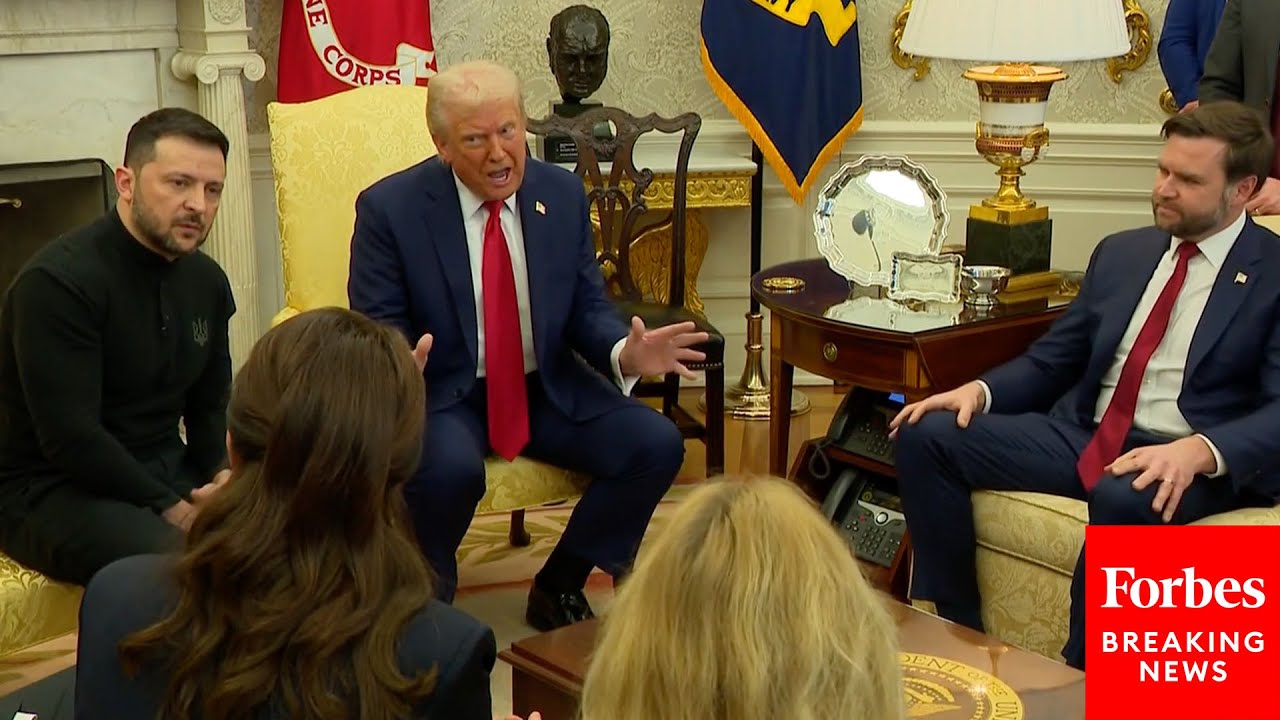
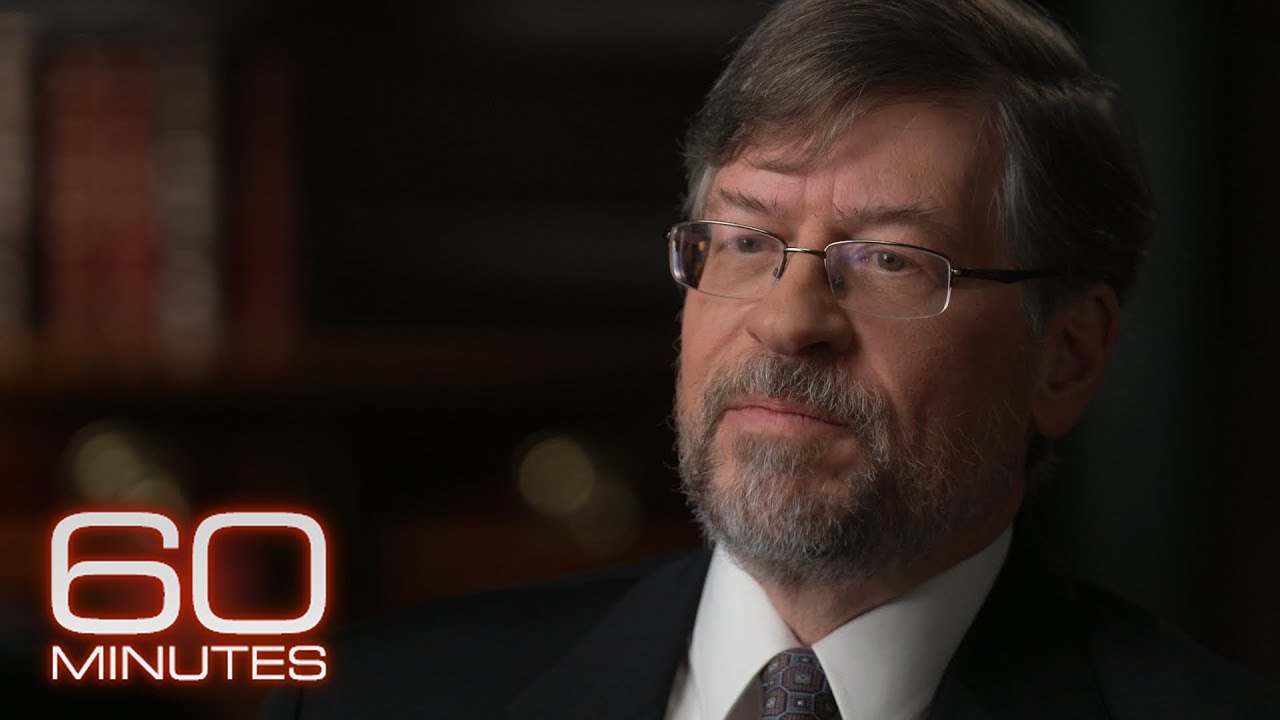
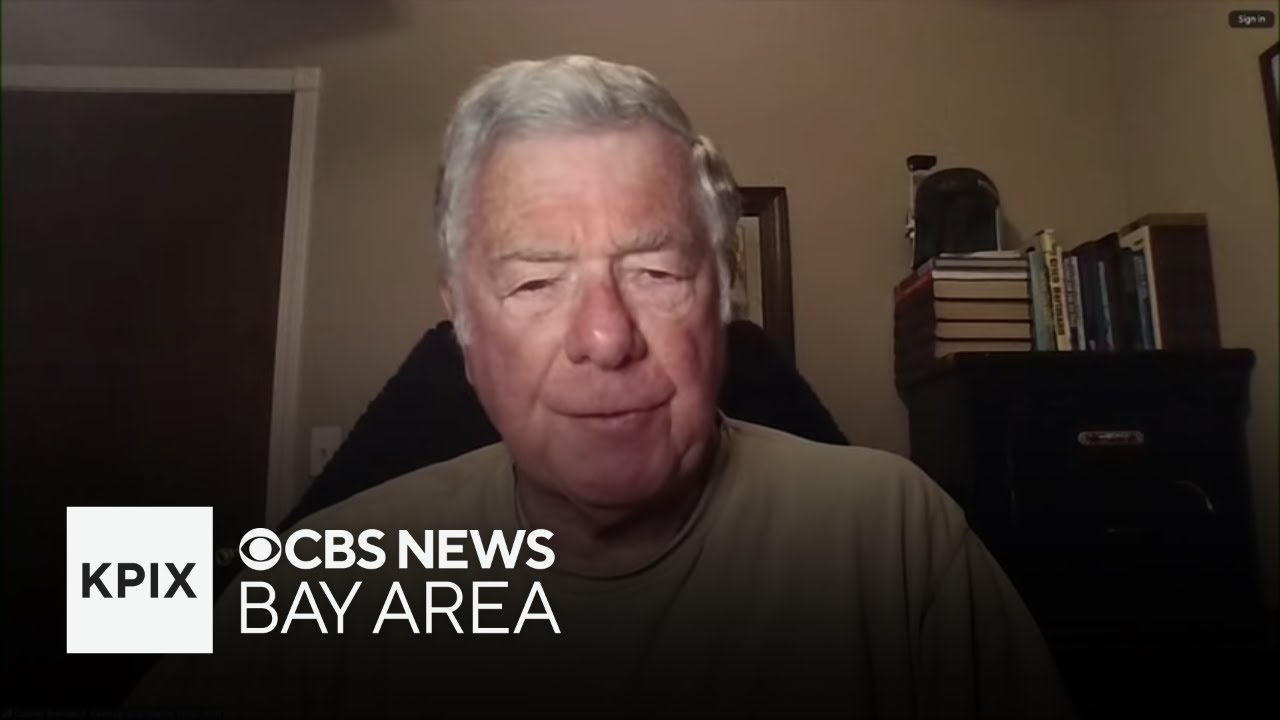
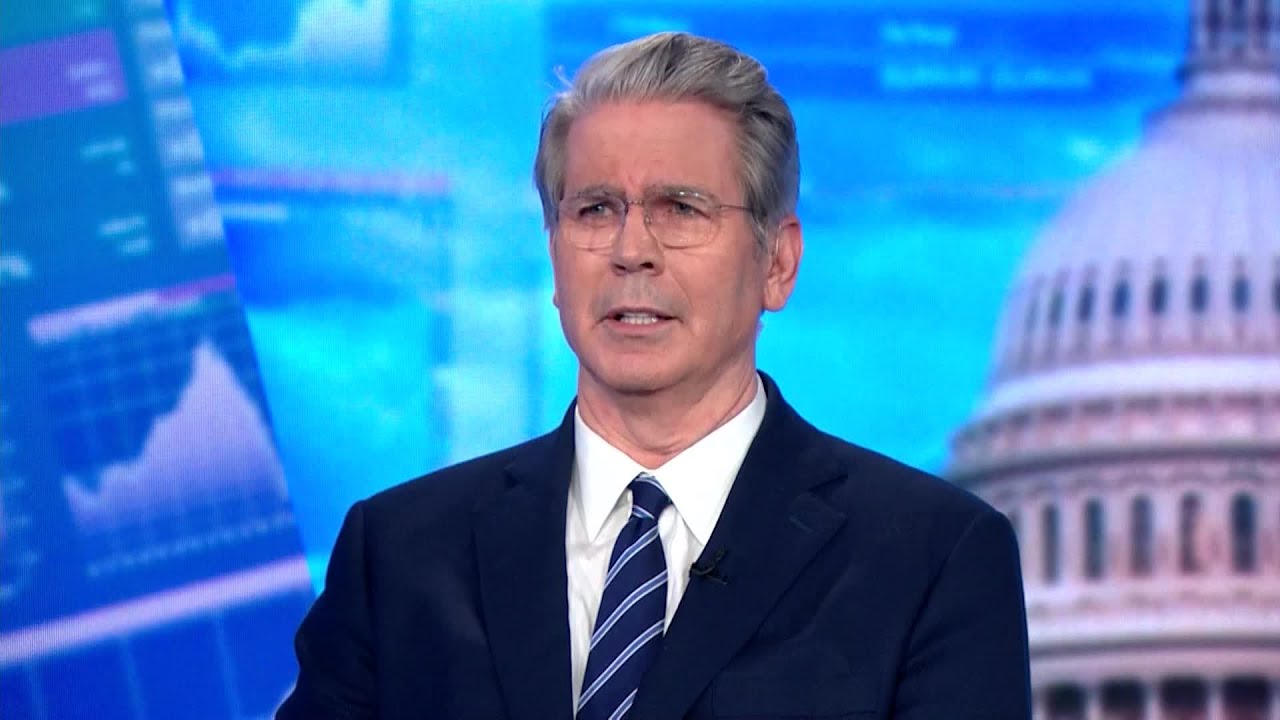
here now is Jonathan watel the former senior policy adviser and director of communications at the US mission to the United Nations uh want to start with the United Nations response are we seeing any reaction this hour to what happened in ela office this afternoon we've been watching Chanel reverberations of what's happening at the United Nations over the last weeks uh so today it's just uh the latest chapter of what has been a complete confusion uh a new stance of the United States that we saw recently last couple of days a vote in the United by
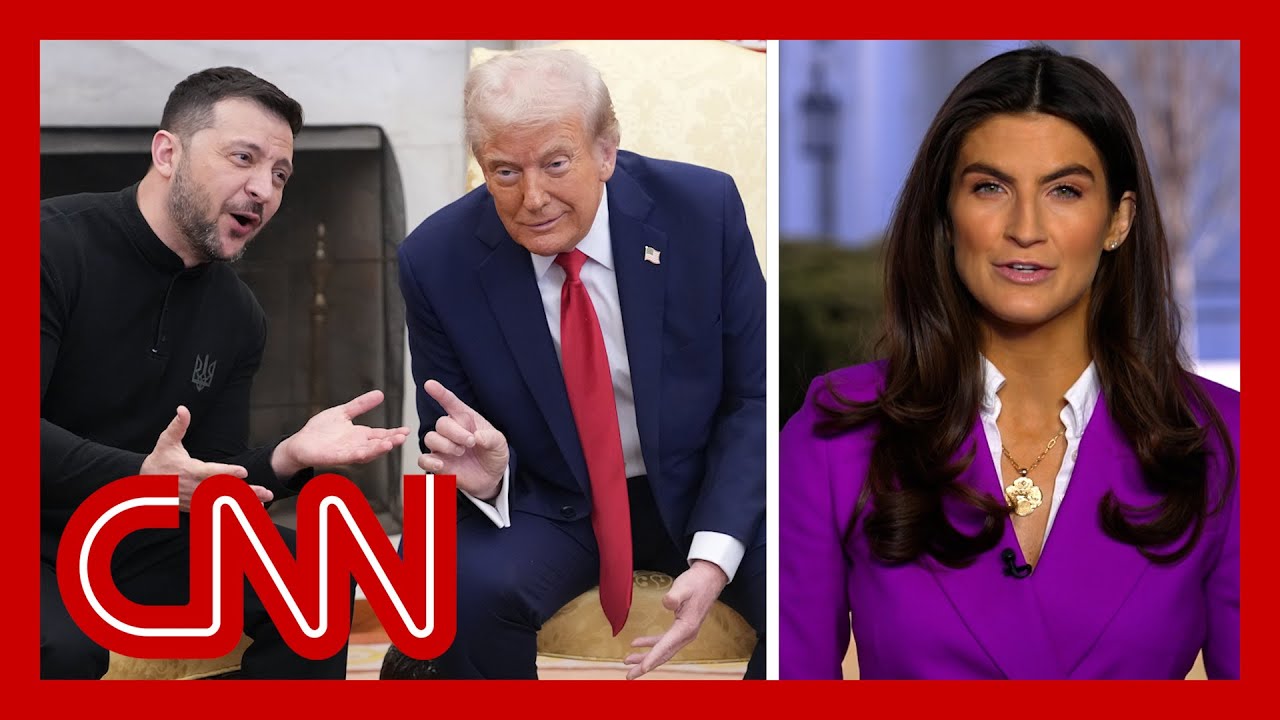
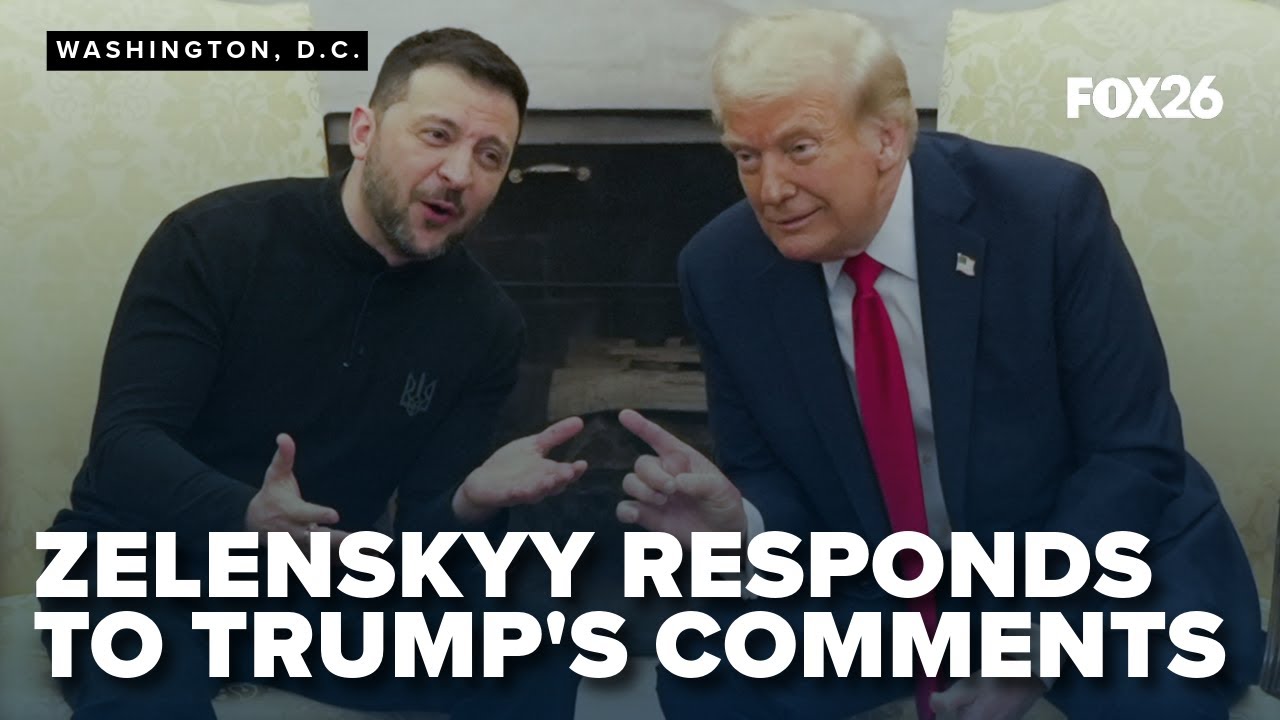
the United States in favor of Russia over Ukraine in the general assembly so the climate has certainly changed the geopolitics are in motion in in ways that we have not seen in decades and I wonder Jonathan what kind of broader impact this exchange today could have on us relations uh with some of the European nations who are key as well as major was pointing now what we witnessed on live television is is pretty unprecedented and it it is going to take uh certainly some very serious mending of fences uh behind the scenes uh to try
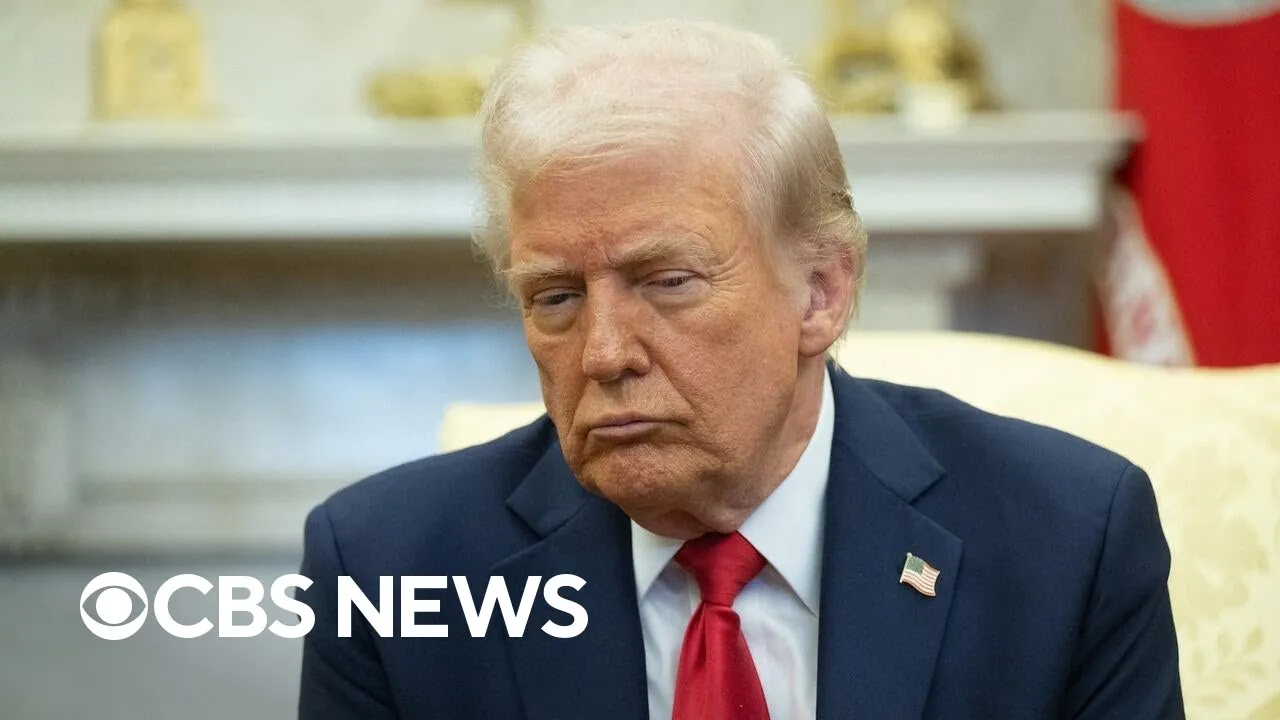
to make up for what we all got to see uh for our very own eyes uh it is remarkable uh it does not bode well for the Ukraine certainly uh in terms of uh the the position and and seeing Vladimir zinsky leave in in such great haste uh after this it it just speaks volumes as to how badly this encounter has turned out and you know while this Jonathan is historic and unprecedented in many ways we've seen some of the language that President Trump used to describe lir zinski uh in the days leading up to
this big meeting so are you surprised to see it did not go well you know that's a that's a fair point there already was animus in the air and we saw it uh play out in in television as president Trump said himself this is very interesting television I don't know exactly those were his words but he himself knew that what had transpired was something that was filled with Sparks and uh entertaining I suppose um certainly for ukrainians watching this Europeans watching this people around the globe it it it it certainly is very troubling to see
a situation in which there is a raging War an effort to bring about peace and then a stark uh difference of opinion uh among the leadership of the United States and uh the Ukrainian leadership uh so this is really a difficult situation and Jonathan uh you know president Trump uh sent out a statement shortly after this meeting Ending by saying he can come back sininsky that is can come back to the White House when he's ready for peace I just wonder Jonathan from a policy or strategy perspective what would zalinsky have to do to come
back and what might the approach have to be in order to be successful at Landing a peace deal well one thing is abundantly clear and you know I I was actually in Kiev when when the deal was struck uh um I used to be a journalist and I covered the former Soviet Union extensively when the Budapest agreement was worked out in which the United States France and the United Kingdom would stand by the Ukraine uh in the event uh that Russia would get aggressive here you know to be looking at things today with this lens
uh where it is one thing is abundantly clear we cannot see this type of uh activity happen live on camera uh that there needs to be a lot of conversations done away from the cameras to try to bring down the temperature to try to get to some sort of place in which there's not that accusatory tone and even I I would say dressing down that we all witnessed that will go nowhere that will continue to uh grind things into a terrible corner and the basic truth is this war does need to stop uh the aggression
needs to stop we need to get to a place in which there can be peace and some sort of uh normaly come back to Europe in which uh just so many people have died over the course of these three years it's been such a toll economically emotionally physically such a drain in so many ways um to see it where it is now is just really upsetting and I also wonder Jonathan and you know one of the things uh that's come out as a TopLine in this exchange today inside the Oval Office was uh the president
Trump saying you don't have the cards to zalinski I wonder from your perspective whether um zalinski could have approached this conversation in a different way what do you make of his reaction to some of those comments in the moment well the basic truth is that you know the ukrainians have put up a very strong fight but the the Russian Federation is a very powerful Nation sure it's got economic sanctions sure it's got a lot of internal difficulties uh you know certainly there's a lot of problems that that take place within the Russian Federation but it
has a war machine it has the sheer numbers of soldiers that it can throw at this and and Vladimir Putin has been willing to let many many soldiers die in this cause and a desire on the part of Vladimir Putin to see as much of the for former Soviet Union reconstituted as he can under his watch because uh this has been in his estimation the collapse of the Soviet Union the most tragic thing to befall the Russians uh since uh any any time he can remember certainly so you know he has the motivation to keep
going and uh sadly he will keep going uh as long as he doesn't feel like uh he doesn't have the cards and the truth is he does have cards to play with here he's willing to sacrifice his men women uh his economy whatever it is to achieve his set goal and Jonathan you know the world was watching this moment inside the Oval Office this afternoon I'm sure the wheels are turning for a lot of those uh NATO Nations especially the ones in Europe can you speak about um what they may or may not do going
forward how can they be part of this discussion between Ukraine and the US European nations have a decades long relationship with Moscow that has taught them many things and there's a reason why there is a NATO there's a reason why Estonia Lithuania latia immediately when when the Soviet Union collapsed clamored to become NATO members they see that as arguably more important to them as former Soviet republics than actually being members of the European Union I've heard that said to me by various Eastern European uh leaders that is is that guarantee that security guarantee that they
need that there wouldn't be a repeat of what happened for instance to the Prague spring in 1968 when the Soviets crushed an attempt uh by the Czechs uh and and the slovaks to have some Liber you know freedom and and uh get themselves out of the Iron Curtain and influence what happened to the Germans the East Germans the control of uh all of East Germany and East Berlin uh trying to break out of that Poland's experience with Russia Hungary in the 1950s invaded taken over by uh Soviet puppet uh regime to ensure that that country
would be following uh the wants and aspirations of the Kremlin so and and even Georgia which isn't even part of Europe uh in the Caucasus region their experience uh with Moscow and uh with Vladimir Putin who's tried to assert uh control and and influence within what the Russians call the near East which in Vladimir uh the the near abroad excuse me which in Vladimir Putin's language is actually in the case of Georgia a former Soviet Republic that should be part of the country that he grew up in and served as a KGB officer Jonathan wtel
thank you so much for your time and perspective we appreciate this
![The Rachel Maddow Show [9PM] 2/28/2025 | 🅼🆂🅽🅱️🅲 BREAKING NEWS Today February 28, 2025](https://img.youtube.com/vi/0NTVdRAHyyQ/maxresdefault.jpg)