Hydropower was the world's first large-scale renewable energy source. It's still by far the largest renewable worldwide, producing over twice as much energy as wind and over four times as much as solar. And pumping water up a hill, aka pumped storage hydropower, comprises well over 90% of the world's total energy storage capacity.
But in spite of hydropower's outsize impact, we don't hear much about it. Hydropower has to date been seen as an old technology, one that's existed forever and doesn't really need incentives in order to be developed. While the past few decades have seen wind and solar plummet in price and skyrocket in availability, hydropower generation in the U.
S. has remained relatively steady. But some are advocating for its expansion.
The era of big dam construction in the United States is over. However, there's still huge potential for growth in the industry using the existing infrastructure. We have 90,000 dams in this country, most of which were built for flood control, for irrigation, for water storage, for recreation.
Only 3% of those dams are actually used for generating power. Adding electricity generating turbines to existing dams is the way forward for domestic hydro. But internationally, it's a different story.
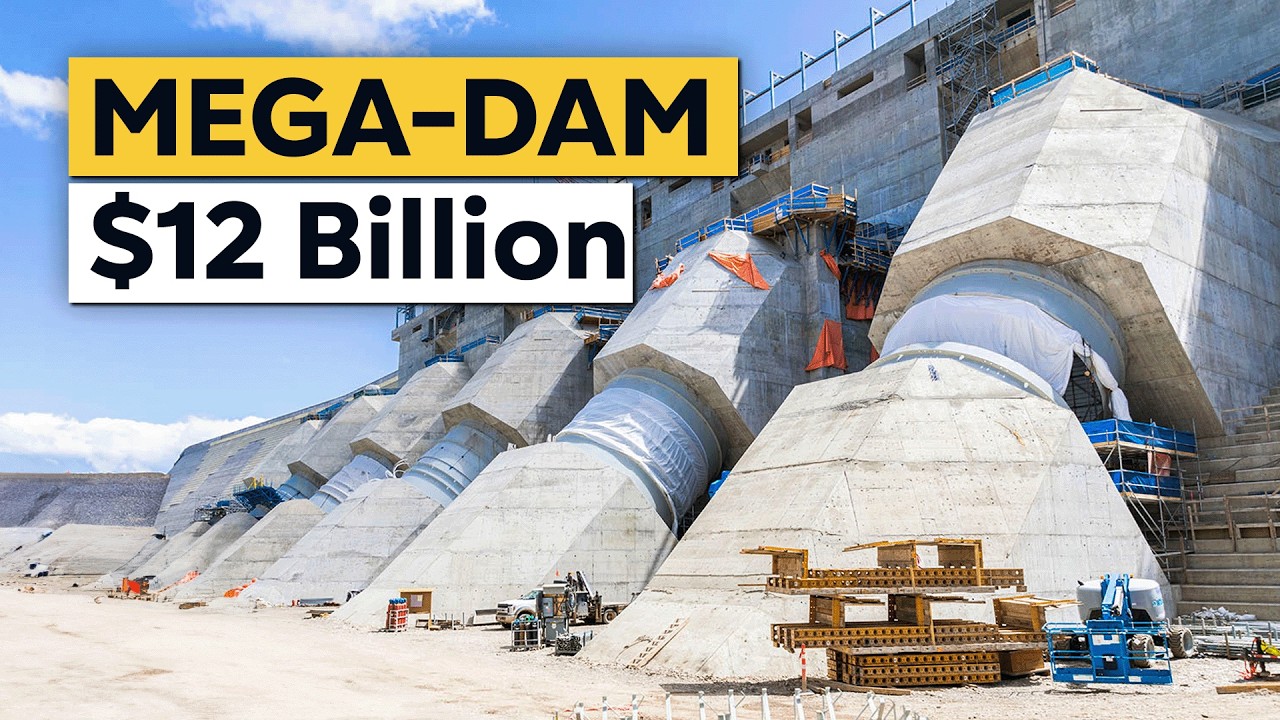
China has driven global expansion for decades by building thousands of new, oftentimes massive hydroelectric dams. And India, Africa and other Asia-Pacific countries are set to do the same. But expansion without strict environmental oversight could lead to trouble, as dams and reservoirs disrupt river ecosystems and surrounding habitats.
And recent studies show that reservoirs can emit more CO2 and methane than previously understood. As the climate changes, drought is also making hydro a less reliable source of energy. The Hoover Dam, for example, has lost over 30% of its generating capacity.
What you're seeing here behind me is about 160 feet of white walls. That represents the drop of Lake Mead's elevation since it was last full at the beginning of the century. But despite the challenges, experts say that hydro has a big role to play in a 100% renewable future.
We can't have a grid dependent just on wind, solar and batteries. We're not going to have 24/7 reliable power without the flexibility and the long duration energy storage that hydropower and pumped storage can provide. The world's first hydropower plant began operation in 1882, far before wind or solar farms blanketed the land.
And we really helped power America's Industrial Revolution. And it's been a clean source of renewable power ever since. In 2021, hydropower accounted for about 6% of utility-scale electricity generation in the U.
S. and 32% of renewable electricity generation. Domestically, it was the largest renewable until 2019, when it was surpassed by wind.
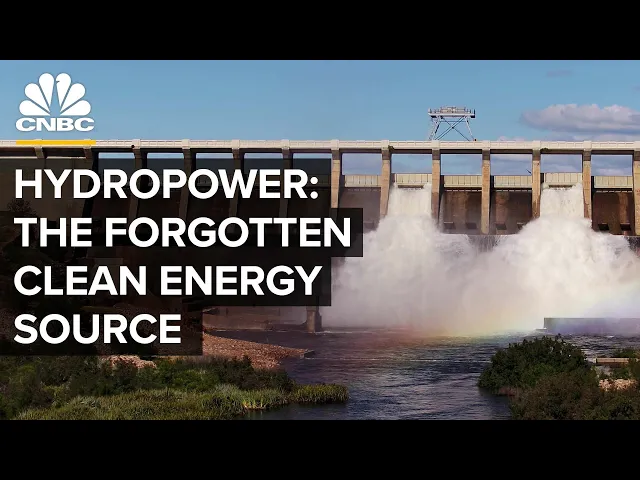
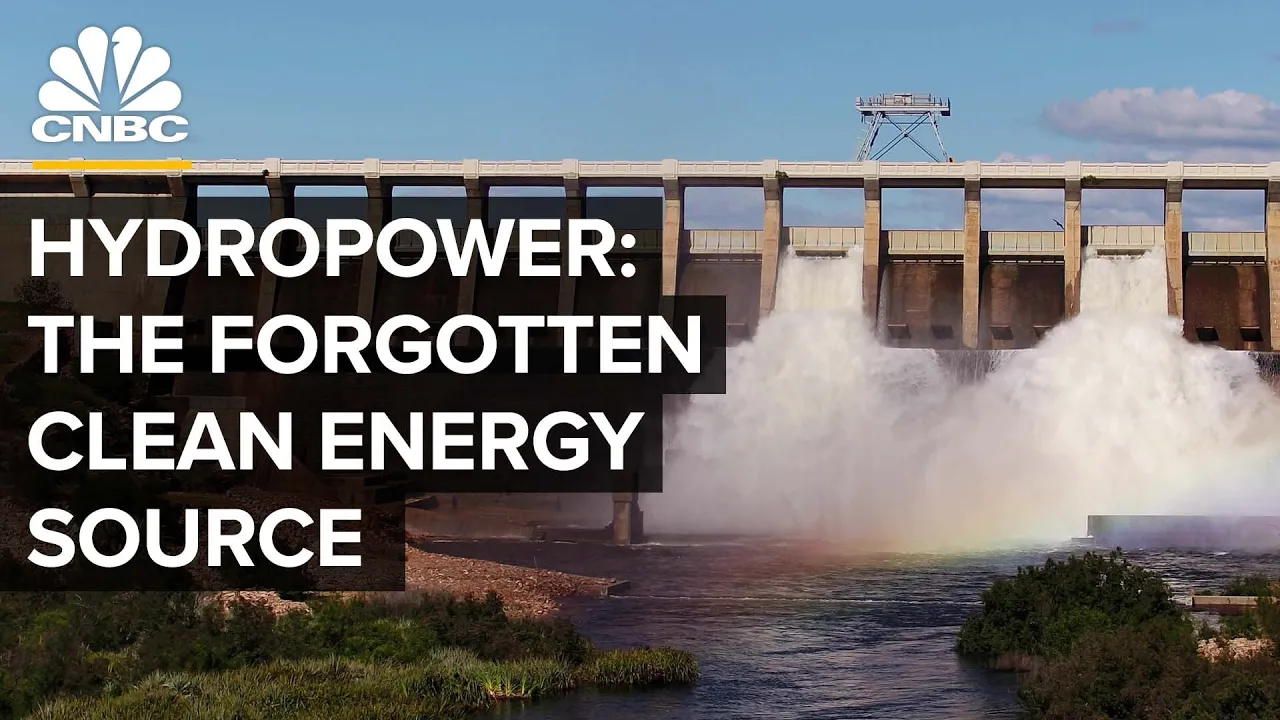
The way it works is pretty simple. In traditional hydro projects, a river is dammed, creating an elevation difference. As the water flows from the upper reservoir to the river below, it turns turbines that power electricity-producing generators.
Noe Santos from the Bureau of Reclamation takes us inside the world famous Hoover Dam. So the water behind me is the Lake Mead. And we're actually sitting on top of one of the intake towers on the Arizona side.
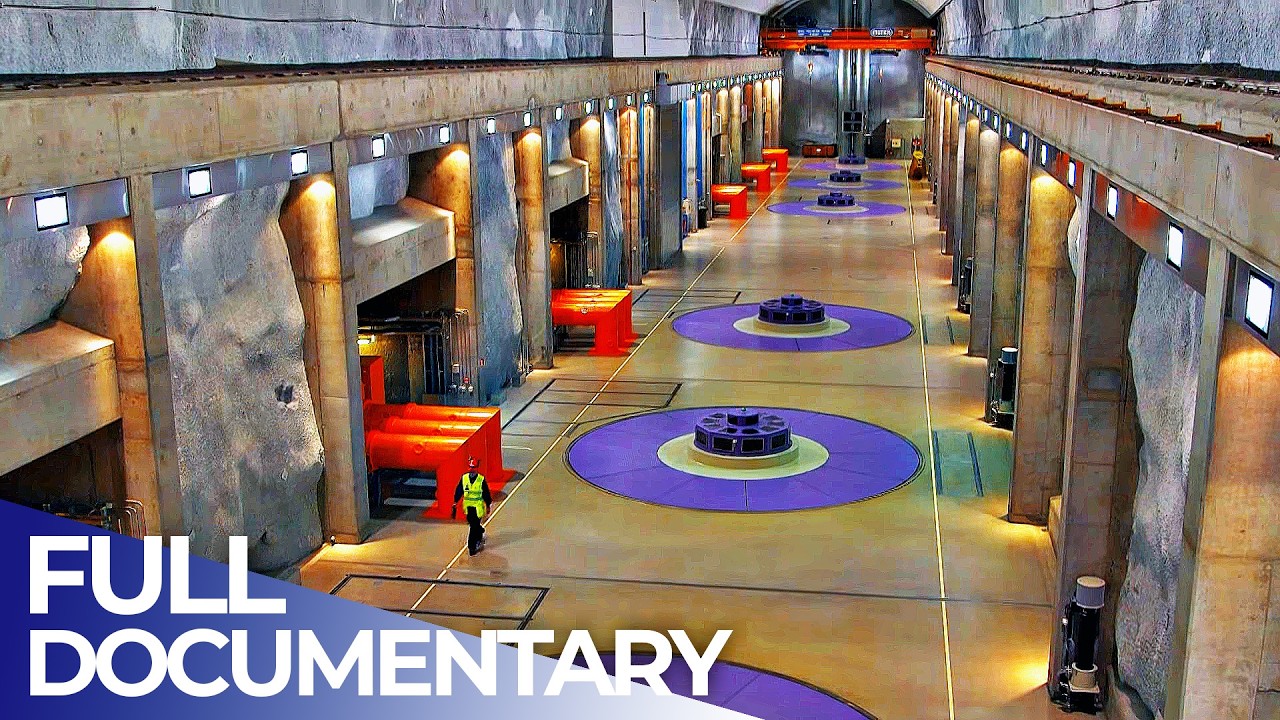
And from there, the water enters the intake towers and through the various penstocks and laterals that are inside the dam. And those are used to then power 17 generators within the dam. And that water is then released into the Colorado River below, which then flows into Lake Mojave.
When Hoover was built during the Great Depression, it was the most powerful hydroelectric dam in the world. And while the dam's reservoir, Lake Mead, is still the largest reservoir by volume in the U. S.
, it hasn't been full in over 20 years and is currently at an all-time low. So in a typical year, Hoover Dam will generate about 4. 5 billion kilowatt hours.
With the lake being the way it is now, it's more like 3. 5 billion kilowatt hours. So that's equivalent to about 450,000 homes in a normal year and about 350,000 homes in these drought years.
Reservoirs on the East Coast are faring better in terms of water supply. But all across the country it's still incredibly hard to get a new hydropower plant built or to relicense a dam after its initial license expires. It costs tens of millions of dollars and years of effort to go through the licensing process.
And for some of these facilities, particularly some of the smaller facilities, they just don't have that money or that time. So we could be facing a raft of license surrenders just as we're trying to ramp up the amount of flexible, carbon-free generation we have in this country. The licensing process combined with the nation's aging dams are major reasons why domestic hydro isn't expected to grow much in the coming decade.
That doesn't mean the possibility isn't there, though. The Department of Energy says that traditional hydropower, excluding pumped storage, has the potential to expand by nearly 13% by 2050, mainly through upgrades to old plants and adding power to existing dams. Pumped storage hydropower has significantly greater growth potential in the U.
S. While pumped storage has about 22 gigawatts of electricity-generating capacity today, there's over 60 gigawatts of proposed projects in the development pipeline. That's second only to China.
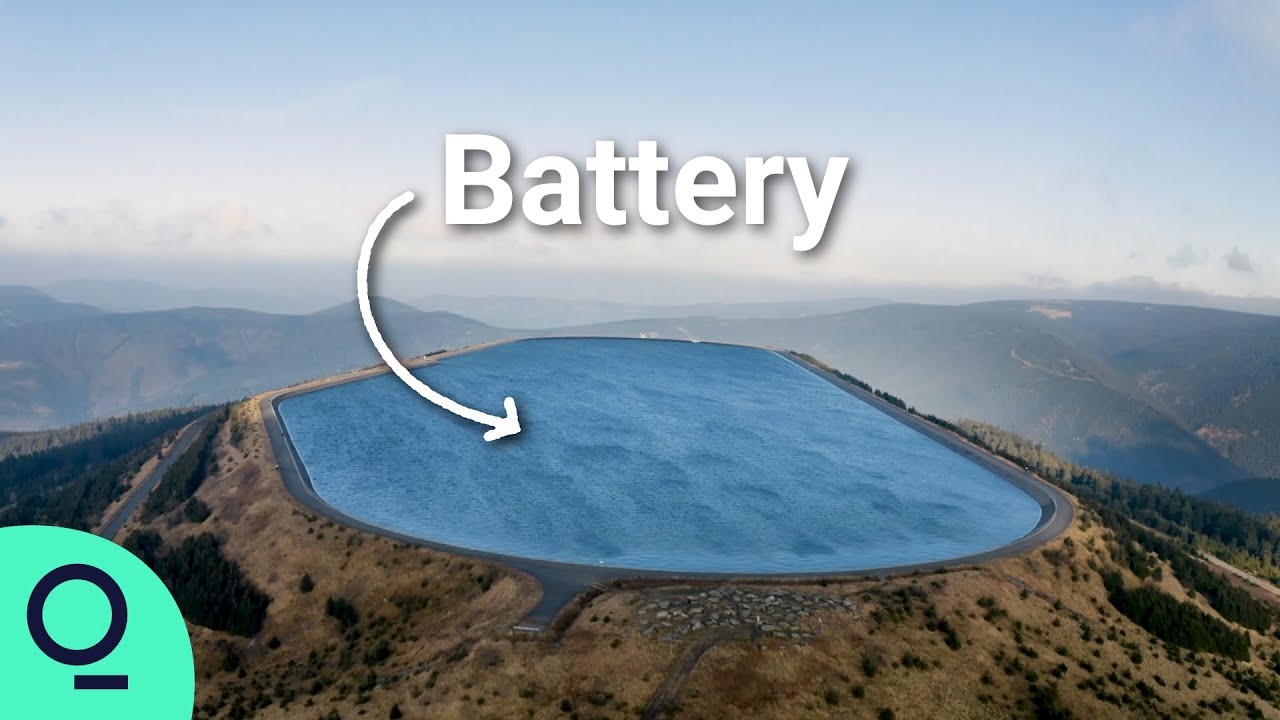
This technology functions like a giant battery. While traditional hydropower has just one upper reservoir, pumped storage has an upper and a lower. When a pumped storage facility is generating power, water flows from the upper reservoir to the lower, passing through a turbine to generate electricity.
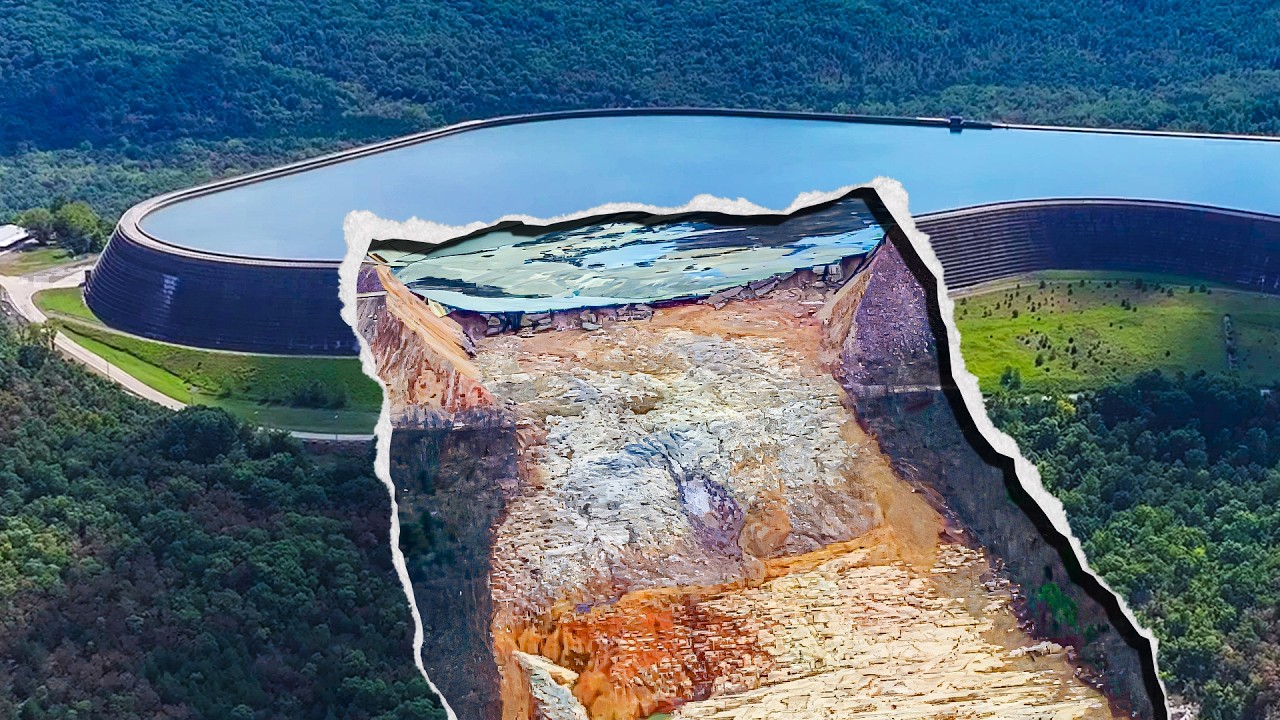
The difference is that a pumped storage facility can recharge, using power from the grid to pump water from the lower reservoir up to the higher one, storing potential energy that can be released when needed. The Bath County Pumped Storage Station in Virginia is the largest facility of its kind in the world. Station director Sean Fridley showed us around.
These reservoirs are approximately 550 acres in size, that's surface area. And we've got the capacity to move about 28,000 acre feet of water between the two stations. The station can power about 750,000 homes and can supply continuous power for about 10 hours.
Utility-scale lithium-ion batteries generally max out at around 4 hours of energy storage. While lithium batteries and other technologies are getting a lot of headlines, the proven value of pumped storage, I think, has been overlooked. And that's beginning to change.
Woolf says there's over 90 proposed domestic projects. And as more intermittent energy sources like wind and solar come onto the grid, pumped storage is gaining traction as a way to firm renewables by storing excess energy for use when the sun isn't shining and the wind isn't blowing. So there are times now in California when we're producing too much solar power.
And rather than curtail that solar power, that's when pumped storage can actually take a load off the grid, pump water back up and make it available for sunset when we're going to need that power again. Just like traditional hydro, pumped storage poses environmental challenges. But there are ways of building these facilities that could greatly lessen their impacts.
All of the U. S. 's 43 pumped storage facilities are open-loop, which means the lower reservoir is connected to a water source like a river.
But closed-loop facilities, in which neither reservoir is connected to an outside water source, are generally more environmentally friendly since they don't disrupt river ecosystems. And since they don't need to be near a river, they can be sited more flexibly to minimize impact. In recent years, permits and licensing applications for closed-loop systems have increased considerably.
Smaller pumped storage facilities, which could use tanks instead of reservoirs, are also being considered. There's a variety of new technologies that are being deployed around the world, although not yet in the United States, where they're finding thousands and thousands of untapped areas and resources where you can put these facilities in an ecologically responsible way. However, there's always going to be some level of environmental harm that comes from damming rivers or creating new reservoirs.
This development can obstruct fish migration and ruin surrounding ecosystems and habitats. Dams and reservoirs have even displaced tens of millions of people throughout history, usually indigenous or rural communities. These harms are widely acknowledged, but it turns out there's even more to worry about.
What people don't realize is that these reservoirs actually emit a lot of carbon dioxide and methane into the atmosphere. The emissions come from decomposing vegetation and other organic matter, which break down and release methane when an area is flooded to create a reservoir. Usually that methane then turns into carbon dioxide, but you need oxygen in order to do that.
And if the water is really, really warm, then the bottom layers are depleted of oxygen. So that decomposition process ends at methane, and then the methane kind of just bubbles out and goes into the atmosphere. Methane is over 80 times more potent than CO2 for the first 20 years after its release.
But the amount of emissions released from any given reservoir varies widely. Some reservoirs absorb more CO2 than they emit, while certain climates and conditions can cause others to emit concerning levels of methane. So far, research shows that hotter parts of the world, like India and Africa, tend to have more polluting plants, which is worrisome since both areas are expected to drive hydropower growth this decade.
Thankfully though, Ocko says that China's reservoirs are not high emitters. While growth is slowing in the country, it still plans to build more hydro capacity by 2030 than any other nation. Ocko also says that reservoirs in the United States are not of particular concern, but what's really needed is a more robust emissions measuring program.
And then you could have all sorts of incentives to reduce it or regulations to make sure that you're not emitting too much. Another major problem for hydropower is climate-driven drought. Shallow reservoirs produce less power, because the less water, the less force with which that water can spin a turbine.
The last 23 years, we've experienced the driest 22 year period on record. As reservoirs like Lake Powell, which feeds the Glen Canyon Dam, and Lake Mead, which feeds the Hoover Dam, produce less electricity, fossil fuels are picking up the slack. One study found that from 2001 to 2015, an additional 100 million tons of carbon dioxide were released across 11 states in the West due to a drought-induced shift away from hydropower.
During a particularly rough patch for California between 2012 and 2016, another study estimated that lost hydropower generation cost the state $2. 45 billion. For the first time in history, a water shortage has been declared at Lake Mead, triggering water allocation cuts in Arizona, Nevada and Mexico.
Hoover's operational staff said they don't expect additional cuts to happen this year, though they could in 2023. The water level, currently at 1,050 feet, is only expected to drop further as the Bureau of Reclamation has taken the unprecedented step of holding back water at Lake Powell, which is situated upriver of Lake Mead, so that the Glen Canyon Dam can continue to produce hydropower. If Lake Mead drops below 950 feet, it will no longer be able to produce power.
But unfortunately, one thing that we can't control is the changing climate for sure. It's really hard to predict year to year how much water we can expect. Current models that are online show that Lake Mead could fall to around an elevation of 1020 or so.
As levels continue to plunge, dead bodies have been found in the lake. And one of the original intake valves has been exposed, so it can no longer draw in water. With critical hydropower infrastructure threatened by drought, it throws into question how reliable this energy source really is in a world where unprecedented weather trends are becoming commonplace.
Modernizing existing hydropower infrastructure could increase efficiency and recoup some drought-related losses though, as well as ensure that plants are able to operate for decades to come. Between now and 2030, $127 billion will be spent on modernizing old plants globally. That accounts for nearly one fourth of total global hydropower investment and nearly 90% of investment in Europe and North America.
At the Hoover Dam, that's meant retrofitting some of their turbines to operate more efficiently at lower elevations. They're good at these lower lake elevations, but when the lake fills back up again someday, they're good for those elevations as well. They're more efficient and they're able to deal with the wider variability that we see in those pressures.
Cook also says they've installed thinner wicket gates, which control the flow of water into the turbines. Thinner gates can increase flow rates, thereby increasing efficiency. The team is also injecting compressed air into turbines to increase efficiency.
Fully modernizing all the world's aging plants would cost a whopping $300 billion though, more than twice current spending projections. But in other parts of the world, the majority of investment is going towards construction of new plants. Large, state-owned projects in Asia and Africa are expected to account for over 75% of new hydropower capacity through 2030.
And while the rate of hydropower growth within China is slowing, the country is investing heavily in global development. Over half of new projects in sub-Saharan Africa, Southeast Asia and Latin America are expected to be built, financed or owned by Chinese companies. While these types of large international projects are set to drive global expansion, Ames worries about the impact such projects will have on the environment.
In my humble opinion, they're overbuilt. They're built to massive capacity that isn't necessary, and they're built around the assumption of massive reservoirs. They could be done as run-of-river.
They could just be designed differently. Run-of-river facilities don't include a reservoir and are thus less impactful on the environment, but they cannot generate energy on demand since output depends on seasonal flows. Run-of-river hydropower is expected to account for about 13% of total capacity additions this decade, while traditional hydropower will make up 56% and pumped hydro 29%.
But overall, hydropower growth is slowing and is set to contract by about 23% through 2030. Reversing this trend will largely depend on streamlining the regulatory and permitting processes and setting high sustainability standards and emissions measuring programs to ensure community acceptance. A shorter, simpler development timeline would help developers to obtain power purchase agreements or other long-term contracts, thereby incentivizing investment since returns would be guaranteed.
This applies to the construction of new dams as well as powering existing dams. Part of the reason it doesn't look as attractive as solar and wind is because the horizon for the facilities is different. A wind and solar plant typically gets looked at as a 20 year project.
On the other hand, hydropower is licensed and operates for 50 years and many of them have been operating for 100 years. But our capital markets don't necessarily appreciate a longer return. But finding the right incentives for hydropower and pumped storage development, and ensuring that it's done in a sustainable manner, is going to be critical to weaning the world off of fossil fuels.
The hydropower industry is really this forgotten giant. So we do feel like an underdog. We don't get the headlines that some of the other technologies do.
But I think folks are increasingly realizing that you can't have a reliable grid without hydropower.