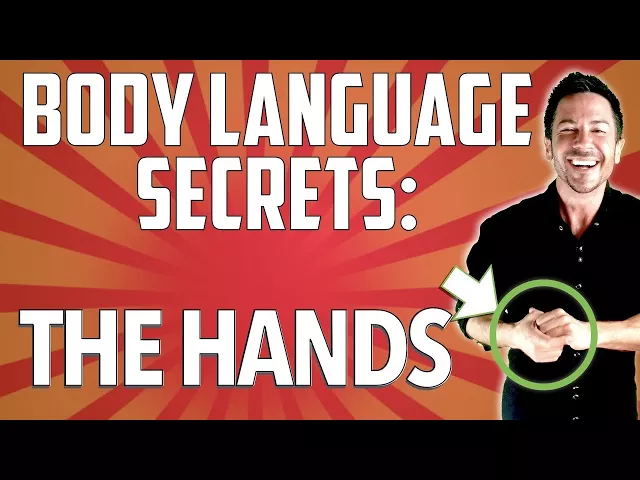
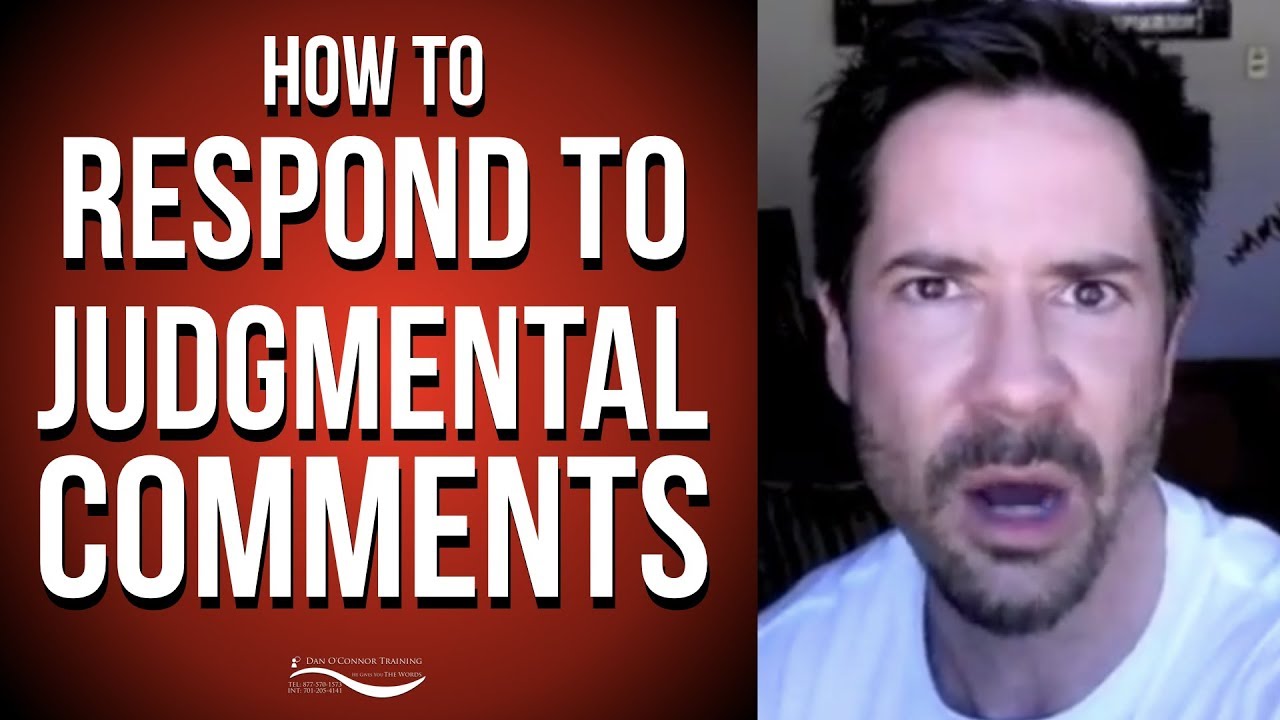
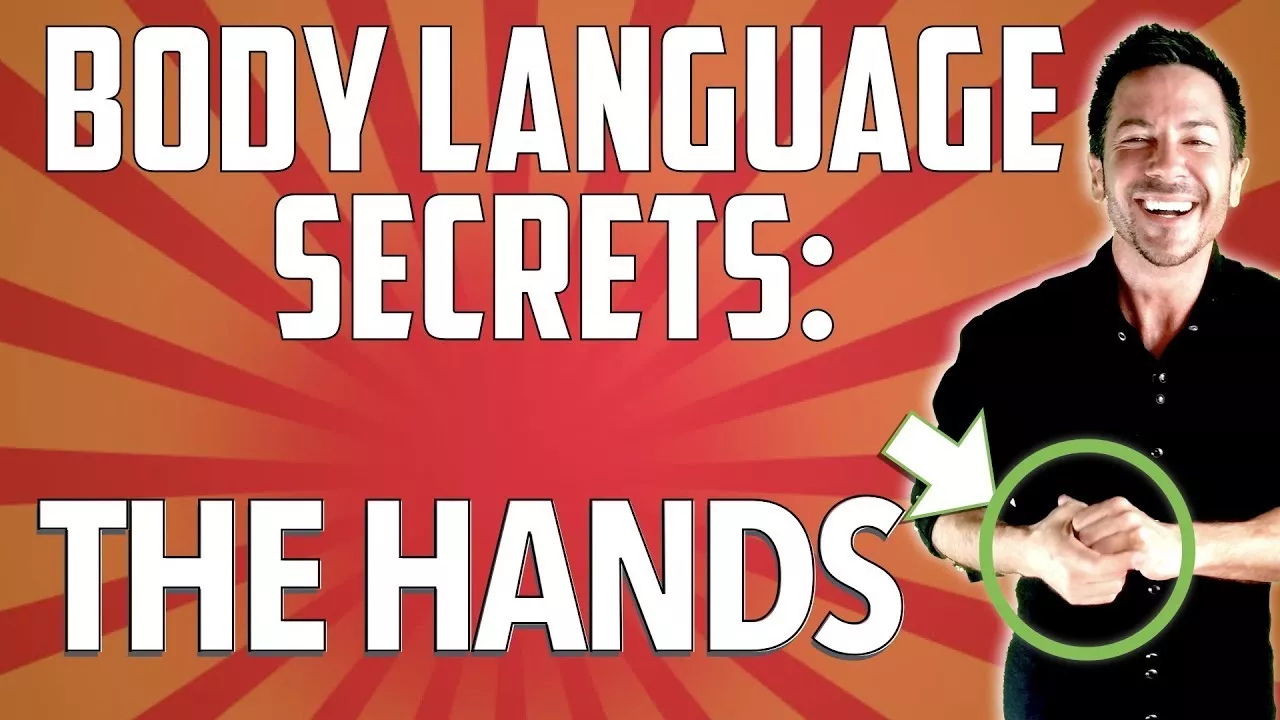
training.com and i'm gonna back up a little bit so that you can see my hands as we discuss these different strategies when it comes to reading body language specifically the hands there are three things that I'd like you to pay attention to this week when you're communicating with other people three signs signals that people send that I'd like you to look for the first one is the hams fresh this one I'd like you to look for specifically when you're in an information gathering session or somebody is telling you something and you think they might be
lying because what happens is you know those lie-detector machines that people get hooked up to ah there are so many things that go on in the body when we are communicating which is why I frequently talk in my communication training about how we are communicating on a conscious level and a subconscious level and a biochemical level a genetic level an atomic level when we are communicating I think most of us know it is not simply we're processing the words listening to them and responding to them a lot is going on and in our bodies we
have many involuntary biochemical reactions that occur based on what people say to us and what we say to other people one of the biochemical reactions that naturally occurs when we tell a lie is our capillaries expand and when that happens that causes different areas of the body to suddenly be itchy therefore when you see somebody who's telling you something start to scratch their hands like this it's not necessarily just a nervous gesture hey buddy hey buddy it's not just a tic it's actually that they have an extra so that they're scratching that itch however is
caused by again expanding capillaries which is caused by telling a lie of course not all edges are caused by lies however that is something that frequently happens when we are telling a lie those capillaries expand because of the increased blood flow which causes different areas generally the hands to it therefore people will start to scratch them so if you see somebody telling something with a straight face and a smile they might be nodding her head they might even be giving you this gesture which as we talked about I believe last week's shows I'm honest I'm
telling you everything I know but then all of a sudden you see them do one of these take note of that because if you know the signs to look for you can become a human lie detector simply because you do your communication homework this week I'd like you to look for people scratching their hands as they talk to you and they're telling you something and take note of that put that in your arsenal and that along with other clue clues can help you really accurately determine if somebody is or is not telling you the truth
remember hands rat tends to signal along the next gesture I'd like to talk about is the ringing of the hands when we are under stress especially rapid onset stress what happens is the brain sends a signal to us to soothe you know we are looking to be sued when we are under stress so what children tend to do is run to their parents but as adults what we tend to do is self soothe and so doing something like this when people are listening to us or talking to us tends to signal that they are suddenly
under stress and the body sends a signal to them to do what's called self soothing so they start to do things like this to try and eliminate some of the stress that they suddenly feel so in the upcoming week what I would like you to do is look for that look for people who are starting to do gestures like this as you are communicating with them because for example let's say that you're training somebody and they start to do something like this as they're listening to you what that could signal is that they're thinking to
themselves oh I have no idea what they're saying to me I don't understand I'm totally lost but I go well that's stupid and ask tough question so if you see somebody doing this it can mean they are under to stress for several reasons it's not necessarily in this case because they are lying but you always want to take note of course to the signs people are sending that signal I'm under stress when you're communicating with them so that you can change your course of communication and try to eliminate some of that stress you might want
to ask some questions you don't tell me how are you feeling about where we are so far tell me what are your thoughts on this you might want to give them a tap until 2:00 remember we talked about the tap until again visual communication is much more powerful than any words that we could say so if you do see somebody's under stress and wringing their hands like this you might give them a simple tap on the shoulder and say so how are you feeling how's everything going so far and give them a tap on the
elbow and a head tilt to the side that can send signals to their body that again causes the biochemical reaction that sends out chemicals to the brain that helps them de-stress it's interesting how when we communicate with other people it's as if we're going into their brain and they're going into our brain and they're going through the pharmacy that are the chemicals that our brain releases and choosing that one and that one and that one and that one so looking for certain signs such as hammering or am scratching lets you know uh-oh they just have
some toxic chemicals released into their body and are trying to soothe and you can immediately counter that by doing things such as saying how are you doing so far everything all right and give that tap and tilt which then goes into their brain and counteracts those toxins by releasing some feel-good chemicals in the brain and the last hand gesture that I would like you to pay attention to this week is rubbing for warmth what tends to happen when we experience sudden onset anxiety meaning we see or hear or think of something that immediately causes us
stress a high level of stress we go from feeling pretty good to all of a sudden feeling stressed the body temperature naturally will drop significantly sometimes and we feel that and so instinctively people will start to rub themselves trying to generate heat therefore if you notice somebody with whom you're communicating start to rub different parts of their body what that will signal to you is there's suddenly under stress so again that means it's time for you to pause and reflect on what's happening in this communication situation are you intending to cause them stress for example
if you are in an information gathering session you know if there's something that happened you're trying to get to the bottom of it and you're asking somebody deliberate questions maybe you're asking closed-ended question closed-ended question closed-ended question and then open-ended question which is a strategy that we'll be discussing next week when you are investigating if you are deliberately trying to cause somebody stress which might make them slip up and tell you something that they would otherwise prefer to keep hidden a sign like this can show you you're on the right track again a sign like
this can show you you're on the right track if however you're trying to make the person feel at ease or if you're simply trying to open up the lines of communication and you see this that could signal that maybe you asked a question they do not feel comfortable answering that could mean that you're explaining things in a way that is not their preferred method of learning for example there could be a visual person and you're explaining something in more of an auditory way they could be an auditory person and you're simply showing them what to
do they could be a kinesthetic and zhan person and what they want to do is actually do whatever it is that you're trying to show them rather than hear it or see it so reflect on what the cause of this stress might be when you see it in other people and that gives you an opportunity to change your course of communication and eliminate that stress and remember if you see somebody simply scratching their hand that generally does not signal that you are saying or doing something to necessarily cause them stress what that tends to signal
is expanded capillaries caused by them not telling the truth so this week again look for the three hand signals scratching the hand wringing of the hands rubbing different parts of the body and when you see those signals ask yourself what do I think they mean because generally your instincts are correct and what could I now do to change my course of communication if I believed I should now you might be wondering then what am I going to do with my hands because sometimes we all find ourselves in situations where we are under stressed you know
I'm going to just assume that we're not going around telling lies and wondering what to do with our hands so that we don't give it away but let's just say that you do find it difficult to know what to do with your hands when you're talking with somebody whether you're standing up or at a table remember that in general a common rule is you can always interlace your fingers so if you're sitting at a table you can always interlace your fingers and put them on the table and that tends to help keep your hands under
control we are less likely to for example quickly scratch our ear if we feel a thing or quickly scratch the back of our neck or bring them together if our fingers are interlaced of course you don't want to do that you know but if you sit down and just interlace your fingers and plant them there that tends to send a message of a cool calm and collected communicator and we're going to be less likely to fidget or move our hands away because they are because our fingers are already interlaced and the same goes for when
you're standing up remember if we're standing up we don't want to interlace our fingers in front of us but if you interlace your fingers behind you if otherwise you feel uncomfortable because you don't know what to do with your hands and you would simply say I'm going to interlace my fingers behind my back remember that sends a message of the ultimate and self confidence so if you're wondering now what to do with your hands so that you don't give some up unintentional signal interlace your fingers either put them in front of you on a table
or if you're standing up behind you and there you go easy now you know what to do with your hand so that you don't unintentionally send a signal oh I'm under stress oh I'm experiencing sudden anxiety or I'm a big hiker and those are your hand signals to look for for the week now we're going to move along to our danger phrases and power phrases for the week and what I'd like to start off with are our danger phrases for home of course our danger phrases for home can also be applied at work and vice
versa so when I specifically categorize danger phrases or power phrases for home or work of course they are things that can be applied in both areas under normal circumstances I just like to point out when danger phrases or power braces are going to be more common either in the workplace or at home so our first danger phrases and power phrases are for home and the first phrases don't appreciate so remember this week please be aware of if you use this these free effective communication skills training course videos brought to you by communication expert keynote speaker
Dan O'Connor