[Music] when people look back in 200 years time at our culture whose music will have survived from the 20th century who will be our equivalent of bar and Beethoven b and Vagner there are big classical names from the last 100 years undoubtedly sherberg Stravinsky Shostakovich stock 000 but I believe the big story of 20th century music is the way that classical and popular music collided with each other to create a new musical mainstream the chief architects of this new mainstream absorbed every other style around them in an extraordinary unprecedented Melting Pot they reinvigorated the old
western tradition and embraced new technologies with enthusiasm and Imagination music could be both genuinely sophisticated and genuinely popular in the 1960s with classical music at its lowest e the most important composers in the world were without doubt The [Music] Beatles [Music] [Laughter] [Music] The Beatles officially split up in 1970 but the impact their music had is still being felt today and shows absolutely no sign of receding when they started out pop music was still in its infancy belting out a Roar and primitive sound then Along Came The Fab Four they may have revered the previous
generation of rock and rollers such as Elvis and Chuck Berry but what the Beatles were about to do to music was to outstrip their achievements a h hundredfold they changed the sound the form the ambition the scale and the language of popular music the sheer speed of their development once they got into their stride is staggering here they are in 1963 with from me to you a bright and Breezy love song with a cracking hummable tune the lineup and look of the band is typical of Pop groups of the time true just call on me
and I'll send it along with love from me got it's better than most people could write in a lifetime of course and its middle section I've got arms that long to hold you and keep you by my side has already got more interesting cords in it than most of their CHP topping contemporaries but nevertheless it's just a good pop singal along but here they are just 4 years later in 1967 with Strawberry Fields Forever Let Me Take You Down I'm going to Strawberry [Music] field the conventional look and sound of 1963 has disappeared completely replaced
by a more individual and introverted style everything about the track is strange and unfamiliar the shape of its tune its sound and its sheer bewildering complexity strawberry feels forever the chief weapon in their musical counterrevolution was a stunning roll call of sublime Melodies that perhaps only Mozart can match in European musical history it's no accident that yesterday is the most recorded song of all time it is that good but they weren't just about catchy [Music] Tunes to appreciate fully what the Beatles did to music we need to look at the basic building blocks of all
music melody Rhythm and Harmony and to see why it is that western music sounds so different to the music of other [Music] cultures a piece of western music is instantly recognized as such because its tune is constructed from a series of notes which belong to families of notes called ke think of them as a pette of available colors if you like since the list of available colors is in fact fairly restricted these notes arrange themselves time and time again into familiar and attractive patterns which composers over the centuries have discovered work well until the 20th
century that is when classical composers decided to dismantle this system of agreed note patterns altogether deliberately they were fed up with Tunes sounding predictable and familiar and thought it best to destroy the old note system [Music] completely [Music] one result of this movement is that for the first time in history a huge Gulf opened up between music lovers and music because audiences couldn't identify in any way with the new sound popular music on the other hand stuck to the old note system with a classical and popular music were drifting further and further apart but worse
was to [Music] come classical composers in the 1950s and 60s decided to abandon not just the note system but every other recognizable feature of western music declaring that any sound such as the rubbing of sandpaper could be described as music all of the activities you see here were were put on as actual musical performances no kidding but it wasn't as if there was no method at all in this madness often the only way to see or hear things aresh is to do away with the old and traditional but audiences in their masses didn't get the
new sounds and Concepts they held on stubbornly to the familiar inherited forms for their part the musical avangard celebrated their unpopularity a dreadful impass emerged classical music as a living communicative language had to all intents and purposes ground to a [Music] halt so by the time the Beatles arrived on the scene practically the only new music anyone wanted to listen to was popular music well if you feel it like it go get your real and rock it but pop music in the 1950s whilst often catchy had its limitations too it was formulaic recycling the same
few chords song structures and rhythms again and again nothing that precedes the Beatles gives any clue as to the startling transformation they were about to set in [Music] motion to understand fully how the Beatles rescued western music we have to know about something that had been around since the Renaissance Harmony or put simply the chords that a company a tune not only is Western Harmony more Rich complex and versatile than its counterparts around the world it has something in it that is unique this is a kind of inner movement a below the surface current that
helps Propel it along and the way it works is like this you take a simple tune like my body Lies Over the Ocean you could of course just sing it on its own my body Lies Over the Ocean my body Lies Over the Sea my body Lies over the ocean oh bring back my body to me now you could add one accompanying note like you would in Indian music or in a bagpipe tune my body Lies Over the Ocean my body Lies Over the Sea my body Lies Over the Ocean oh bring back my Bon
to me but if you add Western chords not only does it sound more friendly and warmer it also gives it a kind of inner movement that pushes it along more purposefully my body Lies Over the Ocean my body Lies Over the Sea my body Lies over the ocean oh bring back my body to me and the reason for that is the way that cords by their very nature group themselves together in familiar and effective patterns not only that but some chords are magnetically drawn towards other chords giving a sense of progression and development these progressions
and patterns have been exploited Time and Time Again by composers across the centuries from Bak to [Music] Pini [Music] in the 20th century though all that began to change classical composers got bored with the old sounds of and dumped those cozy Western [Music] harmonies what the Beatles did was to rescue those old familiar patterns discarded by the modernists and put them to use in Pop music they discovered that the full potential of Western Harmony was still waiting there on tap ready to be opened up and relished it was like changing to color TV after years
of black and white at first they used the same simple three or four cords everyone else in pop knew as for example in I saw her standing there well she was just 17 you know what I mean but the way she looked was Way Beyond Compare but very soon they went beyond that finding the that cords have a complex interlocking system of their own they have what you might call gravitational fields around them whereby one chord might set off a chain reaction in other chords bad composers simply pick the first chord that comes into their
head that seems to fit with the tune should all acquaintance be for God and never brought to mind should all acquaintance be forgot for the sake of old Langs but good composers sniff around for ages trying to find that perfect chord to fit the tune should all acquaintance be forgot and never brought to mind should all acquaintance be forgot for the sake of Old Land but really good composers go one better they don't just pick a nice chord to fit the melody they instinctively know how to chain chord sequences together to provide a whole new
dimension a new layer of movement to the song I saw her standing there written in 1962 has four chords in it I am the warus written by John Lennon in 1967 has 6 juxtaposed with each other to create the oral effect of a shifting unstable landscape there are eight in the intro Alone 1 2 3 4 5 6 7 8 and above that the tune is going nowhere it's like a police siren I am he as you are he as you are me and we are all together but the cords are on a journey of
their own every time they change they alter their relative position to the tune this has an effect of disorientating the listener it's a musical mudslide I am as you are here as we are he and we are all together see how they run like PS from a gun see how they fly I'm crying this harmonic undercurrent drives the song onwards in the original recording from the film Magical Mystery Tour complimented by the Psychedelic imagery the harmony Glides and slithers all over the place throughout the song I am here you are here as you are me
and we are all together see how the run like pigs from a gun see how they fly I'm crying sitting on a corn [Music] flake waiting for the van to come Corporation t-shirt stupid bloody Tuesday man you been a naughty boy let your face grow long I am the Eggman they are the Eggman I am the [Music] warrior Shifting the cords about underneath a tune can be made even more effective if you exploit their relationship with each other some chords like some people have a Fatal Attraction to other chords this is particularly true if you
add some new element to an otherwise quite innocent chord this chord for example F major is pretty innocuous on its own but if you add an E flat to it it becomes F7 an F7 is a wobbly chord it really really wants to make a move on another chord with whom it shares a flat B flat if you don't believe me listen to this it's the bit at the end of the verse of he Jude where we reach an F chord on the word better then an E flat is added to it and it becomes
F7 and then suddenly we all desperately want to move to B flat which we do on the word pain it's magic and it works then you begin to make it better anytime you feel a pain hey J refrain don't carry the world upon your shoulders here it is again but don't you know that it's a fool who plays it cool by making his world a little Co there's nothing accidental about good composing famous composers use tricks and devices like this all the time quite deliberately because they know it'll sound better that way and because it
adds power and depth to the [Music] song as McCartney and Lennon's composing developed during the 60s they increasingly borrowed techniques from the classical field to enrich their songs one of these techniques has a dull name modulation but a very exciting [Music] effect everybody listening to that climactic moment in chaikovsky Romeo and Juliet feels a surging swelling Lurch in their stomach as the violins reach the top of that phrase that's because the music actually is lifting it's undergoing a huge change in its Harmony this is modulation and romantic music would be nowhere without it modulating means
moving a piece of music's center of gravity from one key area to another it's like changing from one color scheme to another an effect in house design that can have dramatic [Music] consequences in one one room you might have a complimentary series of Hues and shades all based on the fundamental color red everything in the room attempts to fit into the overall reddish atmosphere and look of it we may love this Red Room dearly but our mood is going to change when we pass through into the next room which has a more yellowy character so
it is with musical Keys you can be pottering along in a perfectly lovely key with all the notes in the music comp implenting the fundamental keynote but to affect a change of mood color and feeling we can move to another key area with its own fundamental key note modulating from key to key is only really possible in western music and it's an effect that has to be used with care and subtlety a crude or badly handle modulation can be as ugly as the ju toos of two clashing colors in a room imagine a gorgeous song
like Danny boy filled with cheesy modulations Oh Daddy boy the pipes the pipes are from Glenn to Glenn and down the mountain side the summer's gone and all the rose is falling it's you it's you must go and I must find by the time the Beatles discovered midong key changes classical music had long since abandoned them McCartney in particular became intrigued by modulation as a device but he seemed instinctively to know that the best modulations occur by stealth where mood and color change imperceptibly as if by Magic it may surprise you to learn for example
that in the cheerful happy go-lucky song Penny Lane he pulls off clever immensely satisfying key changes no less than seven times almost Without You noticing this is the work of a composer who really knows what he's doing any Lane there is a sh photograph of every head he's had the pleasure to know and all the people that come and go stop and say hello on the corner is a banker with a motor car the little children have him behind his back and the banker never where a m in the pouring rain very strange Petty Lane
is in my ears and in my [Music] eyes the BL I see them meanwhile what effect then does this modulation have on the song well for one thing it Alters our perception of the chorus listen to what it sounds like without the modulation and the bank Nevers a in the pouring rain very strange Penny Lane is in my ears and in my eyes it's fine isn't it but it's not very surprising in the proper version there's much more of a shift in gear as we move move into the chorus and the bank never wears a
m in the pouring rain very strange Penny Lane is in my ears and in my eyes it is of course quite common in a pop song for The Voice to rise up to a higher range for the chorus to sound more celebratory more frenzied more desperate or more passionate and McCartney's voice does indeed rise predict L upwards for the chorus penny is in my ears and in my eyes but here's the clever bit while the voice is rising upwards for the chorus the modulation is actually a downwards shift moving the key downwards has the subconscious
effect of making us feel slightly wistful as if the joy isn't a total Joy but a joy experienced at a slight remov from the events it portrays since the song is about McCartney's childhood memories of growing up in Suburban Liverpool this makes perfect emotional sense to us as we listen there's one other byproduct of this downward shift at the end of the chorus we're forced to move back upper gear as the verse starts again because we're now modulating upwards the incoming verse greets us like a new day full of optimism and youth for a fish
and finger p in summer meanwhile back behind the shelter in the middle of the roundout press ising puppies from a train and though she feels as if she's in a she is a lesser riter than McCartney would have left it at that but Penny Lane is about Journeys into the past down a street through Suburban Liverpool and so the harmony goes on a journey too in the very final chorus McCartney surprises us once more and lets the harmony shift again this time upwards into the chorus and the result is gloriously celebratory wild any is in
my ears and in my [Music] eyes Penny Lane Penny Lane is one of the most magical life affirming songs in the Beatles repertoire it also features a Barack piccolo trumpet Solo inspired by a p mcartney hearing one on a TV broadcast of barks Brandenburg coner number two McCartney's thirst for knowledge and understanding of classical music was extremely influential in the Beatles work divisions between classical and popular seem to dissolve in their later recordings in this respect McCartney was way ahead of his time anticipating a future that didn't recognize artificial barriers between musical styles by finding
buried treasure in music's past the Beatles gave their songs depth but they also taught a new generation of classical composers that the Western Tradition at that time being systematically dismantled still had something to [Applause] offer I believe that the Beatles exhilarating inventiveness and mass popularity proved to all composers that you could still take the basic elements of western music and make something new and Powerful out of it I don't think it's a coincidence that the music of composers like Philip glass of opet John Taver John Adams Steve Rice and Henrik gesy is all affirmatively tonal
that is it's made up of the familiar harmonic melodic and rhythmic tools of the western tradition as a composer living now I actually feel quite angry about the Damage Done to contemporary music by The Classical Avant guard in the 50s and 60s like many musicians of my generation I owe a debt of gratitude to The Beatles for throwing a Lifeline to new tonal music just let me hear some of that rock and roll music the Beatles changed the course of all music in the 20th century but none of them had had any formal musical education
how did they do it tooll dance perhaps played a hand they learned their craft playing six seven even eight hour long sets in Hamburg they had to play Everything not just rock standards but movie theme Tunes Broadway show Numbers folk songs torch songs novelty numbers and music Halls so when they came to compose they already had a kaleidoscopic musical palette to draw on but this is what all great composers have done Bark's music for example is a combination of his native German Barack style the Italian instrumental music of Vivaldi and even The rhythms and harmonies
of Louis the 14th's French court at [Music] Versailles The Beatles like bark embraced musical styles and ideas from Here There and Everywhere with unabashed enthusiasm they didn't just regurgitate them either like a human jukebox whatever idioms they borrowed always ended up sounding somehow like [Music] them one moment we in a prewar Ballroom gliding down the stairs and singing a song your mother should know with its close harmony back vocals and soft shoe Shuffle [Music] llt the next moment we're invited to enjoy a Victorian circus attraction complete with Fairground steam organ and ringside drum rolls in
Being for the Benefit of Mr [Music] Kite they had the wit and versatility to pastie a vegetable Cornucopia of oldfashioned musical forms but it always sounded like the Beatles the sheer variety and wealth of style inherent in their music is one reason why they are much more than just another 60s pop band their ability to absorb influences can be seen clearly in one of their greatest songs in 1966 they released a track that was different from any pop song anyone had heard before this song was Elena Rigby and nothing shows more dramatically how their style
as composers was developing hel R Pi up the rice in the church where a weding has been Liv in a dream Waits at the window wearing the face that she keeps in a jar by the door the song is beautiful and Sinister at the same time what's happening inside this music to produce so chilling and moving and effect why is it so different from everything else that was going on in 1966 well for a start it's not in a conventional key if it were it would sound like this alen a picks up the rice in
the church where a weding has been as it is it actually sounds like this elen picks up the rice in the church where a weding has been the subtle difference between those two melodies the raising of the six a semitone gives away the fact that Elena rig is in what's called a mode modes preceded the major and minor keys that were introduced into western music during the Renaissance like Keys each mode has its own particular flavor and texture they began in ancient Greece and still have Greek names and they're hardwired into the folk music of
many cultures here's a modal tune are you going to Scaro Fair fastly Sage Rosemary and time remember me to one who lives there once she was a true love of mine scair is in the Dorian mode the most common minor mode in all Anglo Celtic folk music it has a moody melancholic atmosphere about it all the lonely people do they all Elena Rigby is an urban version of a tragic English folk ballad in the Dorian mode it's flowing Meandering vocal line is reminiscent of church PL song too but its mood isn't fatalistically morose or drippy
there's an earthy energy and grit to it I don't think for one moment Paul McCartney sat down and said I'm going to write this in E Minor Dorian but he was an intuitive composer and it felt right for the poet potic imagery of the [Music] song it is without doubt one of the most brilliant and poignant songs ever written and its tense brooding soundscape isn't merely good luck even at 24 years old Paul McCartney knew exactly what sound he was [Music] after even the way Elena Rigby ends is unusual the final two closing chords of
a piece of music are known technically as a Cadence from the Italian word c to fall when in English poets talk about a dying fall they mean a Cadence elanar rig's Cadence chord 2 to chord one was once very fashionable in the 14th century now there are lots of types of cadence but the most common by far in popular music is the perfect Cadence five to one but listen to these cadences from lenon McCartney songs yesterday I believe yesterday or this one she's leaving home or another and I love her all of these cadences are
what's known as plag cadences what's odd about this is that plagal cadences are almost entirely absent from the music that Paul McCartney grew up with they're nowhere to be found in the songs of Elvis Presley Chuck Berry Little Richard Buddy Holly kyl Perkins rock and roll generally or the dance band music that his dad played all the Hollywood movie musicals of the 40s that everyone knew or even Music Hall no plagal cadences come from him the old familiar amen used to hear in church is a classic plagal Cadence [Music] amen when we hear a lenon
and McCartney song We're often being affected by small cultural details and emotional associations like these even though we don't realize it when yesterday ends it is a dying fall it is an amen by reestablishing the link between Modern urban music and archaic forms the Beatles were enriching their songs and expanding our expectations as listeners at the same time but their plundering wasn't just restricted to European [Music] music it is well known that the Beatles particularly George Harrison were drawn to the Mystic teaching of the Mahar iishi Mahesh Yogi following him first to bangar in Wales
then to rishikesh in India George was a diligent pupil of sitar maestro rabish [Music] [Applause] shenka [Music] The Beatles led by Harrison took Indian instruments and used their unusual nonwestern sounds as layers in their recordings mainly the sitar the violin like d Ruba the Tabler drum the four stringed tampura but their interaction with Indian music wasn't just musical tourism it was to have an effect on their writing that went far beyond the occasional use of sitar and Tabler for a bit of exotic [Music] color here's a song originally written while the Beatles were on retreat
in Rishi Kesh it was called then child of nature on the road to [Music] Rishi I was dreaming more or less and the dream I had was [Music] true yes the dream I had was [Music] true I'm just a child of nature I don't need much to set me free I'm just a child of nature I'm one of Nature's [Music] children this John lenon song resurfaced many years later on the Imagine album as jealous guy complete with piano guitar and strings sounding just like a regular Western pop song but its melodic shape gives away its
true [Music] origin [Music] before the Maharishi period John Lennon's Tunes tended to be quite static allowing the movement of the chords underneath the melody to give them their character and their interest the opening of a hard day night for example has quite a simple static tune with interesting chord changes beneath it it's been a hard days night and I've been working like a dog but as his competitive partnership with McCartney developed John lynon's Tunes became more adventurous and around the time of his encounter with both Indian culture and hallucinogenic drugs his Tunes acquire a distinctly
pentatonic feel pentatonic scales are bluntly the ones that use just the black notes on a piano pentatonic music sounds Oriental because it's so prevalent in Asian and Far Eastern music the buali rag in Indian classical music is pentatonic apart from two tiny ornamental notes the whole Jealous Guy tune can be played on the black notes of a piano it is completely pentatonic I was dreaming of the past and my heart was beating fast I began to lose control the shaping of the melody was one of the many ways that the beat responded creatively to Indian
music I [Music] [Music] didn't by fusing Western and Eastern idioms The Beatles anticipated by 30 years the musical phenomenon of bangra that was to sweep through the popular mainstream but it wasn't just their ability to absorb disperate influences that made them Tower over the century they transformed the whole environment in which music is made what they got up to in the studio in the 1960s has shaped how people make music ever since the crowning glory of the Beatles Revolution in music was their use of the studio they turned it from a dull box where you
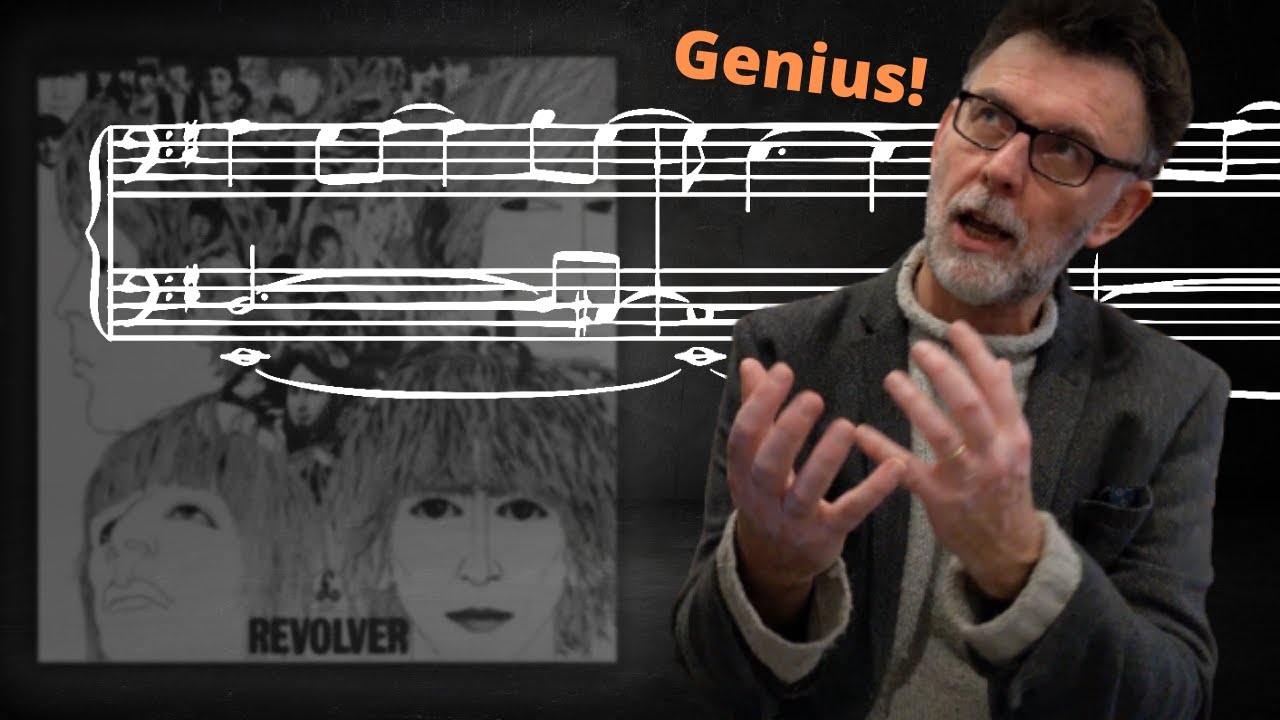
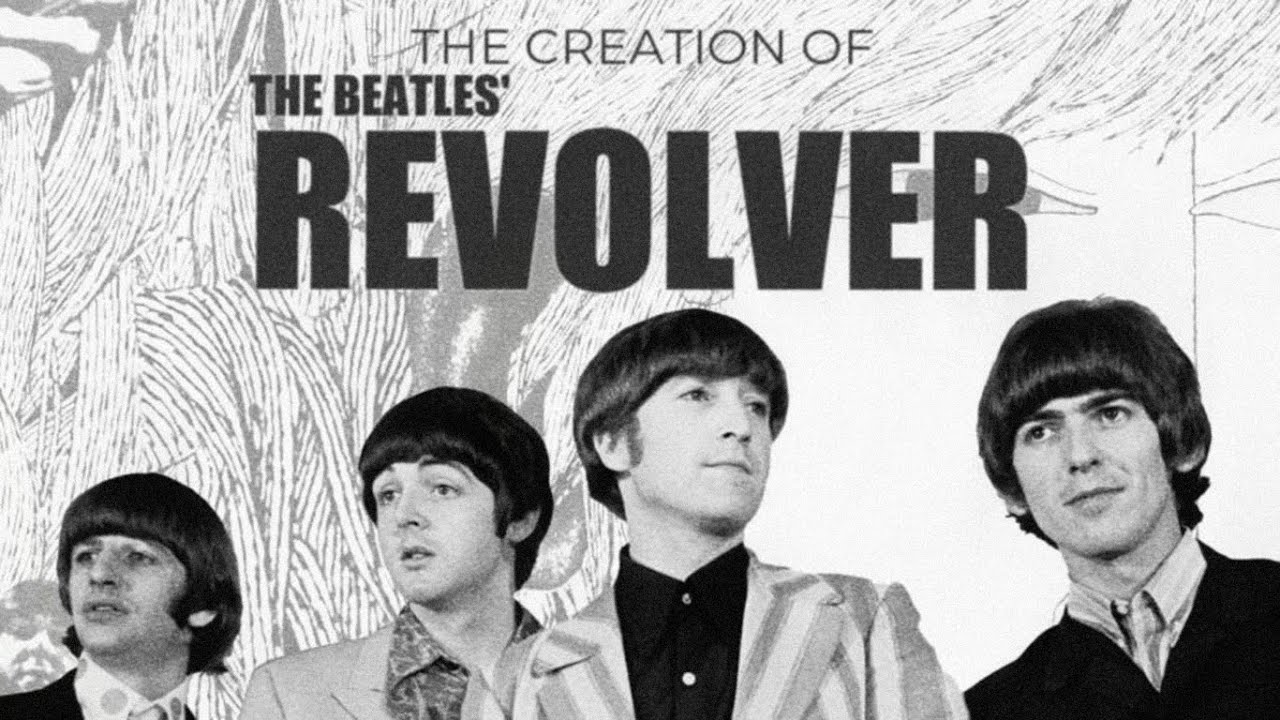
try to capture your live sound as accurately as possible into a playground of music musical experimentation ironically it was classical music's Avant guard that was to play a key role in shaping The Beatles attitude to the studio think nothing wait until it becomes absolutely quiet inside of you when you have reached that start playing prior to recording revolver their groundbreaking 1966 album Paul McCartney attended Avant guard happenings in London and became fascinated by the output of composers such as carhine stocken and luchano berio stocken was even chosen by McCartney to be on the cover of
Sergeant Peppa it was through this connection that the Beatles became interested in experimenting with tape this concept wasn't particularly new In classical music circles where musician Engineers like the American John Cage have been splicing up magnetic tape and editing it back together in endlessly repeated Loops since the early 1950s but it was dramatically new for pop by looping a short piece of recorded tape the material loses its original identity and becomes rhythmic and hypnotic any sound sample a bird cry a machine or a group of people laughing for example is mysteriously transformed by [Music] looping
but there was a big difference between what the Beatles were up to and what Avant guard composers were doing for the classical experimentalists it was enough simply to do the looping and listen to that as a performance on its own for the Beatles however it was a means to creating a nightmarish or hallucinogenic soundscape within their highly imaginative songs these avantgard techniques started to turning up on Beatles records beginning with revolver from then on along with their producer George Martin The Studio was to be their creative home but it was the final track on the
album Tomorrow Never Knows which confirmed that the Beatles were now musical innovators of global importance nothing like the oral landscape of this song had ever been heard [Applause] before turn off your mind relax and float down streams it is not dying it is not dying it's hard to overestimate the impact this track had when it was released in the subsequent 40 odd years our ears have been assailed by so many other anarchic sound collages and experiments that it can't sound as mindblowing to us as it did then to the millions who bought this record expecting
another Jolly collection of love songs from The Fab Four suddenly The Beatles were in startlingly New [Music] [Applause] Territory Tomorrow Never Knows is John Lennon's attempt to capture the experience of an LSD trip in New radical idea number one the song's subject is the Mystic writing of hip psycho Guru Timothy Ling and a sacred text called the Tibetan Book of the Dead radical idea number [Music] two it fuse Indian musical elements with Western pop merging sitar and tanura with electric bass electric and AC acoustic guitars organ distorted piano and especially retuned and Studio treated drum
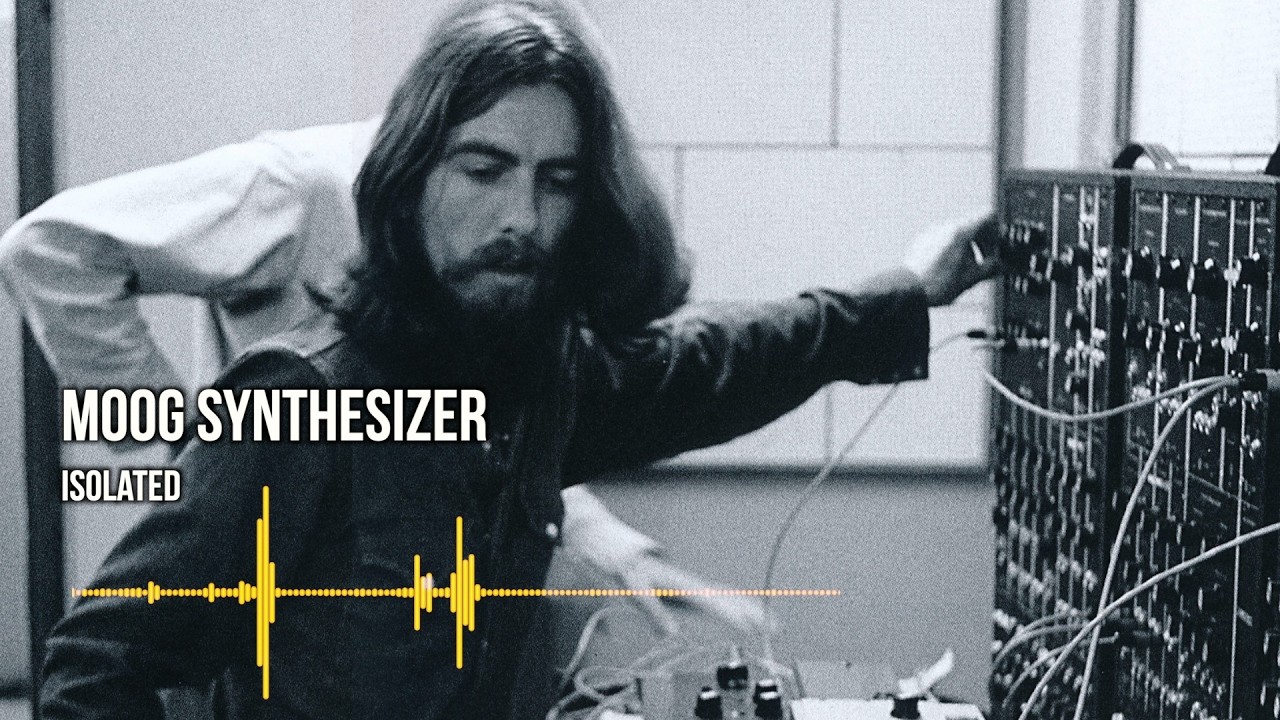
kit by way of the long regenerated note C held on the sitar throughout it also welcomed back the first so-called drone into mainstream western music since the Middle Ages radical idea number [Music] three producer George Martin took lenon voice and in an attempt to evoke the sound of hundreds of distant murmuring and Whispering Tibetan Monks applied an elaborate series of bizarre Studio Effects to it some invented specifically for this song like feeding the voice electronically through this a lesle [Music] cabinet Leslie cabinets were originally designed for the electronic Hamond organ taking the sound and swishing
it about with spinning wheels but no one had thought of put putting a voice through it before radical idea number [Music] four and radical idea number five was the McCartney Le use of tape loots running on a chain of five additional machines mixed live onto the master track The Beatles were deep in uncharted waters not just for pop but for any kind of music they took what they learned from Tomorrow Never Knows and applied aspects of it as especially the reverse tape effects to many of their other songs particularly John Lennon's masterly Strawberry Fields Forever
STW field The Beatles by 1966 when it was released to a thunder struck public were easily the most famous people on the planet they were also dangerously isolated and they knew [Music] it by breaking the mold of what a pop single could possibly have sounded like with this record they were also entering a shadowy world where most of their songs explored the interplay between illusion and reality to it alls out [Music] me in their desire to portray in their music a subconscious dreamlike World The Beatles fundamentally altered the course of popular song along the way
the depth and the strange of this record and of the whole Sergeant Pepper project that was to follow which further developed many of the same themes of loneliness and regression they set a standard of invention in imagination that few if any have equaled [Music] since having given up live performances they made films instead to accompany their records visually inventive and idiosyncratic they complimented this new musical Direction in the decades since then it has become clear that the impact of their work was even more profound than anyone believed at the time though many hate to admit
it this applies equally to music outside the pop field all musicians young and old now live and work in the new musical mainstream The Beatles helped to create it's through the Beatles and their passionate belief in it that we ow the dramatic comeback of the western musical system they began the process of healing the damaging Rift between popular and classical music yet even now there are those who say that if music has Mass Appeal it can't also be music of great significance or depth what the Beatles proved once and for all is that this idea
is hopelessly absurdly wrong there are very very few composers in history whose work changed all all the music that followed it Beethoven was one Vagner was another and I believe that posterity will add to their select ranks The Beatles whose musical Revolution and thrilling songs will rightly be regarded as one of the crowning glories of 20th Century Music find out more about the genius of lenon and McCartney and other 20th century composers by visiting the Howard good old 20th century grits website at Channel 4.com culture next up walk right into a Damian Hurst fors at
the T modern







![George Martin - In My Life (1998) [VHS]](https://img.youtube.com/vi/pbSDcan7WWE/maxresdefault.jpg)