the only three exercises you need to climb stairs with ease over 60 have you ever thought about how climbing stairs becomes more challenging as the years go by what once seemed like a simple task such as going up to the second floor of the house can turn into a real obstacle but what if I told you there's a solution in fact there are only three exercises that can change this reality giving you back the freedom of movement you value so much in this guide we'll explore these exercises which not only strengthen your muscle Muses but
also renew your outlook on daily life get ready to discover how it's possible to regain what seemed lost returning to activities that at one point felt Out Of Reach what is sarcopenia and how does it affect your body sarcopenia might sound like a complicated term but its effect on the body is straightforward and noticeable it's the gradual loss of muscle mass as we age this natural process usually begins after the age of 50 and if left unchecked it can significantly affect your ability to perform simple activities like climbing stairs imagine your muscles as elastic bands
that over time and without proper care lose elasticity and become weaker this results in weaker muscles in the legs hips and knees making everyday tasks like going upstairs increasingly difficult but don't despair there are specific exercises for older adults that help combat sarcopenia maintaining muscle strength and flexibility and restoring the ability to climb climb stairs more safely and comfortably sarcopenia not only reduces muscle strength but also impacts stability and Mobility many seniors start to notice this when they find themselves relying on handrails more often or even avoiding stairs due to a fear of falling furthermore
muscle weakening can affect the joints making them more vulnerable to pain especially in the knees which further limits Mobility however this doesn't have to be permanent exercises focused on strengthening and Mobility for older adults can transform this reality imagine climbing stairs again without the constant fear of tripping or losing balance adding strength training for older adults into your routine can improve both your ability to move and your confidence in carrying out daily activities this brings us directly to the importance of following a progressive strength training routine the importance of progressive strength training PST the concept
of progressive strength training known by the acronym PST is essential for tackling the challenges posed by sarcopenia and improving Mobility as we age think of your body as an old bicycle which can be transformed into an efficient machine with proper maintenance when your muscles are regularly stimulated they become stronger and better prepared for everyday activities such as climbing stairs with greater ease PST isn't just about lifting weights it's it's about following a routine that gradually increases the workload on your muscles making the body more resilient for daily challenges in addition to combating sarcopenia PST is
crucial for promoting joint health strengthening the muscles in the legs and hips significantly increases stability during activities like climbing stairs have you ever thought about how closely muscle strength is linked to fall prevention strong muscles Provide support to the joints reducing the risk of injuries and discomfort Comfort therefore by including Progressive strength training in your routine you not only improve your physical capacity but also strengthen your confidence in everyday movements this transformation is like adjusting the gears of a bicycle by optimizing the way your body functions each time you face a staircase the movement becomes
smoother and safer and with this solid foundation let's now explore the First Essential exercise scientific evidence on the benefits of exercise if you're enjoying the video please leave a like And subscribe to the channel so we can reach more people now that we've discussed how to strengthen muscles improve mobility and Perfect Balance it's time to see what science has to say about the benefits of these exercises for older adults Recent research shows that regular physical activity especially those focused on muscle strengthening and Mobility offers a series of advantages a study published in the Journal of
Jerry iatric Physical Therapy revealed that participants in a progressive strength training program saw an increase of up to 30% in leg strength in just 12 weeks this represents a significant Improvement in quality of life especially when considering the direct impact on the ability to climb stairs safely and confidently additionally a study conducted by the University of sa Paulo assessed the effects of balance exercises on older adults and found that after implementing just two sessions per week Falls were reduced by 45% participants also reported considerable improvements in their sense of stability and a reduction in joint
pain these findings underscore the importance of maintaining a routine focused on mobility and muscle strengthening thereby preventing issues like sarcopenia with this evidence in mind it becomes clear that following these exercises not only improves physical ability but also promotes Independence and safety in older age now now how about some extra tips to reduce pain when climbing stairs that's our next topic after strengthening the quadriceps and glutes it's essential to pay attention to Joint Mobility especially in the knees and hips a simple yet highly effective exercise for this is the knee flexion this movement helps increase
your range of motion and prevent pain and injuries to perform it start by standing and using a chair or wall for balance then bend one knee bringing your your heel toward your glute while keeping the other leg steady on the floor this movement should be repeated several times on each leg always in a controlled manner knee flexion not only strengthens the muscles around the joints but also promotes a gentle stretch that enhances flexibility with regular practice you'll notice a significant Improvement in your ability to climb stairs as Mobility is essential for smoother and safer movements
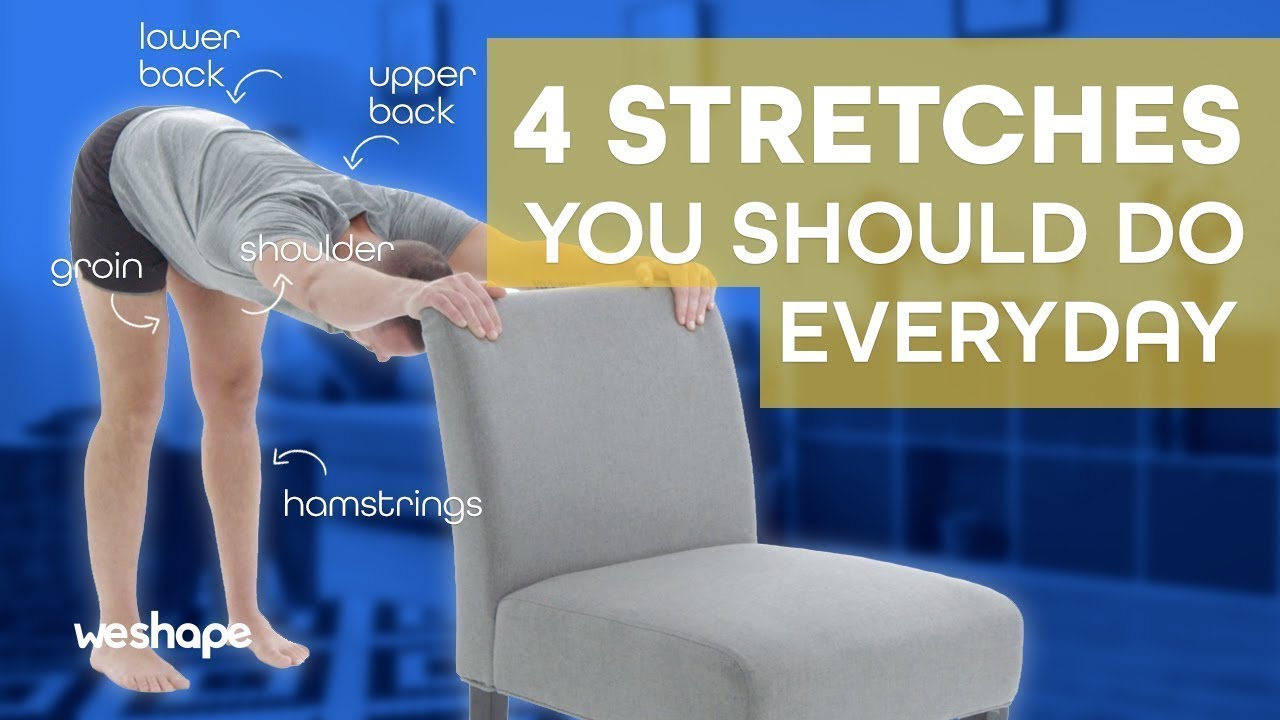
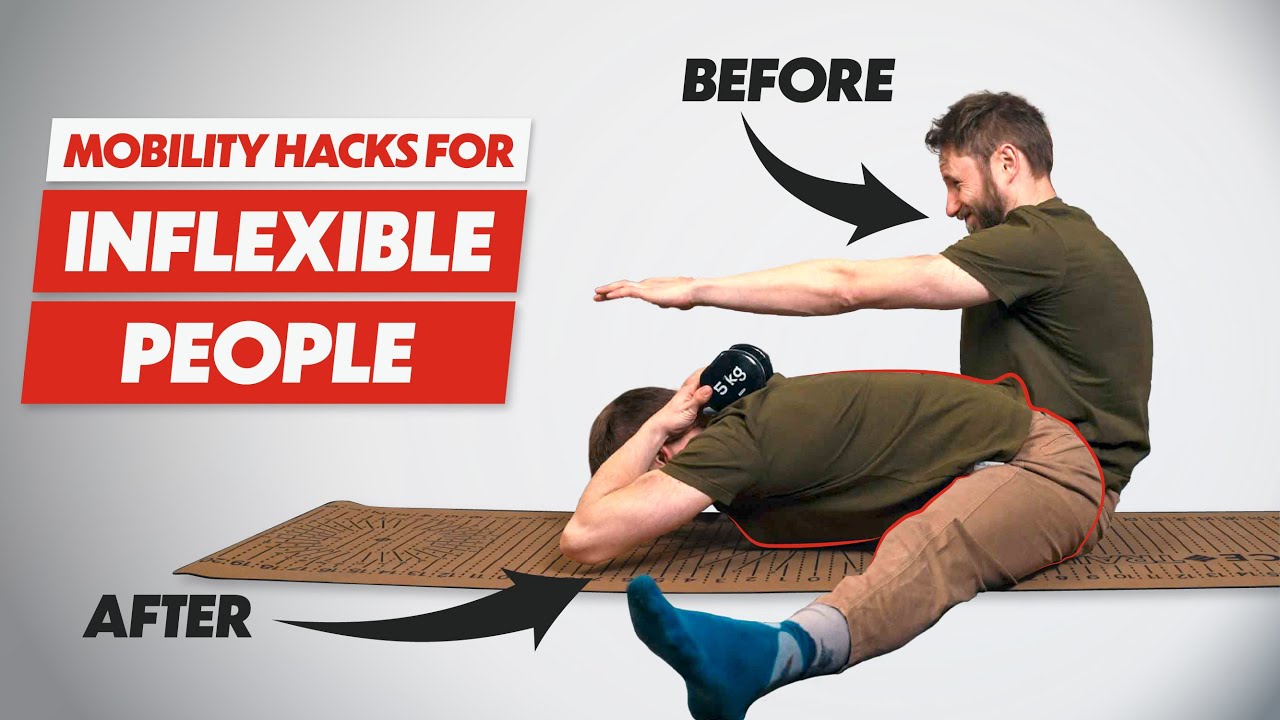
another useful variation is the hamstring stretch to perform it sit on the floor with your legs extended and slowly lean toward your feet keeping your back straight this movement not only stretches the muscles at the back of the legs but also improves joint flexibility making it easier to go up and downstairs adding these Mobility exercises to your routine helps prevent Falls and pain while promoting overall joint health with a solid foundation of strength and Mobility established it's time to take it a step further and explore exercises focused on stability and balance which are essential to
ensuring safety when facing stairs now that we've worked on muscle strengthening and improved joint Mobility it's time to focus on an equally important aspect stability and balance these factors are fundamental to maintaining safety when performing daily activities like climbing stairs an excellent exercise to train these aspects is the Heel To Toe walk to start stand up straight with your feet together then move one foot forward positioning the heel directly in front of the toes of the other foot as if you were walking on a straight line hold this position for a few seconds feeling the
stabilizing work done by the core and leg muscles to maintain balance then switch legs and repeat the exercise several times this simple yet effective movement helps strengthen stabilizing muscles and improves coordination which are key to preventing Falls and ensuring you can climb stairs with more confidence another excellent practice is the tree pose which also helps improve balance to perform it stand up and lift one leg placing the sole of your foot against the inner thigh or ankle of the opposite leg hold this posture for about 30 seconds then switch legs this practice not only strengthens
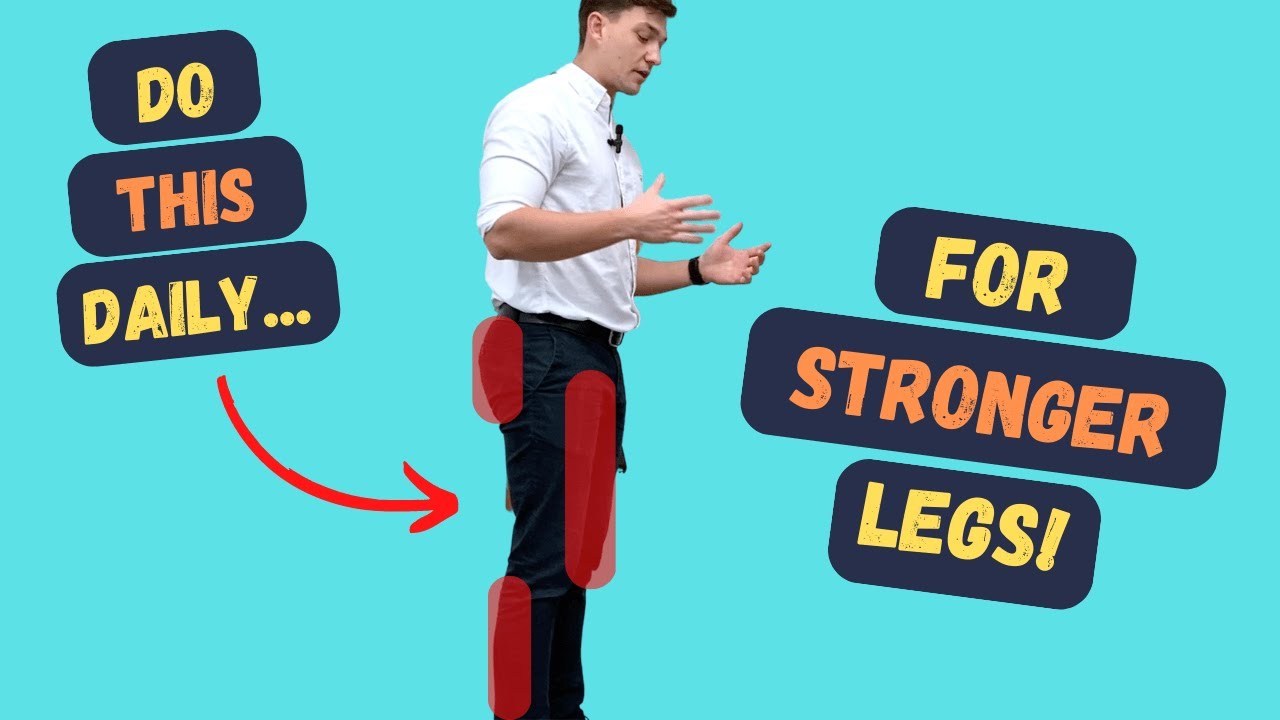
balance but also increases focus and core strength which are essential for overall body stability as you progress with these exercises you'll notice a significant Improvement in your movement abilities and safety when climbing stairs now with this solid foundation of strength mobility and balance let's explore some extra scientific insights backing the efficacy of these exercises for older adults it's time to discuss the first and essential exercise for strengthening your muscles strengthening the quadriceps and glutes these muscle groups play a vital role in your Mobility especially when climbing stairs a a great starting point is the squat
a simple yet incredibly effective movement to perform it stand with your feet aligned with your shoulders and your back straight then simulate the motion of sitting down on an invisible chair slowly lowering yourself while ensuring your knees don't extend past your toes this movement not only works the quadriceps but also activates the glutes which are essential for providing stability when walking and of course when climbing stairs repeating this exercise several times a week even with just 5 to 10 repetitions per session can bring significant improvements in muscle strength and endurance for those looking to go
further an interesting variation is the single leg squat an exercise that challenges balance and strength even more you can also increase the intensity of the workout by using small weights like water bottles or bags of rice which you can hold during the squat as strength increases it's important to continue challenging the muscles to prevent sarcopenia and improve joint health with continuous strengthening of the quadriceps and glutes you're not only better prepared to climb stairs but you also prevent knee pain and other common injuries associated with muscle weakness now let's move on to the next exercise
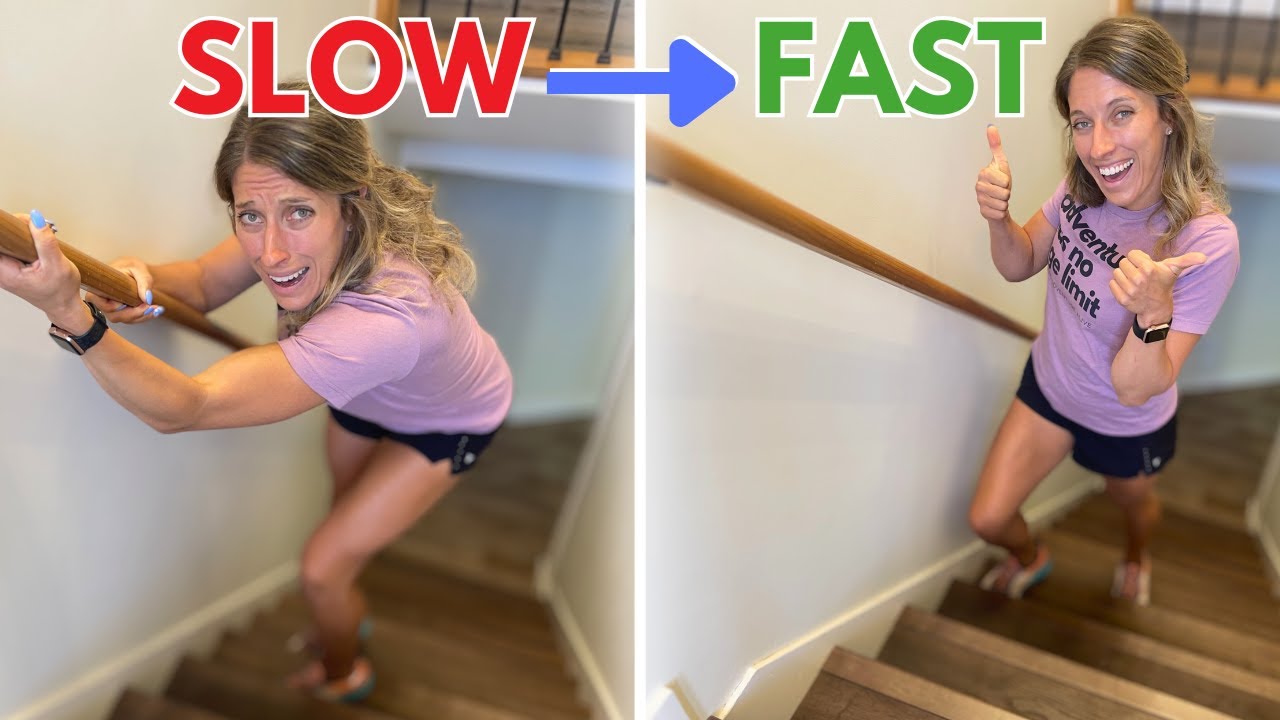
aimed at improving joint Mobility a crucial complement to muscle strengthening climbing stairs can be a challenge especially when knee pain is involved fortunately a few simple techniques can help minimize this discomfort one of the most effective tips is to pay attention to how you perform the movement instead of rushing take each step in a controlled manner making sure to use your entire foot as you push upward not just the toes this helps provide a more balanced weight distribution relieving some of the impact on your joints another useful technique is to use the handrail whenever available
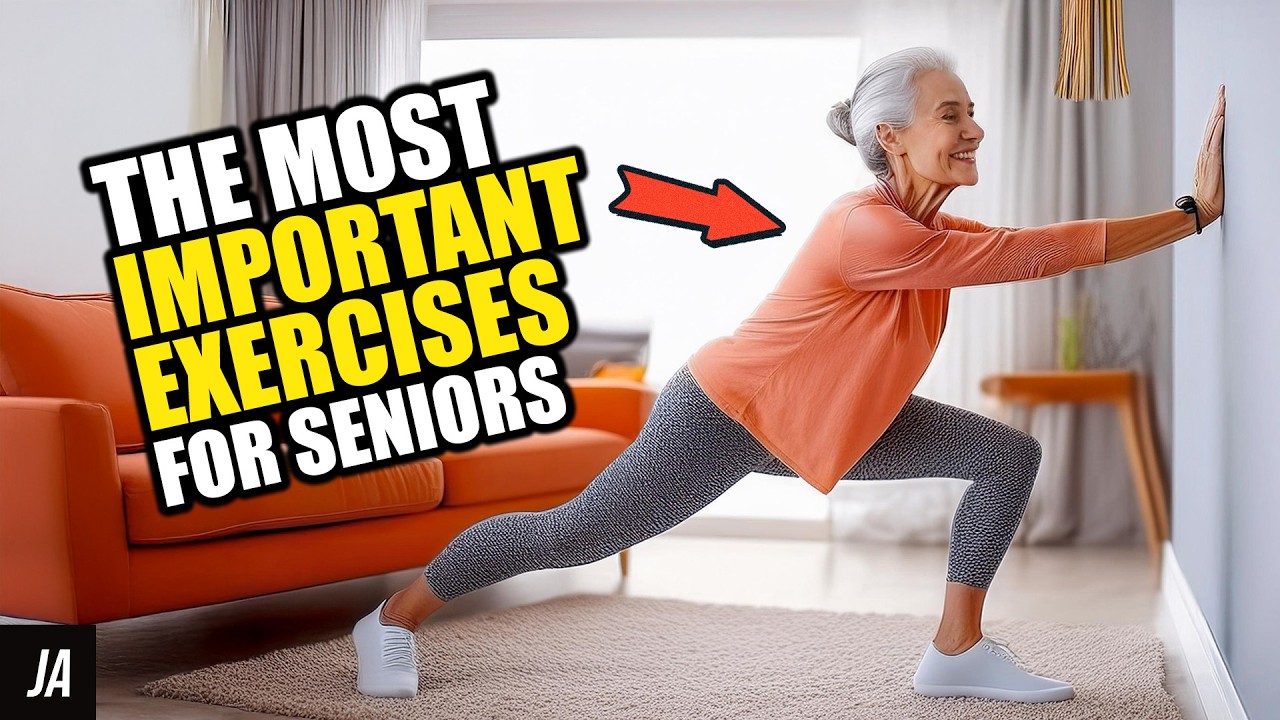
as it allows some of the effort to be shifted to the arms reducing the load on the knees additionally stretching can be a great Ally for preparing your body before and after the effort of climbing stairs stretching the thigh and calf muscles helps reduce accumulated tension and improves flexibility a simple example of a stretch is extending one leg forward while standing and pulling the toes toward the body this movement not only warms up the muscles before stair climbing but also AIDS in Muscle Recovery afterward incorporating these small changes into your routine can make a big
difference allowing you to tackle stairs with more comfort and safety now with these tips in mind let's explore the ideal frequency for practicing these exercises and some important precautions to consider when it comes to incorporating these exercises into your routine it's important to find a pace that allows your body to adapt gradually obtaining the best benefits for beginners it's ideal to start with two or three sessions per week week this gives your muscles sufficient time to recover and strengthen progressively exercises for older adults such as quadricep strengthening joint mobility and balance training can yield noticeable
results in a short period if practiced regularly as your strength and endurance increase you can raise the intensity or frequency of the sessions always respecting your body signals now I'd love to hear from you what difficulties do you encounter when climbing stairs leave your comment below if you like this video you'll also enjoy this one that's appearing on your screen now I'll see you there




![How To FIX Blood Flow & Circulation! [Heart, Arteries, Legs & Feet]](https://img.youtube.com/vi/HwcfPwxrL-A/maxresdefault.jpg)