welcome to the effortless English show with the world's number one English teacher AJ Hoge where AJ is more than 40 million students worldwide finally learn English once and for all without the boring textbooks classrooms and grammar drills here's AJ with a quick piece to help you learn to speak fluent English effortlessly I'm AJ Hoge the author of effortless English learn to speak English like a native and the father of the effortless English system that trains you to speak English fluently speak English powerfully speak English confidently think in English speak English effortlessly when you join and
commit to my VIP program commit to my VIP program at effortless English club.com effortless English club comm commit today at effortless English club dot-com the terrible terrible terrible problems the terrible I would say evil really of fake schools you know it I know it we all know it you know the tests the grades the bullying bullying the bells the stress the frustration the lies the trivia the boredom the complete failure of the fake schools and the fake school system around the world it's the same system it's the same basic system everywhere in the world in
fact automatically we should ask why why why does India and America and Thailand and Japan and all through Europe and through the Middle East all over the world following basically the same school system yes you have some differences but the basic principles strategies and methods are the same everywhere in the world isn't that strange the same factory mentality right put everybody the same age in the same class sit in rows and desks you know memorize textbooks all this stuff automatically you know this is again one of the great terrible horrible evils of globalism this globalist
education it sucks you know it sucks I know it sucks sucks in America it sucks in Europe it sucks in Asia through the Middle East in Africa it sucks everywhere South America North America whatever you know everywhere in the world it's it's terrible I mean first that's not you know it's interesting that the kind of globalist and the Marxist they always talk about diversity diversity it's a big lie they don't want diversity diversity means it would mean for education for example that each nation each people would have their own kind of education that would best
serve best help their own people so you would have a different flavor a different kind of education system for example in India and then another kind in Japan and then another kind and you know North America South America all these different countries there might again be some similarities but there would be much more diversity much more choice in education even in the same country in just one nation real diversity for education it would mean you would have a huge choice so many different kind of Education okay you might have the factory schools like now there
might be one choice it's a bad choice but you know whatever and then you might have different kinds of private schools but that would be very very different though that would have much more variety much more real diversity right truly different strategies and methods and ways of learning the kinds of education that John Taylor Gatto talked about in his book you'd have apprenticeship master and apprentice systems you'd have all kinds of different systems not the same at all nothing like the factory schools and then of course you would have the absolute 100% protected right for
homeschooling so that every family could find their own best method of Education for themselves and in fact even inside a family you could have different kinds of education somewhat different strategies and systems for each child as I mentioned before children individual children are different and different methods different styles different ways of educating are better for some kids and not as good for others so even inside of a family that's homeschooling you could have a great diversity right variety of education approaches methods strategies now that's real diversity but that's not what globalism or Marxism or any
of these other isms want they want exactly the opposite of that everybody has to do the same they everyone has to go to the same schools using the exact same methods and that's why the International fake schools are terrible and that's why I know I'm talking to you I don't know if you're in Saudi Arabia or in a Brazil or in the United States or in Japan or in Europe it doesn't matter because I know that your country uses basically the same system of Education and it's not good so we all know the problem doesn't
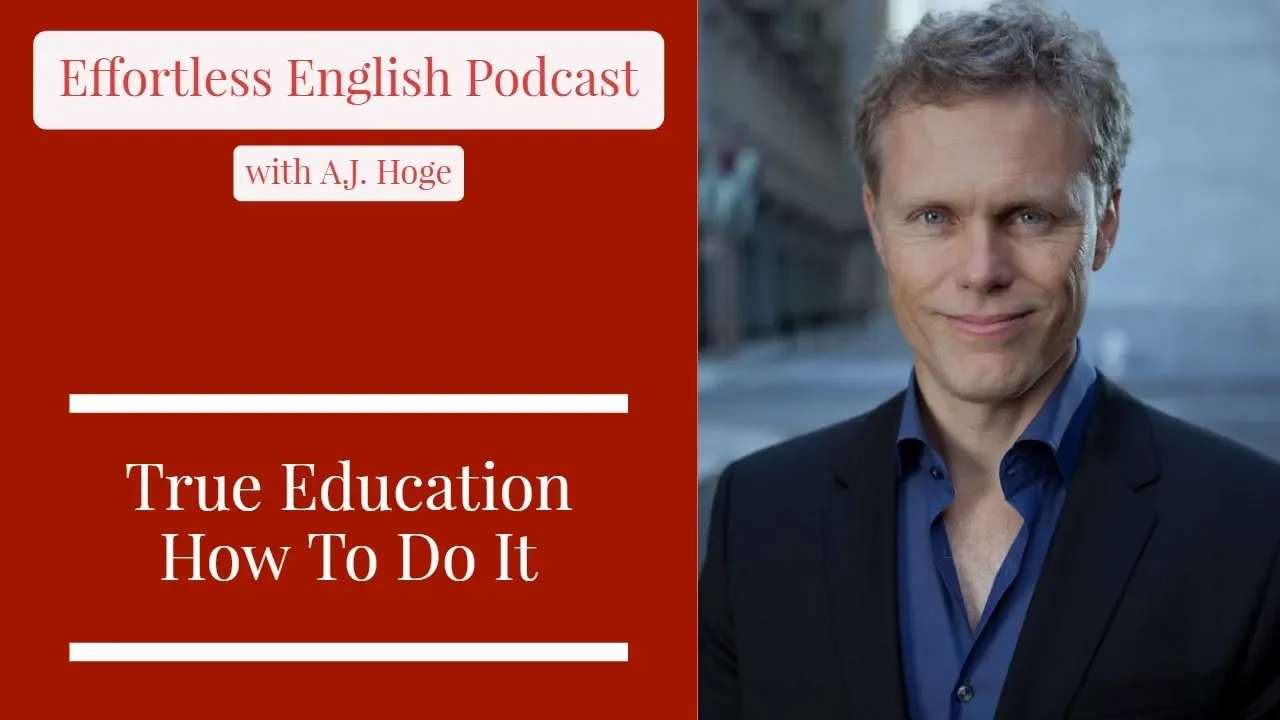
matter where we live but let's talk today more about the solution or a solution right because I believe that there are great many ways to do this to have true education lots of ways to do it in a beautiful wonderful way that is more individual that fits a specific nation and its culture that fits a specific family that fits even specific children so let's talk about just some very big general ideas about how to create true education now this you could do this within private schools you could do this within community schools you could do
this in religious schools or you could best of all do this as part of your own homeschooling true education what is true education first of all true education what is it what is the purpose of true education you know fake schools they have all kinds of different goals I think the true so if you really look at it the true purpose of fake schools is obedience to make everybody the same make everybody follow the rules good slaves good workers on the other hand the purpose the true purpose the deep purpose of true education real education
is simply truth truth to find and teach the truth and that means part of that is also you know how to find the truth how to look for the truth because of course this is something we do for our whole lives searching for truth so truth and truth seeking seeking means to look for that's how I would say it that's what true education ultimately right at that the biggest and the most important goal is to teach truth and truth seeking truth and truth seeking starting with children and then of course continuing even with adults because
true education is a lifetime education it doesn't stop at age 18 it doesn't stop at age 22 doesn't stop at age 28 or 16 or any number it continues for your whole life that's true education so that's another characteristic of real true education is that it is lifelong so how let's look at this more how would this work true education well I just talked about in a recent podcast the three-part system of truth you know how do we know truth an important question and I mentioned the three parts ancient writings the very very old writings
masters masters gurus teachers that kind of thing right great masters great teachers and in number three direct knowing of course is very important direct knowing and then of course I said that for direct knowing there are three ways that we directly as individuals directly learn or know something as truth and number one is the big word the big vocabulary word is empirical empirical but what does that mean it means direct experience and specifically it means direct experience with your senses means you see it you hear it you touch it you feel it you taste it
whatever right direct experience observation all of that that's the first way of knowing something directly the second is logic logic and reason logic and reason basically this is knowledge but especially reasonable and logical knowledge it often comes from reading and studying right mathematics logic reading and then the third way of directly knowing is meditation meditation and this is a it's a kind of direct experience but it is internal and it's a way of purifying your mind and your consciousness so you're connecting to direct and highest levels of consciousness these are the three ways of directly
knowing so how would we make an education system that is truthful that uses follows these elements of truth of finding truth let's talk about an example of true education then compared to what we get in school so part one we would need to train students and then continue as adults with empirical learning right so again this is learning from experience now this school systems do not do this is one of the huge weaknesses of schools maybe the biggest it's many people criticize this remember when we did our book our book club dumbing us down John
Taylor Gatto this was one of his huge strong and very important criticisms of the school systems they don't there's nothing with about direct learning direct observation experience there's no experiential learning it's all just sitting on your butt listening to somebody talk so they're completely missing or almost completely missing this very very very important way of knowing and finding truth I mean without this it's very difficult to learn any kind of truth or to develop any kind of useful skills in life so in this category of learning you know empirical direct experience experiential is an adjective
this would include things for like number one just exploring especially young young children need this to just explore just to go out and look and touch and play with things in the natural world yeah I talked I've talked about my nephew and my niece is in before you know how they just go out and they'll just go out and they just explore the world they'll go to a park and they watch the insects you know they'll watch the ants they'll watch the bugs they'll look at the plants they're just exploring and playing around well that
is empirical knowledge that is an empirical way of learning right what are they doing they are observing with their eyes or maybe they're listening also and they're picking up and touching right they are directly experiencing nature so you can do this in all areas of life even something like art directly play with the paints play with pencils right kids do this natural little kids right they course they just start off they're just coloring they're not doing anything super artistic but that is a very important part of learning of real learning direct experience and of course
as as we get older it can become more complicated and more advanced so at older ages maybe again the students go out to observe to look at nature but now maybe a little more in a more organized way maybe they're using microscopes maybe they're using telescopes maybe they're taking notes maybe they're taking pictures but again directly observing directly experiencing is a very important part of this another important part of this is to learn under a master so this brings in that important part of finding truth knowing truth right masters gurus great masters now this was
used to be he used to be a very very important part of education the master apprentice system and apprentice is a right is a learner they're learning something and you had this in all different areas of life so you had this in the arts right the master apprentice system Michelangelo did he go to art school at a university no he studied under a master and you know he worked for the master and he did jobs for the master in the beginning probably they were not fun jobs ok right probably had to do you know clay
help clean and do all that kind of stuff and then he started to help with the masters art projects and then gradually learn more and more and while he was learning while doing though that's the important part of this master apprentice system learning by doing so he was learning in two ways from the master number one a lot is learned just by watching the master just by being around the master and watching how the master works in this way the apprentice the student learned so much just by watching and listening note not lecturing in a
classroom but watching the master work in the real world that's a great way to learn not only art but anything science technical skills anything and everything really so this would be again an important part of real and true education would be having this master apprentice system and now again with younger kids it might just be very relaxed and they would have a lot of time just to be around some masters and this be more just exploring but as they got older and as each child started to decide what they wanted to focus well then they
would it would become more serious and more committed so this master apprentice system very very important again and this is the way many great skills are learned now of course the other way the student learns from the master is direct teaching so the master number one they just they model right they just show the student just watches them and they learn a lot but then of course the other thing is that gradually the master will give jobs to the apprentice and yeah probably in the beginning the apprentice does a bad job and then what happens
well then the master says okay here it starts to say this is a mistake you made do it this way and the master starts to teach but not just teaching like from a book memorizing facts but no teaching real skills by doing real things real projects in the real world it's experiential learning learning from experience with the master guiding and teaching as they do things in the real world very very very different from how the modern spake schools work right completely different in another way of this empirical or experiencial way of learning is for students
to create projects to create projects to have a project what does that mean it means they have to create something you give them an assignment and a goal do this create this right it's it's again it's direct experience they have to do not just study they have to do and usually they don't know how to do it they can't do it in the beginning so what happens well then they have to learn how so what do they do they have to research they have to ask questions they have to go to a master to get
advice they have to experiment and try different things and sometimes they fail and in this way they learn by again doing and there are many different ways to do projects it might be a physical project they have to make something so if we're look let's say you're talking about something in the practical world you say ok you have to make a chair make a chair wooden chair how do I do that ah well that's what we have to learn right and then they have to start learning how to work with wood how to find the
wood which what kind of wood is the best how what's a good design for a chair how do I cut it and all that stuff right to make the chair there's a lot of things that must be learnt and there are many different ways they have to get that information they might try to make a chair the first time and it breaks then they gotta try again and they will learn so much about woodworking because of this project make a chair you can also do this you can have projects that are not so that are
not physical a project could be make a presentation make a sales presentation for your product yeah so now what do they have to learn now they have to learn how to sell they've got to learn persuasion they've got to learn public speaking how to how do you make a strong powerful presentation how do you sell to somebody so that they want to buy again they've got to go and ask questions they've got to find masters they've got to maybe find some books and read those they have to try and try and try lots of different
techniques and maybe fail right maybe they try the first presentation and you say yeah not good let's keep trying and so they gotta keep learning and learning experimenting by doing until they finally make a great presentation you can do this with Sciences you can do this with any subject doesn't matter right but the projects the great thing about projects is that again by doing it forces this kind of experiential learning direct learning with experience so that's another part of it so combining all those you get this kind of true empirical education right education from experienced
education from observation and experience very very important part that is mostly missing in our school systems which is why this is why we have people so many millions and millions billions actually graduating from school and they don't know how to do anything they can't do anything useful 16 years of school and they can't do anything useful no useful skills maybe basic reading and writing and math but other than that useless I know I was one of them okay I get it but it's what us how horrible is that when you think about it what a
huge gigantic horrible waste of time to go to school sixteen years or more and then you graduate and you can you really can't do anything useful at all if when you get a job the company has to teach you everything because you really have no useful skills or almost none now I've had some cousins recently graduated younger much younger than me this exact problem when school got a bachelor's degree all through you know elementary school middle school high school university come out can't get a job doing anything why because don't know how to do anything
useful no experiential learning no skills in the for the real world what a joke you know this just from English you know you take English classes many take English classes starting while Samet starting in elementary school many starting in middle school so yeah three years in middle school four years in high school you got seven years you go to university few more eight years nine years ten years of English and you can't speak fluently in fact you can't even speak badly you cannot have like just regular average normal simple everyday conversations with the native speaker
hey what joke think about that all those eight years nine years ten years and still can't even do this basic basic thing completely useless you've got no experience you'll ability no real life ability at all or almost none again what this I mean it's a joke and it's not just English this is a giant hole a giant missing piece of Education in our world right now we've got to fix it we must fix it okay so that's one that's part one of direct knowing experience observation we need that in our education absolutely we have to
do that if we want to teach real education you know truth and truth seeking the second one is logic and reason right this is basically knowledge but especially not just knowledge not just facts this is again a big problem in schools that they don't understand this second part it's too limited schools teach a lot of facts meaning in many cases trivia trivia means facts that are not important meaningless facts so is it important for example to know the exact date that the Declaration of Independence was signed in the United States not really I mean I
know it it's kind of important culturally maybe you know July 4th 1776 because we kind of celebrate that as the beginning of our country but when you really think about it in terms of life like understanding truth seeking truth finding truth all these big questions of life also just having a good nation a strong nation a great civilization memorizing that exact date is a very small thing ok so just these memorizing of little small facts which is very common right we don't we know we all do this you have a test coming up what do
you do it's called cramming see our a.m. to cram cramming it means you just memorize very it's short-term memory you memorize a lot of stuff very quickly in a short time you take the test hopefully you get a good grade and then you forget it because you didn't learn it deeply at all you're just cramming that that's what I said in school I'm sure it's what most students do and that's how you get through school because because they try to make you memorize too many things this is again most of modern fake schools is focused
though their system is focused on memorizing and memorizing a lot of stuff is not that important and how do we know it's not important it's not important well you know because you forget it all you forget 80% of it 90% of its gone in a couple weeks so I guess it wasn't very important so why waste all that time and all that energy and all that effort memorizing it if you're just going to forget it a month later what's the point if some things we do need to memorize of course right so we have the
3 R's this is kind of slang in English they're not it's reading riting and rithmetic is what people say it's kind of an old way of saying it but basically we need reading absolutely so you got them that's something that does need to be memorized in English you have to know the sounds of the letters and how do they combine so you can read you've got to learn how to read and so some of that is memorization yes it has its place that is part of this second part of knowledge right knowledge we had experience
slur experiential learning now have knowledge is our second one and that is definitely part of true education we do need some memorizing reading arithmetic meaning math you know the basics of math again two plus two equals four you just have to memorize that or two times two equals four or two times three is six right we all when we were young we had to memorize our multiplication tables right again that that is part of it we have to learn those basic math probably up at least two basic algebra after alg basic algebra eight maybe basic
geometry two after that many people don't need anything more than that some do we want to continue on into science different sciences and different engineering and things like that of course they do need to keep going but many don't people who want to be psychologists for example don't really need calculus it's just not necessary they need other things but as a core we do all need a basic level of math just to funk just to survive in our modern world right just to be understand how money works in business and all these things that we
all need in life so yes mathematics so that's the arithmetic part and then Rhett I call it rhetoric some people just say writing but I say writing and rhetoric we need to learn how to write decently well communicate in writing and part of that I believe is also speaking meaning how to be you know to be good public speakers for example you don't have to be great everybody does not need to be a super great public speaker like Martin Luther King or something no but just a just a basic level of skill I think is
important for everybody in reading and writing so those basic skills yes we need those and you know Swee all do we learn at least most of those in school school does not teach public speaking but the schools do an okay job of teaching basic reading basic math and basic writing not great job but they do okay in that part but unfortunately that's where they stop and that's not good because then after that what do they do they make you memorize a lot of stuff and much of it does not help you very much it's not
truths it's not truth seeking another thing that we absolutely must learn is logic the basics of logic just the basics again you don't have to study you know super complicated logic or logic systems or logic rules but the very basics of logic and reasoning the schools do a terrible job of teaching this then in addition to that what what kind of knowledge should we be teaching what kind of knowledge should be we be learning or focusing most on again this is knowledge this is not direct experience this is mostly from reading so what mostly should
we be reading and we're teaching students to read well we go back again to our system of truth ancient books and the books of masters that's where we should be focusing most of our reading and education reading those ancient books those ancient stories so this means of course number one the the religious and spiritual books and this is where again every country then would be a little different right so in Saudi Arabia of course they should read the Quran in an India the Mahabharata and the Ramayana absolutely the Bhagavad Gita the Upanishads probably actually the
opening shots in the Bhagavad Gita throughout all of Asia and then in certain Buddhist countries the Dhammapada pali sutras and others and of course in the Christian West the Bible for sure and then along with that ancient books of reading the students should be reading what those epic great ancient stories right so again in the West all through Europe the Iliad and the Odyssey and the Aeneid absolutely I every student in Europe should read those and starting at a young age right so this means at a young age maybe they learn an easy version of
these not the original which are a little too difficult but very easy versions and then maybe as they get older they little more difficult versions and then finally as they get older they read the original versions translated to their language and maybe in the past like in university level even in high school level in the past students would read the originals in Greek or in Latin maybe that's a little too much for our modern students now I can't do it but it used to be part of our education tradition and again each country each nation
each region of the world its culture would choose their own ancient books in this way so of course they would choose the more religious and spiritual ones but also the more cultural ones so again you know someone in Iran would choose the the ancient you know Persian epics and in Europe like I said the Iliad The Odyssey there's many those songs of Roland and in the East you've got the Ramayana again the Mahabharata and the the three kingdoms in China there's many right so again this is again it allows true diversity but the basic idea
the basic principle is focus students on reading those ancient ancient books those stories they must this this helps to create a culture this is where your whole culture has an understanding of these same basic books and stories and wisdom and knowledge is part of this system of truth of knowing truth and seeking truth so important and then finally in our category of knowledge reading the Masters reading the great masters in different areas of life of knowledge so this would be again reading the great masters of you know philosophy and literature again it's fine for it
to be international no problem if your own family you could choose for many different countries and cultures but you know for a system but in general for at least four schools and larger organizations it for education that probably would focus more on your your own culture your own nation the great masters you know again so you know for example in Europe certainly in Italy you probably would have the students reading Dante write a great a great master of literature Italian literature specifically and of course there are many many many other examples but in general great
masters but this is also even true for practical areas so that they would read or study great masters in art what would they do study the great masters not some guys you know from 50 years ago who's just splashing paint on a wall right now the great masters we all know who they are right Michelangelo Michelangelo Leonardo da Vinci etc etc etc etc in science you'd study again the great masters of science and you Newton and the like and here's the thing though read directly from them so instead of just studying about Newton read what
Newton wrote or at least maybe maybe read easier simpler versions more modern translations of what Newton wrote reading directly what these men and women wrote themselves so I've mentioned before instead of just studying about Julius Caesar it's fine to study about Julius Caesar and read about him but but absolutely you must read what he himself wrote he wrote a book read it the same way you know the instead of just reading about the Roman emperors well one of them at least wrote a really fantastic book called meditations Marcus Aurelius read it directly right you are
reading from an emperor of two thousand years ago a little less maybe what he himself wrote that's powerful right the great masters read as much from them directly as possible and then as part of that at much smaller part you could have in this knowledge area reading about or reading or reading about or studying more recent masters in different areas right so this is true for science is true for math is true whatever and that gives us our knowledge now that would give a student such a great foundation of knowledge real knowledge based on reason
based on logic based on the ancient wisdom of his own culture of her own culture and others as well it would be a deep level of knowledge not this shallow kind of garbage that is taught in schools now [Music] ok then finally third our third way of directly knowing is meditation and a great true education system would include meditation you would have to include this and you have to include all three all through all three ways of knowing truth of truth seeking meditation what is meditation exactly you know you'll see a lot of you know
in in news articles fake media only an Internet even some books meditation is just is is described as just you know a way of relieving your stress right if you know you sit you meditate huh your stress goes down it has benefits like that direct benefit like less stress less worry and all that is true that's not really the focus of meditation that's not the deeper purpose of meditation it's just a little side benefit that's a little small benefit is not the purpose what is meditation think of it this way one way to think of
meditation is logic reason knowledge I would call additive learning additive means you're adding right you're adding learning you're adding skills you're adding understanding you're adding knowledge facts all these things information meditation is subtractive you're taking away the daodejing has a great quote about this that pursuit of the dow every day something is taken away what are you but what are you subtracting exactly what does this mean to subtract how do you how can you learn by subtracting taking away what are you subtracting you're subtracting confusion you're subtracting taking away ignorant you're subtracting fear you're subtracting
addiction and craving in other words you are purifying it's a method of purifications one thing that meditation is you're purifying your mind your mind becomes more clear more open and when your mind gets purified of these poisons you know mental poisons emotional poisons your mind gets purified and becomes clear and calm your intelligence increases your creativity increases and you are open to a whole new way of learning and other sources of knowledge they're very very very powerful your mind and your body become very very very calm and clear and aware and awake your mind and
your heart both and when you reach that when that happens then you are open to what it opened to God that's the highest level and traditionally that's what meditation was really about was knowing God connecting with God that was the highest if you know read read all the ancient sutras and texts about meditation and that is the true purpose add a little bit lower level intuition you're open to intuition I've talked about before we know what is this what is intuition it's kind of like your internal wisdom right it's it's something deep inside of you
a deep inner way of knowing but when you're constantly thinking when you're constantly listening to noise and reading and watching TV and the noise noise noise you can't hear that inside you I can't hear that wisdom inside you it's too noisy but when you calm and quiet your mind through meditation eventually you'll find ideas understanding just popping into your brain it seems like magic like where's it coming from well it's coming from deep deep deep inside of you it's your intuition it's also your wisdom is another way we could say it wisdom and then and
even a little bit lower level we're a little more basic level when you meditate you become more creative because again by quieting your mind and just letting it letting go of all these things you'll find that all these creative ideas will start to come into your mind especially after you meditate when you're you'll sit very calmly your mind will get quieter and quieter calmer and more clear and then when you finish suddenly sometimes you'll find you get suddenly get these great new ideas is it's a great method of creativity so this is again another way
of finding and knowing truth at different levels so a true education system should include instruction in meditation or if you're an adult just learn it yourself there are lots books about meditation they're different methods and systems of meditation so as an adult of course you can learn those independently for children teach them you know find one that's really really simple for children and teach it to them and then of course again this would be a thing all of these areas the empirical the experiencial way of learning logic reason and knowledge that way of learning and
in meditation so all three of these of course start very very very simply with small children and then as with older children of course a little bit more advanced and then when you get to adolescence and teenagers of course becoming quite advanced and then don't stop because as an adult we keep going you know these are all lifetime ways of learning so you keep going of course you become fully independent as a learner when you become an adult so now you're the complete master of this but you continue continue learning in these three ways as
an adult so continue getting life experience different life experiences by watching you know observing and by doing and maybe you can find a good coach or good guru or good teacher if you want to learn something specific find a master in that area so in all this ways you continue with experiential learning direct experience very very very important as an adult especially in this world now because we didn't get it in school so as you have to do it as an adult also it as an adult you would continue with knowledge and reason you'd continue
in this part of your learning as well so read those ancient books the epics and the spiritual ones and read the books of those masters in different areas of life try to find when you can the direct writings to direct teachings of those masters not what someone says now but what did they actually say it's better to read Aristotle than to read someone telling you about Aristotle because maybe there may be their idea of Aristotle's wrong Oh go and read directly or Seneca I think it was Carol said she's reading Seneca about on the he
wrote about on the shortness of life which is a nice book it's pretty short that's a good one to read there's so many so many in all different areas if you have a specific interest you know read the Masters and the the great books in that area that you're interested in but you gotta continue continue this for your whole life and then finally meditation I highly recommend that you include this way of knowing also if you're not doing any kind of meditation now I encourage you to you learn and start to practice it can be
a challenge in the beginning you know as I'm - I struggle with it sometimes - it's we we live in a world now that's full of so much noise so much distraction that it is indeed very difficult for most people to meditate and that's why our minds our minds are so noisy now because our environments are so noisy so to sit and quiet the mind is quite a challenge but it's important so do it there are many different ways of meditating summer I would say a little easier than others in other words some are easier
to do if your mind is really noisy so there's something called mantra meditation that's where you say a sound and you just repeat the sound again and again and again and you focus your mind completely on that sound and this will help your mind become very clear and calm there's breath meditation I've mentioned before which probably the most simple because you always have it you can do it anywhere you just focus on your breathing but you have to put but total concentration on your breathing and nothing else that's the trick that's the channel there's something
called Vipassana meditation which has different versions but the one I know is where you're focusing on the sensations the feelings the physical feelings inside your body and again you have to use total concentration on just that and there are some other ways of meditating as well choose one that sounds good to you and just practice it every day you might start with five minutes a day and then try to increase it and maybe you can increase it doing it two times a day three times a day for thirty minutes or something like that but this
is also something you would continue your whole life so in a very very big big big big big general way this is what I believe to be a true system of Education a true system of Education it includes experience it includes knowledge and it includes meditation to make it very simple using just one word for each the three parts of true education experience knowledge deep knowledge and meditation now how do you specifically do it well this is the great thing about true education as I said before it's true diversity it's real diversity meaning it's flexible
enough to fit any country any culture any religion any family and indeed any individual you can customize this very easily right depending on your interests or depending on the child's interests depending on your or your child's nation and culture and family you can easily adapt as long as you have these three experience right direct experience learning through experience knowledge especially deep knowledge so of course reading writing and arithmetic but also logic ancient books and the Masters or the books of masters and the number three meditation what any whatever again you can choose there many different
systems of meditation and you can find one that again find one that fits you individually find one that fits your family you find one that fits your religion find one that fits your culture and your nation now of course I believe that the very best way to do this is with homeschooling because homeschooling it is the most free it's the most free of course I'm mostly talking about children now but you know the what's what's homeschooling is also for adults it's just called independent education right it's what you do with English right now you're homeschooling
in English you're an adult so it seems weird to say the word school homeschooling but what you're doing is home education with English right you're listening to me right now you're improving your English hopefully you're using the effortless English system have you join my VIP program you're doing home education in English as an adult cuz remember again this never ends fantastic that's great well within when we talk about kids we usually use the word homeschooling just it's just because that's the popular word III think home education is a better word but well I'll use homeschooling
but just because it's the common word it's common that's how we say it so for kids homeschooling why Allah why I love it so much is it's so flexible if you send your child to a school even a great school like a school that follows this system I just said right in an amazing school they followed this exact system I just talked about it's wonderful that's great I mean that's much better much much better than the fake schools we have right that so that's that's still a good choice if for some reason you can't do
homeschooling if for some reason you know you're it's just not possible for you then that would be the second best option would be to find a great school that used this system of truth this system of true education something like this that would be fine it would be really really a good still a good choice but at home schooling is better still I believe because it's more flexible right because what if your child for some reason your child does not fit the school right maybe your child Justin is very active for example this is common
physically active especially boys but girls too maybe your child has just got a huge amount of energy all kids have energy but your child is like you know five times more than usual and they they just they need to run and run and jump and use a lot of that physical energy every day they are just super super physically active well there's nothing wrong with that that's totally fine in fact it's a good sign just as a sign of health but that kind of energy can cause problems in schools schools generally don't handle that very
well why because schools they prefer most schools to have the kids sitting down a lot of times indoors and so those kids that are just super energetic often have a lot of trouble they get in trouble in schools they don't like it they get bored they get it the teachers get angry at them all this kind of stuff well if your homeschooling you know your own child you know what they're like so what are you gonna do well you just design your homeschooling program to fit your child's nature so if I had a child like
that for example I'm just thinking of ideas but one thing you could do is you would just do short lessons all day long with lots of long breaks outdoors running around so you might do maybe just 30 minutes on some topic at home and then go out run run run run run run run run them like crazy you know make do physical games do races may make them do push-ups and pull-ups teach them you know healthy exercise all that stuff they'll love it get try to get them tired a little bit then come back indoors
it's a race time maybe have a little snack or something and again do another lesson 30 minutes to an hour that's all when they start getting too crazy time to jump and run again and just keep alternating like that your child then is still going to learn everything they need to learn but it fits them and of course there are kids who are on the opposite side their kids are just naturally very very calm and very focused I have a nephew like this in America this little guy he can it's amazing at a very young
age he can focus for so long just he can do one thing like building something right with blocks he can just sit there for hours doing it totally focused in fact he gets quite angry if you try to break his concentration well that's fantastic good good for him so for him it would be a you need being flexible homeschooling him you would not want to interrupt him so much right you'd want to give him one thing to learn or do one project and then just stay with it for a long time go deep great and
then maybe you might even just focus on only one thing each day and if you want to teach something else then do it the next day and you're gonna focus just on that and that would fit him better so yeah that this is what this is why homeschooling is so wonderful because homeschooling is for the child or for the student it's not for the bureaucracy is not for the government it's not for the teacher you know education is for the student it's not for the teacher the teacher should be serving right it's a service the
teacher is there for the student to serve the student to help the student not the other way around there's one of things i hate about our school so much the fake schools is these the teachers and the cysts the administrators they have an attitude their attitude their basic attitude is that you know the students have to please them the students are there to serve them that it's the teachers needs it's the school's needs that are that's exactly backwards the teacher already knows right if you're teaching how to read well you should know how to read
already so it's not your need it's this child that needs help reading so we have to figure out what's best for the child well and it's different because children are different so if you just try to force the same exact schedule the same exact system the same exact way on every child many of them are going to suffer and many of them are going to fail completely but this is so this is the opposite though this is organic this is natural where you can adapt it and with homeschooling you have the most flexibility because you
can adapt that you can change it for each individual child which is fantastic is really wonderful and of course it's wonderful too because it's a parent is doing the teaching and parents know their children best of all of course nobody knows your child better than you so it's the most natural it's the deepest it's the most loving it's the most caring it's the most powerful it's the most effective way of true education by far absolutely and then second best would be just an amazing small little school that followed these principles I just talked about today
that would be still pretty good and especially you know for families that don't for some reason maybe there's just one parent or they both have to work or there's some reason they can't do home education then that would be the second best option it could still be good if the people running the school were really truly deeply wonderful and caring and they really really believed in this true true true education there are a few of those out there they're remote they're private schools but you can find them sometimes I encourage you to create your own
education your own true education system for life for life first of all create it for yourself even if you have children start with yourself first because then you can see that it really works then you can understand these ideas and then you can use them with your own children I'd say first create it for yourself as an adult a lifelong system so again you need experience right some ways of learning - from experience direct experience number 2 learning direct knowledge especially that old ancient knowledge mass knowledge of the Masters and number 3 meditation create your
own system do it every day after you enjoy the benefits of that for a while then if you have children do it for your children too and that is how we fight the fake schools that is how we create this revolution really of true education a revolution that is really diverse not fake globalism diverse that is actually the same for everyone know the opposite of that it is based on truth and deep principles that are true and at the same time very flexible very diverse very unique that's the true education revolution and thanks for joining
it you can also join my VIP program at effortless English club comm to speak fluently speak powerfully speak confidently think in English speak effortlessly when you commit commit commit to my VIP program go today go now to effortless English club calm effortless English club calm that's effortlessenglishclub.com [Music]