hello everyone and welcome back to another video today I wanted to talk about a different approach to programming that I think may help many of you conceptualize intelligent program design a little bit more clearly and so I thought I would give my perspective on this because I think it's a perspective that not many people give or talk about or even think about through no fault of their own more so just I think as a consequence of the culture around lifting and the way we think about exercise so normally when we think of programming what kinds
of things do you hear you hear questions like should I do push pull legs should I do upper lower should I do a bro split and all those splits can be great no doubt about it and I don't want to speak negatively and at least just in a black and white sense about any of those things but they're all very muscle Centric so what do I mean by that well let's give an example of like I don't know the most popular split now which is probably a push pull legs and this is generally how it's
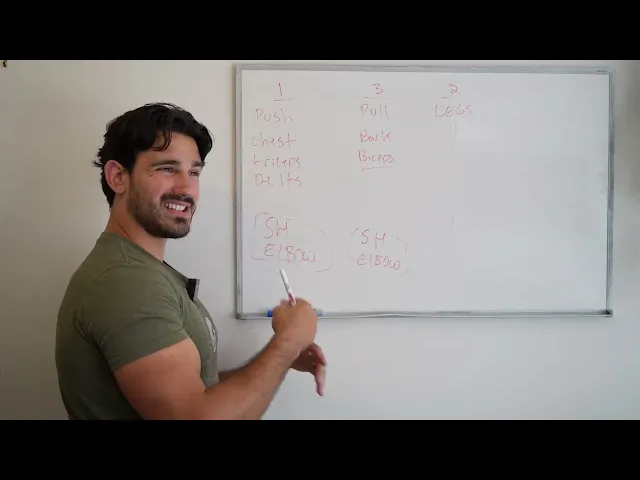
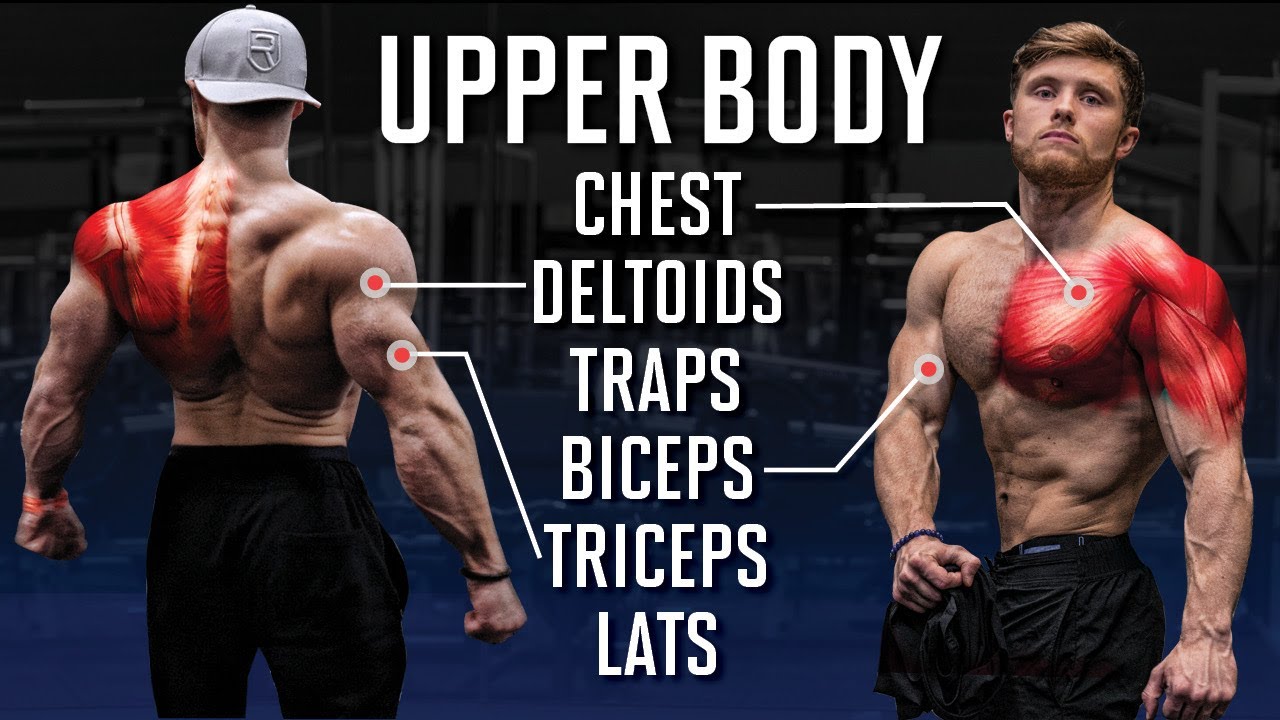
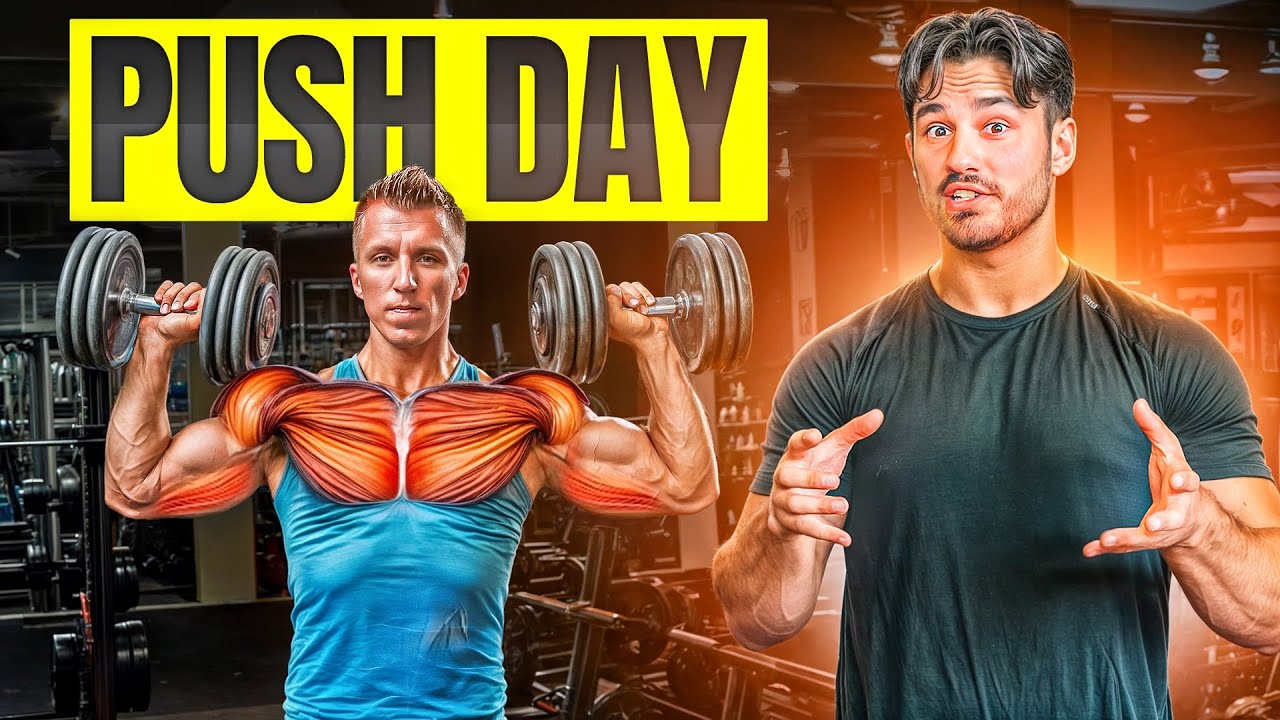
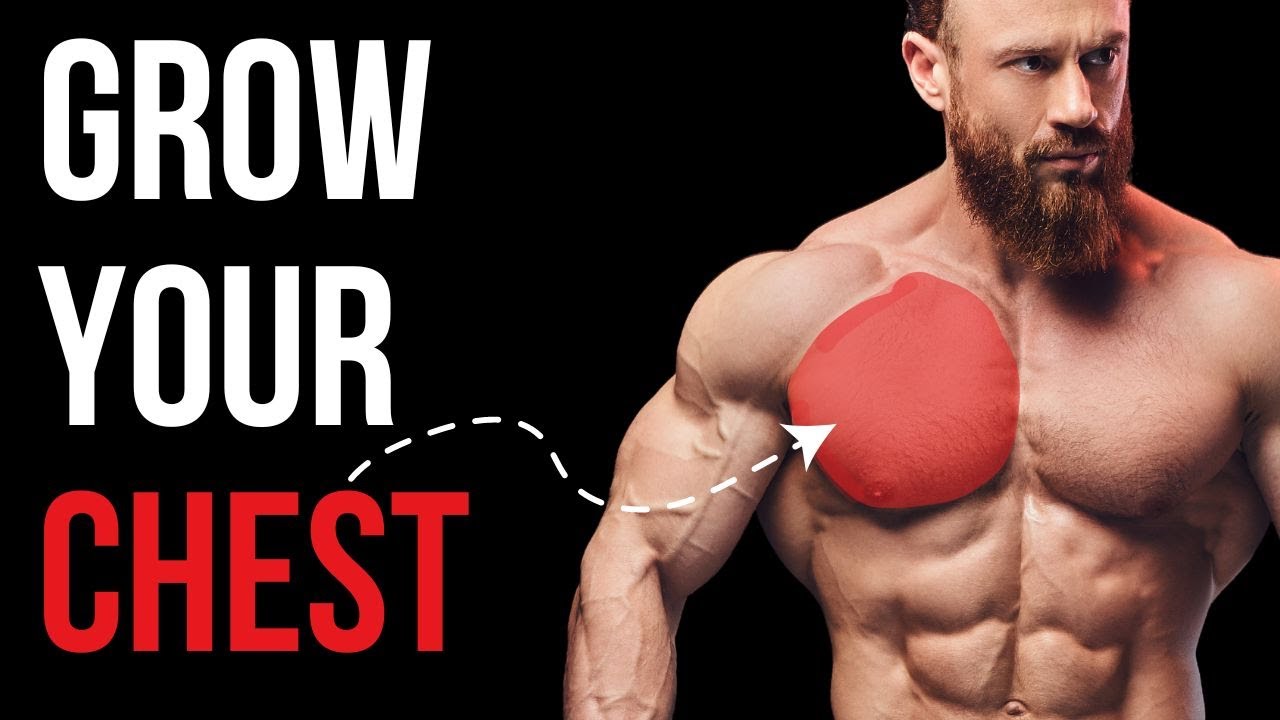
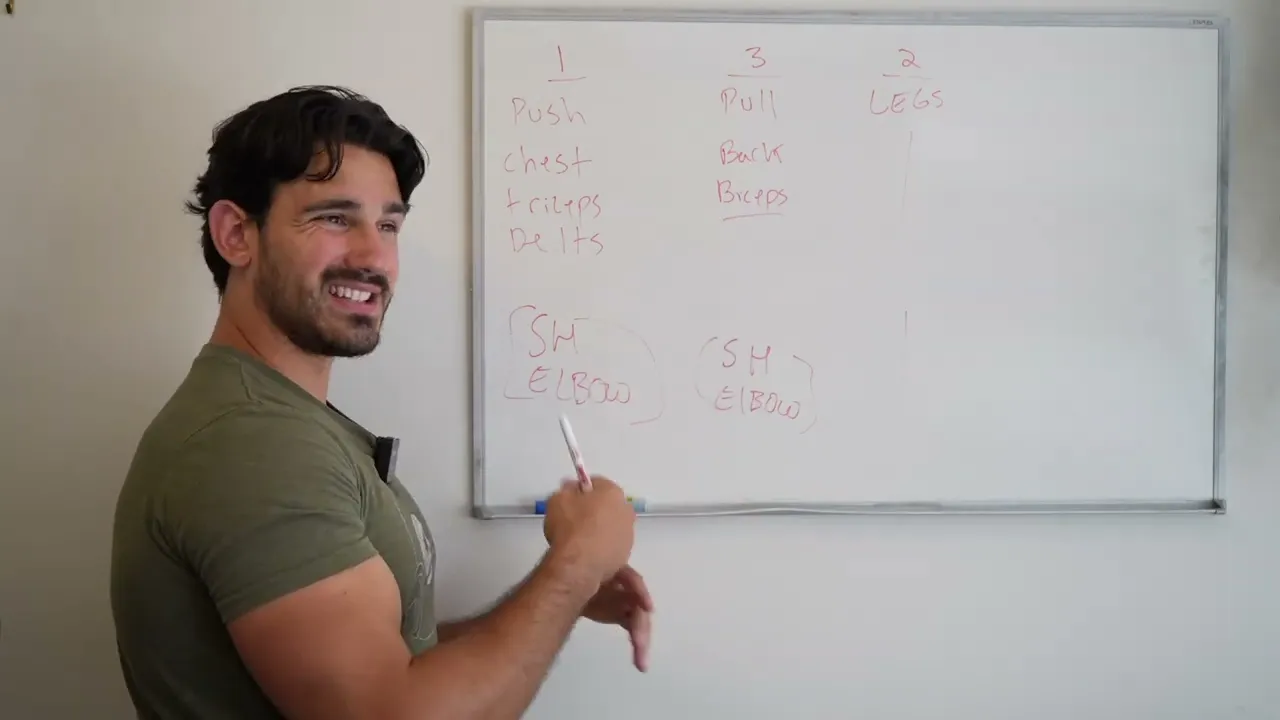
structured you have days one two and three that could be Monday Tuesday Wednesday and then sort of repeating Thursday Friday Saturday and on day one okay we have push and what push really means is it doesn't really mean push it means chest it means triceps and it means delts depending on who you're talking to it could also mean quads and cabs but we'll just ignore that for now on pull what people really mean is back and biceps slash elbow flexors shout out to those of you who understand that there are multiple elble flexors uh and
then there's legs right and legs are legs I don't need to list them out right quads hamstrings calves adductors glutes Etc and this is how we structure a lot of programs and a lot of these programs have become popular because there are intelligent ways to write a program right you have enough space between days right once you get from day one two three you have two days off maybe you take a fourth day off and then maybe you rinse and repeat so between every day you have like three days of rest if you're just repeating
the straight through so maybe it's Monday Tuesday Wednesday Thursday Friday Saturday you have Monday to Thursday you have Tuesday to Friday and then you have Wednesday to Saturday that's a good amount of between days and so there's a lot we can do with this kind of a split to adjust it but I think for those people who are maybe a little bit more um sensitive to pain discomfort just or those who maybe have had a history of joint stress I think that a joint focused approach may be more intelligent in many ways than a muscle
focused approach so what do I mean by a joint focused approach well when we structure at a program whether it's Push Pull legs whether it's Upp or lower whether it's full body what we basically do is we look at our schedule we say how many days can I train during the week or am I willing to train and then we ask ourselves how much volume per muscle group do I need or think that I need and then we basically split the volume up between the amount of days that we have in a way where we
can recover between days right very sensible very logical but I think um a potentially more intelligent approach for many many many people especially because most of you probably aren't comp bodybuilders is the joint focused approach where rather than saying oh we're doing chest we're doing back and we're doing legs we're thinking about what joints are we training okay so so maybe this is where this starts to get a little bit more nuanced but stick with me so on a push day what are we really training we're training yeah pecs triceps delts but what joints do
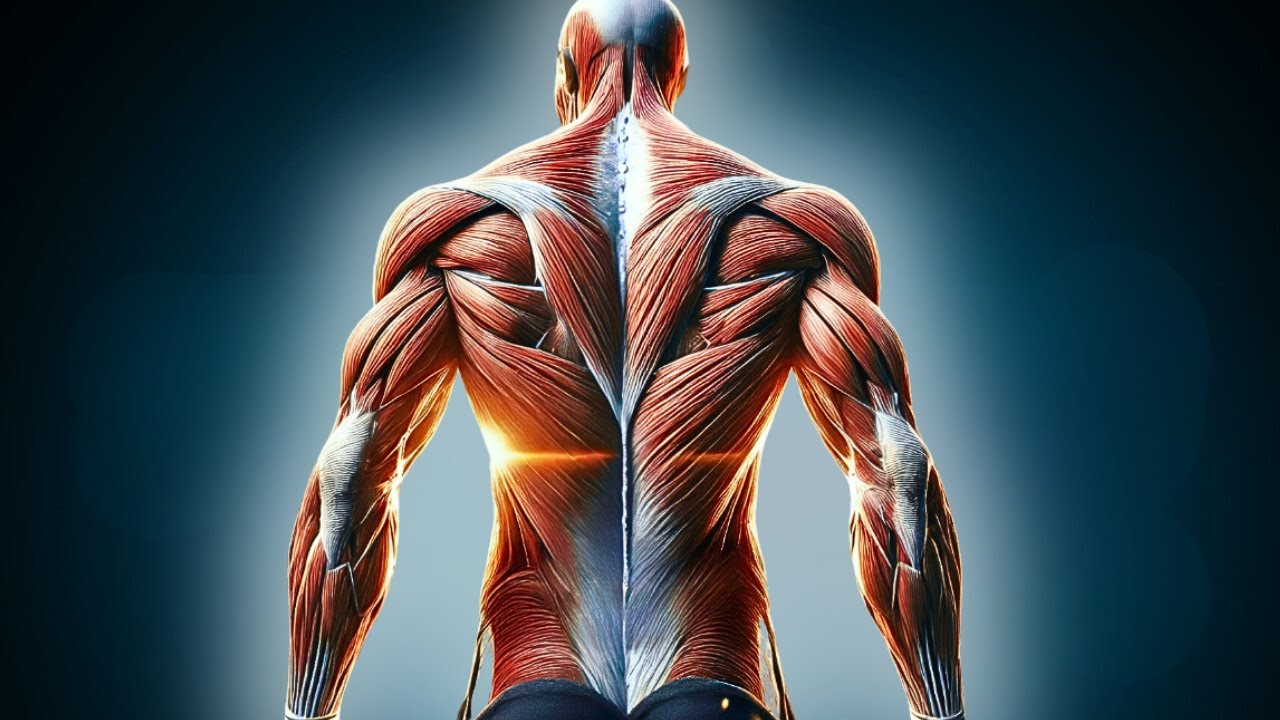
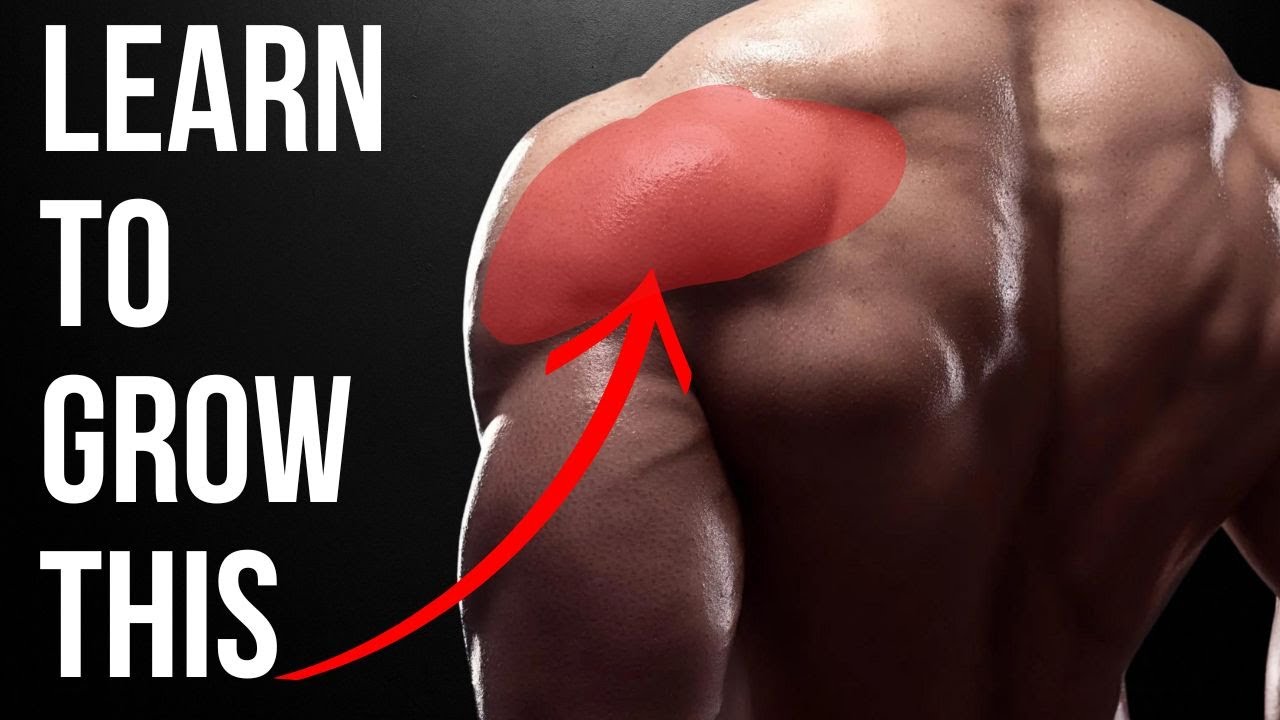
those tissues cross well my pecs just for Simplicity sake they cross my shoulder my triceps and one of them crosses my shoulder but for you know most triceps exercises we're talking about elbow stress forearm stress and my delts obviously cross my shoulder so here we have a shoulder day right and an elbow day shoulder elbow right day one what do we have on day two back well what joints do the muscles of the back cross if you're just talking about lats and upper back shoulder and what muscle or what uh joints or joint do the
biceps cross for Simplicity sake we'll say the elbow but also obviously the shoulder as well in the case of the biceps so already two days in a row we have shoulder stress elbow stress day two shoulder stress elbow stress day three legs a little bit different we're doing everything on this day so we'll just call that you know hips knees ankles all together but often times like other versions of uh other programs will stack leg days next to each other where the leg days are differentiated so maybe the day one is quads the day two
is hamstrings and although those are different muscle groups they are muscle groups that both act around the knee right and so in this particular case here it's an obvious case we have shoulder and elbow stress shoulder and elbow stress now obviously the specific kind of stress is different right different sides of the joint different muscles different tendons but we have to remember that a joint is a joint and a joint only has a capsule right only has one capsule now joints have depending on which joint you're talking about multiple different ligaments and so obviously the
ligamentous and the connective tissue stresses will also be slightly different but we have to remember that at the end of the day Force has to go through the same joint in one way or another and there is a lot of overlap Believe It or Not between Elbow stresses even if we're talking about biceps or triceps just from a motion and a stress standpoint I.E the ligaments that hold the elbow together or the ligaments that hold the elbow together whether you're doing a tricep or a bicep exercise and the contact surfaces uh without getting too dense
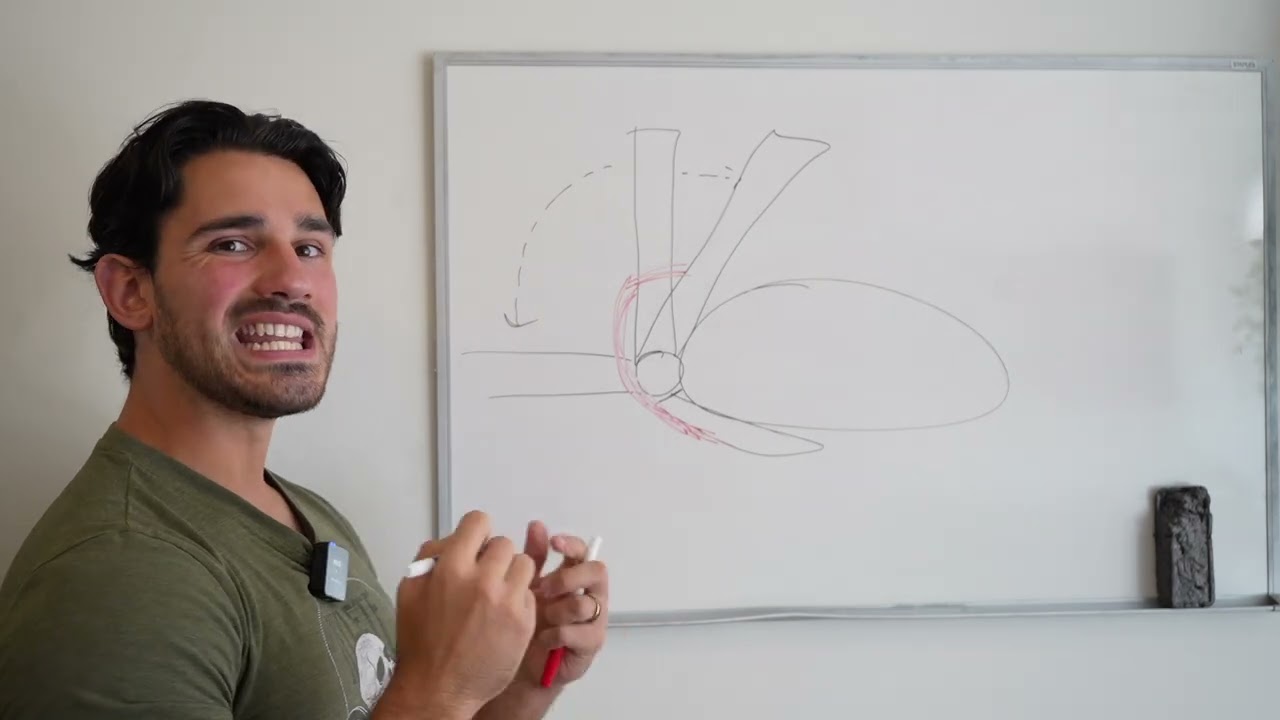
in terms of the terminology are obviously the same right your elbow is basically the space between which youra right this bone right here and your humorous connect and that sliding and that joint stress is occurring in both of these days so how might this change our framework around programming and around exercise well if we're not thinking in terms of muscle but rather we're thinking in terms of joint maybe we can start to split some of this stuff up a little bit more intelligently all right and so what that might look like in the push pull
legs case is maybe just initially swapping these days right now you might say okay well now you might run into the problem of if you make this one day three and this one day two so now we'll say basically the order of days could be push legs pull then on the next push day you're obviously um you know putting these two back to back but not if you put a rest day after day three so let's say day four is always the rest day then you have enough space at least a day of rest in
all cases between shoulder stresses and elbow stresses now does this mean that if you train you know shoulder stuff two days in a row elbow stuff two days in a row you're just going to explode obviously not obviously not I'm just trying to provide a little bit of a different lens here's my cat through which all of you can look okay and so so when we're thinking about programming I think it's very helpful to assume at least some of this lens in our framework around training so I want to just finish with an example of
my current program and how I've sort of modeled this out if I can find the Eraser so that you all can maybe see uh an example of how this might be done in a way that for me personally I find really fun really sustainable and just long term for me it's been just a really really it's been the only kind of programming where um you know everything biomechanically can feel really good day-to-day muscles feel good but eventually it's just like the program runs stale this kind of program for me hasn't run stale I felt fresh
every single week coming into sessions so if you're someone who's maybe looking to switch things up or maybe this is just something you haven't tried before this kind of framework you should definitely I think give it a try so the split is basically 1 2 3 for 5 days in a row so you can call this Monday through Friday Saturday and Sunday I take off weekends are for the rest and uh day one I'll just do this so there's some separation day one is uh basically going to be a poll day right so I won't
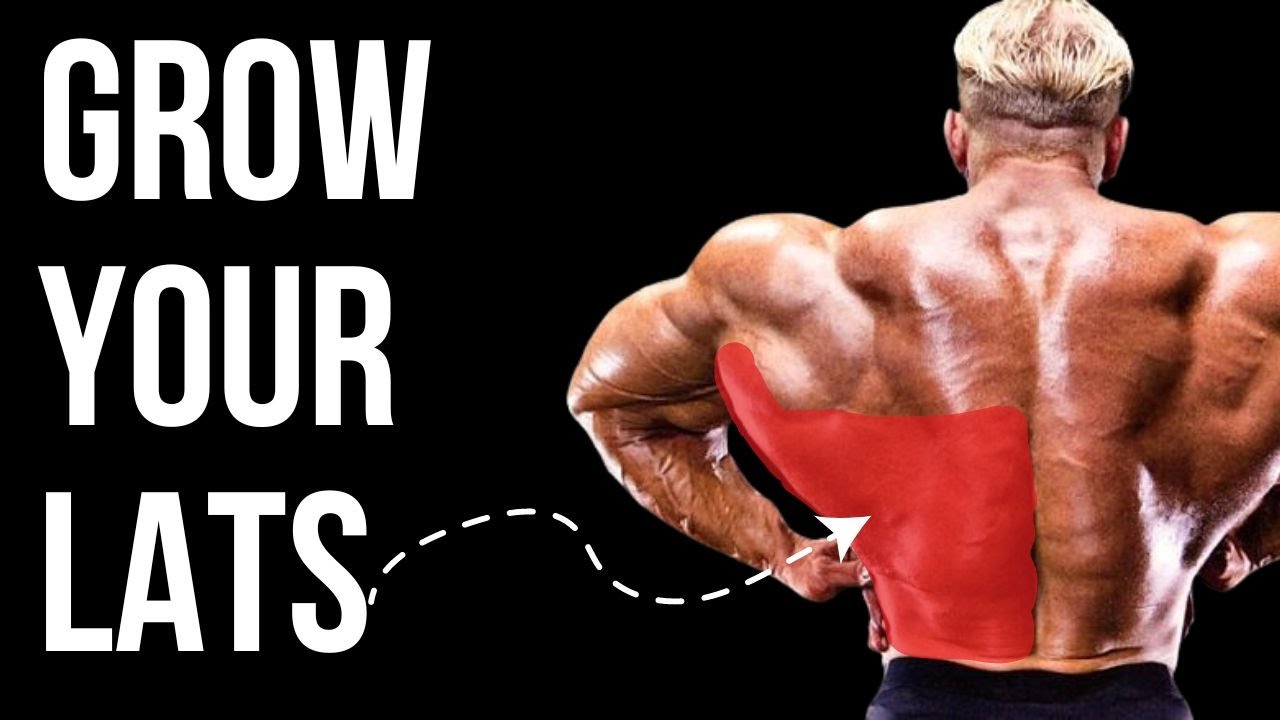
go into detail as to what all that encapsulates because we just went over that but really it's not involving elbow stuff so maybe I actually I should so po day is basically just lats and upper back okay so we're talking muscles like the lats upper middle lower and then we're talking upper back um all the different portions of the traps to some degree um the rear delts the Terry's major Terry's minor rotator cuff obviously all that stuff is involved so no direct elbow stress on this day although of course we have some stress doing pulling
stuff but it's really mitigated right so that's day one is basically lats and upper back mostly like a shoulder stressing dominant day now day two is a little bit different from that obviously as as per my lengthy explanation here this is basically elbow day okay so elbow day is just arms okay so we basically have really little if if any overlapping stress here if you're someone who experiences a lot of elbow flexor and biceps fatigue on back day that's in my opinion that's an exercise execution issue that you need to resolve um because again if
you're training l and your in your biceps and your elbow flexors are just completely fried um that might not be the best thing if you're really trying to be specific about your lats so day one back day two elbow stuff day three is knee stuff so quad and hamstring and calf okay your gastrock crosses your knee calf um I also forgot to mention I like to train calvs on this state too okay so ankle plus shoulder plus sternal clavicular joint scapula thoracic joint elbow arms day three knee day which is basically just quad quad ham
and calf um and then the other knee flexors sorus cillus tfl those kinds of things day four is going to be um chest and middle delt so modified push day if you will and then day five is my hip day and hip includes glutes adductors and then I actually do um another little calf session on this St right so you see the spread here you're seeing the pattern sort of come together we have shoulder shoulder sh plus ankle and K's ankle elbow again this is just a dominance like obviously again as I mentioned there's over
up here but the dominance is what we're talking about knee back to shoulder right so we so we have this much rest basically between shoulder days and then plus the weekend plus this day and then this day is hip with just a little sprinkle of ankle and for me the ankle stuff um For Me 3 days of ankle stuff is pretty easy to deal with now obviously there's a lot more context to this discussion because for example doing something that's hip dominant um like a leg breast is obviously going to involve a lot of knee
stress okay and again I just want to make it very clear I'm not saying not saying that you should never just overlap the days more closely okay again hopefully I contextualize that and clarified that there are many great programs that have nothing to do with this framework I'm just trying to provide a different perspective here different lens through which you can potentially look at programming and so um back to the hip dominant thing you could choose to do hip dominant things that also happen to be uh sort of indirectly very knee dominant and in that
case it's like all right well we have a a lot of knee dominant stress here maybe that's a little bit tight right so what I like to do in my programming and it should be evidenced through this kind of framework is I like to be really really specific with what I'm training I don't prefer to do a lot of motions that are like very generalized so what do I mean by generalized I mean things like bent over barbell Rose I mean things like um leg presses that are sort of evenly dispersed through knees and hips
I mean things that are sort of all along that line just a really generalized press as opposed to a press That's specific to a portion of my PEC um and there are you know components to that that could we could go levels deeper there but I I'm just going to kind of leave it at that in that when I talk about these things keep in mind that I'm talking about my framework for exercise and how I like to go about it one might say that you know my framework is more of an isolation framework you
can use that terminology if you so choose I don't look at it that way um but I prefer to do things like let's say for glute training a really really um you know hip dominant um Kickback motion like on a machine um when I say hip dominant in that case I mean glute dominant glute Max something like a hip thrust um something like a cable Kickback although I don't really like doing those anymore um something like a multi-hit machine right where I'm doing more lengthen specific work uh and then for the adduction abduction something more
like machine based for the calvs obviously Cals are calvs right so you kind of can see how this can formulate a thought process that is distinct from the traditional muscle focused um process and I personally think it's my bias that my body just feels so much better when I'm paying attention not just to the muscle what muscles am I stressing but what joints am I stressing and what is the overlap between joints across subsequent days so I hope this was a perspective that was maybe fresh and helpful to you maybe um you're thinking about your
programming just already in a little bit of a different way and feel free to experiment with it if you're a personal trainer and your clients are clients who have injury histories which most clients do they have this little discomfort here this little discomfort there this can be a huge huge huge thing for them to start to consider rather than just simply thinking about what muscles am I trying to train so I hope this was helpful and uh if any of you have any questions please leave them in the comments below and um be sure to
join the free biomechanics community which I'll provide a link for it in the description tons of free resources on programming and much more in the biomechanics community so I hope to see you there