[Music] [Music] I think a great life is using your strengths understanding what it is you were put on this earth to do okay understanding what it is that makes you unique and what allows and when what is the truth expression of who you are doing that persistently in the service of something larger than yourself I worked on a number of political Campaigns and most of them lost and so my future as a political operative and strategist is looking somewhat dim and I had the good fortune to be a very fast typist and and as a
fast typist I was called on to write a few things and turned out I was reasonably good at that and then became basically a speechwriter writing for a few politicians a cabinet secretary and then chief speechwriter for Vice President Gore during 95 96 and 97 one of the reasons that I left Politics and one of the reasons I left writing for other people is because there was that voice that wasn't being heard I was doing some amount of writing on my own on the side but in this very demanding job that was difficult and I
felt like if I stayed around writing for other people eventually that voice that internal voice would be suffocated what worries me a little bit about some of the younger folks they folks in their twenties is that they've been so Indoctrinated in the school system that's a bet that's focused on right answers and pleasing authority figures that they have in some ways not even allowed their intrinsic motivations to blossom when I talk to college classes it's always a little bit disturbing because I find that a whole I have to see a faces looking at me saying
it's going to be on the test we have nine year old it's seven year old and a three year old right now they all seemed Headed for right brain careers my nine-year-old daughter wants to be a novelist my seven-year-old daughter wants to be art teacher and my three-year-old son wants to operate it on bigger truck I want my kids I think I want everybody to find out what it is that they do out of a sense of enjoyment and challenge not for the external rewards okay forget about that do what you do because you like
it because it's fun because Interesting challenging because it's meaningful people who are intrinsically motivated they do just fine they really do just fine okay two folks who the folks are worried about the folks who are always taking these kind of external rewards external validation I think over time they start to wonder what their life is all about and they have huge regrets thank you thanks very much well thank you thank you for that very warm welcome one of the things About my past which I often don't reveal is that in a former life I worked
as a political speech writer and because of that people sometimes ask me Dan what makes a good speech and I've thought about that question quite a bit over the years and I've discovered that good speeches in general have three key elements three key elements to a good speech brevity levity and repetition let me say that again brevity levity and repetition so I Promise to be reasonably brief I promise not to be too too severe and serious and I promise you and I guarantee you I will honor this promise I will repeat the important stuff over
and over and over and over again until you want to scream now here's what I want to talk about sort of it divided into two halves the first half I want to tell you about some broad forces in the economy that are putting a premium on a very different approach to business a very different Approach to life a very different set of abilities that are necessary to succeed in the 21st century then I want to talk about the six particular abilities that matter most and how smart individuals and smart organizations are putting them into practice
and I want to get into this by confessing I want to tell you about the biggest mistake I ever made and that's going to launch us into this conversation the biggest mistake I ever made occurred about 20 years ago when in A moment of youthful indiscretion I went to law school now I did not do especially well in law school put it mildly to put it mildly I in fact graduated in the part of my law school class that made the top 90% possible now if I can digress here for a moment it turned out
that happily enough for me that law school more than anything else I've done in my life dramatically profoundly I would argue permanently permanently increase my earning power Because in law school I met my wife otherwise it was a total total loss total loss I didn't enjoy it I graduated massively in debt I didn't enjoy it I didn't do well I never practice law a day in my life if I could press the rewind button and live that part of my life over again I would in a second which of course raises the question which I'm
going to toss over to you which is this why did I do that why did I do that anybody have an answer society Closed parents exactly it turns out to this horrific decision like so many negative things in life is actually my parents fault but let me explain what I mean by that when I was a kid and I grew up in the Midwest Columbus Ohio grew up in the early 1970s middle-class family middle of America when I was a kid parents like mine dished out the same basic plate of advice to their children many
of you probably were on the receiving end of this advice some of you Might have been on The Dispensing end of this advice and the advice went like this get good grades go to college pursue a profession that would give you some amount of Economic Security and maybe a smidgen of prestige so what does that mean in practice that meant that if you were as I was as my wife was reasonably good at subjects like English and history go to law school let's say you're better at math and science what do you do go to
a medical school get an Engineering degree and even in that economy okay we're to the early 1970s okay before globalization before the Internet even in that very buoyant economy if blood grossed you out your verbal skills were a little shaky you could still go and get a job as an accountant but if you think about let's think about those professions for a moment what accountant just walked out of the room what do you think about those if you Think about those professions for a moment okay think about those professions accountants and lawyers and engineers but
more important than that think about the ability this is the key here the abilities at the heart of those professions those were the abilities that mattered most those were the abilities that got you ahead in your career those were the abilities that organizations were demanding those were the abilities that In some sense even fuel the entire macro economy well my argument is that those abilities still matter but they matter less those engineer abilities those lawyer abilities of accountant bills they still matter but they matter less in a different set of abilities matters more and there's
a way that I've chosen to explain this now I'm a writer and one of the ways that people like to torture writers and there are many is to tell them that a picture is worth a thousand Words but good writers and I would argue a good business people know that well a picture is worth a thousand words sometimes a metaphor a metaphor is worth a thousand pictures a picture may be worth a thousand words but a metaphor is often worth a thousand pictures and I think that there is a metaphor that explains what's going on
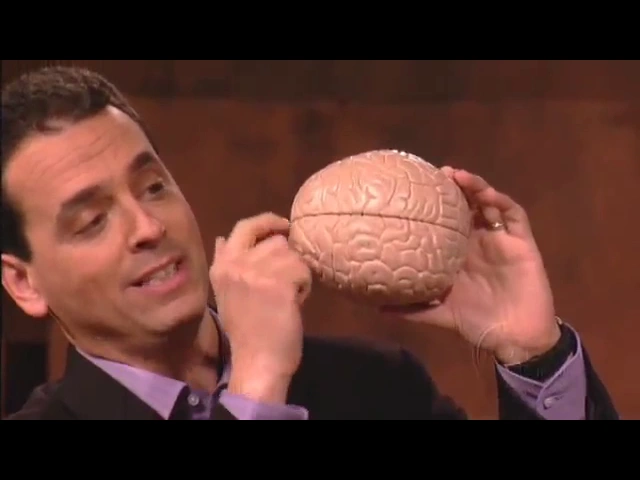
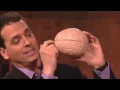
in the economy and careers in business today and the metaphor is this this is a brain a human brain a model of a human brain same size And weight of a brain see sort of fits right here now tented as I am to give you a little mini lecture on neuroanatomy I'll resist and instead point you to probably the main most distinguishing topographical feature of this brain of your brain of my brain of everybody spring running down the center of this brain you see right here is a mason-dixon line cleaving this brain into two equal
halves the left hemisphere and the right Hemisphere now many of you have probably heard about left brain this and right brain that over the years and a lot of what you've heard is garbage this is one of those ideas where the popularization of the idea has galloped far ahead of the science behind it but in the last five years especially the science has caught up and we know thanks to functional magnetic resonance imaging fMRI brain scans we know an enormous amount about how our brains are Organized we're barely beginning to understand our brains they're so
complex but we do have a sense at a very broad level of how our brains are organized and there is it turns out this very elegant very efficient division of labor in our brain our brains have different departments that carry out different functions the left hemisphere deals with tasks that are logical linear sequential analytical ok makes sense this side of the brain the right hemisphere of the Brain not better not worse just a different department it deals with tasks that are more artistic more empathic more about synthesis rather than analysis more about the big picture
more about context rather than text there you have it 50 years of neuroscience and 60 seconds now here's what the metaphor comes in it used to be that these abilities mattered most the logical linear sequential analytical SAT spreadsheet zero in on the right answer Abilities these were the ones metaphorically that used to matter the most and today and I want to underscore this right now today these abilities are still absolutely 100% necessary okay let me say that again absolutely 100% necessary but but but but but but no longer sufficient and these abilities okay and these
these abilities abilities characteristic of the right hemisphere of the brain Artistry empathy inventiveness big-picture thinking these abilities are now the first among equals these abilities are the ones that matter most that's the punchline now you offer up this argument and you often get a bipolar response ok on one pole our artists and designers who think this is all pretty cool and if T they same thing it makes perfect intuitive sense ok on the other pole you have engineers or accountants or worse Lawyers who think that this is and this is not the exact language they
use a bunch of hooey ok what's really important to understand here is that what I'm saying here this tilt from the left brain thinking to right brain thinking is not some kind of fantasy is not some kind of yearning it's not some kind of wish wouldn't it be lovely if we had an economy built less on these cold hard analytic abilities and more on artistry and Empathy and we could all link arms and frolic through the daisies no no no no no the truth of the matter is that I am myself a very very left
brain guy I'm very analytical I'm very numerous I'm the most sequential person you've ever met in your life I cannot multitask save my life in my hierarchy of loves I've got my wife and our three children number one and number two in my hierarchy of loves are charts and graphs I love charts and graphs if I want to explain something to someone I'm going to draw your chart okay but over the last couple of years I have taken a very hard very analytical very less brain look at the evidence at the facts at the data
crunch the numbers looked hard at what's really going on in organizations and individual careers and in the macroeconomy brought to bear the fiercest kind of analytic reasoning that I could muster and listed other analytic Minds on the task to really look hard and crunch the numbers and look at the evidence and take apart the data and after doing that I don't even think it's close that the scales are tilting and that people like me have a lot of catching up to do but I want to make this argument for you over the next few minutes
because I think it gives you the context of what your career is progressing how your organization is moving so I'm going to Make it argument here in public despite my law school performance okay the cause and effect linear argument the effect is that the scales are tilting making the left brain abilities necessary no longer sufficient the right brain abilities the first among equals and the causes are threefold they are abundance aja and automation abundant you're laughing at this it took me four months to get them all to start With a ok abundance is your automation
let's start with abundance now what I'm going to say here is somewhat politically incorrect but I will say it anyway the United States of America is doing very very well very well deep into the middle class this country has a standard of living that is breathtaking by historic standards and international standards now we have a problem in this country with poverty we got 12% of our country living in poverty We've got 10% where they're going to fall through the trapdoor into poverty that's a moral disgrace on its own terms but it's a double disgrace a
triple disgrace a quadruple disgrace when you look at how well-off the rest of the country is if you look at the data this country is doing spectacularly well let me give you a few examples take automobiles ok my grandparents when they were my age and automobile was essentially a rich person's toy a luxury Item you know many automobiles there are today a lot right a lot let's do an audience poll I want you to raise one hand for every car you own if you own one car raise one hand if you want two cars raise
two hands if you own three cars stand up ok how many cars do you own ok look at this audience whose audience reflects what's going on in the United States ok today in the United States there are More automobiles than there are licensed drivers there's a greater than one to one ratio between cars and people eligible to drive them that's what I mean by abundance ok let's do another this fun let's do another audience poll how many of you have something in self storage what are you having self-storage a lot of business literature okay so
remainder copies of my books that kind of thing what do you have in Self storage extra stuff that's exactly right that's exactly right that's what's in self storage okay self storage is an industry built on extra stuff now that's interesting in its own right okay but let's look at this analytically okay like I do okay what has happened let's look at some trend lines what's happened to the size of the typical American dwelling over the last 50 years bigger right what's Happened to the size of the typical American household over the last 50 years smaller
class what is that NetApp - more space per per person in fact I'm the only person in America who's gone back and actually looked at these numbers and crunched the data I could only get clean datasets to 1974 since 1974 in this country there has been a 65% increase in residential space per capita that's pretty amazing let's go back to our self Storage industry so let's we got bigger houses fewer people living in them but a whole industry has emerged to house our extra stuff I don't know if any of you are history buffs but
I wonder do you think there was a self-storage industry during the Great Depression no it would have been preposterous today in America the self storage industry is a 17 billion dollar a year business it is larger than the motion picture business there are More self storage facilities in the United States than there are McDonald's restaurants Wendy's restaurants and Burger King restaurants combined that's what I mean by self that's what I mean by abundance now abundant remember we're making argument here abundance has two consequences for this tilt from left to right here's the first set of
consequences what's this very good what kind of toilet brush a designer toilet brush this is a toilet Brush designed by Michael Graves one of the greatest product designers and architects of our time in fact he's so proud of this toilet brush that he has etched his signature here on the handle okay so this is a signed designer toilet pressure that's what happened laughs at this is a serious economic point here that's what that's what happens in a world of abundance okay suppose you're in the tour don't laughing this is a serious Economic point suppose you're
in the toilet brush business okay you want to sell toilet brushes you face a threshold challenge if you want to sell more toilet brushes what is that threshold challenge the challenge you face is that in this country we have pretty much cracked the engineering side of the toilet brush challenge okay we figured out how to make a toilet brush that more or less scrubs the bowl so if you want to sell More toilet pressures what do you do well you either make a dramatic leap in toilet brush technology which no one has done or that
leaves you if you don't do that you have two options compete on price we don't like that that's a downward death spiral or you compete not on these left-brain features functionality but on these right-brain features you come up with a cool shade of blue you come up with a nifty handle you link it to other kinds of housewares Even though in a world of abundance even the most mundane utilitarian products services and experiences have become objects of desire because that's how you stand out in a crowded marketplace let's go to another example what's this but
not use any fly swatter right what kind of fly swatter a three-legged fly swatters but that's actually a very important point which we'll get to in a moment that's a very good key knife this is a designer fly swatter a philippe Starck flyswatter okay designed by one of the great French designers now if you were to take a design class you would learn something on day one the professor would come before you and say class design is a combination of utility and significance make sense utility and significance utility has to work significance it has to
have some other kind of attribute okay this fly swatter has utility if there were a fly here I could swat it Kill it put in my self storage locker but think about what's anthropomorphize this flyswatter for a moment think about this fly swatters life how much does it spend in utility very little it spent some orbit alive in significance and that's where your point comes in that's why the ingenious move here to equip it with pedestal so it can hang out and be significant now again I'm a left brain guy so this is significant stuff
I don't Quite get I can sort of get it intellectually here's what I do care about math and money okay let's talk about those two things how much do you think the plastic and that's life's water is worth two cents penny how much does this retail for do you think five bucks higher $9.99 higher fourteen bucks okay let's say I'm going to save you from getting an MBA here's what you learn class selling three cents of plastic for 14 bucks those are what we Call margins here's the point increasingly in a world of abundance you
get your margins out of significance rather than utility okay this flyswatter costs 14 bucks not because it's the most utilitarian flyswatter but because it's the most significant you get your margins out of significance rather than utility that's one way abundance tilt the scale the other way is more interesting I think because I can render it as a chart now I get to put up a Chart here's the chart on this axis is more and less in this axis is time here's what's happened to American per capita GDP over the last 50 years threefold increase in
prosperity now you would think that a country that gets richer and richer and richer gets happier and happier and happier right now you wouldn't think that's because that would not be an interesting chart there's a lot of data out of the University of Michigan that measures levels of satisfaction asking countries or people in countries around the world are you satisfied with your life are you satisfied with the way things are going are you happy measures of subjective well-being here's what the trendline looks like during this period when per-capita GDP has tripled flat we've gotten three
times richer but not one jot happier that's very very interesting in this gap here what I call the Abundance gap explains a huge amount of what's going on in this country it explains why the best-selling non-fiction book of the last eight years is The Purpose Driven Life about how to lead a life of purpose and meaning and significant it explains why you have 10 million Americans meditating well you have 15 million Americans doing yoga why these once fringy meaning centered transcendent centered things are moving Into mainstream society we have been liberated by prosperity but not
but not fulfilled by it and so you have this widespread democratization of the search for meaning there's widespread democratization of self-realization self-actualization all these touchy-feely things that we used to think we're kind of luxuries for the very well-off have become a middle-class phenomenon this is a big big deal it might be the biggest thing going on in This country today this explains why Oprah is a cultural phenomenon because she's about living your best life this explains why Mike's true grandparent my two grandfathers would be aghast that they have grandchildren who quit jobs because they're not
meaningful enough okay oh it's not really a true expression of myself grandpa you know there would be appalled by that but if you ever hire anybody that's what people Are looking for they're looking for meaning this is really unprecedented and here's the thing it's not going away why isn't it going away two words boomers get that's one word boomers baby boomers two words two words first baby boomers turns to start turning 60 in 2006 okay what happens when a baby boomer turns 60 here's what happens two things one they set first they ask themselves how
the heck did I get to be 60 second for one brief shining moment they begin to Reckon with their own mortality they say 60 that's not old anymore but it might mean that I'm mortal it might mean that my life is not infinite I might have say 25 years left okay seems like a long time then they look back 25 years to when they're 35 and they say holy smokes that sure happened fast are these next 25 years going to happen as fast and if they are when am I going to lead a Purpose Driven
Life when am I going to do something that matters when Am I going to lead a life of meaning when am I going to leave a legacy when am I going to live my best life now it's all very touchy-feely right but this is going on at a scale and this is not hyperbole that it unprecedented in human civilization unprecedented in human civilization 7900 baby boomers turn 60 every day every day that means that again I love math okay that means that you have a hundred baby boomers turning 60 every 18 minutes Every 18 minutes
you got another hundred folks who are thinking about this another hundred folks who are thinking about how to live their best life every eighteen minutes a hundred people will turn 60 and this will go on for the next 18 years that's a big deal but if not about this left brain get me the right answer stuff it's about meaning and purpose and significance okay we're making an argument here abundance Asia automation tilting the scales let's go To Asia here are six people I met in Mumbai India not too long ago all of them do work
for North American companies some Canadian companies several American companies one German company all of them do work that you get paid maybe 60 65 thousand dollars a year for in the United States none of these people who have degrees in computer science and engineering makes more than $15,000 a year you've all heard about offshoring and outsourcing let me tell You what I think you need to know about offshoring and outsourcing and its effect on your career in your business offshoring massively massively massively overhyped in a short term massively overhyped in the short term the number
of jobs lost the option ring so far and the grand scheme of things has been relatively small fewer than the typical turnover in a single month in American labor markets okay short term in tech hasn't been great overhyped in the short Term but but but but but offshoring I hate to break it to you is actually underhyped in the long term it's underhyped in the long term and the reason I say that is not because I like hyperbole not because I like to stoke fear and my fellow citizens it's because I can do math I
want to stack up three numbers for you to show you what I mean first number begins with this India and I'm using India as the embodiment of Asia only Because I've had the good fortune of spending a lot of time there and I think it's one of the most exciting places on earth right now India has an advantage in the global economy India is very big okay India has a billion people okay now for those of you who are liberal arts majors in college a billion is a very large number okay what do we know
about large numbers we know about the statistical principle called the law of large Numbers which states if you take a small percentage of a very very large number you get another large number so let's say that fifteen percent one five percent of India's population makes it to this status okay one five fifteen percent meaning eighty five percent basically get left behind from this way of living okay fifteen percent of a billion is a hundred and fifty million one hundred and fifty million you know how large the entire US workforce is a Hundred and fifty million
so if 85 percent of India's population gets left behind you've got as many upper middle class talented well-educated ambitious Indians as you have workers in a twelve trillion dollar economy that's number one 150 that's the first number India is going to be the largest english-speaking country on the planet when 2010 the United States of America in four years is not going to be the Largest english-speaking country in the world that's a remarkable thing I didn't think that would happen in my lifetime okay now let's talk about again let's talk about money and math my two
favorite subjects what is the cost of communication between the United States the North America and India what's a trend line look like up or down the cost of communication between the United States and India down you want to see how far down it's so far down the trend Line is circular actually Mira okay so let's stack this up okay we're just doing math here let's stack this up a hundred and fifty million upper middle class people speak perfect English connected to North America for free okay that might have an effect and here's the effect that
it's going to have and if you remember nothing else here I would like you to remember one word particularly if you have children this fact these facts have made one word The most dangerous word in the economy they have made one word of occasional death sentence they've made one word a word that we're obliterate your career will blitter eight your business I'm going to share you this word share this word with you if you can take it the scariest word I want you to know this word I want your kids to know this word in
fact I want your kids to write it on their notebooks look at it each morning and run screaming the other direction That's how terrifying this word is routine routine any kind of routine work is going to disappear from this country period what only mean by routine work routine work is any work you can reduce to a script to a spec sheet to a formula to a set of rules to a series of steps that produces the right answer okay that's what I mean by routine work and you know what that's the kind of work it
used to get you into the middle class certain kinds of financial analysis Certain kinds of accounting certain kinds of legal work okay that kind of work anything that is routine where you can write down the steps and delivers a right answer that kind of work is gone it is going to disappear from this country period some of it's gone the rest of it's going to follow over the next several years we've seen this movie before this is what happened to mass production work the United States still does plenty of mass production work Plenty of manufacturing
we've got the largest manufacturing economy in the world we just got so good at it we do it with fewer people and the work gets increasingly sophisticated a factory floor today has robots computers people with associate's degrees because all the routine white blue-collar work has gone the routine white-collar work is following its way out now class let's go back to our metaphor which side of the brain is routine step-by-step guidance EFT so you ship this to India okay bye what are you left with half a brain but the important half now okay that is Asia
now let's go to automation okay it's the same story okay we've seen this movie before to last century machines replace human back human muscle this century software is replacing the human brain but let's go to it again what part of the brain can software replace exactly not the artistic empathic side the logical linear rule-based get me the Right answer sighs so now you see certain kinds of white-collar professions at risk of automation in a way that we haven't seen before give you an example my parents told me to go to law school even if I
didn't want to be a lawyer because they said Danny still call me Danny into my 40s Danny we won't talk about that Danny you got to go to law school because it's something to fall back on okay classic middle classics phrase I'm Not sure anymore I'm going to give you a delicious example of how even law can be automated let's say you want to get an uncommon Washington DC and I want to stipulate here that I'm very happily married let's say you live in Washington DC and want to get an uncontested divorce okay you go
to a lawyer to get an uncontested divorce in Washington DC and it's going to cost you about $2,000 but an uncontested divorce is not very complicated is it it's uncontested right No one they just want to get away from each other so what if a lawyer and an uncontested divorce actually do think about what a lawyer in an uncontested divorce actually does first he or she tries to make it contested okay consumer assuming assuming he or she can't do that they fill out forms right we could we could do a little bit of research and
in 20 minutes in this audience right here find exactly what it is a lawyer in the Digit of Columbia did to get somebody can uncontested divorce we could list the steps that makes it the r-word what happens to the r-word gets off short or it gets automated so now in this great country you have a choice you can go to that lawyer for two grand or you can go to complete case calm for affordable divorce solutions couple people in the back right and down that URL right now what happens that complete taste calm here's what
happens To complete case calm you go to the website you pull down the menu you pick your state use check the residency requirements you go to the forum you fill it out yourself they then transmit the form electronically to a lawyer because state bar regulations require a lawyer to actually you know bless the document okay so they ship it electronically to a lawyer who blesses the document I bless thee okay they pay that lawyer fifty Bucks the one guy who did worse than I did in law school I was actually his job [Laughter] lawyer blesses
the document they ship it off to the courthouse and you've got yourself a divorce not for $2,000 not for $1,500 not for $1,000 not for $500 but for 249 bucks now think about that think about being the lawyer doing the routine uncontested divorce you've got a competitor coming in they're not charging 1800 or 1750 they're coming in And saying I'm going to do the exact same thing faster for 85% less that's a big deal you see it now in the sense if Ian stages with medical diagnosis because medical diagnosis is about following decision trees that
brackets yes/no questions you see also with our friends lis accountants okay we had a large number of us tax returns done in India because an Indian chartered accountant makes $500 a month well it's what I want a million Americans who did Their taxes on turbo tax on a piece of software this is the accountant job killer right here 21 million Americans did their taxes on a 39.95 piece of software rather than go to an accountant because certain kinds of accounting is routine logical linear step-by-step so we add these all up abundance Asia automation and it's
tilting the scales the left brain abilities are necessary but no longer sufficient the right brain abilities have become the first among Equals now in that kind of setting you need to look very hard at what you're doing and ask yourself these three questions these three questions can someone overseas do a cheaper can a computer do it faster and is what you're selling in demand in an age of abundance that is what you're selling have significant the whole ballgame right here folks that's the whole ballgame right here now what doesn't pass this test certain Kinds of
accounting certain kinds of financial analysis certain kinds of law certain kinds of things our parents told us to do what does pass this test designers artists nurses teachers inventors entrepreneurs people who are multifaceted those are the abilities that are really going to matter the most what matters we tend to obsess over high-tech abilities but you know and I'm old enough to remember when people on The resume would put that they had computer skills okay it seems kind of silly now I've got a nine-year-old daughter with computer skills okay don't tell me about computer skills what
matters more than these high-tech abilities are abilities that are high concepts and high touch hard to outsource hard to automate and it deliver significant economies used to be about routines and right answers not anymore Okay routines and right answers you can outsource and automate they're basically become commodities what matters more is novelty in nuance this is what most of you and this audience do for a living is novelty and you know it's not routines in right answers now I'm going to leave aside the fact that our schools are just maniacally pathologically obsessed with routines and
right answers it's another story altogether but this is what the economy is about now novelty and nuance More right brain kind of capacities now but take a few moments to talk about the six abilities that matter most the six abilities that matter most the six abilities that matter most begin with design go back to our flyswatter go back to our toilet brush design has become a fundamental business literacy in business today you must be literate in design period you don't have to be a great designer you must be literate in design it's that important I
want to Show you two examples of how much it's taken hold in business let's take General Motors General Motors having some tough times General Motors lost a lot of money last year and they had a shareholders meeting and when shareholders lose a few billion dollars who generally not that happy a fella named Bob Lutz who is a 70 year old white man with white hair former fighter pilot takes a helicopter to work not a touchy-feely dude he got up before This group of disgruntled shareholders and here's what he said about how to turn around General
Motors what we've got a GM now mr. Lutz said it's a general comprehension that you can't run this business by the left intellectual analytical side of the brain you have to have a lot of right side creative input we are in the arts and entertainment business we are in the arts and entertainment business we are in the arts and entertainment Business and we're putting a huge emphasis on world-class design hello General Motors is in the art and entertainment business how the heck did that happen we got more cars than people okay you can find a
way to get from point A to point B so mr. Lutz is talking about the cars of the form of mobile sculpture he's hiring sculptors as much as engineers okay when General Motors is in the art business were all in the art business let me give you Another example here's a CEO the CEO okay that's a pretty important job in a fortune 15 company the CEO of Procter & Gamble who says remember what Procter & Gamble does is a fabulous company but think about what Procter & Gamble makes okay makes powder you put in your
washing machine one of the things that it makes here's what here's what the CEO says not some renegade in the design department he says I don't think anybody thinks We're not seriously in the design business we want to design a purchasing experience we want to design the communication experience and the user experience I mean it's all design says the CEO of Procter & Gamble because he recognizes that design is the antidote to commodification this is why I like to tell people that the MFA the Masters of Fine Art is the new MBA these MBA skills
you can outsource and automate MFA skills harder to outsource harder to Automate in big demand in an age where design is an important distinguishing factor in products and services and businesses not just argument but also story here's why story matters story matters because of the internet let me give you a scenario here suppose it's 1991 and I decide to have a contest the contest is one question the question is this I want to know the gross domestic product of Ecuador last year it's 1991 and I have two contestants in this Contest one of them is
the head librarian of Cambridge University in the UK the other one is a 30 year old woman in Tanzania it's 1991 we have a one-question contest who can I want to know the gross domestic product of Ecuador last year ready set go who do you think is going to win the librarian it's 1991 cut fade out let's go to 2006 that 30 year old woman now has a 14 year old daughter okay We're gonna have the same contest head librarian at Cambridge same guy they don't change jobs same guy versus the 14 year old daughter
only this time the 14 year old daughter has a high-speed Internet connection so we have a race who can find out the gross domestic product of Ecuador the fastest race between the Head Librarian of Cambridge University and the 14-year old girl in Tanzania who you're going to bet on hey it's a fair fight now now that's a Remarkable thing that a 14 year old girl in Tanzania can find facts as fast as a head librarian of one of the greatest universities on the planet that's a big deal guys here's what it means facts have become
ubiquitous facts have become free therefore okay economics 101 something that is free doesn't have enormous economic value right what matters more on this world of ubiquitous easily discovered facts it's putting facts in context and delivering them With emotional impact that's what a story does so you now see story moving into a range of business functions into knowledge management into leadership and also into differentiation in the marketplace I want to give you one really interesting example of this the use of story as a differentiator in a crowded marketplace is where design was 10 or 12 years
ago if mr. Lafley had said 10 or 12 years ago that his company Procter & Gamble It's all design the board would have had a meeting ok gotten some medical tests for him shipped him out ok it would have seen this freaky notion ok now our once I get of course a story I think is where design was 10 or 12 years ago it is about to break through the surface as a hugely important differentiator in a very crowded marketplace I'm going to give you an example from my own consumer life about the importance of
story at The product differentiator I've got three children with a combined age of 19 when you have three children with a combined age of 19 strange things can happen in your household like one morning I come downstairs to the kitchen and the cordless phone that usually hangs on the wall is no longer hanging on the wall but it is on the floor in pieces no one knows how it happened I admire the sibling solidarity a little but what it means that I have to go to The store so I go to a major electronics retailer
walk into this giant big-box electronics retailer to find a cordless phone the door swing open I get hit by that wall of stuff I stagger my way to the cordless phone section I look for a cordless phone there 83 connect a cordless phone abundance right so I'm shaking my head I don't want to spend my Saturday looking for a phone say Oh design has become a fundamental business literacy I'm going to get me a phone That combines utility and significance I'm gonna get me a cool looking cordless phone sixty of them are fairly cool looking
so I finally get a phone that has modest number of features right price race out of the store and until I started thinking about this I didn't know what brand phone I bought cut fade out two weeks later I am in a food retailer picking up some dinner for my family and because I have three children with a Combined age of nineteen I'm also picking up several bottles of wine I go to the wine section I go to the wine section I'm a cheap guy I want a ten dollar bottle of wine huge numbers of
bottles of wine I finally go to the bottom where they have the cheap wine because people some people not me apparently or chagrined about getting on their knees looking for a bargain not me I find three bottles of wine in the ten dollar price range collect the bottles To look at them I look at the first bottle it says on the back it has all those fancy wine adjectives you know this wine has a sarcastic nose okay and I don't even know what that means so I go to the next bottle and it says very
elaborate description of the process by which the wine was made the temperature that which was kept the kind of barrels it was in it sounds good but I'm not a chemical engineer so I don't know understand what that means either then I Go to the third bottle of wine this bottle of wine two brothers big tattoo red I look at the label I don't get adjectives I don't get fermentation processes I get a story here's what it says this wine comes from two brothers Alex a wine importer and Eric a tattoo artist together they created
big tattoo red in honor of their mother Liliana who passed away from cancer in 2000 Alex created the blend and Eric designed the label using Liliana's favorite symbol the fleur-de-lis for every bottle sold the brothers donate 50 cents to the hospice of Northern Virginia and other breast cancer related charities in the name of Lily Anna Esparza Loomis the debut 2001 vintage allowed donations of 83,000 dollars 2002 was over two hundred forty thousand dollars with your with your help we expect us to pass a quarter of a million Dollars for the 2003 vintage Alex and Eric
thank you for your support and for honoring their mother okay which wine are you going to buy okay now here's the but but here's the thing if the wine weren't any good you wouldn't buy it again but you know what it's perfectly fine and I bought it again and again and again and obviously I've fallen into the bar plumbers brothers insidious marketing trap by telling you about it as well the point is that the back Stories of products services and experiences are now a very important differentiator you see there's in a range of industries it
is we're designed was 10 or 12 years ago about to shoot through the surface let's go to the third one Symphony not just focus but also Symphony we can in business to obsess over focus focus focus focus focus focus focus focus focus when in fact sometimes the opposite ability isn't most important in fact often the Opposite ability is the most important I call that ability Symphony which is the ability to see the big picture to detect patterns to combine disparate things into something the world didn't know it was missing the very interesting example of how
powerful this can be self-made millionaires it turns out are four times as likely to be dyslexic as the rest of the population isn't that interesting isn't that interesting one possibility is that Because they have difficulty with some of the left brain functioning particularly the sequential functioning what happens if you have difficulty doing that you overcompensate okay so some dyslexic snot all develop almost a hyper muscled ability in this kind of stuff okay if this stuff is difficult for you you overcompensate in the way that someone who is blind develops a more acute sense of hearing
so they often not always develop a hyper Muscled capability on this side not because they're trying to get a job in the 21st century labor market because they're trying to friggin get through the day they're trying to survive right so the list of game-changing entrepreneurs entrepreneurs who are dyslexic is unbelievable Charles Schwab is dyslexic the founder of IKEA okay who is the richest man in the world depending on currency valuations is dyslexic one female real-estate mogul in New York Barbara Corcoran she's dyslexic founder of JetBlue David Neil Minh he's dyslexic virgin is a pretty successful
company in a range of industries Richard Branson dyslexic on and on and on it goes because this ability in many ways is a killer app and it's hard to outsource and it's hard to automate now how do you get better at this how do you get better at this well one way is to learn how to draw artists understand this ability artists know-how know about Symphonic making artists can see the big picture they can make new combinations they can detect the pattern so I decided to test this proposition and learn how to draw myself having
taken no Fine Arts classes in high school no fine arts classes in college no Fine Arts causes an adult very well-rounded guy that I am but I decided to learn how to draw so I took a five day course in New York City called drawing on the right side of the brain drawing on the right side of the Brain modeled after the famous book called drawing on the right side of the brain and taught by the author son on day one we were asked to draw a self-portrait and here's mine because that's not very good
as a class why isn't it very good well to check out these lips okay I might as well have written Li PS okay because nobody's lips look like that that's basically a symbol for lips guys how about this chin a single semicircle okay Nobody have a little line here that signifies my chin and that we're not going to talk about my unresolved nostril issues either okay so the reason this isn't very good is not because I couldn't draw that was a little bit of it it was because I couldn't see so over the next five
days I started learning about things I never knew about I feel like an ignoramus now and many of you will think that I am if you have any kind of artistic background I learned About proportions about relationships about light and shadow about something called negative space which is the space between spaces okay the space between space so in this be this very this little spot right here is negative space okay suddenly the scales are falling off my eyes wow what an interesting world we live in now that I can actually see it on day five
we had a draw a self portrait here's mine now that's not Great okay and I got a little Picasa thing going on with the eyes here but let's pretend we're at the optometrist okay better one or two better one or two if I can do that you can imagine what kind of unliberated Symphonic capacity there is in yourself and in others there's a very prominent negative space in this corporate logo I'm obsessed with negative spaces right now see this right here this is a negative space in here there's a very prominent negative space Here that
some of you might not have seen so everybody see the arrow start looking for negative space and you'll be amazed at what you see not just logic but also empathy empathy makes the world better standing in someone else's shoes feeling with their heart seeing with their eyes and makes the world a better place that's nice here's what I care about empathy you can't outsource it and you can't automate it that's what makes it Important so it's important in sales it's important in medicine it's important in design is important in a range of professions there's a
study out of Giza Pennsylvania Philadelphia has a medical school called the Jefferson School Jefferson School of Medicine they have established what's called the JSP Jefferson scale of physician empathy there's something very interesting here very interesting here measures on his empathy index correlate well with Patient outcomes the more impassive your doctor is the more likely you are to get better faster now what doesn't correlate with patient outcomes MCAT scores board scores that kind of thing it's not a negative correlation is just there's no correlation that empathy saves hospitals money gets patients better fast now there's some
other curious things on this generalist score better than specialists on this a symphony nurses Score better than physicians probably cuz they spend more time with patients and here's a shocker women score better than men so you see empathy moving into sales and well good salespeople test off-the-charts empathy is becoming extraordinarily important because it's one of the few remaining abilities you can't outsource and can automate not just seriousness but also play by play I mean sense of humor Laughter spirit of playfulness and even games okay video games obviously are hugely important culturally I don't think people
over 35 including myself understand that I would like to see a reverse mentoring program in this country where everybody under 35 explains video games to everybody over 35 because you see a range of marketing and leadership efforts that are centered on simulation and games so that it's not A frivolity this is a photograph I took in India of a laughter club where people get together every morning and laugh for for no reason I took this picture about 6:30 in the morning where 45 people had gotten together at a muddy soccer field and suburban Mumbai to
laugh these laughter clubs started by doctor who has practice city calls laughter yoga because there's now basically inexorable evidence that laughter is good for you physiologically psychologically there Are European companies that have laughter clubs in house there are thousand of these clubs in India there are thousand more now in the United States because laughter is cheap and valuable finally knocking secure but also meaning okay I am convinced I am convinced that meaning is moving to the center of every successful business certainly every successful career let me give you one quick example of this I want
to show you A quotation from a named John Mackey who's the CEO of Whole Foods this is a remarkable statement he says making high profits is the means to the end it's a filling Whole Foods core business mission we want to improve the health and well-being of everyone on the planet through higher quality foods and better nutrition and we can't fulfill this mission unless we are highly profitable just as people cannot live without eating so a business cannot live Without profits but most people don't live to eat and neither must a business live just to
make profits but that's a remarkable statement from the CEO of a publicly held company downplaying the importance of products I mean to me it struck my ear as vaguely communistic okay Whole Foods has a nine million dollar market cap Whole Foods is the fastest growing grocery chain in America Whole Foods has entered a really Terrible business retail grocery where the margins are thin is you know the shaved ham okay and they have managed to make a big difference by emphasizing meaning and a big audacious mission this is not some kind of anodyne antiseptic corporate mission
about satisfying stakeholders or being proactive they're saying their business mission is to improve the health and well-being of everyone on the planet it is big it is bold it is Audacious it is public spirited those are how the top performing companies are operating how they're talking here's what I think is going on we know about for-profit companies we know about not-for-profit organizations I think the best companies the best performing companies today are not only for-profit companies they're companies that make money they delight in making money they make profits they satisfy their shareholders they do all
those things But the avenue to getting there is doing something big and bold and audacious in public spirit these are companies that in some ways have linked purpose and profits they want to do good and they can do and by doing good they can do right by their employees and their executives and their shareholders let's wrap up we'll review what class are the three forces that are tilting the scales away from these left-brain abilities toward these right brain abilities they Are well what's the scariest word and finally the six abilities that matter most are these
designs story empathy plays and meanings one last word then I'm done some people might be daunted by these abilities they might listen to the argument about the economy and say Dan your logic is airtight I'm thoroughly convinced but if these are the abilities that matter most I'm toast I don't do this kind of stuff I think you're wrong I think we all do this kind of stuff I think these abilities are fundamental human abilities they're part of what it means to be human it's just that in the information age the SAT age the spreadsheet age
these abilities were never called out of hiding they weren't in demand and they're like muscles that have atrophied we simply need to work them back into shape the final thing that I want to say about this it should make us optimistic is this these are Things people actually want to do there are things people actually want to do there are things you don't need to coerce people into doing there are things people do out of a sense of intrinsic motivation think about it this weekend you will have an accountant who's inter backyard painting portrait landscape
right that's design you'll have a lawyer who's in his home office writing screenplay writing a novel write that story you'll have an engineer In a routine job who's tinkering in the basement trying to invent something Symphony you'll have another engineer in a routine job who's doing volunteer work at her church or synagogue or a mosque temple right that makes perfect sense but here's what won't go on this weekend I guarantee it this weekend or any weekend you will not find someone who has a day job as a sculptor who on weekends for fun is doing
other people's taxes the sorts of things we do out of a Sense of intrinsic motivation out of the joy and challenge of the task itself are the things that are now confirming the greatest advantage in the economy I think that's a pretty nifty world to live in and I want to thank all of you for helping bring that world into being thanks so much I think a great life is using your strengths understanding what it is you were put on this earth to do okay understanding what it is that makes you Unique and what allows
you to influence what is the truth expression of who you are doing that persistently in the service of something larger than yourself [Music]