At the dawn of great civilizations, when oracles still whispered secrets to kings and shamans were the true librarians of the cosmos, the relationship between humans and plants was sacred, not as a passing trend, nor as escapism disguised as medicine, but as a deep alchemy between body, spirit, and nature. In this ancestral context, cannabis was not just a plant. It was a portal.
But a portal doesn't only lead to light. It can also open paths to the shadowy alleys of the soul. At the heart of this video lies a question that is rarely taken seriously.
What are the spiritual consequences of smoking marijuana? We're not talking about a government's opinion, official science, or pop culture which idolizes it as a rebellious totem. We'll search for answers in ancient traditions, in the subtext of sacred writings, in the words of mystics who dared to go beyond the smoke.
Get ready for a journey that spans continents and eras, citing everything from the aarva of ancient India to Alexandrian hermeticism, touching on rustapharian rituals and the prophetic visions of Ethiopian saints, not to judge but to reveal. Cannabis. This plant now trivialized, criminalized and romanticized alike, was in many traditions a sacred key.
And keys, as we know, are not meant to be woripped. They are meant to open doors. But which doors?
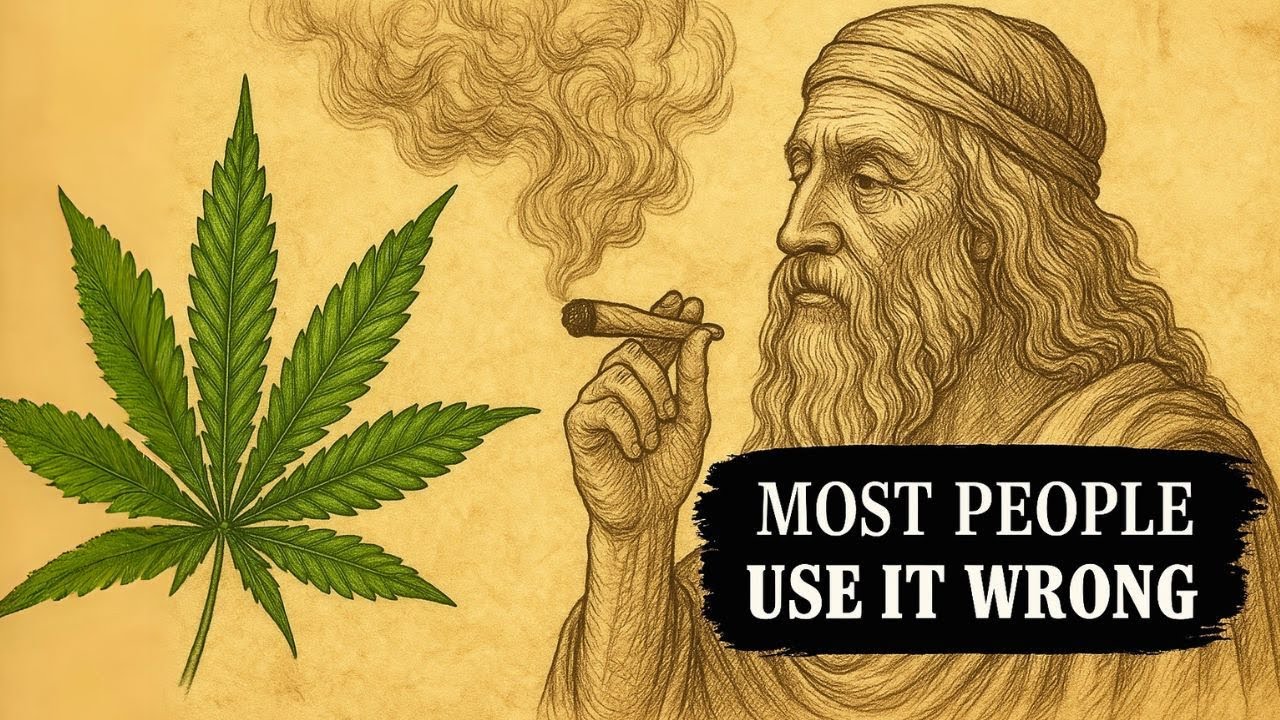
In ancient India, the Aarva called it one of the five sacred plants of the earth. Described as a gift from the gods, bearer of Amriita, the nectar of immortality, its direct association with Shiva, the destroyer and regenerator, is no coincidence. Shiva is the master of cosmic dance, the one who dissolves illusion.
His devotees, the sadus, smoked it in clay chillims during long meditations, but always as part of a ritual, fasting, chanting, isolation. They weren't seeking a high. They were seeking ego death.
The end of identification with the body. Cannabis wasn't an escape. It was a confrontation.
In the east, Tauist masters saw the plant as an ally of longevity and spiritual vision. Records from the alchemist Gay Hong. In the biopuzi describe combinations with ginseng and other herbs that provoked lucid dreams and expanded consciousness.
In Taoism, every substance has chi, vital energy. Cannabis, when harmonized with the body, could refine that flow. But when used by an imbalanced body, it aggravated inner chaos.
It amplifies. And like any amplifier, it's dangerous if the instrument isn't tuned. In the Arab Muslim world, certain branches of medieval Sufism also used the plant, especially hashish, in their rituals.
For the Sufis, the supreme goal was fauna, ego dissolution, the annihilation of the self in the presence of the divine. Many accounts speak of mystical ecstasies, of visions of the beloved divine. But even among Sufi masters, there was controversy.
The great poet and mystic room warned, "Why seek God in drunkenness if he already dances sober within you? " The plant was used with moderation and reverence. When it ceased to be a bridge and became a crutch, it was abandoned.
Among the mystical Jews of Cabala, there is no direct mention of cannabis, perhaps due to cultural context, perhaps out of caution. But a recurring wisdom echoes. The Zohar warns that those who force the gates of light without preparation will be swallowed by their own ignorance.
In modern terms, without spiritual preparation, any sacred substance becomes a trap of the ego. In Gnostic and Aseni Christian traditions, archaeological studies such as those by Rafael Makulum and Sula Benet suggest the use of cannabonoid resins and herbs in anointing oils and temple incense. Some scholars claim that Kane basm mentioned in the Old Testament was in fact cannabis.
But again, it wasn't recreational. It was ritual. It was liturgy.
It was a gateway to prophetic states. Used without sacredness, the plant was considered profane. In Africa and the Americas, indigenous shamanic traditions, both from the Congo, and the Amazon, hold deep reverence for power plants.
Cannabis, when present, is treated with the same respect as iawasa, mapacho tobacco, or peyote. It is not the plant that heals. It's the spirit of the plant.
And that spirit does not manifest without respect in kandlé ombanda and afroamerican syncric religions. Even though cannabis is not a central element, the concept of axay vital impersonal spiritual energy also applies. Every plant has an axay, a vibration, a purpose.
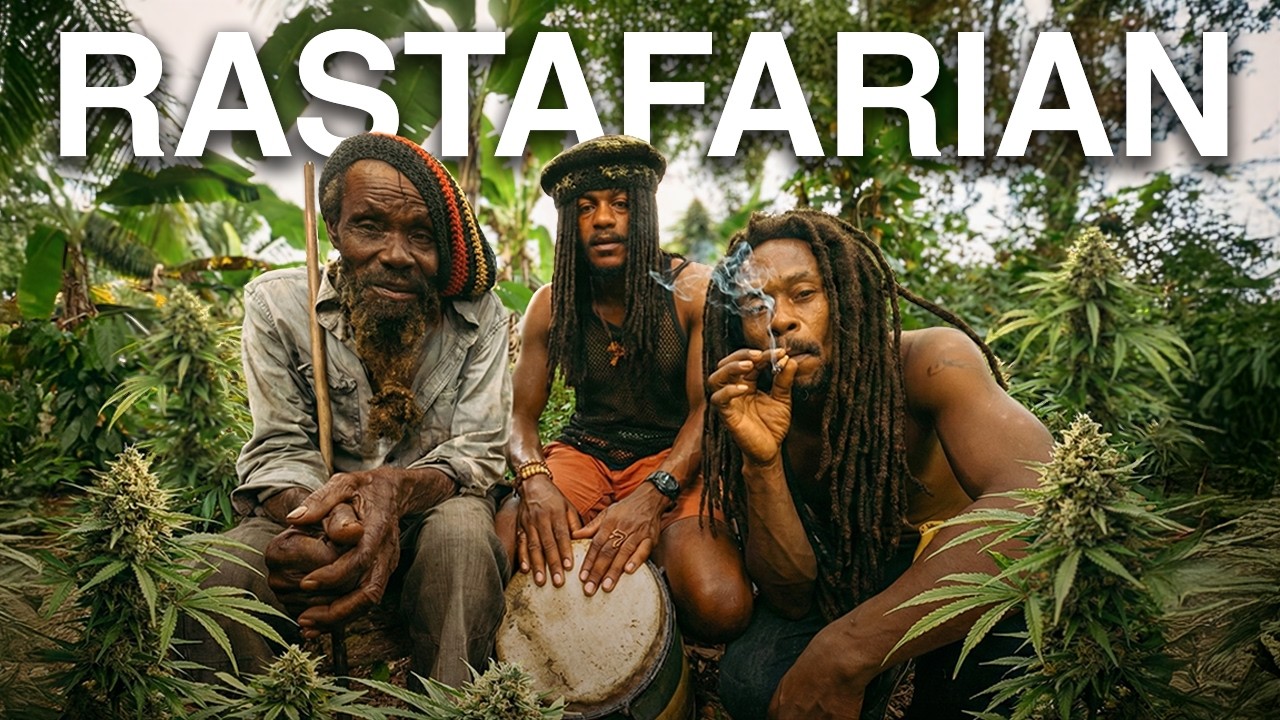
Using a plant without knowing its axay is like playing a sacred drum without knowing the orica it invokes. Even among the Rastafari where cannabis is called ganja and considered the herb of wisdom, its use is surrounded by liturgy. It is smoked during reasoning sessions, spiritual reflection gatherings, singing, praying, meditating.
The herb is a sacrament, not a pastime. In all these traditions, the common thread is the same. Cannabis is potential and potential is neutral.
It can be a ladder or a fall, a tool or a crutch, a portal or a prison. What defines it is not the plant. It's the user, the consciousness, the intention, the preparation.
Because as the corpus hermeticum teaches, spirit does not yield to those who knock on the door drunk on themselves. And those who seek truth through shortcuts may discover that the shortcut was a vicious circle. In the end, the real question may not be, is cannabis sacred, but are you sacred enough to use it?
Every plant that opens portals also opens mirrors. And mirrors, contrary to what we like to believe, do not always show beauty. Sometimes they reveal what we've avoided seeing for lifetimes.
Cannabis, like many enthogenic substances, has the strange gift of dissolving masks. But not every soul is ready to see its own face stripped of illusion. And this is where the plant's true spiritual effect begins.
Not in the immediate elevation, but in the inevitable confrontation. Carl Jung, the father of analytical psychology, coined the term shadow to describe the sum of the repressed aspects of our being. Not evil itself, but everything the ego refuses to acknowledge, fears, traumas, forbidden desires, ancestral pain.
In his writings, Jung stated that to confront the shadow is the first step toward wholeness. And is it not curious that many people upon smoking marijuana experience anxiety, paranoia, or a sense of internal exposure? The plant doesn't generate that.
It simply peels back the varnish of the persona. And what emerges is what has always been there. For occult traditions, this is no surprise.
In psychic self-defense, Dion Fortune describes how altered states of consciousness triggered by rituals, drugs, or trauma weaken the aetheric field, making the individual vulnerable to external forces. She warns, "When consciousness falters, entities from lower regions may draw near, feeding off the emotional breaches exposed. " This is not superstition.
It's subtle psychonamics. When the conscious mind recedes, whether through sleep, meditation, or cannabis, the unconscious takes over. And if that unconscious is filled with unhealed wounds, they will speak.
What we call a bad trip is more often than not the spirit trying to clean house. The Raja Yoga tradition, especially in Patangjali's yoga sutras, recognizes this clearly. He mentions that paranormal powers cedis may arise spontaneously through the use of herbs.
But he warns these powers are illusory if not accompanied by discernment and ethics. More than that he says sidis can become obstacles to samadei true enlightenment because they feed the spiritual ego a trap even harder to detect than the ordinary ego. Osho in his talks on drugs and spirituality said substances open doors that only silence should open.
They are shortcuts yes but unstable shortcuts and often those who walk through these doors without a map or guide come back through the same door only now unsure of where they are. On an energetic level cannabis acts directly on the subtle body. Many practitioners of Reiki, condundalini yoga, and ceremonial magic report a heightened sensitivity of the oric field after its use.
This can be positive if the person is grounded. But when they are not, they become a lighthouse without a captain, emitting light that attracts not only moths but also energetic predators. Some Amazonian shamans say, "Every plant that opens is a plant that tests.
And the test is not mystical. It is moral. What will you do with what you see?
Will you run, analyze it, act? " Many chronic users report a constant feeling of stagnation. The body relaxes, but the soul stalls.
Creativity seems to flow, but rarely materializes. Spirituality feels deep but produces no real transformation. This is what cabalists call kipot, shells of energy, layers formed by unintegrated perceptions, poorly digested mystical experiences that accumulate like dust in the spiritual field.
They create the illusion of growth without actual growth. And the greatest danger lies here. Mistaking feeling a lot for evolving.
Because not all expansion is elevation. Expansion without direction is swelling. And swelling sooner or later bursts.
At this point, cannabis when used unconsciously or abusively transforms from sacred plant into the plant of stagnation. Not by its nature, but by the disconnected use. It doesn't generate spiritual passivity, but it can be the perfect frame for those who already carry it within.
Some try to argue, "If I feel peace, it's working. " But peace generated by an external agent is like calm in a locked room. Beautiful but artificial.
True peace is born even in the midst of chaos because it is rooted in the core of being. If cannabis gives you peace, ask yourself, is it teaching you to generate that peace yourself or is it renting you a temporary illusion? The true encounter with the divine almost always begins with the encounter with the shadow.
And that meeting is not pretty. No rainbows, no sepia filters. There are tears, shame, anger, confusion.
But if you stay there breathing, attentive, something happens. Not a hallucinogenic revelation, but a quiet integration, acceptance of what is, and from there the birth of what may come to be. Cannabis in this context is like a mirror of water.
It can show you the sky, but if you dive in hastily, you'll see only mud. The human spirit does not walk alone. The inner journey, as solitary as it may seem, is always an echo of the collective web to which we belong.
No spiritual practice, no power plant, no enlightenment is purely individual. Everything that touches us reverberates through culture. And everything culture accepts or rejects shapes how we touch ourselves.
Cannabis is a perfect example of this. A plant with mystical roots now transformed into a global commodity, a pop icon, a topic of political debate, and a symbolic currency of youthful rebellion. But long before legalization or repression, it was already part of the sacred.
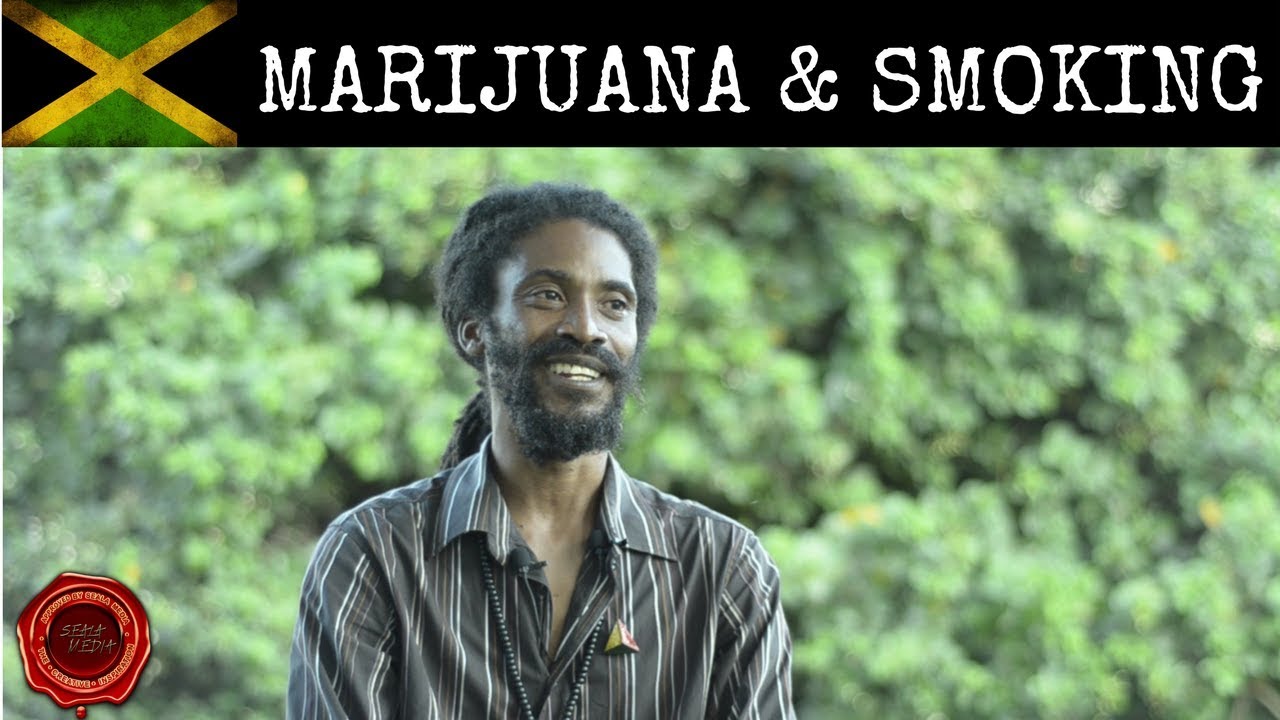
And in certain places, it still is. In the Rustapharian tradition, for example, ganja is not an addiction. It is a vow, a pact with the divine.
Born in the 1930s Jamaica, the Rastafari movement emerged as resistance against colonialism and oppression, but also as a spiritual renaissance rooted in African traditions, the Bible, and a distinct worldview. For the Rastas, the herb is the healing of the nations. As said in the book of revelation, smoking it is a sacrament, a way to draw closer to Yah, the name they give to the living and present God.
There is no benality in the act. There is reverence. The reasoning sessions where the herb is smoked collectively while engaging in philosophical reflection are lurggical practices.
Silence, listening, words and smoke walk together. There the collective is the cathedral and the plant, the incense of the spirit. But it's not just the Rustas.
On the African continent, especially within Bantau traditions, there are records of ritual cannabis use in celebrations, funerals, and rights of passage. It was not used to forget pain, but to pass through it. It was presence, not escape.
It was an invocation of the ancestors, not alienation. In pre-Colombian America, although cannabis itself was not native, the use of psychoactive plants in collective rituals was widespread. The concept remains the same.
Substances that open portals, yes, but only when supported by cosmology, myths, rituals, priests, by a symbolic collective structure. Outside of that structure, the plant is desacralized. It becomes mere stimulation.
And that is exactly what modernity did. It yanked the plant out of the temple and threw it onto the shelf of cultural supermarkets. It turned it into a meme, a product, an aesthetic.
What was once a sacrament became marketing. What was once a vehicle became a brand. The psychedelic culture of the 1960s tried to reclaim that ritual value.
But it did so without roots, without lineage, without initiation. People listened to Alan Watts and Timothy Liry while mixing cannabis with acid and politics. It was a real search for transcendence.
Yes, but a fragmented one. Huxley had already warned in the doors of perception. The visionary experience may reveal, but it does not teach.
It shows, but it does not structure. And the danger lies in mistaking the glimpse for permanence. Western culture in discrediting tradition created a dangerous void.
That of spirituality without ritual, of experience without ethics, of ecstasy without integration, of insight without action. Cannabis in this context became a symbol of counterculture, of rebellion, of freedom, but almost never of spiritual responsibility. This is why in traditions where it is sacred, its use is collective.
The group functions as container, as compass, as witness. In many Afroamarindian rituals, for example, no one uses the plant alone. There are chants, instruments, cycles, cleansing.
There is a limit. The collective sustains the sacred. The individual dissolves to be reborn.
And here we return to the core of the matter. Cannabis has a cultural soul. It carries all the narratives in which it has been wrapped.
When used in the temple, it acts as sacrament. When smoked alone in the dark room of anxious solitude, it tends to amplify disconnection. It is as malleable as water, but it takes the shape of the vessel it's placed in.
And the vessel of modern culture is shallow, rushed, cynical. The herb that once invoked gods is now the theme of Netflix series. The hemp of knowledge has become a marketing pamphlet, a stand-up joke, a designer rebellion.
But there is resistance in indigenous communities that refuse the spiritual extractivism of white culture. In young seekers who are reclaiming ritual, fasting and song. In silent masters who even amidst urban noise teach how to smoke in prayer.
The plant remains the same. What changes is the context. What changes is the intention.
What changes is the symbolic field that sustains the experience. And maybe deep down that's its greatest lesson. Spirituality is not an individual sensation but a collective frequency.
It's not what you feel but what you generate. It's not what you see under the plant's effect but what you become after it fades. As an old African proverb says, "If you want to go fast, go alone.
But if you want to go far, go in a circle. Bring the drum. Bring the fire.
Bring the plant. True spirituality is not measured by the altered states you experience, but by the elevated states you sustain. The path is not revealed by the lights you see, but by what you do with the shadow those lights cast.
Between the light and the fog, there's a thin line, and its name is discernment. Cannabis, like all power plants, carries no promises. It carries possibilities.
Possibilities that can illuminate or confuse, inspire or numb. And it is here that the spiritual seeker reaches a crossroads. Do they seek to expand consciousness or escape it?
Osho, so often misunderstood as a hedonist, said something profoundly subtle. Anything can become a meditation if you are present. And anything can become a drug if you are absent.
The issue is not the plant. It is the awareness that accompanies it. And when presence is absent, the path turns into a carousel.
This is why the ancients always accompanied sacred plants with rituals, fasting, chanting, silence, preparation, guidance. Not out of superstition but out of energetic hygiene. They knew what we have forgotten.
A portal is not a place for sightseeing. It is a place of passage. And not every soul is ready for what lies on the other side.
Discernment called kro in Greek philosophy vivaca in vdanta is the invisible blade that separates what is real from what is merely sensation. It is the eye of the middle, the third eye, not as a power but as a compass. And in the spiritual use of cannabis, without that compass, what feels like enlightenment might just be hyper sensitivity.
What feels like vision might be a mental echo. What feels like intuition might be disguised desire. There is a kind of intoxication that feels like clarity.
It comes with brilliant insights, synthesia, synchronicities. But if these insights do not change your relationship with others, with the world, with your own shadow, then they're just spiritual fireworks. Beautiful but aimless.
The true path is more arid. It demands consistency. It demands presence without spectacle.
It demands silence without inner noise. And that is why cannabis used outside of a structured path can create an addiction far subtler than the chemical one. The addiction to the feeling of spirituality without the practice of spirituality.
It's easy to appear deep under the plant's effect. Harder is being deep in traffic, in the bank line, in a conflict with someone who hurts you. Enlightenment is not measured by what you see with your eyes closed.
It's measured by what you do with your eyes open, feet dirty from the ground. And when there is no discernment, what cannabis does is create a fogged mirror where the ego sees itself as awakened when in fact it merely took a nap in the lap of sensations, a kind of vegetative peace that paralyzes more than it pacifies. In traditional occultism, there is a principle known as the false light of Hod.
A sensation of mental clarity that is actually just the mind intoxicated with unintegrated images. Its surface brilliance without roots. Cannabis when used without wisdom can feed precisely that illusion.
The illusion of progress while actually going in increasingly colorful circles. That's why the plant should only be used spiritually speaking when the inner soil is clean. When there is a clear intention, when there is real silence before the puff and even deeper silence afterward, when there is guidance, tradition, method, humility, and above all, when one is ready for the answer it will give.
Because as the Sufi master Hafi once said, God is like a mirror that does not laugh at your grimaces. It simply shows them clearly. Is cannabis a plant with spiritual potential?
Yes. But all potential demands context, discipline, intention, and understanding. When stripped of its ritual function and turned into a cultural product, it runs the risk of becoming just another form of distraction.
True spiritual seeking is a subtle art. It is not about escape but about staying. It is not about seeing lights but becoming light.
What are you seeking when you light that joint? Is it peace, space, silence? If you cannot find those things within yourself, perhaps the plant is merely lending you a mirror.
And mirrors only show the reflection. If this video stirred something in you, share it with someone who is also seeking more than just smoke. Someone seeking clarity, truth, and depth.
Thank you for watching.