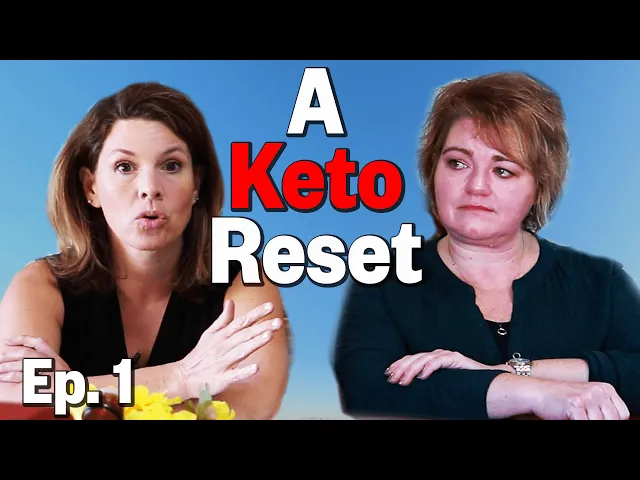
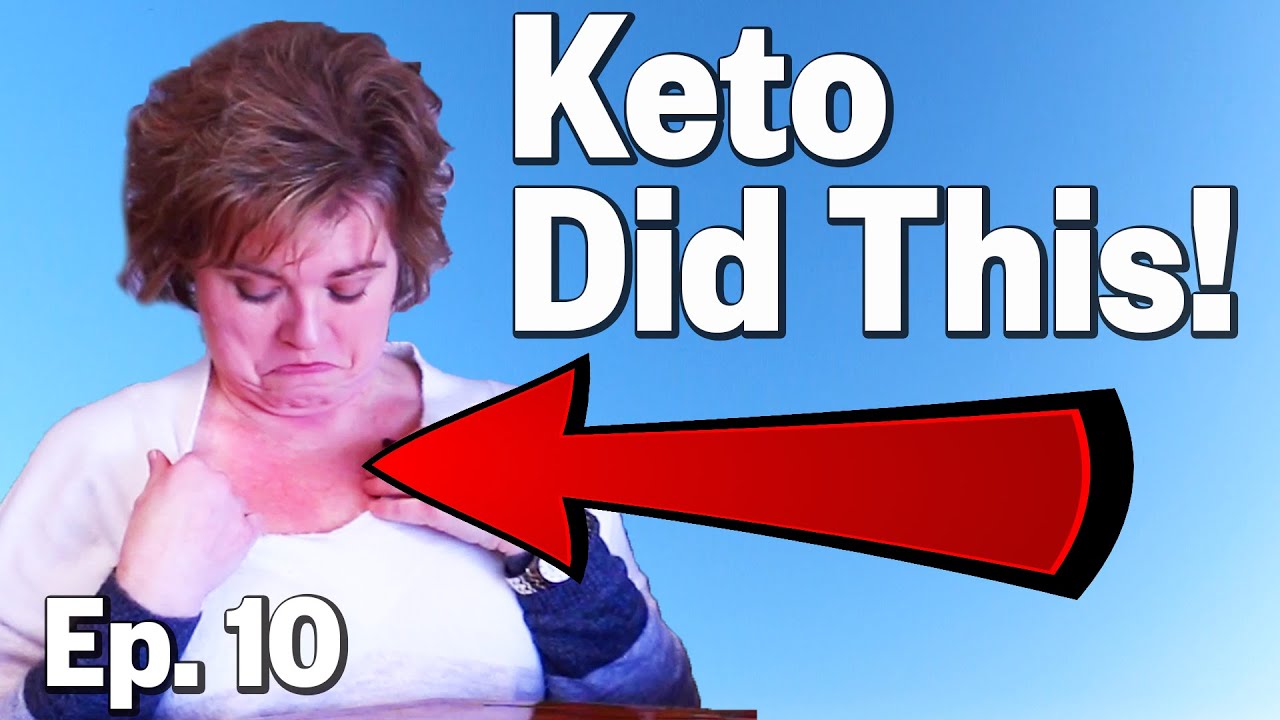
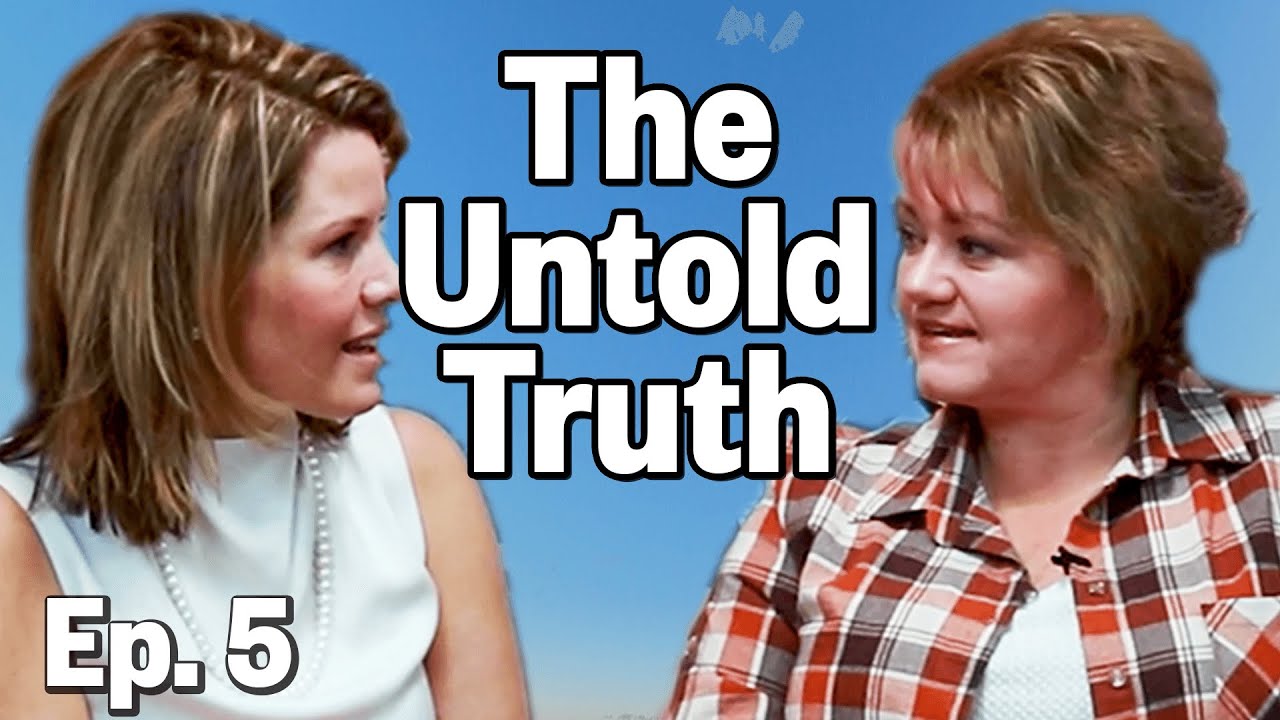
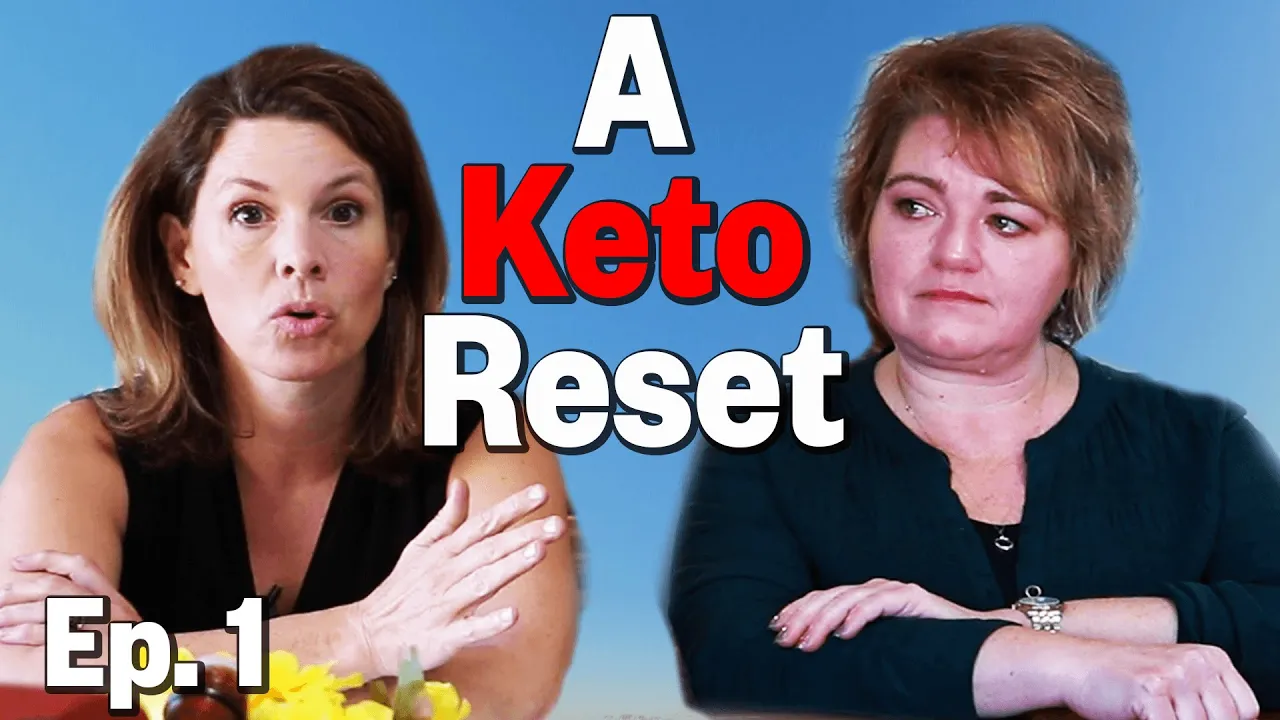
she's gonna have a heart attack yeah i mean that's just kind of the expected destiny yeah yeah are carbs addictive the opioid addiction has swept our country and taken the lives of thousands but it pales when compared to the death toll from carb addiction hi i'm dr baz and i'm michelle and i didn't realize just how addicted to carbs i really was i started this journey to improve my health but honestly over the past 12 weeks what i learned was way more than just a diet yes welcome to the american tradition a journey of breaking
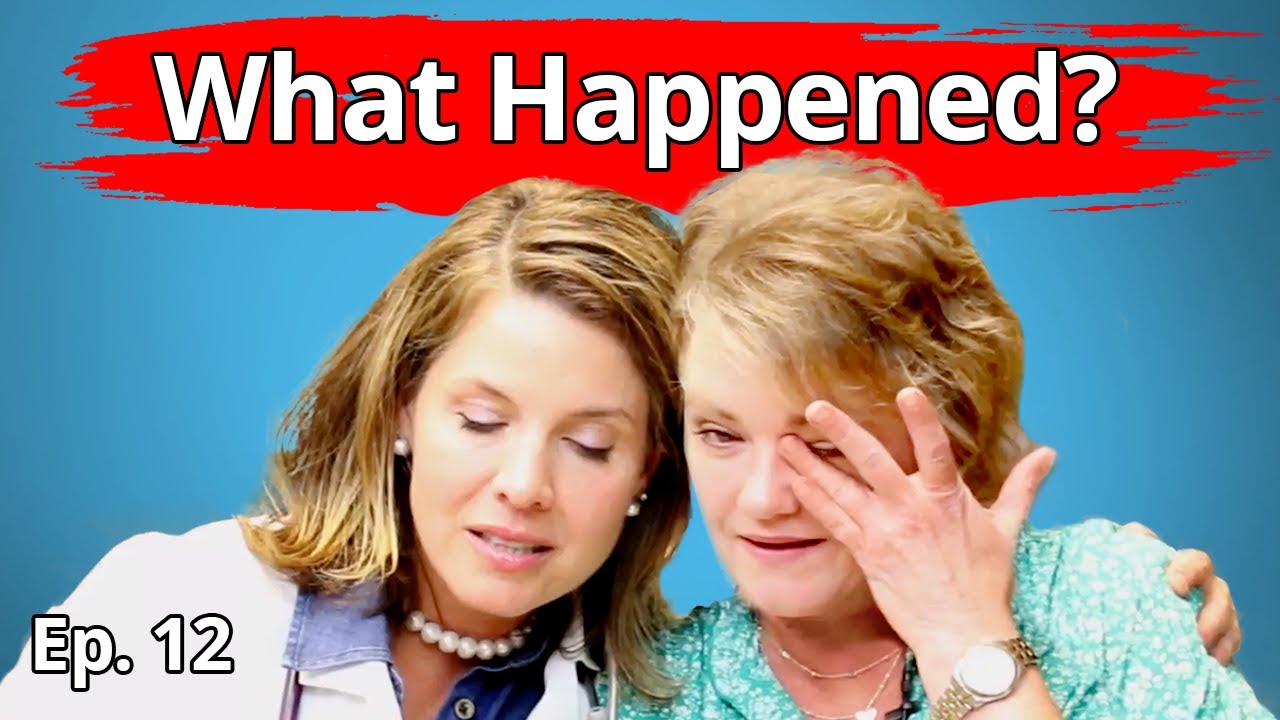
carb addiction my online course consistently keto educated michelle with simple steps to correct your health issues what unfolded during the 12 weeks is a story of carb addiction it is real and it's all around you michelle why don't you tell them what's in this episode sure so i shared why i wanted to better my health i thought i knew and then you shared your answer and it made me think that i wasn't diving deep enough yes stick around to the end and see what pushes us to tears well i think that's big breaking the cycle
that's what you're doing that was that moment that i said that's what addiction looks like to be able to just to say okay it's in his diet and we may not even need to visit for medicine that was huge i'm here in my parents home at my mom and dad's farm house with my sister-in-law who is willing to tell her story and to let us document her story about what's it really like to be on a ketogenic journey so i want to start by introducing michelle michelle and i have the forced relationship where when you
marry into a family this is what happens so i am really excited to to forge this journey but also to enhance our relationship if you uh had to look at the last 10 years how often do you see a doctor once a year at least okay for a physical and going back a little bit further since having js they realized that i had some blood pressure issues in the hospital in post-delivery sure because they held me a day extra and that's when i started and then spend goodness he's almost 13. so it's been that long
since i've been on blood pressure medicine wow yeah so besides blood pressure medicines are there other things you're on um that's it oh good that's very good easy to undo okay just so you know when do you think you first said ah i have i have a problem with my weight oh high school really yeah always carried it right lower stomach um and i just never could lose it i was active in high school i played basketball i was a cheerleader my senior year yeah played tennis so it wasn't for the lack of activity right
right and it's just been a struggle throughout my life it's a huge deal i i mean essentially when a woman starts to have healthy adult hormones the rules change girls i'm telling you so as you have uh struggled with weight what what have you used to try and lose weight oh a good friend of mine her dad would say that he would eat cardboard so it was in the years of you know lean cuisines and no sugar well sugar wasn't an issue it was just the no fat low fat low fat low fat um really
that came that sticks out to me big time because that's what i did all through college it was you know because that's what the world told you that's what we were told at that time yeah fat's bad for you right and the fat has the calories in it so if you're going to get that lean cuisine to say 200 calories well for heaven's sakes don't add a scoop of fat don't bake them in fat don't don't fry it in fat don't add fat anywhere because then you can keep the number on that calorie part low
but what happened was you cannot address calories until the chemistry is fixed so if you give those low calories to a high insulin patient they're all stored you along with so many people that's where they get stuck is the calories the low fat and the packaged food turns into easy fits in our life but when there's no fat in it it turns into great just a great way to make an insulin resistant patient that can't lose weight and their hormones go terrible and their hair gets thin and their skin gets thin and their brain gets
wilted and then they wake up one day and say doc i need an antidepressant i need hormone replacement i need blood pressure medicines i need you know follicle stimulating for my hair i need whatever it takes to to fix all these problems and when you start to say wait wait i want you to go eat fat like i'm gonna go find another dog yeah okay that is a hard thing to overcome because we we grow up the food pyramid as you mentioned we grow up with that and that's the norm so anything outside the norm
you're already going uphill amen and swimming against the stream so to speak first of all i just need to say thank you for being willing to tell your story so why don't you tell the audience um just tell them who you are and where you're from no well if you hear me talk you know that i'm not from south dakota from tennessee we've been there as a family for about 17 years and i kind of grew up in that area anyway and i'm a nurse by profession that's how jesse and i met and now our
journey brings us back to his home here in south dakota the farm um it holds a lot of great memories for jesse and he wants to share that with his family his kids that are still going to be here which will be probably two out of three i knew that he needed this moment in his life right so i said yes how many people live in the town of plankington i heard last night it was 700. yeah thought seven or eight hundred right what fears do you have a lot of snow [Laughter] with the weather
so learning to navigate that will be a little bit of a challenge and um community yeah being new to that um and trying to interject yourself into that and figure out how you right where you fit in you know i think that a community part is so ingrained in jessie and peggy and i and our family you learn that this community is what you have and either you figure out how to make it work or you're lonely the skill to stay connected is a learned [Music] skill let's look at some of the other stuff a
mom leads a family for and that is how food and meals are part of your conversation so if you look at the health of your parents and your family and then your children do you see there's a food pattern that you you want to address as we take on these next three months of closely looking at your family tradition wise absolutely biscuits and gravy oh my i that i think is a maybe more of a southern thing yeah yeah um but yeah that was a big thing in cornbread so lots of carbs lots of bread
something i've realized that we've done probably more with jace than the other two was he's a little bit harder to shop with he has a lot of energy um and so i know i was just thinking there's been times that okay if you just stop i'll get you one thing that you want right and that item is never you know oh mom can i have some broccoli oh yeah and all the sugar that you're right there when you're checking out it's always it's on purpose and it's evil right well you know that uh that world
of carbs being addictive sounds like a like a bumper sticker but it really is there's very good evidence behind uh what happens when not just that mom gives him praise like for doing something she wants which is you know behaving in a public setting like that or behaving anytime then put carbs behind the reward and so that neural circuitry of this is what's oh this is how you feel good oh this is the pattern of that is a very hard wiring that happens at a young age that the longer the patient takes to address it
and i'm talking about this for all layers of addiction the harder it is to reprogram it so traditions for food um and do you find that when like you go to your parents house that they reward with food well yeah okay yes a treat yes absolutely because dad will have ice cream and cake and oh goodness all kinds of the bad stuff but we gather around food yeah it's huge yeah it really is it doesn't matter if you're coming in for a weekend um you know that there's going to be a big meal involved that's
real [Music] all right so if you look at the ways you've lost weight was uh cut cutting calories using packaged food tell me about your history of because i know jesse and you have you know reached out and i've sent you some keto stuff so tell me what your keto journey has been so far so far we have like a really good month honestly okay and then you have a moment of weakness as i would call it yep and it's either not so much chocolate cause now to me that tastes too sweet but it's more
of the salty crunchy yeah yeah you know like pita chips or something like that you get those weird cravings and sometimes you cave amen i find that in the mindset of oh well i've tried again i'm not going to do it again right because it's this whole i've tried i failed i've tried i failed that you're on that becomes um disheartening oh it's huge it's huge so i like to point out when you look at babies across the world you know everything every color and race they start out babbling the same and so they babble
and the sounds they make are all the same no matter where they come from but around the cultures that they're in they're babbling over the first six months and then year the line they're trying to hit is the language that's being imprinted around them but they fall off either side and of course what the baby doesn't know is disappointment everybody around them is only cheering them on mama mama okay right and there's they're positively saying here's the way forward and they're constantly failing they're babbling in different languages they don't know that but they're just there
and if you look at the distance the babel sound is from the target over those three years uh it babbles to the imprinted language as a baby starts out with this target of change of a behavior of a language they fail a lot and the world around them is really positive and cheerful and is pulling them in this direction and not to say that life doesn't have hard things that we get through but as you train somebody to do this when you're with an adult brain trying to change behavior they're going to fall they're going
to have the target life is here but they're going to fall what happens especially if they're around a support group of people that are trying to improve the process is they they don't fall as far from the line and what i've learned is if they don't have that those people pulling them back in to try again they stop trying the people i hope watch this documentary are the ones who've tried keto they've been keto and they couldn't make it it couldn't make it and i think what made me write this book write this online course
do this workbook is you don't need to be an md or phd to do this how do you do this don't look around focus on you what what do you think is a good goal for 12 weeks as far as weight as far as yeah so that's exactly what the question's meant to be vague on purpose you can't get to a goal without a why why do you want to go keto um well chilly is the way for sure okay to feel better in my skin yes yeah just look in the mirror and feel better
right yeah like what you see when you put on clothes so body image okay what else for my health to get off my blood pressure medicines that i've been on for way too long the health of my family okay so the leader the leadership stuff right yeah just to help my mom with her cardiovascular because that is worrisome so to help her with that all right so i look at health problems on the y because that's really where people start with but i try now to get to the deeper part this would be the simon
sinek part of that why which is you you have health problems and they are important if you look at some of the um the deeper whys it gets to a higher personal level when people read the book any way you can the story of my mom's cancer is what made her go keto a health problem right after we got our six week report card back and it was pretty darn good better than we ever expected we both slacked off we both had hit our target and then we fell off and it's shocking actually because she
still has cancer she still has all these risk problems but we we did good for a while and then we we did that which is when we had to really have this heart to heart saying okay cancer would be part of her journey but it wasn't her motivation what would make her cry what would make her mad what would make hers happy had to do with the journey in life with her grandkids and when she would think about missing it i mean she would think about how much her influence would change the trajectory of their
lives and how if that was missing she like she couldn't hold the thought in her mind she would have to walk away and it was so unsettling to her but that is the true deep reason why she would want to change a behavior and so when you look at her why it was truly that connection of what makes her sad makes her happy and i think those are these deeper conversations you have with yourself and you don't sometimes want to say them out loud so people say why'd you go keto i mean the true answer
was the most important person in my whole life since since i can remember was my mom and i can remember having to pick my profession in medical school saying what kind of doctor do you want to be and i kept thinking god i might make another life changing decision like and so i as i prayed about it and i was thinking like what is it that really motivates me because this is hard work and i really enjoyed it when my parents would call me and i didn't just know the answer i knew the why behind
their answer i knew the the possibilities if my answer was wrong what it could be i knew the differential diagnosis that's really what woke me up in my heart was to say oh i love it when she can ask me a question i can help her and of course i parlayed that into a practice but the true reason for studying so hard for having the right answers was always to be able to answer her questions and when she had been 10 years into this awful diagnosis and i did everything right i did every recommendation i
called specialist i went to every doctor's appointment and she did it she did exactly what the doctors asked and she was dying she was dying in front of me she put on 70 pounds this incredibly creative driven woman was a zombie she couldn't hardly run a sewing machine that's that's like her core dna and so when people say what was your why it was like i knew she couldn't do it without me i knew if i said go be on a ketogenic diet she was gonna fall off and i get emotional about it not just
because she passed away but because it was so critical to her journey and you can see it's real it's what it was what mattered to me but i i did keto to save my mom and it was it's painful to know that she died the healthiest she could been and the regrets of saying oh what if i figured this out earlier what if i would have gotten out of the lane of medicine that was so prescription driven could i have course corrected her sooner and i actually think i couldn't have i took the pain of
her suffering to to say abandon what medicine is saying and learn something that no other doctor around me knew how to do and when people say why are you keto i have all the vulnerability in the world to say because of my mom and it's true when people say oh i'm going to do keto because somebody has cancer but it doesn't doesn't connect to that part of you that's so intimate then when you get to the hard parts you fail it's it's the secret part that says how do you get people to do keto consistently
if you skip this step when they fall off it's easy to just keep going saying uh i tried that it was too hard i know it's a vulnerable moment but um when you look at those list of health problems and the journey of where you've been and you say where is the deeper connection that way it's threaded through all those problems and those people and it doesn't have to be a person or a thing sometimes it's a dream or a disappointment that you want to turn out differently no it would be my mom yeah the
tears are from your mom what do you what's the fear of what is going to happen to your mom she's going to have a heart attack yeah i mean that's just kind of the expected destiny yeah yeah it's real and you don't have to be around medicine long enough to know it's actually dangerous to have heart disease in today's medicine too because you go in and they procedure the crap out of you without even thinking and you can see the advice she's been given that look if your advice was working people two years of your
advice should have done something better than getting worse yeah and my mom followed every rule too and she didn't get better until we did this so we're going to write down her why why so let's put it into words uh to [Music] example to my mom could that be it i have to i'm gonna say to avoid um the impending heart attack um so i think i think that is an honest why first of all what i tell people when they're doing their whys is if you don't get either mad or sad or incredibly joyful
and i think you can have all of those emotions connected to tears then you then it's a fake why so when people say health problems and it is easy to put the health problems down but it's the layer behind the health problems that you have felt the loss or you're about to feel the loss or you that that to me evokes a true why and i got daughters all over the country saying i want to do it for my mom and i'm like if that's true when you wrote that down there was tears and they
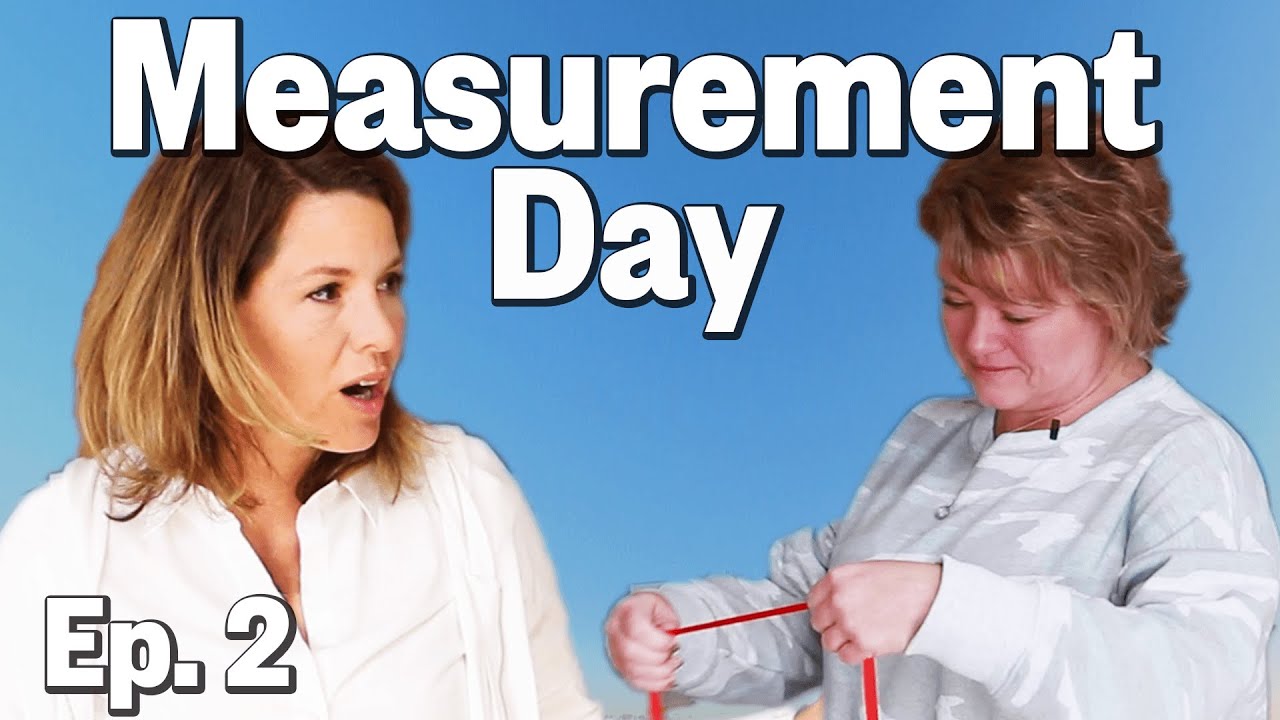
were real tears of connecting an emotion that totally scares the hell out of us because it's real tune in next week to watch michelle take her pre-journey measurements subscribe to follow along through episode 12 where a live show will reveal michelle's six-month [Music] update you