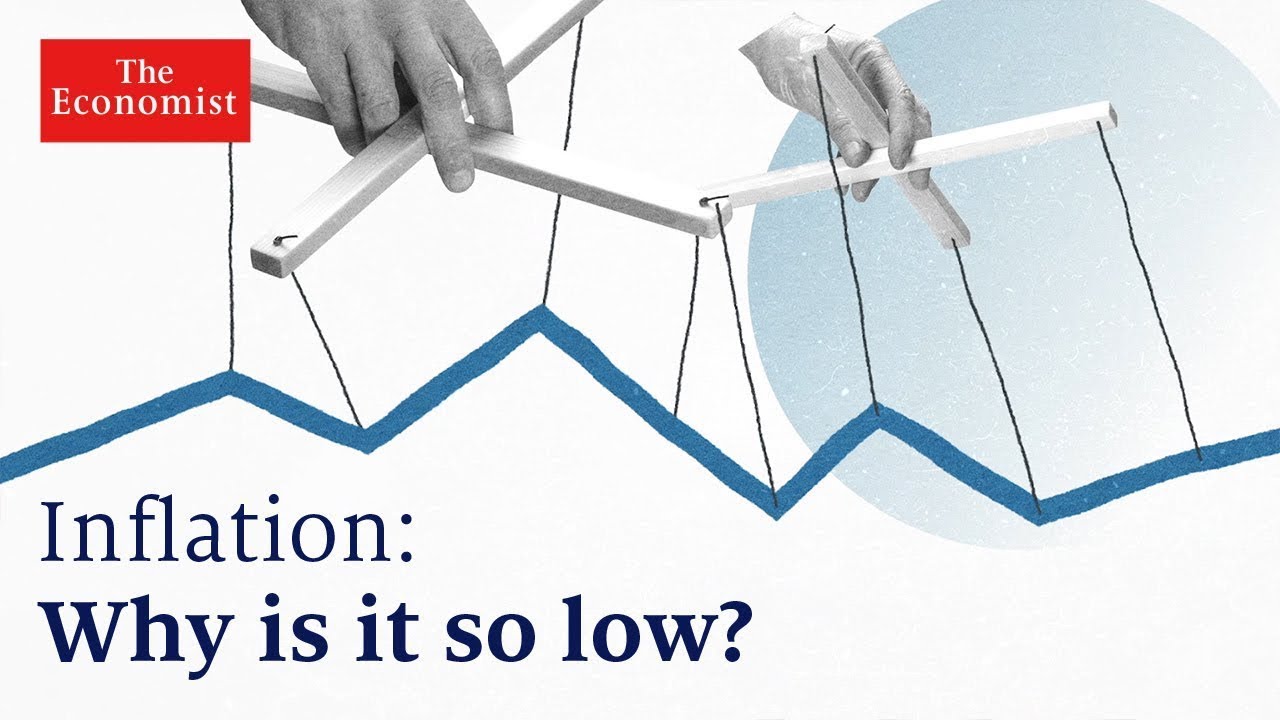
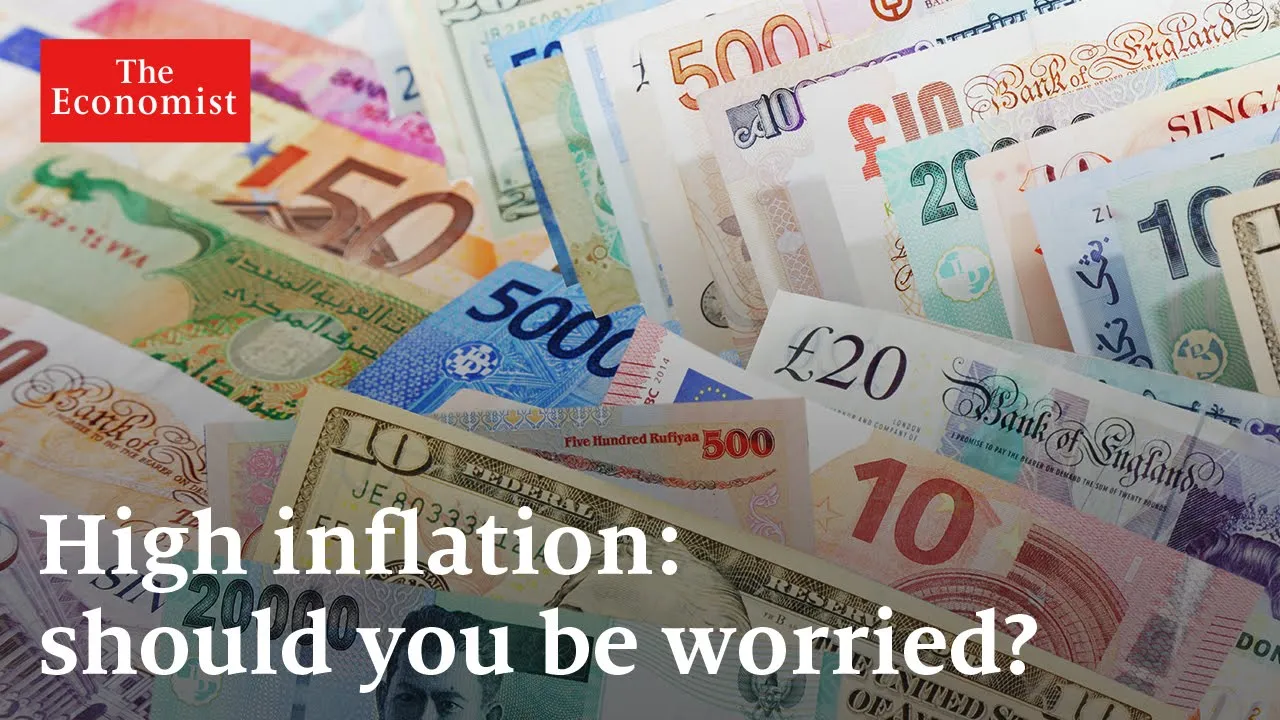
as the world recovers from covid-19 it's now economies that are running hotter than predicted the economy is experiencing a very strong recovery we brought this economy back from the brink but with growth has come a surprising change inflation soared to its highest level in over a decade in April the biggest month over month increase in September get this 2008 the sharp increase in inflation blindsided many economists almost no one saw it coming inflation is the least predictable it's been for a long time probably for decades but is this High inflation just a temporary blip or could it spiral out of control it's the most important question for the global economy at the moment inflation is when prices rise over time it'll be 1. 65 please it's when items and services from bananas and belts to housing and heating cost more than they used to meaning you get less bang for your buck keeping inflation steady is a balancing act most rich World central banks aim for prices to increase by around two percent a year at that level consumers don't notice changes in prices too much but when it becomes higher it can be problematic you could have a little over two percent a lot of the time and not worry too much or you can have a lot over two percent for a short period of time and not worry too much but what you don't want is a lot over your target a lot of the time because that's really going to start causing you economic problems for years the question policy makers had been asking is why is inflation so low economies were quite strong unemployment was very low and people were puzzling about why prices hadn't taken off as much as people expected that they would in those conditions the pandemic certainly in 2021 seems to have turned that on its head somewhat and we've had quite High inflation especially in the US and that's LED people to ask is the era of low inflation now over in America inflation hit 5. 4 percent in July 2021 in the Euro area inflation went up to 3 in August in Brazil it has reached over nine percent Central Bankers claim that high inflation will fizzle out so there's no need to worry there will be inflation but that the process of inflation uh will stop all confidence in that judgment is somewhat undermined by the fact that central banks didn't see this burst of information coming so that's just revealed that forecasts aren't always right the worst case scenario could be run away inflation like that scene in America in the period known as the great inflation great spiked to over 14 by 1980.
the root cause of this was the Federal reserve's loose monetary policy and Rising oil prices but what's causing inflation to rise this time around the first clue is in the way inflation is calculated something that in real terms inflation hasn't actually risen that much it just looks higher due to the sharp dip in prices in 2020 for example the cost of crude oil in September this year was 71 a barrel compared to September 2020 when prices were recovering from a collapse the price has risen by 74 percent but if you compare it to September 2019 it's only a 13 increase this is known as a base effect and could explain why the European Central Bank thinks the peak in inflation won't last inflation numbers in 21 which we will see Rising are of a temporary nature but there are other important factors causing current inflation Supply chains for example have been hugely disrupted by the pandemic and just when it has become difficult to transport Goods demand has shot up making things more expensive increased demand is thanks in part to big government stimulus policies America for example poured 1. 9 trillion dollars into a covid relief package almost a fifth of US dollars in circulation by the end of 2020 were created that year people in America have been really Keen to spend their stimulus money that they've got during the pandemic on new cars unfortunately early in the pandemic car makers cut their investment in future production combined with that we've had this Global shortage of chips so there's been not enough Supply relative to the amount of new cars that people want to buy as a result you've had this spillover in demand into the second hand car market people are buying used cars instead used car prices have been a major driver of recent inflation in the past year prices have risen by over 45 percent although recent months have seen a decline thank you it's not just the rich World suffering with inflation Emerging Markets have been hit hard too they are also experiencing pandemic-related supply chain issues and extreme weather has led to crop shortages making food more expensive in Brazil the cost of black-eyed beans has risen by 40 in the past year soybean oil by 68 and cabbage 76 percent tens of millions of Brazilians can't afford to put stable Foods on the table food and fuel is a big part of the expenditure of people in the poor world so when these prices go up a lot they reduce people's living standards and this tends to be watery the poorer you are it is possible to slow inflation the power to do so is in the hands of central banks they can do this by raising interest rates what happens when you raise interest rates generally is that people become Keener to save and less willing to invest and slowing the economy slows up the rising prices in rich countries Central Bankers haven't felt the need to do this yet at the moment we're not seeing evidence that would alarms us but we'll watch it very carefully but for central banks in Emerging Markets sitting tight isn't always the best option their institutions are somewhat less credible than uh the institutions of the rich world so central banks have to be more on their toes and have to clamp down on inflation more whenever it rears its head Brazil's Central Bank has raised its interest rate five times this year it was two percent in March in September it was 6.