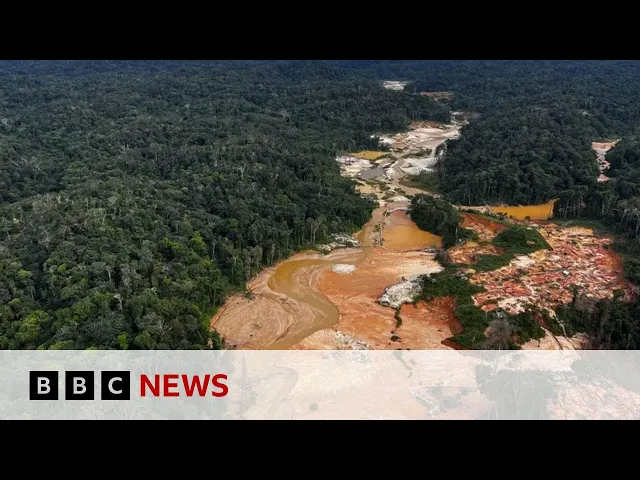
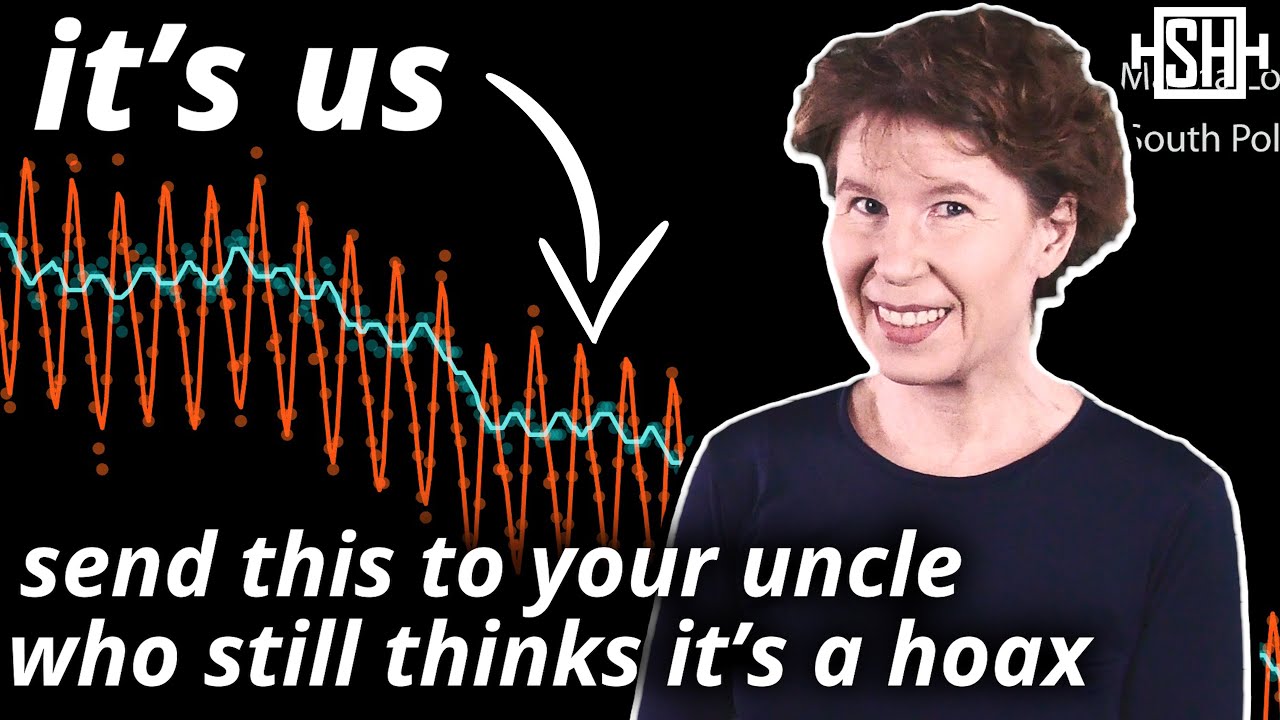
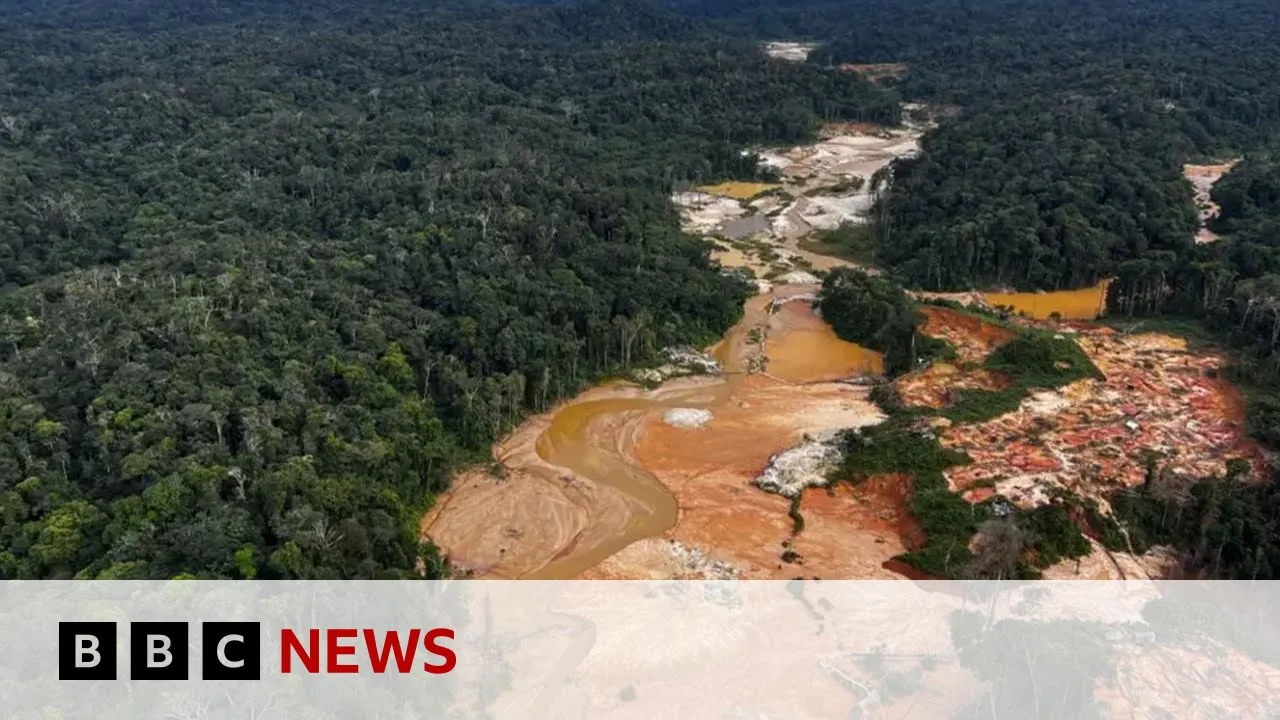
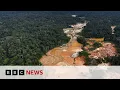
now last year saw the fastest annual rise in the concentration of carbon dioxide in the Earth's atmosphere that's according to data collected and uh analysis from a research station in Hawaii the study from the UK's met office has warned that CO2 at current levels are incompatible with the target of keeping global temperatures below 1. 5° concentrations of CO2 and now 50% higher than before humans started burning large amounts of fossil fuels last year was the hottest on record with global temperatures 1. 6 de above pre-industrial levels let's speak now to Professor of Earth system science at Stanford University and also chair of the global carbon project Rob Jackson uh MrJackson hello welcome to the program how worried should we be how worried should we be what do those figures mean well we should be very worried this is a much larger increase in atmospheric carbon dioxide than we're used to um we're breaching uh safe temperature levels well past them and um and I think the most troubling thing about the increase this year is that it's not caused primarily by a surge in fossil fuel emissions we estimate fossil fuel emissions are up about 1% last year in 2024 but normally the Earth's lands take up about onethird of of of uh fossil carbon pollution uh through tree growth and other things and the Earth is starting to fight back um the El Nino last year meant thousands of additional fires in the Amazon record droughts in the Amazon and elsewhere plants are not growing as fast and um we're seeing Forest death in places so the Earth is is um starting to uh Rebel if you will and um and that's deeply troubling you say the Earth is fighting back I mean the Earth's just going to get off with get on with things isn't it it's us that's going to to suffer it's going to correct itself somehow um this figure um of 1.
6 deges you know I think it's it's accepted Now isn't it that we're going to be heading above 2. 5 that is the most realistic figure of a temperature rise that we'll be able to attain is is that the agreed level well I hope not certainly we are heading uh towards that now we're not um slowing down at 1. 5 we you know a couple decades ago it would have been inconceivable that we would have so casually and cavalierly blown by the 1.
5c threshold where we are now but we did and we may do the same for 2. 0 and head above 2.