I thought it would be fun today to explore the following hypothetical what would I do differently if I were to start training Jiu-Jitsu today now obviously if I started Jiu-Jitsu today I'd be a black belt today so let's assume that I don't know Jiu-Jitsu but I do know everything else that I've learned in the almost 20 years that I've been doing this with that knowledge what would I do differently what would I change about my training let's talk about [Music] it if you're new to the channel or you haven't done so I would appreciate it
if you hit that subscribe button in doing so you will be supporting the channel in a direct way and helping us grow and I appreciate it also if you'd like to come to San Diego in April of 2024 and maybe get out of the cold weather weather that you find yourself in I will be hosting the first ever old Grappler Summit it's a 3-day jiujitsu and social Gathering where we are going to explore the challenges that the over 40 Grapplers face in order to be effective against those younger athletes so it's going to be good
training we're going to have a great social Gathering catered by a worldclass chef it's going to be an amazing time uh if you'd like more information just go to my website Rick ellis.com and hit the events Tab and while you're there you can also check out some of my instructional courses and some of the other stuff that I'm involved in and I appreciate it very much so what would I do differently if I were to start Jiu-Jitsu today with the knowledge that I have other than Jiu-Jitsu knowledge well I can think of five things that
I would do differently starting with Fitness I would commit to a strength training program and a Mobility Program and uh the flip side of that is some kind of restorative recovery modality like yoga I have always been someone that loves to train Jiu-Jitsu I am passionate about it I'm obsessed by it I train a lot I've always trained a lot but I've always had kind of an adversarial relationship with doing Fitness outside of Jiu-Jitsu in part that's because as an adult I've mostly lived in cold climates I lived in Wyoming I lived in Maine I
lived in Oregon and I've always had a gym in my garage I've have kettle bells and a pull-up bar and a squat rack and an Olympic Bar and PLO boxes and you know stretchy bands and you know all the stuff but when it's in your garage and it's 20° outside you know it's hard to get out there and get a workout when the garage is so cold and I also think there's some there's like a genetic thing it's like a physiological thing that I think happens you might have experienced this if you live in a
cold climate and that is when the weather starts getting cold and it starts getting dark early in the evening your body goes into kind of a different sort of survival mentality where you um you don't feel like working out as much you want to just sort of conserve that energy and so my pattern over the last 20 years has been this in the springtime when the summer uh when the sun comes out and it starts getting warm and it's t-shirt weather I will immediately feel like rolling up my garage door and getting out there and
swinging a kettle bell or you know hitting the battle rope or doing all the various things and getting in shape the minute October November hits and it starts getting real cold I lose all motivation to work out and exercise as a consequence of that I've never been as fit as I could be I've never been as strong as my genetic potential allows I've never really you know been as um uh just as fit really as as I would like to be now there are plenty of people that achieve a very high level of Jiu-Jitsu who
don't lift weights they don't go to the gym guys like Jeff Glover for example you look at him he's not a muscly guy but yet he is world class in his Jiu-Jitsu and there are plenty of guys like that so I'm not saying that the pathway of more strength is uh necessarily the correct path however what I've discovered as I'm getting older is that there is a resilience that you build into your body when you carry around a little more muscle mass it's kind of like a a a suit of armor that you can put
on that protects your body there's a protective quality to being a little bit stronger and also let's be honest here sometimes you know getting that finish sometimes just you run out of just a little bit maybe you're setting up a choke of some kind or an armar of some kind and man if you just had just a little more strength in that moment so that you could you know free that arm to get the tab I think it would be very very very useful and also I think I would focus on Mobility a lot more
now I'm lucky that I've always had great Mobility I did gymnastics as a kid I think that every parent should put their kids in G in gymnastics honestly that's probably the number one recommendation I would have to a parent with a small child put your kids in gymnastics or tumbling or something where they're having to learn how to balance how to you know walk on their hands how to do somersaults how to do cartwheels how to do flips and handsprings and all those things because my exposure to that as a kid has profoundly impacted me
throughout my life um in terms of my Mobility I'm pretty mobile and I credit it to those early life experiences where I use my body in that way and so I think I would focus more throughout my Jiu-Jitsu Journey on Mobility on strength and really the flip side of that is the recovery component I have not always been particularly proactive in my recovery I'll train Jiu-Jitsu I'll walk around thrash the next day and then I'll go train again uh but over the years that has taken a toll you know I've got neck problems my low
back is jacked up my my shoulders are bad you know you just start wearing out and your body just isn't what it used to be and the answer to that is restorative modalities I can only imagine had I done yoga for the past 20 years had I done Mobility work animal movements all those things for the last 20 years and regularly gone to the gym I think I would be much more fit today much stronger today much more resilient today and I think my Jiu-Jitsu would be impacted in a very positive way just from those
changes the second thing I would do is train with more frequency uh prior to opening my Jiu-Jitsu school as a brown belt I was a three or 4 day a week Jiu-Jitsu practitioner when I opened my school because I had to be there teaching six days a week I was on the mat training and sparring six days a week and it's funny I could not have imagined before I opened my school I could not have imagined ever being able to handle that kind of training volume and and I think a lot of it was because
in the earlier part of my journey I would go to class and I would hammer as hard as possible I would just try to leave it all on the mat I would roll Spar every round I wouldn't take rounds off uh and as a consequence I would leave class kind of beat up where I needed that extra day to recover when I opened my school as a brown belt because I had to be there six days a week teaching I ended up training six days a week and I discovered that by dialing down the intensity
uh dialing the volume down a little bit I was able to be there every single day and the benefits of being on the mat more frequently is you have exponentially faster progress in Jiu-Jitsu you get so adapted your body adapts and you get so sharp with your game just by virtue of the volume of training you're you're putting in um I've talked about the triangle of energy on this channel at least two times uh in videos and so I'll Briefly summarize it I think there are three values that you have to consider especially as an
older athlete training Jiu-Jitsu one is frequency of training the other is volume of training and the other is intensity of training frequency volume and intensity frequency is how often you train volume is the duration of that training session a high volume session would be a couple hours low volume would be a shorter session and then the intensity is how hard you push in that training session well the truth is you can't have all three when you're over 40 maybe when you're 20 you can have all three you can go to class every day you can
train intensely and you can do Long training sessions but once you hit 40 and Beyond you can't do that you have to select from that triangle the two values that are most important to you because you're only going to get two out of three and so my uh goal was was frequency or it was imposed on me because I was teaching every day so I had to be in class so I had frequency that meant I had to pull the intensity way back and I even had to pull some of the volume back so what
I would do is I would jump in for a couple rolls and then I would take one off and then I would jump in for another roll and I would take one off and maybe jump in for a couple and and that sort of thing I would manage the frequency the volume the intensity so that I could do it every day I didn't have a choice when I was running my school I had to be there every day and I had to find a way to make that work and not just completely break myself down
and so um and I figured out how to do it and so I wish I knew that much earlier in my journey because I think I would have trained with much more frequency I wouldn't have been as beat up because I wasn't you know hammering quite as hard uh and I would understand that what what gives you much more benefit when you train Jiu-Jitsu is frequency if you're on the mat every single day you're going to get far and way better than if you're only doing twice a week even if those two days a week
you're hammering much harder you're pushing much harder you're trying harder because it's the frequency that gives you so much exposure to the techniques of Jiu-Jitsu uh so definitely I would train more often the third thing I would do is focus much much more on defense rather than offense look offense is much sexier than defense and we all want to get the tap and in some ways how we gauge our progress in Jiu-Jitsu is whether we got the tap or not or whether we got tapped out or not um but even though it was very emphasized
in my lineage I'm under Roy Dean Roy Dean's under Roy Harris and in our lineage defense especially the white to blue belt curriculum or even blue belt toward Purple belt defense is very very emphasized and I would drill all that stuff but when I think about all the extracurricular stuff that I would do all the YouTube that I watched all the instructional media that I watched all the times that I got together with a training partner to drill all the stuff that I was doing on a grappling dummy like all the stuff it was all
offense and I don't think that I I valued defense as much certainly not as much as I do now now that I'm much much older and I realize that as an over 40 practitioner um you know you're just going to be on your back a lot more you're going to get your guard pass you're going to get flattened out you're going to end up in disadvantaged positions a lot more than you'd like to be and the solution to that is to just have a uh a defense that is unbreakable to develop incredible timing and sensitivity
so you can snap into those defensive positions those defensive structures and you can take those corrective measures early before people can really flatten you out and um begin imposing their offense on you and I had to learn all those lessons the hard way I have spent years getting smashed and getting smashed and getting smashed and eventually I started figuring it out and getting much smarter about defense and shifting my mentality uh to be much more defensive oriented and these days I love defense I actually think about defense maybe more than I do offense because I
feel like if I can get to an offensive position if I can get to a dominant position I have a ton of options I'm not too worried about my offense these days but sometimes getting to that offensive position is a problem and so much of my focus these days is just making my defense um you know reaching a a a level of comfort when you're in defensive positions where you really don't even care uh I am hard to tap that's one thing that I'm I'm very very proud of I will go train many nights and
walk home and nobody tap me including the black belts um but it's taken me a long time to develop that Comfort level and that ability to just you know make those small Corrections those small adjustments in the moment when someone is trying to smash you and I think that had I started that much much earlier uh in my journey I would have been much more effective uh at defense certainly and defense always opens good defense always opens up offense uh if you have bad defense forget it you're going to be stuck there for a long
time and so I think defense is underrated and I recommend to anybody especially the over 40 crowd work on your defense the fourth thing I would do if I were to start Jiu-Jitsu all over again is is drill with variable intensity the way that Jiu-Jitsu is taught almost universally is the instructor will demonstrate a technique and then you'll break into Pairs and drill cooperatively now there's nothing wrong with that in fact um that's a necessary starting point because that's how you learn the basic mechanics of Any Given technique but it's a very different thing to
hit an armar against a non-rising opponent as it is to hit an armar against someone who knows you're trying to hit the arm bar and is actively trying to deny you being able to do that that's where uh skill comes in skill is very different than knowledge if you're drilling cooperatively okay you have some knowledge now but that doesn't translate directly into skill and we can see that we've all experienced that where you learn something and then it's time to spar and you literally can't hit that thing you can't even get yourself into a position
to even begin to hit that thing sometimes so how do you bridge that Gap well the way you bridge that Gap is by varying the intensity by having progressive resistance at a lot of schools they do positional sparring and that's great I I I love positional sparring it's very valuable but it's been my experience that generally when there's positional sparring the intensity is too high people will go 100% it becomes sort of um you know almost competition a competition in the room because everybody's watching the coaches are watching you're cycling in there's a winner and
a loser in that positional battle so that's not what I'm talking about when I say variable resistance what I mean is you learn something cooperatively and then over a period of time your training partner keeps resisting more and more and more and more and more I would do a lot more of that style of training if I could start all over again because I think it would produce faster skill acquisition and it would give you much more ability to hit things uh once you're in a full-blown sparring situation than just drilling cooperatively the fifth thing
I would do if I were to start Jiu-Jitsu all over again is I would find one thing to become absolutely deadly at now some people do that in L you see people that they learn an armar let's say on day one uh and they will keep practicing that armar for years and years and years and by the time they get the black belt they are insanely good with that thing I trained with Clark Gracie regularly and he is a master of the omoplata he's a master of many many things if you took that technique away
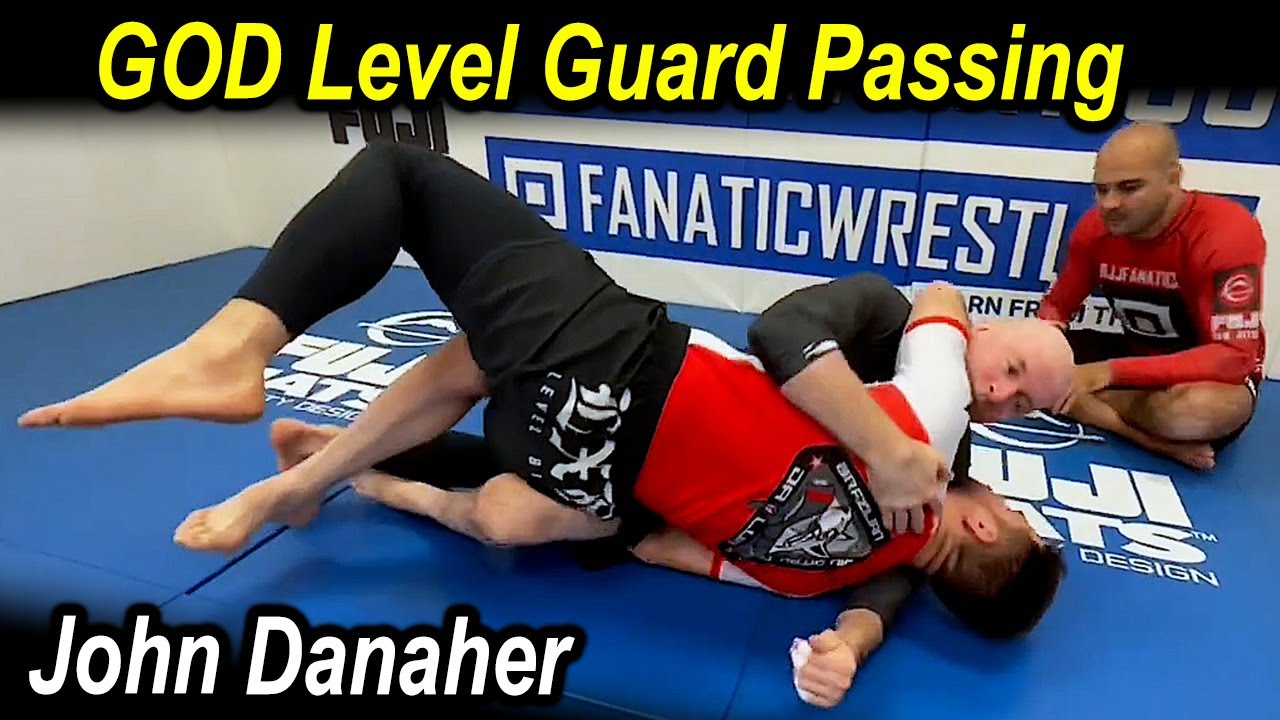
from him he'd still be amazing but he has taken that particular technique and he has uh really turned it into his technique he has evolved that technique the way he plays that particular technique is um probably the best in the world I don't know of anybody that has a better omoplata in the world than that guy and so that's an example of somebody early on finding something that they started getting good at and really honing that to a uh an incredible level John danaher talks about that he talks about how you should develop one thing
that your opponents fear more than anything else and eventually you can add more things to that but you need to start with one thing that you're absolutely deadly at now that was never my mentality coming up through Jiu-Jitsu I have always had an explorational nature I'm an Explorer by Nature I'm somebody that gets a little bit bored with things uh when I begin to master something I get a little bit bored with it and I'm looking for that next thing and that happens with with techniques when I look back at my Jiu-Jitsu Journey um there
are many many techniques that I did at certain periods of my journey that I don't really do anymore um and that's common as well but I can't help but think that had I stuck with some of those things and I'm not saying my game is bad I'm not saying I can't get the tap I'm not saying that I don't have things that I'm pretty pretty good at that uh I um routinely tap people out with but I've never had one thing that I'm known for people look at me and they're like oh man watch your
neck that guy's going to take it home with you and I think there would be something valuable in having that kind of um capability with one thing because when push comes to shove right in competition what did hoder Gracy revert to it was always his cross collar choke from Mount Marcelo Garcia it was the rear nak arm drag to the rear naked choke or you know eventually he added a north south choke and and some other things but you know there's uh that one thing that the top guys in the world the top competitors they
all have one thing that they are known for most of all and that's what puts the fear of the Lord into their uh opponents and I never had that I was a generalist and I think I would try to change that up and turn myself into to someone who's deadly with one thing so those are five things that I would change if I were to start Jitsu all over again uh I hope that gives you some ideas for your own training and maybe incorporate some of these ideas and uh because we're all trying to get
better and we're all trying to help each other get better and if I can be a conduit to help you then that's fantastic as well so thanks for watching and I'll talk to you next time [Music]