this is a game Cher cuz astronomers have hit the jackpot this is their dream come true a new chapter in astronomy has opened up now the Holy Grail of astronomy is to find the closest earthlike twin a doubleganger in out of space and now we've nailed it life on Proxima B has been discovered and it's unlike anything we've imagined the James web telescope has spotted something extraordinary signs of survival in a world of scorching heat and endless Darkness Proxima B just 25 light years away is a place where half the planet is always blazing hot
while the other side is eternally Frozen let us see what Mysteries this Twilight World reveals because what we found is only the beginning between scorching heat and eternal Darkness Proxima is a place that's only 30% % larger than our Earth its host star Proxima centor isn't anything like the Blazing ball of fire we see every day on this planet the year is a blink of an eye 11 days long and it's so close to its star that you could practically give Proxima sentaria high five if you were standing on Proxima B's Rocky surface just 7
million kilm separate the two that's not even 5% of the distance from Earth to our sun the result Proxima B endur extreme conditions yet there's a secret beneath its harsh surface that could change everything we know about Distant Worlds this place is what scientists call tidally locked one side of the planet always faces its star soaking up the Relentless heat while the other side is locked in Eternal Night colder than an Arctic winter it's like living on a stove one side boiling and the other side freezing it makes you wonder if anything could survive in
such a hostile environment even if liquid water might be hanging around in that tempered zone between day and night the rest of the planet forget about it and it's not just about extreme temperatures the planet has to deal with some pretty wild activity from its star Proxima centuri likes to throw Tantrums massive flares that can fry anything in their path imagine solar flares a 100 times stronger than what we get from our own Sun if you're some little microbe trying to eek out an existence good luck the radiation alone would Mak surviving a Monumental challenge
despite all this the planet still has people dreaming why Mao because it's close it's intriguing and it's different from anything we've ever known it offers a Peak at what might be possible a chance that maybe just maybe life has found a way to adapt to these brutal extremes if life exists there it would be some of the toughest most resilient stuff out there it makes us think about what life really needs to survive and what's just a luxury exploring the planet isn't just about finding life it's about understanding the wild diversity of planets that exist
in our universe not every world gets a cozy earthlike setup some places challenge the very definition of a habitable planet and the James web Space Telescope is letting us see these places like never before this world has gone from being just a blip on a star chart to a detailed world with Landscapes and possibilities we're still trying to understand the idea of getting there is still very much in the realm of Science Fiction at our current Pace using the technology we have it would take us thousands of years to reach this world but there are
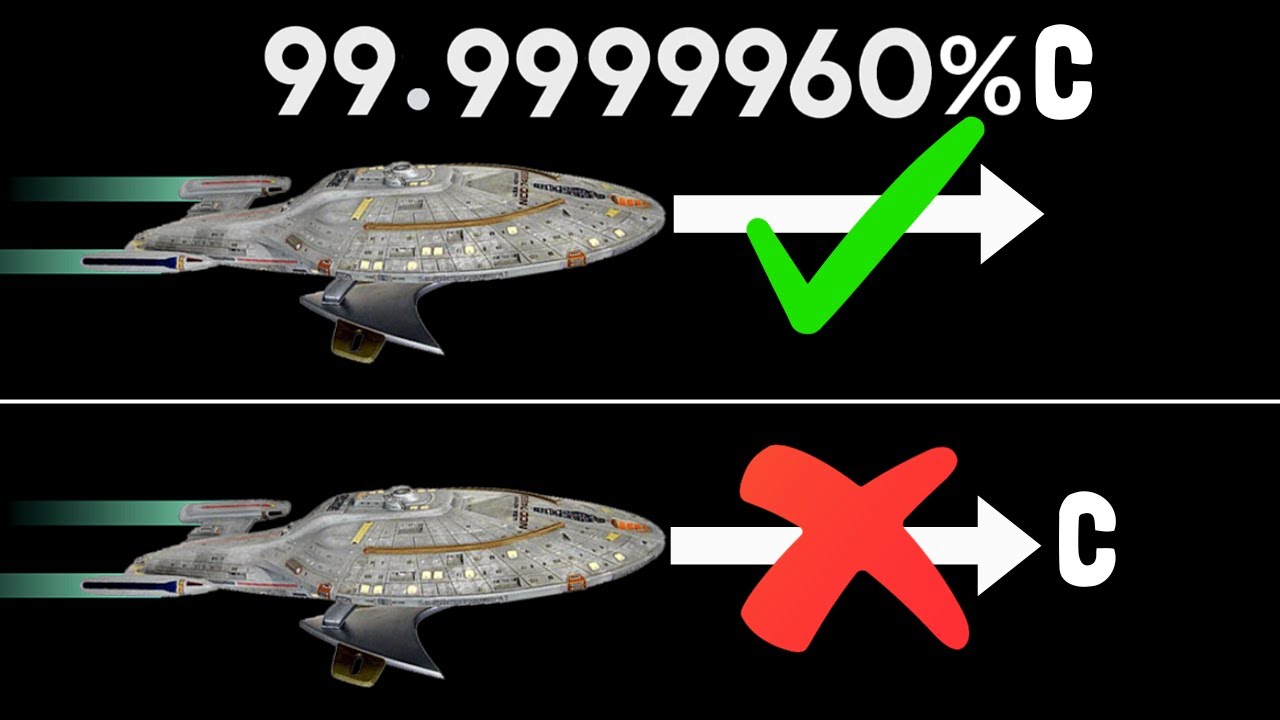
ambitious ideas on the table things like Breakthrough star shot which aims to send tiny laser propelled probes to Proxima centori in just a couple of decades imagine shooting a small probe across the stars at a fifth of the speed of light if it works we could get data back in our lifetimes a first Peak at a whole new world just beyond our solar system the dream of interstellar travel isn't just about science it's about us it's about the questions that have driven us since we first looked up at the stars and wondered if we're alone
this world might not be the perfect second Earth in fact it might be downright terrifying but it represents a new frontier a challenge a mystery and as long as there are Mysteries out there Humanity will keep searching the planet's Discovery has has given rise to both hope and questions what would it take to survive there how would humans adapt to such extremes imagine landing on the planet a place with one side perpetually scorched by the heat of Proxima centor and the other side frozen solid the narrow band between these two extremes known as the Terminator
line might be the only place where conditions are somewhat manageable this region a Twilight Zone of sorts could be where we might find any signs of life the Terminator line would be a place of Eternal dusk caught between blinding sunlight and absolute Darkness it's fascinating to consider how organisms could adapt to such a narrow strip of livable space the key to survival if life exists there would likely be adaptation beyond anything we've ever seen microbes might cling to the Terminator line taking advantage of both the Heat and the coal to survive life might burrow deep
underground to escape the worst of the radiation or develop some sort of shielding mechanism against the intense solar flares these are just speculations of course but they highlight the extraordinary adaptability that life might need to survive even if we never find life there this planet is still an invaluable piece of the cosmic puzzle it helps us understand the limits of habitability what makes a planet livable is it just the presence of water or is it something more this world challenges us to expand our definition of what a habitable world can be it forces us to
think about environments that are radically different from our own and how life might Thrive there despite the odds Proxima B may be extreme but there's still hope for life let's see why this distant world has us intrigued a glimmer of hope for alien life Proxima Cent's habitable zone is much closer to the star than the Sun's habitable zone is to our sun this means that the planet despite being so close to its star is in a position where liquid water could theoretically exist it's a precarious balance close enough to get the warmth needed for liquid
water but not so close that the planet is completely scorched this balance is part of what makes it so intriguing it's a planet that seems to Teeter on the edge of the habitability and that makes it an exciting Target for study the data collected by the James web Space Telescope could also help us learn more about the surface conditions is there liquid water are there signs of complex chemistry that might indicate the presence of life these are the kinds of questions that scientists are eager to answer even if the answers are no that doesn't mean
this world isn't worth studying every piece of information We Gather about this planet helps us refine our understanding of how planets form and evolve and what makes a world suitable for Life the potential for life isn't just about microbes clinging to a narrow band of Twilight it's also about the resilience of life itself Life as we know it has a way of adapting to extreme environments on Earth we found organisms living in boiling hot springs in the Frozen depths of Antarctica and even in the radioactive ruins of Chernobyl if life can adapt to those extremes
who's to say it couldn't find a way to survive on this distant planet the challenges are immense from the vast distance to the extreme conditions on the planet itself but that hasn't stopped people from dreaming projects like Breakthrough starshot are EXP exping of ways to make Interstellar travel a reality the idea is to use powerful lasers to propel tiny probes to a significant fraction of the speed of light allowing them to reach Proxima centuri in just a few decades these probes would be able to take pictures gather data and send it back to Earth giving
us our first close-up look at an exoplanet in another star system if breakthrough star shot or a similar project succeeds it would be a Monumental achievement for the first time we would be able to explore another star system not just with telescopes but with actual spacecraft the data we could gather could change our understanding of the universe and our place in it even if we don't find life the mere Act of exploring another world is a testament to human curiosity and Ingenuity the journey to this distant world is still a long way off but the
steps we're taking now are laying the groundwork for future exploration the James web Space Telescope is giving us a clearer picture of what's out there and projects like Breakthrough starshot that are pushing the boundaries of what's possible it's an exciting time for space exploration and this planet is at the Forefront of that excitement this planet is more than just a distant place it's a symbol of our desire to explore to understand and to push the limits of what we know it's a reminder that there is still so much out there to discover and that the
universe is full of surprises whether we ever find life or not the Journey of exploration is worth it it's a journey that takes us beyond our own world and into the vast Uncharted expanse of the cosmos as we learn more about it we may find answers to some of our biggest questions or we may find even more Mysteries to solve either way it has captured our imagination and it will continue to inspire us as we look to the stars and dream of what might be out there life on this distant world might be a long
shot but the quest to find out is one of the most exciting and of our time it challenges us to think beyond our own planet to consider the possibilities of life in the universe and to push the boundaries of our technology and our understanding this world may be a harsh unforgiving place but it's also a Beacon of Hope a sign that there is still so much more to explore and that the Universe went far bigger stranger and more wonderful than we can imagine in between these two extremes there's this narrow strip called the terminat Ator
Zone where the light and dark meet in a constant Twilight that's the spot everyone's talking about where things might not be too hot or too cold where conditions might just be right for something to live the idea that life could be hanging out in this narrow Twilight band is fascinating if not a bit strange this isn't some Lush rainforest or endless ocean it's a thin strip a literal line where temperatures might be mild enough for liquid water to exist imagine life squeezed into this Borderland with the blazing sun on one side and the pitch black
cold on the other the thought alone is both exciting and kind of terrifying but before we get too carried away dreaming about little green aliens thriving in the Twilight let's take a hard look at what this world is really dealing with for starters its star Proxima centuri is no gentle giant it's a red dwarf which means it's much cooler and smaller than our son but that does mean it's calm this star is known for its intense temper throwing out powerful flares of radiation that make it anything but welcoming these Stellar flares could easily strip a
planet of its atmosphere or bombard its surface with enough radiation to make life nearly impossible so any potential life hanging around the Twilight Zone would need to be incredibly resilient we're talking survive a nuclear disaster though the narrow Twilight Zone on Proxima B might hold the key to surv survival could life exist in this thin strip of balance Proxima bees Terminator own Mystery microbes can survive in radioactive zones and bizarre creatures thrive in the deep ocean where sunlight never reaches maybe just maybe this distant world could host similar extremophiles organisms that laugh in the face
of extreme conditions who knows life if it exists could be something wildly different from anything we know adapting to an alien chemistry that doesn't play by our familiar rules to figure out if this bizarre world could actually host life scientists are pointing their hopes in telescopes at it when this planet passes in front of a star some of the light filters through the atmosphere if it even has one that's the moment to catch some clues about what chemicals are present is there oxygen methane water vapor these are the kinds of things that might point to
life or at least give us a reason to dig deeper but again detecting these elements wouldn't be a guarantee that anything's alive out there just an intriguing hint Beyond telescopes there are even more ambitious plans on the table if everything goes perfectly we could get an up close view of this world within a few decades the thought of seeing actual images of that Twilight strip of figuring out if there's something there clinging to life between the extremes is just mind-blowing the whole situation isn't just about finding out whether we're alone in the universe though that's
certainly a big part of it it's also making us rethink what it means for a planet to be habitable for a long time scientists assumed life needed earthlike conditions a stable temperature lots of liquid water and a friendly atmosphere this world is challenging all of that this isn't some comfortable Earth 2.0 it's a planet that's half burning half freezing with a star that's ready to lash out at any moment if life can exist there even in a thin band of Twilight it means we need to broaden our idea of what's possible maybe planets we've written
off before because they seem too harsh deserve a second look the James web Space Telescope is only just getting started and it's going to take a lot more observation to even get a sense of whether this planet could support life and even if we find signs of a potentially habitable environment that's still not proof we'd need to detect something really specific like un istable markers of biological activity to confidently say there might be life there the road ahead is long but every small Discovery gets us closer this distant planet story is as much about us
as it is about the planet itself it's a story of curiosity of pushing boundaries and of refusing to settle for easy answers the fact that we're even considering the possibility of life on a planet this extreme speaks to the resilience of life itself and our own determination to understand the universe maybe this world is teeming with hearty little microbes in that Twilight Zone or maybe it's a desolate world with nothing but Rock and Ice either way the journey to figure it out is teaching us something about the universe's potential and about our own capacity to
explore the unknown as we keep peering through our telescopes sending out probes and dreaming of the Stars this world stands as a reminder of just how much we've yet to learn it's a planet of contradictions burning and freezing light and dark but within those contradictions lies a mystery that's worth unraveling whether we find life or not the quest itself is expanding our understanding of what it means to be part of this vast strange Cosmos and maybe just maybe one day we'll know if something's out there clinging to that narrow Twilight Edge proving once again that
life in all its forms can be far stranger and more adaptable than we ever imagined the possibility that this harsh dual-facing it here on Earth from bacteria thriving in acidic Hot Springs to creatures surviving miles beneath the ocean surface this distant World takes this concept and magnifies it a thousand times over the Terminator Zone that slim region between blazing daylight and freezing night is where hope lies it's not a lush green land or a picturesque Oasis but it could be a sanctuary an area of delicate balance where water might flow and life might hold on
if life exists there it would be a story of resilience unlike anything we've ever known it would be a life that defies our expectations showing us that nature is capable of much more than we've imagined and if this planet turns out to be Barren devoid of even the tiniest microbes it's still won't be a wasted effort we'll learn about the limits of habitability the challenges that worlds like this face and what it really takes for life to take root and flourish this knowledge will help us refine our search for other habitable planets teaching us where
to look and what to expect the Terminator zone of this distant world could also give us a glimpse of what future human colonization might look like imagine trying to establish a colony on a world where only a narrow strip is habitable it would require engineering on a level we've never attempted with Technologies designed to protect against radiation Harvest resources and create sustainable living conditions in an environment that is constantly on the brink this could be Humanity's greatest challenge learning not just to survive but to thrive in an alien world the study of this planet is
going to teach us a lot about what it means to be alive and what it takes to survive whether we find a th thriving ecosystem or a Barren Rock the Lessons Learned will be invaluable this world will push the boundaries of science challenge our preconceptions and if we're lucky maybe even show us that we're not alone in the universe the excitement around this world is not just about scientific discovery it's about inspiration it's about daring to ask big questions and setting out to find the answers no matter how difficult they may be to uncover the
more we learn the more more we realize just how resilient life can be whether it's hiding in a Twilight strip on a far off planet or thriving in the depths of Earth's oceans life is tenacious and that gives us hope hope that even in the harshest places something extraordinary might be waiting to be discovered could life survive in Proxima be's Twilight Zone balancing between scorching heat and icy Darkness let me know your thoughts below don't forget to like And subscribe for more