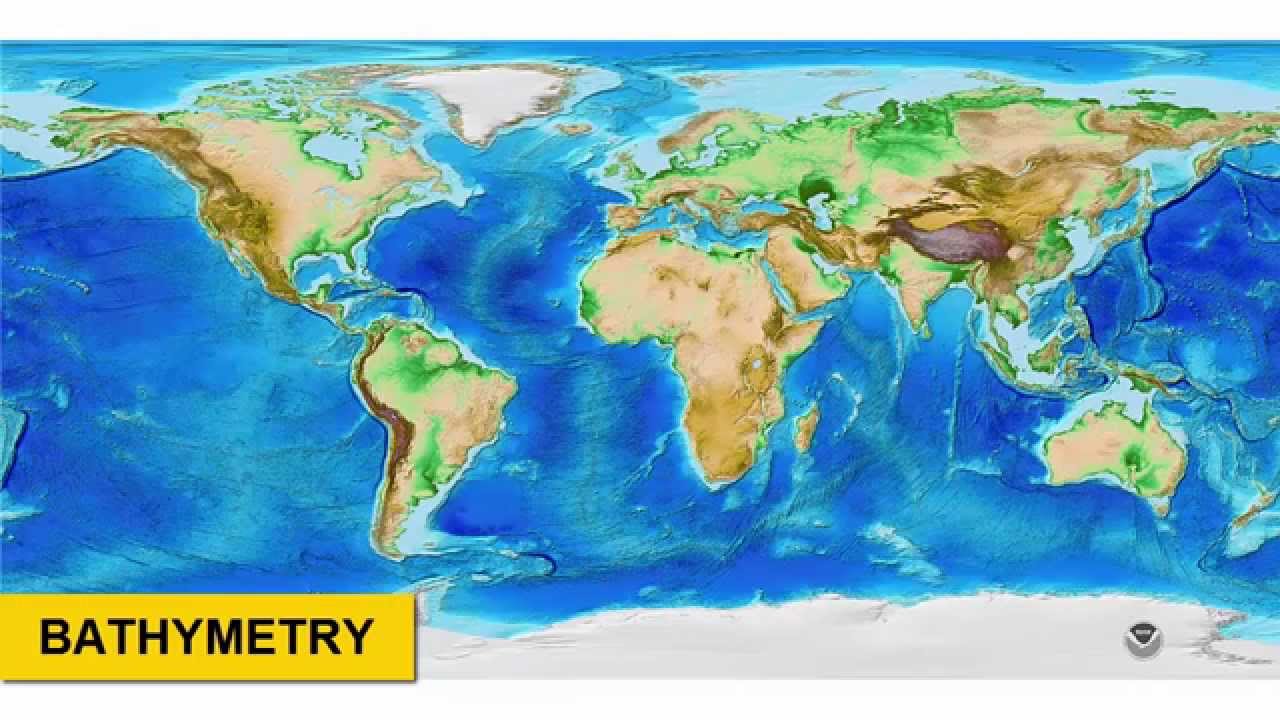
ocean floor features when you imagine the ocean floor what does it look like you may be surprised to learn that the bottom of the ocean is a dynamic place with higher mountains and deeper valleys than any found on land it is a mysterious place too some parts of the ocean never receive sunlight and the pressure of the water is greater than several jumbo Jets on top of your body with such hostile conditions how do scientists even know what the ocean floor is like in some ways gathering information about the ocean floor is similar to learning
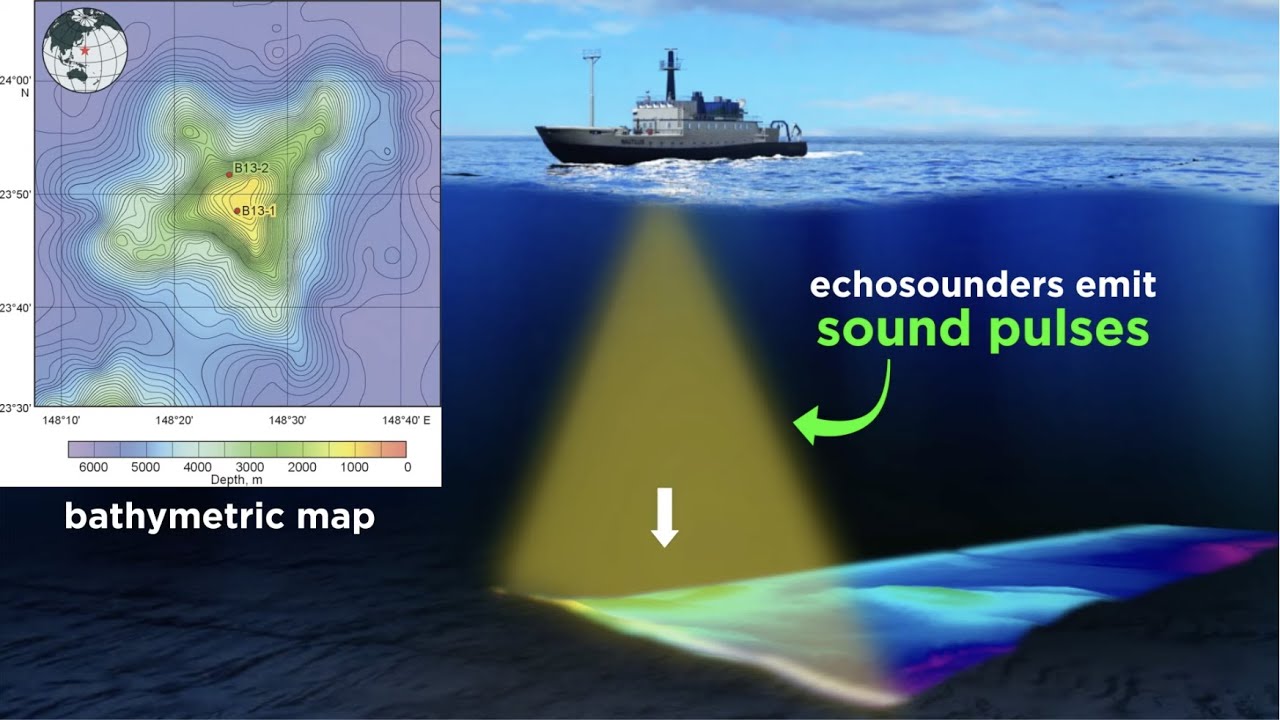
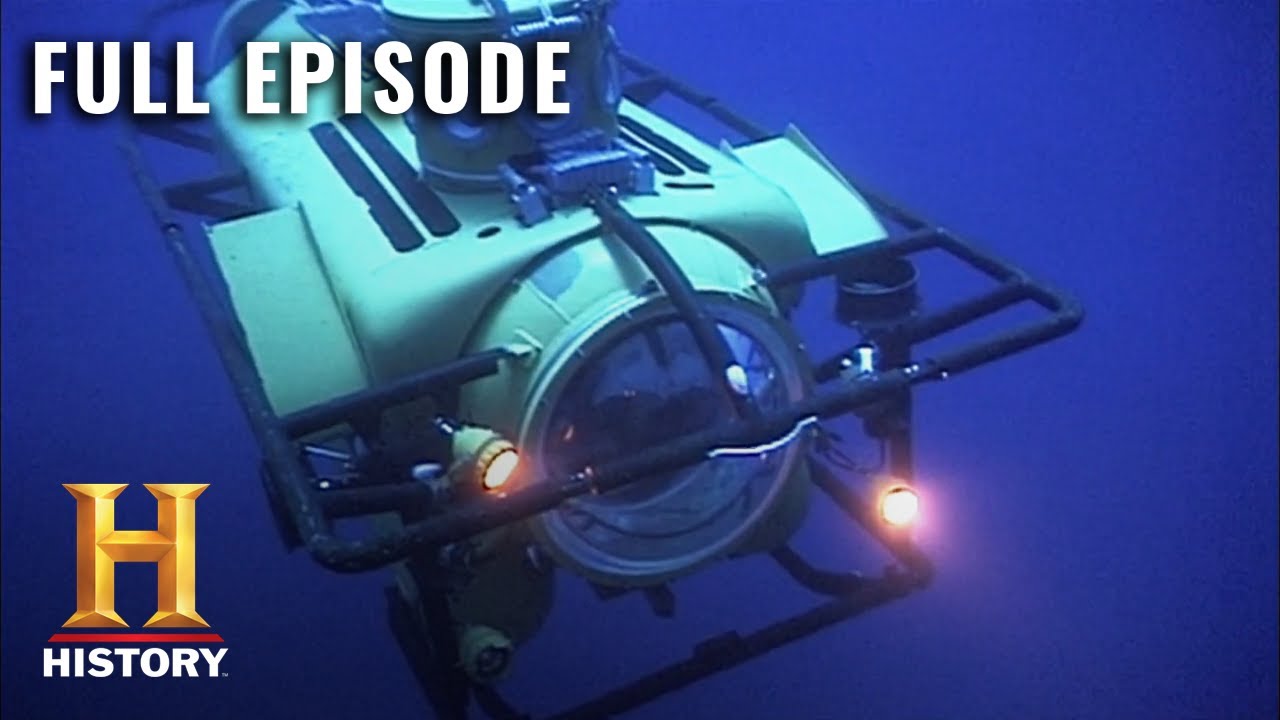
about space sometimes people can travel to the ocean floor in vessels specialized to protect them from the pressure and cold just like space however many missions are unmanned scientists can indirectly determine information of about the ocean floor just like how they use radio and infrared telescopes to observe the sky one method of indirectly collecting data about the ocean floor involves using sound waves by reflecting sound off the bottom of the ocean scientists can map the topography or shape of the ocean floor if sound waves are sent deeper into the ocean floor scientists can even learn
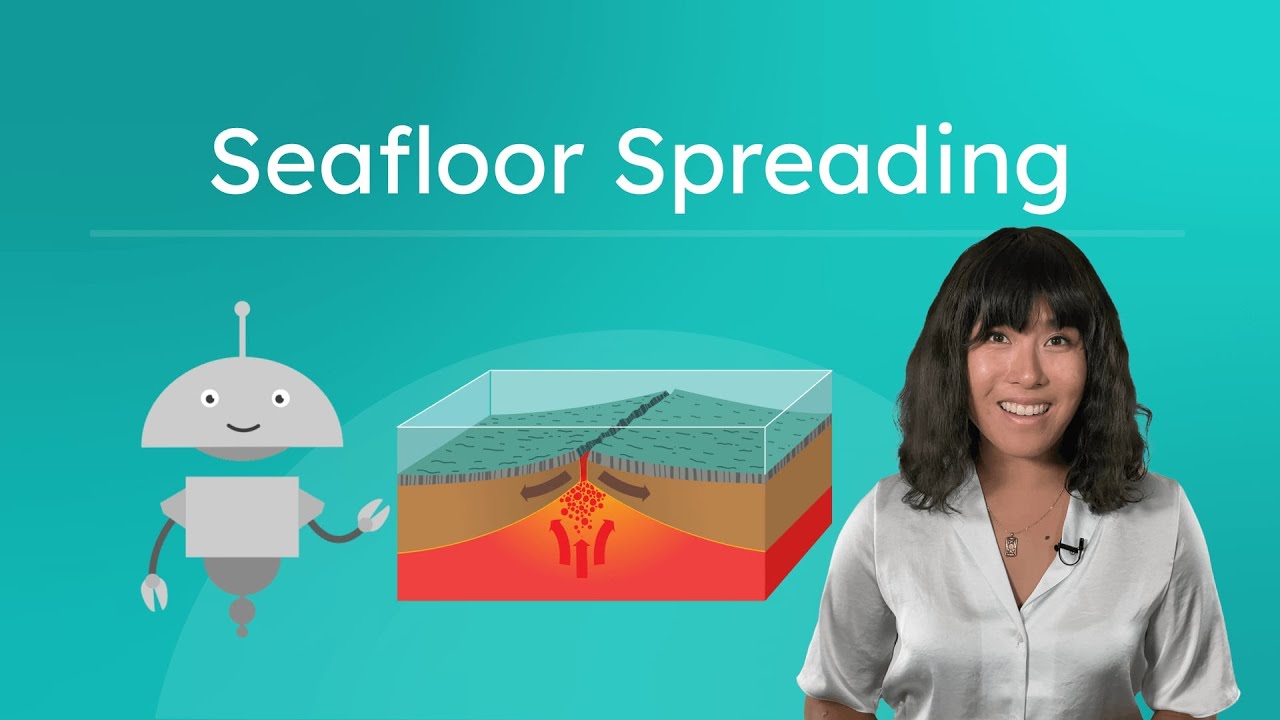
about its composition plate tectonics work to continuously change the Topography of the ocean just like the plate movement below land masses the changes may be slow but they are responsible for the mountains and trenches that comprise the dramatic landscape deep under the water earthquakes may even happen underwater resulting in a giant wave called a tsunami divergent boundaries are one example of how plates move in relation to one another when two ocean plates move away from one another at a divergent plate boundary magma rises up to create a ridge the Deep crack created in the center
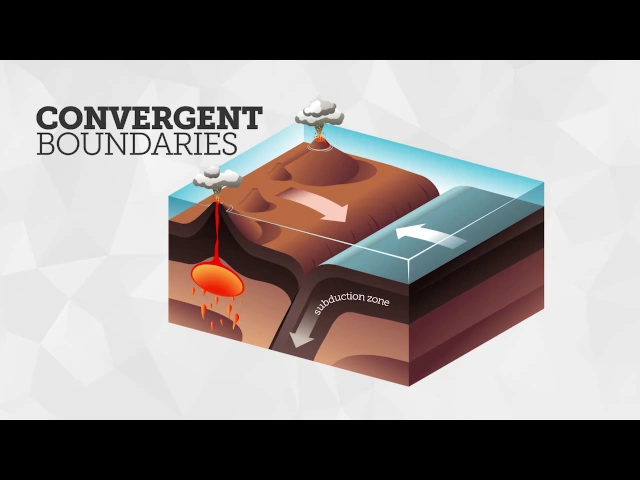
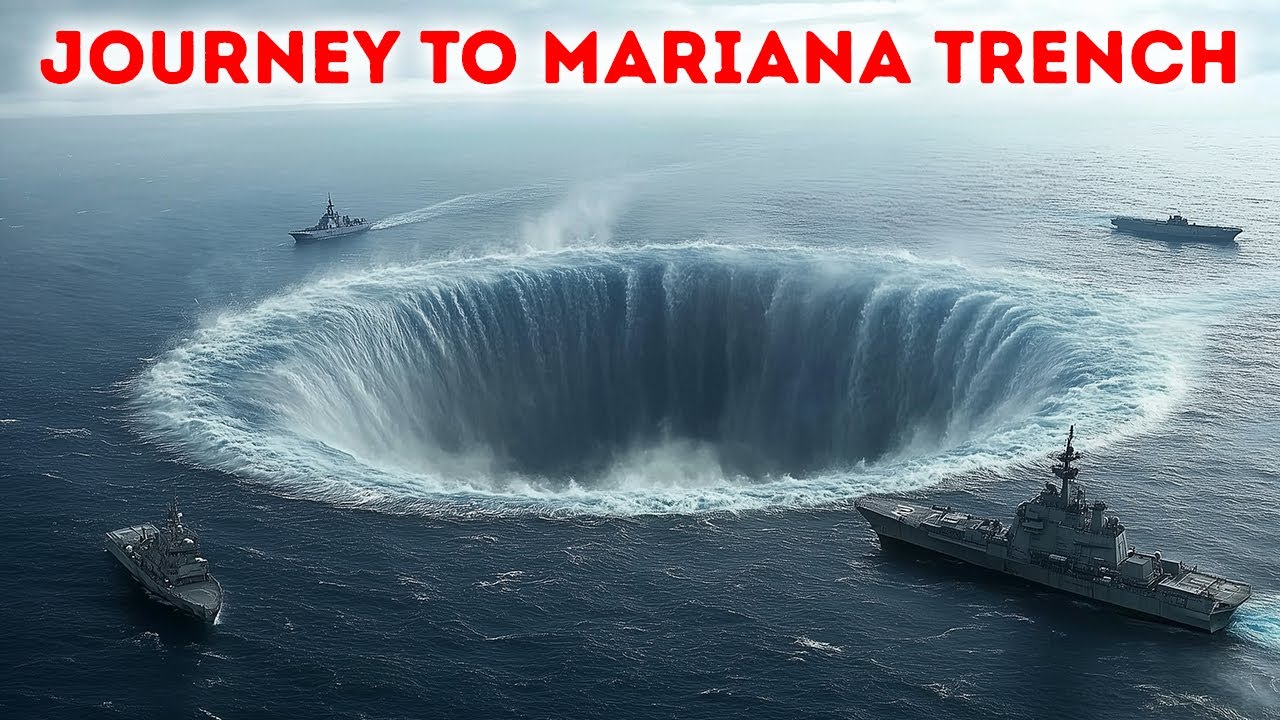
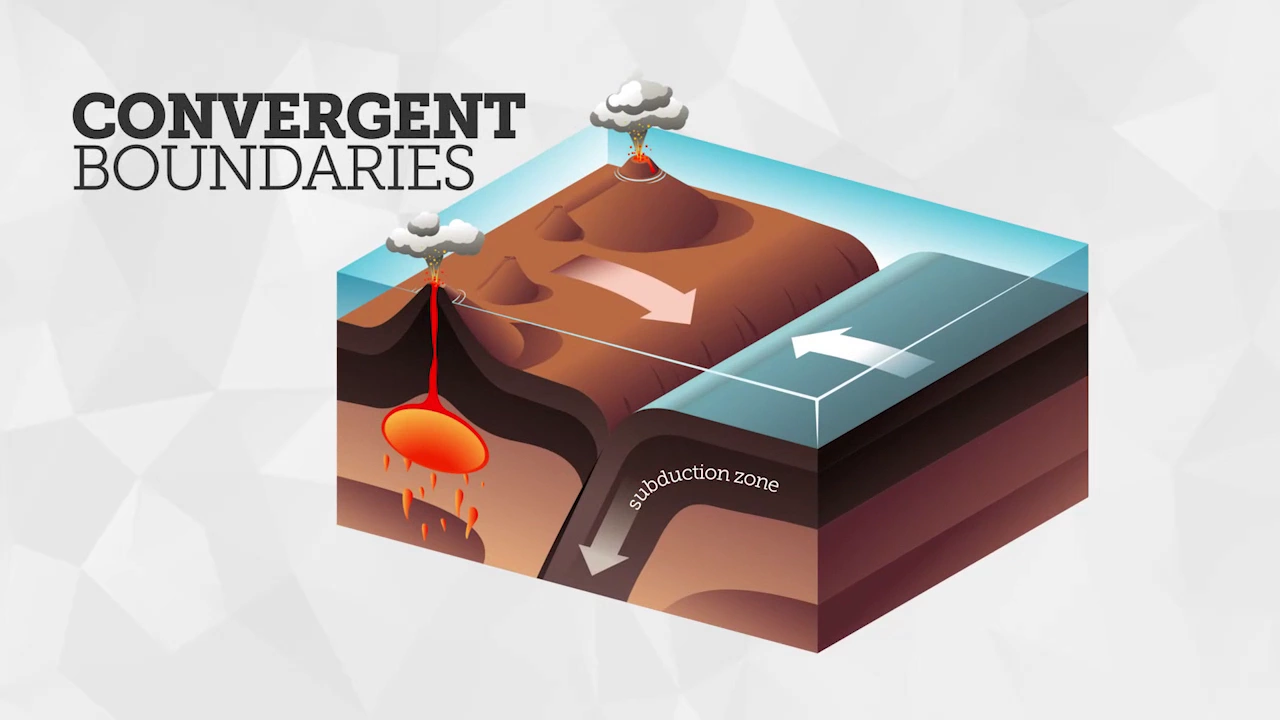
of the ridge is called a rift valley a deep trench is formed where an oceanic plate moves under a continental plate at a subduction zone at more than 10,800 M the Mariana Trench is about 2 km deeper than the height of Mount Everest volcanoes also form at subduction zones when the plate that is pushed downward melts the magma may rise up to the surface volcanoes may also form away from plate boundaries at hot spots hot spots are locations where magma rises up through a crack in the crust and reaches the surface initially this forms an
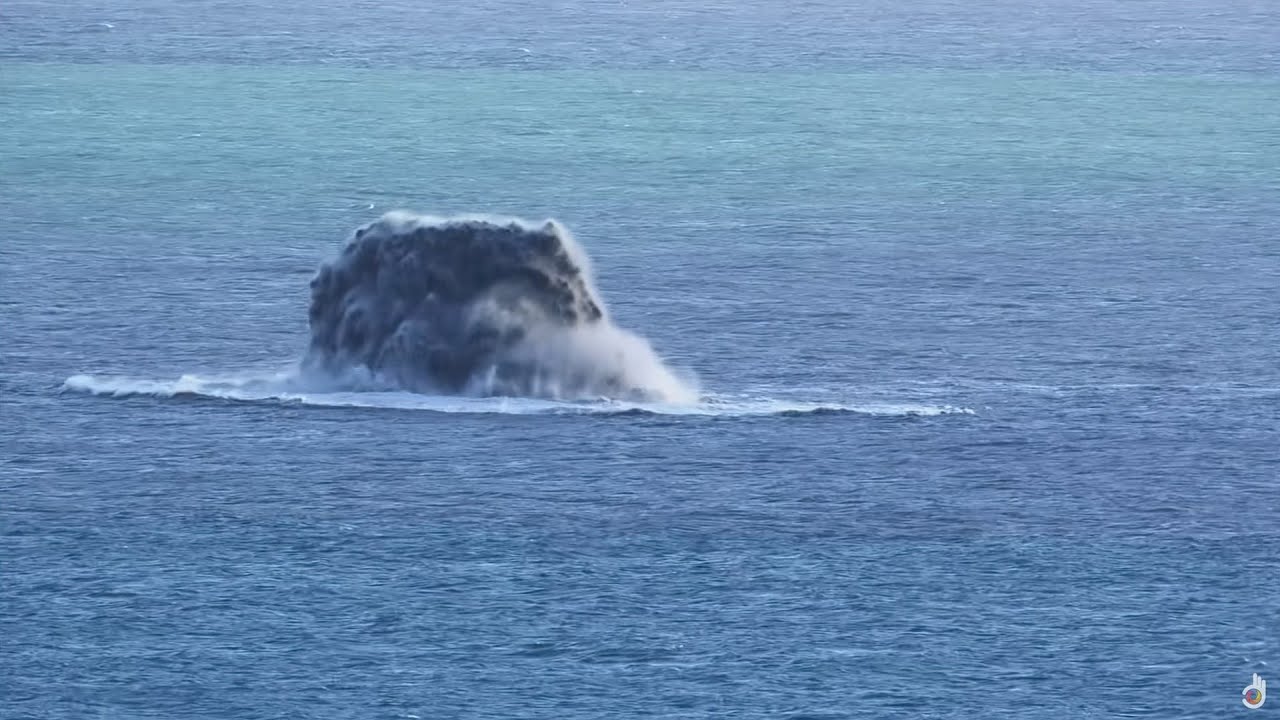
underwater mountain called a sea mount the Hawaiian island ISS are an example of a series of volcanoes that formed over a hot spot and became large enough to reach above the surface of the water some volcanoes May evolve into a goo over time Goos are unique because of their flattened tops these structures start as sea mounts but after their tops reach the surface of the ocean they are eroded away this erosion gives guos their characteristic appearance so far you have learned about some of the features that result from the actions of plate tectonics but what
about the regions of the ocean where not as much happens let's start by going for a swim the portion of the continent that is underwater is called the continental shelf when you Wade out into the ocean you are standing on the continental shelf at the edge of the continental shelf a sudden increase occurs occurs in the depth this marks the beginning of the continental slope once the rate of descent decreases again the continental rise begins although the name might seem to imply it the ocean does not become shallower here but it does not become deeper
as quickly either finally at the end of the continental rise is the Abyssal plane this large flat region is the site of sediment buildup and extends to the underwater Ridge or a volcano although most of us will only see a small portion of the ocean it is a fascinating place with many Mysteries still awaiting to be [Music] discovered