the Amish often misunderstood as complete technology resistors actually have a fascinating relationship with electricity that might surprise you while many assume they reject all forms of electricity the reality is far more nuanced and frankly ingenious they've developed creative ways to harness energy that would make any modern environmentalist Green With Envy the Amish approach to power is a perfect blend of tradition and Innovation what's even more interesting these Solutions might just hold the key to modern-day energy independence without requiring you to give up your favorite Netflix shows let's dive into how these Master innovators keep the
lights on while staying true to their values let me bust a common myth right off the bat if you think the Amish completely reject electricity you might want to sit down for this one during my visits to various Amish communities and trust me I've had my fair share of amazing homemade pies while doing this research I've discovered that their relationship with electricity is more like a careful compromise than an outright ban it's kind of like how my grandmother claims she hates technology but somehow manages to FaceTime me every day there's always more to the story
what the Amish can and can't use isn't set in stone across all communities each district that's what they call their local Community has its own ordinant fancy German word for their set of rules each community on his own decides which forms of power align with their values and let me tell you these rules can vary more than you might think the real decision makers are the community Bishops and Elders who meet regularly to discuss these matters they're like the world's most interesting politicians except instead of arguing all the time they're determining whether a specific type
of battery storage might make their Community too dependent on the outside world their discussions can last for hours sometimes even days as they carefully weigh the benefits and potential drawbacks of each technology what's absolutely off limits anything that connects them directly to the outside world's power grid it's not because they think the power lines are evil they're just trying to avoid the temptation of easy access to all the distractions that come with unlimited electricity no endless Tick Tock scrolling for them but here's where it gets interesting they' found incredibly creative ways to power their Necessities
without compromising their values it's like they're playing a realife version of that survival video game my nephew is obsessed with except they're actually winning at it during one particularly memorable visit an Amish farmer showed me his Workshop setup and I have to admit it was more sophisticated than my own garage they've mastered the art of using alternative power sources that keep them self-sufficient while maintaining their Community focused way of life the Ingenuity I witnessed would make any engineering student's jaw drop we're talking about systems that have been refined over generations to be both efficient and
aligned with their values what really gets me is how different communities have adapted these rules to their specific needs take Lancaster County for instance some communities there have found ways to power small Refrigeration units for their Dairy operations without breaking their principles meanwhile in homes County Ohio you might find slightly different interpretations that allow for specific types of battery operated equipment in their workshops it's like each Community has created their own unique recipe for balancing tradition with practicality and somehow they've all managed to make it work the story of solar power in Amish communities starts
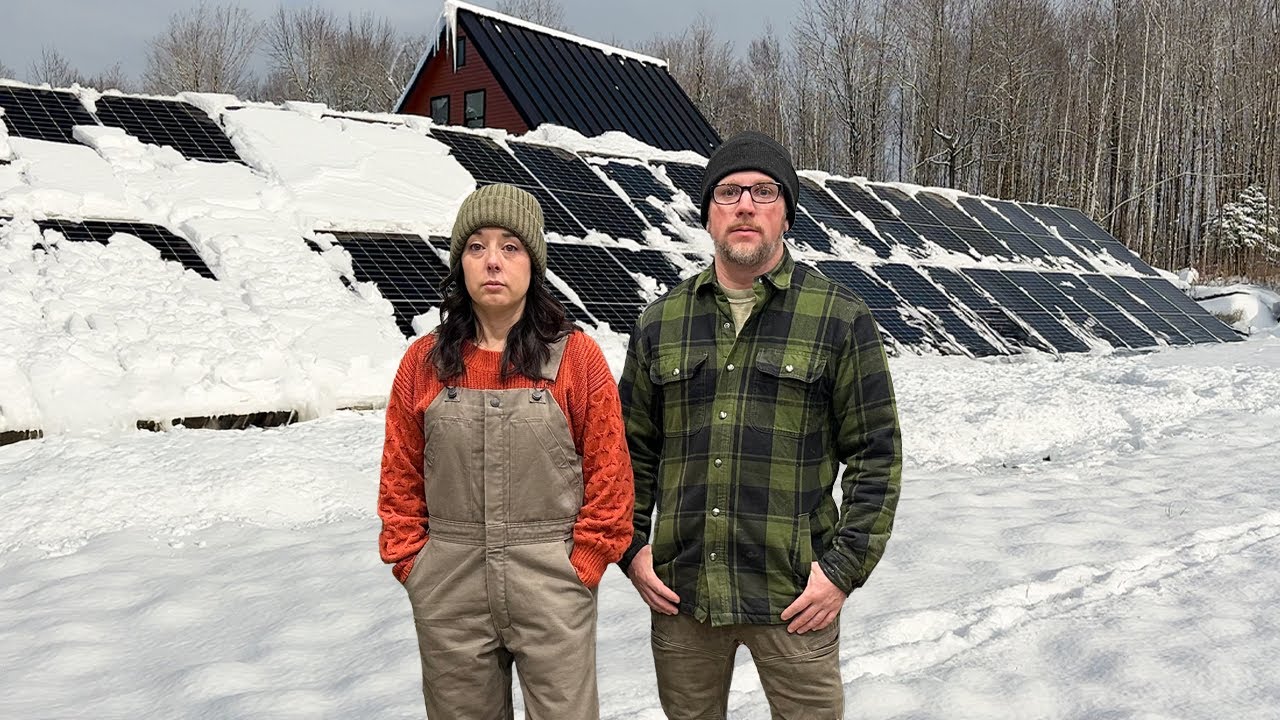
back in the 1970s which might seem surprisingly early around the same time disco was taking over some forward-thinking Amish were quietly revolutionizing their energy use the first documented cases came from Lancaster County Pennsylvania where a few brave souls decided to experiment with these newfangled Sun catching panels I remember an elderly Amish gentleman telling me with a twinkle in his eye we weren't trying to be revolutionary we just needed a better way to keep our milk cold this early adoption wasn't just about keeping up with the times it was a carefully considered response to changing economic
pressures and the need to maintain their independence these days you'll find so solar panels in Amish communities across Pennsylvania Ohio and Indiana though they're not always obvious at first glance each Community has put its own spin on the rules kind of like how every family has their own secret recipe for shule pie in holes County Ohio for instance some communities allow solar panels for powering Workshop Tools but draw the line at using them for entertainment devices meanwhile in Lancaster County you might find solar powered Refrigeration units humming away behind barns keeping dairy products fresh the
diversity of approaches reflects the Amish understanding that one size doesn't fit all when it comes to balancing tradition with practicality some communities allow only small panels that power specific tools or equipment While others have embraced larger systems for multiple uses the key factor whether the technology strengthens or weakens Community bonds one Amish Bishop explained it to me this way if a tool helps us work together and maintain our way of life it's worth considering if it isolates us from each other that's where we draw the line this philosophy has led to some fascinating adaptations like
communal charging stations where families can power up their essential equipment while catching up with Neighbors in most communities solar panels have to meet specific criteria that would make a building inspector's head spin they can't be visible from the road no solar panel fashion statements here they can't be connected to the grid Independence is key and they typically need to serve a practical purpose rather than just convenience some communities have even developed their own unique guidelines like one District that only allows solar panels that can be installed and maintained by community members themselves this DIY approach
has led to an impressive level of expertise Within These communities with some members becoming surprisingly skilled solar technicians the only product we'll ever promote on our channel is a book by Claude Davis a veteran prepper about 126 superfoods and preservation methods from crisis times like the Great Depression and wartime that are impossible to find elsewhere we decided to promote his book because we are the last generation able to share these techniques and superfoods to our children or grandchildren it would be a shame to see this information about highly nutritious foods and preservation methods to survive
crises disappear you can also find a book about Herbal Remedies from Nicole aelan on their store if you're watching this on TV you can look up our Channel Frugal Solutions on your phone or tablet and find the books by clicking the link in our Channel description or any other video description the fascinating part is how each district has found its own sweet spot when it comes to solar adoption some communities have become so proficient that they're actually helping their English non-amish neighbors understand sustainable energy better and speaking of understanding standing systems better wait until you
hear about how they actually Implement these setups the placement of solar panels in Amish communities is a master class in Practical engineering most families opt for ground-mounted systems rather than roof installations makes sense when you think about it as climbing up on roofs to clean panels isn't anyone's idea of a good time they typically position their arrays on the south side of buildings angled just right to catch the maximum amount of sunlight one farmer showed me how they used a simple stick Shadow method to find the perfect angle when it comes to power generation an
average Amish family solar setup is more modest than what you might see on a typical English home but don't let that fool you these systems are remarkably efficient a typical setup might include four to six panels generating around 1.5 to 2 Kow of power that might not sound like a lot but it's more than enough to run essential equipment and even power a small Workshop as one woodworker put it we don't need enough power to light up Time Square just enough to run a saw and keep the butter from melting what's particularly clever is how
they've adapted regular tools to run on their solar systems I saw one Workshop where they'd modified standard power tools to run on DC power creating a setup that was both efficient and practical the modifications were so well done that I initially couldn't tell they weren't standard equipment when I commented on this the Craftsman just smiled smiled and said necessity is the mother of invention but Simplicity is its favorite ant this practical approach to solar power isn't just about keeping the lights on it's about maintaining Independence while embracing useful technology and the best part these systems
are surprisingly adaptable one family showed me how they gradually expanded their setup over 5 years adding capacity as their needs grew and their understanding of the technology deepened speaking of adapting and growing systems wait until you hear about how you can apply these same principles to your own home having spent countless hours studying their setups I've distilled their wisdom into a practical guide that won't require giving up your Wi-Fi unless you really want to first things first location location location this actually requires some planning for a basic setup similar to what many Amish families use
you'll need about 400 ft of south facing space that's roughly the size of a two-car garage now let's talk money everyone's favorite topic except maybe at family dinners a basic Amish style solar setup will set you back between $3,000 and $5,000 that might sound like a lot but remember it's less than what some people spend on their coffee habit over a few years the basic shopping list looks something like this four to six solar panels This generates 400 to 600 watts total at 1,200 to 1,8 $800 total a basic charge controller at $200 to $300
deep cycle batteries at $800 to $1,200 an inverter optional but useful unless you're going full Amish at $400 to $600 and mounting hardware and wiring at $400 to $600 the installation process is straightforward enough that even I managed it without any major disasters start with the mounting system which in Amish communities is often a simple ground mounted frame made from treated lumber or metal poles next come the panels then the wiring runs to your charge controller and Battery Bank the whole setup can be done in a weekend though I'd recommend setting aside to you know
in case you accidentally wire your doorbell to your garage door opener one trick I learned from an Amish Craftsman start small and expand as needed begin with enough power for essential items maybe your refrigerator and a few lights this approach not only spreads out the cost but also helps you understand your system better as he put it you wouldn't buy a horse before learning to ride would you the real beauty of this approach is its Simplicity no complex grid tie systems no massive arrays of panels just straightforward power generation that you can understand and maintain
yourself but if you're wondering about storing all that solar goodness for a rainy day well that's where things get really interesting speaking speaking of rainy days modern Amish communities have gotten pretty clever with their battery storage systems and no they're not using leftover Tesla batteries from abandoned electric buggies most Amish families opt for deep cycle Le acid batteries though some Progressive communities have started experimenting with lithium iron phosphate life po4 batteries a typical setup includes four to eight batteries connected in series storing between 4 and 8 kwatt hours of electricity enough juice to run essential
appliances through several cloudy days the cost breakdown is straightforward a basic battery storage system runs between $2,000 and $4,000 here's the shopping list four deep cycle batteries at $400 each $1,600 total a battery monitor $300 smart charging system $500 cables and connection Hardware $200 and a ventilated housing unit $400 the save savings are impressive an average family using this setup can cut their electricity bills by 50 to 70% saving about $1,800 annually most families start small with just enough storage for critical needs about 2 kwatt hours then expand gradually maintenance is simple monthly battery water
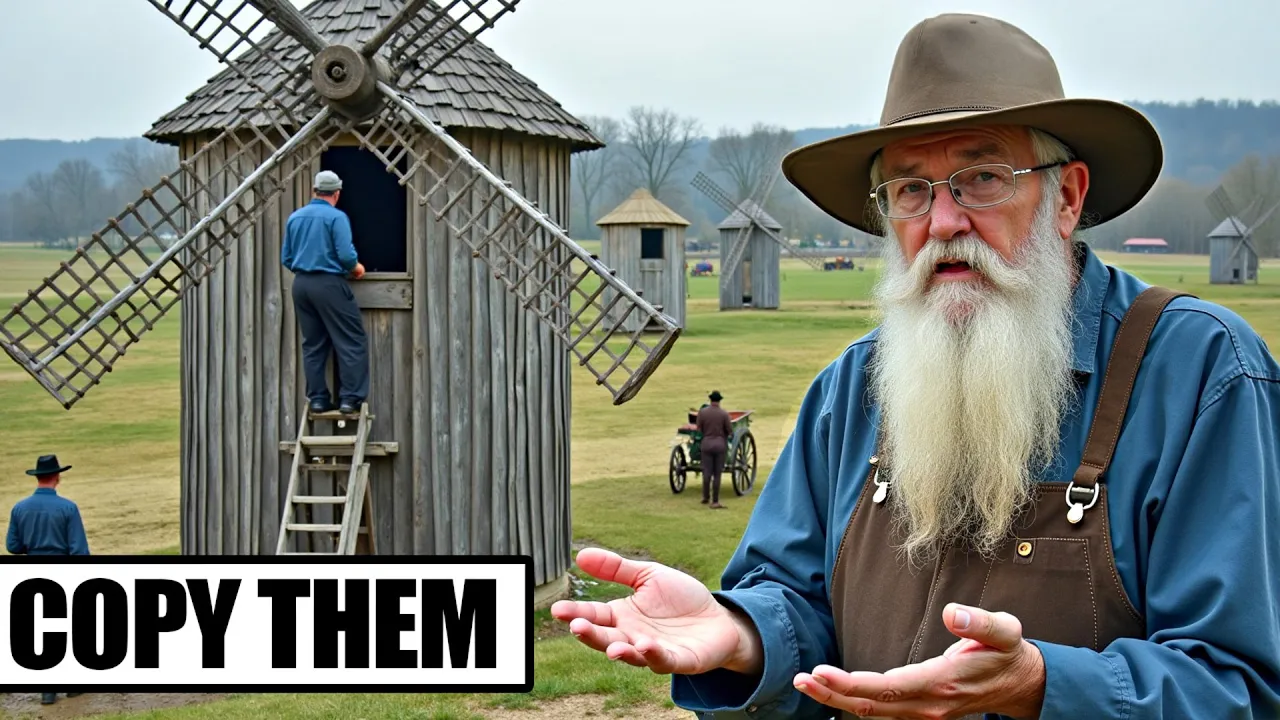
level checks for lead acid types quarterly terminal cleaning and daily voltage monitoring some communities have even turned battery storage into into a communal resource with multiple families sharing larger battery banks for their combined Workshop needs they work out usage schedules that keep everyone powered up while maintaining their Community bonds but if you think that's impressive wait until you hear about how some Amish groups are literally harnessing the wind those spinning blades you might spot behind an Amish farm aren't just for show they're part of a wind energy tradition that dates back to the 1980s today
wind power has caught on in Amish communities across the windier parts of the Midwest particularly in Indiana and Michigan unlike solar panels which took some convincing for more conservative communities to accept wind energy got a warmer welcome As One Elder explained to me wind is a gift from God that's been turning Mills since Biblical times can't argue with that logic the rules around wind energy in Amish communities reflect their practical approach to technology most districts allow wind turbines as long as they're used for specific purposes usually to power workshops or farm equipment the height restrictions
vary by Community but most keep their turbines under 40 ft tall about the height of a good-sized barn one Bishop put it perfectly we want to catch the wind not try to reach heaven the fascinating part is how these rules align with core Amish values wind power fits their belief in self-sufficiency perfectly you can't get much more independent than harvesting your own Own Wind plus unlike solar panels that need to be manufactured in high-tech facilities many components of simple wind turbines can be fabricated right in Amish workshops I watched one family's teenage Sons build most
of their turbine themselves though the father admitted the electrical components came from English suppliers Community acceptance varies interestingly by region in Northern Indiana you'll find wind turbines proudly spinning away in plain sight while some Pennsylvania communities prefer to tuck them behind barns or tree lines an Amish farmer in Michigan told me they initially worried the turbines might attract too much attention from tourists but as he joked turns out people are too busy taking pictures of our buggies to notice what's powering our milk coolers the rules themselves are refreshingly sensible turbines must serve a practical purpose
can't be connected to the grid and shouldn't be so tall they distract from The community's Humble appearance some districts have added their own unique twists like one community that requires wind turbines to be shut down during Sunday services or another that insists on using only black or white paint for the towers but speaking of those Towers wait until you hear about how they actually set these things up the art of installing an Amish wind turbine is a bit like orchestrating a barn raising minus the barn but with all the community Spirit these setups are remarkably
clever and after seeing dozens of installations I can tell you they've perfected A system that would make any engineer smile a typical Amish wind turbine stands around 30 to 40 ft tall generating between 2 and 5 Kow of power enough to run a decent sized woodworking shop or keep a small Dairy operation humming the cost runs between $4,000 and $7,000 for a complete setup here's what goes into it the turbine itself $2,000 to $3,000 Tower and mounting hardware $1,500 charge controller and inverter system $800 battery for storage $1,000 and miscellaneous wiring and controls $500 installation
is where things get interesting most communities opt for tilt up Towers which means you can maintain the turbine without channeling your inner tight RPP Walker the tower base gets secured in concrete about 4 ft deep while guy wires provide extra stability one family I visited had marked their guywire locations using old buggy Wheels practical and decorative though they swear it was n intentional the power output is pretty impressive when you break it down in a decent wind area averaging 12 mph a typical Amish turbine produces around 300 kwatt hours per month as one farmer put
it that's enough to run every tool in my workshop plus keep the ice cream frozen priorities you understand the best part most families recover their investment within four to 6 years through Energy savings want to follow their lead start by checking your local wind speeds you'll want an average average of at least 10 mph to make it worthwhile A good rule of thumb from an Amish installer if your washing isn't drying on the line a wind turbine might not be your best bet you'll also need about 40x 40 ft of clear space away from trees
and buildings Pro tip check local zoning laws before you start digging holes for that Tower of course wind isn't the only game in town when it comes to Amish Power Solutions some communities have found an even more surprising source of energy one that might have you checking your gas tank in a whole new way let's talk about how some Amish groups are turning to Diesel and alternative fuels who would have thought that the gentle putt putt of a diesel engine would become part of Amish life yet in some communities particularly in Northern Indiana and Central
Ohio Diesel power has become as common as homemade bread at Sunday dinner it all started in the late 1970s when one Innovative Amish farmer figured out that a stationary diesel engine could power his entire Workshop without compromising his values it's not about going fast he apparently said it's about going steady the rules around diesel use are as carefully thought out as a chess grandmaster's opening move most communities allow stationary diesel engines for specific purposes running Machinery in workshops powering milk cooling systems or operating large scale washing machines for family businesses the key word here is
stationary these aren't engines for transportation but rather permanent power stations that serve the community's Practical needs here's where the numbers get interesting a typical Amish workshop's diesel setup costs between $3,000 and $6,000 including the engine $2,000 generator head $1,500 fuel storage system $800 and electrical components $700 but the real surprise the fuel costs many communities have worked out bulk purchasing agreements paying around $2.50 per gallon for Diesel and some have even started producing their own biodiesel from waste vegetable oil the efficiency might shock you a well-maintained diesel generator using 5 Gall per day costs about
$1250 in fuel but can power an entire Furniture Workshop producing thousands of dollars worth of goods one Amish Craftsman showed me his detailed Ledger their meticulous record Keepers revealing that his diesel setup paid for itself in just 18 months through increased production capacity speaking of alternative fuels some communities have gotten creative with their sources a growing number are converting waste oil from local restaurants into biodiesel the process is surprisingly simple they collect used cooking oil filter it and through a basic chemical process transform it into fuel as one Amish mechanic joked our engines run on
French fry power the cost SA savings are significant too making their own biodiesel costs them less than $150 per gallon but diesel isn't the only fossil fuel Making Waves in Amish communities there's another gas- powerered Revolution happening that's changing how these traditional communities cook heat and run their businesses ever wondered how an Amish home stays warm in the dead of winter without electricity well that's where propane enters the picture propane has become the quiet backbone of Amish energy IND dependence powering everything from cooking to Industrial Equipment unlike electricity from the grid propane fits perfectly with
their values it's simple reliable and doesn't tie them to the outside world it's like having a faithful Workhorse one Amish farmer told me except this one doesn't eat when it's not working what makes propane so popular in Amish communities is its incredible versatility a typical Amish household goes through about 800 to 1,000 gallons annually using it for everything from cooking and heating to running refrigerators and powering Industrial Equipment the beauty of propane is its versatility you can fire up a forge for blacksmithing or keep your ice cream frozen all with the same fuel source let's
talk numbers my favorite part and I promise not to make any gas price jokes a standard home setup includes a 500gal tank around $1,200 to purchase though most families lease for about $100 annually piping and Regulators $600 and basic appliances like a stove and water heater $2,000 combined the fuel itself most communities have negotiated bulk rates around $1.75 per gallon significantly less than what their English neighbors pay the savings stack up impressively one family showed me their yearly energy Ledger written in Immaculate penmanship I might add their total propane costs run about $1,600 annually covering
cooking heating refrigeration and their small candy making business compare that to the average American household's combined utility bills and you'll see why they're smiling all the way to the bank but here's where it gets really interesting the gas supply chain many Amish communities have developed relationships with local suppliers Who deliver directly to Farms some larger settlements even have their own propane Cooperative buying in bulk and distributing among members it's like a Buying Club explained one Amish businessman except instead of getting discounts on fabric we're getting deals on gas speaking of power sources there's one more
traditional method that's still turning Wheels in some Amish communities literally ever wonder how they powered their workshops before engines came along let me tell you about how moving water is still moving Machinery in some of the most traditional settlements long before solar panels and propane tanks there was the humble water wheel Nature's original Power Plant While most of us associate water wheels with old photos and history books some Amish communities have kept this ancient technology spinning right into the Modern Age and let me tell you these aren't your great great-grandfather's water wheels in places like
holes County Ohio and Lancaster Pennsylvania where streams and small rivers are plentiful water power is experiencing something of a Renaissance these modern omish water wheel setups can generate between 3 and 5 horsepower enough to run a fully equipped woodwork shop one Craftsman I visited had a system that powered everything from his lathe to his band saw all running off a stream that wasn't much bigger than your average garden hose the cost of setting up a water-powered system might surprise you a complete installation runs between $5,000 and $8,000 depending on the site and setup here's the
breakdown the wheel itself $2,000 shaft and gearing system $1,500 Channel constru constuction $2,000 a mechanical Power transfer system $1,500 while it's not cheap there's a beautiful irony in the fact that once it's running the fuel is literally free the Real Genius lies in how they've adapted this ancient technology most Amish Water wheeel Systems now use sealed bearings and modern materials that can last decades with minimal maintenance they've also gotten clever with water storage many communities build small Retention Ponds above their workshops creating a reliable power source even during drier months think of it as a
battery one Amish Builder explained except this one fills up every time it rains the power output is impressive when you do the math a well-designed water wheel system can generate around 1,000 watts of continuous power running 24 hours a day 7 days a week as long as the water flows that adds up to over 8,000 kilowatt hours annually more than enough to run a productive Workshop one woodworker told me his waterp powerered shop hasn't had a power shortage in 15 years unless you count that time the local Beaver population decided to redesign my water Channel
but perhaps the most remarkable thing about these water-powered workshops isn't the technology it's how they represent the perfect balance of old and new innovation and tradition as one Amish Craftsman put it while showing me his waterp powerered setup sometimes the old ways are still the best ways we just help them work a little better