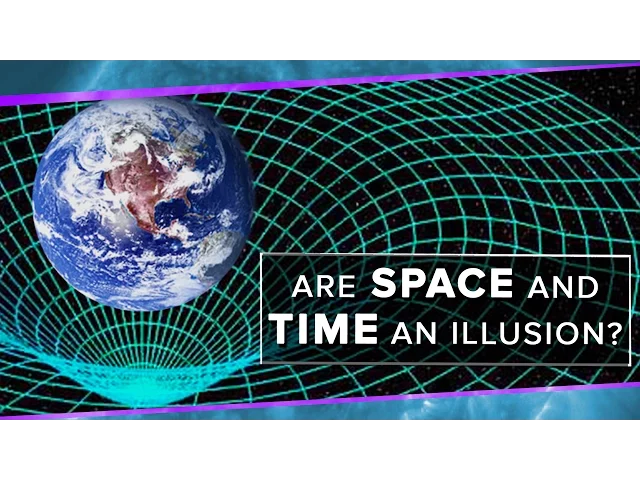
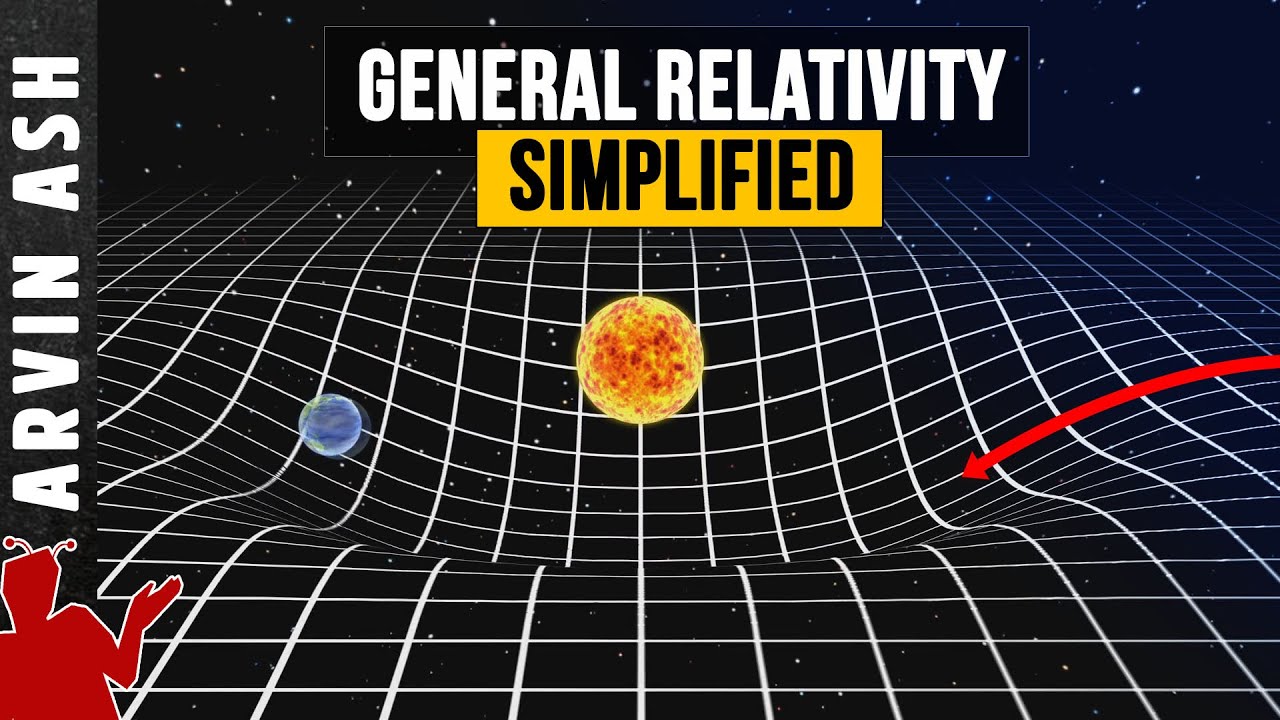
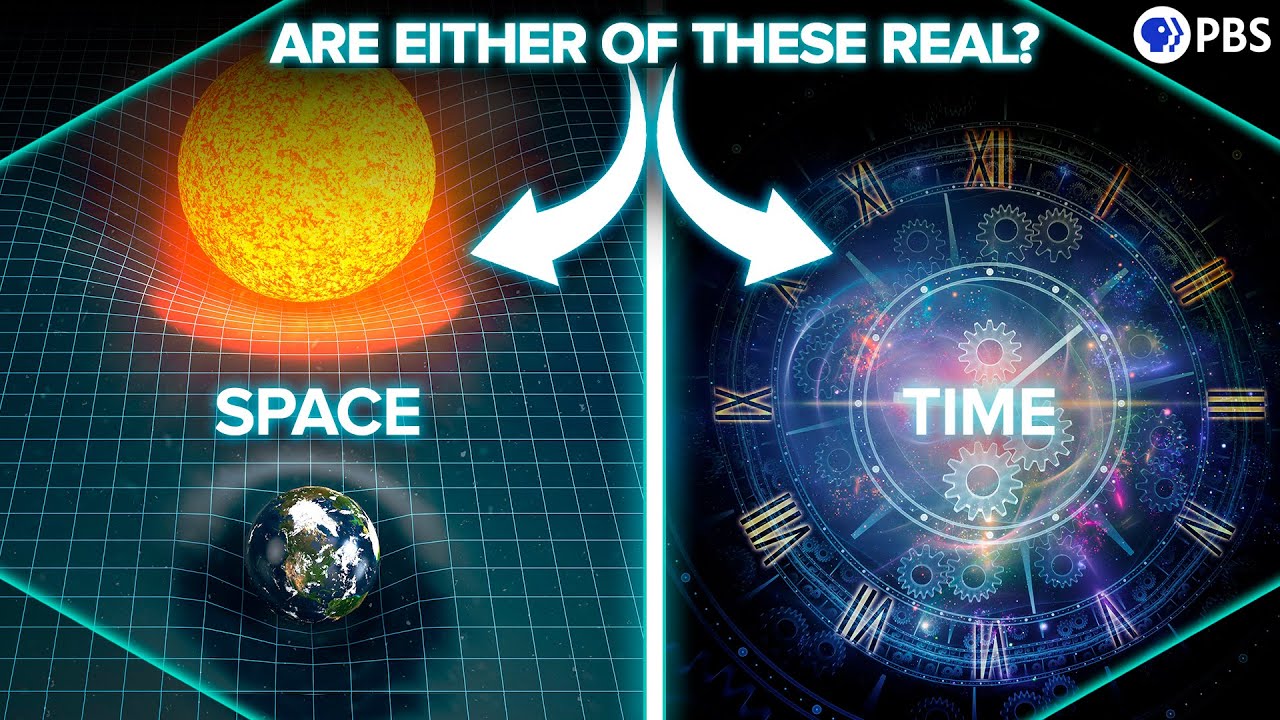
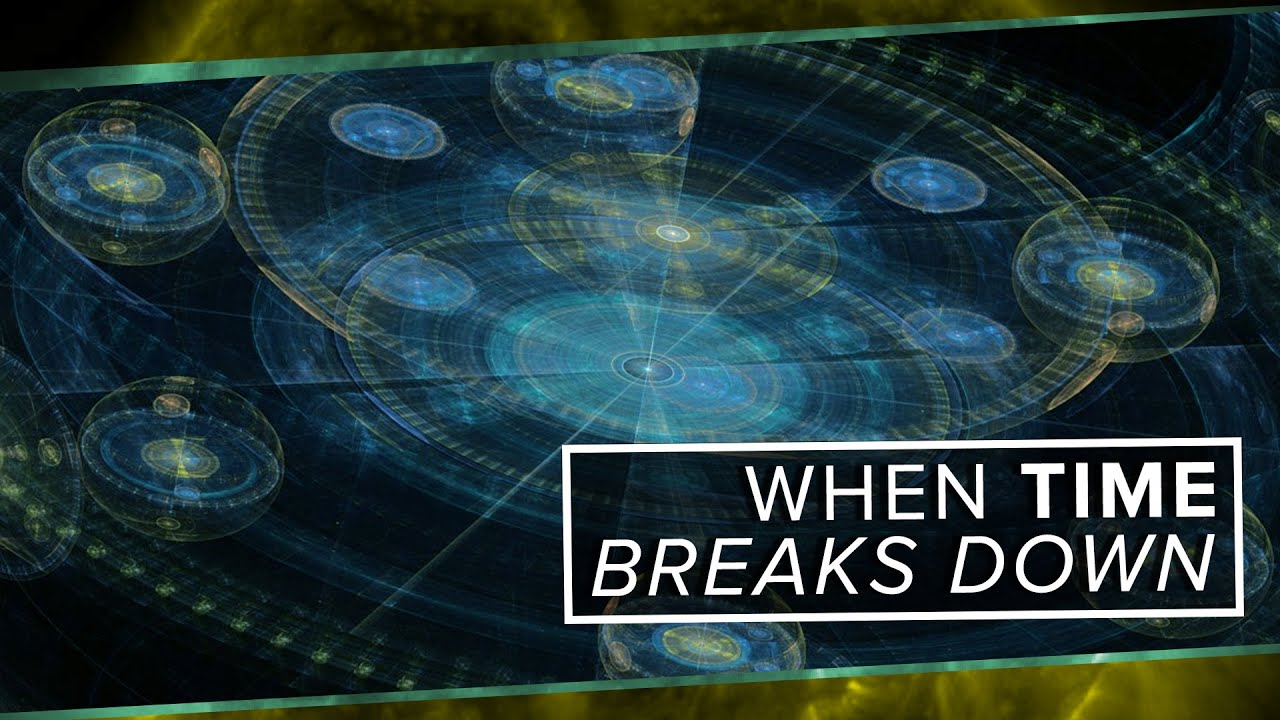
today's episode is about space time and the nature of reality my name is gabe and this time it really is space time if you pay attention this episode is going to blow your mind so we're going to take it slow what is space time exactly before i can answer that i need you to do something for me give up your intuitions about how time and space work at first your brain might resist and hold on to those intuitions for dear life don't worry that's normal this is challenging for everyone even einstein ready okay space-time refers
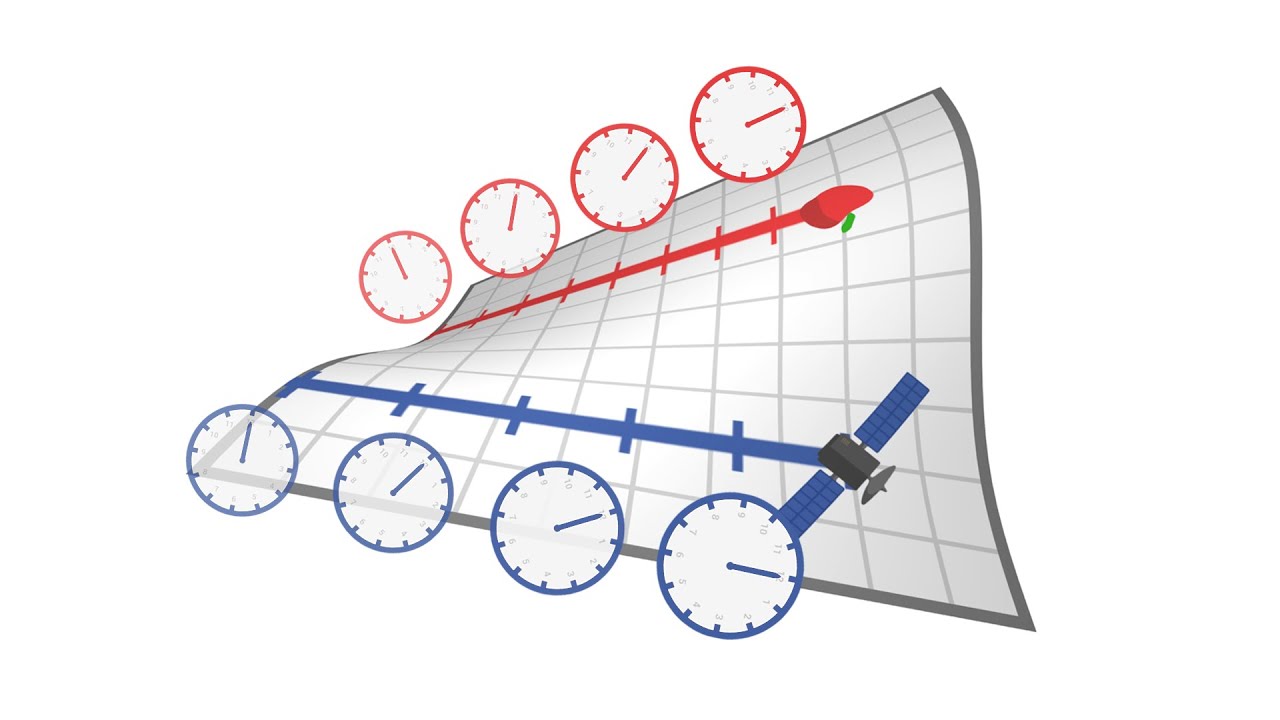
to whatever external reality underlies our collective experiences of the space between things and the time between events why can't space and time just be reality why add space-time as an extra concept here's why suppose two observers are moving relative to each other and particles count as observers fact those observers don't agree about how much time passes between events fact they don't fully agree on how much space there is between things at any given moment fact they don't even agree on the chronological order of all events and yet each observer measures things properly and is entirely
consistent which means neither of them is wrong now that sounds absurd but it's true plenty of other resources some of which we link to in the description discuss these discrepancies and the experimental evidence for them for today we'll just take them at face value and focus on what they imply about the nature of reality because if you think about it some of the implications are staggering take this disagreement about sequence of events for instance it is severe if two observers can't agree on the sequence of events it means that at present someone's past is in
someone else's future now for nearby events the effect is microscopic but so what any disagreement means that there is no universal division of events into past present and future which opens major philosophical cans of worms for things like free will and our belief that we can change the future so is everyone's experience of the universe entirely subjective or phrased another way if time and space as we usually conceive of them aren't part of objective reality then what is causality let me explain a good starting point for objective reality is universal agreement and as luck would
have it all observers do agree about this thing it's called the space-time interval or space-time separation between two events even though two observers in relative motion will measure different distances and different elapsed times between the same two events they always agree about the space-time interval between those events now if everyone agrees about space-time intervals they must signify something but what we'll notice that since it involves subtraction a space-time interval can be positive zero or negative when it's positive nothing can get from one event to the other and there are always observers who disagree about which
one happens first when it's zero or negative signals or things can get from one event to the other and everyone agrees on their sequence so it appears that the space time interval between events a and b tells you whether a can influence b in other words even though we can't agree about past present future time or distance we all appear to agree about causality now that may seem counterintuitive normally we think that time is responsible for causality but actually it's the other way around to the extent that we agree about temporal anything it's only because
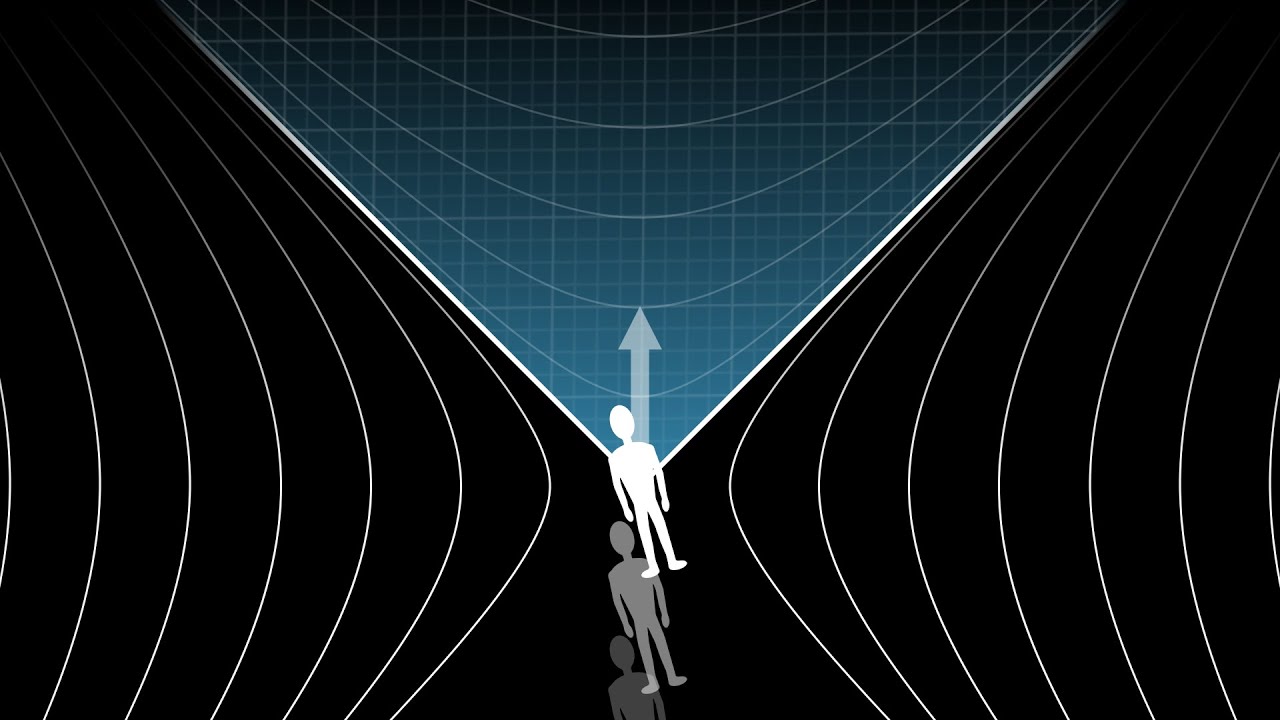
of causality causality is what's real so what does causality have to do with space-time as it turns out everything see shortly after relativity first came out a former math professor of einsteins named jeremiah minkowski noticed that the space-time interval resembles a weird version of a distance formula in what's called a non-euclidean space so he proposed the following radical idea maybe reality is not a three-dimensional space that evolves in time instead it's a four-dimensional non-euclidean mathematical space that's just there no evolution no time that 4d mathematical space is space time its points correspond to events all
events everywhere ever and in this view only things that correspond to geometric relations in that 4d space are objectively real like for instance causal relations they correspond to space-time intervals which are geometric relations a non-euclidean version of distances between points in contrast our experiences and measurements of time and space don't correspond to anything per se they're more like the xy grid we use in math class useful for talking about the board but arbitrary and inherently meaningless the board its points and geometric facts are simply there whether we put axes on that board or not so
are you objectively real well kind of if you are the sequence of all events at which you're present then you are a geometric object in spacetime a line segment joining the points representing the events of your birth and your death do you move along that line segment no no you are the line segment there's no motion through space-time it's not this kind of space it's tenseless and your future isn't merely predetermined it already exists there's some zen in trying to express what space time is without misleading you but i think the following gets the flavor
right imagine we're all reading a flip book made of graph paper we agree on the events of the story but we don't agree where they happen on the page on how many pages there are between events or even on the order of some of those events and yet we're all reading the same book only there's no graph on the paper there are no pages and there is no book all of that is just an imposition our brains make in order to perceive whatever it is so why do we perceive reality in such a vividly spatial
and temporal way good question no one really knows so have i told you all there is to know about space time no far from it all of this has just been a loose introduction to what's called flat space time once general relativity enters the mix we'll find that there are many possible space times with different geometries making it hard to ascertain which one this is but we gotta crawl before we walk we will get to that fun stuff eventually though so subscribe and as always the comments are for your questions i'll do my best to
answer them at the next causally connected point of space time last week we asked whether nasa could start a zombie apocalypse you guys as usual had a lot to say daniel jenkins commented that a space-based zombie outbreak assumes that a more virulent organism would actually spread better first of all that assumption is unnecessary it's enough for the bug to just be more harmful and harder to fight off with your space-depressed immune system but second as nicolas garrison pointed out germs do spread more easily in space capsules for a variety of reasons including the fact that
the gunk in sneezes and coughs just hangs there instead of falling pretty nasty joe gp and dick assad ii both asked what it is about space exactly that enhances virulence is it the low gravity of the radiation what is it well the authors of the salmonella study theorized that the signal to bacteria in microgravity might be lower shear forces on their cell membranes from the surfaces and fluids that surround it but based on the journal articles i read that's only one of several suggestions and the jury is still out we just don't know joey broda
and mcknowledge 1000 both asked why human gene expression isn't altered in orbit if bacterial gene expression is that's a great question but i'm not a microbiologist maybe human cells do change i don't know it's a great question but i have no idea dhgame studios said that it's a shame we put a zombie tag on this video what do you mean is it a shame that sesame street teaches reading an arithmetic with a vampire and a canary with acromegaly have some fun man lighten up zombies aren't the best finally at bristol science center really wants to
see the curiosity rover battling martian zombies in a movie yeah you do you know who else does bjs 301's kids and their friends because i'm pretty sure they understand that even though zombies aren't real they're still super awesome finally quick announcement the pbs digital studios network has been nominated for a webby award in the science and education category we'd appreciate your support and your vote at webyawards.com you can check out the link in the description you