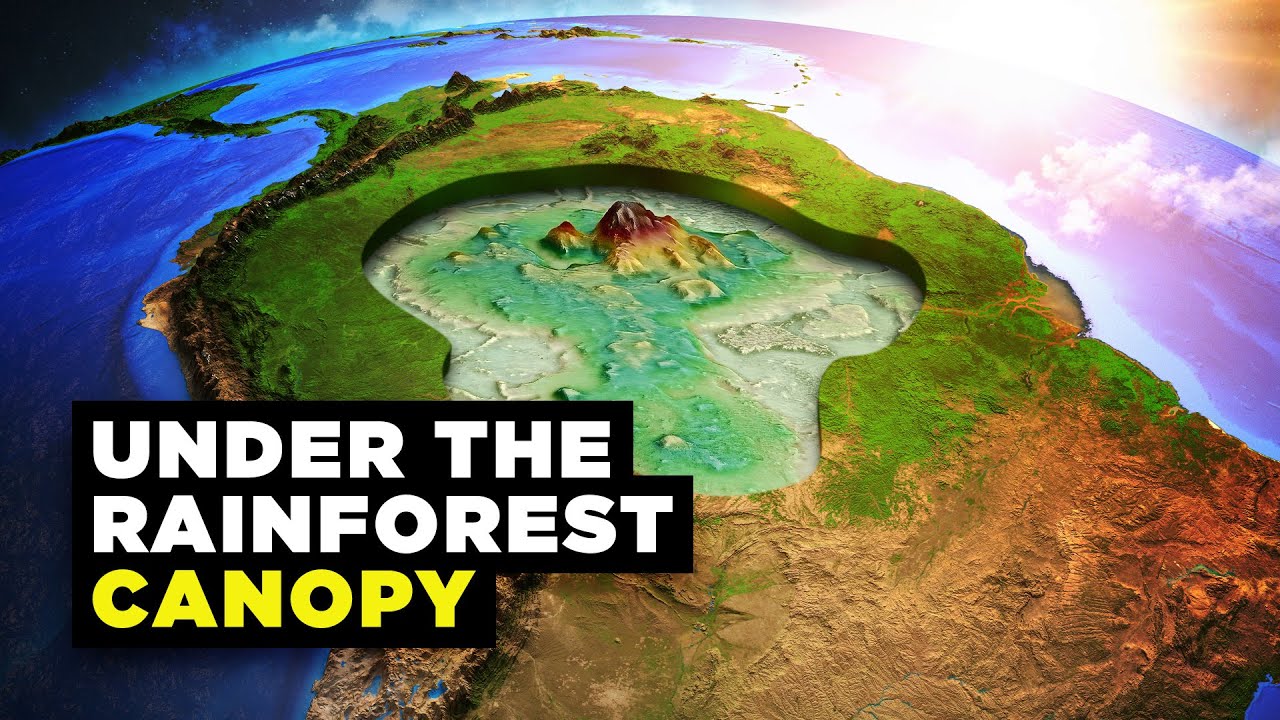
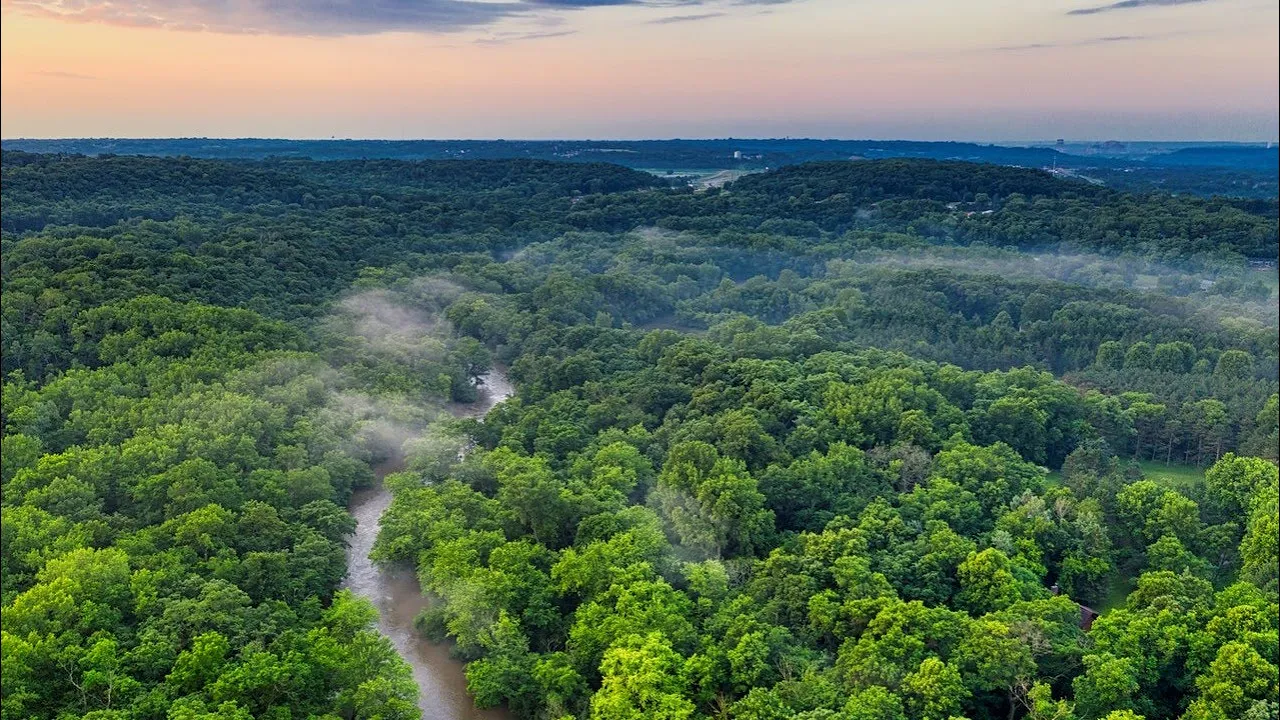
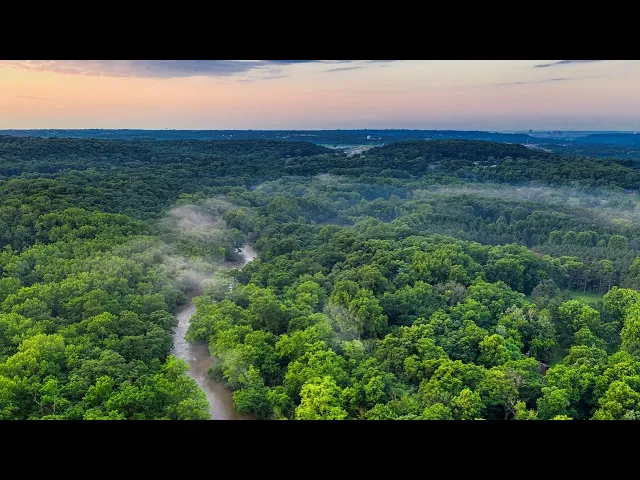
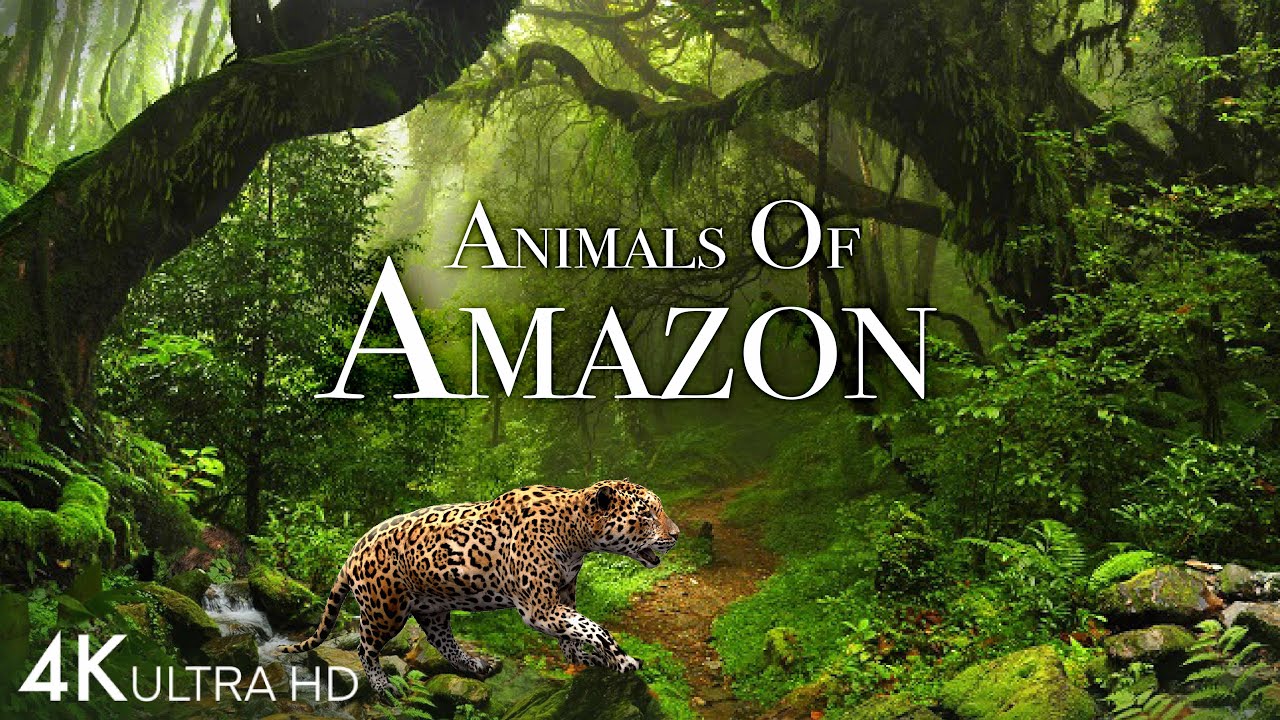
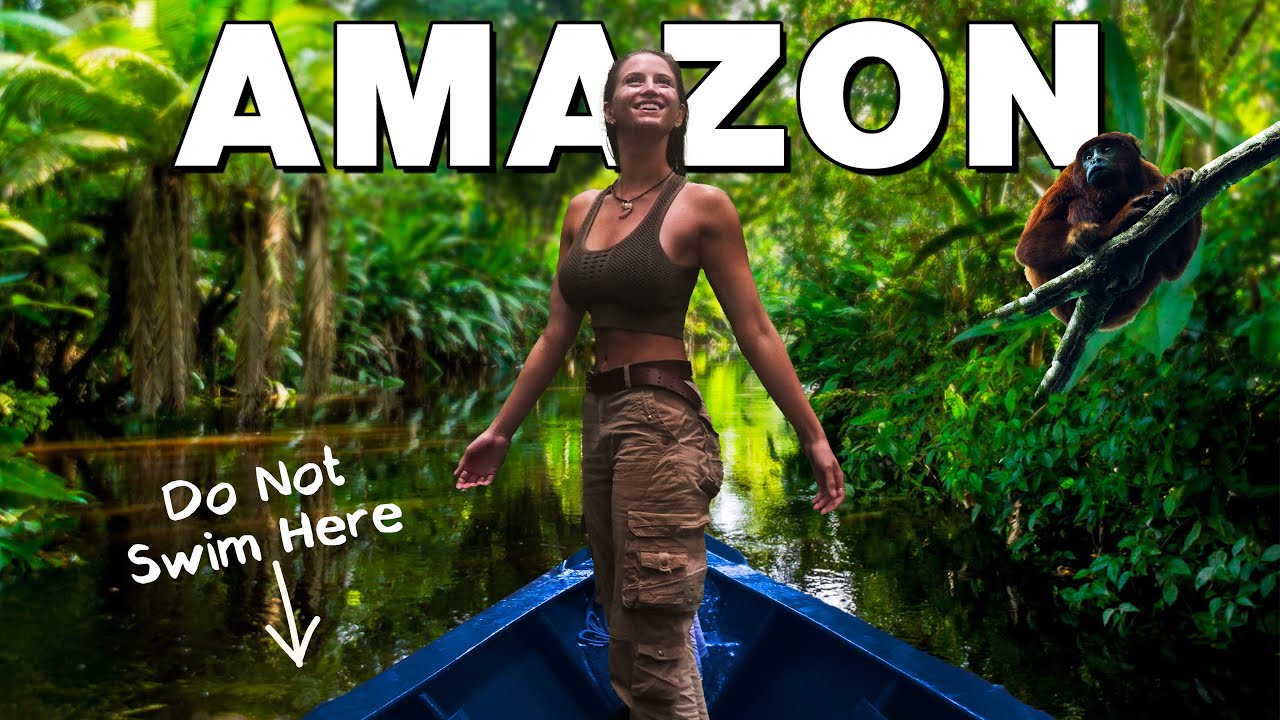
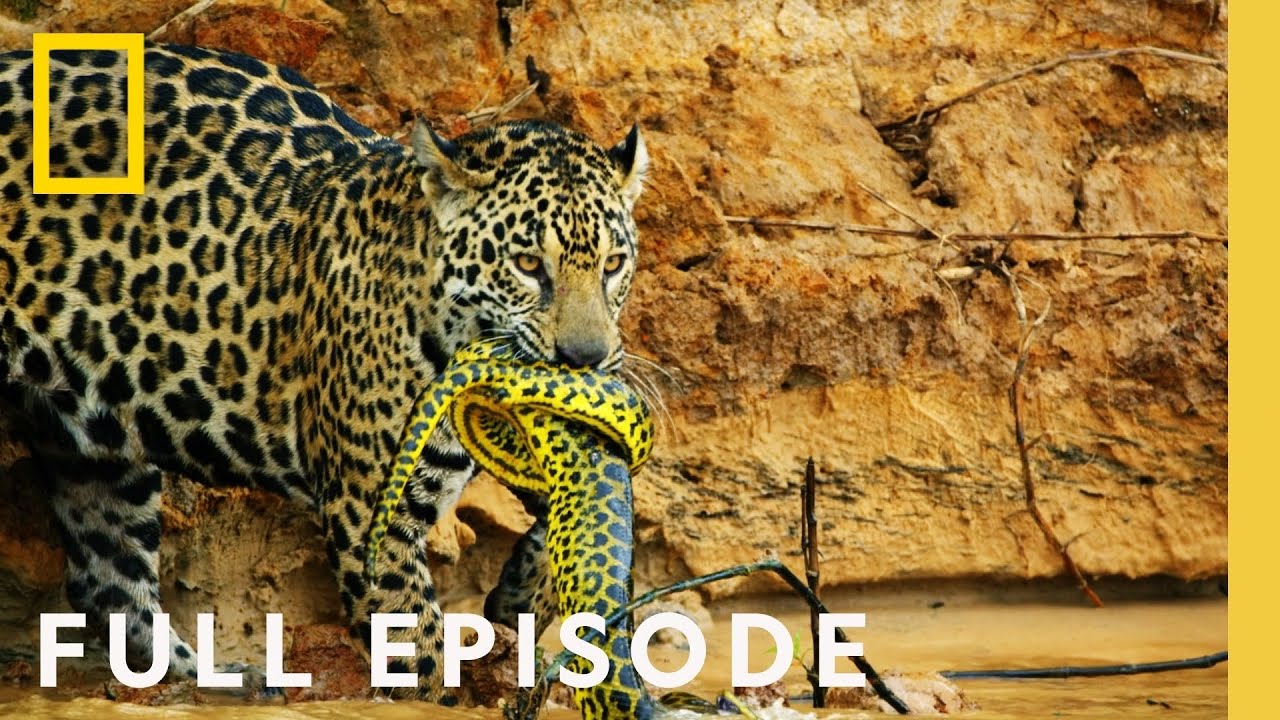
the amazon rainforest is the world's biggest tropical rainforest occupying the drainage basin of the amazon river in northern south america it covers an area of 6 million square kilometers 40 of south america spanning across brazil bolivia peru guyana suriname ecuador colombia venezuela and french guiana and it is larger than the next two largest rainforests combined it's home to more than 30 million people and one tenth of known species on earth amazon has an extremely diverse ecosystem there are around 40 000 plant species 3 000 types of fish 1 300 types of birds 430 mammal species
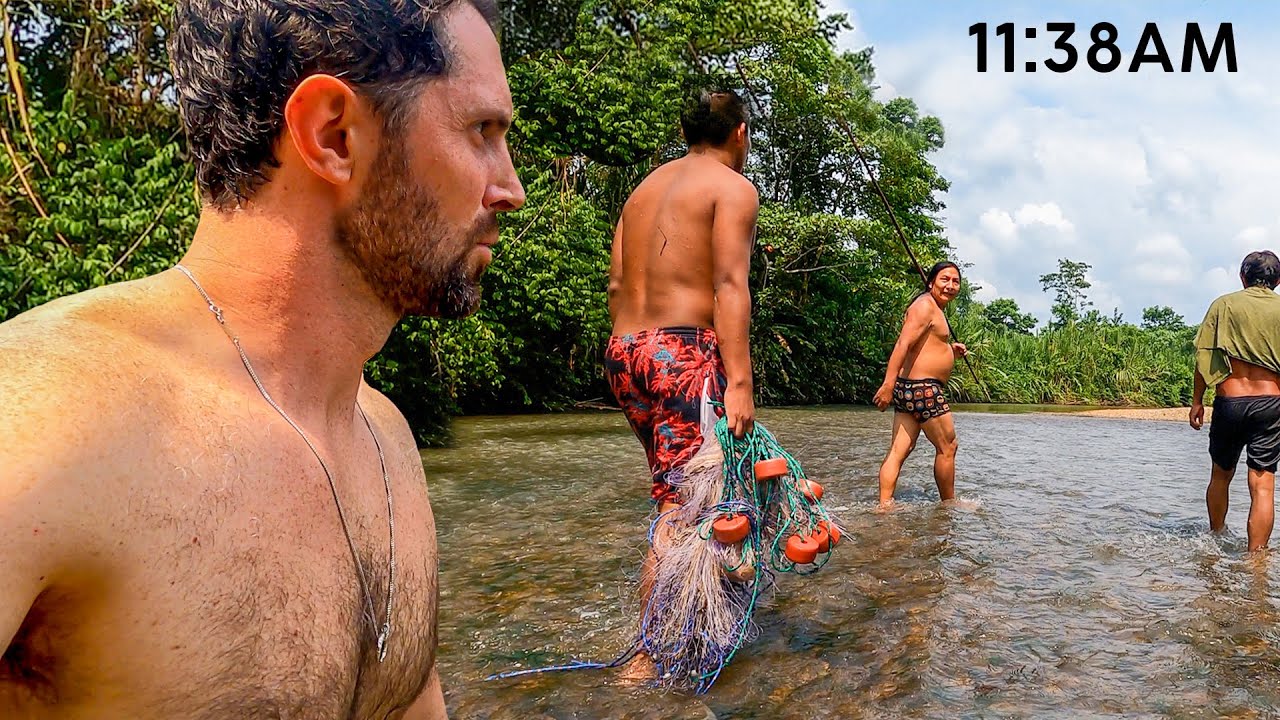
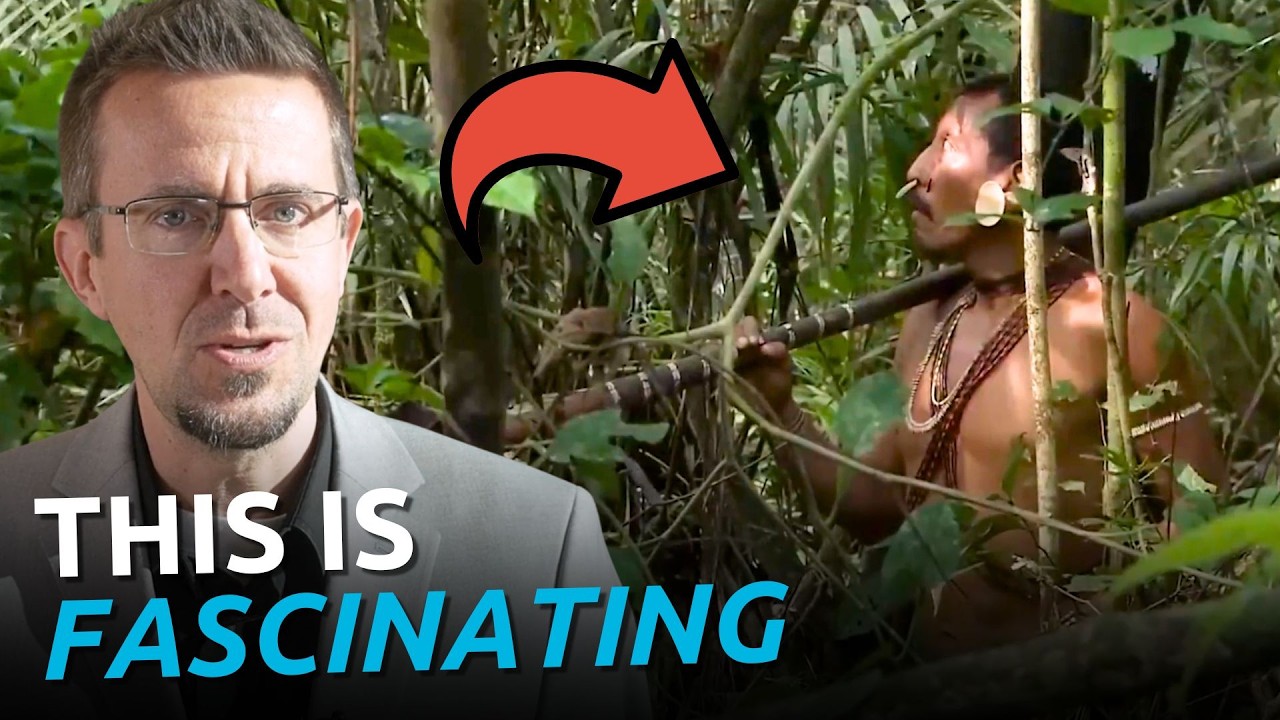
more than 380 species of reptiles and a whopping 2.5 million different types of insects in the amazon rainforest around 500 indigenous tribes call the amazon rainforest home over 50 of these tribes have never had contact with the outside world amazon has more than 390 billion trees due to the thickness of its canopy only one percent of the sunlight makes it to amazon's ground and it takes around 10 minutes for the rainwater to reach the ground the amazon also transpires about 7 trillion tons of water per year into the atmosphere recycling 50 to 75 percent of
annual rainfall amazon absorbs 2 billion tons of co2 per year which is 5 of annual global emissions and it stores up to 140 billion tons of carbon making it an essential part of preventing climate change we rely on amazon's resources for food and medicines hundreds of prescription drugs have come from the amazon rainforest and 70 of plants with anti-cancer properties are found in the rainforest with an area that's this important we should be protecting it at all costs but the amazon faces many threats including deforestation from poorly planned infrastructure illegal and unsustainable natural resource extraction
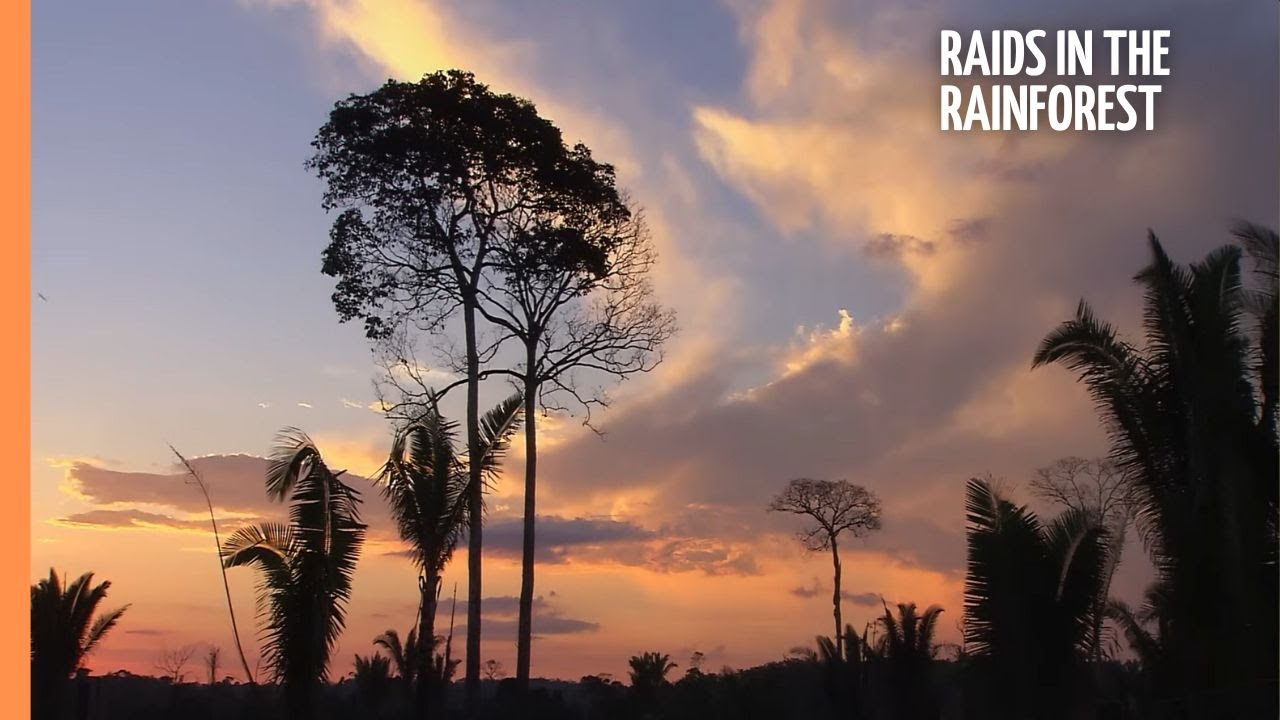
extensive cattle ranching and agricultural expansion and climate change it is estimated that over 906 000 hectares of forest have been lost to wildfires in 2019. these fires are often deliberately set as part of slash and burn agriculture farmers and cattle ranchers cut down and burn forestland to clear it for crops and livestock if this continues all the stored up carbon would be released into the atmosphere and fuel climate change both amazon's forest and freshwater systems are under threat rainfall has declined across 69 of the amazon forest since the year 2000. if the current rate of
deforestation continues 27 of the amazon will be without trees in 10 years amazon has lost 20 percent of its size in recent years due to deforestation to construct the trans-amazonian highway a massive amount of 1.5 acres of vegetation is cleared constantly for cattle grazing and crop production every second experts predict that the rainforest could be completely lodged by 2060 if no action is taken to solve the [Music] problem


![How To Build House On The Tree 12m And Swimming Pool [ Part I ]](https://img.youtube.com/vi/yNDp1qCIATk/maxresdefault.jpg)