Ever since Russian President Vladimir Putin launched his “special military operation” against Ukraine in February 2022, the war has been marked by a brutal stalemate. Russia floods Ukraine with soldiers and equipment, while Ukraine valiantly defends its territory, occasionally launching counterattacks to reclaim lost ground. For nearly 30 months, this grinding conflict has followed a predictable pattern, largely because Ukraine was restricted from using Western-supplied weapons against targets inside Russia—a move that could have escalated tensions in Europe to a dangerous level.
That’s all changed. In a dramatic shift, U. S.
President Joe Biden, backed by other NATO allies like the U. K. , has given Ukraine the green light to strike back—directly on Russian soil.
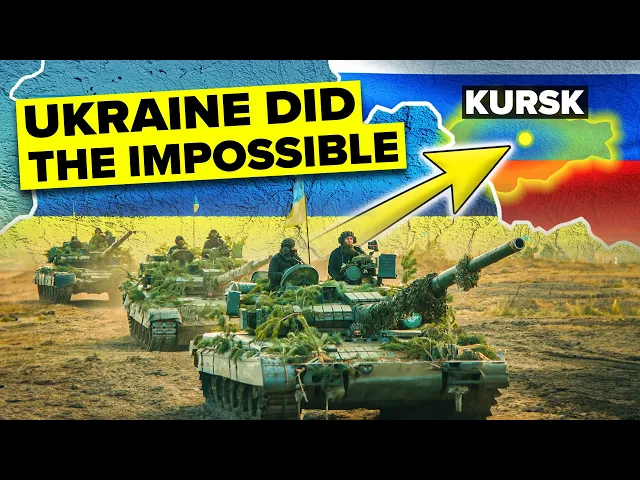
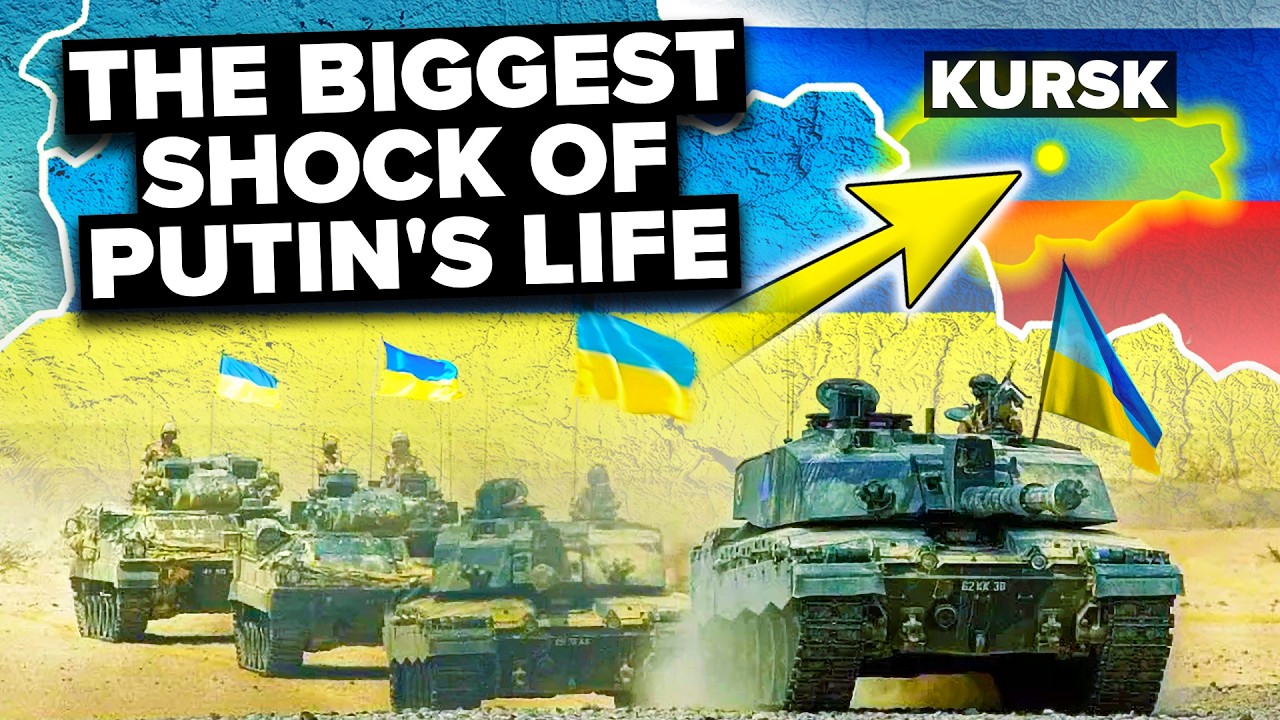
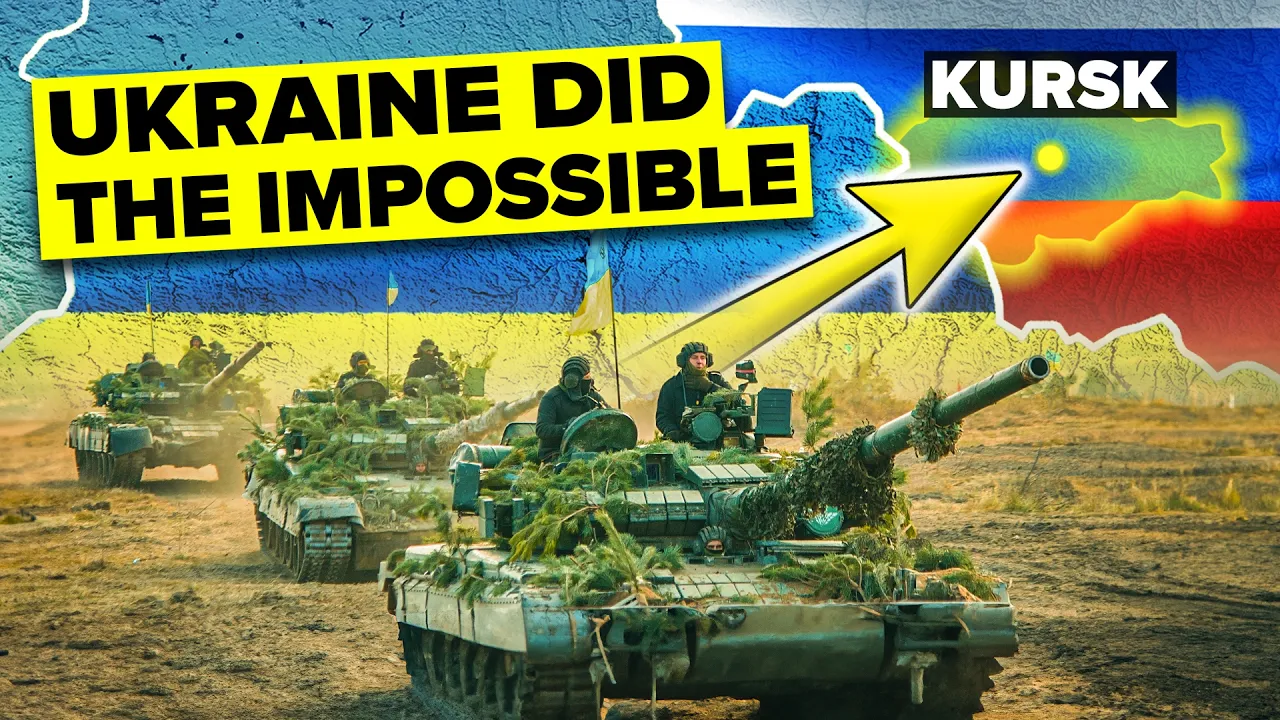
This bold decision shatters the so-called “red line” that had held Ukraine back, and it’s setting the stage for a turning point in the war. Ukrainian forces have crossed into Russia, targeting the strategic region of Kursk. This marks the first time since the war began that Ukrainian troops have moved beyond their own borders.
So, what does this mean for Putin? Why Kursk? And most crucially, what could this development mean for the future of the Ukraine war?
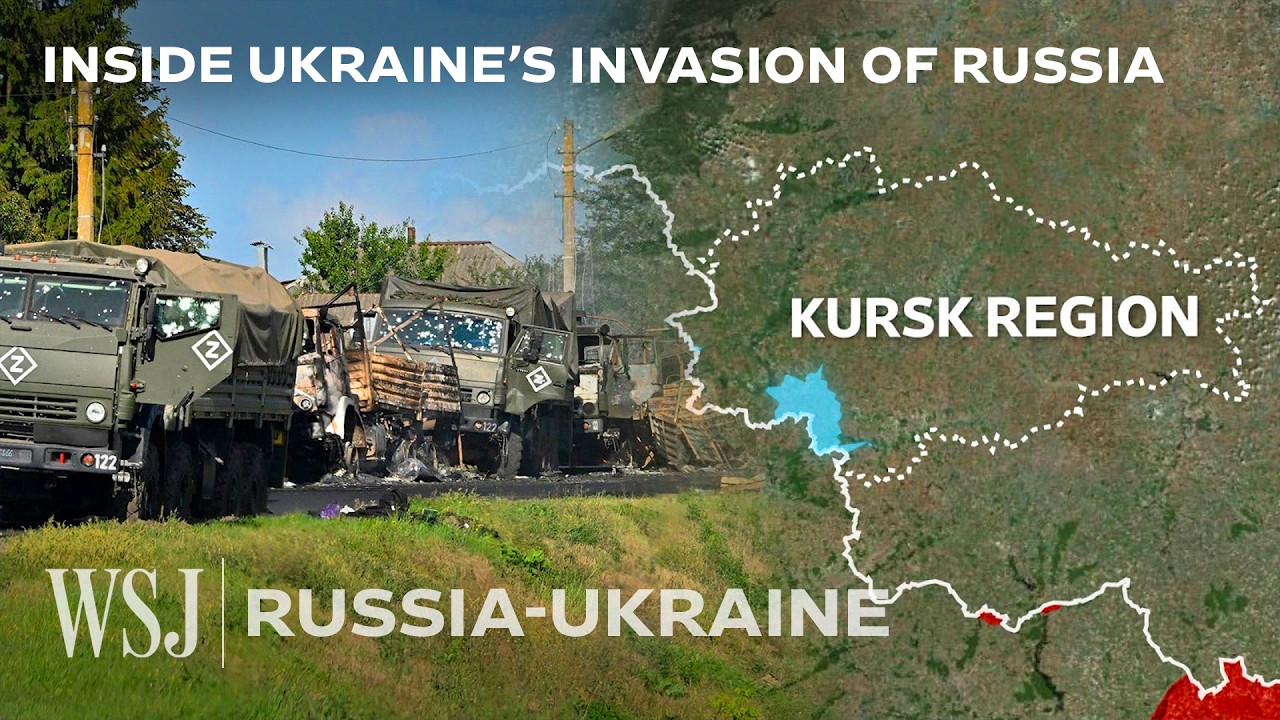
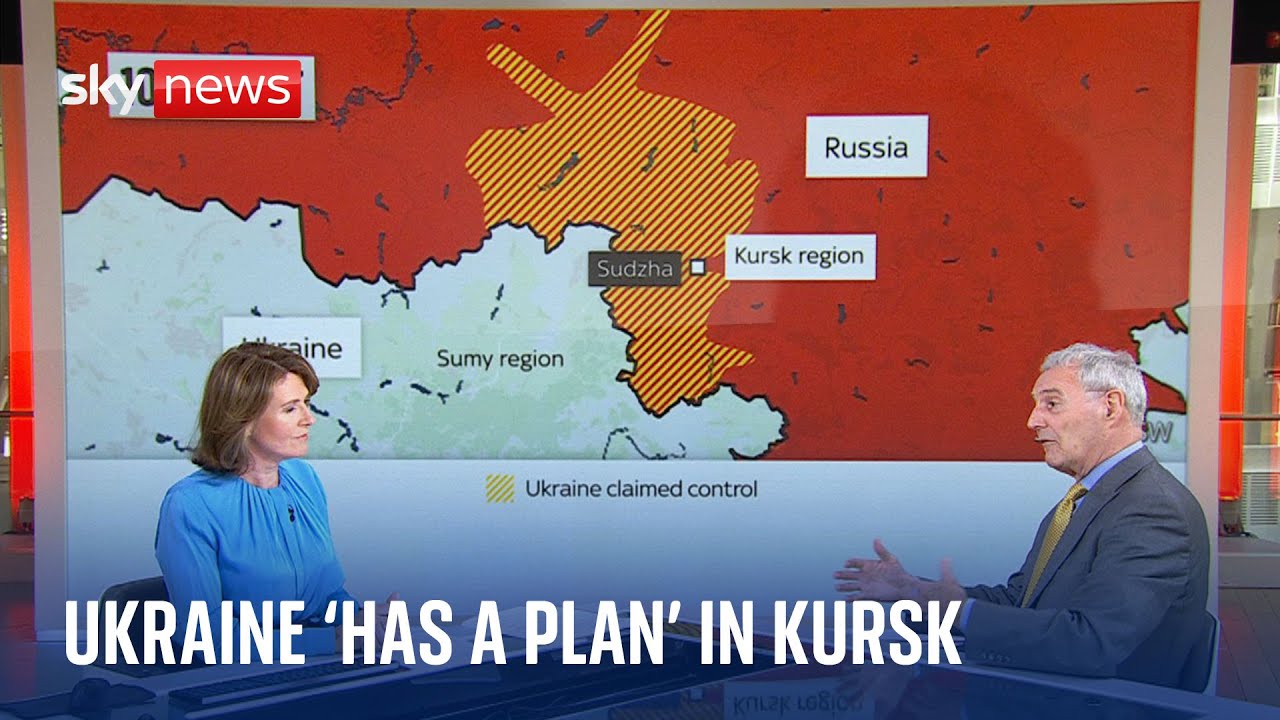
Let’s dive into these questions, starting with the most pressing one: What on Earth is happening in Kursk? On August 6, 2024, Ukraine broke through the thin Russian lines of defense separating Ukraine from Kursk, allowing its soldiers to enter Russian territory for the first time. This breakthrough went under-reported on the day that it happened, possibly because media outlets were taking a “wait and see” approach under the assumption that Russia would quickly push the Ukrainian forces back.
That isn’t what happened. A day later, The Guardian was among the first to properly report on the incursion, noting that the fighting in Kursk had entered its second day, with reports suggesting that Ukraine’s forces had managed to advance up to nine miles away from the border and deeper into the Kursk Oblast. That incursion had been made possible by a highway running north of Sverdlikovo – a Russian border village that also happens to be close to a key natural gas transmission hub.
While those reports were unconfirmed at the time, The Guardian pointed out that both official and unofficial Russian sources were claiming that the incursion had happened and that it appeared to involve several hundred Ukrainian soldiers who had taken advantage of the fact that the border between their country and Kursk is one of the most lightly-guarded – from the Russian perspective – on the entire front line. Russia was quick to claim that it had already neutralized the incursion. Its Defense Ministry claimed the incursion was neutralized on the day that it happened, only to backpedal by the time The Guardian released its report to claim that it was ongoing as of lunchtime on August 7.
Russia also provided details on what it had done to counter the offensive. It says using missile strikes and artillery, it destroyed 50 armored vehicles and inflicted 260 casualties on the Ukrainian forces. Ukraine remained tightlipped about the entire operation.
On August 8, several other media outlets picked up on the story. These included Le Monde – a French news website – which claimed that Ukraine had actually sent 1,000 troops into Kursk rather than the previously reported several hundred. It also offered more details on what Ukraine did once it crossed the Russian border.
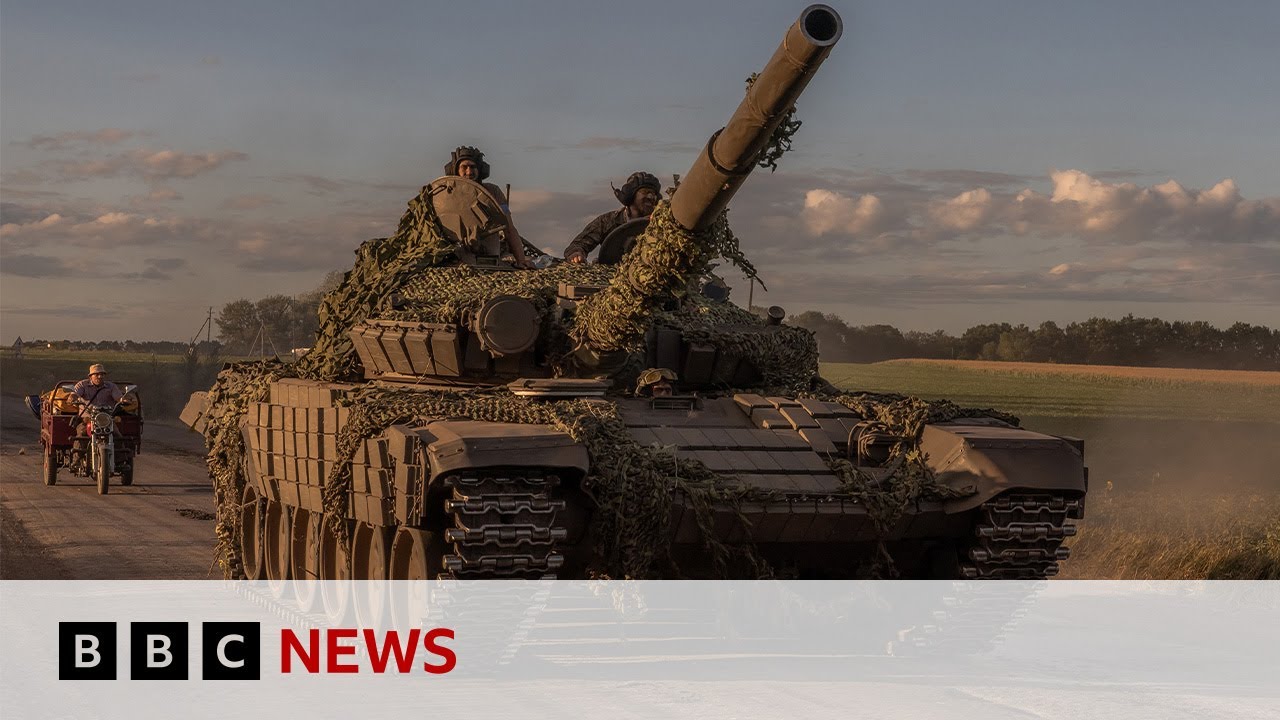
Backed by more than 2,000 soldiers that stayed on the Ukrainian side – defending their position and perhaps preparing to follow the initial 1,000 into Kursk – Ukraine crossed the border with 10 tanks and 20 armored vehicles. That immediately casts aspersions on Russia’s claims to have destroyed 50 armored vehicles, showcasing just how difficult it is to ascertain full details of what’s happened so far. Once Ukraine crossed the border, Russia declared a state of emergency in Kursk as soldiers advanced on several localities, including a small town named Sudzha.
These localities were bombarded with Ukrainian missiles and drones, reportedly causing at least five deaths and over 30 injuries. Furthermore, the August 6 incursion had resulted in fighting breaking out in Oleshnya and Goncharivka – both in the Kursk Oblast – with Russian soldiers in the latter region supposedly being surrounded and captured by Ukrainian forces. The next day saw Ukraine advance further, according to Le Monde, resulting in the capture of around 20 poorly-defended Russian villages, including Gornal, Daryuno, and the previously mentioned Sverdlikovo.
Those captures also led to Ukraine taking control of the Sudzha gas station – a gas transfer point overseen by Russian energy giant Gazprom that represents one of the few entry points for Russian gas into the Ukrainian gas transmission system. This station matters because it’s key to Russia being able to transport gas into Europe, meaning the taking of the station will put a small dent into Russia’s profitable energy market. NPR also published a report on August 8 detailing the incursion.
It backed Le Monde’s claims of 1,000 Ukrainians entering Kursk, noting that the number comes from General Valery Gerasimov, who is Russia’s Chief of General Staff. It also noted that this was the first such offensive carried out by Ukraine. Though it had previously backed small groups of Russian exiles as they carried out limited cross-border raids, the incursion into Kursk was the first time that Ukrainian soldiers had entered Russia since the war began.
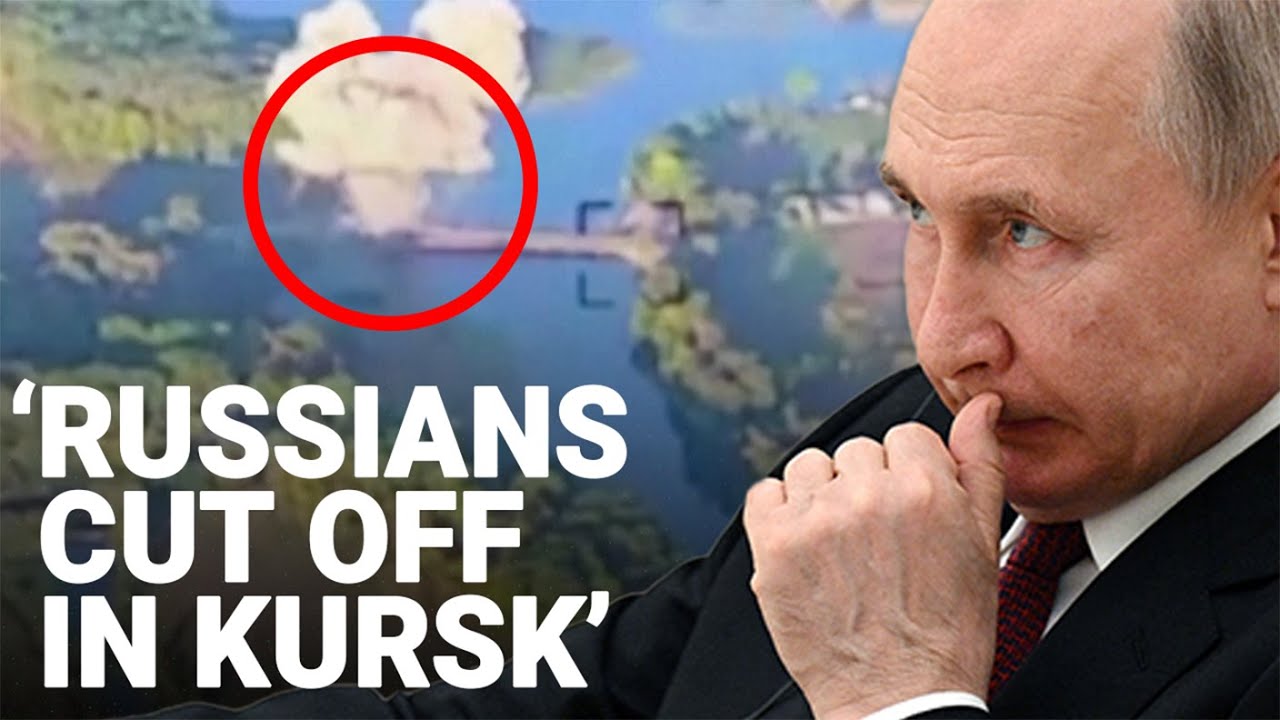
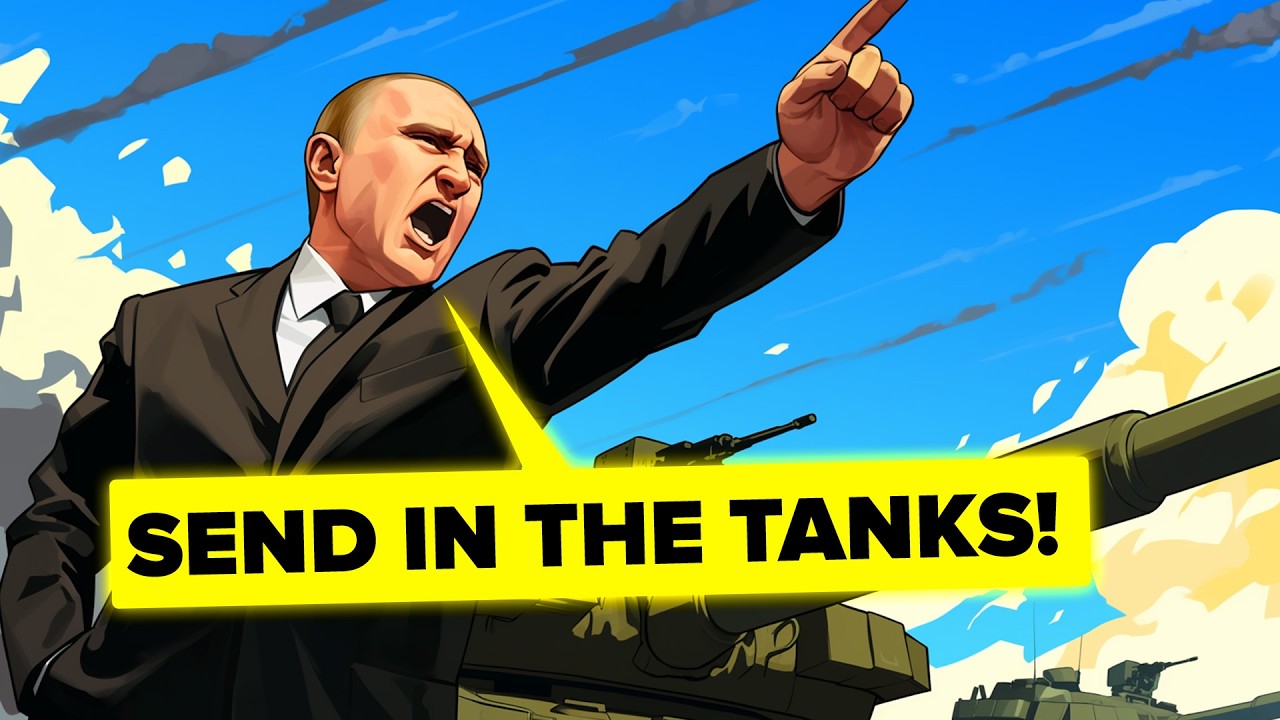
Putin was left with egg on his face. After spending so much of the war trying to portray Russia as an indomitable power to which Ukraine would crumble over time, he now finds himself having to explain why he’s allowed Ukraine to take Russian territory. To rub salt into his wounds, the incursion is far from over.
At the time of writing, Al Jazeera is running a live tracker covering the Ukraine war, which says the Ukrainian soldiers are still fighting Russians in Kursk. That tracker also contains a quote from Mykhailo Podolyak – a Ukrainian Presidential Aide – who pins the blame for the incursion on Russia. “The root cause of any escalation, shelling, military actions, force evacuations, and destruction of normal life forms – including within the Russian Federation’s own territories like Kursk and the Belgorod regions – is solely Russia’s unequivocal aggression,” he wrote in a social media post.
Al Jazeera also offers a different number for the tanks that have crossed the border – two dozen instead of 10. So, the details are still blurry. What we can say for sure is that Ukraine is in Kursk and that it has taken up to 1,000 soldiers over the border into Russia.
Those soldiers are accompanied by tanks and armored vehicles, in addition to seemingly having access to missiles and drones. They’ve used these weapons well – up to 20 small Russian villages are apparently under Ukraine’s control – however temporarily that control might last – along with a key Russian gas station. All of this brings us to another key question: Why did Ukraine choose Kursk?
That’s a question that the White House has been asking. On the evening of August 7, the U. S.
think tank The Institute for the Study of War, or ISW, published an update on the incursion. It confirmed that U. S.
intelligence indicates that Ukraine has penetrated at least two of Russia’s defensive lines on its sojourn into Kursk, as well as taking a stronghold. It also cited both satellite imagery and geolocation footage to apparently confirm the reports that Ukraine has taken dozens of captives and that it now controls the Sudzha gas distribution station. These early reports have prompted the White House to contact Ukraine’s leadership to quiz them on the objectives of the incursion.
Speaking on August 7, Karine Jean-Pierre – the White House Press Secretary – noted, “We’re going to reach out to the Ukrainian military to learn more about their objectives. ” She also pointed out that the White House supports what she calls “common sense” actions to stop Russian attacks. Perhaps the use of the term “common sense” is a subtle indicator of what the U.
S. thinks about the incursion. After all, there appears to be little immediate military value to taking territory within the Kursk Oblast outside of taking the previously mentioned gas distribution station.
And even then, the value is minor – that station sends gas into Ukraine and has likely seen minimal use since the Ukraine war started. Digging deeper into Kursk itself further demonstrates how it appears to hold minimal strategic value. Though the Oblast covers 11,582 square miles, it contains only 1.
061 million people, meaning it’s far from one of Russia’s major population centers. You could argue that its hilly surface and multiple ravines could provide some tactical advantage to Ukraine, assuming it wishes to use Kursk as the launching point for further incursions into Russia, but that seems unlikely. A force of 1,000 isn’t what a country sends when it intends to take over an entire Oblast.
Kursk is a center for agriculture, with farms covering around 77% of its territory and mostly growing sugar beets and wheat, with some fodder crops thrown in for good measure. But again, that’s nowhere near enough value to justify an incursion through which Ukraine intends to permanently hold the territory it has captured. Which brings us back to the question: What is Ukraine’s goal as it moves deeper into Kursk?
The answers don’t necessarily have to do with Kursk itself, with the Oblast simply being the most convenient available to allow Ukraine to achieve its objectives. Rather, and as the BBC explains, the goal may be an entirely different piece of territory – Donetsk. Donetsk, which is part of the wider Donbas region, has been a key target for Russia ever since Putin’s “special military operation” started.
And symbolically, the Donetsk region is somewhat tied to Russia – a large portion of its people are ethnically Russian and speak Russian as their primary language. Granted, those ethnic Russians don’t make up the majority of Donetsk’s population – unlike what we saw in Crimea in 2014 and beyond – but there’s certainly a Russian influence in this region. After all, as DW points out, it was in Donetsk and the surrounding regions that opposition to Ukraine’s 2004 Orange Revolution and the Maidan protests of 2013 and 2014 were strongest.
The Donbas itself has been no stranger to war even before Putin invaded Ukraine – 2014 saw pro-Russian separatists proclaim both Donetsk and Luhansk as “people’s republics” independent of Ukraine, likely with the goal of integrating them into Russia. The point here is that Donetsk offers symbolic importance to Russia. With that symbolic importance comes a continued push to take the region since the beginning of the war.
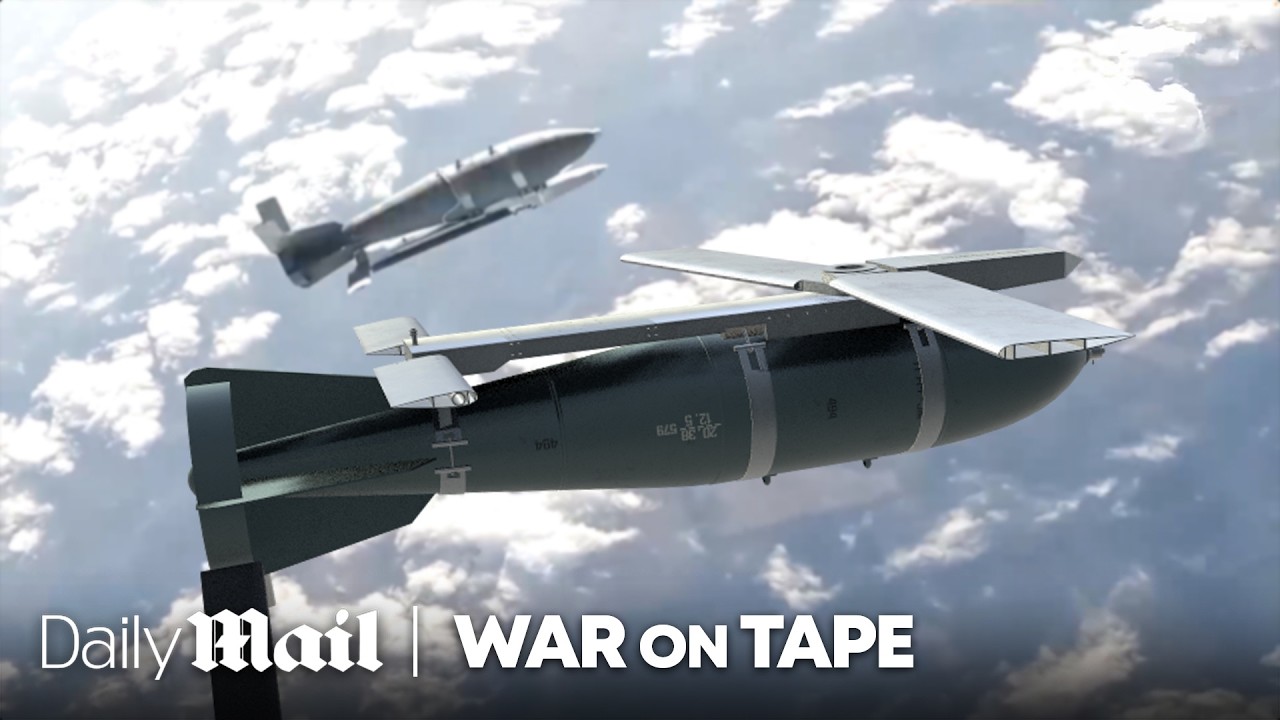
That’s why Russia has committed so many soldiers to Donetsk. Tens of thousands of Russian troops have been poured into the region, with Russia also focusing on developing a nearly impenetrable frontline through which it pushes against increasingly weakening Ukrainian resistance. Glide bombs pepper Donetsk daily, with the taking of Donetsk setting the stage for Russia’s later successes in overtaking the fortress towns of Avdiivka and Bakhmut.
In short, Russia is dedicating a ton of its resources to Donbas, and Donetsk in particular. Which makes what’s happening in Donetsk all the more interesting since Ukraine entered Kursk. Speaking to the BBC, a military analyst named Mykhaylo Zhrokhov points out that Russia has been forced to redeploy some of the soldiers it had stationed in Donetsk following the Kursk invasion.
“If you look at official reports,” he claims “there were significantly fewer Russian glide bombs dropped in the Donetsk area. That means the aircraft which carry them are now elsewhere in Russia. ” “Elsewhere” is likely Kursk.
Ukraine’s Kursk incursion has been a success in terms of pulling Russian forces away from a region in which they were previously focused. That may have been the goal all along. Throughout the course of the Ukraine war, Russia has succeeded in focusing the brunt of the fighting in areas in which it wants to take.
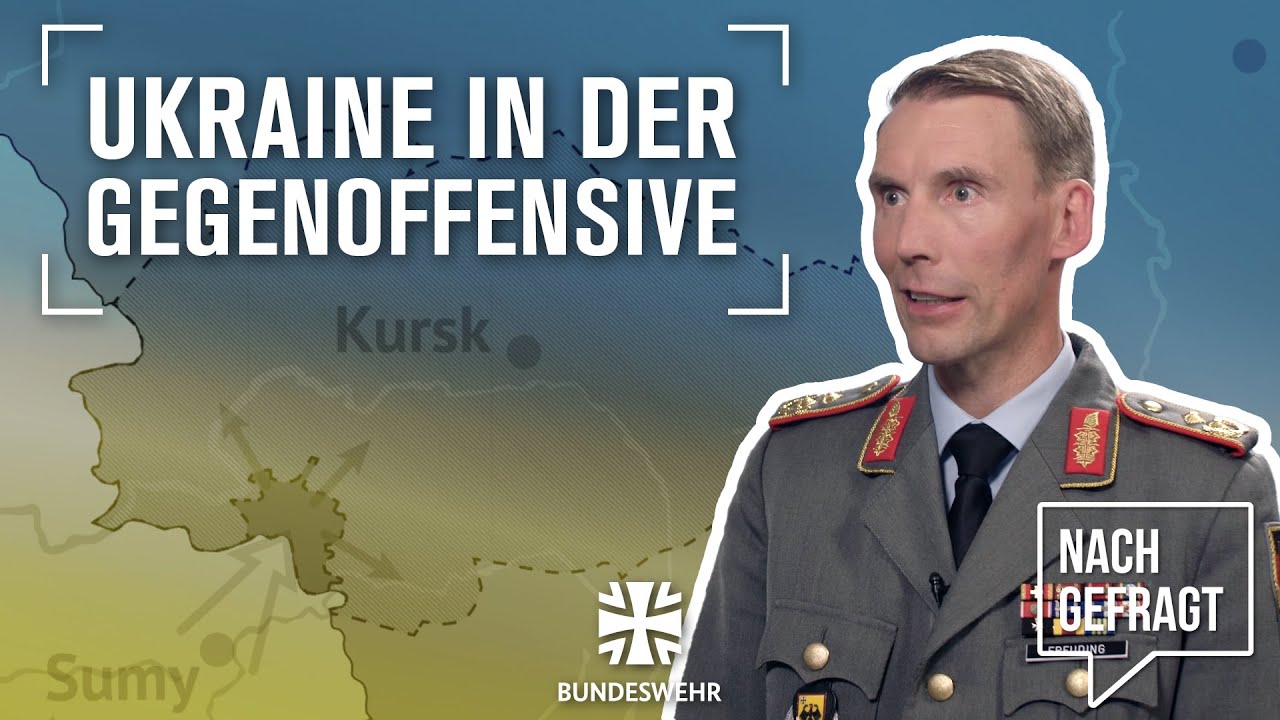
That’s logical – as the invading force, Russia essentially forces Ukraine to react by sending troops to whichever areas on which it focuses. This natural ebb and flow of the war has resulted in Russia leaving scant defenses across some areas of the frontline it shares with Ukraine. The northeastern borders – which Ukraine crossed to enter Kursk – were some of the most minimally defended of all.
So, what we’re likely seeing with the Kursk incursion is Ukraine forcing Russia to divert troops away from the regions that Russia considers a priority. In creating those diversions, Ukraine weakens the Russian frontlines in Donetsk, perhaps opening the door for counterattacks against Russia’s offensives. If nothing else, the diversions offer a reprieve to Ukrainian soldiers near Donetsk who are being bombarded by Russia’s glide bombs, giving them time to regroup and reorganize their defenses.
Ukraine is essentially keeping Russia honest. It’s forcing Putin to realize that he can’t be complacent when it comes to taking on Ukraine. Any weakness he displays – such as not reinforcing the frontlines near Kursk – can be exploited by Ukraine and used against him.
This brings us to a secondary reason why Ukraine may have moved into Kursk: Ukraine is showing that it – along with many of its supporters – is unafraid of crossing a “red line. ” We touched on this earlier when talking about how several Western nations are allowing Ukraine to use their weapons to attack Russia in its own territory. Perhaps the Kursk incursion is an extension of that.
Ukraine will not only fire missiles behind the frontlines, but it will actively take Russian territory to show Putin that it’s just as capable of invading and fighting within Russia as Russia is of invading Ukraine. Interestingly, Ukraine may even have a modicum of support from the U. S.
with this incursion. Though the U. S.
is still seeking answers from Ukraine, as mentioned earlier, the White House also pointed out that the restrictions the U. S. has in place for the use of its weapons in Russia’s territory haven’t changed.
Tellingly, White House spokesman John Kirby went on to say that the Kursk incursion “was not a violation of our policy. ” So, the U. S.
is looking for “common sense” answers, but Ukraine’s actions are very unlikely to cause any tensions between it and its most powerful Western ally. So, we have two potential reasons for the Kursk incursion so far. Ukraine has used it to stretch Russia’s forces along the front lines, potentially relieving pressure in Donetsk.
And also it may be using the incursion to showcase just how far it and its Western allies are now willing to step over the “red lines” that previously prevented Ukraine from doing anything but defend itself against Putin’s “special military operation. ” But there’s another reason why Ukraine may have chosen now to take territory in Kursk: Negotiations. In May 2024, reports started surfacing about Putin being ready to end the Ukraine war through a negotiated ceasefire that would recognize the front lines at the time.
From that ceasefire, Russia would enter deeper negotiations that would likely see it try to claim the Ukrainian territory it controlled at the time. That would have seen it essentially take much of the Donbas – including Luhansk and Donetsk – as well as southern regions such as Mariupol. In other words, Russia had a powerful negotiating position.
No matter how faltering its invasion of Ukraine may have been, it had still successfully taken territory and was now ready to end the war while claiming that territory permanently. Reuters noted that several sources inside the Kremlin believed Putin was ready to push for these negotiations. One of the five it spoke to claimed “Putin can fight for as long as it takes, but Putin is also ready for a ceasefire – to freeze the war.
” Putin himself had practically said as much during a May press conference he held in Belarus, in which he said “Let them resume” when talking about the possibility of negotiations opening. However, that resumption could only happen if the negotiations were based on “the realities on the ground. ” Ukraine would have to cede territory for Russia to stop.
And worst of all, Ukraine had no leverage that it could bring to the negotiating table. With the taking of around 20 villages and a key gas distribution system in Kursk, Ukraine now has leverage. It’s possible that Ukraine has taken this territory intending to hold it for the long term.
If that’s the case, we’ll see more troops funneling into Kursk in the coming days – remember that Ukraine sent an extra 2,000 to support the 1,000 who entered – and more territory taken. Should Russia and Ukraine enter negotiations while Ukraine still controls this territory, it finally has some leverage to bring to ceasefire talk. Ukraine’s President Volodymyr Zelensky could tell Putin that he would be willing to trade the territory in Kursk for some of the Ukrainian territory Russia has taken.
Whether that approach would work – or if Russia would be willing to enter negotiations when Ukraine controls some of its territory – remains to be seen. Which brings us to the final big question we’ll ask in this video: What comes next? Russia’s response, for one thing.
In the immediate aftermath of the Kursk incursion, the Oblasts regional governor – Alexei Smirnov – declared a state of emergency. He claimed the move was necessary “to eliminate the consequences of enemy forces coming into the region. ” Air alerts were issued over Kursk, with Russia scrambling fighter jets, which the BBC says were filmed flying low to the ground over the region on the hunt for the Ukrainian soldiers.
This footage lends credence to Mykhaylo Zhrokhov’s claims that Russia was diverting fighter jets from the Donetsk region to handle its Kursk crisis. Meanwhile, Ukrainian politicians have found themselves just as curious about the reasons behind the incursion as everybody else. Speaking on Facebook, Oleksiy Honcharenko – a member of Ukraine’s parliament – claimed the attacks had led to the taking of territory before adding that he didn’t know what the plan was.
However, he claimed it would show “Europeans and Americans that Russia can and needs to be attacked. ” Again, the message here is to support Ukraine in crossing even more “red lines. ” After all, this is the first time since World War II that any Russian territory has been occupied by an opposing force.
And, as Honcahrenko points out, “Putin did not turn to nukes and so on,” meaning Ukraine is “showing the world that the world should not be scared of escalation or the reaction of Putin. ” Another humiliation for Putin. Despite all of the threats he’s made during the Ukraine war, which have included threats of deploying tactical nuclear weapons, “red line” after “red line” has been crossed.
Now, he has Ukrainian troops in his territory and he hasn’t followed through on any of his threats. Is that because he’s smart enough to know that going nuclear could lead to World War III? Or, is he not following through on his threats because he knows that Russia couldn’t handle a war with NATO and the U.
S. after having depleted itself so thoroughly in Ukraine? Back in Russia, Andrei Belousov, who became Russia’s Defense Minister in May 2024 after previously serving as the country’s First Deputy Prime Minister for four years, faces his first major test.
Part of passing that test appears to be taking part in the Kremlin’s efforts to turn the incursion into pro-Russia propaganda. Putin is spearheading this campaign, claiming on the second day of the incursion that Ukraine’s actions were not only a “major provocation,” but that its soldiers were “firing indiscriminately,” at civilians, their homes, and Kursk’s public buildings. Those claims aren’t yet confirmed.
Militaristically, Russia has clearly sent forces into Kursk to push back the Ukrainian advance, though it’s unclear how successful they’ve been. Valery Gerasimov – Russia’s Chief of General Staff – claims that Russia is “continuing to destroy the adversary in areas directly adjacent to the Russian-Ukrainian border. ” That’s a statement vague enough to suggest that Ukraine is still in Kursk and Russia hasn’t been able to repel the 1,000 soldiers in the territory just yet.
Even worse for the Kremlin is that these public claims of pushing Ukraine back are being disputed on Telegram, which is Russia’s most popular social media channel. Several pro-war channels on the network claim the situation is far worse for Russia than its politicians are claiming. One such channel – Rybar – says that the situation is “continuing to deteriorate” while noting that Ukrainian formations were advancing towards towns.
Again, those claims aren’t confirmed either. It all adds up to a confused state of affairs in which we know Ukrainian soldiers are in Kursk, but we’re still uncertain exactly how successful – or otherwise – they are following the initial taking of villages and a gas distribution station. Add claims of captured Russian soldiers into the mix and you get even more confusion.
An August 9 report in The Kyiv Independent claims that drone footage published by Ukraine shows 32 captured Russian soldiers, adding that the Telegram post that showcased the footage claimed that a further eight were out of frame. More claims were being made. But they offered yet another example of claims that can’t be verified independently.
What is clear is that the Kursk incursion shows a change in Ukrainian tactics. For over two years, it has bedded into its own territory, fortifying to enable it to defend against the slow Russian advance. That approach has proved lethal for Russia – it has lost 588,540 soldiers since the start of the war according to Ukraine’s Ministry of Defense.
But now, whittling away at the seemingly never-ending stream of soldiers Putin is sending into Ukraine isn’t enough for Zelensky. The incursion into Kursk shows that Ukraine is willing to go on the attack, which will send shockwaves throughout Russia as Putin realizes that his country is no longer safe behind the front lines of the Ukrainian war. That change in approach could lead to consequences for Ukraine in the long run.
That could especially be the case in Africa, where the BBC claims Ukraine has been trying to win allies during the war with Russia. Over the last three days, Mali and Niger have both cut diplomatic ties with Ukraine, ostensibly over comments by a Ukrainian military official who suggested that Ukraine may have played a role in the killing of several dozen Malian soldiers in July 2024. Those soldiers were working alongside mercenaries from the infamous Wagner Group and were apparently killed in clashes with al-Qaeda-linked militants.
Andriy Yusov claimed in the immediate aftermath that the separatist rebels the Malian soldiers fought “received the necessary information they needed” to carry out their attacks. An unsubstantiated comment. But one that has triggered Mali, Niger, and Senegal to cut ties with Ukraine, all coincidentally right as Ukrainian troops entered Kursk.
It’s possible that the Kremlin put pressure on all three to do so, with Ukraine calling Mali’s decision “short-sighted and hasty,” while claiming that it complies with all aspects of international law. Perhaps Ukraine wasn’t involved in the killing of Malian troops at all. Instead, we may be seeing Russian influence-based politics at play again, as it labels Ukraine as the aggressor while using the Kursk incursion to prove its point.
Ukraine loses three potential African allies – or, at least, three countries with which it could deepen diplomatic ties – and Russia scores a small propaganda victory. That is all conjecture. But it shows that Ukraine’s differing approach to handling Russia could have ramifications on a wider scale.
What isn’t conjecture is that Ukraine’s latest actions aren’t part of the Russian plan. None of this is – the “special military operation” in Ukraine was supposed to be short, sharp, and devastating. Now, Russia is bogged down in a protracted war that has not only cost it hundreds of thousands of soldiers and huge amounts of military equipment but is now seeing it lose territory to a country that it’s trying to conquer.
The plan is failing. And with that, we’ll ask what you think about Ukraine’s incursion into Kursk. Is this the start of a new approach that will see Ukraine taking even more Russian territory in the future, or is it a short-term crossing of a “red line” designed to stretch Russia’s troops?
How do you think Putin will respond to the humiliation he’s experienced as a result of this incursion? Share your thoughts in the comments section and thank you for watching this video.