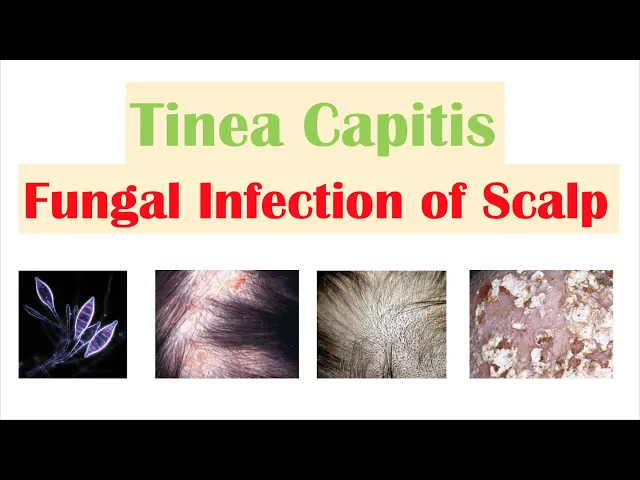
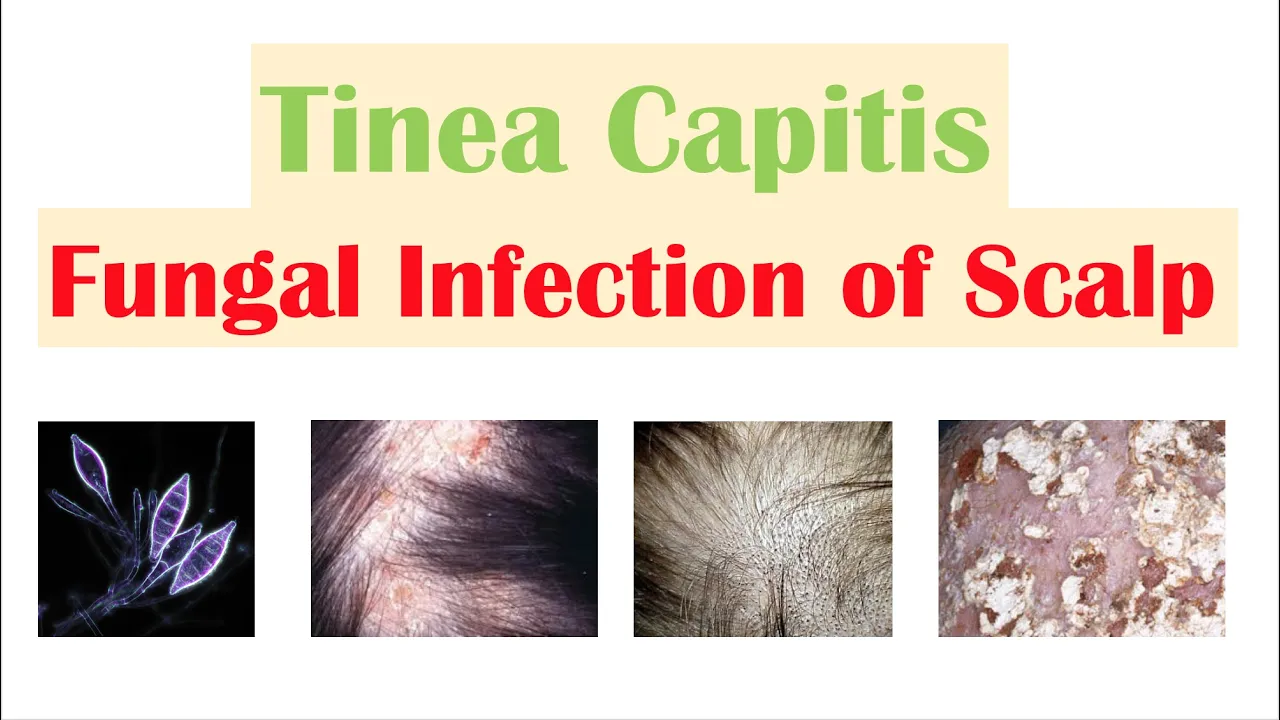
hey everyone this lesson is on tiny capitus or a fungal infection of the scalp in this lesson we're going to talk about what causes this condition some of the risk factors for getting tiny capitalists we're also going to talk about some of the signs and symptoms how we can diagnose it and how we can treat it so as we mentioned before tinea capitus is an infection of the scalp of the head caused by fungi known as dermatophytes and here is an image of tinea capitus so the word tinea capitis tinnia refers to a fungal infection
and you can think of cap of the head to help you remember capitus and remember where this condition occurs and as you can see here in this image you can see scaling and this infection can actually cause damage to the hair and hair follicles leading to hair loss or what we call alopecia antinea capitis most commonly occurs in children but can affect individuals of all ages and what are some of the causative organisms of tinea capitis well the most common predominant organism actually depends on where you live in the world so trichophyton tonsins actually is
the most common causative organism of tinea capitus in north america united kingdom and france whereas microsporum canis which is another dermatophyte is actually the most common causative organism in australia and central europe other trichophyton and microsporum species can cause tinnitus as well but to a lesser extent so trichophyton tantrums is again the most common causative organism in north america united kingdom and france whereas microsporum canis affects other areas of the world including australia central europe and china now the transmission of tinea capitus involves direct contact so that could be either head to head so if
an individual has tindicapitus and you were to touch one head to another you could essentially transmit that fungi from the infected individual to a non-infected individual you could also touch a surface or touch an individual or touch the fungi itself and touch your head that could lead to the transmission and it could also be from some indirect object as well such as a baseball cap anything that is carrying the causative organism and eventually leading to direct contact to your head can lead to this type of infection so again it's always direct contact but it could
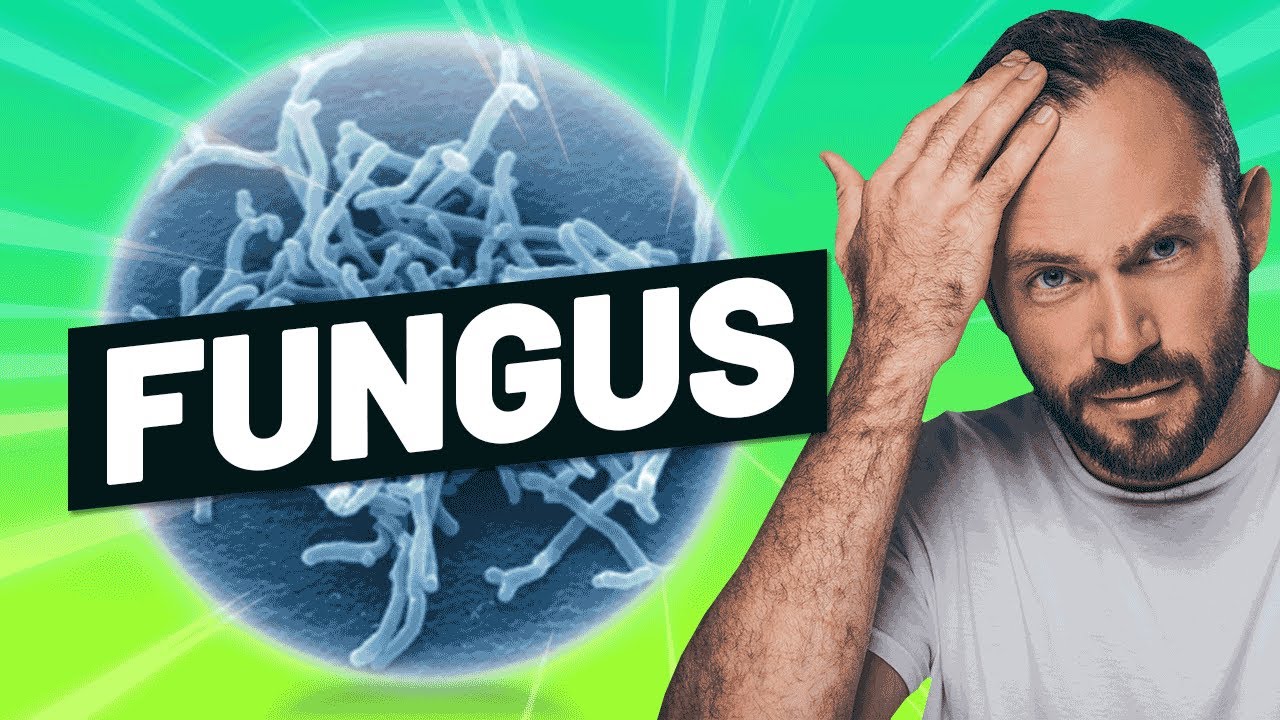
be multiple ways of transmitting it directly head to head hand to head or head to object and different dermatophyte species can come from different places so humans harbor a certain number that can transmit from person to person you could get a certain dermatophyte fungi from an animal or even from the soil so once we come into contact with these dermatophytes how do they cause infection so the dermatophytes cause infection by several mechanisms one of those is that they utilize what is called mannins which are components of their cell walls these mannins allow them to adhere
to keratinocytes and keratinocytes are what make up your skin and your hair so they use these mannins to adhere to stick to these keratinocytes the mannins can also cause some local immunosuppression allowing them to cause infection at that site the dermatophytes can then release digestive enzymes known as keratinases and other proteinases that allows them to penetrate and extend down into the hair shaft causing infection and damage to hair follicles and there are actually three types or variations of infection one of those is known as ectothricks the second is known as endotherics and the third is
flavis we're going to talk about these three types of infections in the next couple of slides what are some of the risk factors for getting tinea capitus one of those risk factors is genetic predisposition individuals with decreased beta defense in levels and beta defenses are involved in your innate immune system if you have decreased levels of these beta defenses you're at an increased risk for getting fungal infections like tinnitus another risk factor for getting tinea capitus is immunocompromised so this can be from a variety of ways could be from medications or it could be from
some type of cancer that could be increasing your risk of getting immunosuppression leading to increased risk of getting this type of infection but other types of infections as well the third is systemic diseases and this can include diabetes and anemia and again these can all lead to compromised immune systems and the fourth risk factor not listed here is direct contact of your head with other individuals who might be infected with this type of fungus so that is the other risk factor so it could be other people who are infected could be animals or it could
be the soil anything that's directly contacting your scalp that is also a risk factor as well so what does tinea capitus look like so here is one image of tinny capitus we've seen before and here is another clinical presentation of titanic capitus so we're going to talk about these in more detail so tiny capitus is a spectrum it can be anything from mild to severe so can have areas of mild hair loss to severe hair loss there are often times what we call pruritic patches or itchy patches so we can see things like this like
a scaling lesion that are itchy so we can see here there's scaling involved and there's also alopecia there's hair loss in the area and we can also see brittle and broken hair so along with the alopecia you might see brittle or shortened or truncated hair so in some instances you might see two to three millimeter long hair that's just above the scalp and we see this in that ecto-thrix type of infection we talked about before so ectothick's type of infection is where the dermatophyte infects the hair shaft at the mid shaft level so kind of
in the middle or slightly away from the lower edge of the follicle so it affects the hair at mid shaft level this leads to breakage of the hair and usually we can see two to three millimeter long hair just above the scalp and the ectostrix type of infection is often caused by dermatophytes of the genus microsporum we can also see something called black dots or black dot tinea capitus these black dots are actually broken hair right at the level of the scalp so they're not two to three millimeters above the scalp it's actually right at
the scalp and this is what we call endotherics type of infection so if we look here we can actually see these black dots these little spots here this is actually the hair that's broken right at the level of the scalp and there are actually two other clinical presentations of tinny capitals i want to talk about one of those is the favis or the favis type of infection this causes a clinical presentation that we can sometimes refer to as tenia fevosa this type of infection or this presentation is often mostly caused by the dermatophyte known as
trichophyton scone lineai and sorry about the pronunciation there this leads to a reaction involving excessive crusting lesions that are called scutula and all of this presentation is due to an excessive inflammatory response we may also see nodules that ooze and drain and sometimes the entire scalp can be affected by this this presentation is very rare but can occur more often in certain countries specifically countries in africa and because it leads to extensive infection of the scalp it can lead to extensive hair loss and when we look at the crusting lesions in a fabulous infection they
are described as white to yellow in color and cup shaped in their appearance and the fourth type of clinical presentation i want to talk about with regards to tinea capitis is what is called corian or carrion so kurian can be a severe clinical presentation of a normal tiny capitalist it can look like what we talked about in the last slide that could get extremely bad and worse and it lead to something like this more often times a current is caused by an infection with a specific trichophyton species known as trichophyton varicosam what the korean is
is that it is a painful abscess on the scalp caused by the infection and the infection can get so large it can lead to scarring alopecia so it leads to hair loss that won't recover because that area of the scalp has been replaced by scar tissue what we do see is that the hairs in the abscess are very loose and it can fall out very easily the abscess itself might drain and oftentimes we see lymphadenopathy present which is tender lymph nodes that are associated because of the large abscess we might even see fever and chills
these individuals may feel very ill as well so how do we diagnose teeny capitus so the diagnosis of tinny capitus is oftentimes a clinical diagnosis we take the history of the individual we see their risk factors and we see the clinical presentation and that can lead us to our diagnosis we can also do a potassium hydroxide wet mount or koh wet mound so we take some skin scrapings again from the tinia capitus lesions and then we can look under the microscope and see hyphae so how do we treat tiny capitis the first thing we want
to do is try to modify the risk factors we can't modify their genetics but we can try to modify some of those systemic conditions that might be increasing their risk for getting infections like tinnitus one of those could be diabetes if their blood sugars are very high we want to try to get those blood sugars under control in in a good normal range that can help reduce the risk of getting infections like tiny capitalists for treatment of the tinea campuses itself we need to use systemic oral antifungals these are required because the topical antifungal treatments
are not effective this type of treatment is very distinct to tinea capitus compared to other types of tinnia infections because other types of fungal infections usually only require topical anti-fungal treatments whereas tinea capitus requires systemic or a pill form or oral form of the anti-fungal one of those treatments that we can use for tinea capitis is something called graciofulvin so graciofulvin is a pill form it's a systemic oral antifungal and you have to take it for a long period of time four to eight weeks so these types of infections can take a long time to
resolve we can also use turbinating this is another type of systemic oral antifungal we could use and we could also use intraconozol as well these other systemic oral antifungals also take a lot of time they take weeks sometimes four to six to eight weeks at a time so diagnosis of tiny capitalism is oftentimes a clinical diagnosis but you could do a potassium hydroxide wet mount looking for hyphae and then the treatment involves modifying the risk factors and using systemic oral antifungals not topical antifungals and the systemic oral antifungals you can use are graciofulvin terminifine or
draconisol for more information please check out my other fungal infection lessons and if you like this video please give it a thumbs up and consider subscribing to the channel thanks so much for watching and i hope to see you next time