hi and welcome to Physio tutor podcast episode 63 with Tom goom also known as the running physio Tom is a physiotherapist from the UK specialized in lower limp rehab and of course running he started his popular website running dphys phys. comom 12 years ago and is very active on social media where you might have seen some of his infographics or blogs he has written for different high-profile running magazines and published in the Journal of orthopedic and sports physical therapy about proximal hamstring tenoperiosteal [Music] a couple of question questions from our social media audience for Tom
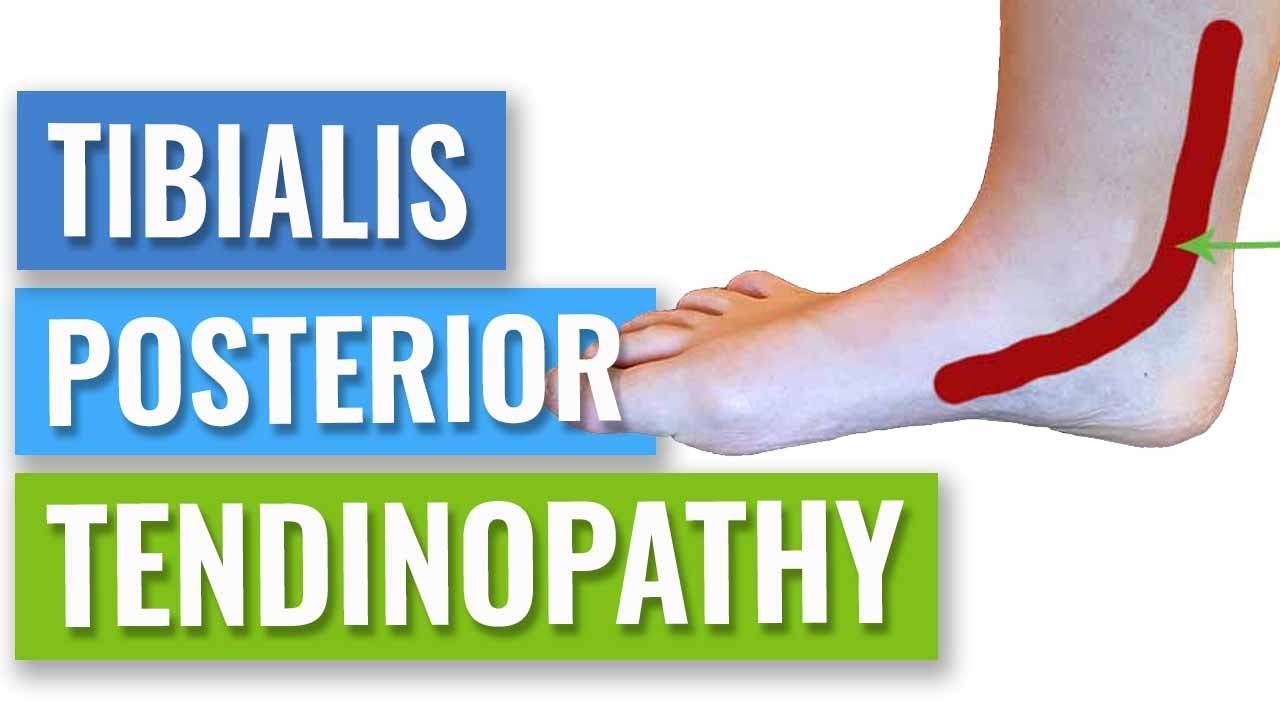
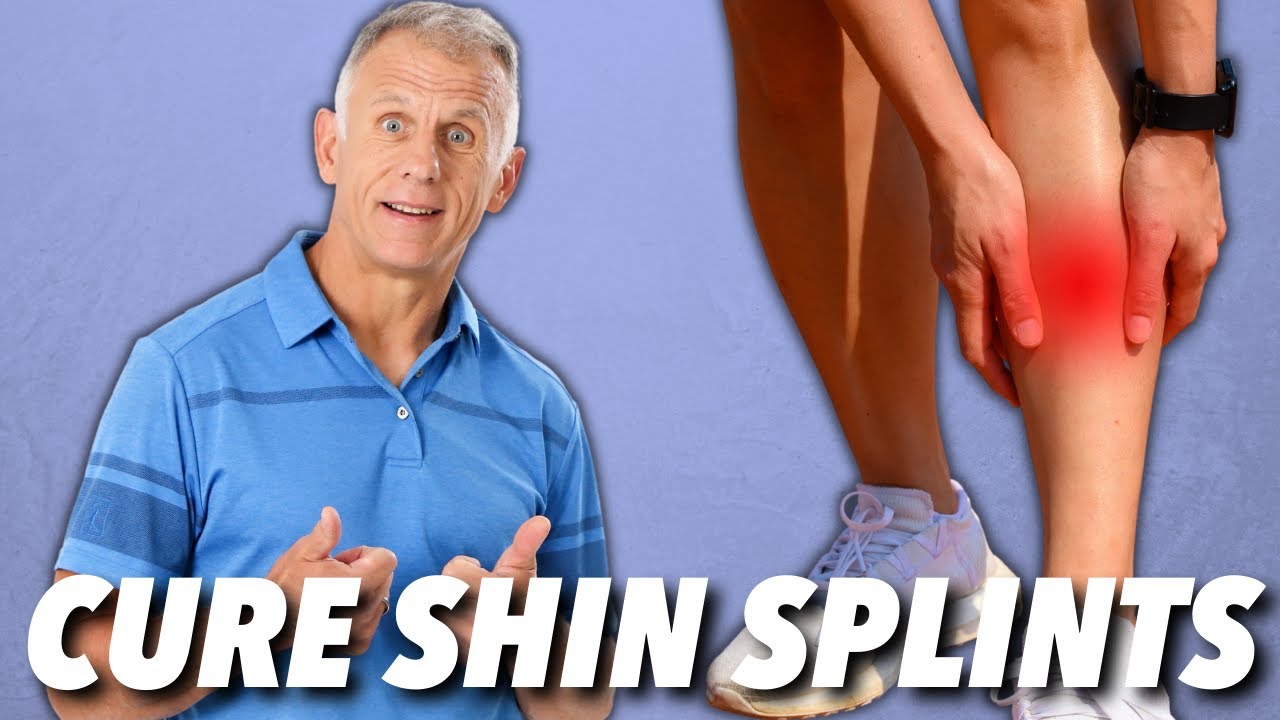
as well so we have lots to talk about let's start uh first question Tom is could you please give us a brief definition of mtss and maybe its pathophysiology so is it a bone injury is it the an irritation of the periost what is it yeah so current thinking really sees it as a a bone stress injury so and and the kind of name gives you the clue that medial tibial stress syndrome so we think that that medial part of the tibia is reacting to excessive load and then we're seeing the development of symptoms now
there's a few different um ideas around um you know causes of pain some work by um winters at all sums are up uh quite nicely saying that it's essentially unrepaired micro damage accumulation so it's like the bone can't quite adapt to the load of the sport and we start to see a reaction uh instead uh like most areas the correlation between MRI findings and symptoms is a bit blurry uh but sometimes you may see features like periostal inflammation or bone marrow edema as part of this um although sometimes you won't you will sometimes see an
MRI that looks clear and and still have someone with pain okay and what would be risk factors to develop mtss yeah so there's been quite a few studies and and reviews looking at this but generally in in um in running injuries and particularly ones like this there's not a huge amount of high quality prospective data but the ones that seem to come out relatively consistently um would be things like um higher BMI so um we might see that being a risk factor increased navicular drop so slightly more pronated uh foot type um it's also more
common in females um compared to to males um there are other factors that might might be a play like increased um weekly running distance um gluteal weakness has been found to be a factor um in females so it's a bit of a mixed bag really um in terms of risk factors uh but I think if essentially if you're loading the bone more than it can adapt to then that's probably what's going to end you know create this situation and lead to this injury yeah probably the good Al too fast too soon too much exactly yeah
that's so often to blame is is it yeah um and if we look at the typical patient with mtss like what would be the the typical characteristics in terms of age sex hobbies and so on you already mentioned female uh as being female as a risk factor yeah so the typical patient I see um would tend to be a younger female Runner um so sometimes I will see um adolescents and um you know people in that kind of age category or female runners in their 20s and early 30s with this um you do get it
in in more Masters athletes as well but the typical presentation would probably be for me at least a younger female Runner um that's the kind of classic very common in in military um recruits and things as well but particularly Runners seem to struggle with it okay and and we already touched a little bit on it uh are there any specific training errors that athletes should avoid yes so when we think about um bone stress it is likely to increase with training intensity so if people suddenly increase the the speed the pace of their running or
their training in general that is likely to increase the stress on the bone um and it's going to be less able to to adapt to that uh but also training volume's got to be a factor as well so so really is any big changes in your training either doing too much or too quickly the other things to think about is we we think the calf muscles actually put a lot of stress on the tibia um during the running gate so anything that increases the demands on the Cal muscles during running may increase the stress on
the tibia too so things like uphill running um Can potentially because the increase the demands on the calf actually leaning to more stress on the tibia also switching to Barefoot or Minimalist Shoes because they increase the demands on the calf may be a factor to but in shell it's don't change too much really that's how best to avoid uh these types of injuries yeah clear you you already kind of answered my follow-up question which is uh can you elaborate on specific Footwear to prevent uh or to manage mtss so you said flat flat foot wear
would be or like the natural shoes would be a risk factor kind of uh what else yeah so I think it does depend on what your what your body's used to so um I'm not I'm not suggesting that you know minimalist style shoes or barefoot running is an issue in itself um but the problem is so often is change so if you always run in a very supportive shoe with a high heel to toe drop um and suddenly you decide you want to go something more minimalist then yes that that could lead to some issues
um potentially in the shin commonly actually around the calf and achilles um there isn't actually a lot of evidence that Footwear will prevent Shin pain um there is one study I believe Williams at to suggested that a motion control uh shoe may help to reduce um exercise indued leg pain but that's not consistent finding across the other studies as well so I'd say the shoes is probably a smaller piece of the puzzle um and I probably get people to focus more on their training and Recovery um and make sure that they're um on top of
that if they want to prevent these types of injuries yeah do do we have any d data or or or studies on 4 foot running because you said like the more uh stress there is on a calf the more risk we have to to to develop it yeah so I've not in the research I've read I've not found 4-foot running to be a risk factor that they've identified now that that may be because it's not been studied um or not covered in a particular um you know systematic reviews and stuff that I'm aware of but
there is some some recent work that would suggest that that's likely to incre increase the stress on the tibia um but again I think it's about change there's a real Trend at the moment for people to be advised to switch to for foot um and if you're if you're not habitually a four foot Runner that is going to change the stresses so maybe less stress on the knee potentially but probably more stress on the car Achilles and potentially the the tibia yeah I was just about to say if they don't get Achilles tenin opathy then
they might end up with mtss that's it but but so often it's going to be in individual based and that's why it's always very difficult to generalize with these things so if you look for example think about two different Runners so you've got a a rear foot Striker um but they're really over striding and they've got a low step rate you might actually think there's going to be more stress on the shin for that Runner versus a 4-foot runner who has a higher step rate and and isn't over striding so it really does depend on
the individual and as we said the other factors um you know things like body mass uh muscle strength recovery they're all going to play a part in individual risk I would say yeah okay uh if we move on and and and we look at or we go towards diagnosis and uh specifically red flags what are the red flags that we need to rule out in this case if someone presents with Shin pain yeah so the the biggest one here um and you know it's a key point for people to take away listening in is anterior
tibial stress fractures are known to be a high-risk stress fracture and they will present with shag now typically it's more pinpoint so um mtss is usually quite spread out it's more pinpoint and it's more anterior um so if someone's saying to you they've got pinpoint bony anterior shiman that's aggravated by impact and weight bearing that should be waving a flag for you to think okay this could well be a high-risk uh injury here um and we we do recommend um an urgent x-ray to all at a true fracture but really what we want is an
urgent MRI in those cases um because they're often managed non-weight bearing for a period of time yeah okay so to summarize it's it's more one specific location if it's a Str stress fracture compared to mtss and it's more anterior than anterior medial or medial yes that's right so you know typical medor tibial stress syndrome symptoms are postoral tibia there when you palpate the tibia there's usually an area of tenderness of at least 5 cm so it's spread out along that posterior medial tibia now it's not true for every bone but it does seem in the
tibia that the stress fractures are more focal so you have more pinpoint tenderness if there's pinpoint tenderness in the poster medial tibia that could be a stress in that part of the tibia which is considered generally to be low risk so we're still going to meas you know carefully manage it but it's the anterior uh issues that that really do need uh very careful uh investigation and management okay and and what about compartment syndrome as something to rule out yeah so you know chronic exertional compartment syndrome um the that tends to present with anterolateral Shi
symptoms that are around um tibialis anterior so it it has a different pain location and behavior than medial tibial stress in most cases so typically what people will say is that it's it's in that kind of muscular region symptoms build up with continued running and and settle quite quickly afterwards with rest um most bone stress injuries will be aggravated by impact whereas those more compartment syndrome type presentations are aggravated by repeated use of that muscle so that might help you with your testing um you also wouldn't expect bony tenderness in a true chronic exertional compartment
syndrome presentation so they do look they do look and present differently although as we know real life stuff real clinical stuff when we see people you can have both you can have mixed presentation so we've got to bear that in mind yeah it's never exactly like in a in a textbook no never it's always slightly different but it's I think it's about looking at the overall picture really and and that's why we got to use our judgment okay and uh we we already talked about some clinical signs and symptoms of mtss what else would I
be looking for in my diagnostic process so yeah I think as I said that the palpation um of of over you know 5 cm or over is going to be a factor um pain that worsens with impact and settles with rest is a Factor sometimes there's going to be pain with prolonged weight bearing so sometimes it can just be longer walks or if people are um you know clocking up higher steps per day will will aggravate it as well um you might sometimes have some swelling over that region in uh in more irritable cases but
because it's a bone stress reaction you're not likely to bring on symptoms with most of your kind of basic resisted tests um so it helps you to kind of narrow it down towards your um you know your bone stress injury your medior tibial stress syndrome okay and and if we move on to to your assessment process uh I mean you you you probably have a suspicion of mtss uh but what else do you assess you already said uh we have a couple of risk factors like Glu strength uh how does your assessment process look like
what are you looking for in a in a patient what what do you want to know yeah so um I mean a big believer in history being really really important for for our patients so you want to get a good history in terms of their training and how that's changed so you can identify the potential causes you also want to try and explore what their current tolerance of activity is that's really really important um so if we can identify amount of their sport that they can do without pain for example so we we want to
explore around that a little bit we know too that with bone stress injuries bone health is is influenced by a lot of General Health factors particularly diet and energy availability um sleep potentially stress so we we really want to get a good overall history a good idea of this this um athlete as a person um and then when we're going into our physical tests um the things I would tend to to look at here um I like a brief overview of alignment um and I think you know we think potentially a slightly more pronated foot
type as a factor so we're going have a look at those things but I'm not going to overplay them to the to the runner I don't want to I don't want to find fault for them you know I'm looking for Solutions really but I would look at that I would look at strength in what in the shock absorbers so you know in running we know for example the quads the calf glute me they're all very much involved in managing uh the loading phase of running um so I we definitely want to be assessing those in
most Runners usually the hamstrings too um then I will tend to look at range so things like ankle flexibility to see if there's any loss on that side um movement control like balance and single leg dip those types of things so we get that nice overview we got alignment we've got strength we got control we got flexibility and then the final uh well one of the final pieces in of the puzzle once we've done palpation and diagnostic testing is impact testing now bone stress injuries are as I said aggravated by impact so I will start
with light impact like jogging on the spot for a minute and see if it's see if there's any pain and if that's not painful we might then go on to more challenging impact like jumping bounding or potentially hopping because it helps us to work out the the diagnosis and also their the current tolerance of load okay and and going back to to your muscle testing like for example for the calve complex uh how would that look like do do you do one leged Cal phases and then or is it more strength like maximal strength testing
or is it uh more endurance testing how would that look like in practice Yeah so that that can vary um Runner to Runner uh but I think a good place to start for people is often your reps to fatigue tests so a CF raise typically on the edge of the step single leg and seeing how many reps they're doing with body weight till they reach fatigue um a lot of people actually do find that quite challenging and it gives us the opportunity to compare left versus right I would say technically for most it's probably not
a true strength test it's probably a mix of strength and endurance so it may be that if they're doing well with that we would want to load that test up a bit more and maybe look at 10 rep max testing or even heavier six rep max testing to get a trer reflection of Cal strength and it's a similar process with the quads you can do a single leg rise test um as a reps to fatigue uh but I might choose to get them on a seated knee extension um or leg press potentially as as well
and look at heavier load testing with that uh glute me's a bit more difficult um personally I think with glute me if you've got a handheld dynamometer I think that's probably one of the better ways to test it so test it isometrically um to see how it Compares you know left versus right and where you'd expect them to be before we dive back into the episode I've got something to share with you picture this you're wrapping up a day packed with patient sessions and you're again behind on your patient documentation sounds familiar right but what
if there was a way to make this necessary evil or Breeze that's where Lindy doai comes into play an a scribe that's revolutionizing the way we in physiotherapy or Chiropractic practice handle our documentation Lindy doai isn't just any tool it's a bespoke solution designed with our unique needs in mind this AI scrip listens in on your patient interaction transcribing them in real time but don't worry it's fully compliant with heppa and pipa ensuring your patient data is safe and secure but what's even more interesting Lindy AI can customize the output to your specific needs from
patient homework notes to new patient consultation notes soap notes and even referral letters it can even transcribe and return patient notes in 13 different languages including French Spanish Dutch and German among others Lindy delivers comprehensive instantly ready patient notes that seamlessly integrate with your EMR be it Jane web PT or any other system you're using the feedback from users has been great with many saying it's like having a documentation Miracle at their fingertips plus Lindy is offering a free trial week allowing you to create unlimited patient notes and truly experience the difference it can make
check out the link in the show notes or video description to sign up for your free trial and okay and and do you use any parameter that you would like to see in a patient like uh for example uh 25 C phrases or single leg C phrases and and similar for the hamstrings or the uh quads yeah so I would I do use some parameters but I really think of them as as very much kind of ballpark figures um if you if you look at the research saying in calf the calf raises um from herbit
losier Tool there's a huge Variety in what you'd expect and that would change based on um on sex on age on activity levels so we're certainly not in a position where we could say right this number's good anything else is bad so but I would say my ballpark figure and it's the common one that you'll hear I think if people are managing about 25 reps I think they're doing fairly well with the calf raises or the single leg rise test or the single leg Bridge test I think that's a fairly good score but that doesn't
mean that the assessment stops what that might mean is that we want to explore it in more detail into in the next session we want to load it up more we going to challenge it more to find their deficits Yeah we actually did a video about a be losier study and the numbers were quite high so I was actually surprised how high they were and I was really questioning how strict they were in technique to be honest that's it my age group it it would have been 35 or so as as the as the average
and I was like okay this is pretty tough yeah and we do it as part of the running repairs course that I run we get people to do it like as a practical we all do it together and most people are really but you know he buy as little as 20 reps they struggling and they're finding it hard to get to 25 and you'll see within that room quite often the people on our courses they're Runners they're all running happily and successfully but some of them are getting nowhere near 25 reps so I I think
we've got to be very careful that those those things don't become barriers you can have someone that's running very very happily without any problems and not hitting those numbers so we don't want to use them as a as a way to prevent people returning when they're ready to do so yeah gotcha and uh do do you do any running analysis in your assessment process I do I don't tend to do it in the initial session um I think there's there's already a lot to fit in in those first uh you know couple of sessions but
once I've I feel like I've found a nice level of exercise for the runner and we've got some good rehab stuff in place and they understand the injury that will often be when I'll say okay well let's have a look at your running so maybe session three some somewhere around that point and really what we're looking for is is there anything in their style that may be putting more stress on the shin and if there's not we're not going to change it just for the sake of it really so it's it's specific to their injury
okay and and what would that be in their running um like certain styles that put more stress on a on a shin yeah so there's there's probably two main um sort of broad styles that that will do that so over striding uh which you tend to see in Runners with a lower step rate and there is actually some evidence to show that Runners with a low step rate are more likely to develop Shin pain so um over striding is likely to increase the stress on the shin so that would be something that we would look
out for um and that is more common in your rear foot Strikers it's quite hard to overstride onto onto a 4ft strike so that would be one factor the other thing is um stride Wick so if someone has a narrow stride width there is some evidence that increases medial tibial load and that commonly you'll see with increased pelvic drop which again has been found to be a factor associated with this um an increased hip adduction as well so those are probably some of the the bigger things that we would um look out for um and
then potentially try and change okay and would would you say that's all stuff that you can see on a treadmill like with the be ey or do do you use any equipment for that yeah I I personally would say it's a good idea to video people I think you can see things uh with the bare eye um but I think it's it's harder to get the details so personally what I tend to do um is video people both on the treadmill and overground so off the treadmill on a nice flat surface um to give us
an idea of their their running gate so both approaches have got pros and cons to them but a combination of the two seems to work better um and then use some slow-mo software so we can actually have a look at the the running style in a bit more detail yeah I'm actually curious because um uh uh We've tested the device from run easy so bit bit of a plug like uh but um have you used that one like we found it quite interesting we pretty skeptical uh towards new stuff and and devices and and gimmicks
uh but that was actually a very interesting device yeah I like run easy um so that's something I I do use in clinic um it's I think it's one of the better wearable options actually because it's very easy to to use um one of the things that's particularly nice about that one is that you can give it to a runner and say go out and do a run and then they come back and you can download the data so I think definitely there there is potentially a role for these wearable Technologies what they often do
is sort of cement the decision that you're you're going to make so let's say we have a runner with um with medial tibial stress and uh the impact um is looking higher when we assess it with a weable tech um we think that Impact May play a role to some degree in these bone stress injuries so we try an intervention uh you might tell I you know suggest they run quietly or you might try and increase the step rate and then you can immediately see whether there's a reduction in in that measure on the wearable
tech um the question mark we always have is accuracy and reliability that's the thing whatever Tech you do choose to use it has to be accurate and reliable otherwise it's it's not that useful yeah I agree and and and last question about running technique um is there any particular step rate that you're aiming for um short answer no um I know a lot of a lot of Runners like this idea of running 180 steps per minute um but our step rate actually changes to some degree with things like height leg length actually changes with speed
so the idea of everyone running all the time at one set step rate really doesn't make sense and isn't supported by the research so it's more about where the person is starting from so um I I mentioned earlier that there is a bit of evidence that those with a step rate of I think it's less than 164 and more likely develop Shimp pag um but what we look look at is what is that person's starting point let's say they're at you know 160 um we might increase that by 5 to 10% rather than say let's
go from 160 to 180 which is a very big increase for a runner to manage yeah definitely okay um moving on towards uh treatment so you've carried out your assessment you found a couple of things that uh are interesting maybe uh weaknesses or or like you determined the level of irritability of the patient so how does your general treatment process look like maybe you can take us through different stages yes so um in the you know the initial assessment I'm really trying to find out what is a painfree level of loading and this is where
our bone stress injuries do differ from things like say tendonopathy the current thinking is that optimal loading for bone stress injuries is painfree both during and after uh now that makes sense from a clinical standpoint if you keep people loading in pain it just seems to take a lot longer to get better so in that first session one of our main goals is can we find a painfree level of loading is there an amount of their goal activity perhaps running or the sport they're doing that is painfree so this is why it's really important to
explore and delve into that history to find out um if there is a painfree level we would we would advise them to stick to that for a little while to get the body used to it before we then progress on now a majority of people I see I would say are probably they're coming to see me when they're irritable so they're often not tolerating any running so in that situation we're going to recommend a short break from the running and typically replace it with painfree cross training um to keep them fit and just that break
from Impact even as little as a couple of weeks can let things settle quite significantly now usually alongside that whilst they're not running if that's the choice that we that they've made we would give them some strength and conditioning work to to strengthen up the muscles but also because our strength and conditioning Lads the bone so we're going to get some adaptation in the bone too so that's often how those early stages look like find a painfree level of loading stick with that to let symptoms settle and then in the second or third session we're
looking to see if we can progress can we start to then grab gradually build up keeping it painfree towards where you want to be so that's really the principle and the process uh we're going through um it's not all about load though um as I said things like stress levels sleep recovery we explore those with people because if someone's not sleeping very well they're not taking on enough nutrition they're highly stressed it it in my experience it will impair their healing Yeah so basically the bioc psychosocial approach for mtss as well I mean absolutely for
any other condition yeah and of course we know that that term's been around first for so long now it's it we know that term but I mean it's about knowing that person isn't it I think I always think you get the best results with someone when you get to know them as a person because that's when you can really problem solve together and find Solutions together and yes that is bioy social but it's also a little bit more than that I think getting to know someone yeah and and if we look at the strengthening program
what kind of exercises would you prescribe or are there certain muscle groups that you would focus on I would focus on the weak muscle groups as as a general rule but we think the calf complex is particularly important as one of the main shock absorbers around the Foot and Ankle um where possible I'd like the exercises to be weightbearing because we're going to get a little bit more stimulation of the bone so we might we might typically choose about three exercises to do because we don't want to overload some someone with hundreds of things to
do and I would usually be loading them up somewhere around about roughly 10 rep Maxs initially um now with the bone stress injuries because they're aggravated by impact they often can tolerate some reasonable loading um in in terms of challenging the muscle um so we might end up with with three exercises to Target the weaker muscles loading at roughly about 10 rep mats um so that yeah might include one or two for the calf something for the quads perhaps something for the glutes all depending on what we're finding on our assessment yeah so uh I'm
thinking of C raises um lunges squats absolutely yeah calf raises and calf raas variations so straight leg uh bent leg uh calf raises um yes you know lunges squats single leg squats deadlifts single leg deadlifts um you know weightbearing stuff that's challenging the these these big muscles whil it's also encouraging a bit of adaptation in the bone is going to be a good way to go um but but as ever there's never a recipe um you'll know it yourself when you work with people that everyone's needs is so so different um that some people we
might need to start a lot lighter other people already lifting fairly heavy loads in the gym yeah that's that's like if if if it wasn't like that if it was a cookie cutter approach then we could just be replaced by YouTube videos yes yeah um and and you know this is the thing I think giving you know the what we're giving people to do is important but it is only one part of you know one part of it the other side is the support the encouragement the guidance the problem solving the what to do when
things go wrong like that that I think is often a really important part of what we're doing that kind of support um you know that when people are distressed and and anxious I think goes a long way absolutely agree yeah hey and uh sometimes times if you if you just Google for mtss then you'll see a lot of people maybe they're not um yeah physios or I don't know but they focus a lot on tbis interior um I mean which kind of makes sense because it's in the same area but is there any particular interest
of of that muscle or do you focus on that muscle at all um I personally don't I think um you know we don't have a lot of evidence generally on the management of medor tib stress syndrome so I certainly can't sit here and say that you know we must do x y and Zed because the evidence says so you know there isn't a lot of evidence there but my reasoning process would be that we probably want to strengthen the muscles that manage high peak loads in running and tibialis anterior typically isn't one of those it's
most active at Terminal swing it's probably less active during the loading phase so yes we might look at it but normally there are other priorities as I said like the Cal cods or glutes that I I'd usually work with as a preference yeah okay I'm also looking at the questions that we got in from the uh followers and which one is actually uh fitting our conversation at the moment I think there's one question from uh David who said what is the maximum pain uh patient should run with and how to we kind of covered that
but and how to manage a flare up in terms of rest and load management after okay so I would say current current thinking is um we want running to be painfree both during and afterwards uh when we're managing a bone stress injury there are some slightly grayer areas um so you will come across patients have had a very persistent um history of champagne I've I've worked with some that have had it for two or three years um and they will have a bit of an awareness that's there a lot of the time even when not
loading so I in those situations say okay it's okay okay to have a bit of an awareness there um we what we don't want is is a noticeable significant increase in pain during or after loading but in new episodes you know First episodes of of pain I really would keep it as painfree as possible um and that is about then exploring with them what is manageable and I do think this is a pathology where sometimes a couple of weeks of rest from Impact can go a really long way in terms of helping so part of
the assessment as I mentioned we'll do our impact tolerance tests so what we'll often find when they're in flare is jogging on the spot will be painful um you know we we test typically for a minute they they they might immediately have pain with jogging on the spot so that tells us they're not going to cope with impact they're not going to be able to go and run so how we might manage that flare is say okay well let's take a rest from running like I said maybe do some cross training do some strength work
look at your recovery and your sleep and those kind of things come back and see me in a couple of weeks and we retest the impact and we see is it now painf free for you to jog on the spot and if it is we then might test them a bit more and say okay well let's look at jumping let's look at bounding okay that's all seems okay you can also hop pain free now let's try a test run and we then gradually take them back in um but it's that process of testing looking at
symptom response reasoning through and deciding what you what you'll do next thank you for answer that's a perfect segue to my next question which is like when you decide uh that a patient is ready to run again oh yes great question so you know obviously we we're kind of coming into this question and assuming we got the diagnosis right we know this isn't a highrisk stress fracture you know you've you've risk assessed for this patient but that uh so we know they're safe but the things I'm looking out for I I would like my Runners
to be walking for half an hour without any pain that gives us an idea that they can do weightbearing activity and they're not irritable um I want to see that there's there's no night symptoms they're not reporting any night pain or anything like that there's no swelling or anything over the shin um and then we want to do our impact tolerance tests so certainly I want them jogging on the spot for a minute painfree ideally I want them hopping at least 10 reps on each leg pain free and then the next step is a test
run so that doesn't give them the green light to say right you can go and do 5K I usually will cap a test run at maximum of 5 minutes um and that's because otherwise people if they're fit and they're able they'll go and do a lot more and they'll flare themselves straight back up again so I'll say you know even if you're feeling fantastic no pain please stop at 5 minutes maximum typically I usually say about 3 minutes to be honest and then let me know how you get on so I do quite a lot
of communication between appointments you know do that test run pop me an email let me know how it goes then I can offer some some guidance okay so 3 minutes was good right let's let's try try and nudge that on see if you can get to four or five minutes and let me know how that goes the more runs they do the more information we've got to guide that process in terms of what's painf free and then we can start to build a bit of a program to get them back to where they want to
be and I guess they keep on doing their strengthening during that uh return to running phase they do yeah so when when you're doing the early part of a return to running phase and the running is very small as I say we're typically looking at minutes in in many cases the strength training doesn't really interfere with that process too much so we might keep them doing their rehab two to three times a week um once their mileage is coming up particularly if you've got high volume Runner that's doing a lot of training or aiming for
a lot of high intensity work we might choose to drop the rehab down to maybe once a week twice a week maximum so there's this kind of tradeoff you're trying to achieve with strength work it gets you stronger which is good but it can lead to fatigue and fatigue can be a risk factor for bone stress so it's it's just trying to strike that right balance at each point okay and I have another question from a follower who said how does your treatment strategy change for different types of sports so for example soccer versus Volleyball
versus running because now we're talking about Runners how is it in in other sports yeah good question so I I think a few things yeah selection would be would perhaps be different uh because we might look at other muscles having to to work harder in those different sports um you think about um football for example soccer lots of change of Direction going on so you might be looking at more work um around the the adductors involved in changing in Direction hamstring injuries um we know are problematic in that group so our exercise selection would be
different the other thing that's definitely going to be different is if you're going to use some um P metrics in your program they need to be adapted to the needs of the sport so if you think about a volleyball player there is lots of jumping at the net jumping and spiking so we we need to to include probably more challenging Plyometrics and try and mirror the demands of their sport so running does have a plyometric load but it's it's not so multidirectional it's probably not such high peak loads so we would use different excise selection
to prepare them for that uh the return to sport it's also more fiddly with team sports so as I'm sure you have encountered return to running you can do just do three minutes at at a slow pace it's quite easy to quantify return to soccer or volleyball is more difficult so we might typically start to Once once they're ready and their their symptoms are settled and they're passing their impact tolerance expose them to training for a period of time um and look at using you know a painfree amount of training once they're then able to
complete a full training session we might do short periods of competitive uh sport so we might say right you know come on as a substitute last 10 15 minutes of a football game and gradually we increase the exposure to competitive sport until they're back you know back doing the full uh the full game yeah okay great stuff uh I have one more question from a follower and that's a question I would have asked anyways is uh from gex lox on YouTube what is the typical duration of mtss yeah that's a really good question it's a
difficult a difficult one to answer um I believe once there is one study said that the median duration was somewhere around 70 days I believe um you will see huge Variety in the patients that you see um and I think part of the problem is what do we Define recovery with so if recovery is full turn to activity including Sports I I think it it can be you know 3 to 6 months sometimes or Beyond because we it's not just settling symptoms down that's that's only part of it it's getting people back to where they
want to be and that's the longer part of the process the longer people are away from their sport the longer it takes to get back in my experience so if we're going to use an offload period we're trying to keep it as short as as we can while also letting symptoms settle so so much of is this kind of risk management judgment working with the with the patient to try and find what works yeah okay I I have one question remaining on my list which is uh about edun treatments uh is there anything that makes
sense in mtss that can add value like uh Shockwave or braces or ice NSA IDs um what does the evidence say I would I would say personally I I don't tend to use junks like that very much at all I think there is a little bit of evidence to support shock waving bone stress injury although not a lot um uh from the recent stuff that I've seen so you could possibly um justify that if they're not responding to purely you know conservative management without any extra interventions it it we want to be honest and say
this this isn't an area where we've got huge amounts of evidence there's there isn't really a gold standard of this you know mustu XY and Zed but in my experience clinically I think an offload period will often set settle symptoms quite quickly um so then you don't need to um do much more you know you don't need to add in ice and shock wve or whatever else what you need is a graded return and there's not really much that speed things that speed up that process and there's a bit of a debate around anti-inflammatories because
there is a bit of evidence that they may delay bone healing um although different research does tend to find slightly different things on that so again we know it's likely to get better with some offloading so I wouldn't tend to go down that route unless pain is a really significant barrier and if it is you've got to be asking why you know do do we actually have something more serious going on here if this person is struggling to walk the length of your Corridor because their pain is so severe um do we need to look
into these more high-risk injuries could we be looking at a stress fracture and does that then need more investigation and more cautious management yeah maybe maybe to add to that can mtss evolve into a stress fracture if you just negate the pain and you keep running um I believe it can um again it's another area that's debated a bit in the literature so there's this idea of a Continuum of bone stress uh injury that that you know there's lots of debate about exactly what's included but possibly starts with periostal inflammation and then goes on to
Bone madema and can prog ress onto stress fracture but some Studies have questioned that and see stress fracture is almost a separate entity so I think yes and no but the message here is generally running through bony Shin pain and continuing to run with pain or exercise with pain is not normally what we'd recommend um so you know I always say to people get it checked out you know get a good idea of what it is um and then get some help with management okay all right um we are coming towards the end of the
podcast and I always ask our guests uh is there anything that we haven't talked about that you would like to add to the podcast oh good question um I think it's it's probably just just to make sure we think bigger picture um with not just with medior tibial stress syndrome but with bone stress injuries in general um quite often when people have persistent bone stress injuries there are other General Health factors going on so um it is worth exploring those things like as we said nut nutrition stress sleep General Health factors um because bone stress
injuries can be part of red s you know relative energy deficiency and Sport so it's having that suspicion and if you do have that suspicion that it's a more complex presentation it teamwork with people you know some for those more complex cases it's better to work in in a multidisiplinary team so you can have say a dietician or Sports nutritionist look at the the nutrition side of things you can work with the sports physician so that they can explore the other General Health factors so you know if you're looking at complex persistent bone stress injuries
you know don't be afraid to think bigger picture and team up to get better results yeah yeah great great stuff uh and at last where where can people find you if they want to know more about you so um I'm doing a fair amount on Instagram these days particularly sharing kind of graphics and evidence-based stuff around running injury so I'm running. physio on Instagram um and there's also my website that you mentioned runnings.com uh so you can find me there do do say hello um on Instagram always like chatting about running injuries and stuff so
always always happy to chat in the DMS okay great Tom thank you so much for your time and for your knowledge uh it was a pleasure thank you so much for inviting me yeah it's been been really good to do this together and hope we can do another one in the future sure why not okay so thanks a lot also to everyone out there listening to this episode and to access the transcript and additional resources make sure to download our new and free physio tutors app and benefit from more useful physio content and if you
enjoyed this episode hit the Subscribe button or follow our podcast on Spotify or apple podcast and also consider leaving a review if you really enjoyed it and with that being said this was KY Physio tudas and until next time bye [Music]