so on your first week in the job here is what you're going to be focused on i'm going to show you on the screen so financials team business and we're going to explain all this here in a minute but literally you're going to write this on a sticky note and take it to work and keep it and keep looking at it every day [Music] but let's say so the idea is that you got a job right so you applied for the job you went through the interviewing process you did really well maybe you've taken my
course the night before the accounting interview and you nailed that job you got the job offer and you're about to begin working there and you want to make sure that you are going to leave a very good impression number one and number two is that you're going to impress your superiors right you want to make sure you do a good job so we're going to address both of them today so the first one is leaving a good impression on your first week right so the number one mission that you have when you start working anywhere
is to make people realize that you're not a crazy person all right it's pretty simple right mission accomplished mission number one is that you make people realize you're not a crazy person you accomplish that and then you move on to the next mission right the next mission is that you make people realize that you're pleasant to work with you're someone who is gonna listen or someone who's not gonna talk over them when they speak you're someone who is going to pause and think before giving an answer because you're giving a really thoughtful answer to what
you're being asked or what you're being presented okay so number one you're not great you're not a crazy person to your pleasant work with okay so let's get into it so the approach is going to be financials team business meaning that you're going to understand the financial statements and then two teams you can understand the makeup of the team what the team does right what everybody does on the team and then the business understanding the business itself and we'll talk about the strategy into getting into each of these uh three items here in a minute
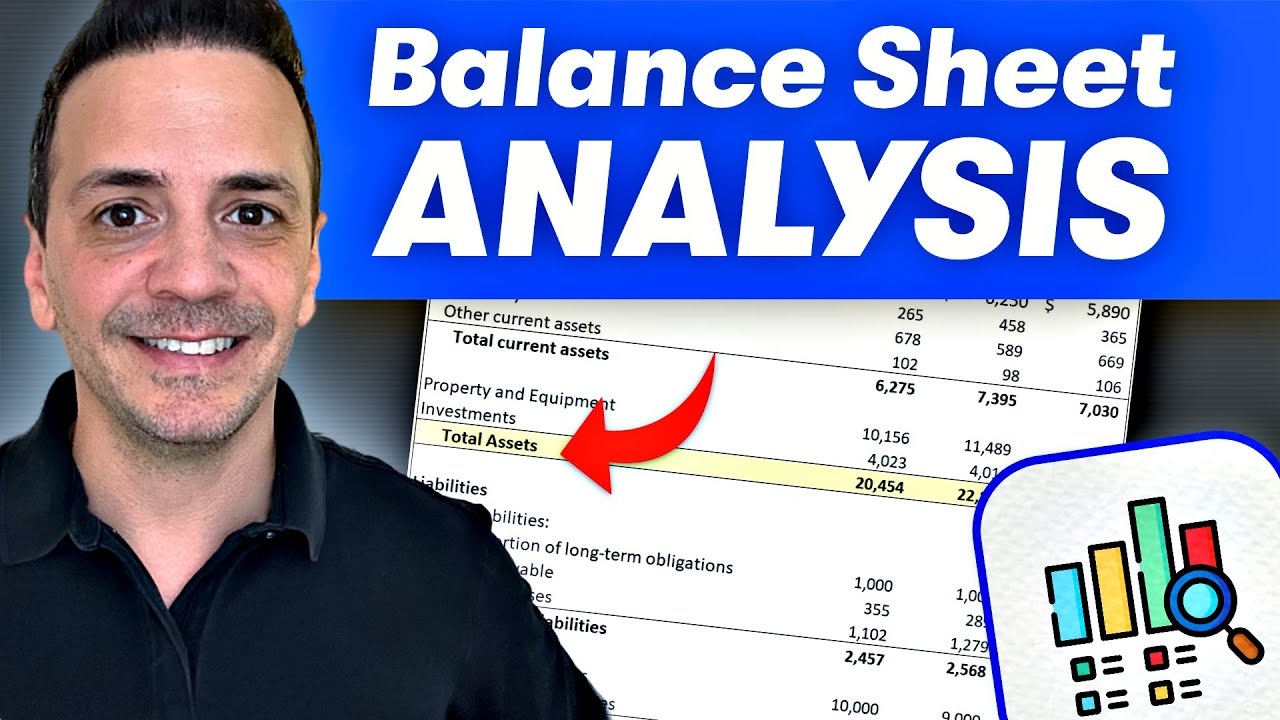
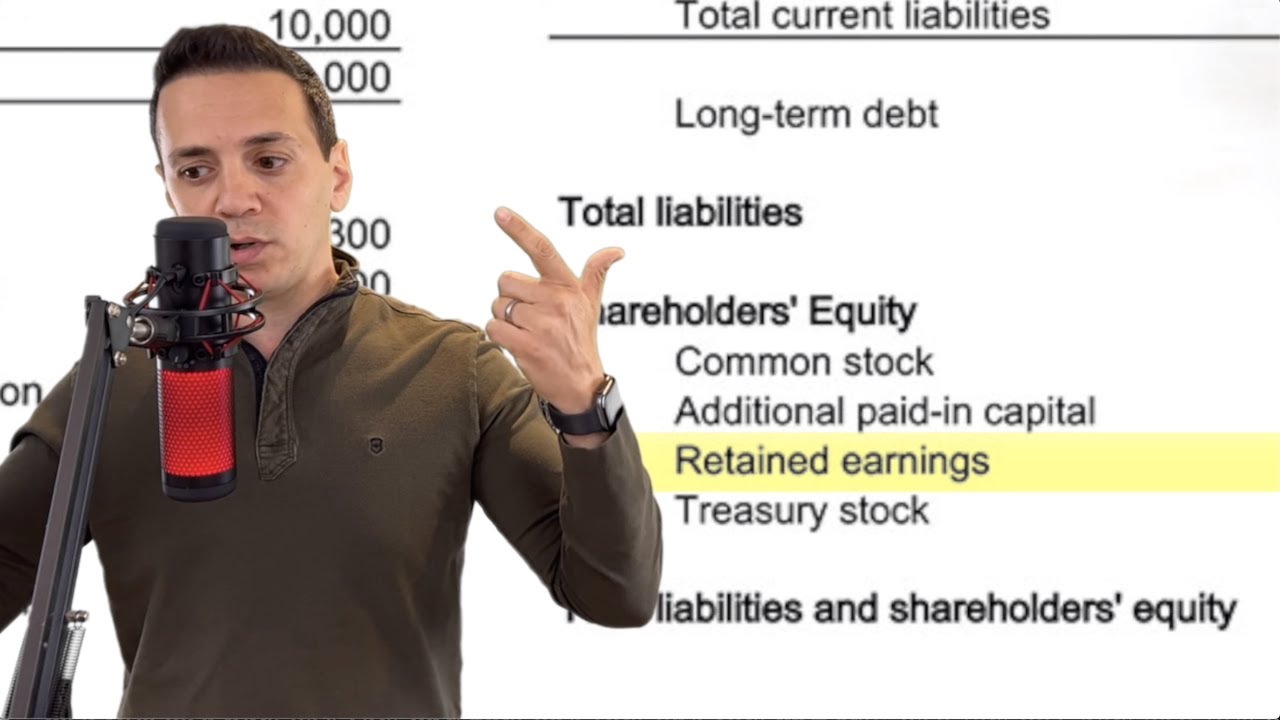
so for the financials all right so the best approach is to get a copy of the financial statements so if this is a publicly held company it's pretty easy you just go to the investor relations page on their website and download the pdf of the financial statements and we're going to take a balance sheet approach here today so we're going to look at the balance sheet an example parent sheet here and we go through step by step looking at the accounts and then having some questions what are the questions that you're going to be asking
that are going to give you the most insight and establish your understanding of the business pretty quickly all right so we'll grab a copy of the balance sheet and go through the accounts here and remember i want to remind you again to make a sticky note and keep it on your desk on your first week financials teams business this is always going to ground you and bring you back to what's important and what to focus on financial statements teams and business okay so with the financials we're looking at the balance sheet and the first thing
that's going to come up on the balance sheet is going to be the current assets and in the cash and cash equivalents the company has in this case five hundred thousand dollars in cash so the first questions that you're going to be asking and it's most likely going to be asking this to either your first in command which if you have like an assistant controller or someone you're reporting to the vp of finance or the cfo is the question on the banking relationships what are the banking relationships where which banks do we hold the money
at so you want to understand where we hold the money is it bank of america jpmorgan chase which banks uh do we have banking relationships because when you ask this question this is going to begin conversations into like hey like maybe we're not happy with this bank maybe we're moving to a new bank um or we're not earning enough interest here so we might as well just park our money somewhere else right this is the kind of question that's going to come up when you begin to ask where are we parking our money where which
bank are we holding the money at okay so understand the bank relationships the second thing is to ask the accounting team operationally how do we reconcile the bank statements do we reconcile the bank statements in excel or do we reconcile them directly in the erp software right and when you ask this question the what's going to help you here is that the the team will begin to explain to you the process of reconciling the back statement so this is more of a process understanding thing right you want to understand the process so they'll begin to
explain to you okay we'll grab the bank statements we can make a copy of it we grab the balance from the erp software and we reconcile it in excel which is fine if you that's fine but some other teams will do the reconciliations directly in the erp software and they'll show you like here we open up in the erp we open up the bank reconcile tab and we enter in the balance from the pdf bank statement and we we find the reconciling items whether it's cash receipt or cash spent and then begin to reconcile the
bank statement so this is the two questions i'll be asking regarding cash and cash equivalents then the next item up is going to be accounts receivable so simply for accounts receivable i'll be asking for an aging of ar right so you ask for an aging schedule and the aging schedule is going to show you the breakdown of accounts receivable by customer right so you're looking at it by customer you're only looking at it by time period buckets so maybe 30 days 30 to 60 30 to 90 days and then beyond 90 days you know this
kind of breakdown is going to begin number one you get to know the customers who are the customers number two you begin to find out the stories about these customers so for example by looking at the balances you'll find that one customer for example makes up let's say 30 percent of the entire aging right they are aging balance and so that's gonna get you to know the stories of the customers who are the large customers and who are the slow payer customers and what are the stories behind it maybe some customers have issues with their
own cash flows and they're paying you slower so these kind of questions when you look at the aging and you speak to whoever's in charge of accounts is here well let's say that comes a suitable clerk or someone in your team they begin to explain to you the stories of these interesting customers and you'll begin to learn about the business that way so again the idea from asking these questions that you're learning about the business right you're not um you know being an auditor you're not being a detective here you're not uh going after anyone
and it's important to clarify to your team at every stage of these questions is that is that you're not asking these questions to be negative you're not asking these questions um to poke into their job and and make sure they're doing the job correctly all you're do all you're doing and you have to say this to them is that you're asking these questions so they can understand the business and then hopefully you can help the team do things a little better right so that's in terms of accounts receivable the next item is going to be
inventory so this is a company that sells physical products so it has inventories and you know similar to accounts receivable you'll be asking for the aging schedule when you ask for the aging schedule you'll begin to see you know the stories again similar to the customer aging with the inventory aging that's going to give you some stories about what the company is making so you begin to see the large balances on the aging schedule you realize that this large item or sku is maybe the most important or the highest in demand of all the skews
and you'll begin understanding what the company sells and what is selling and what is not selling right the second thing you'll see on the aging schedule is going to be what is slow moving and where it's fast moving so an aging schedule of inventory is going to show you uh the dates of the production and then how long it's been sitting in the warehouse right and that's going to give you an idea into what is high in demand what is slow moving and potentially understanding this will help you down the line in establishing whether you
need to book a reserve against any slow moving inventory items right so this is really good you're not really at this point you're not you know even taking notes or anything you're just really understanding the business all you need to do is to be listening and understanding and asking questions and understand the business if you want to take notes find no problem but just understand it more than you're not really documenting anything at the stage just really understanding the business right and in terms of inventory it's also important to understand the warehouse locations right so
when you look at the inventory you can ask about uh breakdown of inventory by warehouse and this is going to get you know help you understand where do we keep our inventory right it's really important for you as a controller to understand where is their inventory being held at okay so this is for inventory we'll go down the list we'll find um more longer-term assets which is property plant and equipment for this one asking for a listing is going to be helpful um also asking you know what equipment what do we use the equipment for
again you'll be just listening to stories and understand you know which machinery is used for what um and um you know that's going to prompt some other things also similar to inventory what is like aging maybe some of these machines are up for impairment and maybe you need to understand that at some point you're going to have to book some sort of a write-off or write down of these equipment so looking at a listing of this equipment is really helpful as you go down the balance sheet you look at liabilities and you look at accounts
payable again similar to accounts receivable ask for an aging schedule and when you look at it you'll understand the breakdown by a supplier right and then we'll that would help you understand who are the major suppliers of the business right and then the second important thing that's going to come out of it is um you will understand the strategy of the business and paying these suppliers right so the business usually will manage is cash flow so that it's paying its suppliers slower than it's getting paid from its customers right so you want to collect faster
from your customers and this is the concept we explain in the balance sheet kpis on the online course that i teach i'll leave a link down below is that your dso you always want to measure your dso which is days sales outstanding and measure dpo days payable outstanding to make sure that the number of days to collect is less than the number of days to pay so that you're managing your cash flow effectively okay this is for accounts payable the next thing is going to be deferred revenue so when you look at deferred revenue this
is a liability this is um something that's going to turn into revenue in the future this is a definition of deferred revenue or unearned revenue so deferred revenue is cash most of the time you receive from customers for a product or service that you will deliver in the future so the way you you park it on a balance sheet is as a liability you book the debit to cash and the credit to deferred revenue as a liability it sits as a liability until you're able to fulfill and deliver the product in this case right so
looking at a listing and a breakdown of deferred revenue uh will give you an understanding of the breakdown by customer in terms of what you have to deliver in the future to earn that revenue okay then after that you get to non-current liabilities and you'll get to long-term debt we have 3.5 million dollars in this case uh you want to get a breakdown of that long-term debt and when you look at a breakdown you will that begin will begin the questions and understanding the strategy of the company and paying down this debt and also the
strategy for financing in general so that will prompt a conversation usually with somebody who's high ranking like the cfo maybe who's going to be maybe your boss in this case and understanding how does the company finance its operations you know so the three sources of financing are going to be either raising funds which is equity right so you raise equity you sell stock or you borrow money and in terms of debt right this is number two that's borrow money or you have enough money from your operations which is the best so if you have enough
money from operations this is the best case scenario but if you don't have enough money from the operations to get the business to grow you need to raise funds either from borrowing long-term debt or short-term debt or selling stock selling equity selling pieces of the company to investors okay so this is in terms of financials we looked at the balance sheet we took this balance sheet approach it's a really good approach to understand the business and get some questions going but remember our sticky notes so we said in a sticky note we have three things
financials team and business right so we kind of covered up the financials looking at the balance sheet is really good um you don't really have to go through the pnl you can go through the piano for your understanding uh but the balance sheet is is important because if you've seen my other videos the income statement or the p l is more of the events of a novel right what goes on like romeo and juliet what goes on during the novel but the balance sheet here is the ending of the story right so everything goes on
and the p l but then the ending of the story is the balance sheet and so if you analyze the balance sheet you get to know the story of the whole business right this is the ending of the story okay so we looked at the balance sheet the financials the second thing on my sticky note then i'm gonna keep a sticky note i'm gonna take it out and stick it on my desk right i'm going to keep this with me for my first week on the job to make sure i understand what's going on so
the teams the second point here is the team is understanding who does what right so the good thing about taking the balance sheet approach here is that in asking questions about cash and asking questions about ar and inventory and so on and so forth as we go through this we're understanding who does what right so this is really good we are accomplishing two things together understanding the financials and understanding the teams together by going through the balance sheet okay then the last thing is understanding the business so understanding the business is obviously really important if
this is a company that sells a physical product then speaking to the sales folks is really good it's really helpful right so this company here sells crab cakes which is a frozen food speaking to the sales people is going to give you a good understanding of the business because they deal with the customers they know how to sell to their customers and so they know the story how to tell the business like a story so speaking to them is really helpful if this company is more of a software business or a sas or any kind
of other service other than product speaking to the product engineers is really helpful so speaking to the people who are making the software is really helpful in understanding what we're selling but also speaking to sales people even for a sas company or a software company uh speaking to the sales people is really important in understanding the business so again focus on three things in your first week the financials the team and the business right and keep the sticky note with you to ground you and remind you every day on what you need to focus on
and you'll do an amazing job if you like this video give it a big thumbs up and if you know someone who is starting a new job soon in accounting or in finance in general share this video with them and i'll see you in the next one [Music] you











![3 Bookkeeping Business Fails You Gotta Stop! [Starting a Bookkeeping Business & Accounting Firm]](https://img.youtube.com/vi/xjkOSj8ldR8/maxresdefault.jpg)