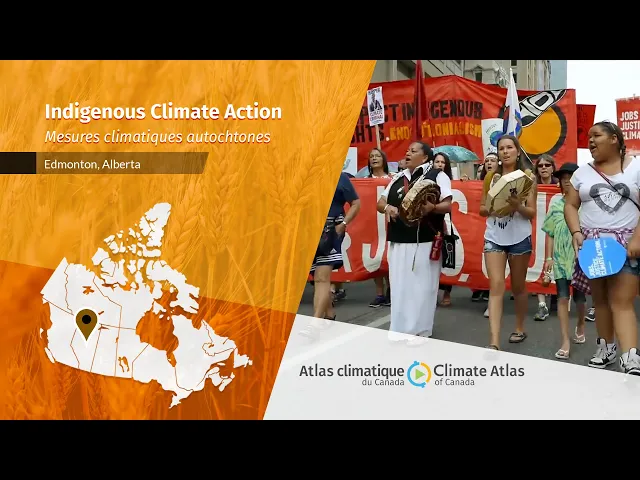
I think the solutions to climate change are not just about economic solutions real climate solutions are not caught up in maintaining the status quo of capitalism of colonialism real climate solutions are rooted in a return to the land a return to and of the land and are rooted in decolonization [Music] and it's indigenous communities that still maintain that connection to the land they maintained that critical knowledge and understanding of not just the connection but their place in the cycles of Mother Earth and the cycles of this planet and that genetic memory is deep and who
we are it's woven into the fabrics of our culture of our cosmology of our creation stories [Music] we have to stand up against the injustice is that we see on the land because it's indigenous people the injustice is that we see for our people are in justices against the land because it's one in the same and so when we are fighting to protect our rights our culture and identities and when we're doing language preservation and cultural preservation it becomes just as critical as putting up solar panels and changing our energy efficiency because it's reconnecting and
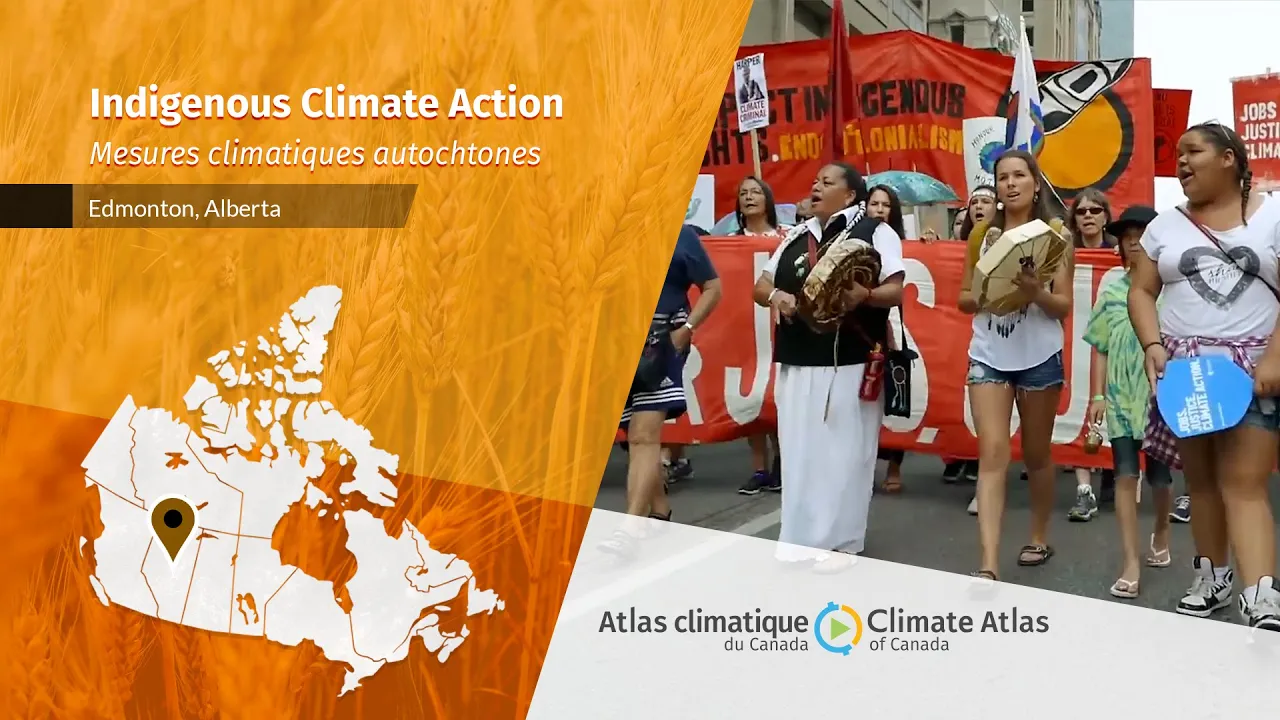
maintaining those connections to land grassroots activism here in the local level is going to be super critical I'm involved with the project called indigenous Climate Action a network of our own people for our own people rooting and framing the ideas are in climate change in traditional knowledge and traditional understandings of what climate change means what does that mean culturally what does that mean to our identities what does it mean to our people and what are some of the solutions that we are already doing so many of our communities already a part of mitigating climate change
they're already creating pathways for adaptation to climate change and yet we're not recognized as being key players this isn't just about talking about climate justice this is about justice in general and we have an opportunity right now to not just leverage our knowledge to help climate stabilization but to really help ensure that our culture's our identities and our people's cultural survival is upheld and that we step back into those places as leaders here on Turtle Island we won't survive with solar panels and wind turbines if that's our only course of action to take for climate
change yes we're gonna need those Western technological advances yes we're gonna mean you know aquaponics and solar and wind and geothermal energy but unless we also have that intimate connection and understanding of the land I don't think there's any real hope for anyone [Music] [Applause] [Music] you [Music]